
Imagine a sun-drenched Italian villa, alive with laughter, love, and a touch of treachery—welcome to the world of Much Ado About Nothing! This timeless Shakespearean comedy, penned around 1598, weaves a captivating Much Ado About Nothing plot that blends romance, deception, and razor-sharp wit. Whether you’re a student grappling with Elizabethan dialogue, a theater enthusiast eager to explore classic drama, or a curious reader seeking a story that resonates across centuries, this guide unravels the intricate plot with clarity and depth. As a Shakespeare scholar with over a decade of experience analyzing his works, I invite you to dive into this vibrant tale of mistaken identities and heartfelt redemption, enriched with historical context and modern insights to enhance your appreciation of the Bard’s genius.
Overview of Much Ado About Nothing
The Essence of Shakespeare’s Comedy
Much Ado About Nothing is a sparkling romantic comedy that showcases Shakespeare’s mastery of humor and human nature. Written during the height of his career, the play combines lighthearted banter with darker undertones of betrayal, making it a standout in his repertoire. Its enduring appeal lies in its relatable characters and universal themes, brought to life through performances on stage and screen, from London’s Globe Theatre to modern Hollywood adaptations.
Setting and Historical Context
Set in the picturesque town of Messina, Sicily, the play unfolds in a vibrant Mediterranean world of leisure and nobility. During the Elizabethan era, Italy was a romanticized backdrop for tales of love and intrigue, reflecting England’s fascination with continental culture. The Much Ado About Nothing plot also mirrors societal norms of the time, particularly around honor, marriage, and gender roles. For instance, a woman’s reputation, like Hero’s, was tied to her social standing, a concept central to the story’s conflict.
Why the Plot Resonates Today
The play’s themes—love, trust, and the consequences of misinformation—remain strikingly relevant. The witty sparring between Beatrice and Benedick prefigures modern rom-com banter, while the destructive power of false accusations echoes today’s concerns about rumors and social media. By exploring the Much Ado About Nothing plot, readers can connect Shakespeare’s insights to their own lives, making it a timeless study of human relationships.
The Plot of Much Ado About Nothing: A Step-by-Step Breakdown
Act 1 – Setting the Stage
The story begins as Don Pedro, Prince of Aragon, arrives in Messina with his soldiers, including the young Claudio and the sharp-tongued Benedick. They are welcomed by Leonato, the governor, and his family, including his daughter Hero and niece Beatrice. Sparks fly immediately: Claudio falls for Hero’s gentle charm, while Beatrice and Benedick engage in a “merry war” of witty insults, revealing their mutual disdain for love. Meanwhile, Don John, Don Pedro’s bitter brother, lurks in the shadows, plotting to sow discord. This act sets up the dual romantic arcs and the seeds of conflict.
Act 2 – Love and Deception Unfold
A masquerade ball heightens the romantic tension. Claudio and Hero’s courtship blossoms, with Don Pedro’s help, leading to their engagement. To lighten the mood, Don Pedro and his friends devise a plan to trick Beatrice and Benedick into falling in love by staging overheard conversations about their mutual affection. The ruse works, and both begin to soften their stances on romance. However, Don John schemes to derail Claudio and Hero’s happiness, planting doubts about Hero’s fidelity by staging a deceptive scene.
Act 3 – The Turning Point
The plot thickens as Don John’s plan unfolds. His henchman, Borachio, stages a scene where Claudio and Don Pedro believe they see Hero with another man. Devastated, Claudio vows to publicly shame her. Meanwhile, Beatrice and Benedick’s feelings deepen, though they struggle to admit their love. The act ends on a tense note, with the innocent Hero unaware of the betrayal awaiting her, setting the stage for the play’s dramatic climax.
Act 4 – Crisis and Resolution
The wedding day arrives, and the Much Ado About Nothing plot reaches its peak. Claudio denounces Hero at the altar, accusing her of infidelity based on Don John’s lies. Hero faints, humiliated, and her family is shattered. The Friar, sensing foul play, proposes a bold plan: pretend Hero is dead to uncover the truth and restore her reputation. Beatrice, enraged, urges Benedick to challenge Claudio, testing his loyalty. This act showcases the devastating impact of deception and the power of trust.
Act 5 – Truth and Reconciliation
The truth emerges as Borachio confesses to Don John’s scheme. Claudio, remorseful, agrees to marry Leonato’s “niece” to atone for his mistake—only to discover she is Hero, alive and vindicated. Beatrice and Benedick finally confess their love, sealing the play’s joyful resolution with a double wedding. Don John’s villainy is exposed, and harmony is restored. The Much Ado About Nothing plot concludes with dance and celebration, a testament to love’s triumph over adversity.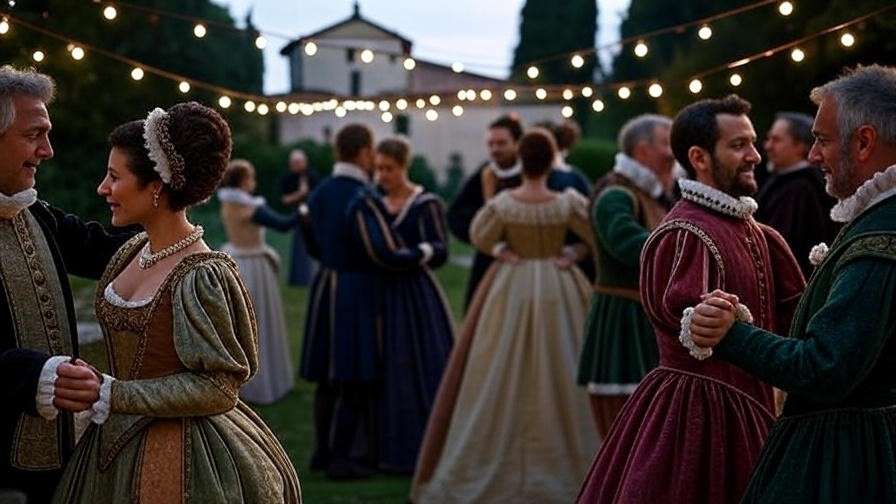
Key Themes in the Much Ado About Nothing Plot
Love and Courtship
The play contrasts two love stories: Claudio and Hero’s idealized, conventional romance and Beatrice and Benedick’s fiery, intellectual partnership. While Claudio and Hero embody societal expectations of love, Beatrice and Benedick challenge norms with their independence and wit, offering a more modern view of partnership that resonates with today’s audiences.
Deception and Miscommunication
Deception drives the plot, from Don John’s malicious lies to the playful trickery that unites Beatrice and Benedick. These misunderstandings highlight the fragility of trust and the chaos caused by miscommunication, a theme that feels eerily relevant in our era of misinformation.
Honor and Reputation
Hero’s public shaming underscores the Elizabethan obsession with honor, particularly for women. Her vulnerability reflects the era’s rigid gender norms, while her redemption critiques the unfairness of such standards, inviting readers to question societal values.
Wit and Wordplay
Shakespeare’s language shines in Beatrice and Benedick’s verbal duels, which use puns and repartee to reveal their intelligence and chemistry. This linguistic flair not only entertains but also advances the plot, making their eventual union deeply satisfying.
Character Analysis and Their Role in the Plot
Beatrice – The Sharp-Tongued Heroine
Beatrice is a standout character, her sharp wit and fierce independence defying Elizabethan expectations of women. Her banter with Benedick masks vulnerability, and her journey to love reveals a tender side, making her a fan favorite in the Much Ado About Nothing plot.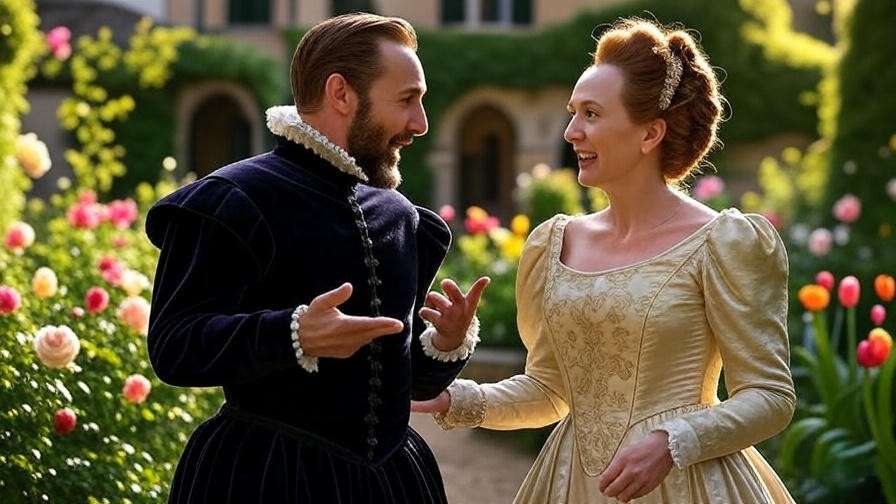
Benedick – The Reluctant Romantic
Benedick’s transformation from a sworn bachelor to a devoted lover is both humorous and heartfelt. His loyalty to Beatrice, especially when he agrees to challenge Claudio, cements his role as a dynamic figure in the story’s resolution.
Claudio and Hero – The Traditional Lovers
Claudio and Hero represent the idealized romance of their time, but their story exposes its flaws. Claudio’s quickness to believe Hero’s infidelity reveals his insecurity, while Hero’s resilience highlights her quiet strength, driving the plot’s emotional core.
Don John – The Catalyst of Conflict
As the play’s villain, Don John’s envy and malice spark the central conflict. His schemes test the characters’ trust and resilience, making him an essential, if detestable, driver of the Much Ado About Nothing plot.
Why the Plot of Much Ado About Nothing Matters
Relevance to Modern Audiences
The Much Ado About Nothing plot resonates today because it tackles timeless human experiences. The play’s exploration of trust and betrayal mirrors modern challenges, such as navigating relationships in the age of social media, where misinformation can spread rapidly. Beatrice and Benedick’s dynamic, built on mutual respect and intellectual sparring, feels like a blueprint for contemporary partnerships that value equality. Similarly, Hero’s struggle with public shaming highlights ongoing issues of reputation and gender dynamics, making the story a lens for examining societal pressures.
Adaptations and Cultural Impact
The enduring appeal of the Much Ado About Nothing plot is evident in its numerous adaptations. Kenneth Branagh’s 1993 film brought the play’s vibrancy to the big screen with lush visuals and a stellar cast, emphasizing its romantic and comedic elements. Joss Whedon’s 2012 modern-dress adaptation reimagined the story in a contemporary setting, proving its versatility. These retellings, along with countless stage productions by companies like the Royal Shakespeare Company, showcase how the plot’s themes of love, deception, and redemption transcend time, captivating diverse audiences.
Educational Value
In classrooms worldwide, Much Ado About Nothing is a staple for teaching literary analysis, character development, and Elizabethan culture. The plot’s clear structure—romantic buildup, dramatic conflict, and joyful resolution—makes it ideal for studying narrative arcs. Students explore themes like honor and gender roles, gaining insights into both Shakespeare’s era and their own. Educators often use the play to discuss the power of language, as its witty dialogue and dramatic monologues offer rich material for textual analysis.
Expert Insights and Tips for Appreciating the Play
How to Read or Watch Much Ado About Nothing
To fully enjoy Much Ado About Nothing, approach it with an open mind and a sense of playfulness. If reading, take time to savor the banter between Beatrice and Benedick, which reveals their personalities through humor. Watching a performance, whether live or filmed, brings the plot to life—look for productions that highlight the chemistry between the leads and the tension of the wedding scene. The Globe Theatre’s recordings or Branagh’s film are excellent starting points. Pay attention to how directors interpret the setting and costumes to enhance the story’s mood.
Understanding Shakespeare’s Language
Shakespeare’s Elizabethan dialogue can feel daunting, but it’s key to unlocking the Much Ado About Nothing plot. Focus on context clues and tone. For example, Beatrice’s line, “I had rather hear my dog bark at a crow than a man swear he loves me,” uses hyperbole to convey her skepticism about romance. Try reading aloud or listening to audio versions to catch the rhythm of the language. Resources like the Folger Shakespeare Library’s annotated texts can clarify unfamiliar words, such as “gull” (to deceive) or “wit” (cleverness), enriching your understanding.
Discussion Questions for Deeper Engagement
To deepen your engagement with the play, consider these questions:
- How does the Much Ado About Nothing plot critique societal expectations of women, particularly through Hero’s ordeal?
- What makes Beatrice and Benedick’s relationship more compelling than Claudio and Hero’s?
- How does Shakespeare use deception as both a comedic and tragic device?
- In what ways does the play’s resolution reflect Elizabethan views on justice and reconciliation?
These prompts encourage critical thinking and connect the plot to broader themes, perfect for book clubs or classroom discussions.
FAQs About the Much Ado About Nothing Plot
What is the main conflict in Much Ado About Nothing?
The central conflict revolves around Don John’s deception, which leads to Hero’s false accusation of infidelity and her public shaming, threatening her romance with Claudio and testing the trust among characters.
How does Beatrice and Benedick’s relationship evolve?
Initially adversaries, Beatrice and Benedick are tricked into admitting their love through their friends’ schemes. Their journey from witty banter to mutual vulnerability forms a key subplot, culminating in their union.
Why is Hero’s reputation so central to the plot?
In Elizabethan society, a woman’s honor was tied to her chastity and social standing. Hero’s false accusation disrupts her marriage and family’s status, driving the plot’s dramatic tension and resolution.
What role does Don John play in the story?
Don John, the villain, orchestrates the deception that slanders Hero, acting as the catalyst for the play’s conflict. His malice contrasts with the comedy’s lighter elements, heightening the stakes.
How does Shakespeare use humor in the plot?
Humor arises from Beatrice and Benedick’s verbal sparring, the comedic trickery that unites them, and the bumbling watchmen who inadvertently uncover Don John’s plot, balancing the play’s darker moments.
The Much Ado About Nothing plot is a masterful blend of romance, deception, and redemption, showcasing Shakespeare’s ability to capture the complexities of human relationships. From the witty repartee of Beatrice and Benedick to the heart-wrenching betrayal of Hero, the story offers timeless lessons about love, trust, and the power of truth. As a Shakespeare scholar, I encourage you to explore this comedy through reading, watching a performance, or attending a live production to experience its vibrant energy. Visit our blog for more insights into Shakespeare’s works, share your thoughts on the play in the comments, or join a local theater discussion group to dive deeper into the Bard’s world. Let Much Ado About Nothing inspire you to find joy in life’s misunderstandings and triumphs.