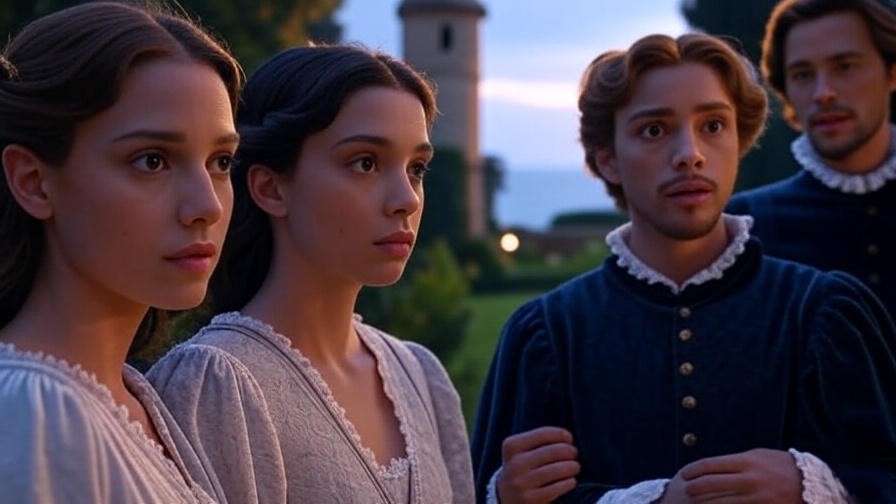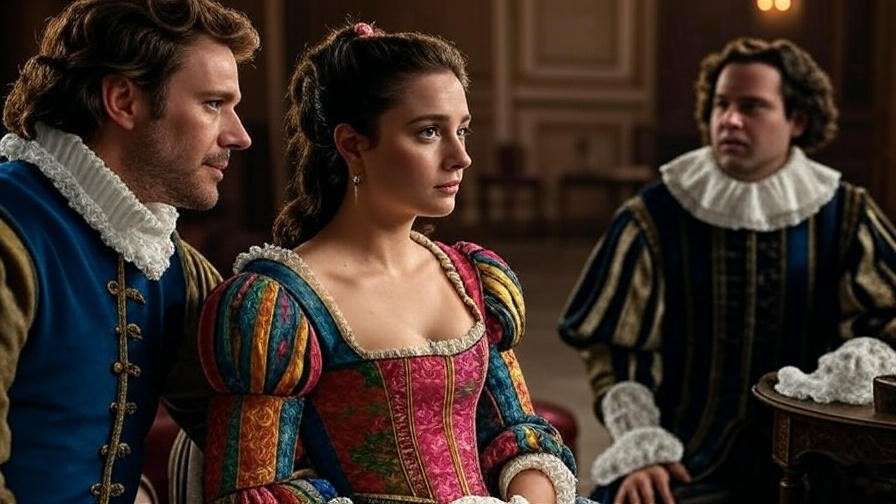
Imagine a world where a shipwreck sets off a whirlwind of mistaken identities, unrequited love, and uproarious pranks, all woven together with the wit of William Shakespeare. Welcome to Twelfth Night, a comedic masterpiece that has delighted audiences for over four centuries. This Twelfth Night summary unravels the play’s intricate plot, vibrant characters, and timeless themes, offering a clear and engaging guide for students, theater enthusiasts, and casual readers alike. Whether you’re studying Shakespeare for school, preparing for a performance, or simply curious about this celebrated comedy, this article provides deep insights, historical context, and practical tips to fully appreciate its brilliance. Let’s dive into the chaotic, heartfelt, and hilarious world of Illyria.
Overview of Twelfth Night
Historical Context and Shakespeare’s Inspiration
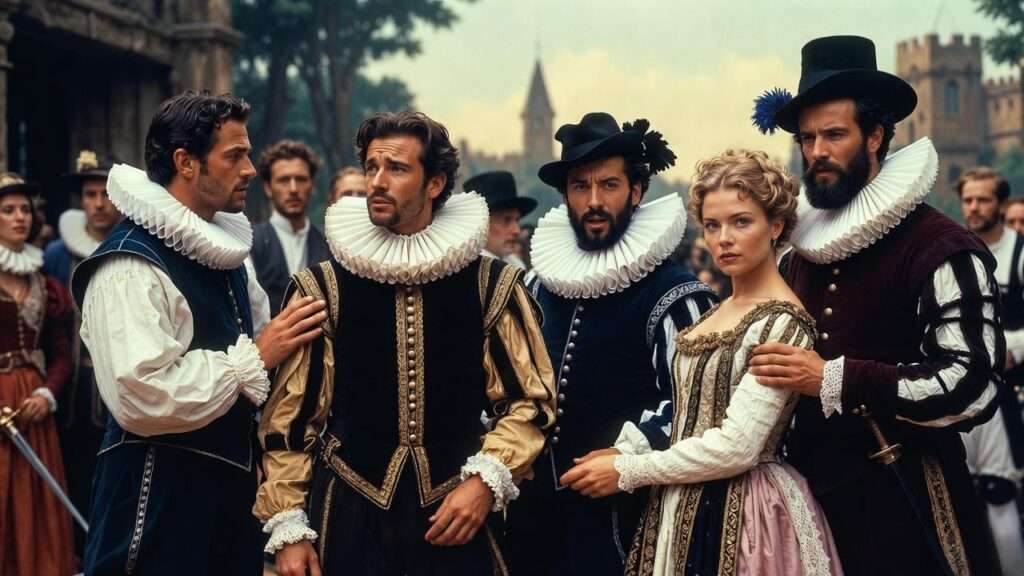
Written around 1601–1602, Twelfth Night, or What You Will was likely performed during the Twelfth Night festival, a raucous Elizabethan celebration marking the end of the Christmas season. This holiday, tied to the Feast of the Epiphany, was known for revelry, role reversals, and playful subversions of social norms—elements that permeate the play’s structure and themes. Shakespeare drew inspiration from Italian comedies like Gl’Ingannati (1531), which featured mistaken identities and cross-dressing, as well as his own earlier works, such as The Comedy of Errors. Set in the fictional land of Illyria, Twelfth Night reflects the Elizabethan fascination with exotic settings and fluid identities, making it a product of its time yet universally relatable.
Genre and Tone
Twelfth Night is a romantic comedy laced with farce, social satire, and moments of poignant melancholy. Its lighthearted tone, driven by slapstick humor and witty banter, contrasts with deeper reflections on love, identity, and social hierarchy. Unlike Shakespeare’s tragedies, Twelfth Night is accessible to a wide audience, blending physical comedy with emotional depth. The play’s festive spirit and resolution through marriage align it with other Shakespearean comedies like A Midsummer Night’s Dream, but its bittersweet undertones—especially in the treatment of certain characters—set it apart as a uniquely layered work.
Plot Summary of Twelfth Night
Act 1 – The Setup: Shipwrecks and New Beginnings
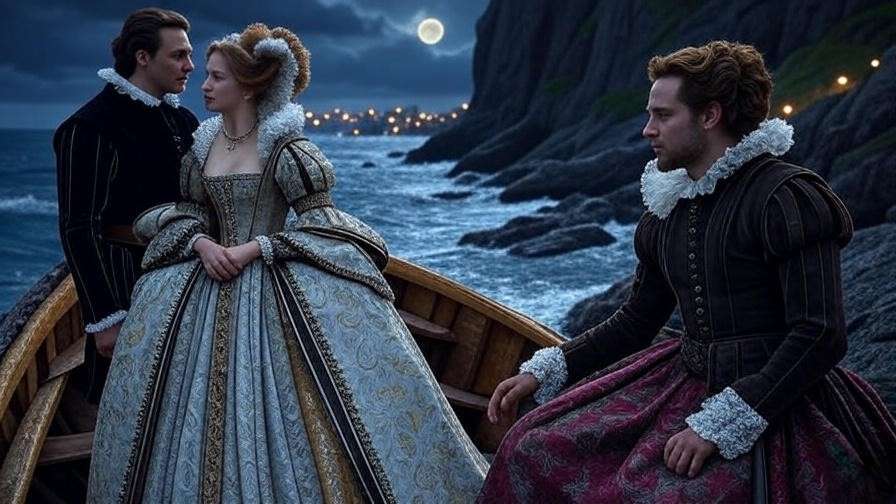
The play opens with a dramatic shipwreck that separates twins Viola and Sebastian off the coast of Illyria. Believing her brother dead, Viola disguises herself as a young man, Cesario, to navigate this unfamiliar land safely. She enters the service of Duke Orsino, who pines for the wealthy Countess Olivia, who is mourning her brother’s death and rejecting all suitors. Viola, as Cesario, becomes Orsino’s confidant, delivering his love messages to Olivia. Meanwhile, a comedic subplot unfolds in Olivia’s household, where her drunken uncle, Sir Toby Belch, carouses with his foolish friend Sir Andrew Aguecheek and schemes with Olivia’s clever maid, Maria. This act sets the stage for a tangled web of romance and mischief.
Act 2 – Tangled Hearts and Mistaken Identities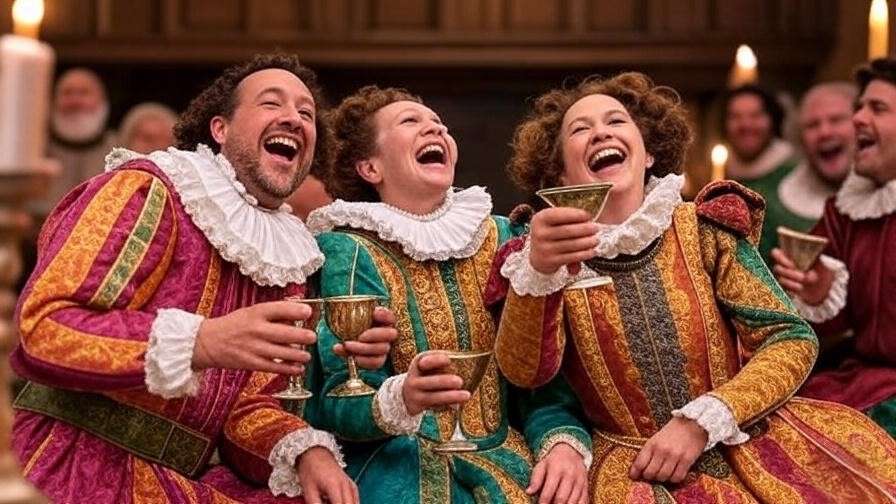
As Viola (disguised as Cesario) carries Orsino’s messages, Olivia unexpectedly falls in love with “him,” complicating Viola’s own growing feelings for Orsino. The love triangle tightens, fueled by dramatic irony, as the audience knows Viola’s true identity. Elsewhere, Maria plots to humiliate Olivia’s pompous steward, Malvolio, by forging a letter suggesting Olivia loves him. Malvolio’s delusions of grandeur spark some of the play’s funniest moments. Simultaneously, Sebastian, revealed to be alive, arrives in Illyria with his friend Antonio, setting up further confusion due to his striking resemblance to Viola/Cesario. The stage is set for escalating chaos.
Act 3 – Escalating Chaos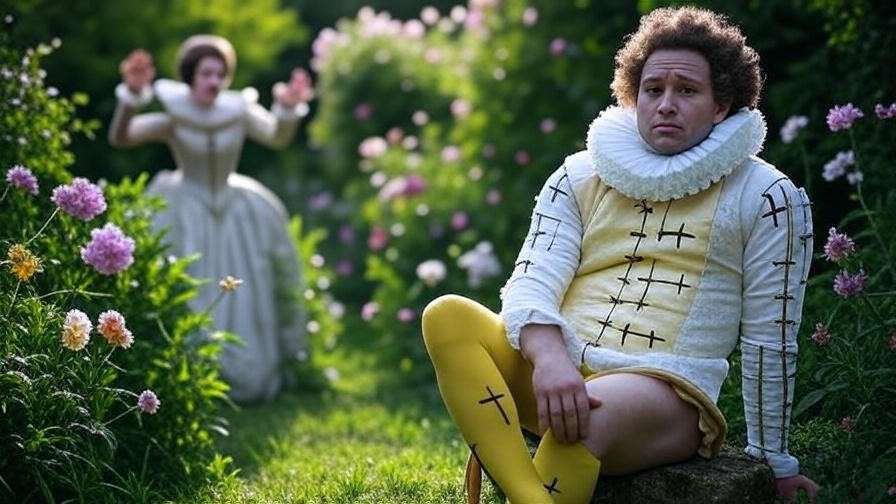
The mistaken identities reach a fever pitch as Olivia pursues Cesario, who struggles to rebuff her advances while concealing her true feelings for Orsino. Sir Andrew, egged on by Sir Toby, grows jealous of Cesario’s favor with Olivia and challenges “him” to a duel, leading to comedic confrontations. Maria’s prank on Malvolio succeeds spectacularly: believing Olivia loves him, he dons ridiculous yellow stockings and smiles incessantly, behaviors that horrify Olivia and amuse the household. Sebastian’s arrival in Illyria adds to the confusion, as characters mistake him for Cesario, leading to absurd encounters that propel the plot toward its climax.
Act 4 – Climax and Revelations
The chaos peaks as Sebastian, mistaken for Cesario, is drawn into a duel with Sir Andrew and Sir Toby, only to be rescued by Olivia, who believes he is Cesario and proposes marriage. Sebastian, bewildered but smitten, accepts, creating a parallel romance to the main plot. Meanwhile, Malvolio’s bizarre behavior leads to his imprisonment as a supposed madman, raising questions about the cruelty of the prank. Viola, still disguised, navigates her own romantic entanglements, unaware of her brother’s presence. This act balances humor with darker undertones, setting up the final resolution.
Act 5 – Resolution and Reunions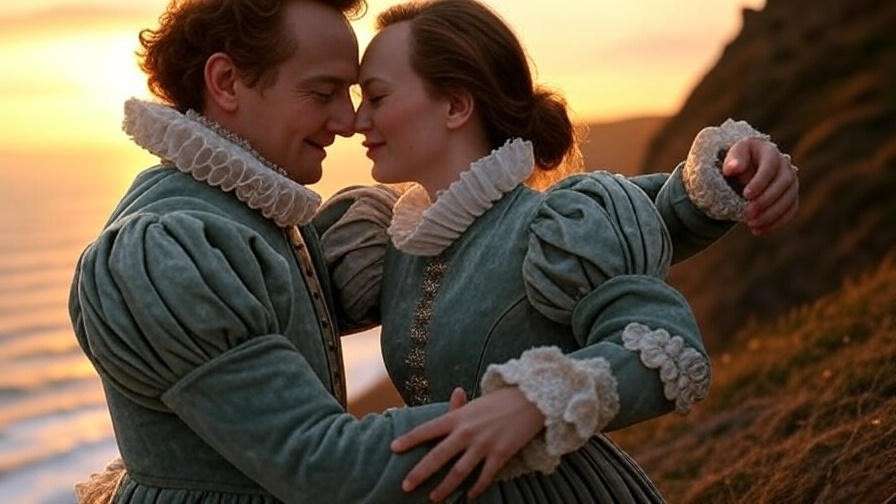
In a joyous and chaotic finale, Viola and Sebastian reunite, revealing their true identities and untangling the love triangle. Orsino, realizing Cesario is Viola, declares his love for her, while Olivia happily remains married to Sebastian. The comedic subplots resolve, with Sir Toby marrying Maria and Sir Andrew left to his folly. However, Malvolio’s release from confinement casts a shadow: humiliated and vowing revenge, he exits with the play’s most famous line, “I’ll be revenged on the whole pack of you!” Feste, the wise fool, closes the play with a melancholic song, blending festivity with reflection on life’s fleeting joys.
Key Characters in Twelfth Night
Viola (Cesario)
Viola is the heart of Twelfth Night, a resilient and quick-witted protagonist who disguises herself as Cesario to survive in Illyria. Her cross-dressing not only drives the plot but also challenges Elizabethan gender norms, as she navigates love and loyalty with grace. Viola’s silent devotion to Orsino and her empathy for Olivia showcase her emotional depth, making her a relatable figure for modern audiences grappling with identity and authenticity.
Duke Orsino
Orsino embodies romantic idealism, waxing poetic about his unrequited love for Olivia. His melodramatic passion contrasts with his eventual shift toward genuine affection for Viola, highlighting the transformative power of love. Orsino’s journey from obsession to clarity resonates with readers exploring the complexities of desire.
Olivia
Olivia begins the play in mourning, rejecting Orsino’s advances, but her sudden infatuation with Cesario reveals her agency and passion. Her arc—from isolation to love—underscores the play’s exploration of emotional vulnerability, making her a compelling figure for audiences interested in strong female characters.
Malvolio
Malvolio, Olivia’s puritanical steward, is both comedic and tragic. His ambition to rise above his station, fueled by Maria’s forged letter, leads to his humiliating downfall. While his self-righteousness invites laughter, his harsh treatment raises ethical questions, adding depth to discussions of social class and justice.
Sir Toby Belch, Sir Andrew Aguecheek, and Maria
This trio drives the play’s comedic subplot. Sir Toby, a boisterous drunkard, and Sir Andrew, a dim-witted suitor, embody the festive spirit of Twelfth Night, while Maria’s cunning orchestrates Malvolio’s prank. Their antics critique social norms, offering humor and insight into human folly.
Feste, the Fool
Feste, Olivia’s jester, is the play’s wise commentator, using wit and music to expose truths about love and mortality. His songs, like “Come Away, Death,” deepen the play’s emotional range, making him a fan favorite for readers and performers who appreciate Shakespeare’s blend of humor and philosophy.
Major Themes in Twelfth Night
Love and Desire
Twelfth Night explores love in its many forms—romantic, unrequited, and familial—portraying it as both exhilarating and irrational. Orsino’s obsession with Olivia, Viola’s quiet devotion to Orsino, and Olivia’s sudden passion for Cesario illustrate love’s transformative power. The play’s love triangle, fueled by mistaken identities, invites readers to reflect on the unpredictability of desire, a theme that resonates with modern audiences navigating complex relationships. For example, Viola’s line, “O time, thou must untangle this, not I,” captures the chaotic yet hopeful nature of love, making it a timeless touchstone.
Identity and Disguise
Disguise drives the plot and serves as a lens for exploring identity. Viola’s transformation into Cesario blurs gender lines, reflecting Elizabethan fascination with fluid identities while raising questions about authenticity and self-presentation. Malvolio’s delusions of grandeur, spurred by the forged letter, further highlight how external perceptions shape identity. This theme connects to contemporary discussions of gender fluidity and social roles, making Twelfth Night a rich text for analyzing identity in both historical and modern contexts.
Social Class and Ambition
The play critiques social hierarchy through characters like Malvolio, whose ambition to marry Olivia and rise above his station is mocked mercilessly. Sir Toby and Sir Andrew, despite their higher status, are depicted as foolish, suggesting that class does not guarantee wisdom. This tension mirrors the Twelfth Night festival’s spirit of social inversion, where servants could play masters. For readers, this theme offers insights into social mobility and the human desire for recognition, relevant to today’s class-conscious world.
Revelry and Order
Twelfth Night balances festivity with restraint, embodied in the clash between Sir Toby’s drunken revelry and Malvolio’s puritanical order. The play’s setting during the Twelfth Night holiday, a time of licensed chaos, underscores this dynamic. While Sir Toby’s antics delight, Malvolio’s harsh punishment hints at the cost of disrupting social norms. This theme invites readers to consider the balance between freedom and responsibility, a universal tension that remains relevant in debates about personal expression and societal rules.
Shakespeare’s Language and Literary Devices
Wordplay and Wit
Shakespeare’s mastery of language shines in Twelfth Night, with puns, double entendres, and witty exchanges driving the comedy. Feste’s banter, such as his quip, “Many a good hanging prevents a bad marriage,” showcases the fool’s sharp intellect. For modern readers, these wordplays can be challenging but rewarding. Using an annotated edition, like the Folger Shakespeare Library’s, helps decode Elizabethan slang, making lines like “If music be the food of love, play on” (Orsino) both poetic and accessible.
Dramatic Irony
The audience’s knowledge of Viola’s disguise creates delicious dramatic irony, heightening the humor and tension. When Olivia woos Cesario, unaware of Viola’s true identity, or when Orsino confides his love troubles to “him,” the audience delights in the mismatch. This device keeps readers engaged, as they anticipate the inevitable revelations, making Twelfth Night a masterclass in comedic storytelling.
Music and Songs
Music is integral to Twelfth Night, with Feste’s songs setting the emotional tone. “Come Away, Death” evokes melancholy, reflecting the play’s bittersweet undertones, while “The Wind and the Rain” closes the play with a meditation on life’s transience. These songs enhance the play’s themes of love and mortality, offering readers and performers a deeper connection to its emotional landscape. Modern productions often highlight these musical elements, making them a key entry point for appreciating the play.
Why Twelfth Night Resonates Today
Universal Themes
The play’s exploration of love, identity, and social dynamics remains strikingly relevant. Viola’s cross-dressing speaks to modern conversations about gender fluidity, while Malvolio’s ambition and humiliation echo workplace dynamics and social media shaming. The play’s blend of humor and heart appeals to diverse audiences, from students analyzing its themes to theatergoers seeking entertainment. Its universal appeal lies in its ability to mirror human experiences across time.
Modern Adaptations
Twelfth Night has inspired numerous adaptations, proving its cultural staying power. The 2006 film She’s the Man, starring Amanda Bynes, reimagines the play as a teen comedy, with Viola posing as her brother at a boarding school. Recent stage productions, such as the 2017 Globe Theatre version with Tamsin Greig as a female Malvolio (Malvolia), highlight the play’s flexibility in addressing contemporary issues like gender and power. These adaptations make Twelfth Night accessible to new generations, reinforcing its relevance.
Educational Value
Twelfth Night is a staple in classrooms due to its approachable humor and relatable characters. Its themes of love and identity resonate with students, while its compact plot makes it less daunting than Shakespeare’s tragedies. Teachers often use the play to introduce Elizabethan language and comedy, with discussion prompts like “How does Viola’s disguise challenge societal norms?” fostering critical thinking. This educational role ensures Twelfth Night remains a gateway to Shakespeare’s oeuvre.
Tips for Understanding and Enjoying Twelfth Night
Reading the Play
To fully appreciate Twelfth Night, opt for an annotated edition like the Folger Shakespeare Library or Arden Shakespeare, which clarify archaic terms and provide historical context. Reading aloud, either solo or with friends, captures the play’s rhythmic dialogue and comedic timing. For example, try reciting Feste’s witty exchanges to feel the pulse of Shakespeare’s language. Breaking the play into acts and summarizing each scene can also help track the plot’s twists.
Watching Performances
Seeing Twelfth Night performed brings its physical comedy and character dynamics to life. Productions by the Royal Shakespeare Company or Globe Theatre, often available on platforms like Globe Player or BBC iPlayer, showcase the play’s energy. Pay attention to how actors interpret Viola’s dual role or Malvolio’s transformation for insights into their motivations. Local theater productions or high school performances can also offer fresh perspectives on the play.
Engaging with Themes
To connect with Twelfth Night, reflect on its themes in your own life. Have you ever hidden your true feelings, like Viola, or felt out of place, like Malvolio? Journaling about these questions or discussing them in a book club can deepen your appreciation. For students, try analyzing how the play’s themes of disguise and love apply to modern social media personas, bridging the gap between Elizabethan and contemporary worlds.
Expert Insights: Shakespeare Scholars on Twelfth Night
Renowned scholar Stephen Greenblatt describes Twelfth Night as “a celebration of the fluidity of identity,” noting how Viola’s disguise challenges fixed notions of selfhood. Emma Smith, in her book This Is Shakespeare, argues that the play’s bittersweet ending, particularly Malvolio’s exit, invites audiences to question the ethics of comedy. Theater director Trevor Nunn, who helmed a 1996 film adaptation, emphasizes the play’s emotional range, stating, “It’s a comedy that dares to touch the tragic.” These insights from leading voices underscore Twelfth Night’s complexity, reinforcing its status as a literary and theatrical gem.
FAQs About Twelfth Night
What is the main plot of Twelfth Night?
Twelfth Night follows Viola, who, after a shipwreck, disguises herself as Cesario and navigates a love triangle with Duke Orsino and Countess Olivia in Illyria. Mistaken identities, comedic pranks, and romantic entanglements drive the story to a joyful yet poignant resolution.
Why is it called Twelfth Night?
The title refers to the Twelfth Night festival, a time of revelry and role reversal in Elizabethan England. The play’s themes of disguise and festivity mirror this holiday’s spirit of chaos and celebration.
Is Twelfth Night suitable for beginners to Shakespeare?
Yes, its accessible humor, clear plot, and relatable characters make it an ideal introduction to Shakespeare, especially compared to denser tragedies like Hamlet.
What are the key themes in Twelfth Night?
The play explores love and desire, identity and disguise, social class and ambition, and the tension between revelry and order, offering insights into human nature and societal norms.
How does Twelfth Night compare to other Shakespearean comedies?
Like A Midsummer Night’s Dream, it uses mistaken identities and romance for humor, but its bittersweet tone and complex characters, like Malvolio, give it a unique depth.
Twelfth Night remains one of Shakespeare’s most beloved comedies, weaving laughter, love, and social commentary into a timeless tapestry. This Twelfth Night summary has unpacked its intricate plot, vibrant characters, and enduring themes, offering a roadmap for readers, students, and theatergoers to explore its riches. Whether you’re reading the play, watching a performance, or debating its themes, Twelfth Night invites you to revel in its chaos and reflect on its truths. Share your thoughts on Twelfth Night in the comments, explore other Shakespeare insights on our site, or dive into a performance to experience Illyria’s magic firsthand.