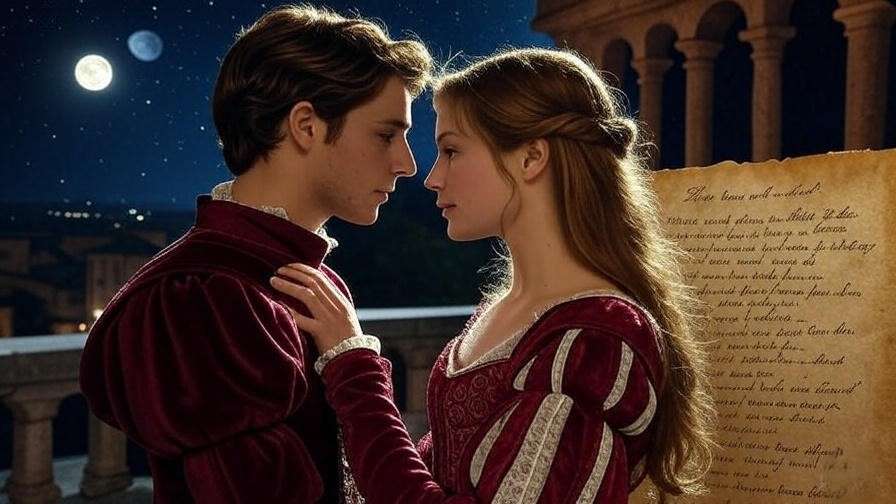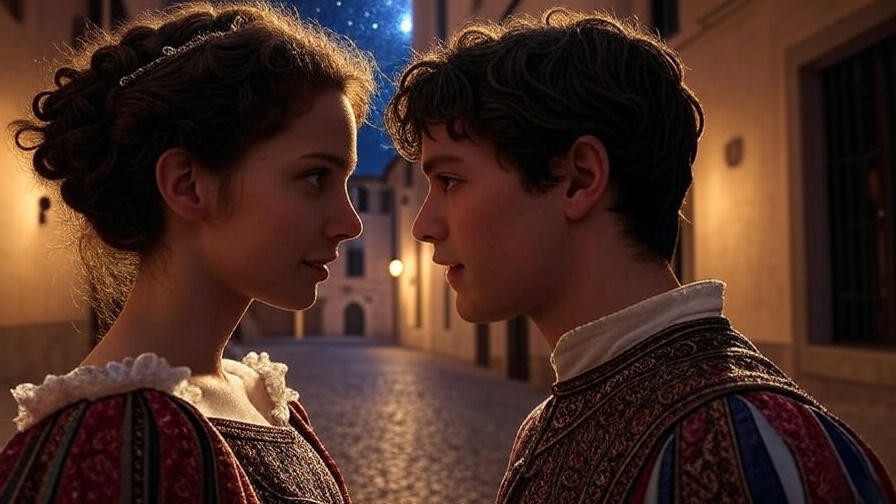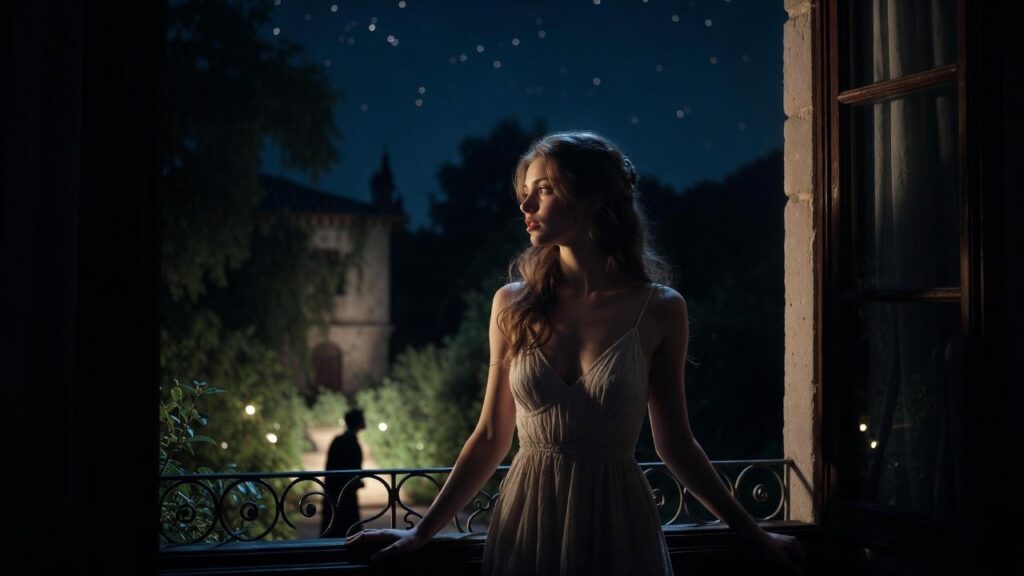
Imagine the most romantic moment in literary history: Juliet, illuminated by moonlight, leaning over a Juliette balcony as Romeo professes his undying love from the garden below. This image has inspired countless films, paintings, operas, and even modern architecture. But what if I told you that this iconic “balcony scene” is a myth? Shakespeare’s original Romeo and Juliet features no balcony at all—not a single mention of the word, nor any protruding platform. Instead, Juliet appears “above at a window.” The surprising truth is that the Juliette balcony, both as an architectural feature and as the centerpiece of this famous scene, is a later invention that has forever altered how we envision one of the greatest love stories ever told.
In this comprehensive exploration, we’ll uncover the origins of the Juliette balcony (also spelled Juliet balcony or balconette), delve into Shakespeare’s text to reveal what’s really there, trace how the balcony myth emerged through centuries of adaptations, and examine its enduring legacy—including the famous tourist site in Verona, Italy. Whether you’re a Shakespeare enthusiast, a literature student, or simply curious about cultural misconceptions, this article will deepen your appreciation for the play while clarifying a widespread misunderstanding that persists even today.
What Exactly Is a Juliette Balcony?
To understand the irony of the “balcony scene,” we must first define what a Juliette balcony actually is in architectural terms.
Architectural Definition and Origins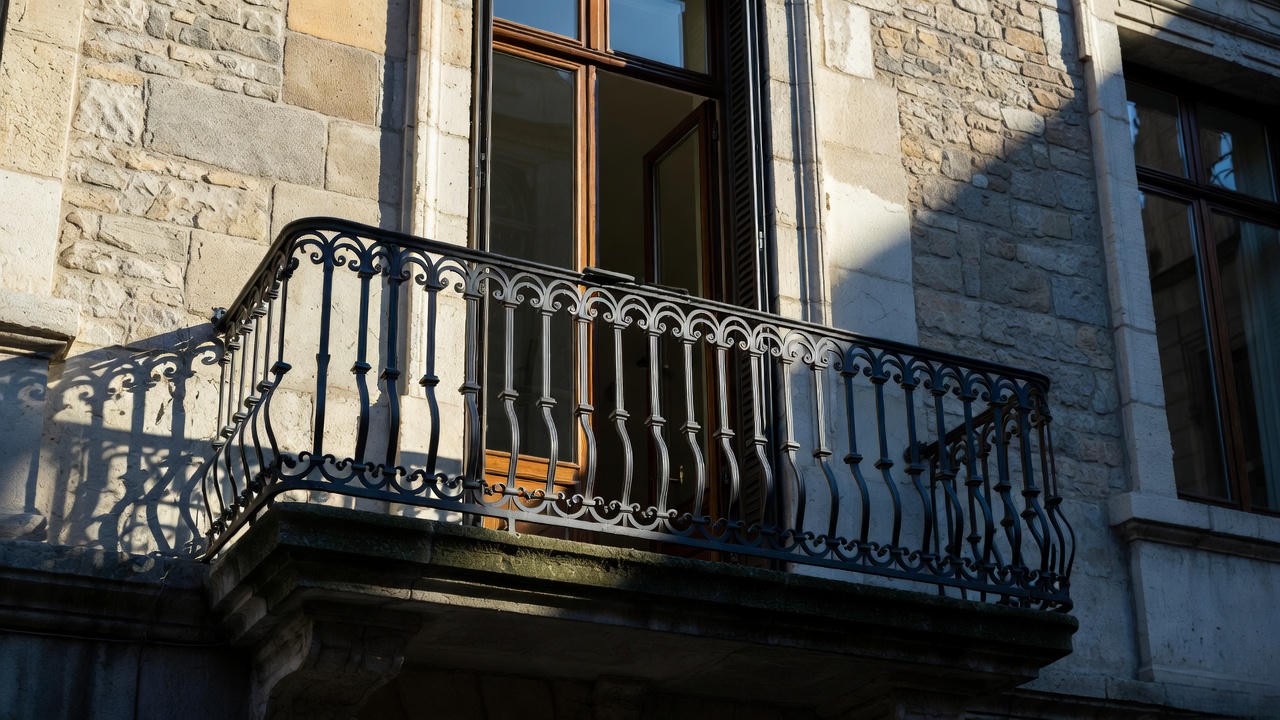
A Juliette balcony is a shallow, decorative railing placed directly in front of floor-to-ceiling windows or French doors. Unlike a traditional balcony, it has no protruding platform or usable floor space—you can’t step out onto it. It’s essentially a safety guardrail that allows doors to open fully inward, flooding the room with light and air while preventing falls.
These balconettes originated in 18th- and 19th-century Europe, particularly in Georgian England, France, Italy, and Spain. They were popularized for adding grandeur to urban facades without the structural demands of full balconies. In modern design, they’re common in apartments and homes for aesthetic appeal, safety compliance, and maximizing natural light. Materials range from wrought iron (traditional) to glass or aluminum (contemporary).
Why “Juliette” Balcony?
The name directly ties to Shakespeare’s Romeo and Juliet, despite the irony. As the romantic image of Juliet on a balcony solidified through theater and art, architects began calling these false balconies “Juliette” or “Juliet” balconies. The term reinforces the cultural loop: a fictional scene inspires a real architectural feature, which then retroactively “proves” the scene’s imagery.
The Iconic Scene in Shakespeare’s Original Text: No Balcony in Sight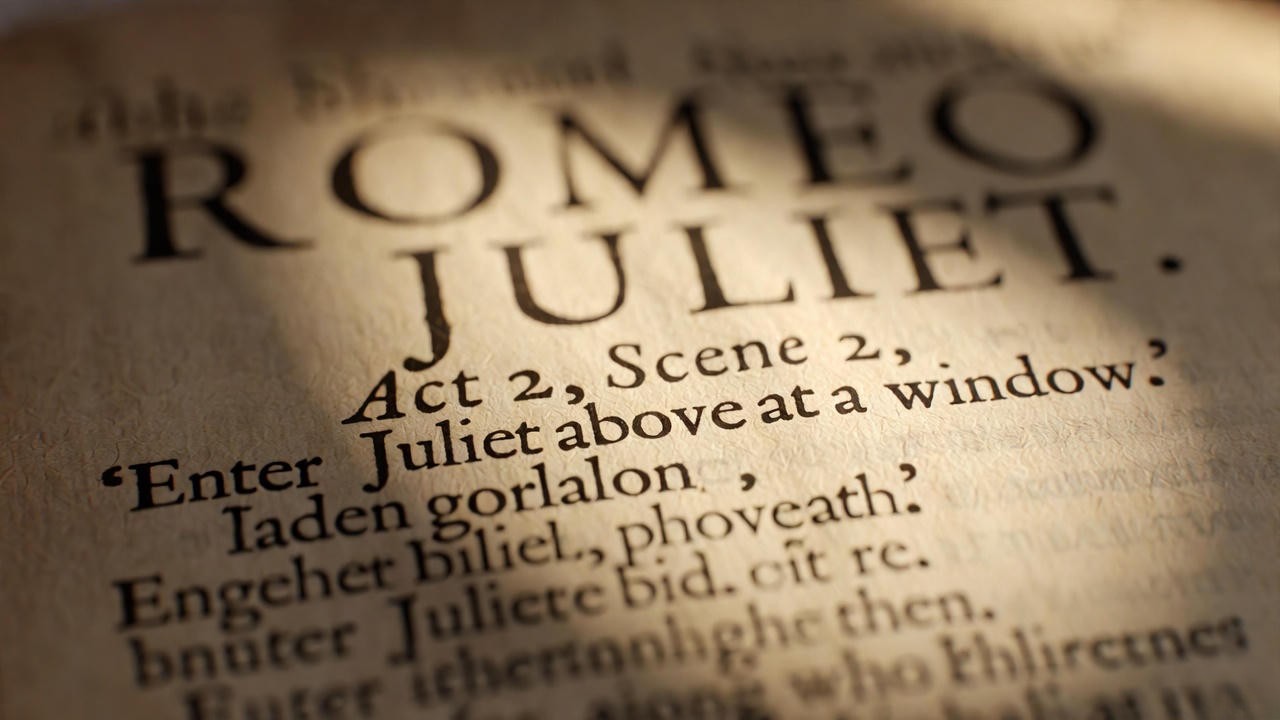
Let’s return to the source. William Shakespeare’s Romeo and Juliet, written around 1594–1596, contains what we now call the “balcony scene” in Act 2, Scene 2. But in the original quartos and folios, it’s simply a continuation of the orchard scene.
Close Reading of Act 2, Scene 2
The stage direction is straightforward: “Juliet appears above at a window.” Romeo’s famous opening lines confirm this:
But soft! What light through yonder window breaks? It is the east, and Juliet is the sun.
No mention of climbing a balcony, leaning over a railing, or any platform. Juliet speaks from an upper window, with Romeo in the orchard below. Key exchanges, like “Romeo, Romeo, wherefore art thou Romeo?” and the vows of love, occur across this vertical distance—but it’s a window, not a balcony.
Scholars from the Folger Shakespeare Library and Royal Shakespeare Company emphasize this: the scene relies on height for dramatic separation, symbolizing the lovers’ societal barriers, but Shakespeare specifies a window.
Shakespeare’s Staging Intent
In Elizabethan theaters like the Globe, “above” scenes used the upper gallery or stage balcony (part of the theater structure itself). Reconstructions of the Globe show a thrust stage with pillars and an upper level—no need for realistic props.
Linguistically, the word “balcony” (from Italian balcone) entered English only around 1618–1620s, after Shakespeare’s death in 1616. Balconies as we know them were rare in England due to climate and architecture.
Common Misconceptions Debunked
The assumption of a balcony stems from visual adaptations overriding the text. Films like Franco Zeffirelli’s 1968 version and Baz Luhrmann’s 1996 adaptation (which creatively uses a pool instead) have cemented the image. Yet returning to Shakespeare’s words reveals a more intimate, private moment—Juliet unaware she’s overheard at her window.
How the Balcony Myth Took Hold: Evolution on Stage and Screen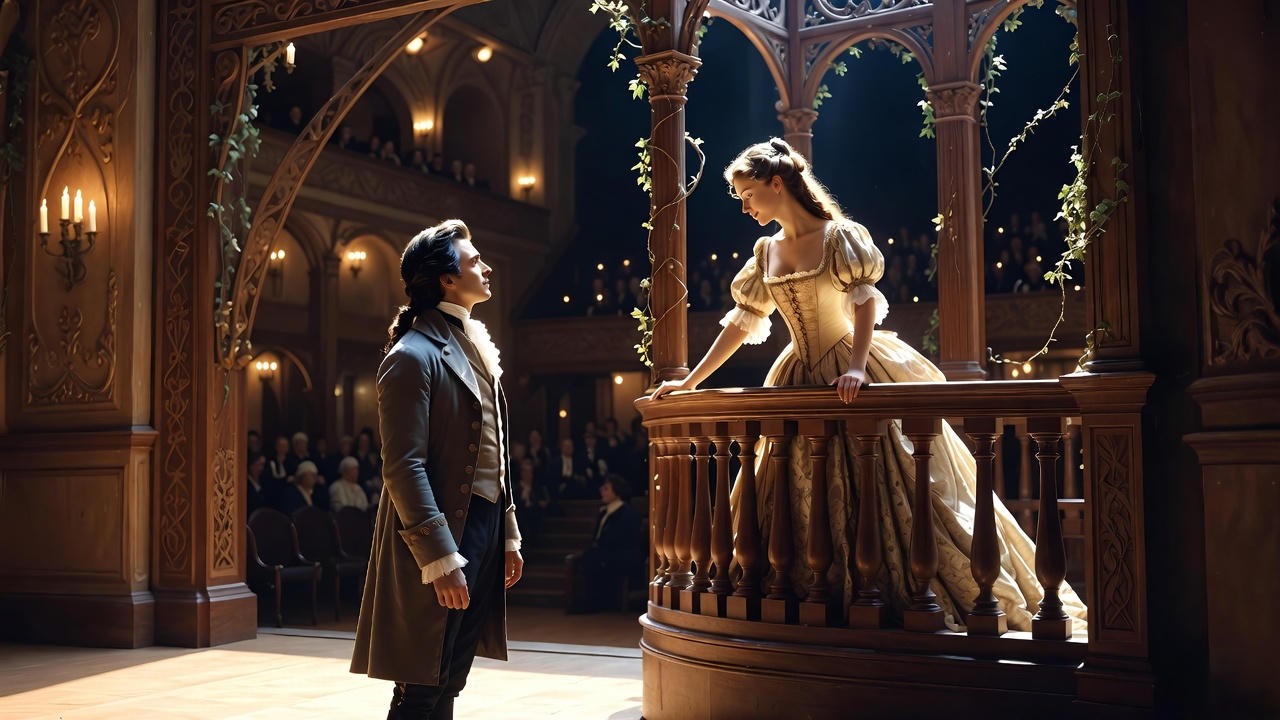
The transformation from window to balcony didn’t happen overnight. It evolved gradually through theatrical adaptations, each adding visual flair for dramatic effect.
Early Adaptations (17th–18th Century)
The earliest seeds were planted in Restoration-era plays. Thomas Otway’s 1679 adaptation, The History and Fall of Caius Marius, borrowed heavily from Romeo and Juliet but set the lovers’ meeting on an explicit balcony for heightened tension. This influenced later revivals.
By the mid-18th century, actor-manager David Garrick restored much of Shakespeare’s text in his 1748–1750 productions but introduced a physical balcony prop. Garrick’s versions dominated London stages, making the balcony a standard element for visibility and romance in larger theaters.
19th–20th Century Theater and Film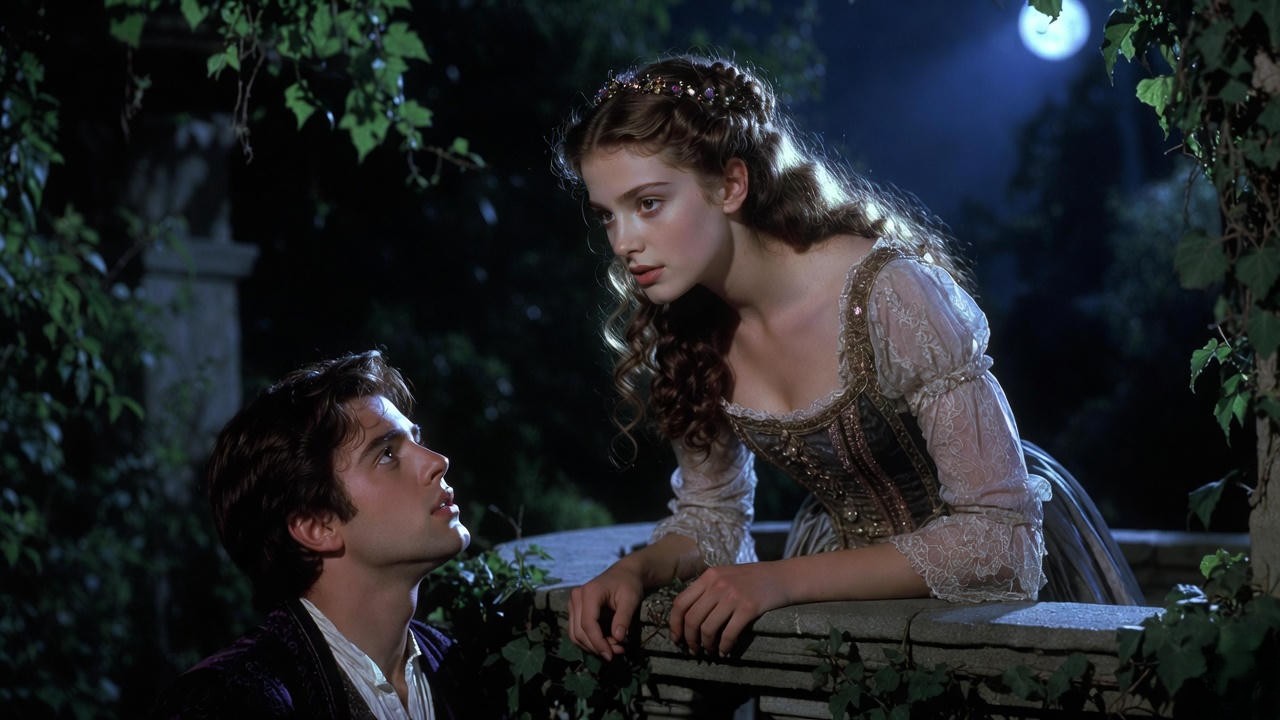
Victorian and Edwardian productions amplified the romance with elaborate balconies adorned with vines and moonlight effects. Operas like Charles Gounod’s 1867 Roméo et Juliette and ballets further embedded the image in popular culture.
The 20th century sealed the myth through cinema. Franco Zeffirelli’s 1968 film, with Olivia Hussey and Leonard Whiting, featured a lush, ivy-covered balcony that became the definitive visual for generations.
Visual and Cultural Reinforcement
Paintings by artists like Ford Madox Brown and Frank Dicksee, along with postcards and illustrations, perpetuated the balcony imagery. Why did it endure? A protruding balcony adds physical risk (Romeo climbing) and visual poetry, symbolizing the lovers’ perilous leap across divides—enhancing Shakespeare’s themes without altering the words.
The Famous “Juliet’s Balcony” in Verona: A 20th-Century Invention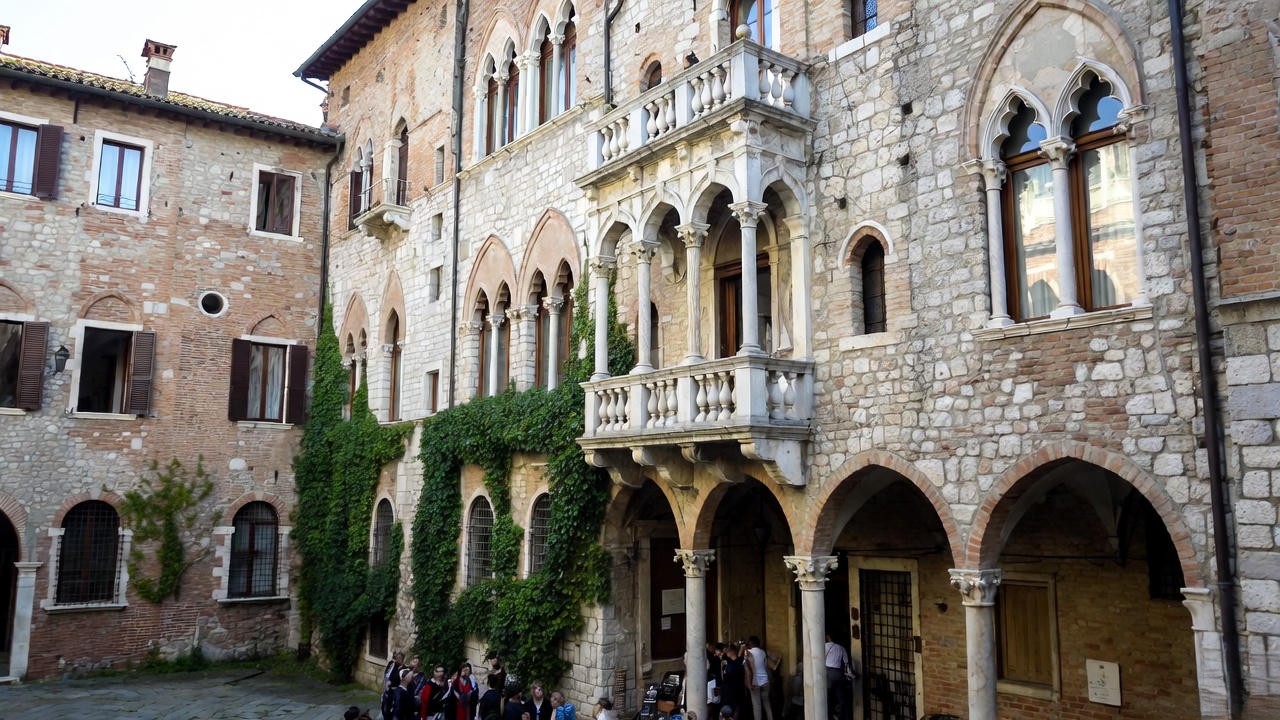
Perhaps the most fascinating part of this myth is its real-world manifestation in Verona, Italy—a city Shakespeare never visited, drawing his story from Italian novellas.
History of Casa di Giulietta
The house known as Casa di Giulietta (Juliet’s House) is a 13th-century building once owned by the Dal Cappello family (echoing “Capulet”). It fell into disrepair until Verona’s city council purchased it in 1905 for tourism potential.
In the 1930s, under director Antonio Avena, the house was restored in a pseudo-medieval style. Crucially, a marble balcony—cobbled from 14th-century fragments (possibly sarcophagus parts)—was added to the courtyard facade to match the famous scene.
Tourist Attraction Today
Now a museum, the site includes period furnishings, costumes from Zeffirelli’s film (including the bed), and a bronze statue of Juliet by Nereo Costantini (1936). A tradition arose of rubbing the statue’s right breast for good luck in love—leading to wear and controversy, with replicas now sometimes used.
Visitors leave love notes on the walls (or via email to the “Juliet Club” volunteers who respond). Practical tips: Book tickets online to avoid lines; visit early morning or offseason; combine with nearby Juliet’s Tomb or Arena.
The site’s popularity surged with films like Letters to Juliet (2010), attracting over a million visitors annually despite its inauthenticity.
Fact vs. Fiction
Shakespeare’s Verona is fictional, based on sources like Matteo Bandello’s tales. No historical Romeo or Juliet existed. Yet the site symbolizes eternal love, proving how myths can create meaningful cultural landmarks.
Why the Balcony Myth Matters: Themes in Romeo and Juliet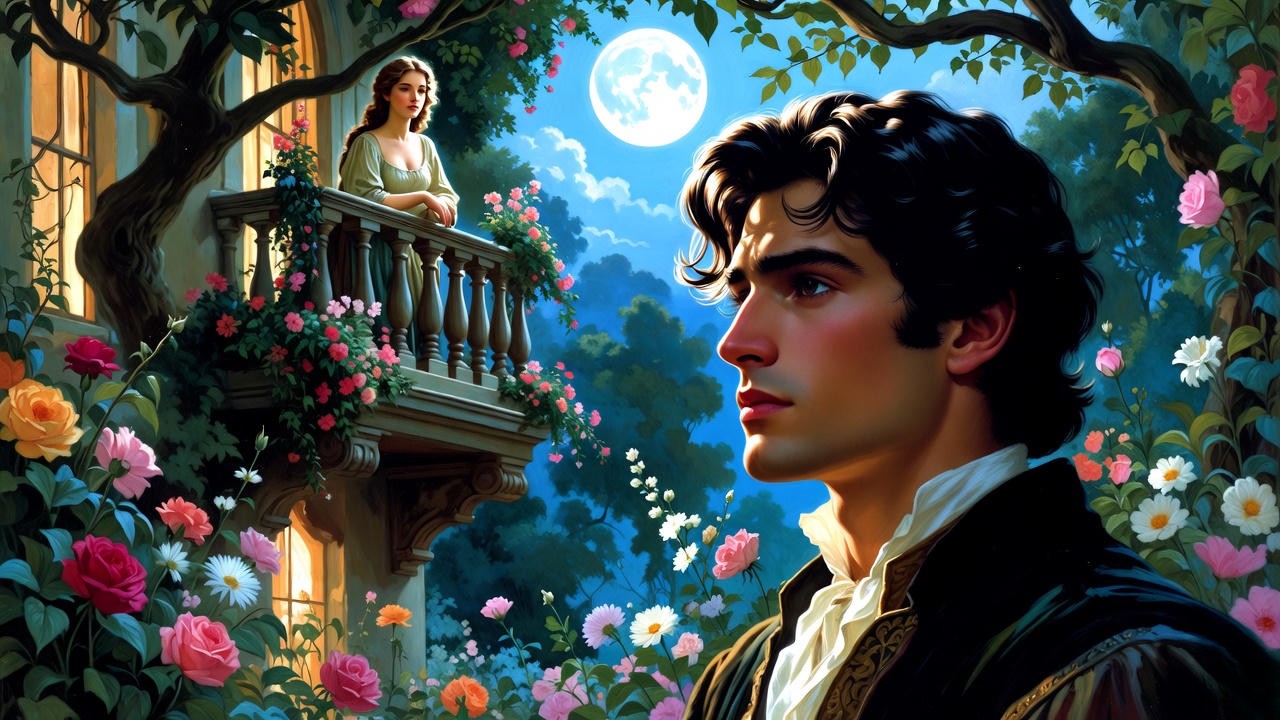
Understanding the shift from window to balcony isn’t just a trivia point—it’s a lens for appreciating how interpretations shape our reading of Shakespeare’s timeless themes.
Symbolism of Height and Separation
In the original text, the window creates an intimate yet inaccessible space. Juliet speaks privately, believing she’s alone, which heightens the drama when Romeo reveals himself. A window emphasizes enclosure and societal constraints—the Capulets literally walling off their daughter.
A protruding balcony, by contrast, introduces physical daring: Romeo could climb (as many productions add), amplifying risk and passion. This visual choice underscores the play’s exploration of youthful recklessness versus fatal caution.
Broader Themes Enhanced (or Altered)
The balcony adaptation subtly shifts emphasis. It externalizes the lovers’ barrier, making it more romantic and less claustrophobic. Yet Shakespeare’s window better mirrors themes of misunderstanding and eavesdropping—core to the tragedy’s chain of errors.
Modern scholars, including those at the Royal Shakespeare Company, note that returning to the window staging can refresh the scene, highlighting privacy invasion over grand gesture.
Modern Relevance
The myth has real-world impact: Juliette balconies remain popular in architecture precisely because of this romantic association. Homeowners install them for that “Romeo and Juliet” aesthetic, blending literature with design. The misconception also reminds us how culture evolves—adaptations keep classics alive, even if they diverge from the source.
Expert Insights and Further Reading
To bolster this analysis, let’s draw from authoritative voices in Shakespeare studies.
Lois Leveen, writing for The Atlantic in 2014, eloquently debunked the balcony myth, noting: “There is no balcony in the balcony scene… The balcony is a 19th-century invention that has become more real than reality.”
The Folger Shakespeare Library’s edition of Romeo and Juliet (edited by Barbara A. Mowat and Paul Werstine) consistently uses “window” in annotations, with footnotes explaining the later addition of balconies in performance.
Stanley Wells, former director of the Shakespeare Institute, has observed that directors add balconies for practical reasons—better sightlines in large theaters—illustrating how logistics influence interpretation.
For deeper study:
- Romeo and Juliet (Folger Shakespeare Library edition) – authoritative text with performance notes.
- Shakespeare’s Stagecraft by J.L. Styan – explores Elizabethan staging.
- Royal Shakespeare Company archives – production photos showing varied approaches.
Comparing to other myths: Like the “skull” in Hamlet (Yorick’s was a prop, not real), or Macbeth’s witches on broomsticks (a later addition), the balcony shows how visuals supplant text.
FAQs
Here are answers to the most common questions about the Juliette balcony and the famous scene:
What does “Juliette balcony” mean exactly?
A Juliette balcony (or balconette) is a decorative railing in front of full-height windows or French doors, with no walkable platform. It’s named after Shakespeare’s Juliet due to the popularized (but inaccurate) image of her on a balcony.
Is there really a balcony in Shakespeare’s Romeo and Juliet?
No. The original text and stage directions specify Juliet appearing “at a window.” The word “balcony” isn’t used, and the concept wasn’t part of the scene as written.
When was the balcony added to productions?
It began creeping in during 18th-century revivals (notably David Garrick’s) and became standard in the 19th century for theatrical effect.
Is Juliet’s house in Verona authentic?
No—the house and its balcony are tourist creations. The building has medieval roots and a Capulet-like family connection, but the balcony was added in the 1930s to capitalize on the play’s fame.
Why do we still call it the “balcony scene”?
Cultural inertia. Centuries of paintings, operas, films, and theater productions have embedded the image so deeply that it overrides the text in popular memory.
Can I visit a real Juliette balcony inspired by the play?
Yes—in Verona’s Casa di Giulietta, though it’s a 20th-century addition. Alternatively, admire modern Juliette balconies on European buildings or install one in your home for that romantic touch.
The surprising truth about the Juliette balcony—that it’s a beautiful myth layered onto Shakespeare’s already perfect words—doesn’t diminish Romeo and Juliet. If anything, it enriches it. The play’s power lies in its language: the moonlight soliloquies, the exchanged vows, the tragic irony—all thriving without a single prop balcony.
Yet the myth endures because it captures something essential: our human desire to make love stories tangible, visible, climbable. From Verona’s crowded courtyard to modern apartments with elegant balconettes, we’ve built the balcony into reality.