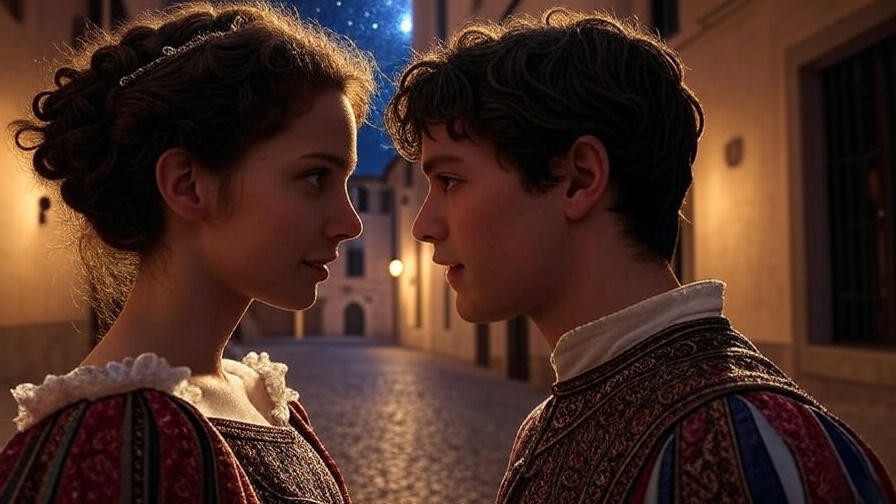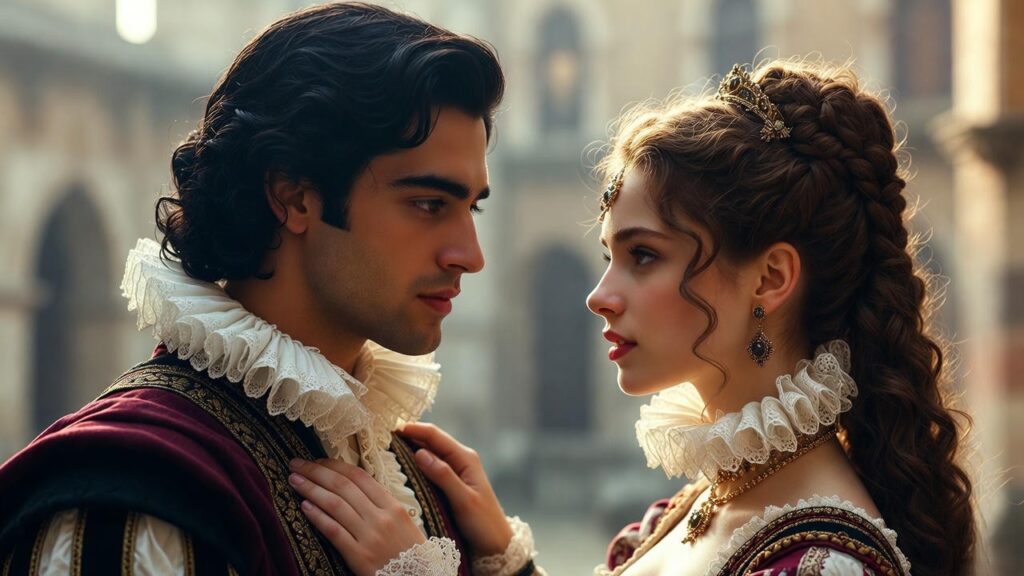
“Two households, both alike in dignity, In fair Verona, where we lay our scene, From ancient grudge break to new mutiny, Where civil blood makes civil hands unclean. From forth the fatal loins of these two foes A pair of star-cross’d lovers take their life…”
These haunting words from the Prologue of William Shakespeare’s Romeo and Juliet book have echoed through centuries, captivating generations with their promise of passion and inevitable doom. Why does this early tragedy—written around 1595–1596—remain one of the most read, performed, and debated works in the English literary canon? The answer lies in its profound exploration of young love’s intoxicating power, the inescapable grip of fate, and the devastating consequences of human hatred.
For students grappling with essays, literature enthusiasts seeking deeper understanding, teachers preparing lessons, or casual readers rediscovering the Romeo and Juliet book, this comprehensive analysis goes beyond surface-level summaries. Drawing on historical context, close textual reading, scholarly criticism, and original insights, we will unpack the layers that make this play Shakespeare’s most enduring masterpiece. By the end, you’ll gain a richer appreciation of its themes, characters, language, and lasting relevance in today’s divided world.
Historical and Literary Context of Romeo and Juliet
To fully appreciate the Romeo and Juliet book, we must situate it within Shakespeare’s career and the Elizabethan era. Composed during the mid-1590s—likely between 1595 and 1596—this tragedy emerged when Shakespeare was transitioning from histories and comedies toward deeper tragic forms. The London theatres were frequently closed due to plague outbreaks, giving Shakespeare time to refine his craft through poetry and plays like Romeo and Juliet.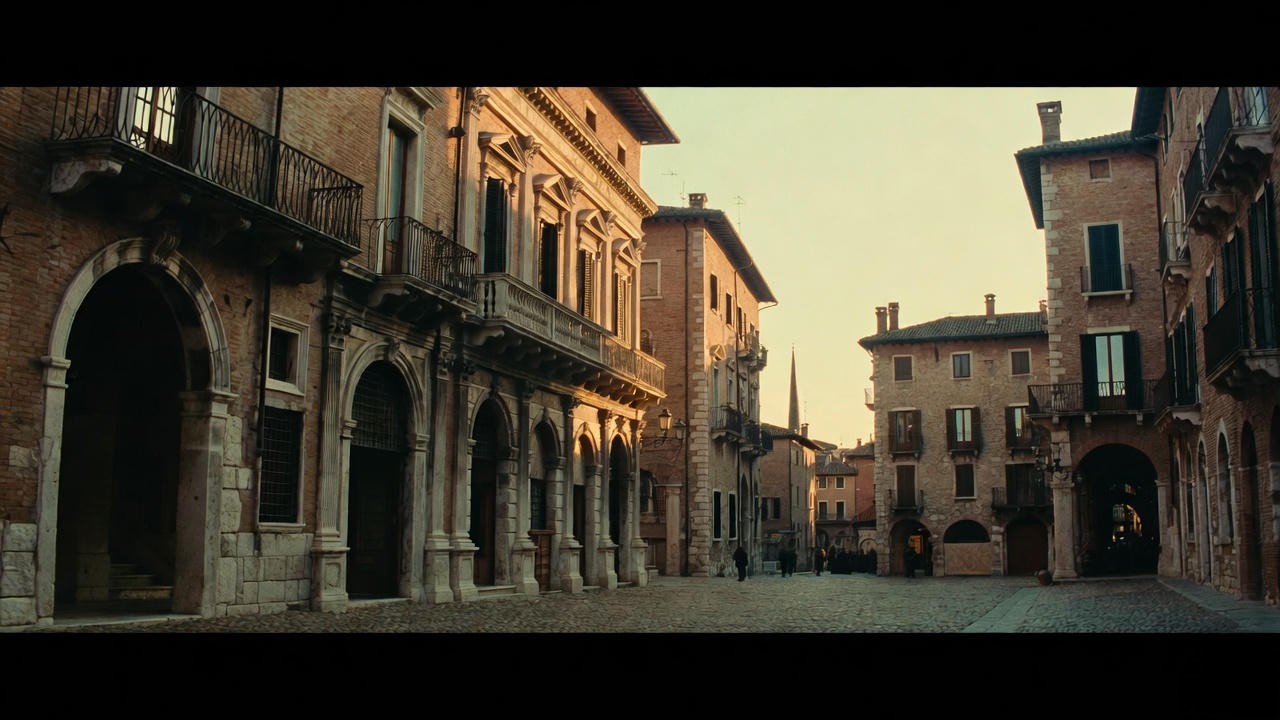
Shakespeare’s Era and Influences
Shakespeare did not invent the story. The plot derives primarily from Arthur Brooke’s 1562 narrative poem The Tragical History of Romeus and Juliet, itself adapted from Italian sources tracing back to Matteo Bandello and ultimately to Luigi da Porto’s 1530 novella. However, Shakespeare transformed these sources dramatically. He compressed the timeline from months (in Brooke) to mere days, heightening dramatic urgency and emphasizing youthful impulsiveness.
Elizabethan audiences were familiar with Italianate revenge tragedies and tales of doomed lovers. Yet Shakespeare innovated by blending romantic idealism with brutal realism, creating a tragedy that feels both poetic and painfully human.
Genre and Structure
Though often taught as a love story, Romeo and Juliet is unequivocally a tragedy. It follows the classical five-act structure, framed by a Chorus that delivers sonnets in the Prologue and before Act 2, explicitly foreshadowing the lovers’ deaths. This device—rare in Shakespeare—immediately establishes fatalism, distinguishing the play from pure romances.
Critics such as Northrop Frye note that the play contains comedic elements early on (bawdy humor from servants and Mercutio), only to subvert them into tragedy, mirroring life’s unpredictability.
Plot Summary: A Concise Yet Detailed Overview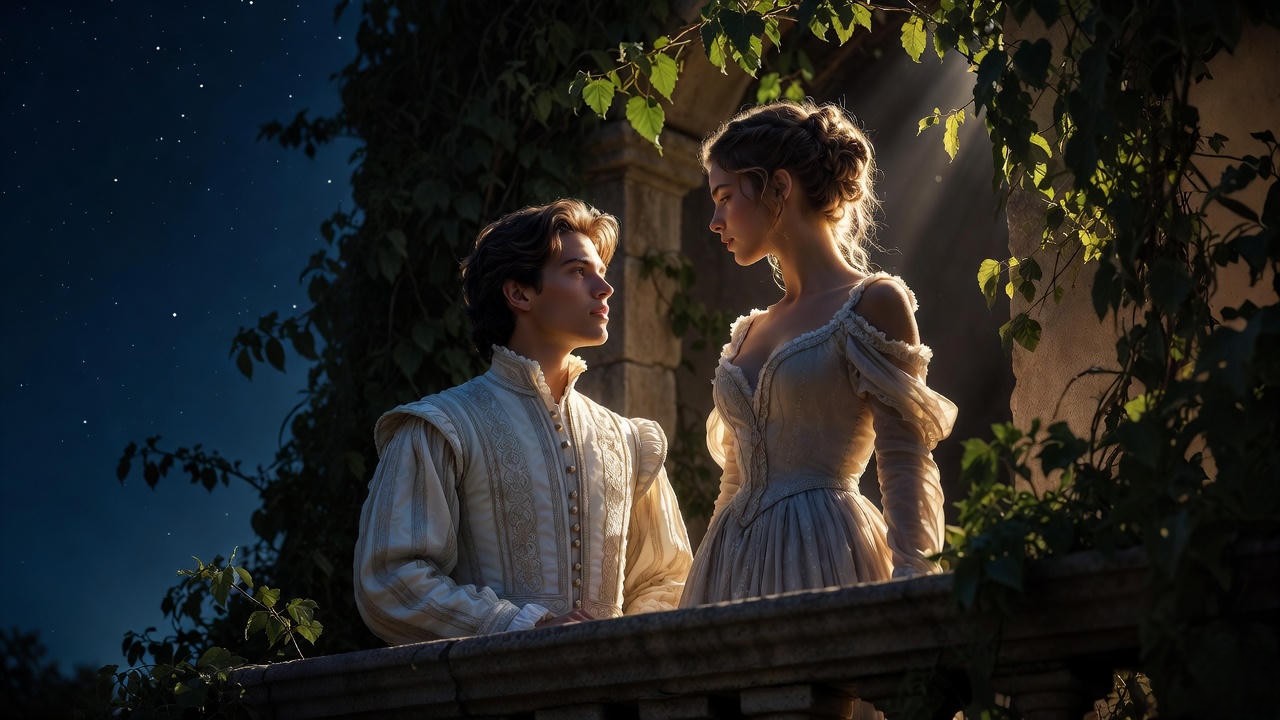
While many know the broad strokes—feuding families, secret marriage, tragic suicides—a close reading of the Romeo and Juliet book reveals intricate plotting and escalating tension.
Act-by-Act Breakdown
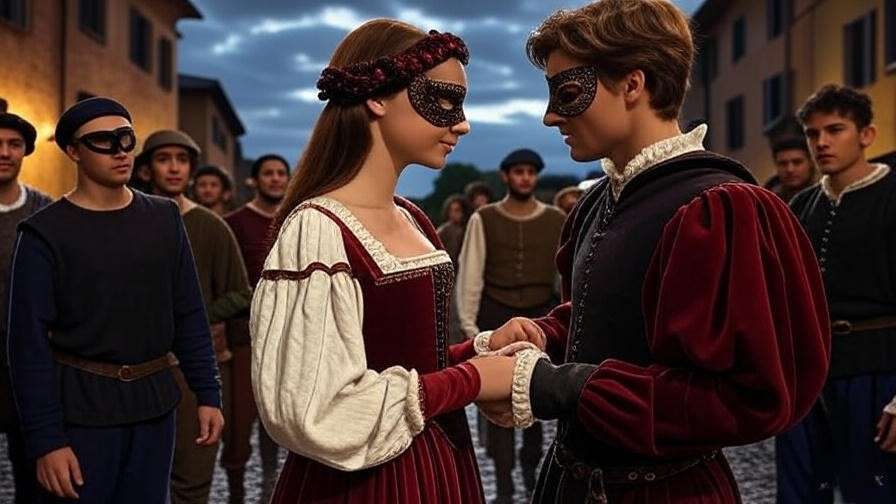
Act 1 establishes the ancient grudge between the Montagues and Capulets in Verona. A street brawl introduces the Prince’s decree against further violence. We meet Romeo Montague pining for the unreachable Rosaline, a detail often overlooked yet crucial—it shows Romeo’s initial love as conventional Petrarchan infatuation. At the Capulet feast, Romeo and Juliet meet, instantly falling in love through shared sonnet dialogue during their first kiss (1.5).
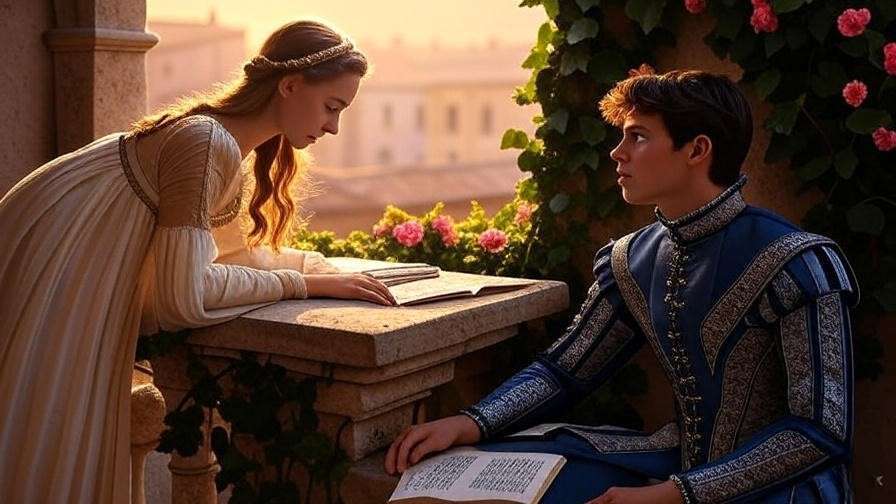
Act 2 contains the iconic balcony scene (2.2), where Juliet unwittingly soliloquizes above while Romeo listens below. Their exchange—“O Romeo, Romeo, wherefore art thou Romeo?”—redefines love as transcending names and feuds. With Friar Laurence’s hopeful intervention (“These violent delights have violent ends”), they secretly marry.
Act 3 pivots to tragedy. Tybalt challenges Romeo; Mercutio fights in his place and dies cursing “a plague o’ both your houses.” Romeo, enraged, kills Tybalt and is banished. Juliet learns of the events and, despite grief, remains loyal to her husband.
Act 4 sees Lord Capulet advance Juliet’s marriage to Paris. Desperate, she accepts Friar Laurence’s potion to feign death, allowing escape with Romeo.
Act 5 unfolds the catastrophe. A plague delays Friar John’s message; Romeo believes Juliet dead, buys poison, and kills Paris at the tomb. He dies beside Juliet; she awakens, sees him dead, and stabs herself. The families reconcile over their children’s bodies—a reconciliation too late.
This compressed timeline (approximately four days) amplifies the theme of haste, a recurring motif Shakespeare weaves throughout.
In-Depth Theme Analysis: Love, Fate, and Tragedy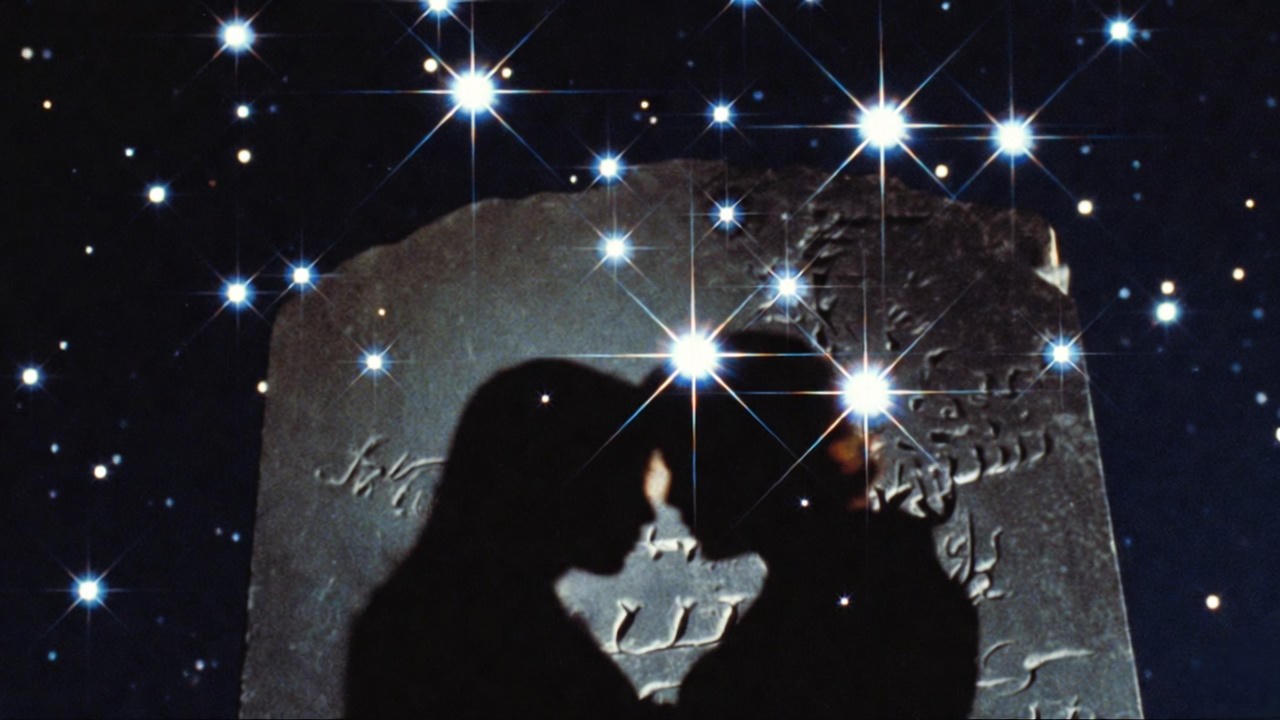
At its core, the Romeo and Juliet book explores three intertwined themes: the transcendent yet destructive nature of love, the tension between fate and free will, and the tragedy born of societal hatred.
The Power and Perils of Love
Shakespeare presents love in multiple forms—romantic, familial, friendly—each with consequences. Romeo and Juliet’s love is immediate, passionate, and all-consuming. Their first meeting is structured as a shared sonnet (1.5.92–109), elevating their connection to sacred poetry.
Yet love is inextricably linked to death. Friar Laurence warns, “These violent delights have violent ends / And in their triumph die, like fire and powder” (2.6.9–10). Their passion blinds them to consequences, suggesting Shakespeare critiques unchecked emotion as much as he celebrates it.
Contrasting loves highlight depth: the Nurse’s earthy affection, parental authoritarianism (Capulet’s rage at Juliet’s refusal), and Mercutio’s cynical mockery.
Fate vs. Free Will
The Prologue labels them “star-cross’d lovers,” invoking astrological destiny. Omens abound—dreams, premonitions, the apothecary’s poverty forcing Romeo’s poison purchase. Yet characters make choices: Romeo attends the feast, Juliet accepts the potion, Friar Laurence concocts risky plans.
Modern critics like Susan Snyder argue for a “tragedy of inadvertence”—miscommunications and bad luck rather than pure fate. The play leaves the question open, mirroring life’s ambiguity.
Tragedy and Societal Conflict
The central tragedy stems not solely from love but from the “ancient grudge.” Individual passion collides with collective hatred, destroying innocents (Mercutio, Tybalt, Paris). Shakespeare indicts patriarchal control, generational blindness, and cycle of revenge—issues resonant in any divided society.
Character Analysis: Depth and Development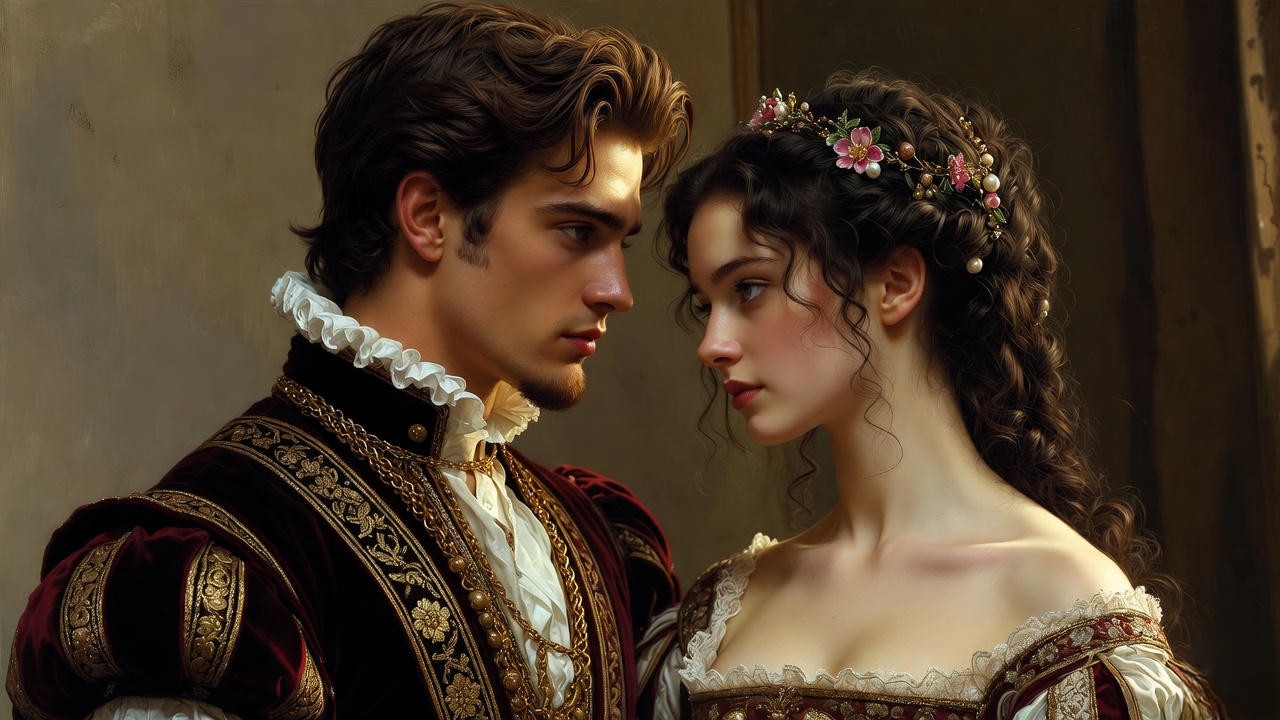
Shakespeare’s characters in the Romeo and Juliet book are remarkably nuanced for such young protagonists.
Romeo and Juliet – Star-Crossed Protagonists
Romeo begins as a stereotypical lovesick youth, speaking in oxymorons (“O brawling love, O loving hate”). Meeting Juliet matures him; his language becomes sincere and poetic. Yet impulsiveness persists—he kills Tybalt in rage and himself in despair.
Juliet, only 13, displays extraordinary agency. Her evolution from obedient daughter (“I’ll look to like”) to defiant wife (“Be not so long to speak; I long to die” if Romeo is married) marks one of Shakespeare’s strongest female characters. Feminist critics like Coppélia Kahn praise her verbal mastery and courage.
Supporting Characters and Foils
Mercutio’s Queen Mab speech (1.4) reveals imaginative cynicism, making his death pivotal—his curse literally comes true. Friar Laurence embodies well-meaning but flawed authority; his plans, though hopeful, enable disaster.
Tybalt represents blind hatred; the Nurse, pragmatic affection turning to betrayal; Lord and Lady Capulet, parental failure through neglect and control.
Literary Devices and Shakespeare’s Craft
Shakespeare’s genius shines in his language and structure.
Language, Imagery, and Symbolism
Light and dark imagery dominates: Juliet is Romeo’s “sun” rising from the east window (2.2). Night becomes their ally for love, day their enemy bringing separation and death. Oxymorons proliferate (“beautiful tyrant,” “cold fire”), reflecting emotional contradiction.
Religious imagery elevates their love to pilgrimage—Romeo calls Juliet a “bright saint.” Poison and potions symbolize love’s dual potential to heal or destroy.
Foreshadowing, Irony, and Structure
Dramatic irony permeates: the audience knows the lovers’ fate from the Prologue, heightening tension. Verbal foreshadowing abounds—Juliet’s “If he be marrièd, / My grave is like to be my wedding bed” (1.5).
Shakespeare alternates verse for nobility and prose for commoners, using sonnets at key romantic moments to underscore harmony.
Enduring Legacy and Modern Relevance
The Romeo and Juliet book has inspired countless adaptations: Prokofiev’s ballet, Bernstein’s West Side Story, Baz Luhrmann’s 1996 film with Leonardo DiCaprio and Claire Danes, and Franco Zeffirelli’s classic 1968 version.
Its tropes—forbidden love, balcony scenes, youthful rebellion—permeate modern romance narratives. Yet deeper themes remain urgent: family pressure, gang violence, hasty decisions in crisis.
In an era of polarization, the play’s warning against perpetuating grudges resonates powerfully. As Prince Escalus concludes: “All are punishèd.”
Expert Insights and Critical Perspectives
Harold Bloom called Romeo and Juliet the foundational text of romantic love in Western literature. Feminist critics highlight Juliet’s proto-feminist defiance; queer theory readings explore homoerotic undertones in Mercutio-Romeo friendship.
Postcolonial scholars draw parallels between Verona’s feud and tribal or sectarian conflicts worldwide.
Frequently Asked Questions
Is Romeo and Juliet based on a true story? No, though loosely inspired by real Veronese family feuds centuries earlier. Shakespeare’s version is fictional.
What are the main themes in Romeo and Juliet? Love versus hate, fate versus free will, youth versus age, individual versus society, the consequences of haste.
Why is it considered a tragedy if it’s about love? Because love cannot overcome societal hatred and miscommunication, leading to unnecessary deaths.
How does fate influence the ending? While fate (stars, omens) looms, human errors—delayed messages, impulsive acts—seal the tragedy.
What are the best quotes for essays? Key lines include the Prologue sonnet, “What’s in a name?” (2.2), “Parting is such sweet sorrow,” and Friar Laurence’s warnings.
William Shakespeare’s Romeo and Juliet book endures not because it offers a fairy-tale romance, but because it unflinchingly examines love’s capacity to illuminate and destroy. Through exquisite language, complex characters, and profound themes, Shakespeare created a mirror for the human condition—reminding us that hatred’s cost is always too high, and love, though eternal, is fragile.