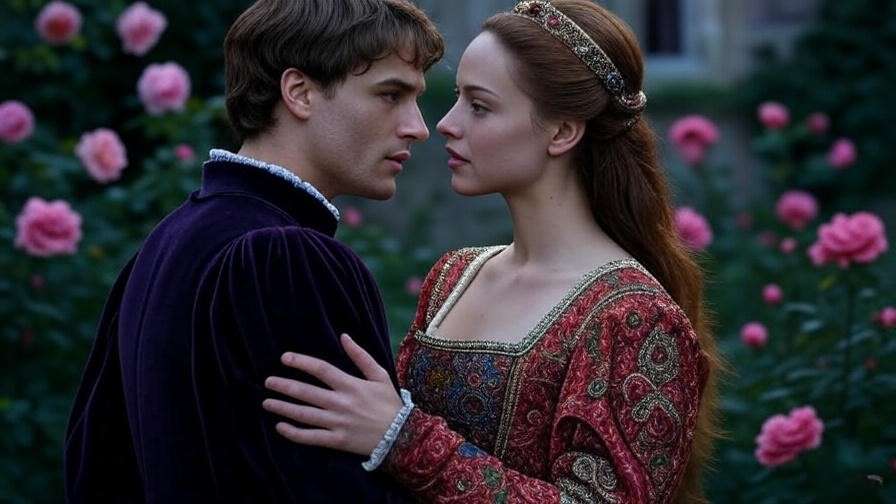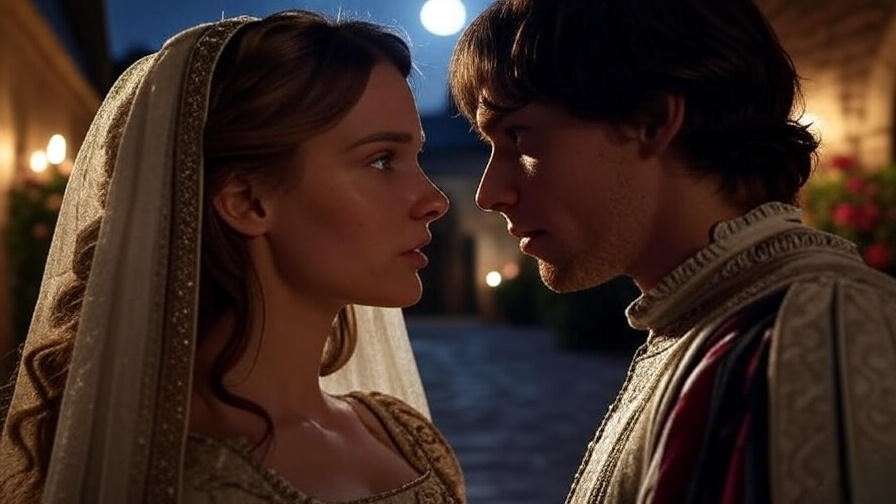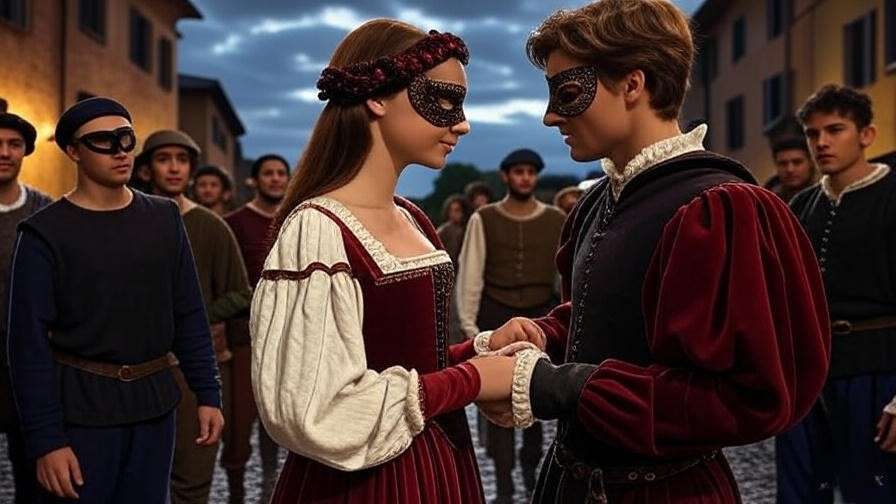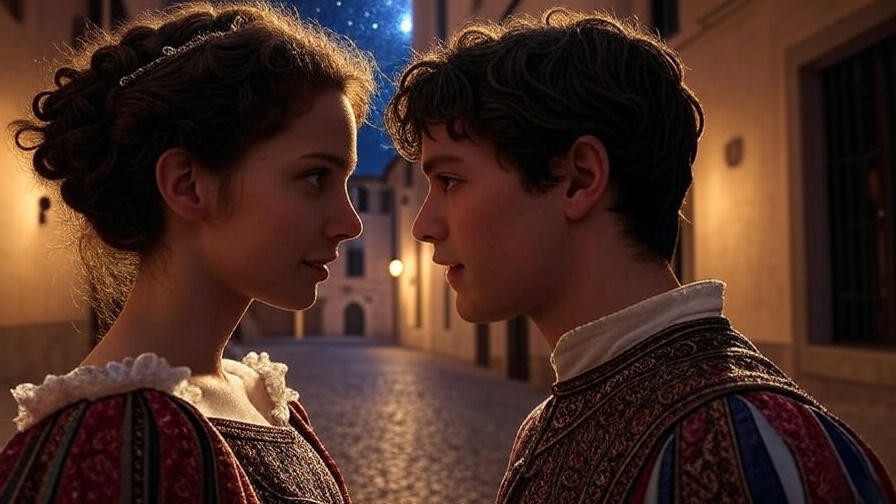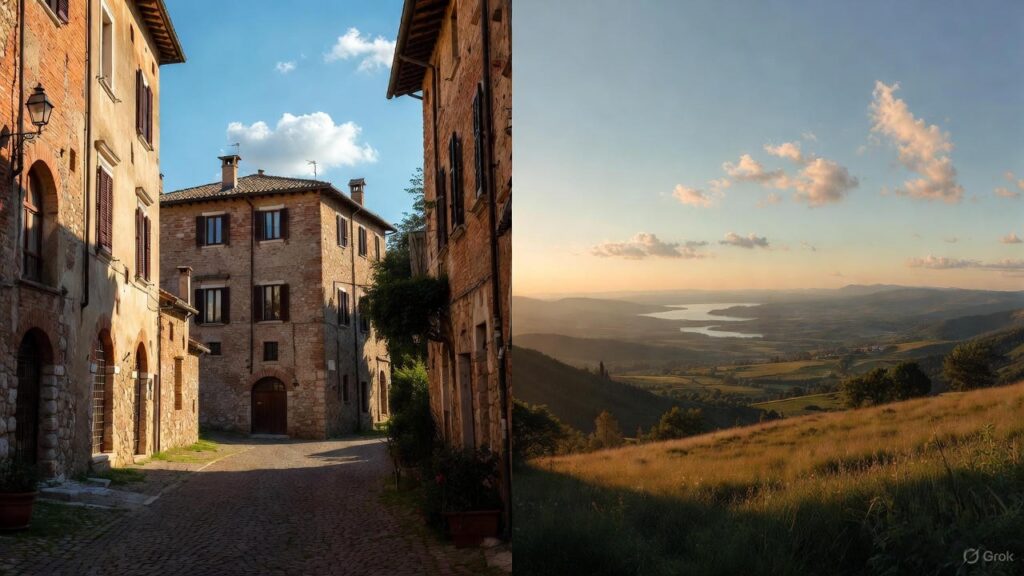
Imagine a moonlit night in a walled garden, where a young man whispers, “But soft! What light through yonder window breaks?” This iconic balcony scene has captivated audiences for centuries, symbolizing passionate young love against all odds. Yet, what if I told you that the famous balcony itself is largely a later invention—and that the true power of Romeo and Juliet lies not in a single architectural feature, but in the broader setting of Romeo and Juliet: the bustling, feud-torn city of Verona and the nearby refuge of Mantua?
The setting of Romeo and Juliet is far more than mere backdrop. In Shakespeare’s masterful tragedy, Verona and Mantua function almost as characters themselves, intensifying the play’s central conflicts of love versus hate, youth versus authority, and passion versus order. These Italian Renaissance cities amplify the haste, isolation, and inevitability that drive the lovers to their tragic end. Understanding this geographical and cultural context unlocks deeper layers of meaning, revealing why this 1590s play remains a timeless masterpiece.
In this comprehensive exploration, we’ll delve into the historical roots of these locations, trace their role scene by scene, analyze how they propel the plot and themes, examine adaptations across stage and screen, and even guide modern literary pilgrims. Whether you’re a student dissecting the text, a teacher preparing lessons, or a lifelong Shakespeare enthusiast, this analysis will transform how you experience Romeo and Juliet.
Historical and Geographical Context of the Setting
Shakespeare set Romeo and Juliet in northern Italy during the Renaissance, a period of artistic flourishing but also intense political fragmentation and familial rivalries. The play draws from earlier Italian novellas, particularly Luigi da Porto’s 1530 Historia novellamente ritrovata di due nobili amanti and Matteo Bandello’s later version, both of which placed the tragic tale in Verona.
Verona in the Renaissance Era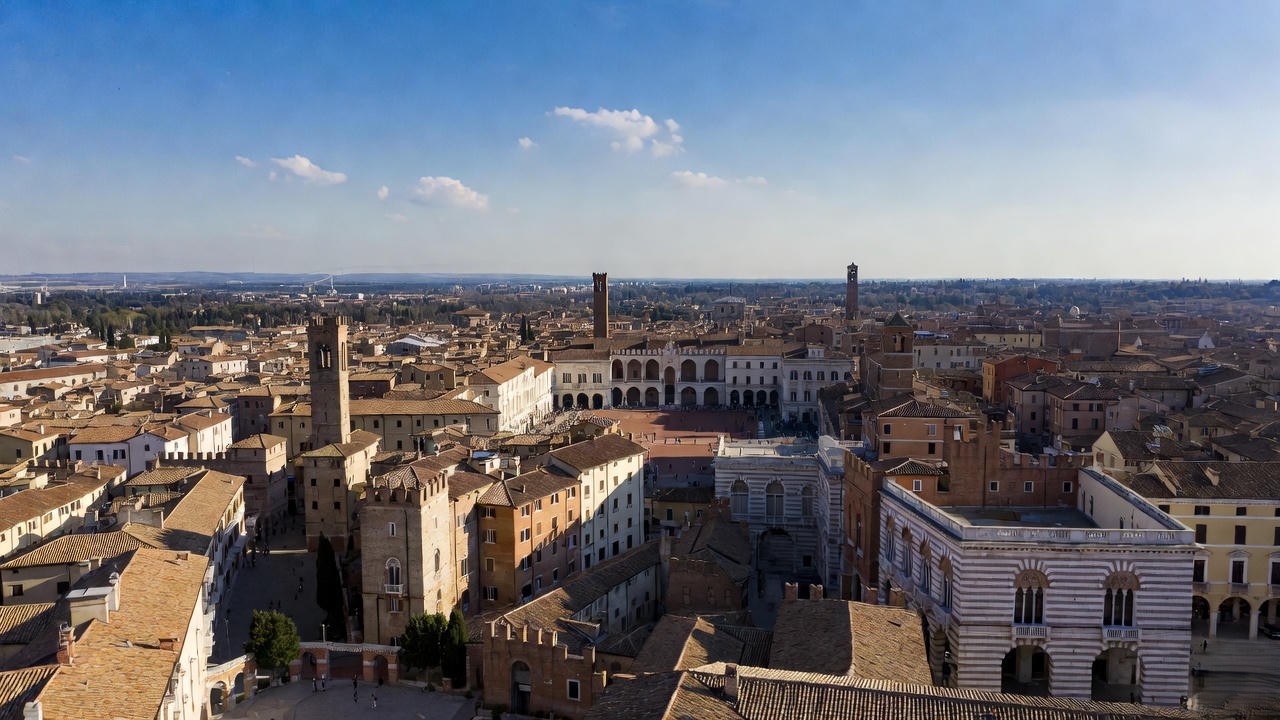
In the real Renaissance world, Verona was a prosperous city-state strategically located on major trade routes between Venice and the Alpine passes. For much of the 14th century, it was ruled by the powerful Scaliger (della Scala) family, whose monumental tombs still dominate the cityscape today. By Shakespeare’s era, Verona had come under Venetian influence, but memories of its independent past—and the vendettas that accompanied it—lingered.
Northern Italian cities like Verona were notorious for bitter family feuds, often rooted in the older Guelph-Ghibelline conflicts that divided Italy for generations. Street violence among noble households was common, despite princely edicts against it. Shakespeare taps directly into this cultural reality: the opening brawl between Capulet and Montague servants mirrors documented clashes in Renaissance Italy.
The play repeatedly invokes Verona’s hot climate—”The day is hot, the Capulets abroad” (Act 3, Scene 1)—linking sweltering weather to heated tempers and impulsive action. This was no idle detail; Renaissance medical theory held that hot environments stirred “choleric” passions, making violence more likely.
Shakespeare likely never visited Italy himself, but English readers knew Verona through translated Italian stories. Setting the play there allowed him to explore civil disorder and passionate love at a safe cultural distance from Elizabethan England.
Mantua – The City of Exile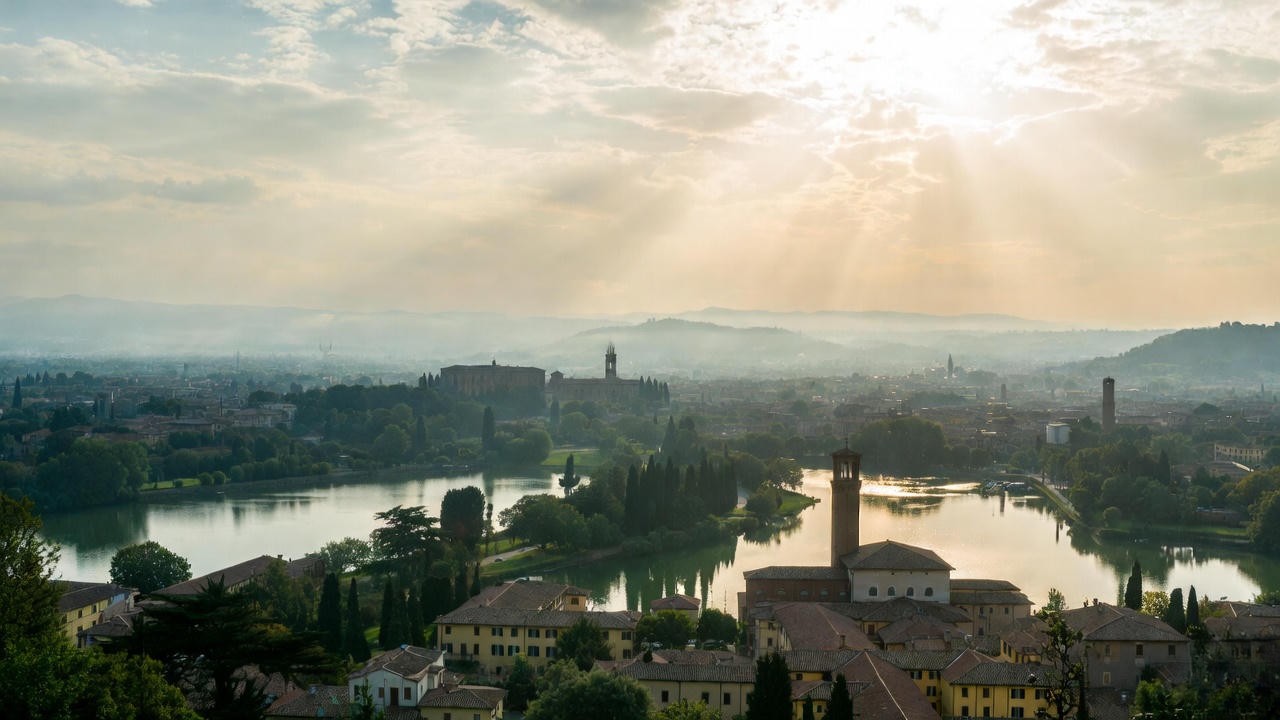
Only about 25 miles west of Verona lies Mantua (Mantova), surrounded by lakes formed from the Mincio River. Ruled by the cultured Gonzaga family, Mantua was a renowned center of Renaissance art and music, patron to figures like Andrea Mantegna and, later, Claudio Monteverdi.
In the play, Mantua becomes Romeo’s place of banishment after he kills Tybalt. Its geographical proximity to Verona heightens the tragedy: Romeo is exiled to a city close enough for a swift horseback ride, yet circumstances make reunion impossible. Historically, Mantua did serve as a refuge for political exiles, lending authenticity to Shakespeare’s choice.
Mantua’s cooler, marsh-protected atmosphere contrasts sharply with Verona’s volatile heat. Symbolically, it represents potential rationality and escape—a place where Romeo might cool his passions—but fate denies him that opportunity.
The Textual Evidence: Where Shakespeare Places Key Scenes
Shakespeare’s stage directions and dialogue carefully map the action across Verona and Mantua, using location to build dramatic tension.
Act-by-Act Breakdown of Locations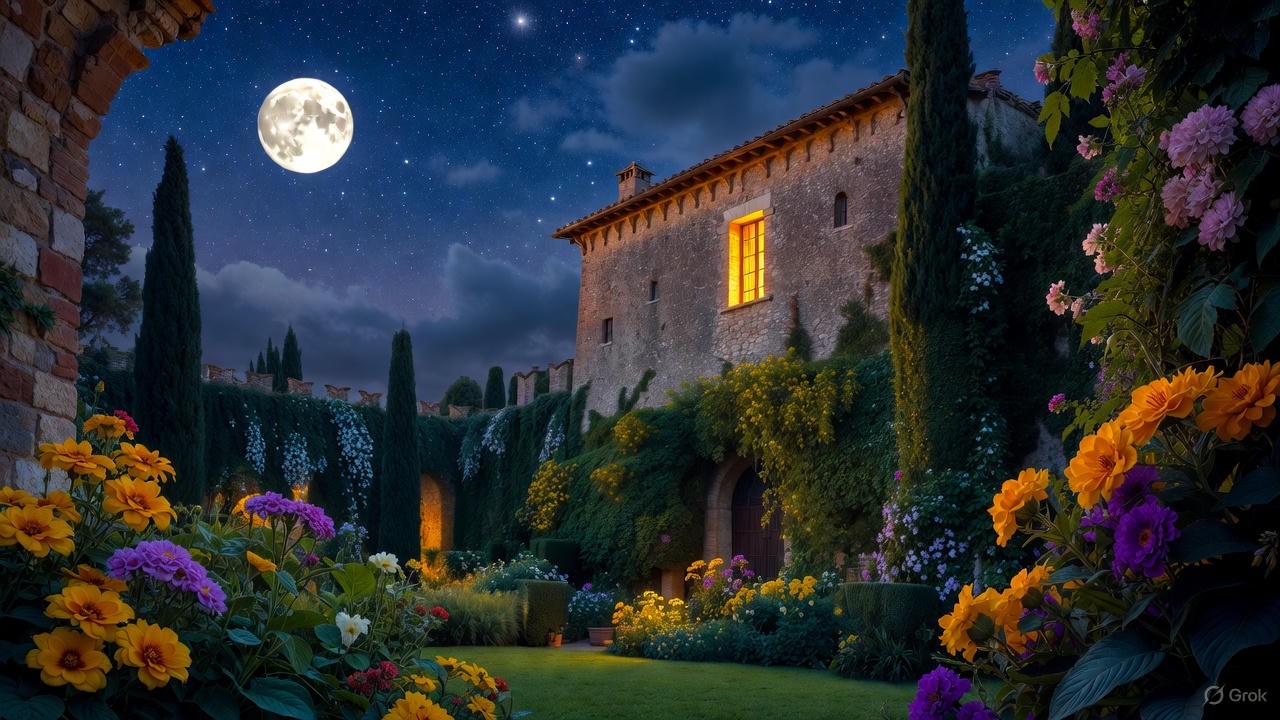
- Act 1 begins in a “public place” in Verona, where servants ignite the ancient grudge. The scene quickly escalates to the Prince’s intervention in the marketplace. Later, the Capulet feast takes place inside their grand house—a private space invaded by uninvited Montagues.
- Act 2 moves to the intimate Capulet orchard for the famous night scene. Romeo scales the wall to reach Juliet, who appears at her window above. The text never mentions a balcony; that architectural feature was added in later productions.
- Act 3 returns to Verona’s hot streets for Mercutio’s and Tybalt’s deaths, then shifts to Friar Laurence’s cell—a quiet ecclesiastical space within the city walls.
- Acts 4 and 5 center on Juliet’s bedchamber in the Capulet home (the sleeping-potion scene) and the churchyard monument where the lovers die. Crucially, Romeo learns of Juliet’s supposed death while in Mantua and races back to Verona for the final catastrophe.
Famous Locations That May Not Be Real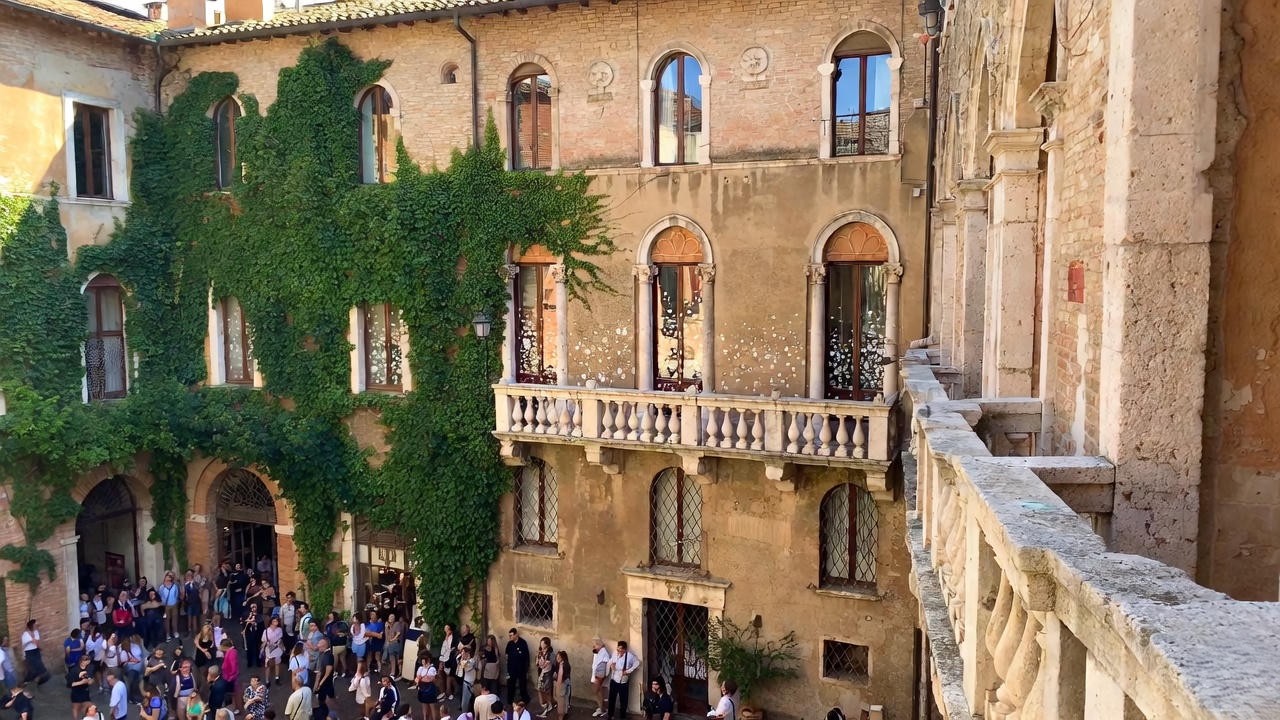
The “balcony” is one of theater’s most enduring myths. In Shakespeare’s text, Juliet speaks from an upper window while Romeo stands below in the garden. Later directors elevated her on a balcony to improve sightlines and symbolism, creating the image we know today.
Juliet’s tomb also draws from Veronese legend rather than historical fact. Local tales spoke of tragic lovers buried in ancient sarcophagi, inspiring both the Italian source stories and modern tourist sites.
How the Setting Drives Plot and Conflict
The settings actively shape events, turning geography into dramatic engine.
Verona as a Pressure Cooker of Feud and Honor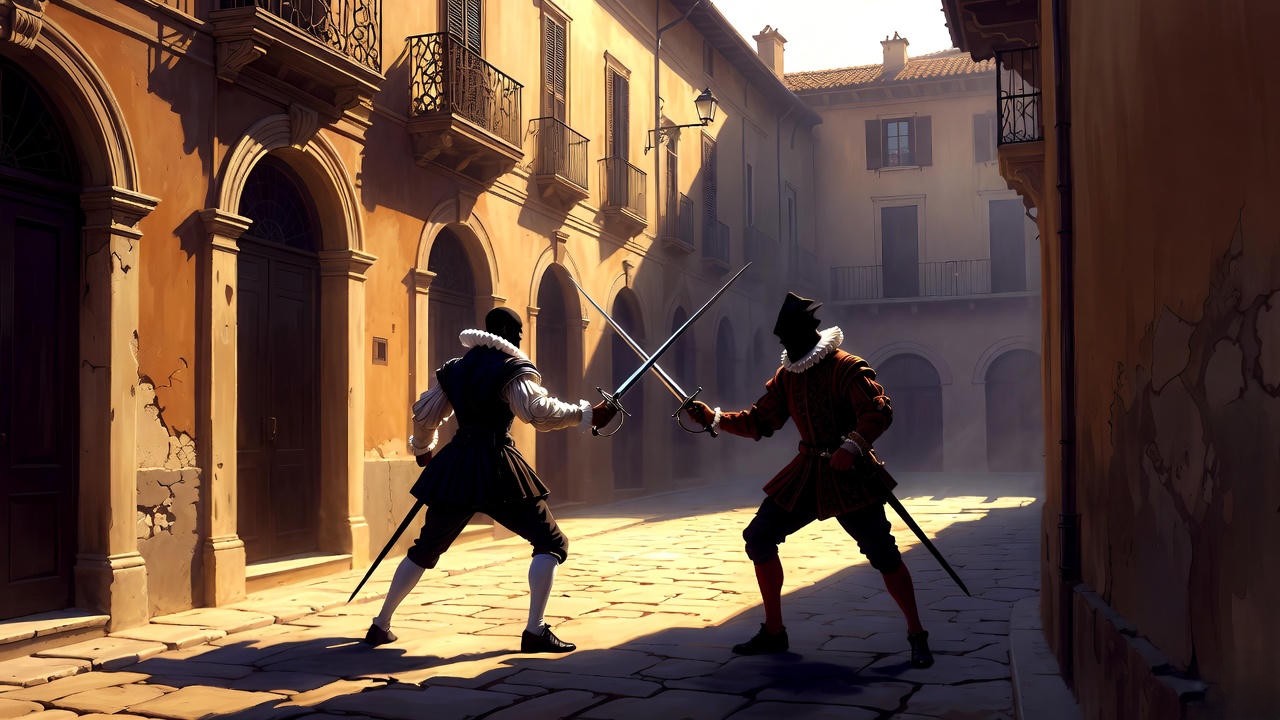
Verona’s public spaces—streets, squares, marketplaces—enable spontaneous violence. Narrow alleys and open piazzas make chance encounters inevitable: Mercutio and Tybalt meet fatally because both are “abroad” on a hot day.
The Prince’s authority reflects real Renaissance city governance, where rulers threatened exile or death to curb feuding families. Yet Verona’s rigid code of honor consistently overrides law, trapping even well-meaning characters in cycles of revenge.
Private vs. Public Spaces
Private locations (orchard, friar’s cell, bedchambers) offer brief havens for love and secret planning, but public forces always intrude. The lovers’ marriage in the friar’s cell is hidden from Verona’s watchful society; their nighttime meeting requires walls and darkness for protection.
Italian Renaissance homes—with high walls, walled gardens, and upper windows—facilitate clandestine romance while emphasizing confinement.
Mantua and the Tragedy of Exile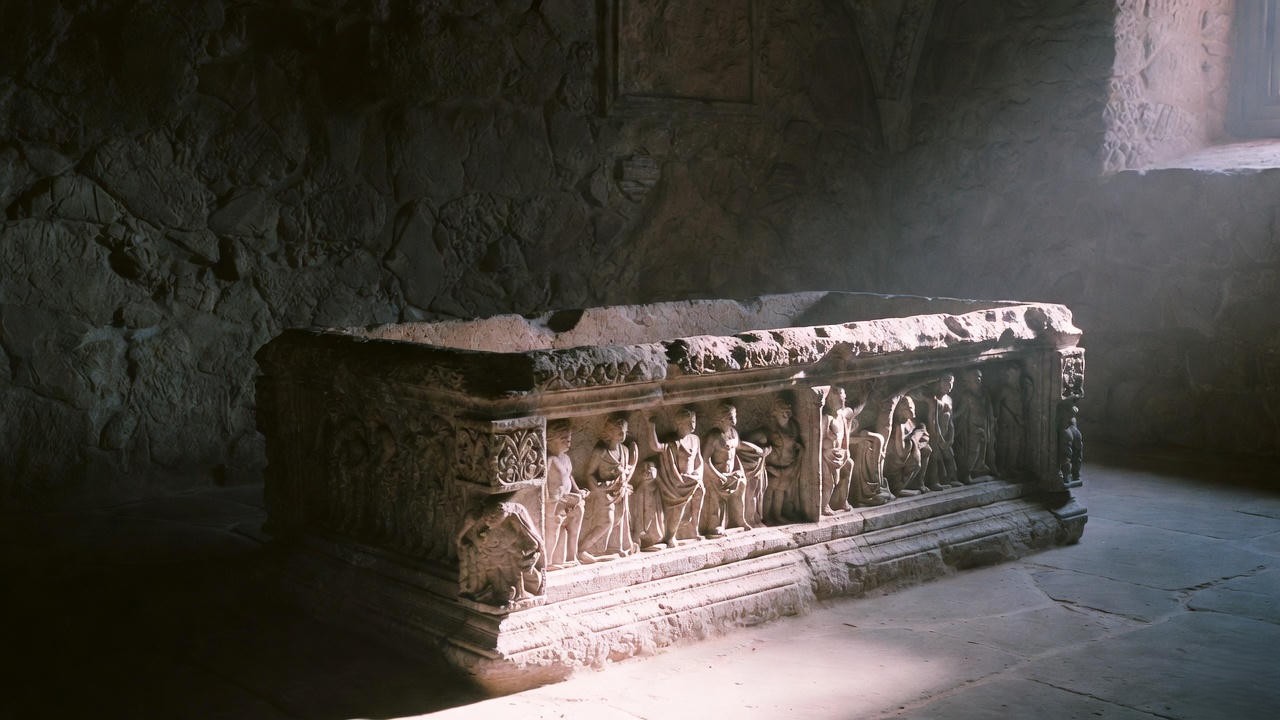
Romeo’s banishment devastates him precisely because Mantua is so close: “There is no world without Verona walls,” he cries. The short distance creates agonizing irony—reunion seems possible, yet plague quarantines and delayed messages make it impossible.
This geographical tease turns minor obstacles into fatal barriers, underscoring the play’s themes of haste and miscommunication.
Thematic Significance of Verona and Mantua
The settings embody the tragedy’s deepest ideas.
Heat, Haste, and Passion – The “Hot” Climate of Verona
References to heat abound: “mad blood stirring,” “fire-eyed fury be my conduct now.” Scholar Harold Bloom argued that Verona’s climate mirrors the characters’ erotic and violent impulses, drawing on Renaissance beliefs about environment shaping temperament.
Mantua, implied to be cooler and more reflective, offers potential restraint that the lovers never reach.
Fate vs. Free Will
Verona’s enclosed, feud-bound society severely limits individual choice. The lovers are born into hatred they did not create. Mantua hints at possible freedom beyond those walls, but fate—embodied in delayed letters and mistaken reports—denies escape.
Marjorie Garber describes this as “the claustrophobia of inherited enmity” contrasted with the illusion of liberation.
Love in Confinement
Walled gardens, high windows, and family vaults symbolize young love trapped by patriarchal control and social expectation. Every private moment of connection is shadowed by public threat.
The Setting in Performance and Adaptation
Directors have reinterpreted these locations across centuries, proving the setting’s dramatic flexibility.
Iconic Stage and Film Interpretations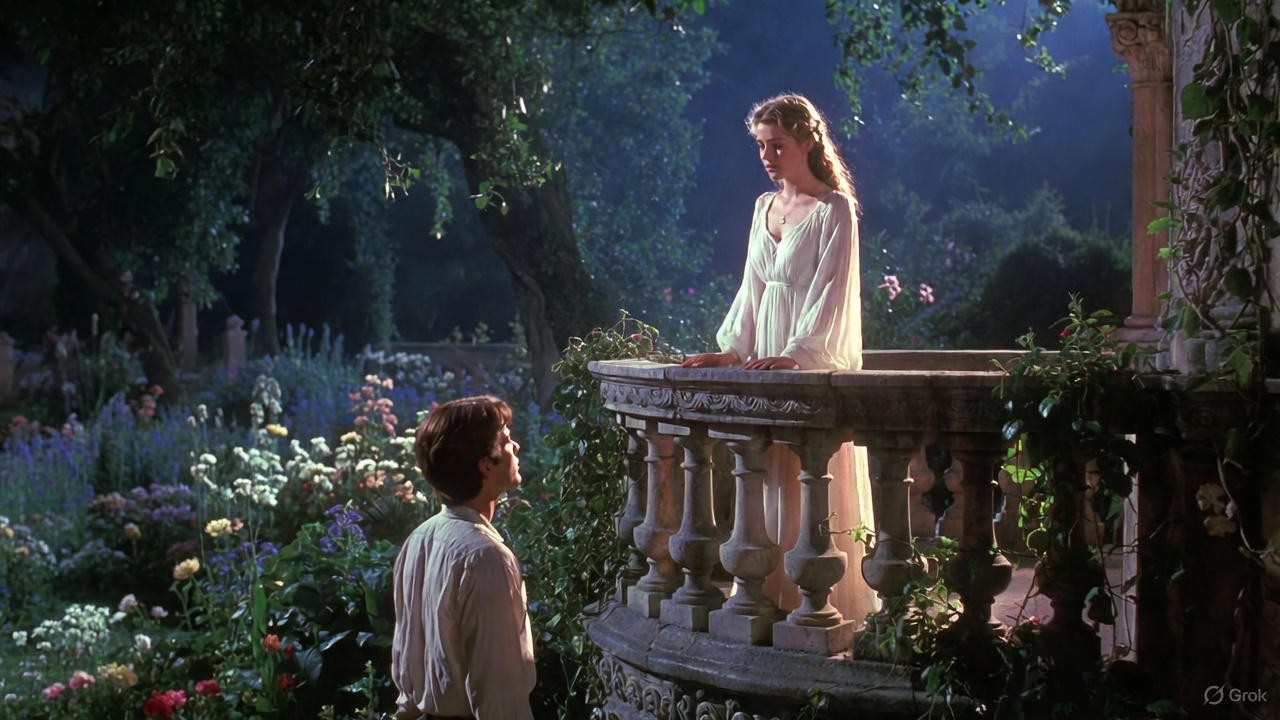
Franco Zeffirelli’s 1968 film used authentic Tuscan and Umbrian locations to evoke Renaissance Italy’s golden warmth, emphasizing lush gardens and sunlit streets.
Baz Luhrmann’s 1996 Romeo + Juliet relocated the action to a modern “Verona Beach” in Mexico and Los Angeles, with gunfights at gas stations and towering corporate “mansions”—yet preserved the essential contrast between chaotic public spaces and intimate private ones.
Traditional stage productions at Shakespeare’s Globe or the Royal Shakespeare Company often rely on minimal sets, letting Shakespeare’s language conjure Verona’s heat and Mantua’s distance.
How Directors Use Setting to Heighten Emotion
Some emphasize historical beauty to underscore lost innocence; others use contemporary decay to highlight timeless relevance. All recognize that spatial dynamics—proximity versus separation, public exposure versus private hiding—are central to emotional impact.
Visiting the Real Verona and Mantua Today
Modern travelers can walk in the lovers’ footsteps.
Top Romeo and Juliet Sites in Verona
- Casa di Giulietta: A 13th-century house with the famous balcony (added in the 1930s). Visitors leave love letters in the courtyard and touch Juliet’s statue for luck.
- Juliet’s Tomb: Housed in the crypt of the former San Francesco al Corso monastery—a quiet, atmospheric spot with an empty sarcophagus.
- Piazza delle Erbe and the Roman Arena: Evoke the bustling public squares where feuds might erupt.
Practical tip: Visit early morning or off-season to avoid crowds. Guided literary tours provide excellent historical context.
Mantua’s Shakespearean Connections
Wander the vast Palazzo Ducale, admiring Mantegna’s frescoes in the Camera degli Sposi, to feel the refined atmosphere Romeo briefly inhabits. The lakes surrounding the city reinforce its sense of isolated sanctuary.
Expert Insight: Standing within Verona’s ancient walls or gazing across Mantua’s waters makes the lovers’ confinement and separation palpably real—transforming abstract themes into lived experience.
Expert Insights and Scholarly Perspectives
Harold Bloom praised Romeo and Juliet as Western literature’s supreme depiction of erotic love, crediting the Italian setting for its exotic intensity.
Stephen Greenblatt notes that Shakespeare used distant Italy to examine English anxieties about civil strife and youthful passion.
Marjorie Garber draws parallels with other Italian-set plays (The Merchant of Venice, The Two Gentlemen of Verona), where foreign locations probe questions of identity, law, and outsider status.
Frequently Asked Questions
Where is Romeo and Juliet set? Primarily in Verona, Italy, with important scenes in nearby Mantua.
Did Shakespeare ever visit Verona or Mantua? There is no evidence he traveled to Italy; his detailed knowledge came from books, maps, and accounts by English travelers.
Why is the balcony scene so famous when there’s no balcony in the text? The image of lovers separated by height perfectly symbolizes social barriers; later productions added an actual balcony for theatrical effect.
How does the setting contribute to the tragedy? Verona’s feuding public spaces fuel violence and haste; Mantua’s proximity makes exile cruelly ironic and enables fatal miscommunication.
Is the story based on real events in Verona? No—the tale is fictional, evolving through Italian novellas, though Verona has enthusiastically embraced the legend for centuries.
Verona and Mantua are far more than convenient locations in Romeo and Juliet. They actively shape plot, character, and theme, turning personal passion into universal tragedy.
Shakespeare’s genius lies in making these Renaissance cities timeless archetypes: any community divided by ancient hate can become Verona, any nearby place of potential refuge an unreachable Mantua.