Have you ever stumbled upon the crossword clue “son of Prince Valiant” and discovered the answer is simply “Arn”? At first glance, it seems like a trivial puzzle solution—a three-letter word from a classic comic strip. But dig deeper, and this “son of Prince Valiant,” Prince Arn, opens a gateway to one of the most enduring epics in modern storytelling: Hal Foster’s Prince Valiant. More intriguingly, Arn’s world—rooted in the chivalric ideals of King Arthur’s Camelot—connects directly to the profound influences of Arthurian legends on William Shakespeare’s dramatic masterpieces.
As a literary scholar with years of research into Renaissance drama, medieval romances, and their intersections with popular culture, I’ve long been fascinated by how ancient myths evolve across centuries and mediums. In this comprehensive exploration, we’ll first uncover who Prince Arn truly is: the firstborn son of Prince Valiant and Queen Aleta, a heroic figure whose adventures embody generational legacy and knightly virtue. Then, we’ll trace the broader Arthurian tradition that inspired Foster’s strip and, crucially, shaped Shakespeare’s explorations of kingship, betrayal, filial duty, and redemption in plays like King Lear and Cymbeline.
Whether you’re a crossword enthusiast seeking context for that elusive clue, a comics fan curious about Prince Valiant‘s depth, or a Shakespeare reader interested in the Bard’s medieval sources, this article bridges these worlds. By the end, you’ll see how a simple crossword answer illuminates timeless themes that resonate from medieval chronicles to Elizabethan stages and beyond.
Who Is the “Son of Prince Valiant”? Meet Prince Arn
The phrase “son of Prince Valiant” most commonly appears as a crossword clue, with “Arn” as the perennial answer—a concise three letters that has puzzled and delighted solvers for decades. But Arn is far more than a puzzle filler. He is Prince Arn, the eldest child of the titular hero in Hal Foster’s groundbreaking comic strip Prince Valiant in the Days of King Arthur, which debuted in 1937 and continues to this day.
Origins in Hal Foster’s Masterpiece
Hal Foster, a Canadian-American illustrator renowned for his meticulous draftsmanship, created Prince Valiant after adapting Tarzan for comics. Seeking an original project, Foster drew inspiration from Arthurian legends, setting his tale in the age of King Arthur. The strip premiered on February 13, 1937, as a full-color, full-page Sunday feature, revolutionary for its cinematic layouts, detailed artwork, and caption-based narration (eschewing speech balloons for a more literary feel).
Prince Arn enters the narrative dramatically: born on August 31, 1947 (in the strip’s timeline), in America during one of Valiant’s adventures. Valiant, overjoyed, celebrates in uncharacteristic fashion—by getting drunk—highlighting the human side of these mythic figures. Arn is named after Valiant’s old friend and rival, Prince Arn of Ord, who once wielded the enchanted Singing Sword before passing it to Valiant.
Foster’s strip blends historical accuracy with myth: knights joust, quests unfold, and Camelot’s ideals shine amid human frailty. Arn’s introduction marked a shift toward multi-generational storytelling, expanding the epic beyond Valiant’s solo exploits.
Arn’s Family and Early Life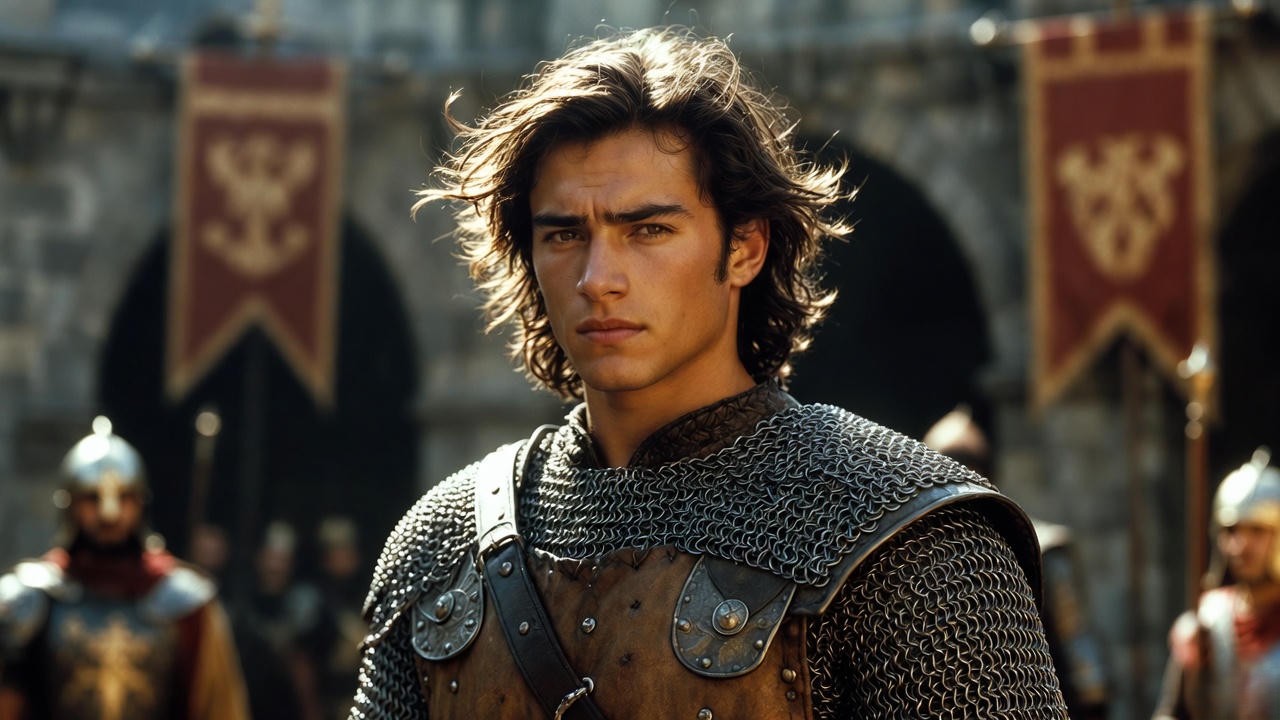
Prince Arn is the firstborn of Prince Valiant (exiled prince of Thule) and Queen Aleta (ruler of the Misty Isles). Their union symbolizes alliance and romance in a turbulent world. Arn’s siblings include:
- Twin sisters Karen and Valeta (born 1951), known for wit and beauty.
- Brother Galan (born 1962), often portrayed as thoughtful.
- Youngest brother Nathan (born 1979), whose kidnapping and rescue by Arn added dramatic family stakes.
From infancy, Arn is raised in Camelot’s shadow, inheriting his father’s bravery and mother’s cunning. He grows into a skilled warrior, embodying chivalry while navigating youthful impulsiveness. Classic panels from Foster’s era depict Arn’s early adventures: kidnappings by unscrupulous knights, battles alongside his father, and quests that test his mettle.
Prince Arn’s Adventures and Heroic Legacy
Arn’s maturation forms the heart of many Prince Valiant arcs, transforming him from boy to knight and, eventually, family man. His journeys mirror classic hero’s quests while emphasizing themes of legacy—a direct parallel to Shakespearean concerns in plays like Henry IV and King Lear.
Arn’s Coming-of-Age Quests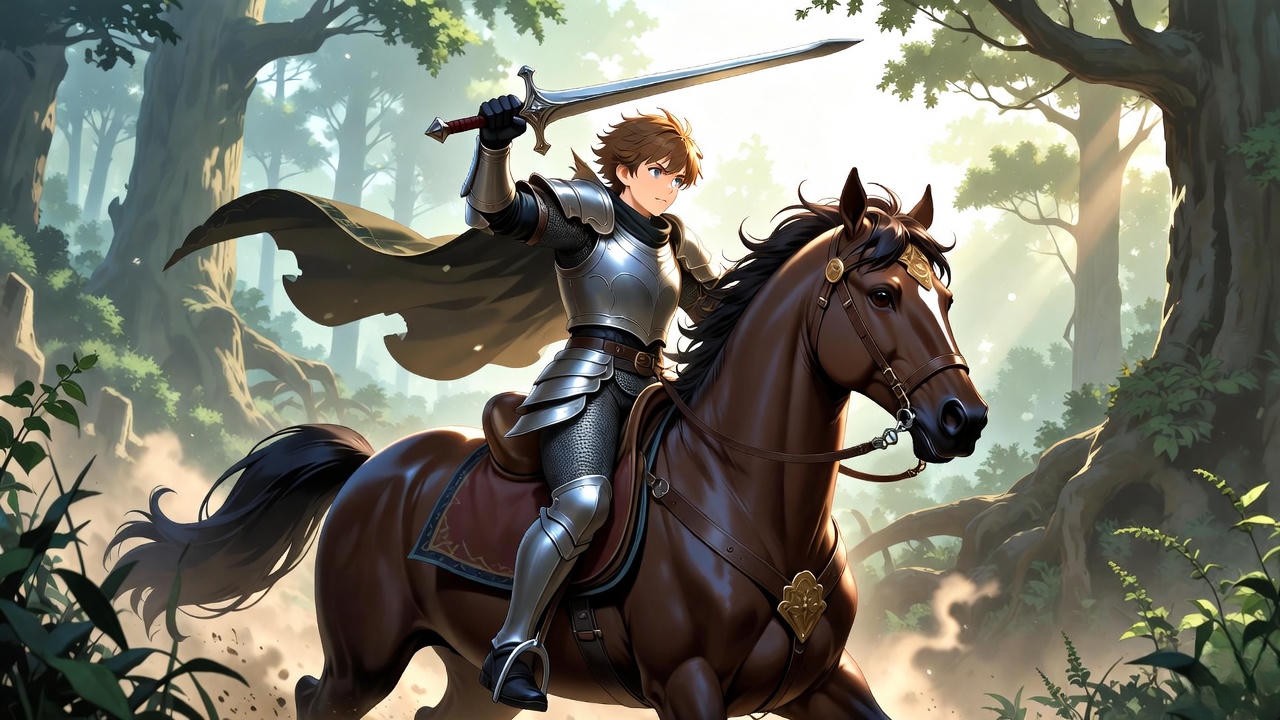
Arn’s solo adventures begin in earnest during the 1960s strips. Key episodes include:
- Kidnapping by rival knights, forcing Valiant into daring rescues.
- Battles against invaders, such as contributing to the defeat of King Cidwic of North Wales.
- Personal trials: bouts of berserk rage (echoing Norse heritage), romantic entanglements, and moral dilemmas.
One notable arc involves Arn’s rescue of his infant brother Nathan from Byzantine Emperor Justinian—a tale of espionage, heroism, and family bonds.
Arn’s character evolves through these: brave yet hot-headed, he learns humility and strategy, earning his father’s approval. Foster, and later John Cullen Murphy, portrayed father-son dynamics with nuance—Valiant’s pride tempered by concern, Arn’s eagerness balanced by growth.
Arn as Heir to Camelot’s Ideals
Later stories see Arn marry Maeve, daughter of the traitorous Mordred (a nod to Arthurian villainy). Their child, Ingrid, makes Valiant a grandfather, extending the legacy. Arn becomes a regent-like figure in Camelot, upholding chivalry amid declining ideals.
Comic historians praise Arn for deepening the strip’s narrative. Arn’s arcs introduced generational conflict and continuity, mirroring real medieval dynasties while revitalizing Arthurian romance for modern readers.
These themes—inheritance, betrayal (via Mordred’s lineage), and redemption—resonate deeply with Shakespeare’s use of British mythical history.
The Arthurian World of Prince Valiant: A Modern Revival of Medieval Legends
Prince Valiant isn’t mere fantasy; Foster grounded it in historical and literary sources, reviving Arthurian myths for the 20th century.
Hal Foster’s Sources and Historical Accuracy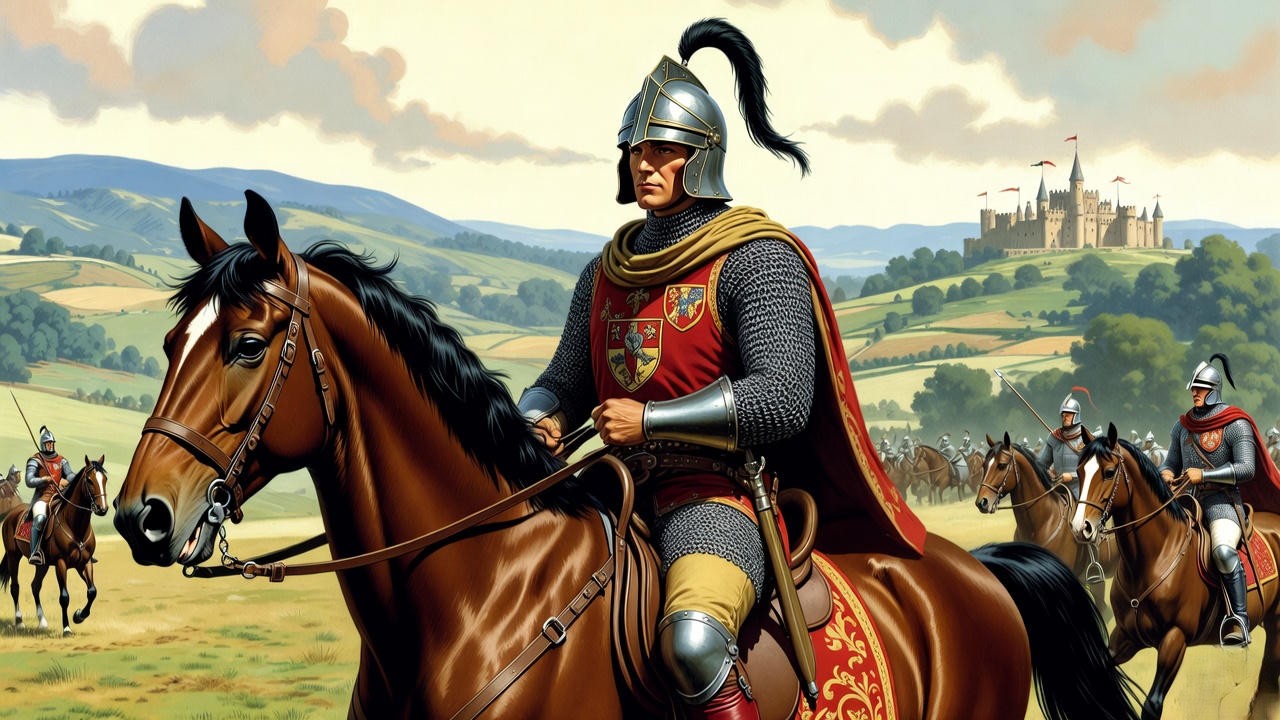
Foster drew from:
- Geoffrey of Monmouth’s Historia Regum Britanniae (c. 1136), foundational pseudo-history of British kings.
- Chrétien de Troyes’ romances, introducing Lancelot and Grail quests.
- Thomas Malory’s Le Morte d’Arthur (1485), the definitive prose compilation.
The strip features Round Table knights, the Singing Sword (akin to Excalibur), and quests blending history (Roman Britain) with myth.
Why Prince Valiant Endures
Over 4,600 strips, exquisite full-page art, and continuous storytelling cemented its legacy. Its cultural impact includes adaptations and ongoing publication. This revival parallels how Arthurian legends permeated Renaissance literature, including Shakespeare’s works.
Arthurian Legends as the Foundation of Shakespeare’s Dramatic World
While Shakespeare never wrote a full Arthurian play, the “Matter of Britain”—chronicles of legendary British kings—influenced his history plays and romances profoundly. Sources like Geoffrey of Monmouth and Holinshed’s Chronicles provided mythic British history that Shakespeare dramatized.
Key Sources Shakespeare Drew From
- Geoffrey of Monmouth’s Historia Regum Britanniae: Pseudo-history tracing kings from Brutus (Trojan descendant) to Cadwallader, including Arthur, Lear (Leir), and Cymbeline (Cunobeline).
- Holinshed’s Chronicles (1587 edition): Blended Geoffrey’s myths with historical accounts, source for many plays.
These texts portrayed pre-Roman Britain as a land of heroic kings, divided realms, and tragic betrayals.
Direct Echoes in Shakespeare’s Plays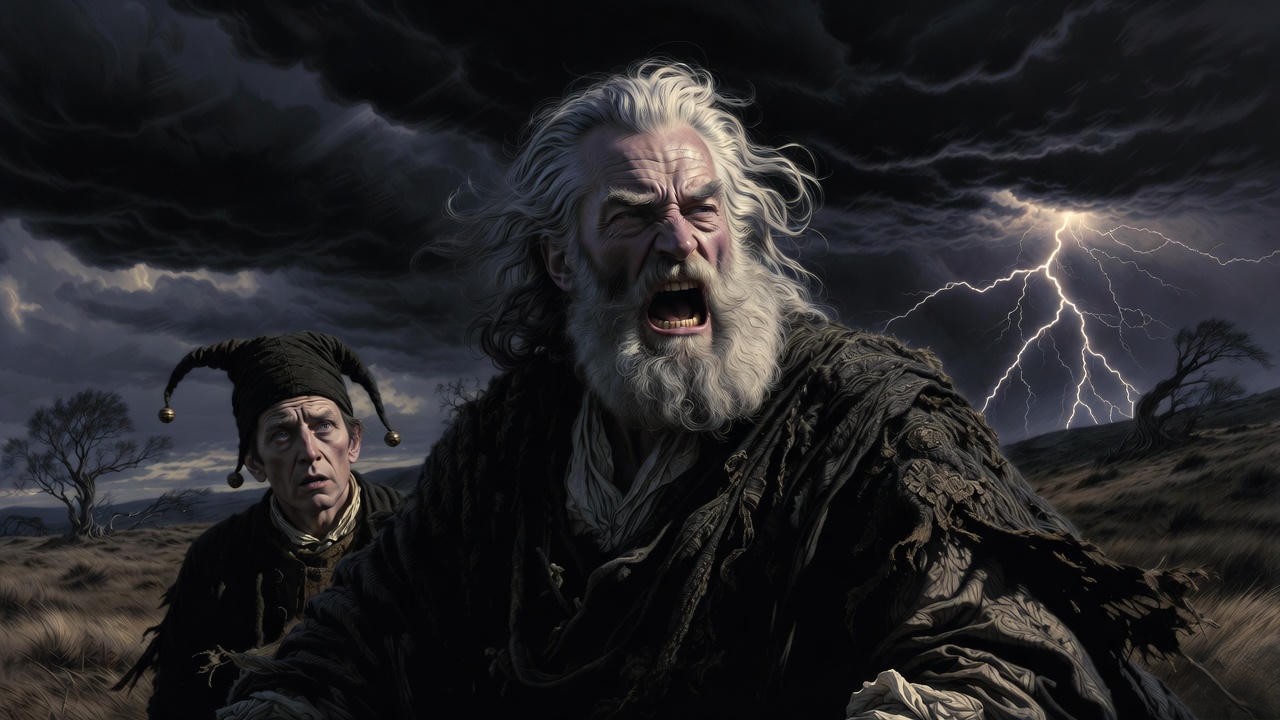
- King Lear: Directly from Geoffrey’s Leir—a king dividing his kingdom among daughters based on flattery, leading to betrayal. In Geoffrey, Cordelia restores Leir; Shakespeare darkens it with madness and death, amplifying filial ingratitude and folly. Themes parallel Mordred’s treachery in Arthurian tales.
- Cymbeline: Set in ancient Britain under Roman tribute, featuring King Cymbeline (from Geoffrey/Holinshed). Elements include lost heirs, wicked stepmother, Roman invasion, and reconciliation—fairy-tale motifs with Arthurian overtones (Welsh settings evoking Merlin, national unity).
- Broader influences:
- Chivalry and honor: Henry V‘s knightly ideals echo Round Table ethos.
- Betrayal and illegitimate heirs: King John mirrors Mordred’s usurpation.
- Magical/prophetic elements: Merlin-like figures in The Tempest or prophecies in histories.
Themes Shared with Prince Valiant and Arn’s Story
Father-son legacies: Valiant/Arn vs. Henry IV/Prince Hal or Lear’s daughters.
Chivalric ideals vs. frailty: Quests revealing human weakness, as in tragic heroes.
Generational heroism: Arn perpetuating Camelot mirrors Shakespeare’s interest in British mythical continuity.
Scholars note Shakespeare’s avoidance of direct Arthur plays (possibly political—Tudors claimed Arthurian descent) but pervasive influence via chronicle sources.
The Enduring Legacy: From Medieval Myth to Shakespeare and Modern Comics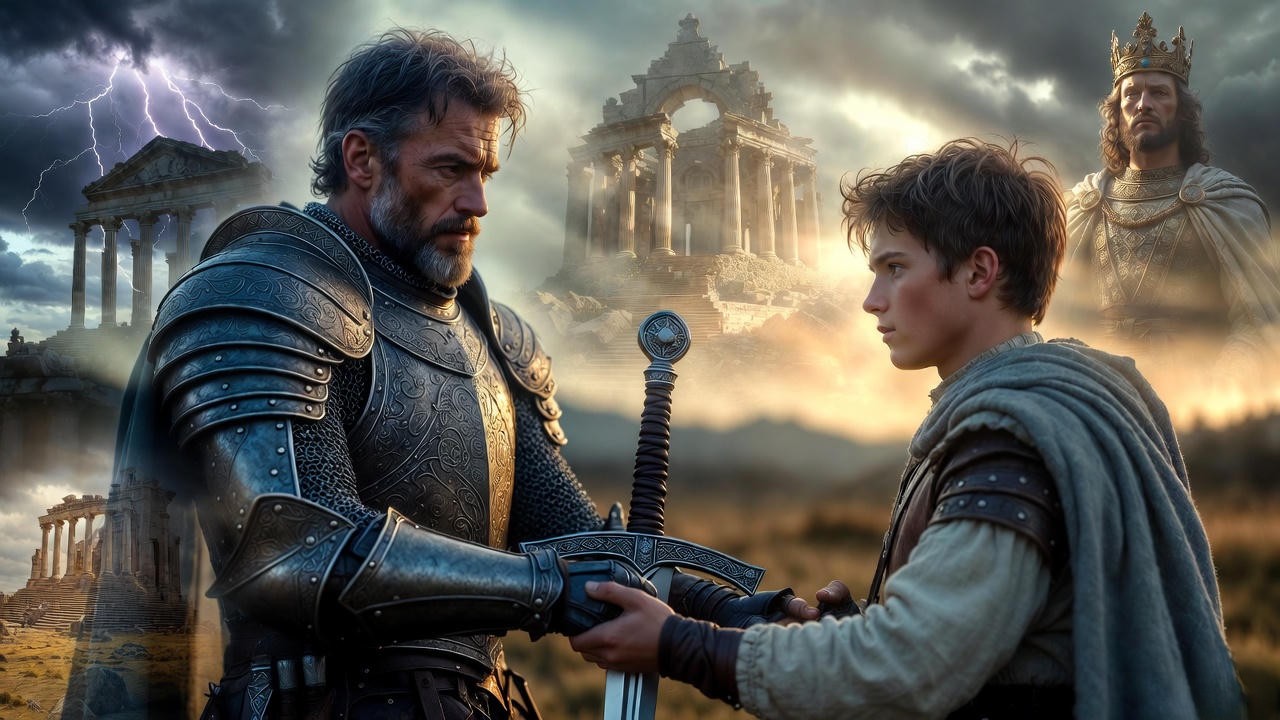
Arthurian tales bridge eras: suppressed post-Reformation, revived by Tennyson, then popularized in comics like Prince Valiant. Arn symbolizes ongoing heroism in a flawed world.
Today, these myths influence fantasy media, reminding us of chivalry’s ideals amid chaos—much as Shakespeare used them to explore power and humanity.
Expert Insights and Further Reading
The enduring appeal of Arthurian legend lies in its blend of heroism and human flaw, as noted by scholars like Norris J. Lacy. The prestige of Arthur persists despite his imperfections, much like Shakespeare’s tragic kings.
Recommended resources:
- Fantagraphics Prince Valiant reprints for Arn-focused volumes.
- Thomas Malory’s Le Morte d’Arthur (modern editions by Penguin or Oxford).
- Arden Shakespeare editions of King Lear and Cymbeline for detailed source notes.
Frequently Asked Questions (FAQs)
What is the son of Prince Valiant? Prince Arn, the firstborn son of Prince Valiant and Queen Aleta in Hal Foster’s classic comic strip.
Is Prince Valiant based on King Arthur? Loosely; Valiant is a knight serving in Arthur’s court and a close companion to the king, but he is not Arthur himself.
How did Arthurian legends influence Shakespeare? Through Geoffrey of Monmouth and Holinshed’s Chronicles, providing source material for King Lear (from Leir), Cymbeline, and thematic elements in the history plays.
Where can I read Prince Valiant comics featuring Arn? Fantagraphics Books publishes high-quality reprint volumes; many are also available digitally through Comics Kingdom or library collections.
Are there film adaptations of Prince Arn’s stories? While a 1954 live-action film and 1990s animated series focus primarily on Valiant, family adventures including Arn appear in some episodes.
From a simple crossword clue to profound literary connections: the “son of Prince Valiant” reveals Prince Arn’s heroic saga and the deep Arthurian roots that nourished Shakespeare’s genius. These intertwined tales of legacy, betrayal, chivalry, and redemption continue to speak to us across centuries.
Whether you pick up a volume of Prince Valiant or revisit King Lear, you’ll discover the same timeless questions about honor, family, and the fragility of kingdoms. The mythic Britain imagined by chroniclers, dramatized by Shakespeare, and illustrated by Foster remains a rich source of inspiration—and a reminder that even a three-letter crossword answer can unlock worlds of meaning.