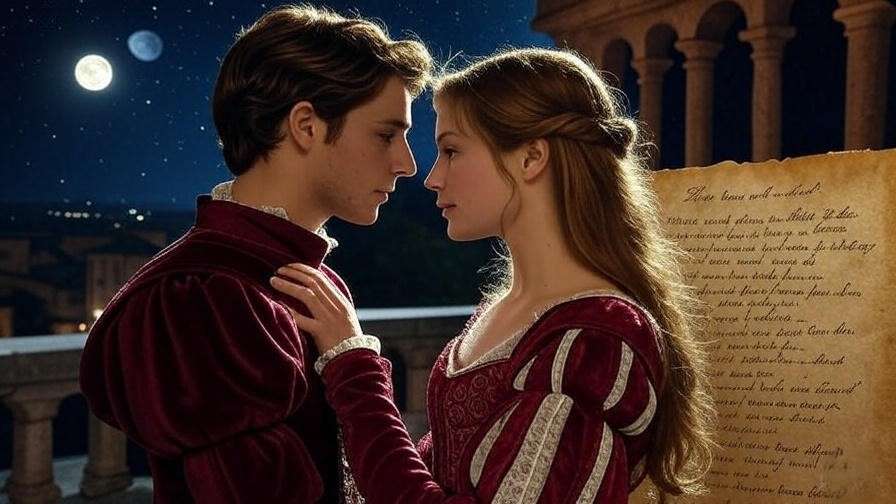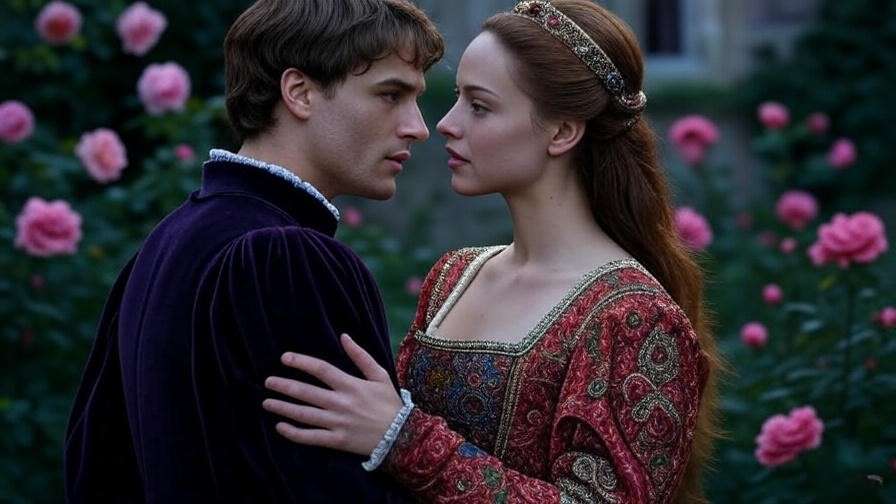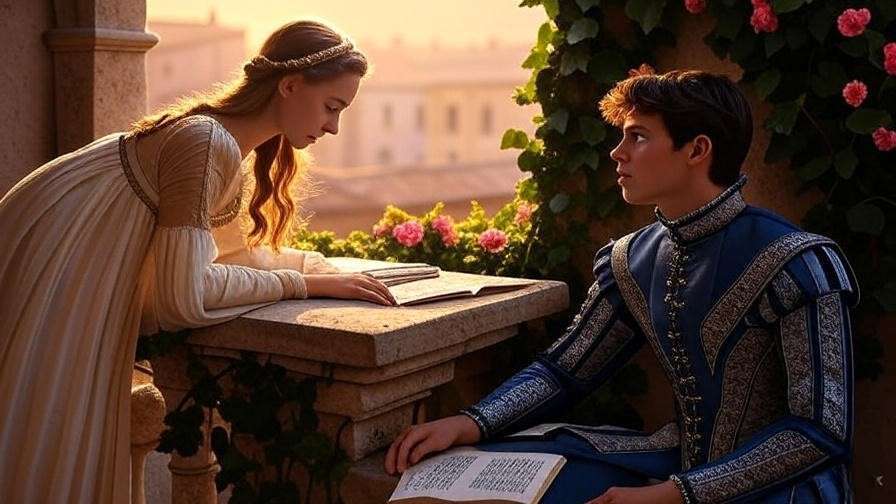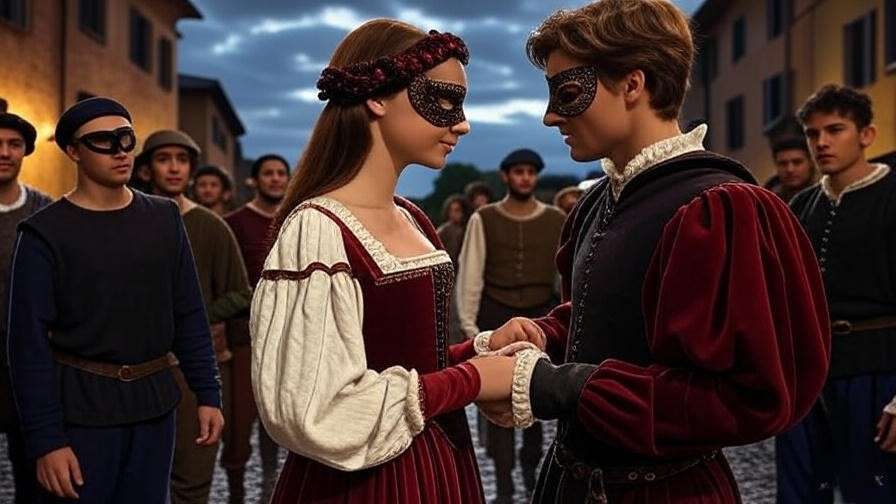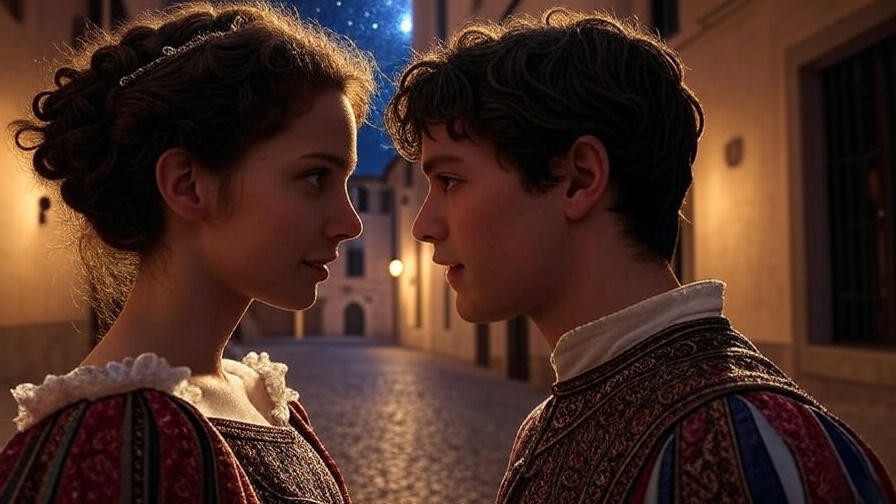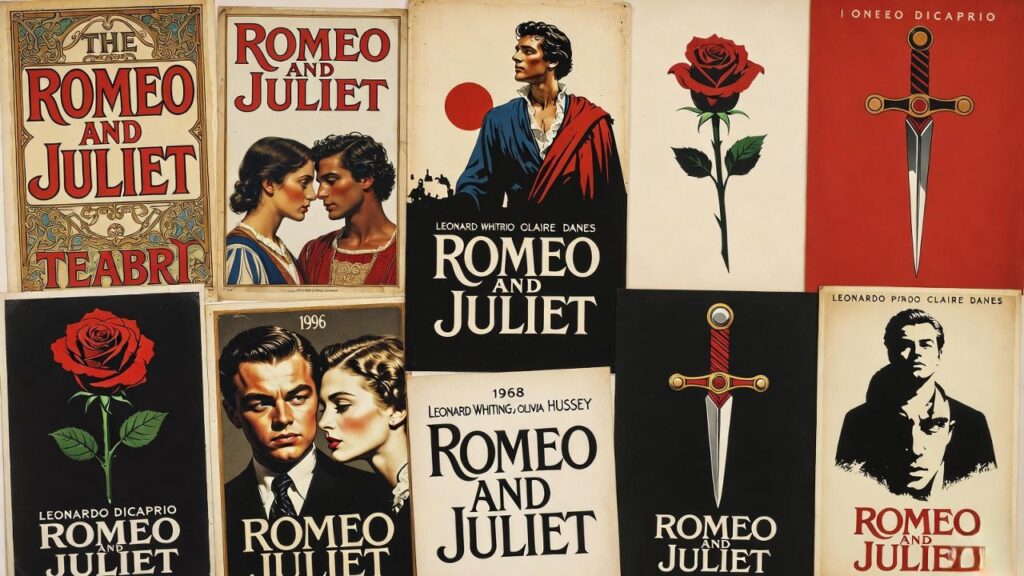
Imagine two young lovers gazing intently at each other, framed by a stark blue cross, with the chaotic energy of modern Verona pulsing beneath them. Or picture a tender embrace in Renaissance attire, bathed in soft golden light that whispers of innocence lost. These images aren’t just movie promotions—they’re cultural icons that capture the heart-wrenching essence of William Shakespeare’s most famous tragedy. When people search for a “Romeo and Juliet poster,” they’re often seeking these visual masterpieces that distill forbidden love, family feuds, and fateful tragedy into a single, unforgettable frame.
As a Shakespeare scholar with years of studying and teaching his works, including countless analyses of adaptations from stage to screen, I’ve delved deep into how these posters reflect the play’s enduring themes. In this comprehensive guide, we’ll explore the evolution of Romeo and Juliet poster designs, from vintage theater prints to blockbuster film one-sheets. We’ll decode the rich symbolism tied directly to Shakespeare’s text—motifs like roses, daggers, stars, and light versus dark contrasts—and examine standout examples from major adaptations. Whether you’re a collector hunting for authentic prints, an educator looking for visual aids, a fan inspired by Baz Luhrmann’s vibrant take, or simply curious about how designers visualize “star-crossed lovers,” this article provides in-depth insights, historical context, and practical tips to appreciate these works fully.
Shakespeare’s Romeo and Juliet, written around 1595–1596, remains one of the most adapted plays in history, with hundreds of stage productions and dozens of films. Posters serve as the first visual introduction, often encapsulating the production’s interpretation while echoing lines like “A pair of star-cross’d lovers take their life” (Prologue). By understanding these designs, we gain a richer appreciation of how Shakespeare’s words translate into art. Let’s journey through the most iconic examples and uncover their layers of meaning.
The Role of Posters in Capturing Shakespeare’s Romeo and Juliet
Posters are more than marketing tools; they’re artistic interpretations that summarize a production’s soul. For Romeo and Juliet, they must balance romance with tragedy, passion with violence, and youth with doom—all in a glance. Shakespeare’s play is rich with visual imagery: the balcony scene’s moonlit intimacy, the apothecary’s poison vial, the tomb’s final darkness. Designers draw from these to create posters that evoke emotion and intrigue potential audiences.
Historically, theater posters evolved from simple playbills in Elizabethan times to elaborate lithographs in the 19th and 20th centuries. Film posters, emerging in the early 1900s, added photographic elements and bold typography. Today, digital designs allow for minimalist or fan-art variations. What unites them is their role in making Shakespeare’s 400-year-old tragedy feel immediate and relevant.
Symbolism is key: Posters often foreshadow the ending subtly, using divided compositions for the Montague-Capulet feud or celestial motifs for fate. As an expert who’s analyzed hundreds of adaptations, I can attest that the best Romeo and Juliet posters don’t spoil the plot but hint at its inevitability, drawing viewers in with promises of beauty and heartbreak. This visual shorthand helps bridge the gap between Shakespeare’s poetic language and modern audiences, especially those discovering the play through film or stage revivals.
In an era of quick-scrolling social media, a striking poster can reignite interest in classic literature. Sites like Etsy and poster archives show surging demand for reproductions, proving these designs transcend their original promotional purpose.
Classic Theater Posters: Vintage Designs from Stage Productions
Theater posters for Romeo and Juliet have a rich history, often prioritizing artistic flair over celebrity faces. Early designs reflect the era’s aesthetic movements, using symbolism to convey the play’s poetic depth.
Early 20th-Century and Art Nouveau Influences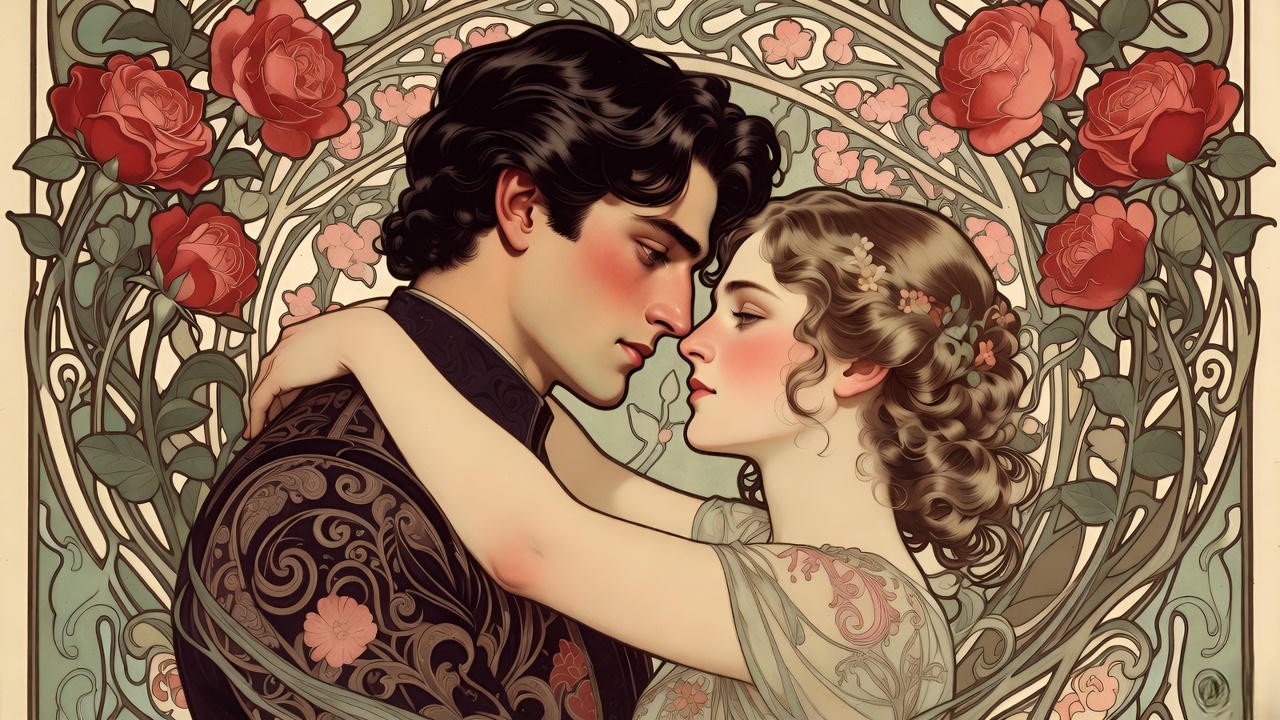
At the turn of the 20th century, Art Nouveau swept Europe, influencing theater posters with flowing lines, organic forms, and romantic motifs. French productions, in particular, embraced this style for Shakespearean works. These posters typically featured elegant figures entwined amid swirling vines and blooming roses—a direct nod to Juliet’s line, “That which we call a rose / By any other name would smell as sweet” (Act II, Scene 2).
These designs often showed stylized lovers in profile, with elongated limbs and dreamy expressions, evoking passion without overt tragedy. Colors were muted pastels or rich golds, emphasizing beauty over conflict. Influenced by artists like Alphonse Mucha, these vintage French theater posters remain highly sought after for their timeless elegance and romantic idealism.
Mid-Century Royal Shakespeare Company and Broadway Posters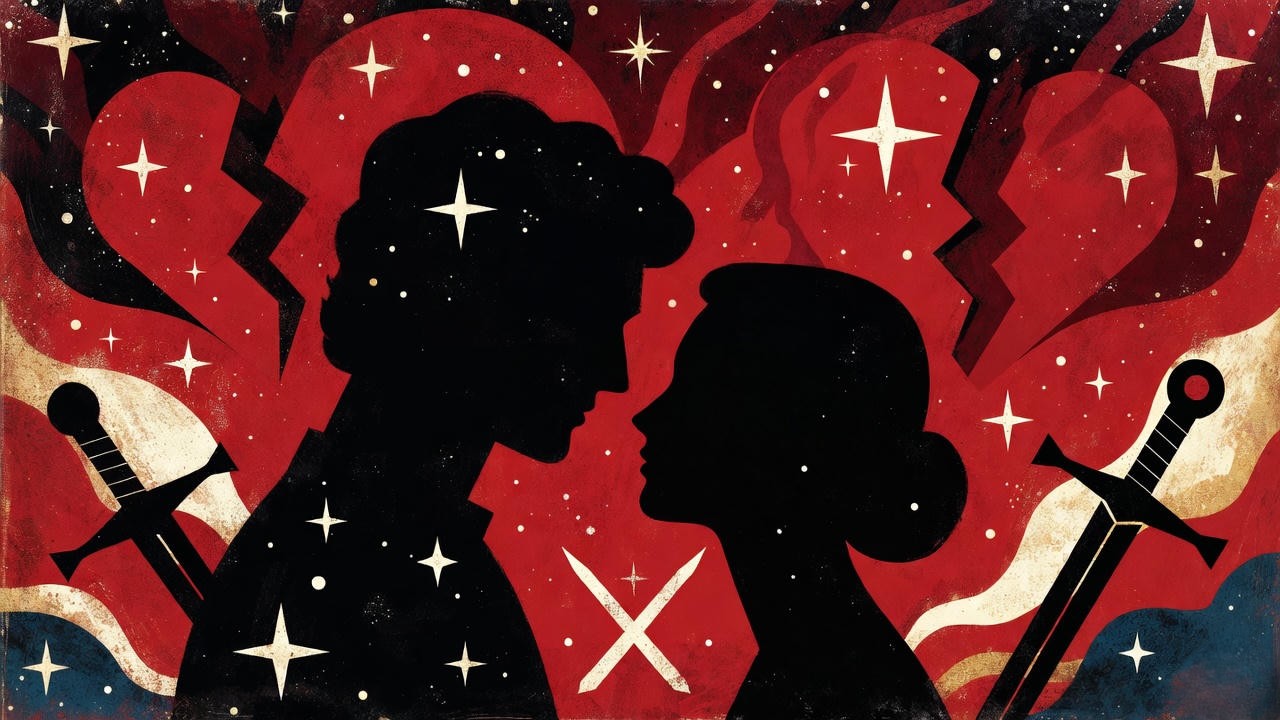
The Royal Shakespeare Company (RSC), founded in 1961, has produced numerous Romeo and Juliet stagings, each with distinctive posters. Mid-century designs often used bold typography and abstract elements—silhouettes of lovers against a blood-red sky or fractured hearts symbolizing the feud.
Broadway productions from the 1940s–1970s featured ornate lettering and dramatic poses, sometimes incorporating masks from the Capulet ball or swords crossed in defiance. Later RSC posters, such as those from the 1970s, 1980s, and 1990s productions, ranged from minimalist text-based designs to evocative imagery highlighting the play’s emotional intensity.
Key symbolic elements in these theater posters include balconies for secret rendezvous, daggers for violence, and masks for deception and hidden identities. Unlike film posters, theater versions rarely feature actors’ likenesses, allowing the universal themes of love and conflict to take center stage. This approach reinforces Shakespeare’s focus on archetype over individual, making vintage theater posters enduring classics in graphic design history.
Iconic Film Adaptations: The Most Famous Romeo and Juliet Movie Posters
Film adaptations brought photographic realism to Romeo and Juliet posters, making them instantly recognizable worldwide. Two stand above the rest: Franco Zeffirelli’s 1968 classic and Baz Luhrmann’s 1996 postmodern take.
Franco Zeffirelli’s 1968 Romeo and Juliet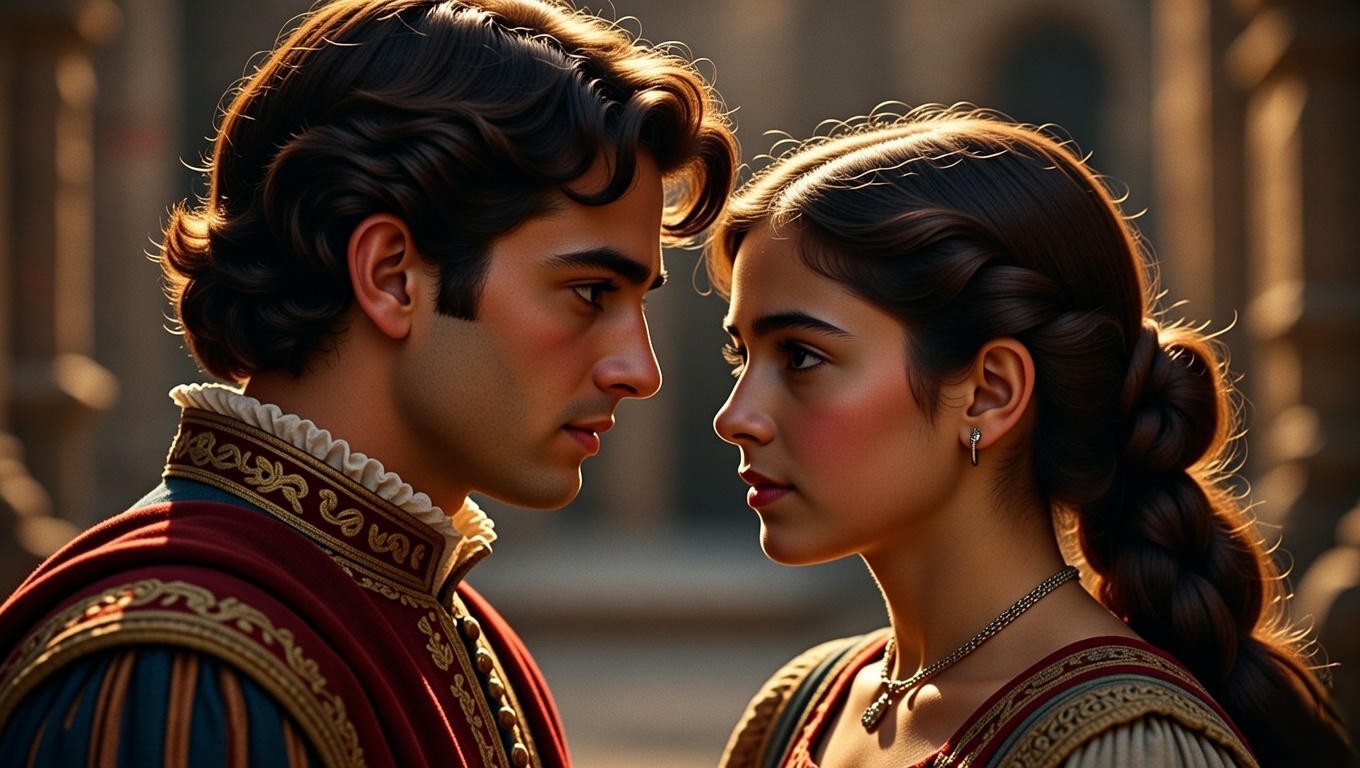
Zeffirelli’s film, starring teenage newcomers Olivia Hussey as Juliet and Leonard Whiting as Romeo, is often hailed as the most faithful screen version. The primary poster features a close-up of the young lovers in tender profile, gazing at each other with wide-eyed innocence. Soft, warm lighting and authentic Renaissance costumes evoke Verona’s sun-drenched beauty, emphasizing youthful purity.
Variations include international versions with balcony scenes or wedding imagery, but the main U.S. one-sheet focuses on intimacy and vulnerability. Symbolism abounds: Golden hues represent fleeting joy and innocence, while subtle shadows in the background hint at encroaching doom. The design’s simplicity underscores the play’s core theme of love blooming amid hatred.
This poster’s cultural impact cannot be overstated—it won Academy Awards and defined “authentic” Shakespeare on screen for generations. Its romantic, period-accurate aesthetic continues to inspire collectors and educators teaching the play’s historical context.
Baz Luhrmann’s 1996 Romeo + Juliet
Baz Luhrmann’s bold modernization, titled William Shakespeare’s Romeo + Juliet, stars Leonardo DiCaprio and Claire Danes in a contemporary Verona Beach setting. The most iconic one-sheet poster shows the two leads staring intensely at the viewer through a thin blue frame shaped like a cross, with the title “+ Juliet” prominently displayed below. Smaller images of the supporting cast and chaotic urban elements fill the bottom, evoking religious iconography and gang violence.
Alternate posters highlight guns (replacing swords), religious statues, or the famous aquarium meeting scene. Symbolism is layered: The cross frame represents faith, sacrifice, and the play’s Christian undertones; guns modernize the feud’s lethality; water motifs suggest purity amid corruption. Red and blue color schemes divide the families visually.
This revolutionary design targeted younger audiences with its MTV-style energy, making Shakespeare cool for the 1990s. It perfectly captures Luhrmann’s vision of translating metaphors into vivid visuals—guns for swords, neon crosses for fate—while retaining the original dialogue.
Other Notable Film Posters (1936, 2013, and Beyond)
George Cukor’s 1936 version, starring Norma Shearer and Leslie Howard, featured elegant, glamorous posters with mature lovers in opulent settings, reflecting Hollywood’s Golden Age style. More recent adaptations, like Carlo Carlei’s 2013 film with Hailee Steinfeld and Douglas Booth, opted for softer, romantic imagery with period costumes and misty backgrounds.
These variations highlight how each era reinterprets the tragedy: from sophisticated romance in the 1930s to gritty modernity in the 1990s.
Decoding Symbolism: Recurring Motifs Across Romeo and Juliet Posters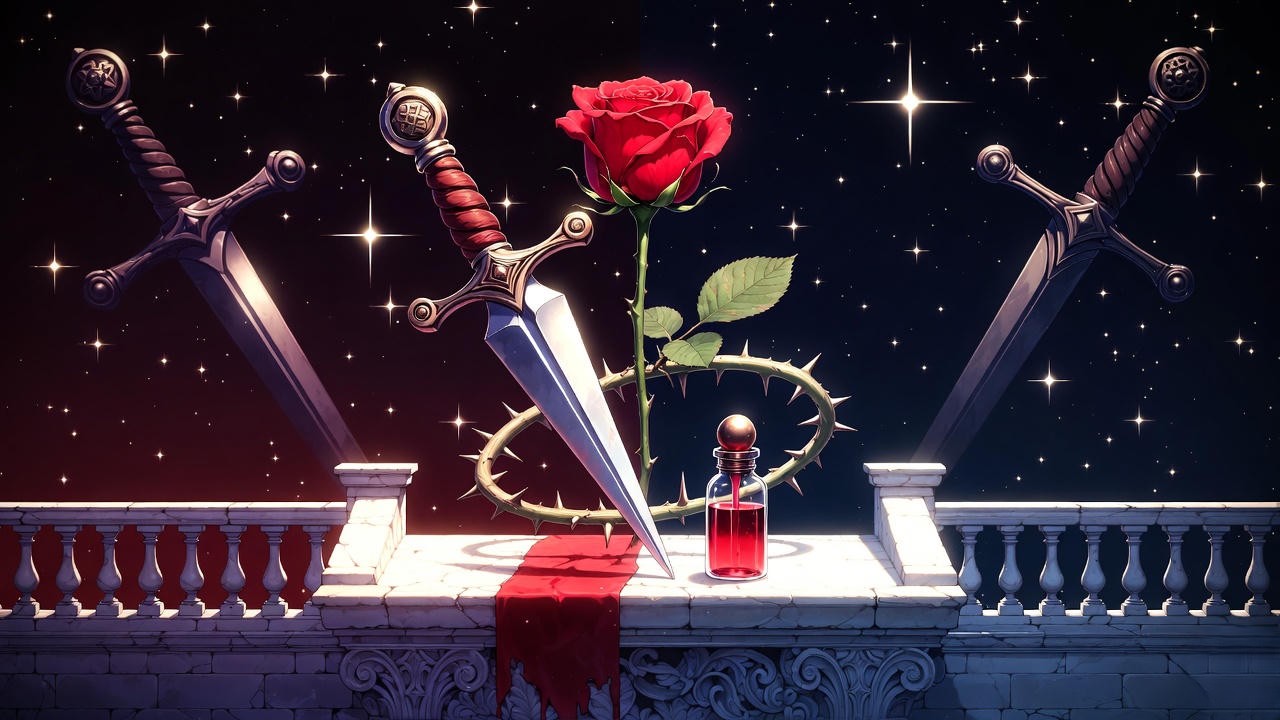
Shakespeare’s text is packed with symbols, and poster designers masterfully incorporate them to convey the story’s depth at a glance.
Love and Passion Symbols
Hearts, roses, embraces, and kisses dominate romantic posters. Roses appear frequently, tying to Juliet’s famous speech on names and essence. Intertwined figures or close-up gazes symbolize unity against division, echoing the lovers’ secret marriage.
Tragedy and Fate
Daggers, poison vials, stars, and tombs foreshadow doom. Celestial elements reference “star-crossed lovers,” while light-versus-dark contrasts (golden dawn vs. shadowy night) illustrate hope clashing with reality. Red and black palettes evoke blood and death.
Feud and Conflict
Divided frames, opposing colors (e.g., red for Capulets, blue for Montagues in Luhrmann’s film), crossed weapons, or fractured compositions represent family hatred. Religious icons like crosses blend love with sacrifice, hinting at the tragic resolution.
| Symbol | Common Examples | Tie to Shakespeare’s Text | Poster Appearances |
|---|---|---|---|
| Roses | Blooming flowers, thorny vines | “A rose by any other name…” (Act 2, Sc 2) | Art Nouveau theater, vintage prints |
| Daggers/Swords/Guns | Crossed weapons | Feud violence, Romeo’s death | Broadway, Luhrmann 1996 |
| Stars/Celestials | Night skies, shining lights | “Star-crossed lovers” (Prologue) | Modern minimalist designs |
| Light vs. Dark | Golden hues vs. shadows | Romeo’s sun metaphors for Juliet | Zeffirelli 1968, RSC posters |
| Crosses/Religious Icons | Frames, statues | Fate, sacrifice, Christian undertones | Luhrmann 1996 primary poster |
These motifs ensure posters foreshadow without spoiling, inviting viewers to experience the full emotional arc.
Modern and Artistic Interpretations: Contemporary Poster Designs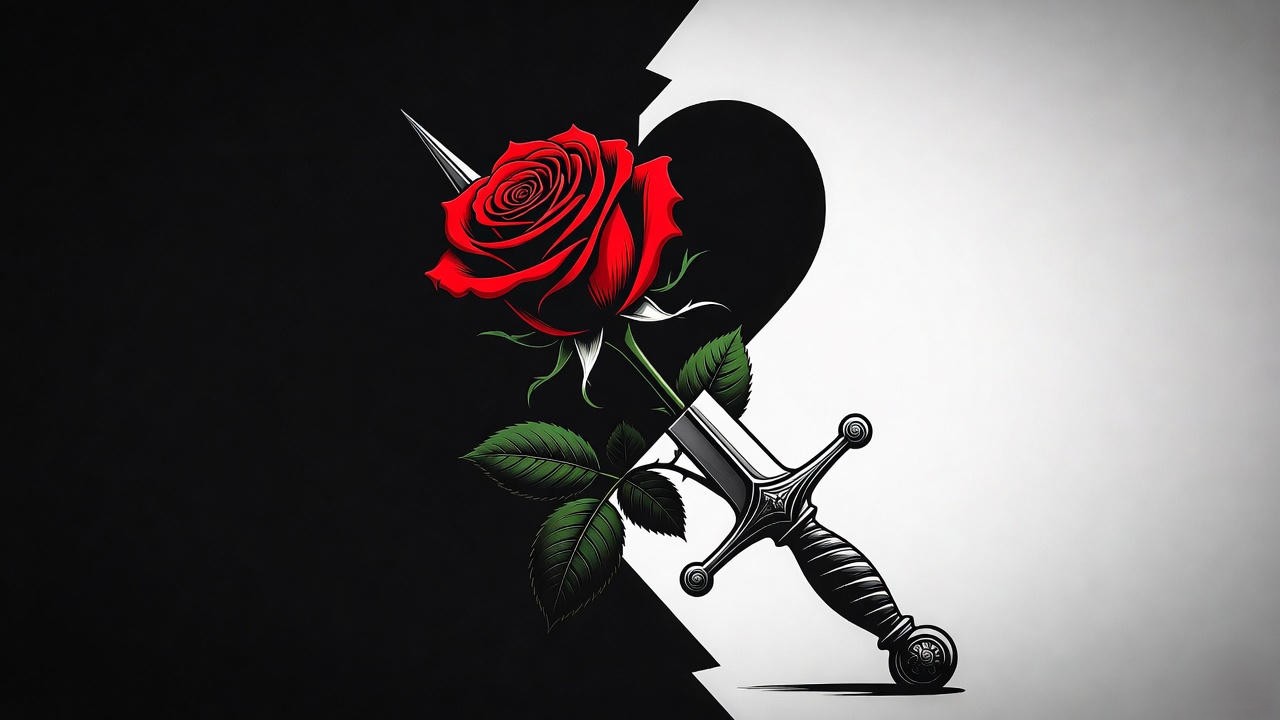
Today’s Romeo and Juliet posters include fan art, minimalist graphics, and ballet productions. Digital artists on platforms like Etsy and Redbubble create surreal or quote-overlaid designs, often with diverse casting or gender-swapped roles reflecting contemporary values.
Ballet versions, such as those by the Royal Ballet or American Ballet Theatre, favor ethereal, movement-focused imagery with flowing costumes and dramatic leaps. Trends include eco-themes (poison as environmental metaphor) or social commentary on youth violence.
These interpretations keep Shakespeare’s tragedy alive, proving its adaptability across mediums and generations.
Expert Tips for Collecting and Appreciating Romeo and Juliet Posters
As a longtime collector and scholar, here are practical tips:
- Authentication: Seek originals from reputable sources like Posteritati or Original Film Art. Look for studio markings on 1968 or 1996 one-sheets.
- Condition Matters: Folded posters (pre-1980s standard) vs. rolled; avoid tears or fading.
- Display Ideas: Frame with UV-protective glass for home offices or classrooms. Pair vintage theater prints with modern film posters for contrast.
- Educational Uses: Use posters to teach symbolism—compare Zeffirelli’s warmth to Luhrmann’s intensity.
- Resources: Check eBay for reprints, IMP Awards for high-res scans, or RSC archives for theater designs.
Start with affordable reproductions to build appreciation before investing in originals.
Frequently Asked Questions (FAQs)
What is the most iconic Romeo and Juliet poster? Baz Luhrmann’s 1996 design with DiCaprio and Danes framed by a blue cross is widely considered the most recognizable, blending modern edge with classic themes.
Where can I buy authentic vintage Romeo and Juliet posters? Reputable sites include Posteritati, Original Film Art, Heritage Auctions, or eBay verified sellers. For theater posters, check RSC shop archives or specialty vintage dealers.
How do the 1968 and 1996 posters differ in symbolism? The 1968 Zeffirelli poster emphasizes innocence and period romance with warm lights and tender gazes. The 1996 Luhrmann version uses religious crosses, guns, and urban chaos to modernize fate and violence.
Are there free downloadable Romeo and Juliet poster designs? Yes—sites like IMP Awards offer high-res scans for personal use, or search for public-domain vintage theater art on archive.org.
What symbols are common in Romeo and Juliet theater posters? Roses, balconies, masks, daggers, and divided compositions dominate, focusing on universal themes rather than specific actors.
From Art Nouveau elegance to bold modern reinventions, Romeo and Juliet posters immortalize Shakespeare’s tragedy by blending visual artistry with profound themes of love, fate, and conflict. These designs not only promoted productions but became cultural touchstones, reminding us why the play endures over 400 years later.
Whether collecting, teaching, or simply admiring, exploring these posters deepens our connection to the “star-crossed lovers.” Which design resonates most with you? Dive into archives, revisit the films or stage productions, and let Shakespeare’s timeless words—and their iconic visuals—inspire you anew.