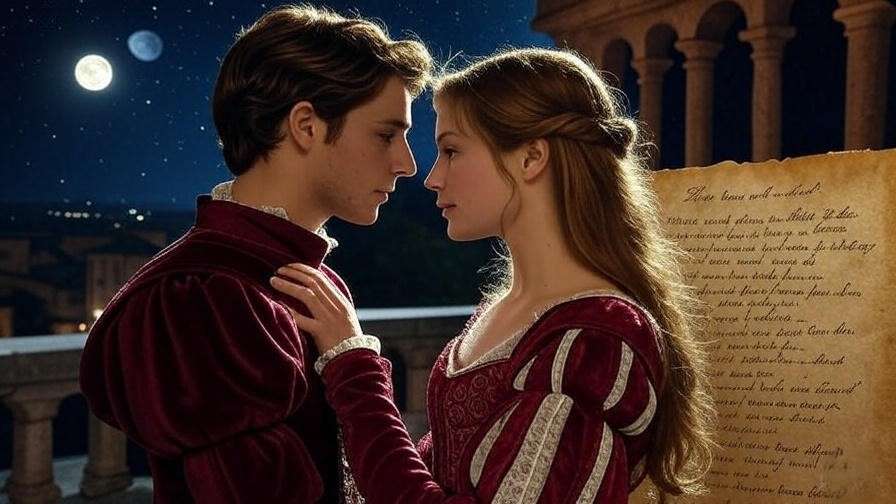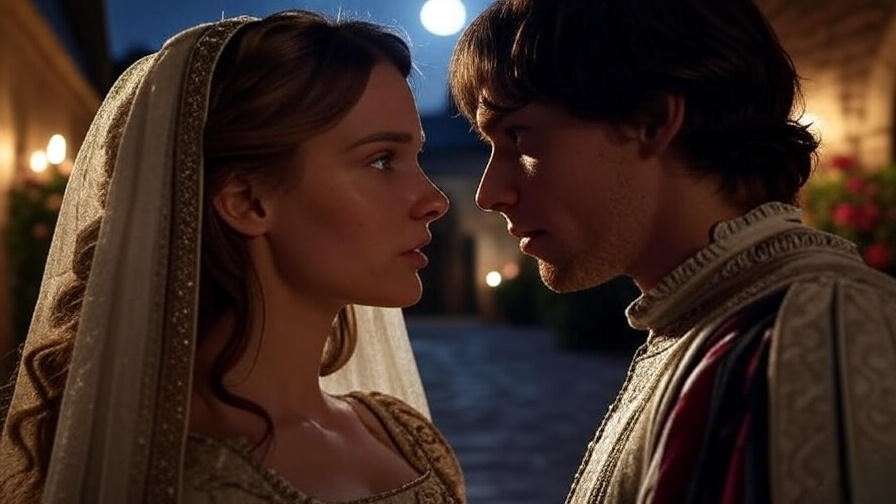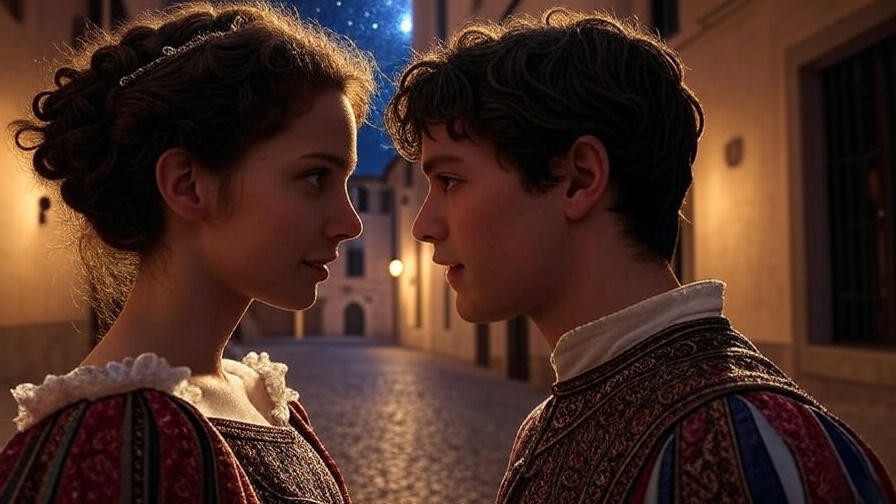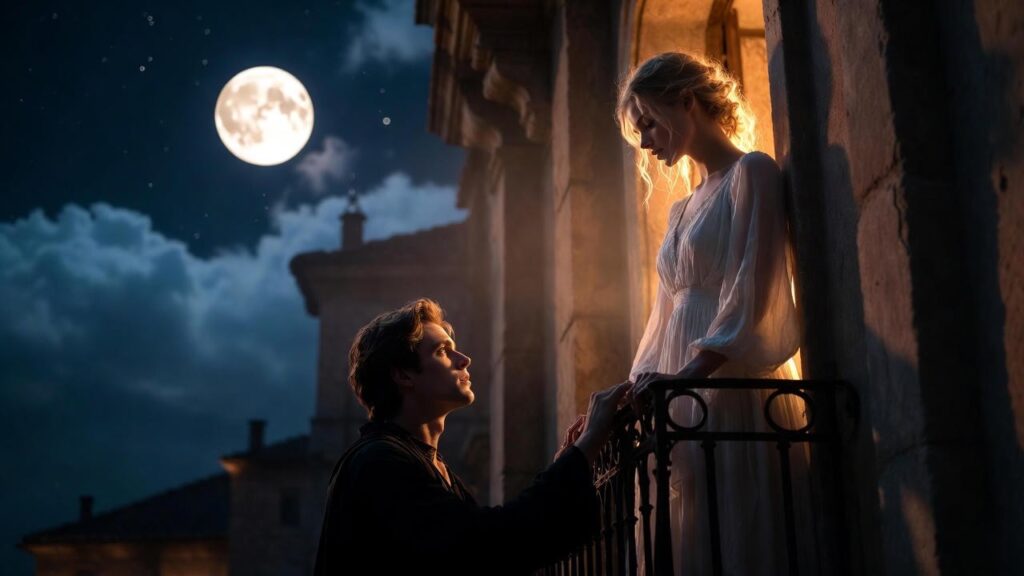
“Romeo, Romeo, wherefore art thou Romeo?”
These six words, spoken by a 13-year-old girl on a moonlit balcony, have echoed through centuries of theatre, film, literature, and even everyday conversation. They capture the raw intensity of young love, the pain of family division, and the timeless question of identity. Among all of William Shakespeare’s works, the Romeo and Juliet monologues remain some of the most sought-after, performed, and studied speeches in the English language—whether for school assignments, acting auditions, or personal appreciation.
In this comprehensive guide, we’ll explore the top Romeo and Juliet monologues, presenting each with the full original text, a clear modern English translation, detailed line-by-line analysis, and practical performance insights. As a Shakespeare scholar with over 15 years of experience teaching, directing, and writing about his plays, I’ve curated this resource to go far beyond simple lists. Whether you’re a student preparing for an exam, an actor selecting an audition piece, a teacher planning a lesson, or a lifelong lover of Shakespeare, this article will deepen your understanding and connection to these immortal words.
Why Romeo and Juliet Monologues Matter Today
Romeo and Juliet, written around 1595–1596, is Shakespeare’s most frequently performed tragedy worldwide. Its monologues continue to resonate because they explore universal human experiences: the rush of first love, the terror of loss, the conflict between individual desire and societal expectation, and the fragility of life.
These speeches are staples in acting conservatories and drama schools. Casting directors often request “a Shakespeare monologue,” and pieces from Romeo and Juliet top the list due to their emotional range, poetic beauty, and accessibility for younger performers. In classrooms, they serve as perfect entry points into Shakespeare’s language—rich yet not overwhelmingly complex.
What makes these monologues enduring is Shakespeare’s mastery of character revelation. Each speech doesn’t just sound beautiful; it exposes the speaker’s inner world at a pivotal moment. Juliet’s balcony speech shows her intellectual maturity; her potion monologue reveals paralyzing fear; Romeo’s final words in the tomb display tragic acceptance. Understanding these layers transforms a recitation into a powerful performance.
The Top Romeo and Juliet Monologues
I selected these monologues based on several criteria: frequency in professional and educational use, critical recognition, thematic significance, dramatic impact, and suitability for performance. While Romeo and Juliet is dialogue-heavy, these extended solo speeches stand out as true monologues.
1. Juliet’s Balcony Monologue – “O Romeo, Romeo, wherefore art thou Romeo?” (Act 2, Scene 2)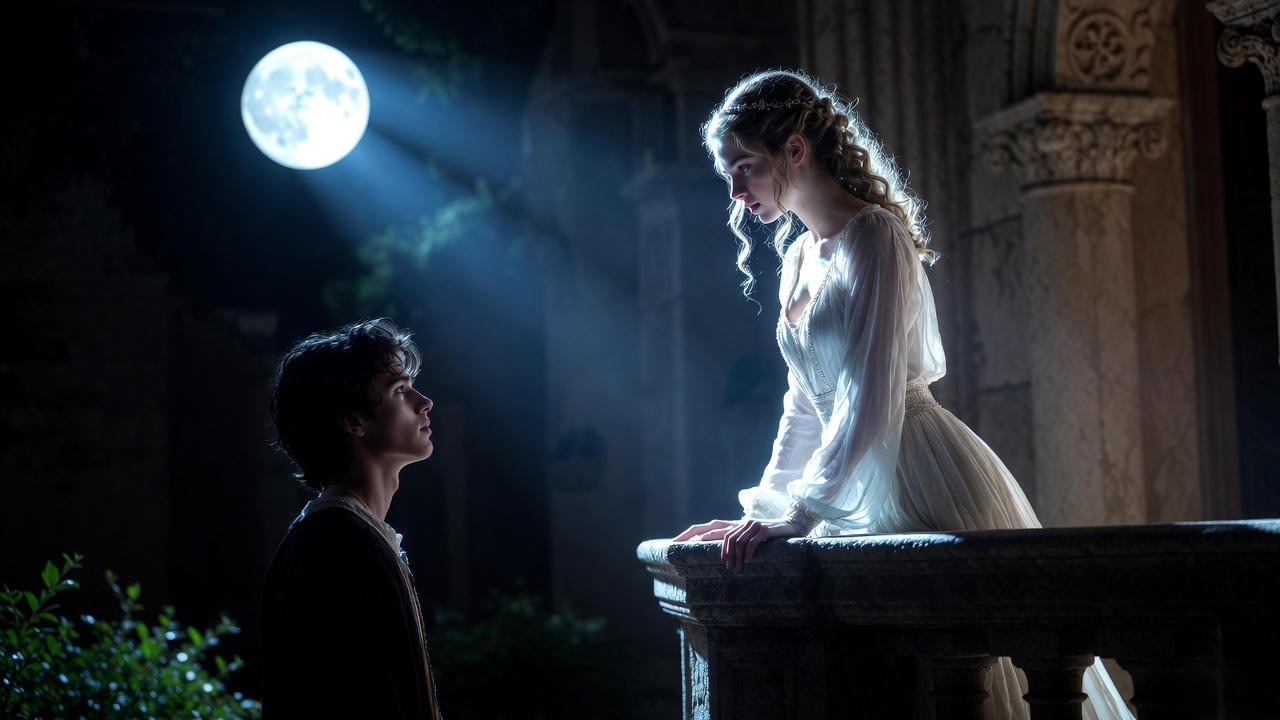
This is unquestionably the most famous speech in the play—and arguably in all of Shakespeare.
Original Text O Romeo, Romeo, wherefore art thou Romeo? Deny thy father and refuse thy name; Or, if thou wilt not, be but sworn my love, And I’ll no longer be a Capulet.
’Tis but thy name that is my enemy; Thou art thyself, though not a Montague. What’s Montague? It is nor hand, nor foot, Nor arm, nor face, nor any other part Belonging to a man. O, be some other name! What’s in a name? That which we call a rose By any other name would smell as sweet; So Romeo would, were he not Romeo call’d, Retain that dear perfection which he owes Without that title. Romeo, doff thy name, And for that name, which is no part of thee, Take all myself.
Modern English Translation Oh Romeo, Romeo, why do you have to be Romeo? Reject your father and renounce your name; Or, if you won’t, just swear you love me, And I’ll stop being a Capulet.
It’s only your name that is my enemy; You’re yourself, not a Montague. What’s a Montague? It’s not a hand, foot, Arm, face, or any other part of a man. Oh, change your name! What’s in a name? A rose would smell just as sweet If it had any other name. So Romeo, if he wasn’t called Romeo, Would still possess that precious perfection That he has without that title. Romeo, discard your name, And in exchange for that name—which isn’t part of you— Take all of me.
Line-by-Line Analysis This monologue marks Juliet’s emotional and intellectual coming-of-age. Unlike Romeo’s earlier infatuation with Rosaline, Juliet approaches love with remarkable clarity and courage. The famous question “wherefore art thou Romeo?” is often misunderstood—it means “why,” not “where.” She’s not asking for his location but lamenting the accident of his surname.
The speech builds through logical progression: questioning the feud, philosophizing about names, and finally offering a bold solution. The rose metaphor is one of Shakespeare’s most quoted lines, encapsulating the play’s central theme that arbitrary social constructs (family names) destroy real human connection.
Juliet’s willingness to abandon her identity (“I’ll no longer be a Capulet”) shows greater maturity than Romeo at this point. She moves from wishful thinking to decisive action.
Performance Tips
- Begin softly, almost thinking aloud—Juliet believes she’s alone.
- Build intensity gradually as her thoughts become more passionate.
- Emphasize the rhetorical questions to show her active mind.
- The final offer (“Take all myself”) should feel like a daring, breathless leap. Avoid overly dreamy delivery; Juliet is practical and bold here.
2. Mercutio’s Queen Mab Speech – “O, then I see Queen Mab hath been with you” (Act 1, Scene 4)
Though delivered by Mercutio, this dazzling monologue is inseparable from any discussion of Romeo and Juliet monologues due to its length, brilliance, and popularity in auditions.
Original Text (abridged for key section) O, then I see Queen Mab hath been with you. She is the fairies’ midwife, and she comes In shape no bigger than an agate stone On the forefinger of an alderman, Drawn with a team of little atomi Over men’s noses as they lie asleep… Her wagon spokes made of long spinners’ legs, The cover of the wings of grasshoppers, Her traces of the smallest spider web, Her collars of the moonshine’s wat’ry beams… And in this state she gallops night by night Through lovers’ brains, and then they dream of love; O’er courtiers’ knees, that dream on curtsies straight; O’er lawyers’ fingers, who straight dream on fees; O’er ladies’ lips, who straight on kisses dream… This is the hag, when maids lie on their backs, That presses them and learns them first to bear, Making them women of good carriage. This is she—
Modern English Translation Ah, then I see Queen Mab has visited you. She’s the fairies’ midwife, and she comes No bigger than an engraved stone on an alderman’s ring, Pulled by a team of tiny creatures Across men’s noses as they sleep… Her chariot spokes are made of spider legs, The cover from grasshopper wings, The reins from the finest spiderwebs, The collars from moonbeams… And in this magnificent form she races night after night Through lovers’ brains—and they dream of love; Over courtiers’ knees—they dream of bowing; Over lawyers’ fingers—they dream of fees; Over ladies’ lips—they dream of kisses… This is the same hag who, when young women lie on their backs, Presses down on them and teaches them to bear children, Making them good at carrying. This is she—
Analysis Mercutio delivers this speech to tease Romeo about his lovesick dreams. It begins as playful fantasy, building an exquisite miniature world, then darkens into something menacing. The shift reflects Mercutio’s cynicism about love—he mocks romantic idealism while revealing his own vivid imagination.
Queen Mab personifies empty dreams and desires. The speech foreshadows tragedy: dreams turn dangerous, love becomes destructive. When Mercutio ends abruptly (“This is she—”), Romeo cuts him off, sensing the growing bitterness.
Performance Tips
- Start light, fast, and mischievous—paint the tiny details vividly.
- Gradually increase speed and intensity as the imagery becomes more sexual and violent.
- The final turn should feel almost unhinged, showing Mercutio’s underlying rage. This monologue showcases range: comedy, poetry, and menace.
3. Juliet’s Potion Monologue – “Farewell! God knows when we shall meet again” (Act 4, Scene 3)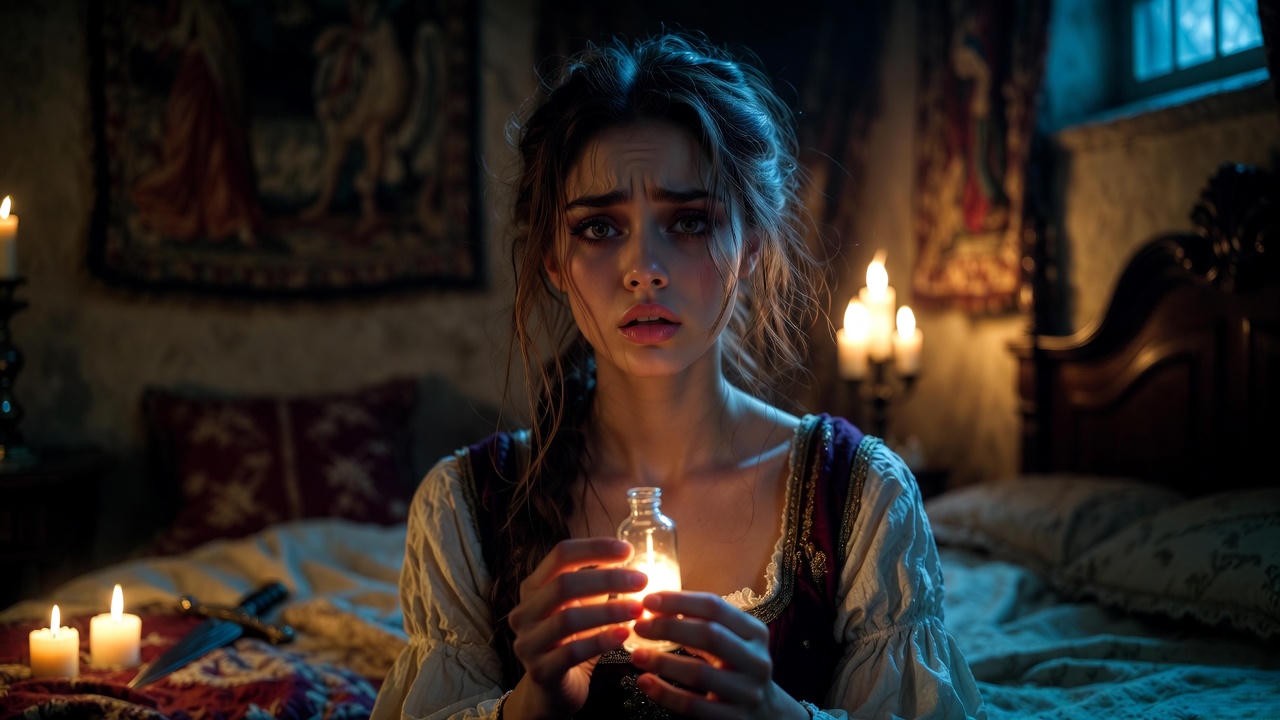
This chilling soliloquy is Juliet’s longest and most psychologically intense monologue. Alone on the night before her forced marriage to Paris, she prepares to drink Friar Laurence’s sleeping potion.
Original Text Farewell! God knows when we shall meet again. I have a faint cold fear thrills through my veins That almost freezes up the heat of life. I’ll call them back again to comfort me. Nurse!—What should she do here? My dismal scene I needs must act alone. Come, vial. What if this mixture do not work at all? Shall I be married then tomorrow morning? No, no, this shall forbid it. Lie thou there. [Laying down her dagger] What if it be a poison which the friar Subtly hath ministered to have me dead, Lest in this marriage he should be dishonored Because he married me before to Romeo? I fear it is—and yet methinks it should not, For he hath still been tried a holy man. How if, when I am laid into the tomb, I wake before the time that Romeo Come to redeem me? There’s a fearful point! Shall I not then be stifled in the vault… And there die strangled ere my Romeo comes? Or, if I live, is it not very like The horrible conceit of death and night, Together with the terror of the place… Will play with my forefathers’ joints, and pluck the mangled Tybalt from his shroud… O, if I wake, shall I not be distraught, Environèd with all these hideous fears, And madly play with my forefathers’ joints, And pluck the mangled Tybalt out of his shroud… In faith, I will drink to thee.
Modern English Translation Goodbye! God knows when we’ll meet again. A faint, cold fear is crawling through my veins, Almost freezing the warmth of life. I’ll call them back to comfort me— Nurse! What would she do here? I have to act this dreadful scene alone. Come, vial. What if the potion doesn’t work at all? Will I still be married tomorrow morning? No—this dagger will prevent it. Lie there. What if it’s actually poison the friar Has cleverly given me to kill me, So he won’t be disgraced For having married me to Romeo first? I fear it is—yet I think it can’t be, Because he’s always proven to be a holy man. What if, when I’m laid in the tomb, I wake up before Romeo comes to rescue me? That’s a terrifying thought! Won’t I be suffocated in the vault… And die strangled before my Romeo arrives? Or if I live, isn’t it very likely That the horrible thoughts of death and night, Together with the terror of the place… That ghosts will play with my ancestors’ bones And pull mangled Tybalt from his shroud… If I wake, won’t I go mad, Surrounded by these hideous fears, And frantically grab my ancestors’ bones, And yank bloody Tybalt from his burial cloth… Enough—I’ll drink to you, Romeo.
Line-by-Line Analysis This monologue is a masterclass in building suspense and revealing psychological depth. Juliet cycles through waves of doubt, terror, and resolve. Shakespeare uses rapid-fire questions (“What if…?”) to mirror her racing thoughts, creating a stream-of-consciousness effect rare in Elizabethan drama.
The imagery is visceral: cold fear in veins, suffocation, rotting corpses, and premature burial—tapping into common Renaissance fears. The mention of Tybalt shows lingering guilt and trauma. Ultimately, her love for Romeo triumphs over terror; the final “I’ll drink to thee” is an act of defiant courage.
Performance Tips
- Begin quietly, almost trembling—let the audience feel her isolation.
- Allow the questions to tumble faster as panic builds.
- Physicalize the terror: clutch the vial, glance at shadows, recoil from imagined horrors.
- The final decision should be sudden and firm—a release of tension. This piece is excellent for showcasing vulnerability turning into strength.
4. Romeo’s First Sight of Juliet – “O, she doth teach the torches to burn bright!” (Act 1, Scene 5)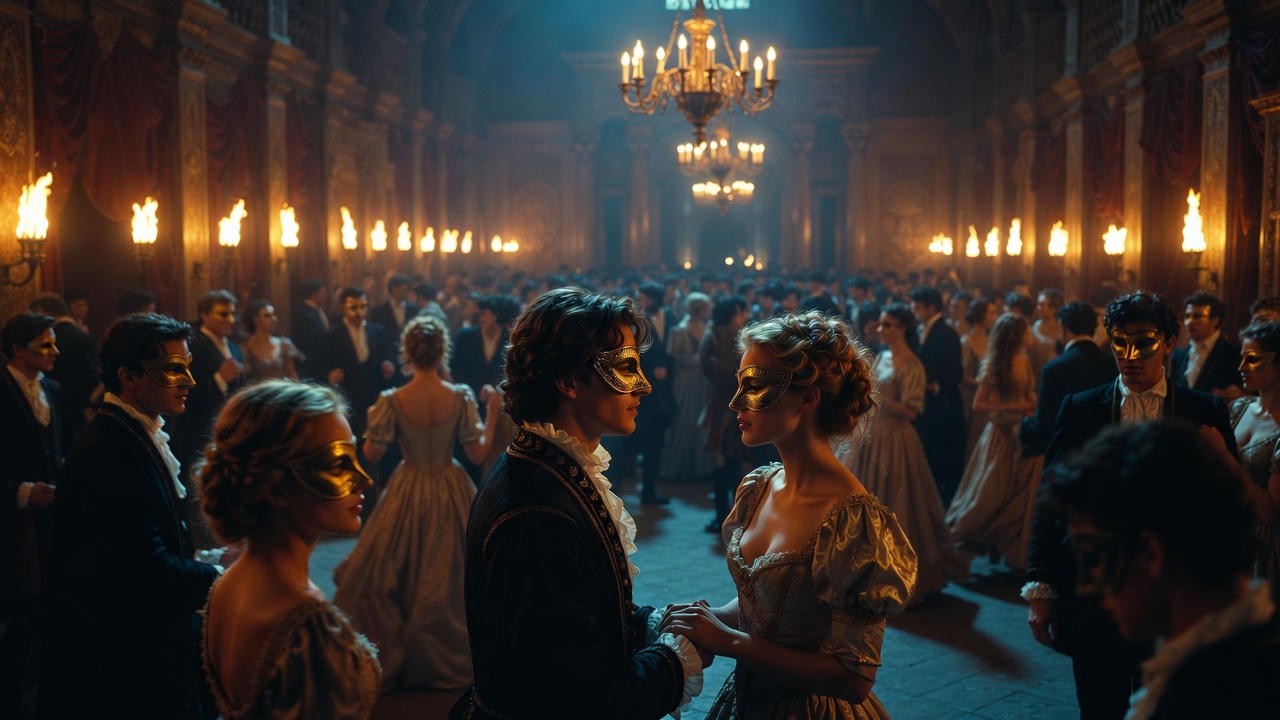
Though technically part of a shared sonnet with Juliet, Romeo’s opening lines are frequently used as a short monologue in auditions.
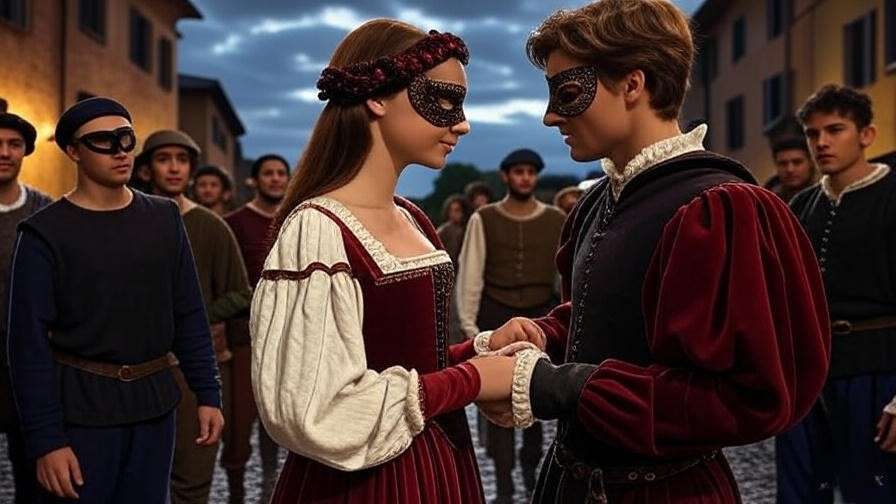
Original Text O, she doth teach the torches to burn bright! It seems she hangs upon the cheek of night Like a rich jewel in an Ethiop’s ear— Beauty too rich for use, for earth too dear. So shows a snowy dove trooping with crows As yonder lady o’er her fellow’s shows. The measure done, I’ll watch her place of stand And, touching hers, make blessèd my rude hand. Did my heart love till now? Forswear it, sight, For I ne’er saw true beauty till this night.
Modern English Translation Oh, she teaches the torches to burn brighter! She seems to hang on the cheek of night Like a rich jewel in an Ethiopian’s ear— Beauty too precious for everyday use, too precious for this world. She stands out like a white dove among crows Compared to the other women here. When the dance ends, I’ll watch where she stands And, by touching her hand, bless my rough one. Did my heart ever love before this moment? Deny it, eyes— I never saw true beauty until tonight.
Analysis This speech captures love at first sight in radiant religious and celestial imagery. Romeo shifts from pining over Rosaline to genuine passion. The metaphors (jewel, dove, torches) elevate Juliet to divine status, foreshadowing the play’s blend of sacred and profane love.
Performance Tips
- Deliver with breathless wonder and discovery.
- Slow down on the comparisons to let the imagery land.
- The final couplet should feel like a revelation.
5. Friar Laurence’s Meditation – “The earth that’s nature’s mother is her tomb” (Act 2, Scene 3)
Original Text (key excerpt) The earth that’s nature’s mother is her tomb; What is her burying grave, that is her womb… The day to cheer and night’s dank dew to dry, I must upfill this osier cage of ours With baleful weeds and precious-juicèd flowers. The earth rewards us with both grace and harm…
Modern English Translation The earth is both nature’s mother and her tomb; Her burying grave is also her womb… I must fill this basket With harmful weeds and healing flowers. Nature gives us both blessing and curse…
Analysis This philosophical monologue establishes the play’s central duality: blessing/curse, medicine/poison, love/death. It foreshadows the potion’s double nature.
6. Romeo’s Final Monologue in the Tomb – “Eyes, look your last!” (Act 5, Scene 3)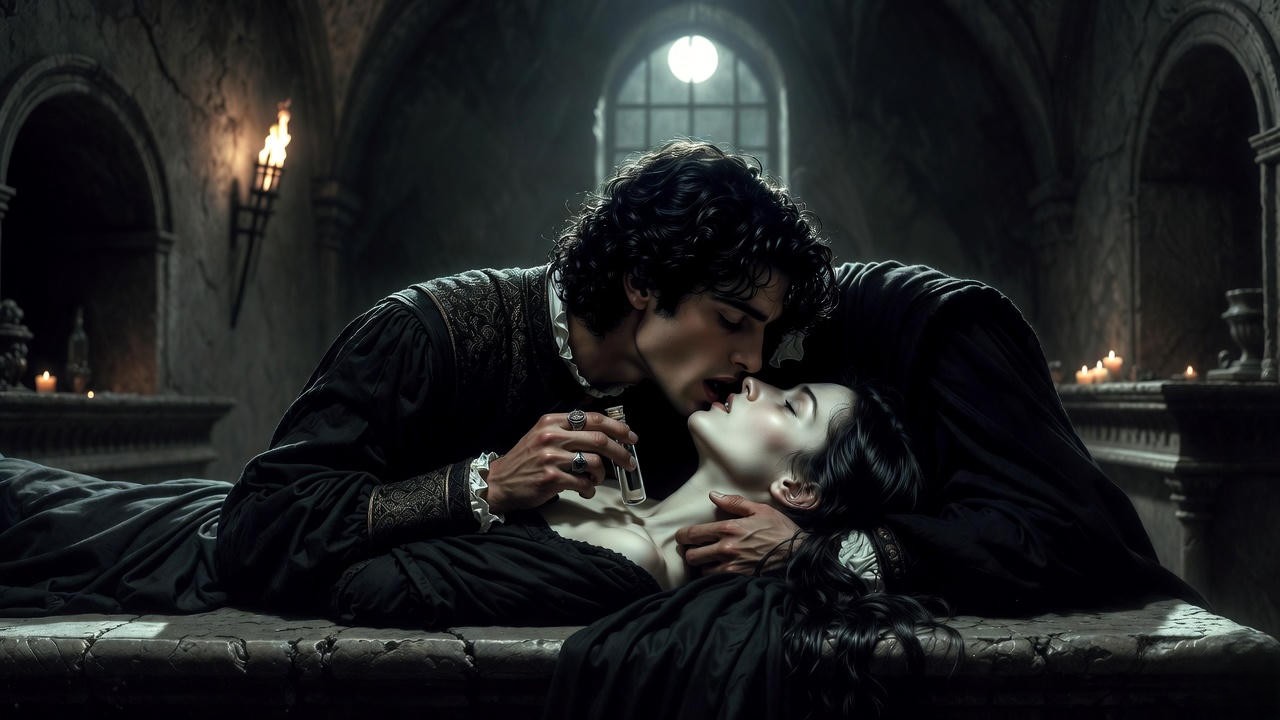
Original Text (excerpt) Eyes, look your last! Arms, take your last embrace! And, lips, O you The doors of breath, seal with a righteous kiss A dateless bargain to engrossing death… Thou detestable maw, thou womb of death, Gorged with the dearest morsel of the earth, Thus I defy thee!
Modern English Translation Eyes, see her for the last time! Arms, hold her one last time! Lips, Doors of breath, seal with a righteous kiss An eternal contract with all-consuming death… You hateful jaws, you womb of death, Stuffed with the dearest body on earth— I defy you!
Analysis Romeo’s acceptance of death is heroic yet misguided. The kiss echoes their wedding, completing the tragic cycle.
Performance Tips
- Build from tender farewell to defiant rage.
- The poison moment should be deliberate and unflinching.
7. Prince Escalus’ Closing Speech – “A glooming peace this morning with it brings” (Act 5, Scene 3)
Original Text A glooming peace this morning with it brings. The sun for sorrow will not show his head. Go hence to have more talk of these sad things; Some shall be pardoned, and some punishèd…
Analysis This choral ending reinforces the cost of hatred and offers somber closure.
How to Perform Romeo and Juliet Monologues Effectively
Mastering Shakespearean performance requires understanding iambic pentameter, emotional stakes, and physical embodiment.
- Scan the meter: Speak on the beat (da-DUM) to keep energy flowing.
- Find the objective: Every monologue has a want—Juliet wants Romeo despite names; Mercutio wants to snap Romeo out of lovesickness.
- Vary pace and volume: Avoid monotone; let thoughts build and release.
- Use the space: Even in audition rooms, subtle movement enhances meaning.
- Modern vs. classical: For contemporary auditions, prioritize truth over “Shakespeare voice.”
Common pitfalls: rushing, indicating emotion instead of feeling it, or ignoring antithesis (Shakespeare’s love of opposites).
Modern Translations and Accessibility
Side-by-side translations (No Fear Shakespeare, Folger Shakespeare Library) are invaluable for students and non-native speakers. They preserve poetry while clarifying meaning. For deepest insight, always return to the original after understanding the modern version.
Recommended resources:
- Folger Digital Texts (free, authoritative)
- Shakespeare’s Words (glossary by David Crystal)
- RSC and Globe Education archives for performance videos
Frequently Asked Questions
What is the most famous monologue in Romeo and Juliet? Juliet’s balcony speech (“O Romeo, Romeo…”) is the most iconic and quoted.
Are there good male monologues in Romeo and Juliet? Yes—Mercutio’s Queen Mab, Romeo’s tomb speech, and Friar Laurence’s meditation are excellent choices.
What monologue does Juliet say on the balcony? Act 2, Scene 2: “O Romeo, Romeo, wherefore art thou Romeo?”
Can beginners perform these monologues? Absolutely—start with shorter pieces like Romeo’s first sight of Juliet.
How long should a monologue be for auditions? Typically 1–2 minutes (around 20–30 lines).
Where can I find audio versions? Arkangel Shakespeare recordings, BBC Radio productions, or YouTube performances by RSC and Globe actors.
The monologues of Romeo and Juliet remain unmatched in their ability to capture the ecstasy and agony of young love, the weight of family legacy, and the shadow of fate. More than beautiful poetry, they are windows into the human soul at its most vulnerable and courageous.
Whether you’re preparing for an audition, teaching a class, or simply rediscovering Shakespeare, try reading these speeches aloud. Feel the rhythm, inhabit the emotions, and let the words work their centuries-old magic.