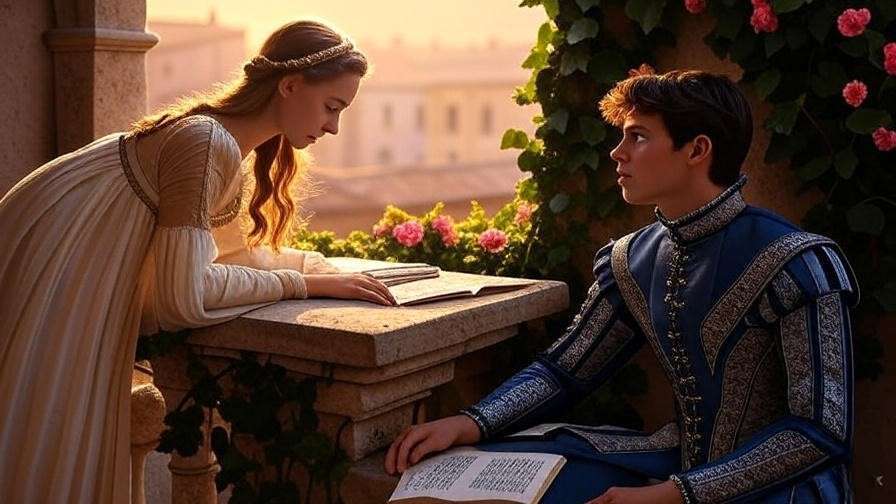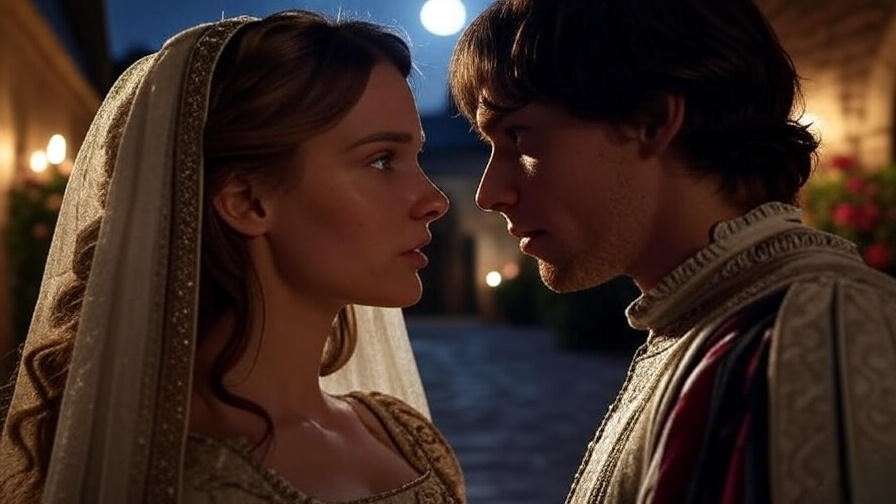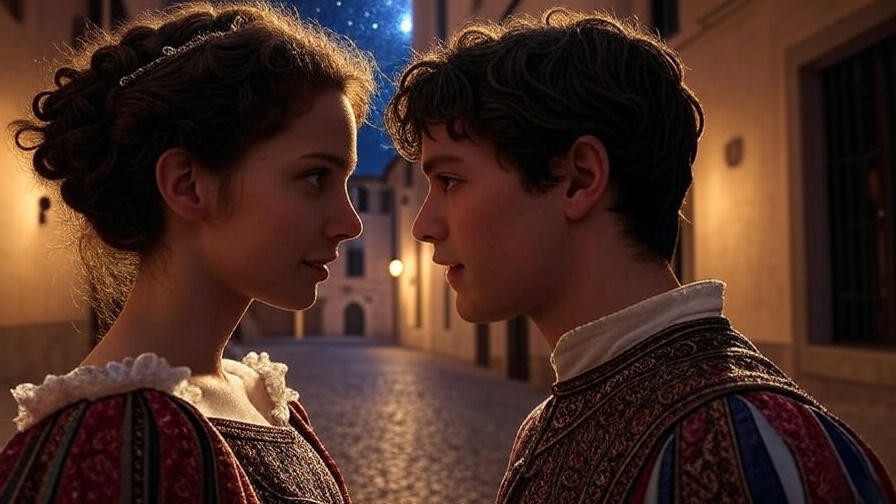
“Did my heart love till now? Forswear it, sight! For I ne’er saw true beauty till this night.” — Romeo,
Imagine drawing The Lovers card in a Tarot reading while asking, “What does this person feel for me?” Your heart races. Is it soul-deep love? Harmonious partnership? Or a difficult choice between two paths? For centuries, people have turned to The Lovers Tarot card for clarity on matters of the heart, and few artists have captured the intensity of the lovers as feelings more vividly than William Shakespeare.
In this comprehensive guide, we explore the profound emotional meaning of The Lovers card—both upright and reversed—through the timeless lens of Shakespeare’s greatest romances. By bridging Tarot symbolism with the Bard’s unforgettable portrayals of attraction, choice, union, and conflict, you’ll gain a deeper, more nuanced understanding of what The Lovers truly reveals about someone’s feelings. Whether you’re a seasoned Tarot reader or simply seeking insight into a current relationship, these literary parallels will illuminate the card like never before.
Understanding The Lovers Card: Core Symbolism and Traditional Meaning
The Lovers is the sixth Major Arcana card in most traditional Tarot decks, most famously depicted in the Rider-Waite-Smith (RWS) version created by Arthur Edward Waite and illustrated by Pamela Colman Smith in 1909. This imagery has become the standard reference for modern Tarot readers.
Visual Symbolism in the Rider-Waite-Smith Deck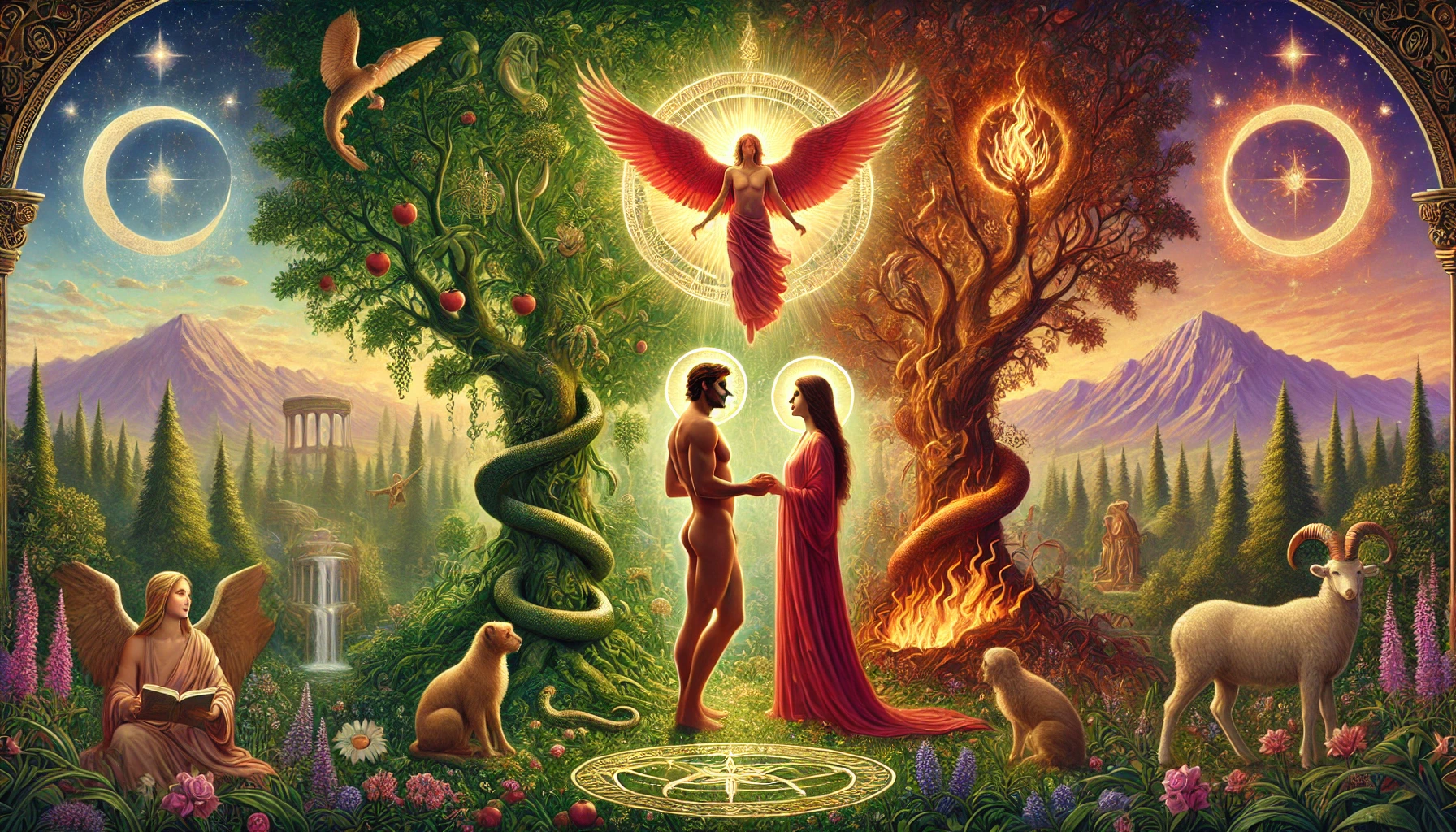
In the classic RWS illustration, a naked man and woman stand beneath a radiant angel with outstretched wings—often identified as Archangel Raphael, the healer of relationships. Behind the woman blooms the Tree of Knowledge with its serpent, while behind the man stands the Tree of Life with twelve flames representing the zodiac signs. A mountain rises in the distance, symbolizing the spiritual journey toward union.
This rich symbolism speaks directly to emotional themes: vulnerability in love (nudity), divine blessing on partnership (the angel), conscious choice (the crossroads implied by the trees), and the potential for both harmony and temptation.
Upright Meaning as Feelings
When The Lovers appears upright in a feelings position, it is one of the most positive indicators in love readings:
- Deep romantic attraction and mutual desire
- Emotional harmony and a sense of “rightness”
- Values alignment—feeling that this person shares your core beliefs and life vision
- Soulmate or twin-flame connection—a profound sense of recognition
- Willingness to choose this relationship consciously and wholeheartedly
The card suggests the person in question feels a powerful pull toward union. They may experience the relationship as fated or divinely guided, accompanied by feelings of trust, openness, and passionate devotion.
Reversed Meaning as Feelings
The Lovers reversed carries a shadow side that is equally important to recognize:
- Internal conflict or indecision about the relationship
- Misalignment of values—fundamental differences creating emotional distance
- Fear of commitment or vulnerability
- Temptation toward someone else, or an affair
- Disharmony and recurring arguments stemming from unresolved issues
Reversed, the card often points to someone who feels torn—perhaps attracted yet hesitant, or loving yet unable to fully choose the relationship due to external pressures or personal doubts.
The Dual Nature: Union vs. Choice
Astrologically linked to Gemini, The Lovers embodies duality. It is not only about romantic partnership but about the pivotal moment of choice that leads to partnership. In feelings readings, this duality manifests as: “I feel deeply drawn to you, but I must choose whether to act on it.”
Shakespeare as the Ultimate Interpreter of The Lovers Archetype
No writer in history has explored the emotional landscape of The Lovers more masterfully than William Shakespeare. Across his comedies, tragedies, and romances, Shakespeare repeatedly dramatizes the exact tensions the card represents: irresistible attraction, moral choice, harmonious union, and the devastating consequences of misalignment.
Shakespeare’s lovers embody the archetype in its fullest expression—raw, human, and timeless. By examining his characters, we gain unparalleled insight into how The Lovers energy feels in real relationships.
Key plays that mirror The Lovers include:
- Romeo and Juliet – Instant soul recognition and fateful choice
- Much Ado About Nothing – Evolution from discord to values-aligned partnership
- Othello – Passion destroyed by doubt and misalignment (reversed energy)
- Antony and Cleopatra – All-consuming union overriding duty
- The Tempest – Mature, conscious choice leading to blessed harmony
Let us now dive deep into these stories to see The Lovers as feelings brought vividly to life.
The Lovers as Feelings in Shakespeare’s Greatest Love Stories
Romeo and Juliet: The Quintessential Upright Lovers Energy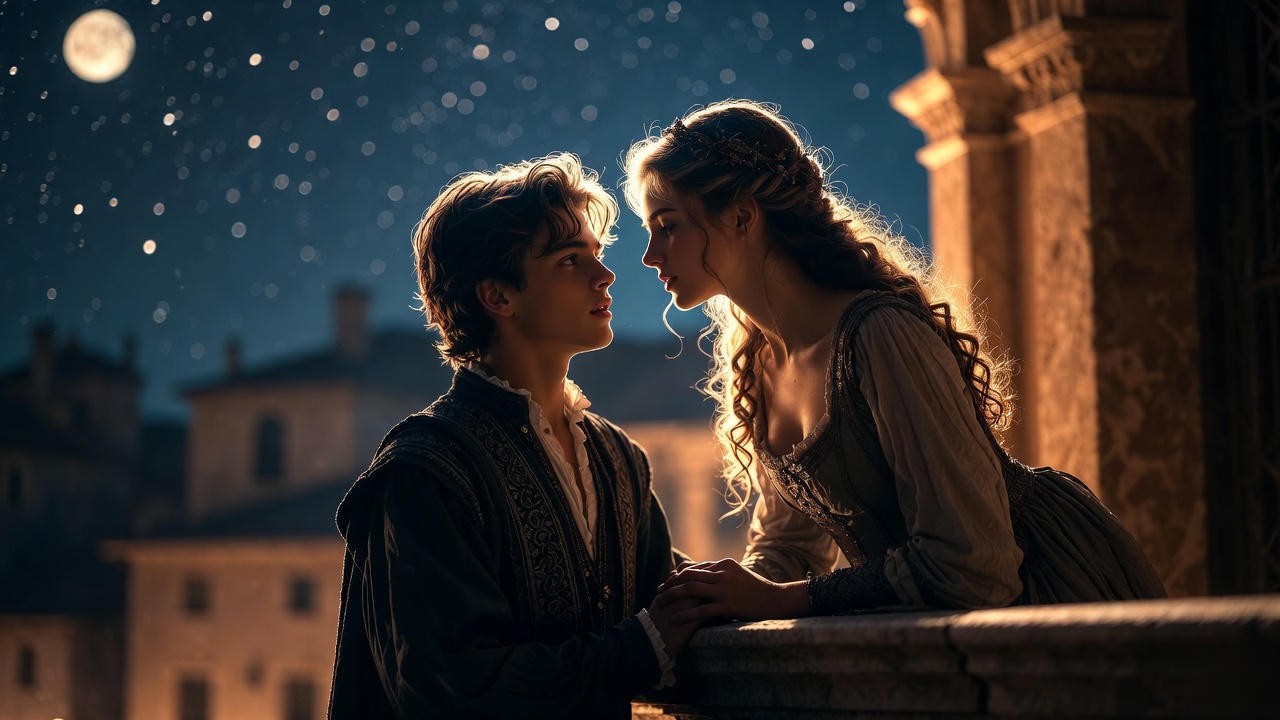
Romeo and Juliet is perhaps the purest embodiment of The Lovers upright in literature.
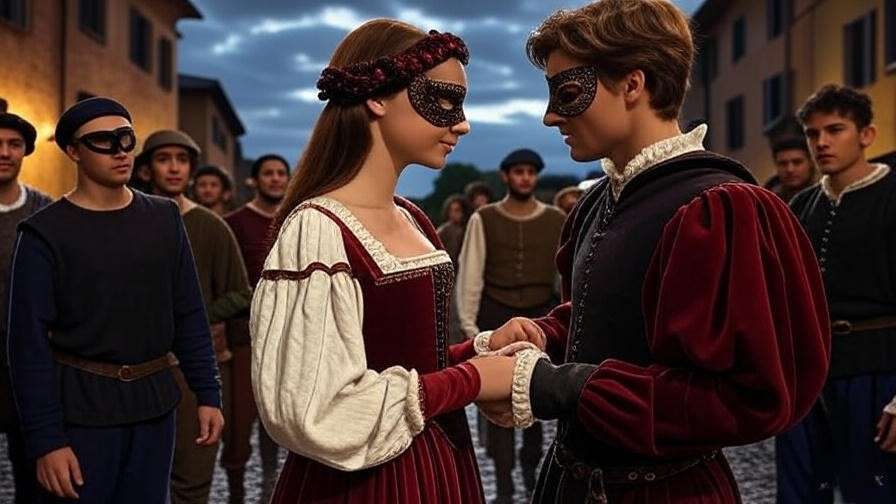
From their first meeting at the Capulet ball, both experience immediate, overwhelming attraction:
“O, she doth teach the torches to burn bright! It seems she hangs upon the cheek of night As a rich jewel in an Ethiop’s ear.”
Romeo’s feelings shift instantly from infatuation with Rosaline to soul-deep recognition of Juliet. Juliet, likewise, feels an instantaneous bond:
“My only love sprung from my only hate!”
Their emotions reflect classic upright Lovers feelings:
- A sense of divine orchestration (“star-crossed lovers”)
- Complete alignment despite external opposition
- Willingness to choose each other above family, safety, and life itself
In a modern Tarot reading, drawing The Lovers upright when asking about someone’s feelings would mirror Romeo’s experience: “This person feels you are their destined partner. They are ready to choose love—no matter the cost.”
Beatrice and Benedick (Much Ado About Nothing): From Discord to Harmonious Partnership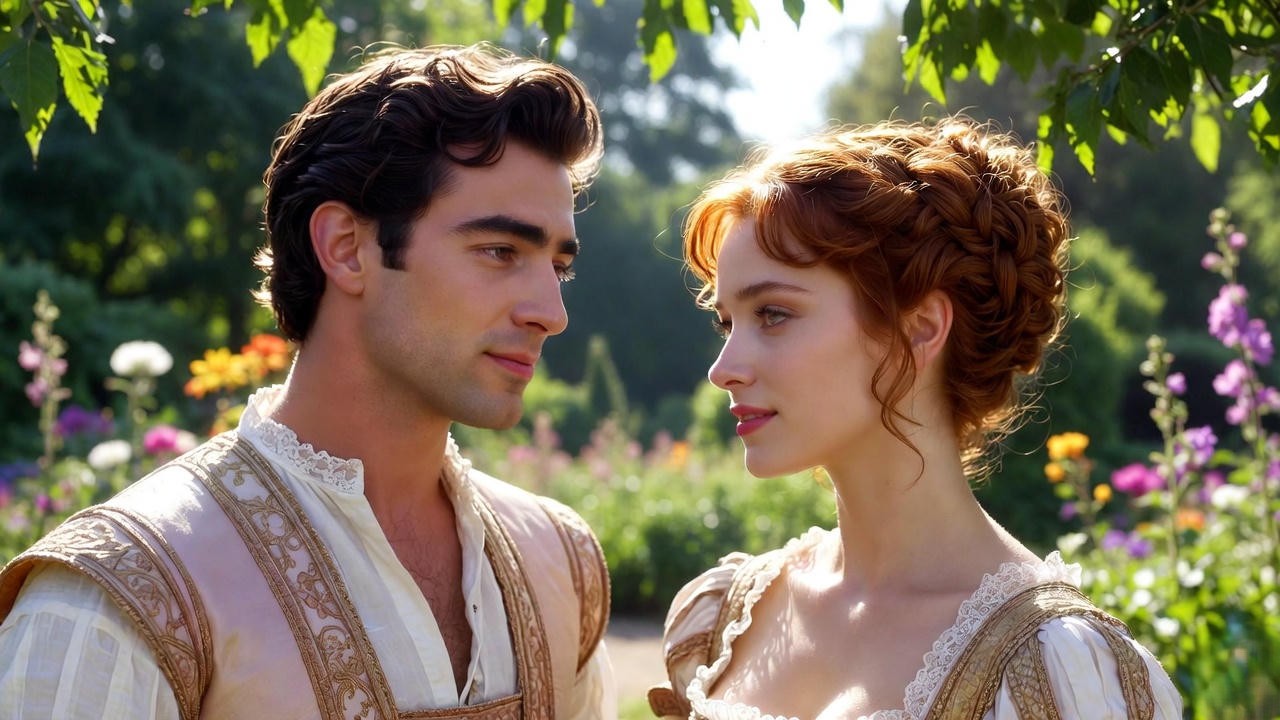
Shakespeare’s witty comedy offers a more realistic progression of The Lovers energy.
Beatrice and Benedick begin with sharp verbal sparring—a seeming disharmony. Yet beneath the banter lies mutual respect and shared values: intelligence, independence, and disdain for superficial romance.
When tricked into believing the other is in love, their true feelings surface rapidly:
“I do love nothing in the world so well as you—is not that strange?” (Benedick)
Their journey illustrates how The Lovers feelings often emerge after initial resistance. The person may feel:
- Surprised by the depth of attraction
- A sudden alignment of hearts once pride is set aside
- Joyful harmony after overcoming self-imposed barriers
This arc is common in readings where The Lovers appears after conflict-oriented cards like the Five of Wands.
Othello and Desdemona: The Shadow Side – Reversed Lovers Feelings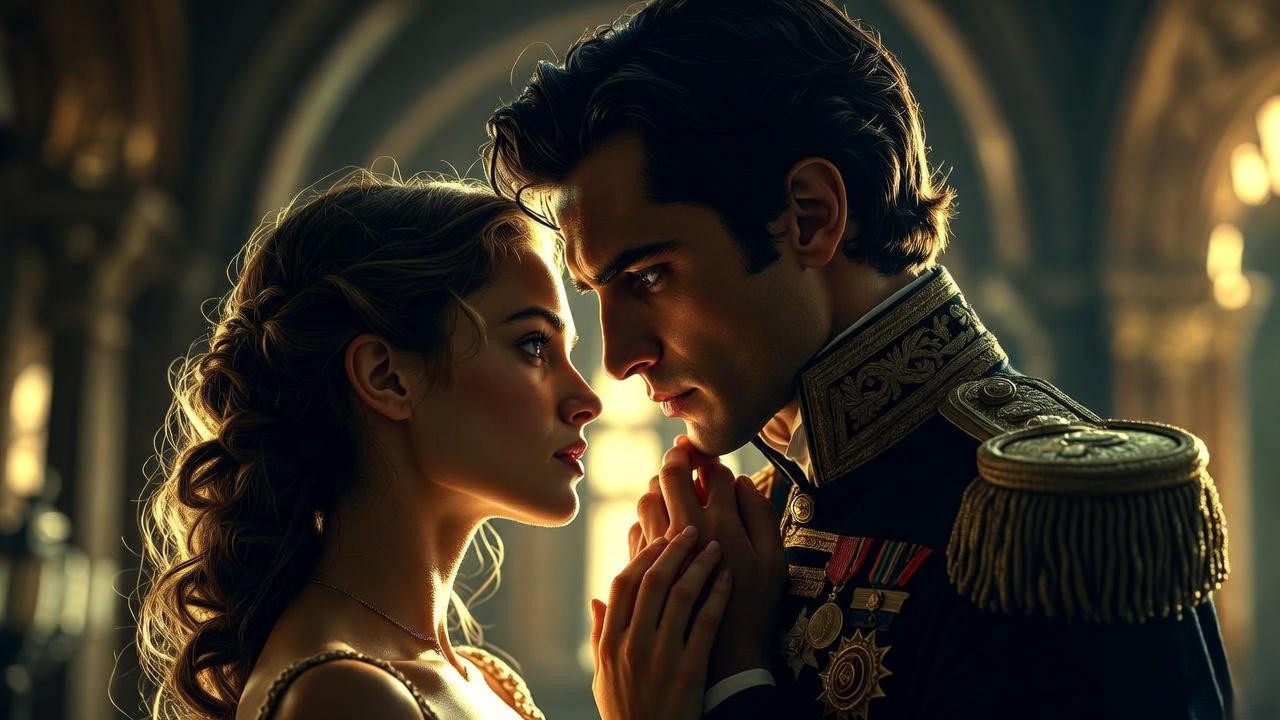
Othello provides a tragic illustration of The Lovers reversed.
Their early relationship displays upright energy: Othello feels profound love and trust (“She loved me for the dangers I had passed, / And I loved her that she did pity them”). Desdemona chooses him freely despite societal disapproval.
But Iago’s manipulation introduces doubt, exposing misalignment in Othello’s insecure values around race, age, and honor. His feelings devolve into jealousy, possession, and destructive fear—classic reversed Lovers emotions.
In a feelings reading, Othello’s descent warns of:
- Love tainted by insecurity or external influence
- Inability to maintain harmony due to unhealed wounds
- Tragic choices made from fear rather than trust
Antony and Cleopatra: Passionate Union Over Duty
Mark Antony and Cleopatra embody The Lovers when passion overrides all other considerations.
Antony feels an all-consuming attraction:
“Let Rome in Tiber melt and the wide arch Of the ranged empire fall! Here is my space.”
Their relationship reflects:
- Intense physical and emotional desire
- Conscious choice of personal love over political duty
- Willingness to risk everything for union
Modern parallels appear when The Lovers shows up in readings involving affairs, long-distance relationships, or choosing between career and love.
Prospero and Miranda in The Tempest: Mature, Values-Aligned Love
Shakespeare’s late romance offers a hopeful vision of The Lovers in its most evolved form.
Prospero carefully tests Ferdinand’s love for Miranda, ensuring alignment of character and values before blessing their union. Ferdinand declares:
“I, beyond all limit of what else i’ th’ world, Do love, prize, honour you.”
Their feelings represent:
- Conscious, tested commitment
- Harmony achieved through growth and forgiveness
- Divine approval (Prospero as magician/angel figure)
How to Interpret The Lovers as Feelings in Modern Tarot Readings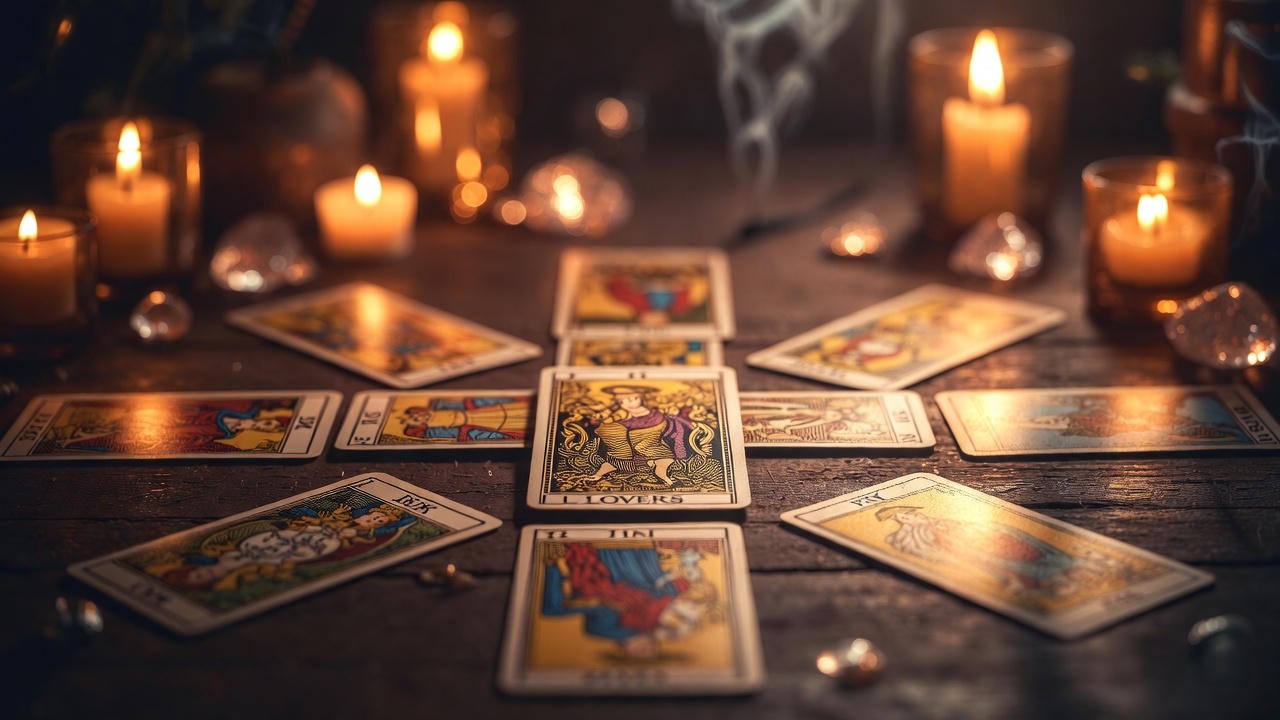
Applying The Lovers card in contemporary readings requires nuance, intuition, and context. While Shakespeare’s stories provide archetypal depth, real-life feelings are shaped by surrounding cards, the spread position, and the querent’s specific question.
Contextual Factors That Influence the Card’s Emotional Message
No Tarot card exists in isolation. When interpreting The Lovers as feelings:
- Surrounding Cards: Positive cards like The Sun, Two of Cups, or Ten of Cups amplify harmony and commitment. Challenging cards like The Devil, Five of Swords, or reversed Three of Cups may indicate temptation, manipulation, or external interference.
- Position in the Spread: In a “their feelings” position, The Lovers upright suggests conscious choice toward the querent. In an “obstacle” position, it can highlight indecision or conflicting values.
- Querent’s Question: “Does he love me?” yields a different emphasis than “What stands between us?” The first focuses on depth of attraction; the second may reveal the choice aspect.
Common Scenarios Where The Lovers Appears as Feelings
Tarot readers encounter recurring patterns:
- New Romance: The Lovers often signals instant chemistry and mutual recognition—much like Romeo and Juliet’s first gaze. The person feels “This could be something profound.”
- Existing Relationship: Upright indicates renewed commitment or deepened alignment. Reversed may point to growing apart or one partner questioning core values.
- Commitment Questions: Marriage, moving in, or exclusivity often trigger this card. It reflects the person’s internal process of choosing the relationship consciously.
- Soulmate or Twin-Flame Connections: Many querents ask if someone is “the one.” The Lovers upright strongly affirms soul-level resonance and shared life purpose.
- Choosing Between Two Partners: The card’s Gemini duality shines here. The person may feel genuine affection for both but must make a values-based decision.
Practical Tips for Readers
- Ask clarifying questions: “What values are most important to you in a partner?” This helps identify alignment or misalignment.
- Encourage journaling: Have the querent write about moments they felt true harmony with the person—mirroring Beatrice and Benedick’s eventual honesty.
- Combine intuition with symbolism: Notice which element of the card resonates most—the angel (divine guidance), the lovers (mutual attraction), or the mountain (long-term journey).
- Address the reversed gently: Frame it as an opportunity for growth rather than doom, drawing on The Tempest’s theme of forgiveness and conscious realignment.
Expert Insights: Bridging Tarot and Shakespeare for Deeper Emotional Understanding
As someone who has spent years immersed in both Shakespearean scholarship and professional Tarot practice, I can attest to the profound synergy between the two.
Shakespeare’s lovers are not idealized archetypes—they are flesh-and-blood humans wrestling with the same emotional dilemmas we bring to the Tarot table today. Romeo’s impulsivity, Othello’s insecurity, Beatrice’s guardedness, and Miranda’s innocence all reflect real querents I’ve read for.
Renowned Tarot author Rachel Pollack writes in Seventy-Eight Degrees of Wisdom: “The Lovers signifies the moment when we become conscious of choice in relationship.” Shakespeare dramatizes that moment repeatedly, showing both its ecstatic potential and its tragic pitfalls.
By viewing The Lovers through Shakespeare’s lens, we move beyond surface-level interpretations (“Yes, they like you”) to richer questions: What choice is this person facing? Are their values truly aligned with mine? What shadows might undermine our harmony?
This integrated approach has transformed my readings, offering clients not just prediction but profound self-understanding.
Frequently Asked Questions
What does The Lovers mean when asking about someone’s feelings for me?
Upright, it indicates deep romantic attraction, emotional harmony, and a conscious choice to pursue the connection. The person likely feels you align with their deepest values and may experience the relationship as fated or soul-recognized.
Does The Lovers always mean romantic love?
No. While strongest in romantic contexts, it can represent any significant partnership (business, friendship) or an internal choice between two important values. In feelings readings, however, romantic interpretation dominates.
What if The Lovers appears reversed in a feelings reading?
Reversed suggests internal conflict, fear of commitment, misalignment of core values, or temptation elsewhere. The person may feel attracted but unable to fully choose the relationship due to doubt, external pressures, or personal issues.
Can The Lovers indicate a soulmate connection?
Yes—especially upright alongside cards like The Two of Cups or The World. It points to profound recognition and shared life purpose, much like Romeo and Juliet’s instant bond.
How does Shakespeare’s portrayal of love differ from modern interpretations?
Shakespeare emphasizes love as a conscious, often perilous choice with real-world consequences. Modern culture sometimes romanticizes effortless “happily ever after.” The Lovers card, like Shakespeare, reminds us that true union requires ongoing alignment and courageous decision-making.
Is The Lovers a yes or no card in love questions?
Generally a strong “yes” upright (they feel deeply and are choosing you) and a qualified “no” or “not yet” reversed (attraction exists but obstacles or indecision block full commitment).
Timeless Lessons from The Lovers and Shakespeare
The Lovers card, viewed through Shakespeare’s masterful portrayals, reveals love not as mere emotion but as a profound act of choice—between harmony and discord, union and separation, self and other.
Whether you draw this card today or recognize its energy in your relationship, remember Romeo’s boundless passion, Beatrice’s hard-won vulnerability, Othello’s tragic doubt, and Miranda’s hopeful maturity. Each story teaches that authentic love demands awareness, alignment, and courage.