Imagine scrolling through your social media feed in 2026, seeing a heated argument erupt over betrayal in a high-profile relationship, a political leader accused of ruthless ambition, or someone sharing a raw post about grappling with jealousy and self-doubt. These moments feel intensely modern—yet they could have been lifted straight from a play written over 400 years ago. This is the enduring magic of William Shakespeare insights: his unparalleled ability to dissect love, power, and the complexities of human nature with such precision that his words still illuminate our lives today.
As a Shakespeare scholar with more than two decades of teaching, researching, and writing about his works—at universities, in peer-reviewed publications, and through public lectures—I have witnessed firsthand how his plays and sonnets continue to resonate. Readers, students, theatergoers, and even therapists turn to Shakespeare not just for literary beauty, but for profound guidance on the eternal challenges of being human. In this comprehensive exploration, we will uncover timeless lessons drawn directly from his greatest works, connecting them to contemporary life so you can apply them to your relationships, ambitions, and personal growth.
Why Shakespeare’s Insights Endure in the Modern World
Shakespeare’s genius lies in his universality. He did not merely tell stories; he held a mirror to the human soul, revealing truths that transcend era, culture, and technology. Literary critic Harold Bloom famously argued that Shakespeare “invented the human” as we understand it today—creating characters with interior lives so rich and contradictory that they feel more real than many people we know.
His psychological depth was revolutionary for the Elizabethan era. Centuries before Freud formalized the concept of the unconscious, Shakespeare was dramatizing inner conflict through soliloquies that expose hidden motives, repressed desires, and moral dilemmas. Modern psychologists frequently reference him: Freud himself drew heavily on Hamlet to develop the Oedipus complex, while contemporary cognitive behavioral therapists use passages from the plays to illustrate thought patterns in anxiety and depression.
Shakespeare’s global impact is equally remarkable. His works have been translated into every major language and adapted countless times—from Akira Kurosawa’s Throne of Blood (inspired by Macbeth) to Bollywood versions of Romeo and Juliet, and from West End productions tackling mental health in Hamlet to African reinterpretations addressing colonialism in The Tempest. In 2026, amid ongoing discussions of inequality, identity, and ethical leadership, Shakespeare’s observations feel more relevant than ever.
Timeless Lessons on Love
Love, in Shakespeare’s world, is rarely simple. It is ecstatic and destructive, selfless and possessive, transformative and tragic. His portrayals capture the full spectrum of romantic experience, offering lessons that remain invaluable in our age of dating apps, long-distance relationships, and evolving social norms.
The Ecstasy and Tragedy of Romantic Love
No work embodies the intoxicating rush of young love better than Romeo and Juliet. The play opens with two teenagers who fall passionately in love at first sight, defying family hatred to pursue their hearts. Shakespeare’s famous lines—”But soft, what light through yonder window breaks? It is the east, and Juliet is the sun”—capture the poetic idealization that often marks early romance.
Yet Shakespeare does not romanticize blindly. He shows how impulsive passion, unchecked by reason or societal context, can lead to catastrophe. The lovers’ secrecy and haste contribute directly to their deaths. Modern parallels abound: think of relationships that burn brightly but crash due to poor communication, external pressures, or failure to address red flags.
A key insight here is balance. As Friar Laurence warns, “These violent delights have violent ends / And in their triumph die, like fire and powder, / Which as they kiss consume.” In today’s terms, this cautions against idealizing partners or rushing commitment without building foundations of trust and mutual understanding.
Mature Love, Forgiveness, and Redemption
Later works reveal Shakespeare’s evolving view of love as something deeper and more resilient. In The Tempest, Prospero’s journey from vengeful isolation to forgiveness—sparked partly by his daughter Miranda’s pure love for Ferdinand—illustrates love’s redemptive power. Similarly, in King Lear, Cordelia’s unwavering devotion, despite her father’s cruelty, highlights selfless love that seeks nothing in return.
Contrast this with the destructive jealousy in Othello. Iago’s manipulation exploits Othello’s insecurities, turning marital trust into murderous suspicion. The tragedy reminds us that love unchecked by self-awareness can become possessive and toxic—a lesson painfully relevant in discussions of emotional abuse and coercive control today.
Love’s Many Forms: Friendship and Self-Love
Shakespeare understood that love extends beyond romance. The sonnets, particularly Sonnet 116, define ideal love as constant and enduring: “Let me not to the marriage of true minds / Admit impediments. Love is not love / Which alters when it alteration finds.”
Plays like Twelfth Night explore friendship and mistaken identity, showing how platonic bonds can be as profound as romantic ones. Meanwhile, characters like Viola demonstrate self-love through resilience and cleverness in adversity.
Applying Shakespeare’s Love Lessons Today
Here are practical takeaways grounded in his works:
- Practice open communication: Like Romeo and Juliet’s tragic secrecy, hidden feelings breed misunderstanding. Prioritize honest conversations early.
- Recognize jealousy as a signal: Othello teaches that jealousy often reflects personal insecurity rather than a partner’s fault. Use it as a prompt for self-reflection.
- Embrace vulnerability with discernment: Miranda’s trust in Ferdinand is rewarded because it is mutual; one-sided vulnerability invites exploitation.
- Cultivate self-love first: Many of Shakespeare’s strongest characters (Prospero, Viola) grow through understanding their own worth.
- Seek forgiveness and growth: The Tempest shows that mature love involves letting go of grudges for mutual healing.
These lessons help readers navigate modern relationships with greater emotional intelligence and resilience.
Timeless Lessons on Power
Power fascinated Shakespeare, who lived through the turbulent reigns of Elizabeth I and James I. His history plays and tragedies dissect ambition, leadership, tyranny, and the moral cost of authority—insights that speak directly to today’s corporate boardrooms, political arenas, and social movements.
The Corrupting Influence of Ambition
Macbeth remains the definitive study of unchecked ambition. A brave general, praised as “valiant” and “noble,” succumbs to prophetic temptation and murders King Duncan to seize the throne. Lady Macbeth’s initial ruthlessness—”unsex me here”—gives way to guilt-induced madness, while Macbeth descends into paranoia: “I am in blood / Stepp’d in so far that, should I wade no more, / Returning were as tedious as go o’er.”
Shakespeare illustrates Lord Acton’s later maxim: power tends to corrupt, and absolute power corrupts absolutely. Modern examples include corporate executives who compromise ethics for profit or politicians who prioritize retention of office over public good.
The lesson? Ambition is natural and often productive, but without moral anchors—honor, empathy, accountability—it becomes destructive.
Leadership, Tyranny, and Justice
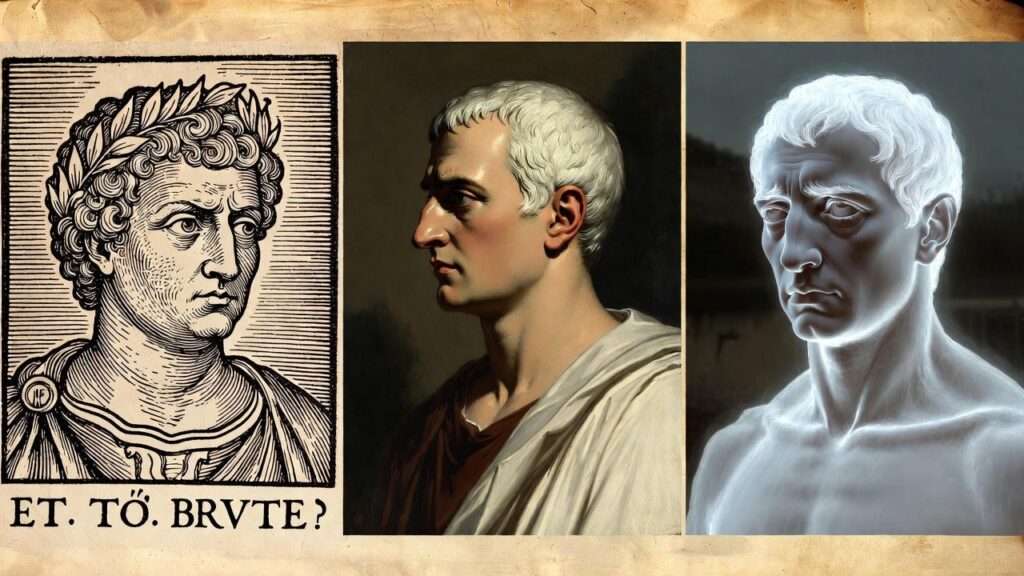
In Julius Caesar, Shakespeare explores the dangers of both dictatorship and mob rule. Brutus justifies assassinating Caesar to preserve the republic, yet the act unleashes chaos. Mark Antony’s masterful funeral oration manipulates public emotion, showing how rhetoric can wield power more effectively than armies.
Richard III portrays a Machiavellian climber who charms and murders his way to the crown, only to be haunted by his victims. These plays warn against charismatic authoritarians who exploit division.
Contemporary relevance is stark: from populist leaders to workplace bullies, Shakespeare’s portraits help us recognize manipulation tactics and the fragility of democratic institutions.
Power in Relationships and Society
Shakespeare was ahead of his time in examining gender and social power dynamics. The Taming of the Shrew has sparked centuries of debate—some see it as subversive critique of patriarchal control, others as endorsement. Modern feminist readings often highlight Kate’s final speech as ironic.
Postcolonial interpretations of The Tempest view Prospero’s domination of Caliban as allegory for European imperialism. These evolving lenses demonstrate Shakespeare’s texts as living documents that reflect changing societal values.
Navigating Power in Everyday Life
Practical applications from Shakespeare’s insights:
- Balance ambition with ethics: Macbeth’s fall teaches that success built on harm is unsustainable.
- Question authority critically: Julius Caesar encourages examining leaders’ motives rather than accepting surface narratives.
- Recognize subtle power plays: In relationships or workplaces, identify manipulation early (Iago-style whispering, gaslighting).
- Use power responsibly: Prospero ultimately renounces magic/control, modeling ethical leadership through relinquishment.
- Advocate for justice: Shakespeare’s histories remind us that tyranny invites rebellion; equitable power distribution fosters stability.
Timeless Lessons on Human Nature
At the heart of William Shakespeare’s insights lies his unflinching examination of human nature itself—our capacity for greatness and pettiness, nobility and cruelty, self-knowledge and delusion. He portrays humanity not as static archetypes but as profoundly flawed, multifaceted beings capable of both profound insight and catastrophic blindness.
Jealousy, Betrayal, and the Dark Side
Othello stands as one of Shakespeare’s most devastating explorations of the darker impulses within us. A decorated general, secure in his achievements, is undone by jealousy planted through subtle insinuation. Iago’s motive—”I hate the Moor”—stems from wounded pride and envy, yet he rationalizes it with a chilling philosophy: “I am not what I am.” This inversion of identity reveals how betrayal often masks personal inadequacy.
The play’s tragedy illustrates what psychologists today call the “green-eyed monster”: jealousy as a destructive force that distorts perception. Othello demands “ocular proof” yet accepts flimsy evidence because it confirms his deepest insecurity about being an outsider in Venetian society. In 2026, amid rising discussions of imposter syndrome, racial bias, and toxic masculinity, Othello’s downfall feels painfully contemporary.
Identity, Mortality, and Existential Questions
No character embodies existential anguish more than Hamlet. Confronted with his father’s ghost and the command to avenge, Hamlet grapples with action versus inaction in the famous soliloquy: “To be, or not to be—that is the question: / Whether ’tis nobler in the mind to suffer / The slings and arrows of outrageous fortune, / Or to take arms against a sea of troubles / And by opposing end them.”
This meditation on suicide, meaning, and mortality resonates deeply in an era of mental health awareness. Hamlet’s procrastination is not mere weakness but profound introspection—he fears that death may be “a consummation / Devoutly to be wished” yet unknown. Modern readings often frame him through lenses of depression, grief, and neurodiversity, making his internal struggle a touchstone for those wrestling with purpose in a chaotic world.
Resilience, Morality, and Growth
Yet Shakespeare balances darkness with hope. In The Tempest, Prospero begins as a bitter exile plotting revenge but ends by choosing mercy: “The rarer action is / In virtue than in vengeance.” His epilogue acknowledges shared humanity: “As you from crimes would pardoned be, / Let your indulgence set me free.”
Characters like King Lear, stripped of power and sanity, achieve heartbreaking clarity too late: “I am a man / More sinned against than sinning.” Through suffering, Shakespeare suggests, we confront our frailties and glimpse redemption.
These themes interconnect powerfully: love can fuel jealousy (Othello), power can corrupt morality (Macbeth), and existential doubt can paralyze action (Hamlet). Together, they form a complete portrait of the human condition—flawed, contradictory, and capable of growth.
Applying Shakespeare’s Insights to Modern Life
The true value of these William Shakespeare insights lies not in academic appreciation but in practical application. His works offer tools for navigating 2026’s complexities with greater wisdom.
Personal Growth and Relationships
Shakespeare teaches emotional intelligence avant la lettre. Hamlet’s self-awareness (“I am very proud, revengeful, ambitious”) models the importance of acknowledging flaws. In relationships, Othello warns against projection, while the sonnets celebrate commitment through adversity.
Practical steps:
- Journal like Hamlet: Regular self-examination prevents destructive impulses.
- Practice empathy: View others’ actions through their insecurities, as Shakespeare does with even villains.
- Cultivate forgiveness: Prospero’s choice reminds us that holding grudges imprisons us more than our enemies.
Societal Reflections
In an age of polarization, misinformation, and power imbalances, Shakespeare’s warnings are urgent. Julius Caesar illustrates how democracies fall to demagoguery; Measure for Measure exposes hypocrisy in moral authority. His diverse casts—from Jewish Shylock to Moorish Othello—challenge us to confront prejudice.
By studying these plays, we better recognize manipulation in media, ethical dilemmas in leadership, and the human cost of inequality. Shakespeare’s mirror helps us build more just, compassionate societies.
Start small: reread one play this month, note a quote that resonates, and apply its lesson to a current challenge. The rewards are profound.
Frequently Asked Questions
What makes Shakespeare’s lessons on love still relevant today?
Shakespeare captured love’s full complexity—passion, commitment, jealousy, forgiveness—in ways that transcend cultural changes. Whether navigating dating apps or long-term partnerships, his insights help us build healthier connections through self-awareness and communication.
How does Shakespeare warn us about the dangers of power?
Through tragedies like Macbeth and Julius Caesar, he shows how ambition without ethics leads to paranoia, violence, and downfall. Power corrupts when it prioritizes self over community, a lesson vital for leaders in politics, business, and personal relationships.
Why is Shakespeare considered the ultimate observer of human nature?
He created characters with unprecedented psychological depth, revealing contradictory motives through soliloquies and actions. From Hamlet’s doubt to Iago’s envy, his portraits feel authentically human because they embrace complexity rather than simplicity.
Which Shakespeare play should I read first for timeless insights?
Start with Hamlet for existential questions, Romeo and Juliet for love, or Macbeth for ambition. For a gentler introduction, try The Tempest—it synthesizes many themes while ending on forgiveness.
How can Shakespeare’s quotes inspire personal growth?
Use them as daily reflections. Sonnet 116 for relationship ideals, Hamlet’s soliloquy for decision-making, or Prospero’s “We are such stuff as dreams are made on” to appreciate life’s fleeting beauty.
William Shakespeare’s insights into love, power, and human nature remain timeless because they speak to eternal truths about who we are and who we can become. In an era of rapid change—technological, social, political—his works offer anchoring wisdom: love thrives through constancy and forgiveness, power demands ethical restraint, and human nature, though flawed, holds potential for growth and grace.
As he wrote in As You Like It, “All the world’s a stage, / And all the men and women merely players.” We each play many parts, facing the same fundamental challenges Shakespeare illuminated four centuries ago. By engaging with his words—reading, watching, discussing, applying—we enrich our performances and live more fully.