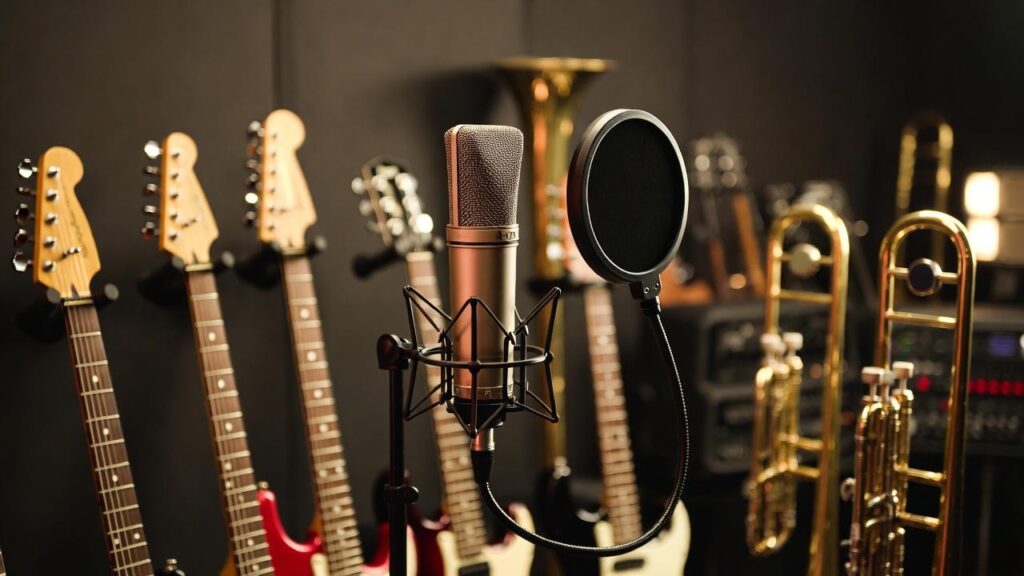
Imagine cranking your electric guitar amp to full volume, hitting a power chord, and hearing it come back through your monitors exactly as it sounds in the room—thick, warm, and full of life, without the harsh digital edge that plagues so many modern recordings. For decades, engineers chased that elusive analog warmth in an increasingly digital world, often settling for brittle highs and unnatural transients. Then, in 1998, the Royer R-121 arrived and changed everything. This flagship ribbon microphone from Royer Labs didn’t just revive a forgotten technology; it redefined it, making ribbon mics tougher, more versatile, and essential for capturing realistic sound on loud sources like guitar amps and brass instruments.
Today, as of January 2026, the Royer R-121 remains the gold standard for professionals seeking that perfect blend of vintage warmth and modern reliability. Whether you’re battling harshness in digital recordings or needing a mic that handles extreme SPLs without distortion, the R-121 delivers natural, musical tone that flatters every source it touches.
The History and Innovation Behind the Royer R-121
The Revival of Ribbon Microphones in the Digital Era
Ribbon microphones dominated the golden age of recording from the 1930s through the 1950s, prized for their smooth, natural sound that perfectly complemented analog tape. Classics like the RCA 44 and Coles 4038 captured iconic performances with effortless warmth. However, as large-diaphragm condenser mics rose in popularity and digital recording took over in the 1990s, ribbons fell out of favor. They were fragile—ribbons could tear from loud blasts or phantom power mishaps—and their low output required noisy preamps, making them impractical for high-SPL modern sources like distorted electric guitars.
Enter Royer Labs, founded by David Royer and Rick Perrotta (later joined by John Jennings). Recognizing that digital recording’s clinical clarity often sounded harsh, they saw ribbons as the ideal antidote: warm, forgiving, and realistic. In 1998, they launched the R-121, the first radically redesigned ribbon mic for the modern era. It sparked the ribbon renaissance, leading to Royer Labs receiving a Technical Grammy Award in 2013 for their contributions to recording technology. Nearly three decades later, the R-121 is still Royer’s flagship, proving its timeless design.
Key Innovations That Set the R-121 Apart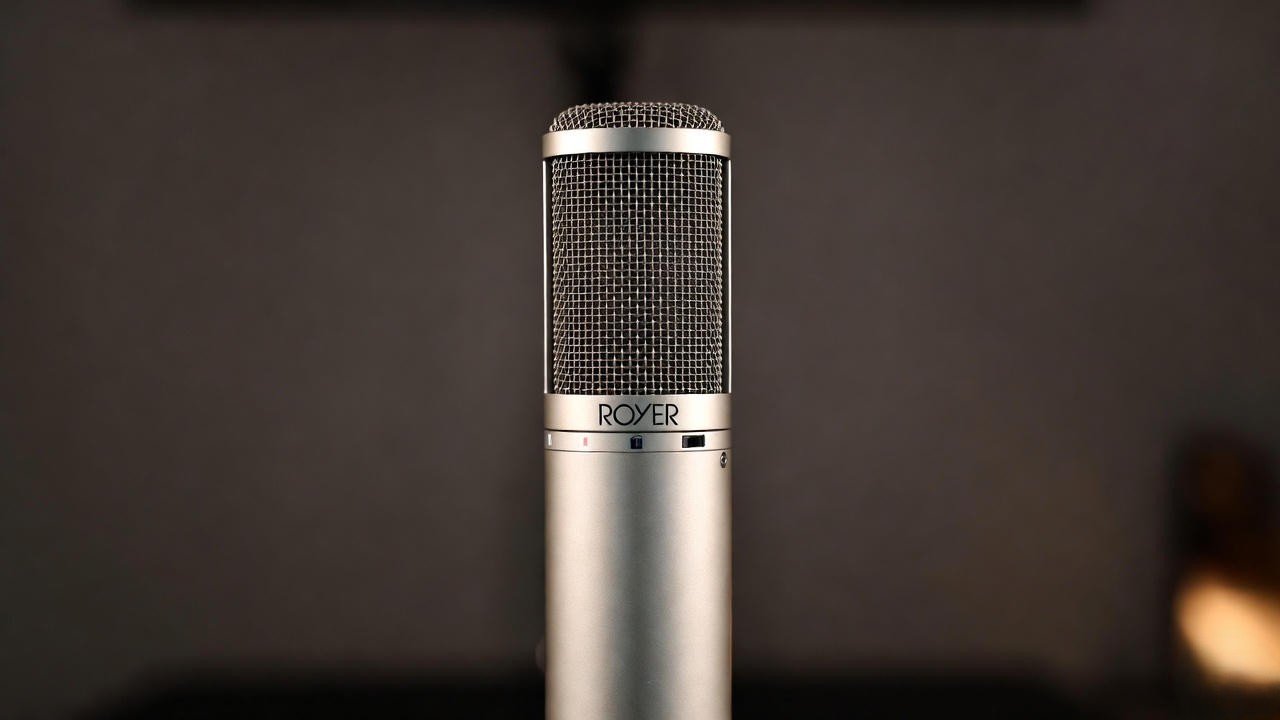
Patented Offset Ribbon Technology
The R-121’s groundbreaking feature is its patented offset ribbon transducer (U.S. Patent #6,434,252). Unlike traditional centered ribbons, the 2.5-micron pure aluminum ribbon is positioned closer to the front (logo) side of the microphone. This design provides more rearward flex room within the magnetic field, enabling the mic to handle massive sound pressure levels (>135 dB SPL) without stretching, tearing, or distortion—ideal for close-miking cranked guitar amps or screaming trumpets.
At distances closer than 3 feet, this offset creates a unique “two mics in one” characteristic: the front side produces a warmer, smoother tone with controlled proximity effect; the back side is noticeably brighter and more open. When using the back side, simply flip the polarity in your DAW or preamp for seamless phase alignment. This built-in versatility helps engineers solve common problems, such as taming overly bright sources or adding air and presence to dull ones.
Advanced Materials and Construction
Royer employs powerful neodymium magnets for significantly higher output than vintage ribbons, minimizing the need for ultra-noisy preamps. The compact, lightweight body (just 244 grams) contrasts with the bulky classics, allowing easier positioning in tight spaces. Hand-assembled in Burbank, California, with precision engineering, the R-121 is built to withstand heat, humidity, and rough handling. It’s backed by a lifetime warranty to the original owner and includes one free re-ribboning—a testament to its durability.
Technical Specifications and Sound Characteristics
Full Specifications of the Royer R-121
Here are the key technical details that make the R-121 a modern workhorse:
- Acoustic Operating Principle: Electrodynamic pressure gradient with ribbon-velocity transducer
- Polar Pattern: Figure-8 (bidirectional)
- Ribbon Element: 2.5-micron thick pure aluminum
- Frequency Response: 30 Hz – 15 kHz (±3 dB)
- Sensitivity: -47 dBV Re. 1V/Pa (±1 dB)
- Output Impedance: 300 Ohms (nominal; recommend 1500-2000 Ohm load)
- Maximum SPL: >135 dB @ 20 Hz
- Self-Noise: Extremely low (virtually silent)
- Connector: 3-pin XLR (Pin 2 hot)
- Dimensions: 155.7 mm length x 25 mm diameter
- Weight: 244 grams
- Finish: Dull satin nickel (matte black chrome optional)
Compared to vintage ribbons, the R-121 provides higher output, greater SPL tolerance, and more consistent frequency response across distances.
The Signature Sound: Warmth Meets Realism
The R-121’s frequency response is remarkably flat yet inherently musical: deep, controlled low end without excessive boom; present, detailed mids that capture harmonic richness; and smooth, extended highs that never become edgy or sibilant. It excels in digital workflows by counteracting converter harshness with analog-like warmth and forgiveness. Transients are accurate and natural, with excellent phase coherence, making the R-121 highly EQ-friendly—tracks often sit perfectly in mixes with minimal processing.
As Recording Magazine once described it, the Royer R-121 is a “21st-century classic.” Countless engineers agree: it “hears” like human ears, reproducing sources faithfully without adding unwanted color.
Best Applications: Where the R-121 Shines
Electric Guitars – The Undisputed Champion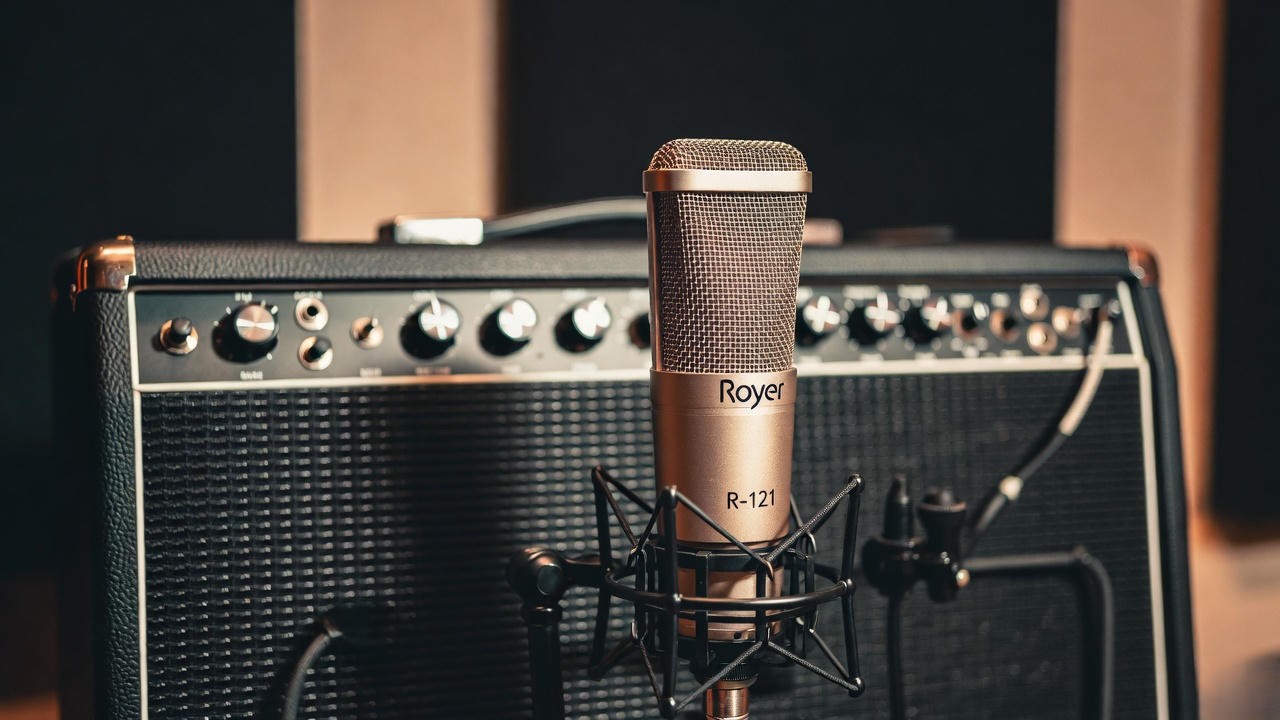
No microphone is more synonymous with electric guitar amps than the Royer R-121. It’s the go-to choice for capturing cranked tones with natural thickness, harmonic detail, and zero harshness. The offset ribbon tames distortion artifacts while preserving attack and sustain. Many pros blend it with a Shure SM57 (using Royer’s AxeMount accessory) for the ultimate rock tone: R-121 for warmth and body, SM57 for bite and cut.
Brass and Horns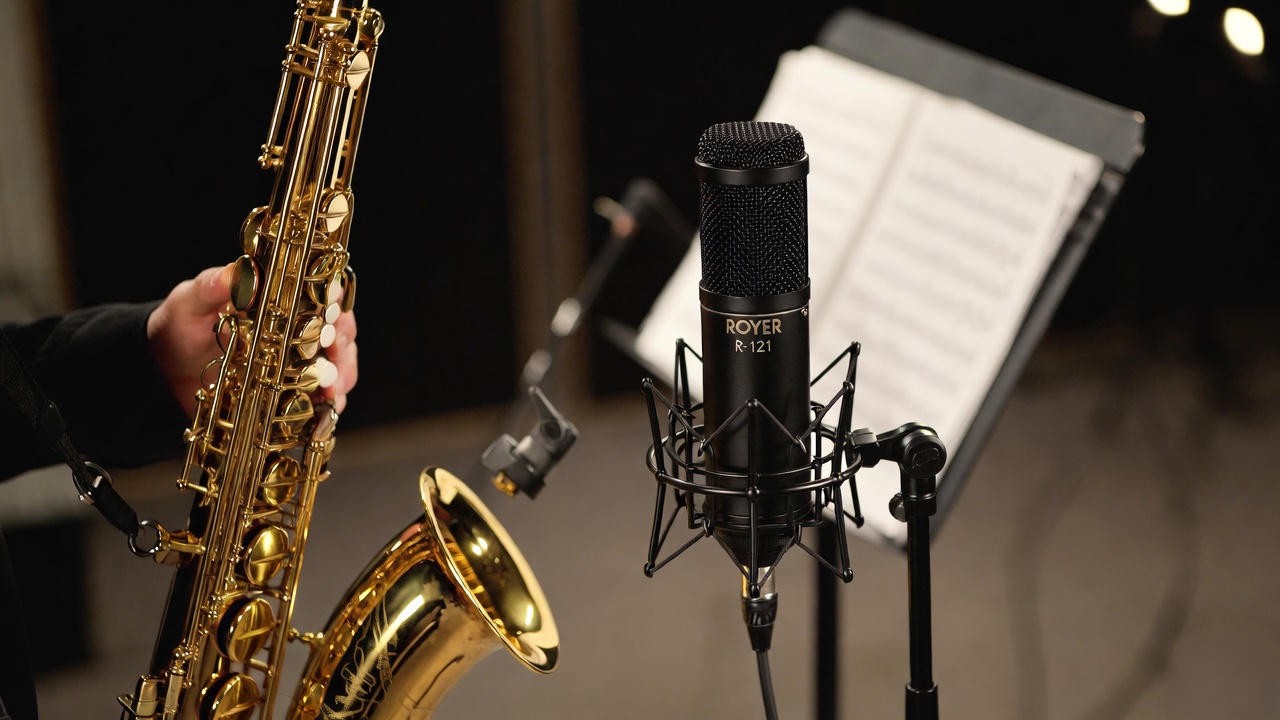
Large-diaphragm condensers can make trumpets and saxophones sound piercing, but the R-121 smooths aggression while retaining brilliance and air. Close-miking brass sections yields full-bodied, musical results without listener fatigue.
Drums and Percussion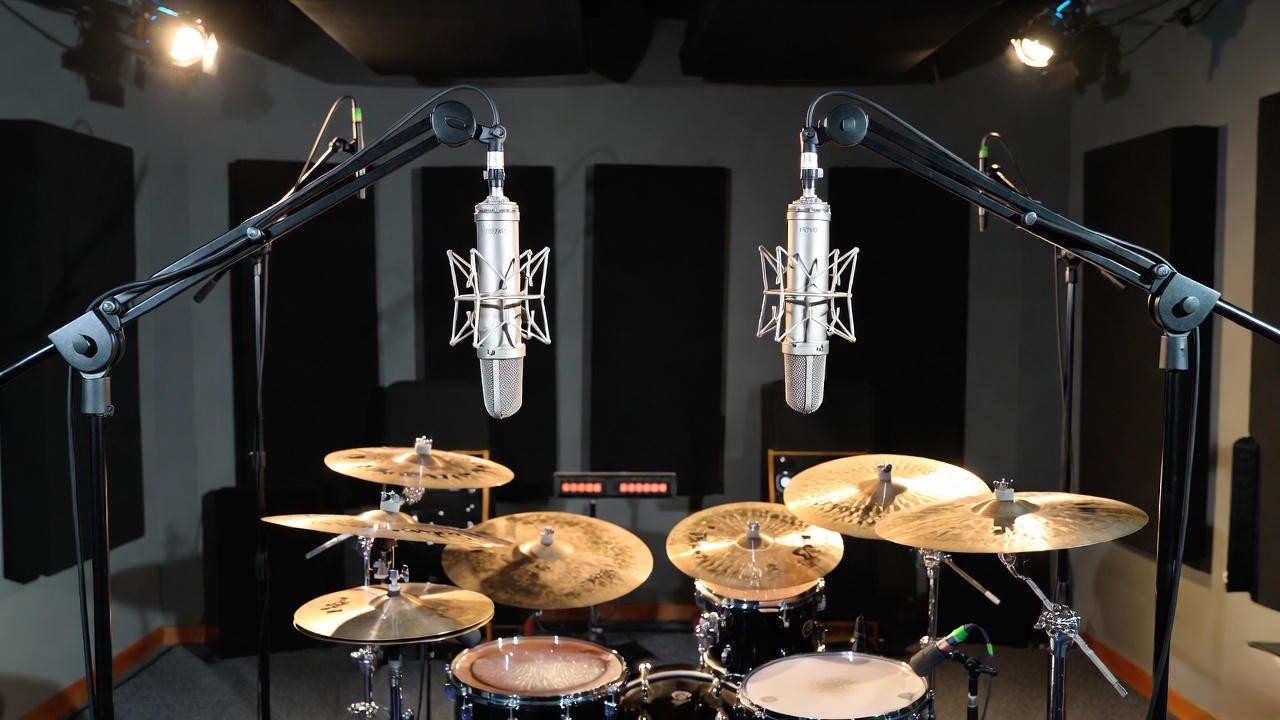
The R-121 excels as overheads for cohesive kit imaging, room mics for ambient depth, or even on kick drum (angled for protection). It handles fast transients beautifully, delivering punchy snares and controlled lows.
Acoustic Instruments and Vocals
Use the back side for brighter, airier capture on acoustic guitars, strings, or mandolins. On vocals (with a pop filter), the front side provides intimate warmth; the back adds presence for breathy styles.
Other Versatile Uses
From grand piano and orchestras to hand percussion and room ambiance, the figure-8 pattern offers excellent side rejection for isolation in busy sessions.
Practical Recording Tips and Microphone Placement Techniques
Essential Tips for Getting the Best Results
- Preamp Selection: Pair with clean, high-gain preamps like Neve, API, or A-Designs for optimal headroom and low noise. Cloudlifters or inline boosters help with quieter sources.
- Phantom Power: The R-121 is safe from properly implemented +48V, but always turn it off to avoid risks from faulty cables.
- Protection: Use wind screens outdoors or on breathy sources. Store upright in its case to prevent ribbon sag.
- Phase Alignment: When blending with other mics, check phase carefully—the figure-8 pattern can cause cancellation if misaligned.
Placement Guide with Examples
Electric Guitar Amps
Start 2-6 inches from the grill, aimed at the cone edge for balance (center for brighter, dust cap for darker). Angle at 45 degrees for ribbon safety on very loud amps. Back side for extra brightness on clean tones.
Brass Instruments
Position 6-18 inches away, slightly off-axis to control proximity. One R-121 per player or a stereo pair for sections.
Drums
- Overheads: Spaced or Blumlein pair 3-6 feet above the kit.
- Room: 6-15 feet back for natural ambiance.
- Kick: 1 foot off front head, angled 45 degrees.
- Toms: 4-8 inches above rim, angled toward center.
Stereo Techniques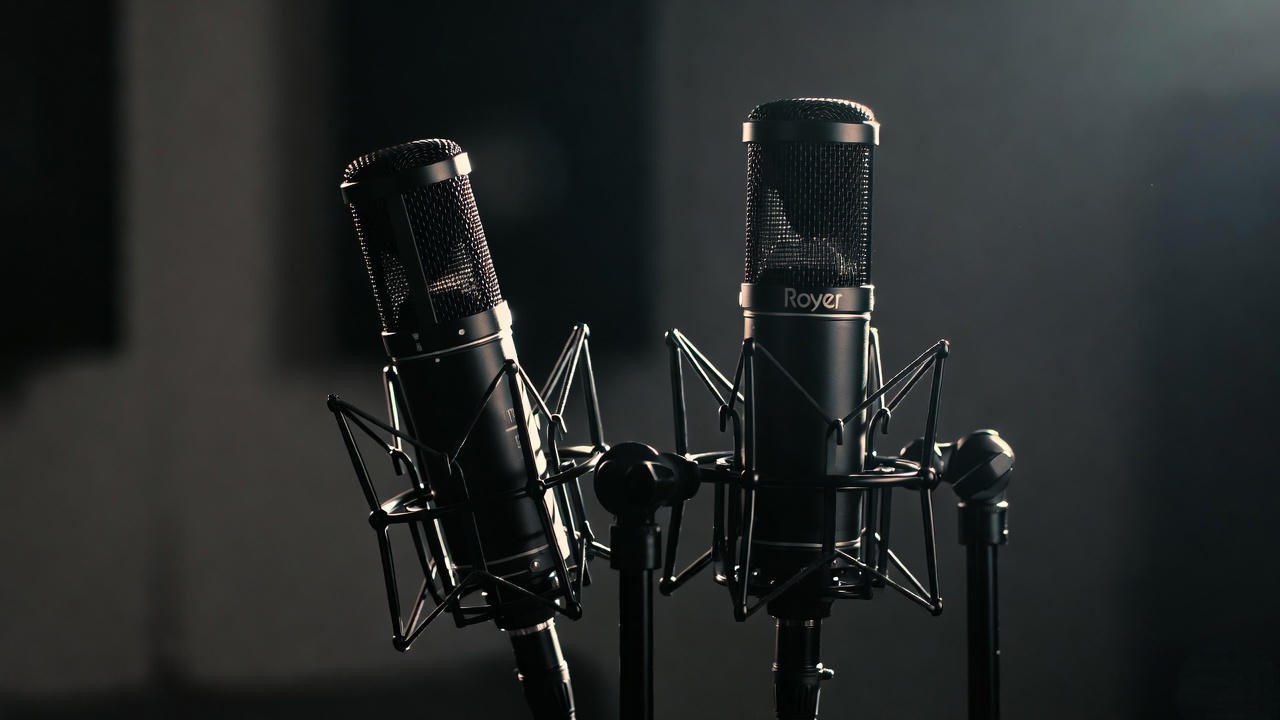
- Blumlein Pair: Crossed figure-8s at 90 degrees for immersive imaging.
- Mid-Side: One R-121 forward (mid), another sideways (side) for adjustable width in post.
Pro engineers emphasize experimenting—small movements yield big tonal shifts.
Royer R-121 vs. Other Ribbon Microphones
Comparisons to Competitors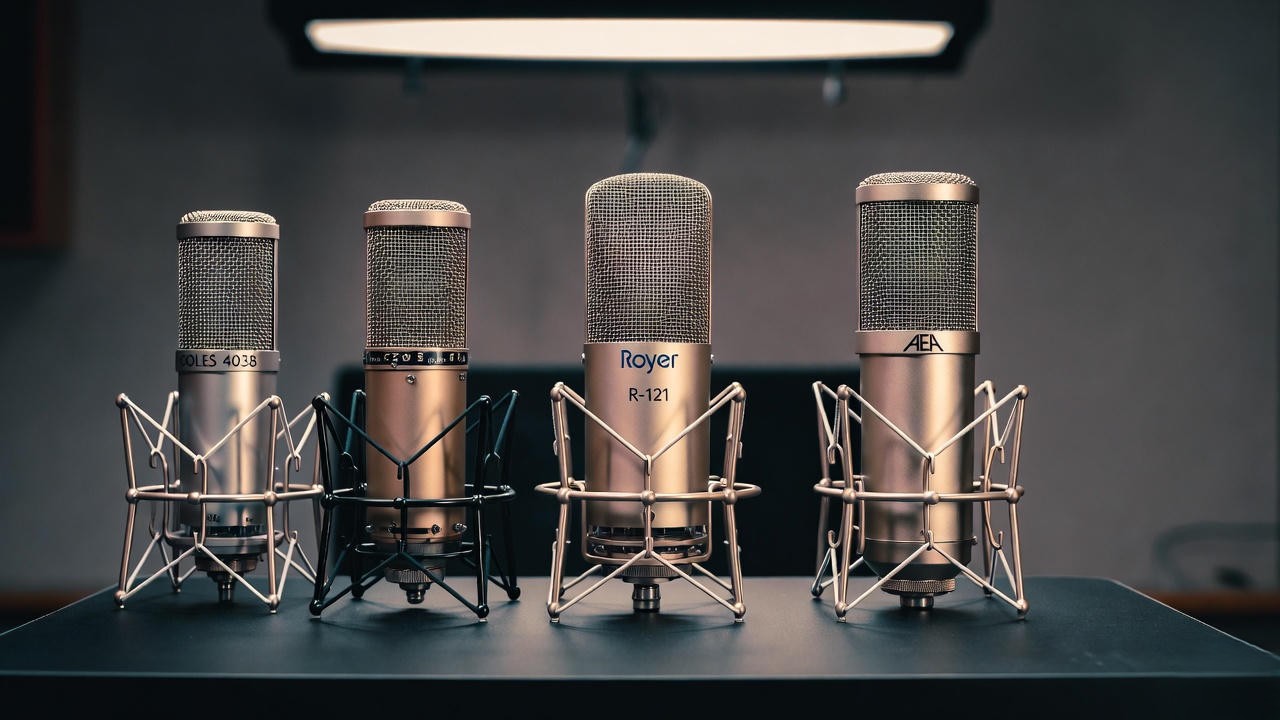
- Vs. AEA R84: Both warm and versatile, but the R-121 handles higher SPLs better and offers the front/back tonal difference. The R84 has a slightly softer, vintage vibe with more extended lows.
- Vs. Coles 4038: The classic BBC ribbon is darker and more colored; the R-121 is brighter, tighter, and far more durable for loud sources.
- Vs. Beyerdynamic M160: Unique hypercardioid pattern vs. figure-8; M160 is brighter but less warm overall.
- Vs. Shure KSM313: Dual-ribbon design for front/back variation; similar toughness, but R-121 is often preferred for guitar warmth.
Famous Recordings and Artist Endorsements
The R-121 has graced countless hit records since its debut. Engineer Joe Barresi used early prototypes on Queens of the Stone Age tracks. It’s featured on albums by:
- The White Stripes (Icky Thump—guitars)
- Foo Fighters, Green Day, Blink-182
- Jack White, Daft Punk, Aerosmith (live and studio)
- Countless others, from rock to jazz and orchestral sessions.
Engineers like Ross Hogarth, Randy Staub, and Bruce Swedien swear by it for guitars, drums, and brass. Royer’s audio library showcases real-world examples across genres.
Accessories, Maintenance, and Buying Considerations
Recommended Accessories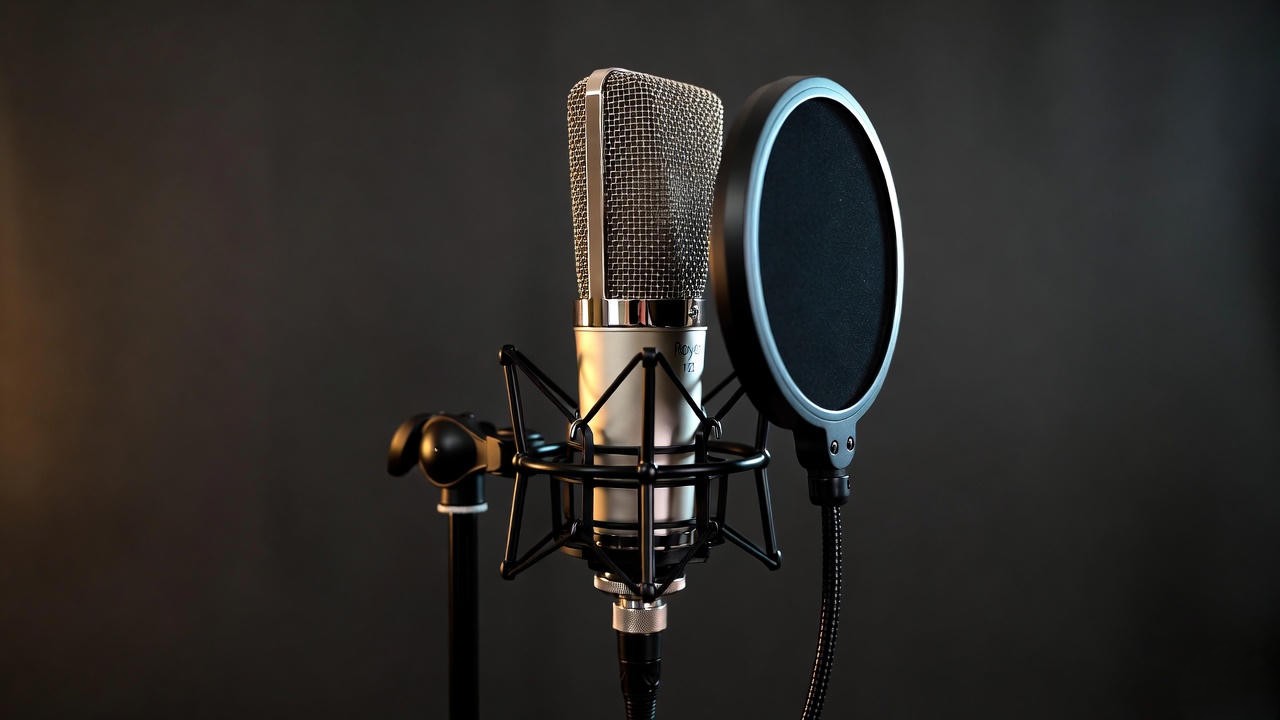
- RSM-SS1 Sling Shockmount: Essential isolation.
- AxeMount: For dual-miking guitars with SM57.
- Pop Filters/Windscreens: For vocals or outdoor use.
Care and Maintenance
Always power down before connecting/disconnecting. Avoid strong air blasts. Store vertically. Royer’s free re-ribbon policy covers accidents.
Is the R-121 Worth It in 2026?
Absolutely—for professionals and serious home studios seeking timeless tone. While budget ribbons exist, none match the R-121’s combination of durability, versatility, and iconic sound.
FAQs
Frequently Asked Questions About the Royer R-121
- Can it handle loud sources without damage? Yes—>135 dB SPL makes it safe for most guitar amps and drums when positioned properly.
- What’s the difference between front and back? Front: warmer, smoother; Back: brighter (within 3 feet). Flip polarity when using back.
- Best preamps? High-gain, low-noise like Neve, API, Grace, or AEA TRP.
- Is it suitable for live use? The standard R-121 works in controlled stages; for touring, consider the thicker-ribbon R-121 Live variant.
- How does it compare to condensers on vocals? Warmer and less sibilant; great for taming harsh voices.
- Does phantom power damage it? No, if cables are balanced—Royer designs protect against it.
- Why figure-8 pattern? Natural side rejection; perfect for isolation or stereo techniques.
- Can I use it on acoustic guitar? Excellent—back side for brightness.
- Maintenance tips? Store upright; avoid wind blasts.
- Worth pairing with SM57? Classic combo for electric guitars.
Nearly 30 years after its introduction, the Royer R-121 remains the ultimate ribbon microphone for capturing warm, realistic sound in modern recording. Its innovations solved the fragility issues of vintage ribbons while preserving—and enhancing—their magical tone. From electric guitars to brass, drums to acoustics, it delivers musical, mix-ready results that stand the test of time.
If you’re tired of harsh digital recordings and crave authentic warmth, the R-121 is an investment that will elevate every session. Consult your local dealer for a demo—you’ll hear the difference immediately.