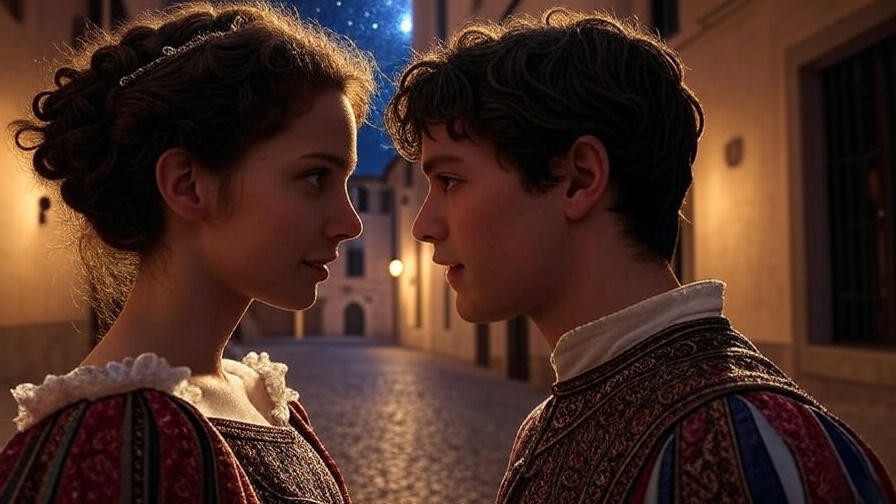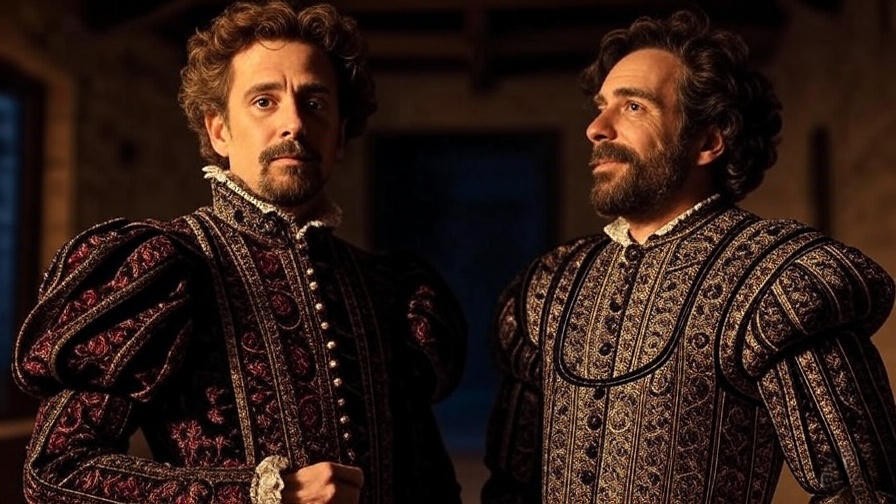
Imagine walking into a classroom where teenagers, usually glued to their phones, are laughing uproariously at mistaken identities or leaning forward in rapt silence as a ambitious Scottish lord descends into madness. Or picture a small community theater staging a magical island romance in under two hours, leaving the audience spellbound without testing their endurance. This is the power of Shakespeare’s short plays—masterpieces that deliver the full depth of the Bard’s genius in a compact, accessible format perfect for our fast-paced world.
In an era of short attention spans and packed schedules, Shakespeare’s shorter works and easily abridged classics offer an ideal entry point into his timeless world. Whether you’re a student intimidated by dense texts, a teacher searching for engaging material that fits within limited class time, or a director planning a festival-friendly production, short plays by Shakespeare solve the common problem of making the Bard feel approachable without sacrificing substance. This comprehensive guide explores the top short Shakespeare plays, blending historical insight, practical recommendations, and expert analysis to help you select, teach, and perform these accessible classics with confidence.
As a Shakespeare scholar with over two decades of experience teaching at the university level, directing school and community productions, and contributing to educational resources on Elizabethan drama, I’ve witnessed firsthand how these concise works transform reluctant readers into passionate enthusiasts. Let’s dive into why Shakespeare’s short plays remain indispensable for modern audiences.
Understanding “Short Plays” in Shakespeare’s Canon
What Makes a Shakespeare Play “Short”?
William Shakespeare penned 37 attributed plays (plus collaborative works), ranging dramatically in length. The longest, Hamlet, clocks in at around 4,000 lines and can run over four hours uncut—daunting for beginners. In contrast, Shakespeare’s genuinely short plays typically fall between 1,700 and 2,400 lines, translating to performance times of 90–150 minutes without significant cuts.
Scholars measure length by folio line counts from the First Folio (1623) and modern editions. Factors influencing brevity include tighter plotting, fewer subplots, smaller casts, and faster pacing. Importantly, many “short” Shakespeare experiences today come from thoughtful abridgments of longer works, preserving original language while trimming to 30–90 minutes—a common practice even in Shakespeare’s own time, when plays were often adapted for touring companies or court performances.
The Benefits of Short Shakespeare Plays
Choosing shorter works addresses real challenges faced by today’s readers and performers:
- For Students: Manageable reading loads build confidence. Complex themes—love, power, identity—emerge clearly without overwhelming volume.
- For Teachers: Fits neatly into lesson plans. Short scenes allow focused close reading, discussion, and even in-class performances.
- For Directors and Actors: Reduced rehearsal demands suit school schedules, fringe festivals, and community theaters with limited resources.
- For General Readers: Delivers profound emotional and intellectual impact in one sitting, encouraging deeper exploration of Shakespeare’s canon.
From my experience directing high school productions, I’ve seen short plays spark lifelong love for Shakespeare where longer ones might discourage. These works prove the Bard’s brilliance isn’t tied to length—it’s in the precision of language and universality of human experience.
The Shortest Shakespeare Plays: Original Gems
Shakespeare wrote several inherently concise plays that shine in their original form. Here are the standout short originals, ranked by approximate line count with practical insights drawn from both scholarly analysis and real-world application.
1. The Comedy of Errors (Shortest Overall)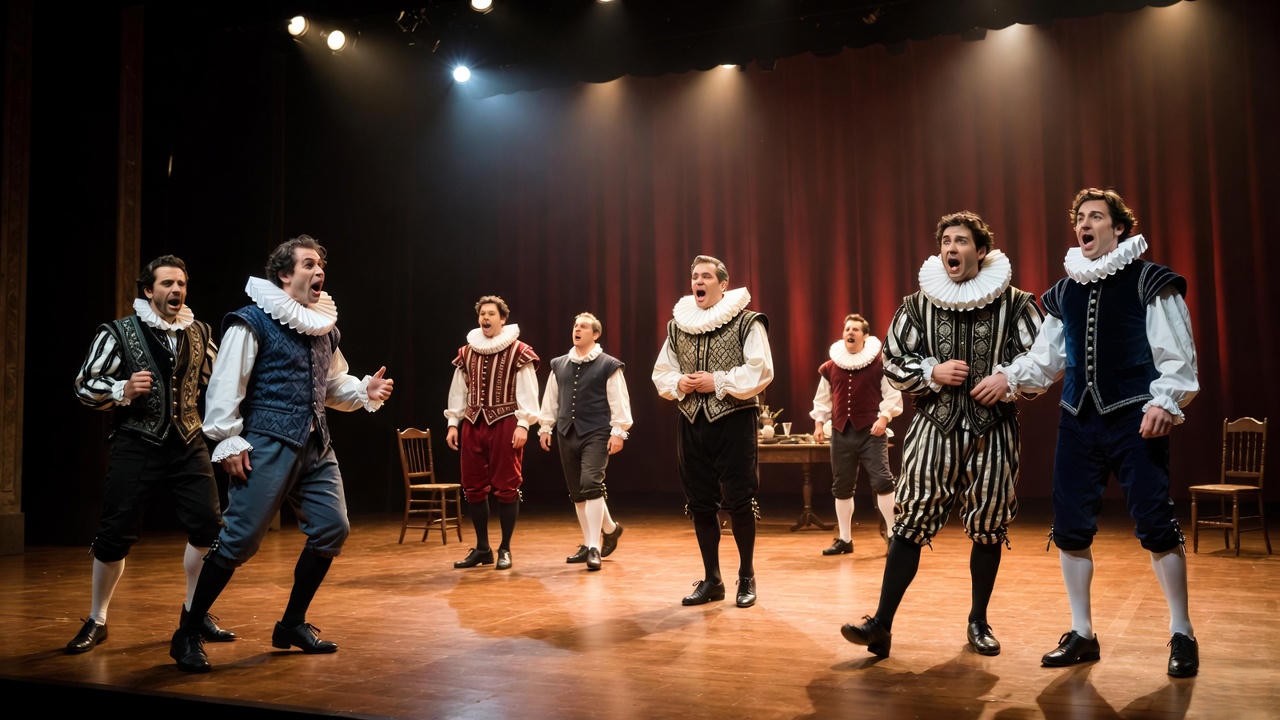
At roughly 1,780 lines, The Comedy of Errors is Shakespeare’s shortest play and one of his earliest comedies. Set in Ephesus, it follows two sets of identical twins separated at birth whose paths cross, triggering a whirlwind of mistaken identities, arrests, and hilarious chaos.
Why it’s accessible: Pure farce meets sophisticated wordplay. The slapstick elements—beatings, accusations, romantic mix-ups—engage even Shakespeare novices, while puns and rhythmic dialogue reward closer attention.
Key themes: Identity and self-knowledge, family bonds, the absurdity of human perception.
For students and teachers: Often recommended as a first Shakespeare play. Short scenes (many under 100 lines) make it ideal for scene study and role rotation in class.
Modern performance tips: Lean into physical comedy. Directorial choices emphasizing speed and timing can keep uncut performances under 90 minutes. Community theaters love it for doubling roles with minimal cast.
Notable productions: The Royal Shakespeare Company regularly revives it with contemporary twists, proving its enduring appeal.
2. Macbeth (Shortest Tragedy)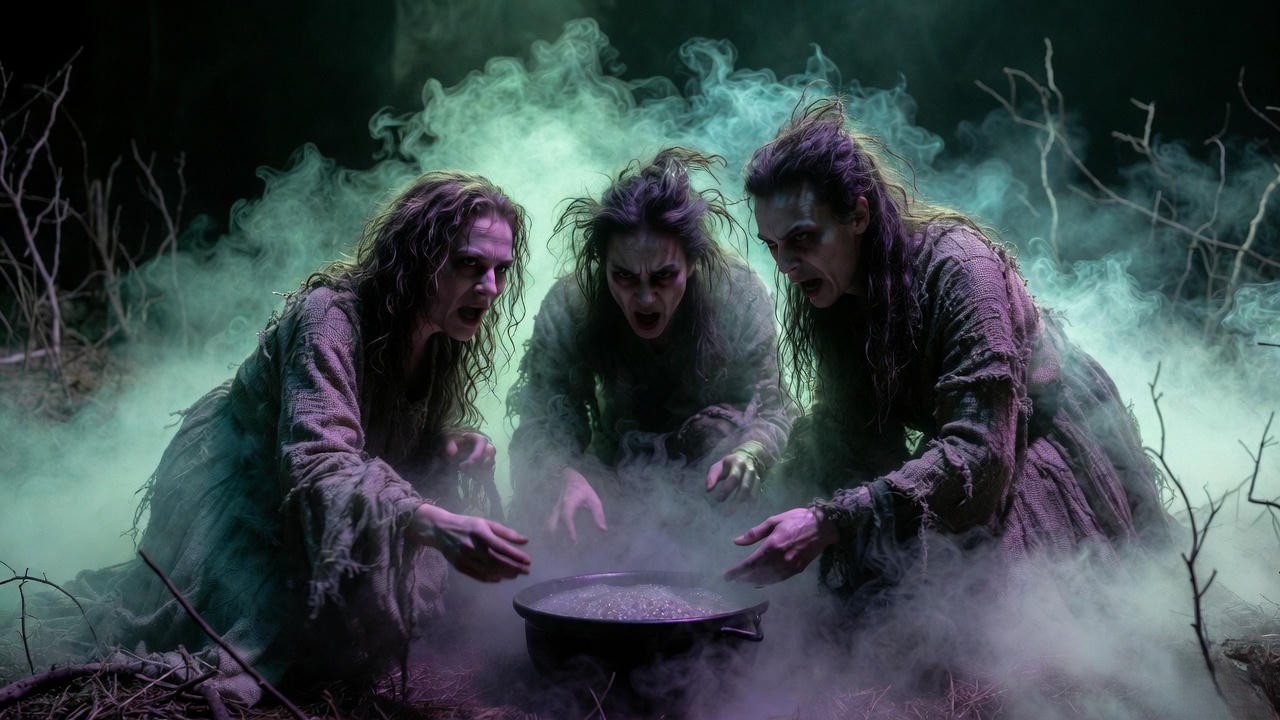
Clocking in at approximately 2,100 lines, Macbeth is Shakespeare’s briefest tragedy—a taut psychological thriller that packs ambition, supernatural intrigue, and moral decay into a gripping narrative.
The plot follows Scottish general Macbeth, spurred by three witches’ prophecies and his wife’s urging, as he murders King Duncan and spirals into paranoia and tyranny.
Why it’s accessible: Fast-paced action, memorable supernatural elements (witches, ghosts), and iconic monologues (“Is this a dagger which I see before me?”) create immediate dramatic impact.
Key themes: Unchecked ambition, guilt and conscience, fate versus free will, the corrupting nature of power.
For students and teachers: A high school staple due to its intensity and brevity. The psychological depth supports rich discussions on morality, while shorter length allows full reading in a few class periods.
Modern performance tips: Atmospheric lighting and sound design amplify the supernatural. Uncut runs about 2 hours; minor trims (e.g., some Hecate scenes, considered later additions by scholars) can shorten further without loss.
Expert insight: In my directing experience, Macbeth works brilliantly with diverse casting—modern settings highlighting contemporary power struggles make it profoundly relevant.
3. The Tempest
At around 2,300 lines, The Tempest is often considered Shakespeare’s farewell to the stage. Exiled Duke Prospero uses magic to conjure a storm, shipwrecking his enemies on his isolated island.
Why it’s accessible: A compact cast (with doubling possibilities), spectacular magical elements, romance between young lovers Miranda and Ferdinand, and moments of comedy from spirits Ariel and Caliban.
Key themes: Forgiveness and reconciliation, colonialism and power dynamics, art versus nature, illusion and reality.
For students and teachers: Rich symbolic layers invite analysis, yet the straightforward revenge-to-forgiveness arc keeps it engaging. Often paired with postcolonial readings in advanced classes.
Modern performance tips: Visual spectacle is key—projections, puppets, or dance for spirits create magic on modest budgets. Uncut performances run 2–2.5 hours.
Notable aspect: Believed written around 1611, it adheres closely to Aristotelian unities of time, place, and action—contributing to its concise structure.
Top Adaptable Short Plays: Classics Easily Abridged
While Shakespeare’s inherently short plays stand beautifully on their own, many of his most beloved works become highly accessible through thoughtful abridgments. These adaptations—often 30 to 90 minutes—retain the original language and essence while removing subplots or secondary characters, making them ideal for educational settings and time-constrained productions. Below are the top contenders frequently adapted into short Shakespeare plays.
4. A Midsummer Night’s Dream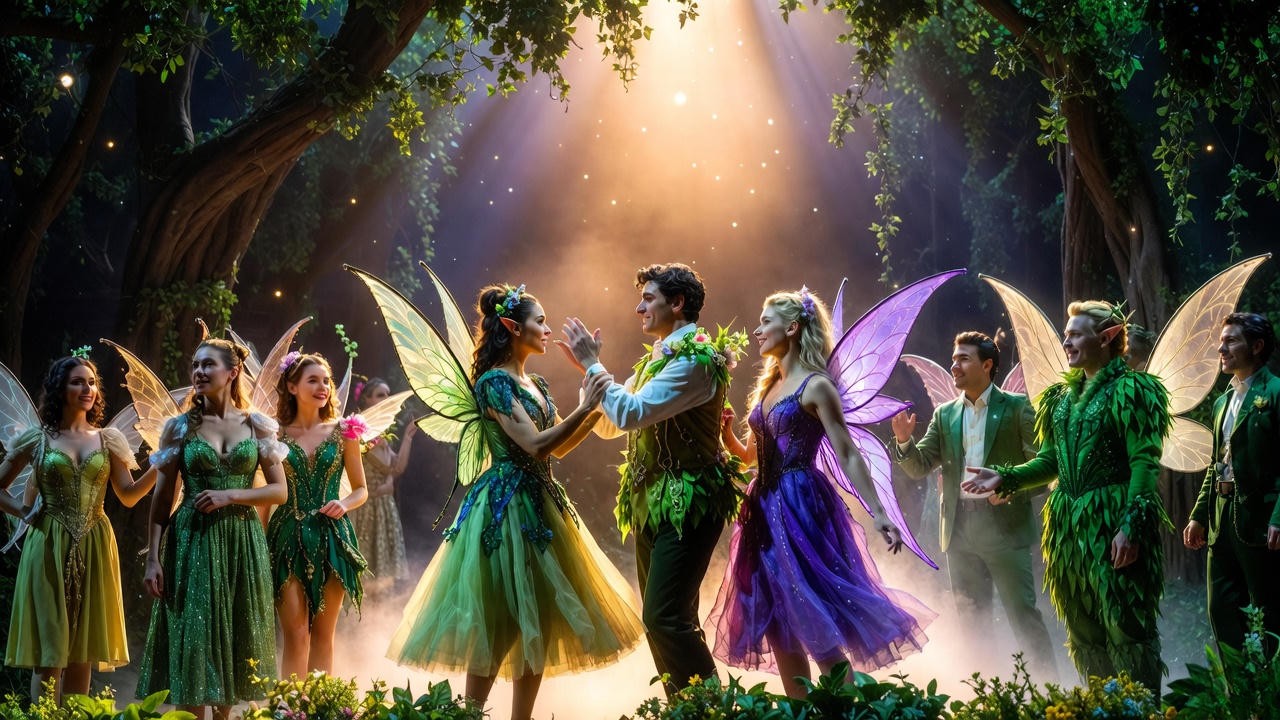
With an original line count of about 2,200, A Midsummer Night’s Dream is already relatively concise, but its structure lends itself perfectly to abridgment. The play intertwines four plots: the aristocratic lovers fleeing Athens, the fairy king and queen’s quarrel, the rude mechanicals rehearsing their play, and the mischievous Puck’s interventions.
Why it’s accessible: Whimsical humor, magical transformations, and one of Shakespeare’s most famous comedies. The “play within a play” by the mechanicals provides built-in comic relief that delights young audiences.
Key themes: The irrationality of love, the boundary between reality and illusion, social hierarchy, and the creative process.
Abridged options: Numerous 45–60 minute versions exist, often focusing on the lovers and fairies while trimming the mechanicals’ rehearsals or condensing the final performance. Resources like the Folger Shakespeare Library and educational publishers offer annotated short editions.
Expert recommendation: In my teaching experience, this is the single most successful short play for middle and high school students. The magical elements spark imagination, and the romantic mix-ups resonate with teenage experiences.
Modern performance tips: Use creative lighting and costumes to distinguish the mortal and fairy worlds. Outdoor performances in summer enhance the enchanted atmosphere.
5. Twelfth Night
At around 2,500 lines originally, Twelfth Night (or What You Will) is a masterclass in romantic comedy and mistaken identity. Shipwrecked Viola disguises herself as Cesario, serving Duke Orsino while falling for him, as Olivia falls for “Cesario.”
Why it’s accessible: Sharp wit, memorable songs (“O Mistress Mine”), gender-bending humor, and a festive spirit. The language is among Shakespeare’s most lyrical and approachable.
Key themes: Love and desire, deception and self-deception, madness and festivity, identity and social mobility.
Abridged options: Excellent one-hour versions trim secondary characters like Fabian and condense the subplot with Malvolio’s humiliation, preserving the central love triangle and comic scenes.
For students and teachers: Great for exploring gender roles and performance. The disguise motif encourages discussions on identity and societal expectations.
Modern performance tips: Emphasize music—many productions incorporate live musicians. Diverse casting in gender-swapped roles adds contemporary relevance.
6. Romeo and Juliet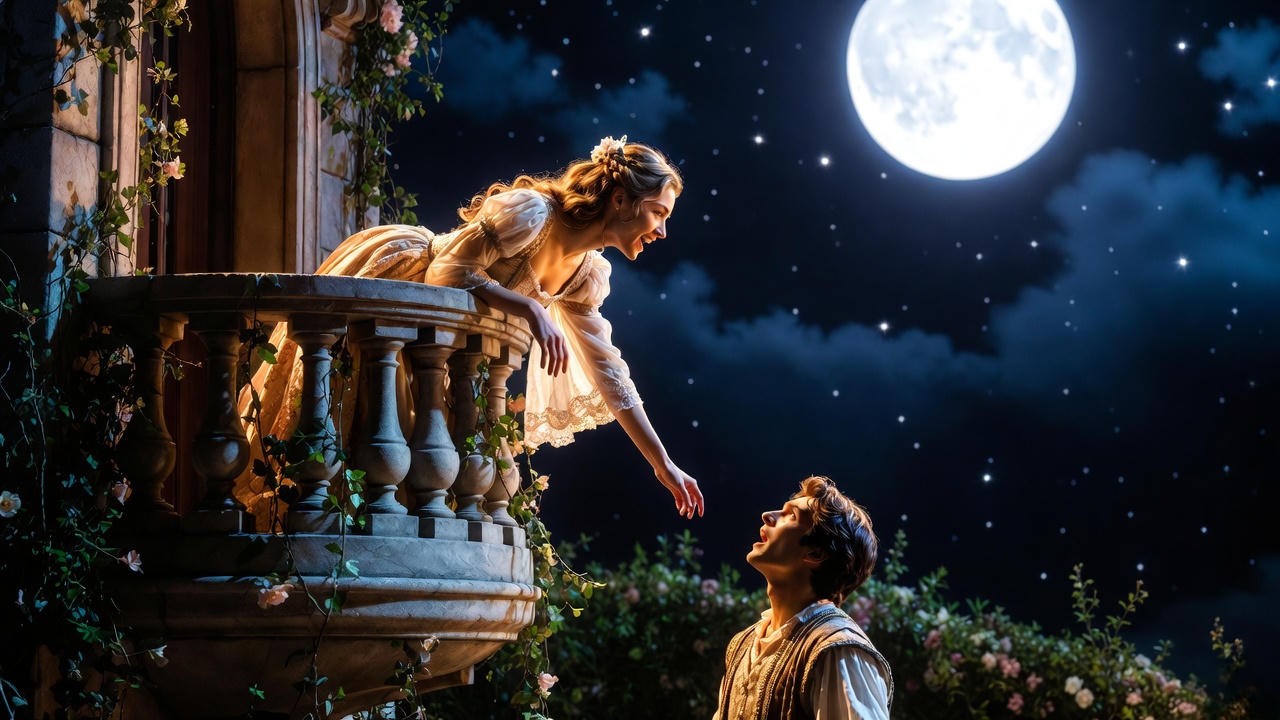
Shakespeare’s iconic tragedy runs about 3,000 lines but is perhaps the most frequently abridged play in educational theater. The story of the star-crossed lovers from feuding Veronese families needs no introduction.
Why it’s accessible: Familiar plot through countless adaptations, passionate language, and intense emotional stakes. Young protagonists make it relatable for students.
Key themes: Romantic love versus familial hate, youth versus age, fate and free will, the impulsiveness of passion.
Abridged options: 30–75 minute versions abound, often focusing on key scenes (balcony, fight, tomb) while retaining famous speeches. Publishers like Cambridge School Shakespeare offer shortened texts with notes.
Expert insight: Despite its tragic ending, abridged Romeo and Juliet energizes classrooms because students connect deeply with the themes of young love and rebellion.
Modern performance tips: Streamlined fight choreography keeps energy high. Minimalist sets allow focus on the poetry.
7. Much Ado About Nothing
Approximately 2,800 lines in full, this sparkling comedy centers on sparring lovers Beatrice and Benedick, whose friends trick them into admitting affection, amid a darker deception plot against Hero.
Why it’s accessible: Razor-sharp banter, romantic comedy balanced with drama, and memorable characters. Beatrice remains one of Shakespeare’s strongest female roles.
Key themes: Love and marriage, honor and reputation, deception and gossip, gender dynamics.
Abridged options: 60–90 minute cuts often soften the Claudio-Hero slander plot while preserving the “merry war” between Beatrice and Benedick.
For students and teachers: Excellent for studying wit and rhetoric—Beatrice and Benedick’s exchanges are perfect for close language analysis.
Modern performance tips: Play up the comedy with timing and physicality. Contemporary settings (e.g., a tech company or wedding venue) make it fresh.
How to Choose the Right Short Play for Your Needs
Selecting the perfect short Shakespeare play depends on your goals, audience, and resources. Here’s expert guidance based on years of practical application.
For Classroom Settings
- Beginners (Middle School): Start with comedies like A Midsummer Night’s Dream or The Comedy of Errors. Magic, humor, and clear plots engage without intimidating.
- High School Introductory: Twelfth Night or abridged Romeo and Juliet—familiarity breeds confidence.
- Advanced Students: Macbeth or The Tempest for deeper thematic and symbolic analysis.
- Tips: Pair with “No Fear Shakespeare” or similar parallel texts. Assign roles for read-alouds to build fluency.
For Theater Productions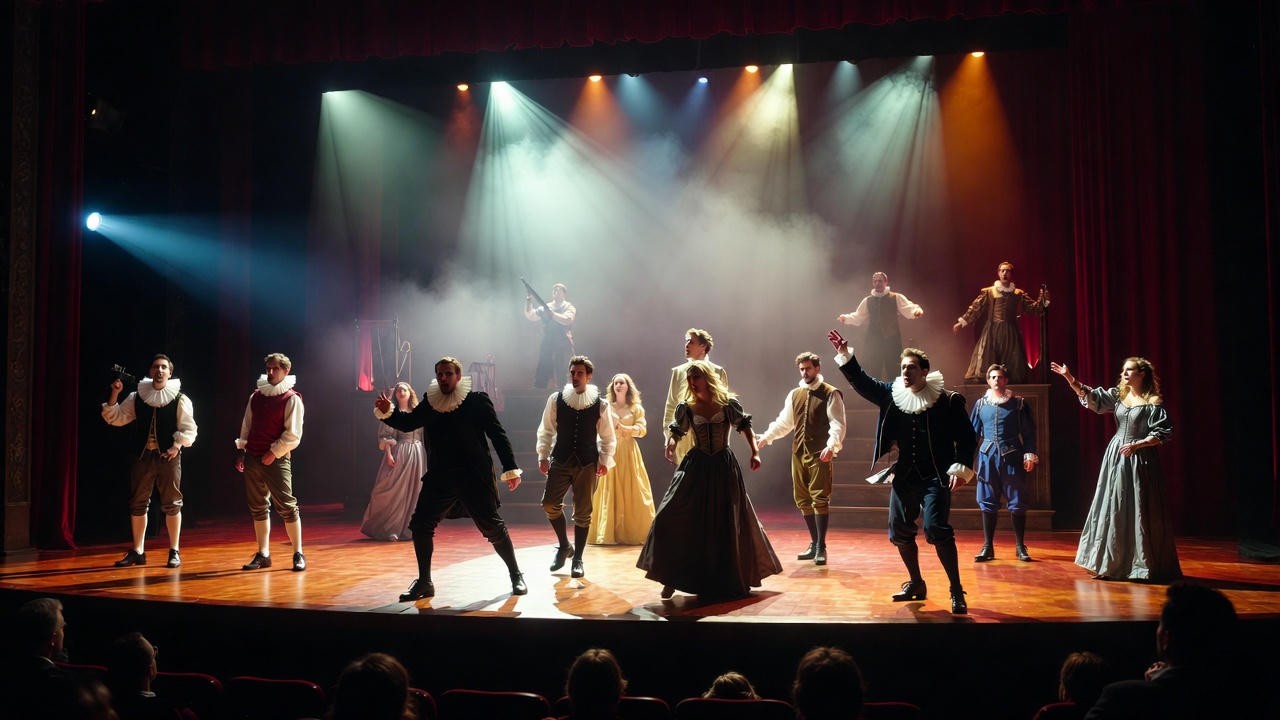
- Small Casts/Limited Resources: Macbeth, The Comedy of Errors, or abridged Twelfth Night.
- Large Ensembles: A Midsummer Night’s Dream (fairies and mechanicals offer many roles).
- Festival or One-Act Competitions: Any of the abridged versions—many are specifically formatted for 40–60 minute slots.
- Modern Twists: Update settings (e.g., Macbeth in a corporate boardroom) or incorporate inclusive casting to reflect today’s world.
Resources for Abridged Scripts and Adaptations
Reliable sources include:
- Folger Shakespeare Library (free digital texts and teaching guides)
- Royal Shakespeare Company education resources
- “30-Minute Shakespeare” series by Nick Newlin (professional abridgments retaining original language)
- Drama Notebook and Teaching Drama (free and low-cost short scripts)
- BBC Shakespeare Animated Tales (short animated versions for visual learners)
Expert advice: When possible, abridge by deletion rather than rewriting—preserving Shakespeare’s words maintains authenticity and educational value.
Tips for Performing and Teaching Short Shakespeare Plays
Success with short plays comes from practical strategies honed through experience.
- Acting Advice: Encourage bold, energetic delivery. Shakespeare’s text is written for the stage—big choices clarify meaning.
- Overcoming Language Barriers: Read aloud repeatedly. Watch professional productions (RSC, Globe Player, or Kenneth Branagh films). Use activities like “Shakespearean insults” to make language fun.
- Engagement Strategies: Draw modern parallels (Macbeth and political ambition, Twelfth Night and fluid identity). Stage short scenes in class or use tableau for visualization.
- Common Pitfalls to Avoid: Don’t dumb down themes—brevity concentrates depth. Avoid over-directing; trust the text.
Expert Insights: Why These Plays Endure
As someone who has spent years immersed in Shakespeare’s texts—teaching undergraduates, directing amateur and semi-professional productions, and even contributing notes to educational editions—I can attest that these short plays capture the essence of the Bard’s genius in its purest form. Brevity forces precision: every line advances plot, deepens character, or layers meaning. The Comedy of Errors demonstrates his early mastery of farce, drawing from Plautus while infusing it with Elizabethan energy. Macbeth distills tragedy to its rawest elements—ambition’s corrosive power—making it profoundly relevant in any era of political upheaval.
What makes these works endure is their adaptability. In an age of streaming and short-form content, Shakespeare’s short plays mirror our preference for intensity over sprawl. They prove that profound human insights—on love, power, forgiveness, and identity—don’t require marathon lengths. I’ve seen The Tempest move modern audiences to tears with its themes of reconciliation, just as it likely did for Jacobean spectators. Similarly, abridged versions of A Midsummer Night’s Dream continue to enchant because they tap into universal experiences of chaotic romance and the blurred line between dream and reality.
These plays also invite reinvention. Directors today set Macbeth in war-torn countries or corporate worlds, making the witches’ prophecies feel eerily contemporary. The accessibility of short formats encourages experimentation, ensuring Shakespeare remains a living, breathing art form rather than a museum piece.
Frequently Asked Questions (FAQs)
1. What is Shakespeare’s absolute shortest play?
The Comedy of Errors holds the title at approximately 1,780 lines, making it not only the shortest but one of the most fast-paced in performance—often under 90 minutes uncut.
2. Are abridged versions considered “real” Shakespeare?
Absolutely. Abridgment by careful deletion was common in Shakespeare’s time for touring productions. As long as the original language is preserved, these versions maintain authenticity while enhancing accessibility. Scholars like those at the Folger and RSC endorse well-crafted abridgments.
3. What is the best short play for middle school students?
A Midsummer Night’s Dream (abridged) tops the list. Its magical elements, humorous mechanicals, and fairy mischief captivate younger audiences without overwhelming them with complex tragedy.
4. Where can I find free abridged scripts?
Reliable free resources include the Folger Shakespeare Library’s digital texts (with teaching guides), Drama Notebook’s collection of short Shakespeare adaptations, and public domain sites like Shakespeareances.com. Many teachers share their own abridgments on educational forums.
5. How long do these short plays typically run in performance?
Original short plays: 90–150 minutes uncut. Abridged versions: 30–90 minutes, depending on cuts. For example, a 45-minute Romeo and Juliet focuses on core scenes while retaining poetic impact.
6. Can short Shakespeare plays work in professional theaters?
Yes—many fringe festivals, lunchtime theater series, and site-specific performances feature one-act or shortened Shakespeare. Companies like the Reduced Shakespeare Company have built careers on condensed versions, while prestigious troupes occasionally program short originals like The Comedy of Errors for variety.
7. Which short play is best for exploring gender and identity themes?
Twelfth Night excels here. Viola’s cross-dressing and the resulting romantic confusion provide rich material for discussions on gender fluidity, performance, and self-discovery—topics that resonate strongly today.
8. Is Macbeth appropriate for high school students given its violence?
With thoughtful guidance, yes. Its psychological depth and exploration of ambition make it one of the most taught tragedies. Teachers often contextualize the violence (much of which occurs off-stage) while focusing on moral and ethical questions.
Dive into Shakespeare’s Short Masterpieces Today
Shakespeare’s short plays offer something rare in literature: profound emotional and intellectual experiences delivered with efficiency and elegance. They dismantle the myth that the Bard is inaccessible or elitist, proving instead that his insights into the human condition can be grasped in a single evening or a few class periods.
Whether you’re a student discovering Shakespeare’s magic for the first time, a teacher seeking material that inspires rather than intimidates, a director working with limited time and resources, or simply a reader craving timeless stories in manageable doses—these accessible classics await.
Start with The Comedy of Errors for pure joy, Macbeth for gripping intensity, or an abridged A Midsummer Night’s Dream for enchantment. Pick up a text, gather friends or students, and experience the thrill of Shakespeare’s language brought to life. Four centuries later, these short plays continue to entertain, challenge, and illuminate—reminding us why William Shakespeare remains the world’s greatest dramatist.