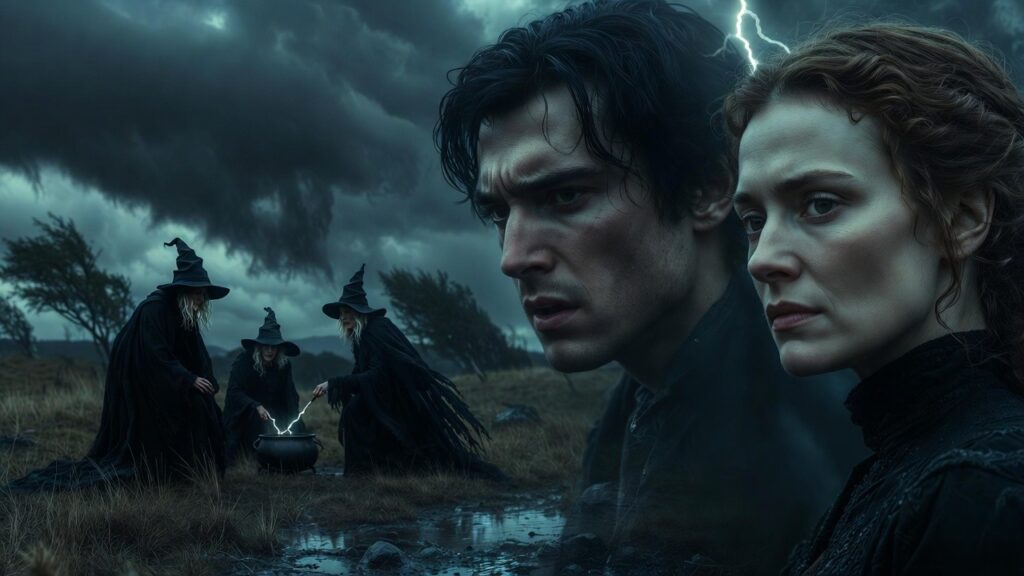
“Fair is foul, and foul is fair.”
With these haunting words, spoken by three mysterious witches amid thunder and lightning, William Shakespeare opens one of the most powerful and psychologically intense tragedies in English literature. In just seven scenes, Act 1 of Macbeth transforms a celebrated warrior into a man consumed by dark ambition, planting the seeds of regicide, guilt, and inevitable downfall that will unfold across the entire play.
If you’re a high school student preparing for exams, a college literature major analyzing Shakespeare’s use of tragedy, a teacher looking for classroom discussion points, or simply a Shakespeare enthusiast wanting deeper insight, this comprehensive summary of Act One Macbeth goes far beyond basic plot recaps. Here you’ll find scene-by-scene breakdowns, close readings of key quotes, thematic analysis, character development insights, historical context, and practical study tips — everything you need to truly understand how Act 1 masterfully sets the tragic machinery in motion.
Act 1, Scene 1 – The Witches’ Ominous Opening
Shakespeare wastes no time plunging the audience into an atmosphere of supernatural dread and moral confusion.
What Happens The play opens on a desolate heath during a thunderstorm. Three Witches (often called the Weird Sisters) appear briefly. They speak in trochaic tetrameter, a rhythm that feels unnatural and incantatory compared to the iambic pentameter of most characters. They plan to meet Macbeth “upon the heath” after a battle, and they chant the famous paradox: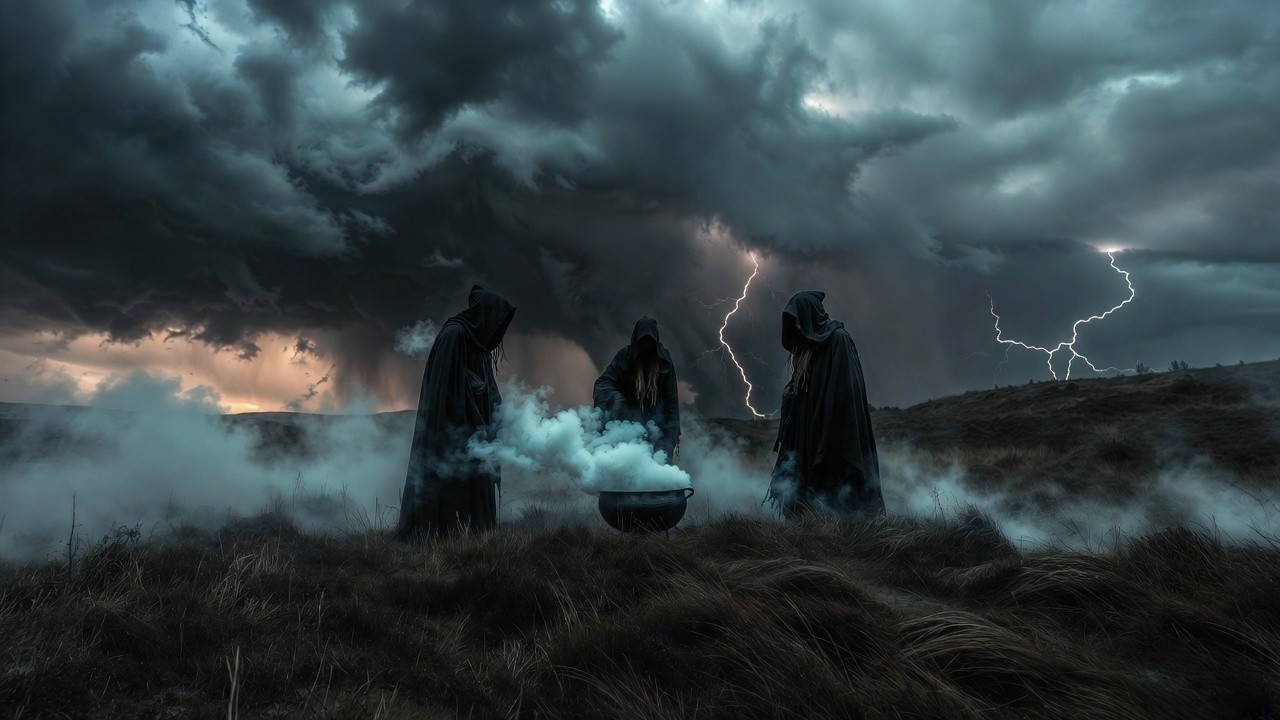
“Fair is foul, and foul is fair: Hover through the fog and filthy air.” (1.1.11–12)
The scene ends as quickly as it begins — a mere eleven lines — yet it establishes the tone for the entire tragedy.
Key Themes Introduced
- Appearance versus reality: The central motif of the play is announced immediately. What appears fair may be foul, and vice versa.
- Supernatural influence: The Witches represent forces beyond human control, raising questions about fate, free will, and the nature of evil.
- Chaos and inversion of natural order: The storm, the reversal of day and night imagery, and the witches themselves all signal a world turned upside down.
Literary Devices at Work
- Pathetic fallacy: The storm mirrors the coming moral storm.
- Rhyming couplets and trochaic rhythm: These give the witches an otherworldly, chant-like quality that sets them apart from human characters.
- Paradox: The opening line is one of the most quoted paradoxes in literature, encapsulating the moral ambiguity that will plague Macbeth.
Why This Tiny Scene Matters Many students underestimate Scene 1 because of its brevity. In reality, it functions as a prologue, framing every subsequent event. Shakespeare uses the witches to signal that the tragedy will explore not just human ambition, but the collision between human choice and cosmic forces.
Act 1, Scene 2 – The Heroic Macbeth on the Battlefield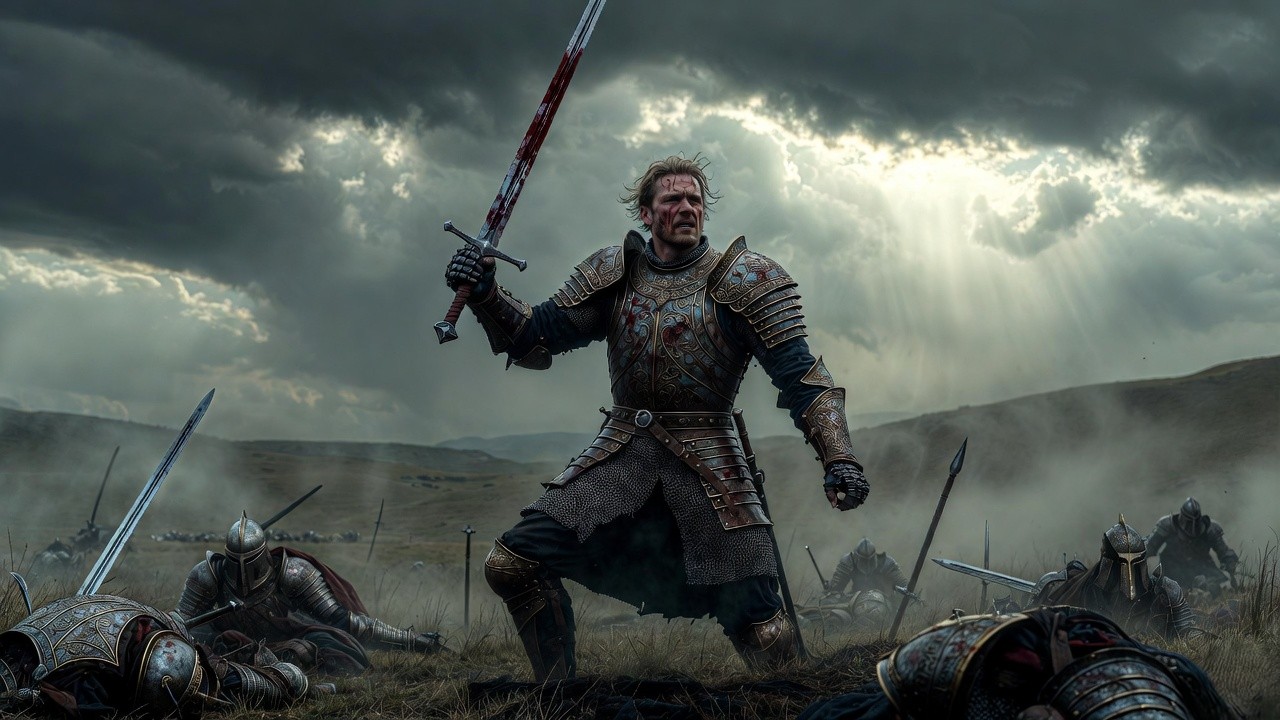
After the eerie supernatural opening, Shakespeare abruptly shifts to the world of politics, war, and loyalty — creating a powerful contrast.
Plot Summary At a military camp, King Duncan receives reports of the battle against Norwegian invaders and Scottish traitors (the Thane of Cawdor and Macdonwald). A wounded Captain delivers a vivid, almost epic description of Macbeth’s bravery:
“Doubtful it stood; As two spent swimmers, that do cling together And choke their art.” (1.2.8–10)
The Captain describes how Macbeth “unseamed” Macdonwald “from the nave to th’ chops” (1.2.22) and then defeated the Norwegian king’s reinforcements single-handedly. Duncan declares:
“What he hath lost, noble Macbeth hath won.” (1.2.69)
Macbeth is awarded the title Thane of Cawdor, the very title the witches will soon prophesy.
Character Insight At this moment, Macbeth is presented as the ideal Renaissance warrior: brave, loyal, and decisive. The language used to describe him is heroic and almost mythic — “Bellona’s bridegroom” (1.2.54), goddess of war. This portrayal makes his later moral collapse all the more shocking.
Dramatic Irony The audience already knows (thanks to Scene 1) that the witches plan to meet Macbeth. When Duncan rewards Macbeth with the traitor’s title, the irony is thick: the king is unknowingly giving Macbeth the second part of the prophecy before he even hears it.
Act 1, Scene 3 – The Witches’ Prophecies (The Turning Point)
This is the longest and most pivotal scene in Act 1 — the moment ambition is born.
Detailed Recap Macbeth and Banquo, returning from battle, encounter the three Witches on the heath. The Witches greet Macbeth with three titles:
- Thane of Glamis (his current title, inherited from his father)
- Thane of Cawdor
- “that shalt be king hereafter” (1.3.50)
They then tell Banquo that he will be “lesser than Macbeth, and greater,” father to kings though not king himself (1.3.65–67). The Witches vanish.
Moments later, Ross and Angus arrive and confirm that Macbeth has indeed been made Thane of Cawdor. Macbeth’s reaction is immediate and revealing:
“Why do I yield to that suggestion Whose horrid image doth unfix my hair And make my seated heart knock at my ribs…?” (1.3.134–136)
He already imagines murdering Duncan.
Macbeth’s Internal Conflict Shakespeare shows us the exact moment ambition takes root. Macbeth’s mind leaps to murder even before he has any concrete plan. His aside reveals a man horrified by his own thoughts, yet unable to dismiss them.
- Ambition: The witches do not force Macbeth to act; they merely voice what is already latent within him.
- Equivocation: The prophecies are technically true but dangerously misleading — a technique Shakespeare returns to throughout the play.
- Fate vs. Free Will: Do the witches predict the future, or do they plant the idea that makes it happen?
Historical Context Shakespeare wrote Macbeth around 1606, partly to please the new king, James I, who was fascinated by witchcraft (he even wrote a treatise called Daemonologie). The supernatural element would have resonated deeply with contemporary audiences.
Act 1, Scene 4 – Duncan’s Trust & Macbeth’s Hidden Ambition
Plot Summary King Duncan, Macbeth, Banquo, Malcolm, and Donalbain gather at the royal palace. Duncan expresses heartfelt gratitude to Macbeth and Banquo for their valor. In a moment that will prove tragically ironic, he publicly declares Malcolm as his heir, naming him Prince of Cumberland:
“We will establish our estate upon Our eldest, Malcolm, whom we name hereafter The Prince of Cumberland.” (1.4.37–39)
Duncan then announces that he will visit Macbeth’s castle at Inverness that very night as a gesture of honor and friendship.
Dramatic Irony at Its Peak The audience already knows Macbeth’s dark thoughts from the previous scene. Every word of praise Duncan offers now cuts like a knife — he is lavishing affection on the man who will soon murder him. The designation of Malcolm as heir also removes any legal or natural path for Macbeth to the throne, intensifying his internal pressure.
Macbeth’s Soliloquy Left alone, Macbeth delivers one of the most chilling asides in the play:
“Stars, hide your fires; Let not light see my black and deep desires. The eye wink at the hand, yet let that be Which the eye fears, when it is done, to see.” (1.4.50–53)
This short speech marks a decisive psychological shift: Macbeth no longer merely contemplates evil — he actively wishes to hide it from both the world and his own conscience.
Act 1, Scene 5 – Lady Macbeth’s Ruthless Resolve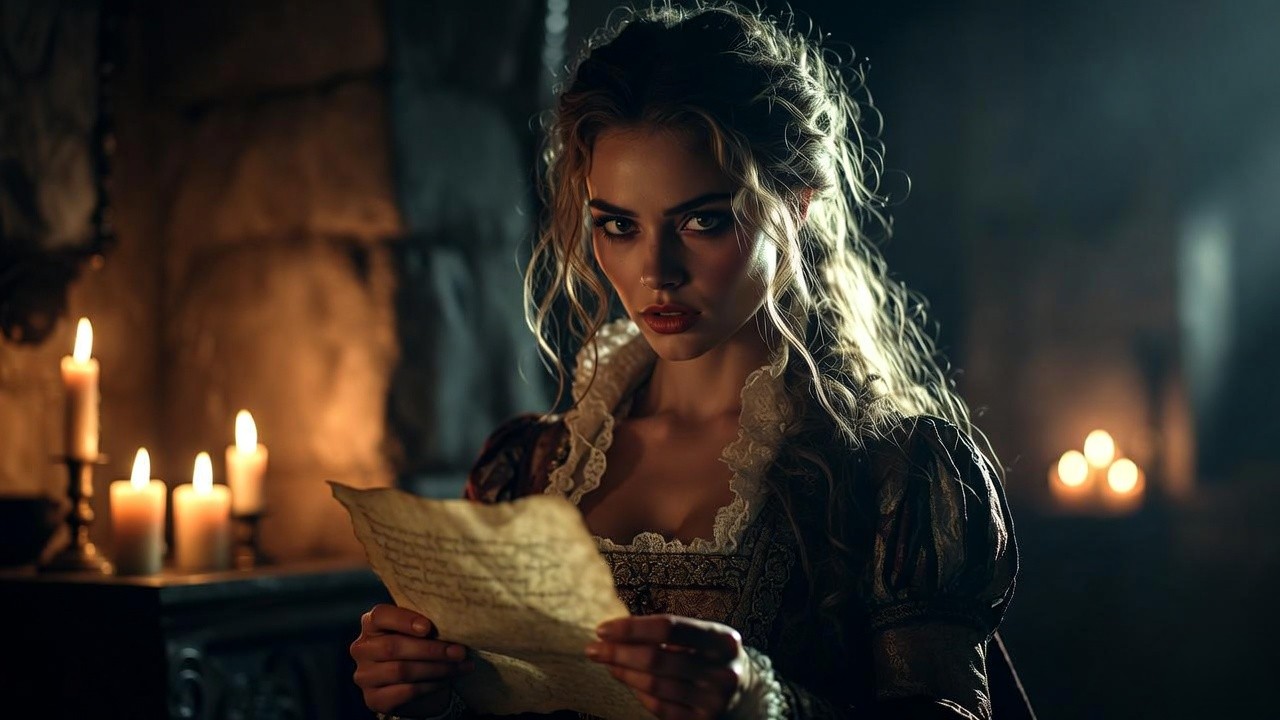
Plot & Letter Lady Macbeth enters reading a letter from her husband in which he recounts the witches’ prophecies and the partial fulfillment of the Thane of Cawdor title. She instantly grasps the implications and speaks her famous soliloquy:
“Yet do I fear thy nature; It is too full o’ th’ milk of human kindness To catch the nearest way.” (1.5.16–18)
She then calls upon evil spirits in one of Shakespeare’s most disturbing invocations:
“Come, you spirits That tend on mortal thoughts, unsex me here, And fill me from the crown to the toe top-full Of direst cruelty…” (1.5.40–43)
A messenger announces Duncan’s imminent arrival. Lady Macbeth prepares to welcome the king with perfect outward courtesy while inwardly plotting his murder.
Gender & Power Dynamics Lady Macbeth’s language subverts traditional early modern gender roles. She rejects “the milk of human kindness” (associated with feminine nurturing) and asks to be “unsexed” — stripped of femininity — so she can embrace ruthless ambition. This moment has fueled centuries of feminist readings, gender studies, and theatrical interpretations of the character.
Character Contrast Where Macbeth wavers between horror and desire, Lady Macbeth shows no hesitation. She becomes the driving force of the tragedy, pushing her husband toward action when his resolve falters.
Act 1, Scene 6 – The Deceptive Welcome
Summary Duncan, Banquo, and their retinue arrive at Macbeth’s castle. The setting is described as pleasant and inviting:
“This castle hath a pleasant seat. The air Nimbly and sweetly recommends itself Unto our gentle senses.” (1.6.1–3)
Lady Macbeth greets Duncan with elaborate courtesy and humility. The scene is short but saturated with dramatic irony: the audience knows the “pleasant seat” is about to become the scene of regicide.
Theme Reinforcement The contrast between fair appearance and foul intent reaches its height. The castle’s beauty and Lady Macbeth’s graciousness perfectly embody the “fair is foul” paradox established in Scene 1.
Act 1, Scene 7 – The Murder Plot Solidifies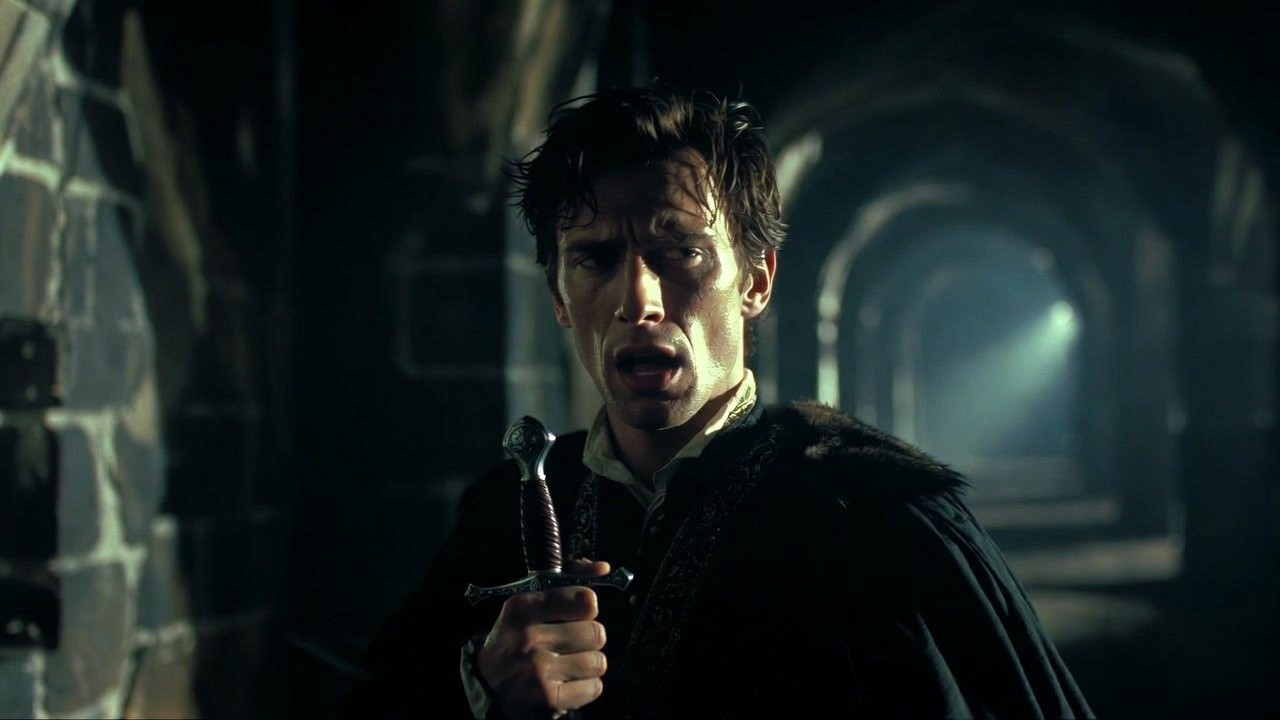
Macbeth’s Famous Soliloquy Alone, Macbeth wrestles with his conscience in one of Shakespeare’s greatest speeches:
“If it were done when ’tis done, then ’twere well It were done quickly…” (1.7.1–2)
He lists every moral, political, and religious reason against the murder: Duncan is a good king, a generous host, and Macbeth’s kinsman and subject. Yet he acknowledges that “vaulting ambition, which o’erleaps itself / And falls on th’ other” (1.7.27–28) is his only real motive.
Lady Macbeth’s Manipulation Lady Macbeth enters and finds her husband wavering. She launches a brilliant, ruthless attack on his manhood:
“When you durst do it, then you were a man; And to be more than what you were, you would Be more the man.” (1.7.49–51)
She outlines the practical plan and even boasts that she would have dashed her own child’s brains out rather than break such a promise. Stung by the accusation of cowardice, Macbeth’s resolve hardens:
“I am settled, and bend up Each corporal agent to this terrible feat.” (1.7.79–80)
Act 1 ends with the decision made — the murder will happen that night.
Major Themes Explored in Act 1
Act 1 of Macbeth is remarkably dense with thematic material — Shakespeare packs almost every major idea of the tragedy into these opening scenes. Understanding them deeply will transform how you read (and write about) the rest of the play.
1. Ambition as a Destructive Force The witches do not create ambition in Macbeth; they merely awaken what already lies dormant. By Scene 3, Macbeth admits his “black and deep desires,” and by Scene 7, he identifies “vaulting ambition” as his sole motive. Shakespeare presents ambition not as simple desire for success, but as a corrosive force that overrides morality, loyalty, and human connection.
2. Appearance versus Reality The play’s central paradox — “Fair is foul, and foul is fair” — is woven throughout Act 1:
- The pleasant castle hides murderous intent
- Lady Macbeth’s gracious welcome conceals deadly plans
- Macbeth’s heroic reputation masks his treacherous thoughts This motif forces the audience to question every character’s surface presentation.
3. The Supernatural and the Question of Fate Are the witches agents of destiny, or do they simply exploit human weakness? Shakespeare leaves this deliberately ambiguous. The prophecies are true, yet they are phrased in ways that encourage misinterpretation — a technique known as equivocation that becomes crucial later in the play.
4. Gender Roles and Power Dynamics Lady Macbeth’s desire to be “unsexed” and filled with “direst cruelty” represents one of the most radical challenges to Jacobean gender norms in Shakespeare’s canon. She temporarily assumes the masculine role of decision-maker and instigator, while Macbeth becomes (temporarily) the more hesitant, “feminine” partner.
5. Corruption of the Natural and Moral Order Duncan’s reign represents harmony and legitimate authority. The witches, storms, and Macbeth’s thoughts introduce chaos and inversion — a violation of the Elizabethan concept of the Great Chain of Being. This disruption will only widen as the tragedy progresses.
Essential Characters Introduced in Act 1
Macbeth Begins as the epitome of the loyal, courageous thane — “Brave Macbeth — well he deserves that name” (1.2.16). By the end of Act 1, he has already contemplated regicide and agreed to commit it. Shakespeare masterfully shows the speed and plausibility of moral collapse.
Lady Macbeth One of literature’s most formidable female characters. She combines intense ambition, strategic intelligence, and terrifying emotional ruthlessness. Her invocation of evil spirits and attack on Macbeth’s manhood reveal a woman willing to sacrifice her humanity for power.
The Three Witches Ambiguous agents of fate or temptation. Their language is riddling and prophetic; their motives unclear. They function both as supernatural beings and as externalizations of the characters’ darkest impulses.
King Duncan The ideal king — generous, trusting, and merciful. His virtues make his murder all the more shocking and underscore the theme of violated hospitality.
Banquo Macbeth’s foil. He hears the same prophecies but reacts with caution and moral restraint, highlighting the different choices available to Macbeth.
Must-Know Quotes from Act 1 (with Analysis)
Here are the most frequently tested and discussed lines — perfect for essays, exams, and textual analysis:
- “Fair is foul, and foul is fair” (1.1.11–12) → Establishes the play’s central paradox and moral confusion.
- “What he hath lost, noble Macbeth hath won” (1.2.69) → Double meaning: Duncan rewards loyalty, but the phrase foreshadows Macbeth’s seizure of power.
- “So foul and fair a day I have not seen” (1.3.38) → Macbeth unconsciously echoes the witches, showing how deeply their influence has already penetrated.
- “Stars, hide your fires; / Let not light see my black and deep desires” (1.4.50–51) → First explicit admission of murderous intent; imagery of darkness vs. light.
- “Come, you spirits / That tend on mortal thoughts, unsex me here” (1.5.40–41) → Lady Macbeth’s rejection of traditional femininity; one of Shakespeare’s most powerful speeches.
- “If it were done when ’tis done, then ’twere well / It were done quickly” (1.7.1–2) → Macbeth’s most philosophically complex soliloquy — weighing consequences against action.
- “I have no spur / To prick the sides of my intent, but only / Vaulting ambition” (1.7.25–27) → The clearest statement of the play’s central tragic flaw.
How to Use This Act 1 Summary for Academic Success
- Essay Writing: Always link back to the “fair is foul” motif or the theme of ambition. Use short, well-chosen quotes rather than long blocks.
- Exam Technique: Memorize 6–8 key quotes with speaker, act/scene, and thematic significance.
- Common Pitfalls to Avoid: Don’t treat the witches as simply “evil.” Shakespeare leaves their nature ambiguous. Don’t oversimplify Lady Macbeth as “heartless” — her later guilt shows complexity.
- Discussion Points: Debate whether Macbeth is fated or chooses his path. Analyze how gender roles are subverted and then punished.
Macbeth Act 1 – Frequently Asked Questions (FAQs)
1. What do the witches really want? Shakespeare never explicitly states their motive. They may be instruments of fate, embodiments of evil, or simply opportunistic manipulators of human weakness. The ambiguity is intentional.
2. Is Macbeth fated to become king, or does he choose evil? Both readings are valid. The prophecies come true, but only because Macbeth acts on them. Banquo hears the same predictions and chooses not to pursue them.
3. Why is Lady Macbeth so much more decisive than Macbeth? She appears to have fewer moral constraints and a stronger will. She also understands her husband’s nature and knows exactly how to manipulate him (questioning his manhood).
4. Why is Act 1 so important to the whole play? It establishes every major theme, introduces the tragic flaw (ambition), and shows the psychological process by which a good man becomes a murderer — all before a single crime is committed.
5. What is equivocation and why does it matter in Act 1? Equivocation means using ambiguous language that is technically true but deliberately misleading. The witches’ prophecies are classic examples — they tell the truth in ways that encourage dangerous interpretation.
Act 1 of Macbeth is a masterpiece of compression and foreshadowing. In just seven scenes, Shakespeare introduces supernatural forces, awakens consuming ambition, subverts gender expectations, and establishes the devastating contrast between appearance and reality. By the final line — “I am settled” — the tragic trajectory is locked in. The rest of the play is the terrible unfolding of consequences.
Whether you’re preparing for GCSEs, A-Levels, IB, college essays, or simply want to appreciate Shakespeare’s genius more deeply, understanding Act 1 thoroughly is essential. It is here that the spark of ambition ignites — and the darkness begins.