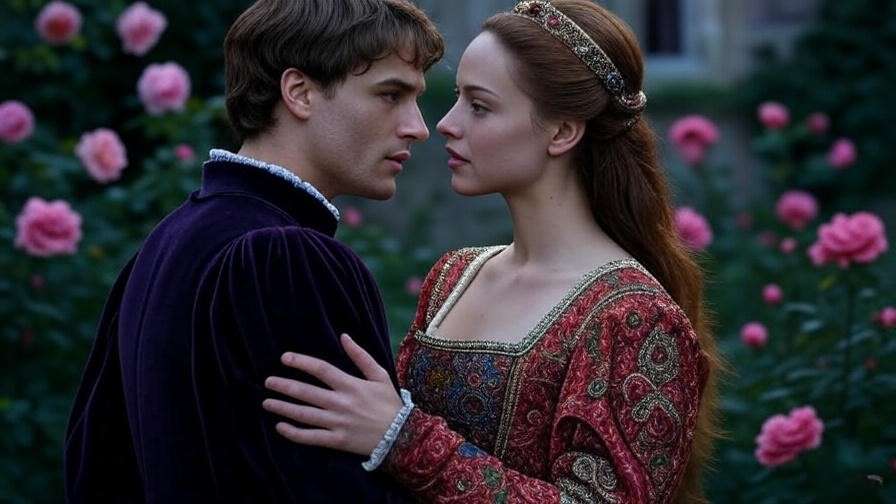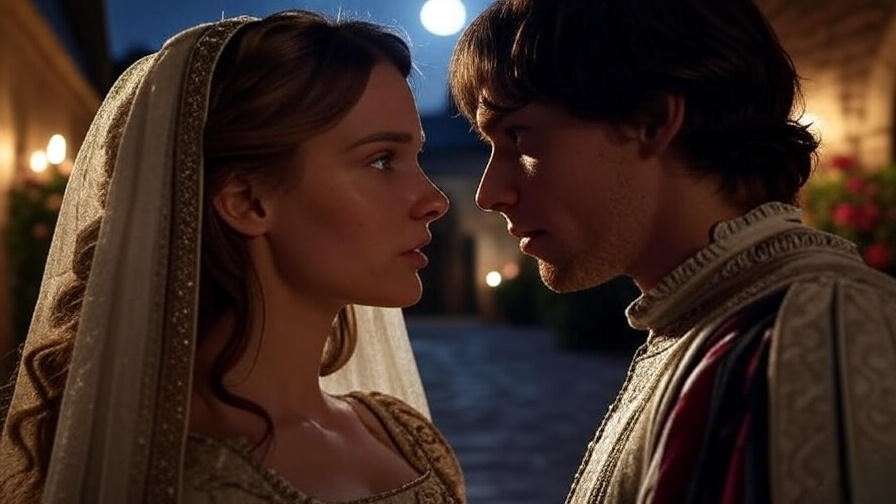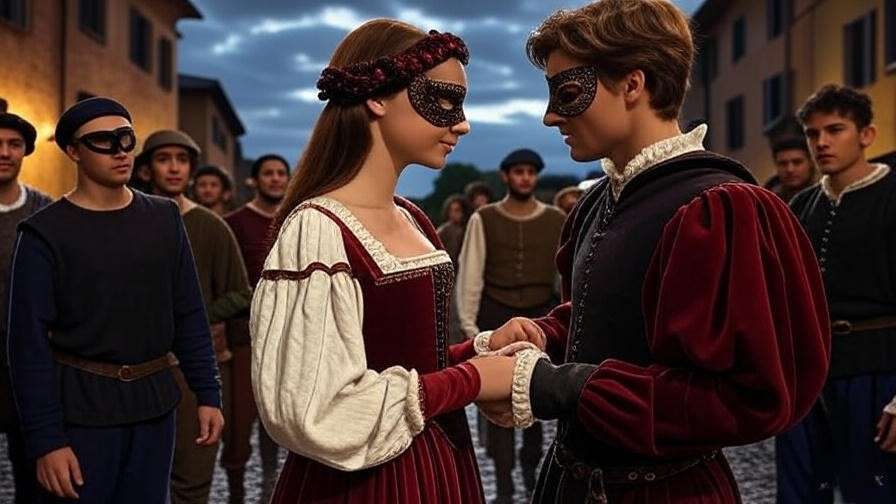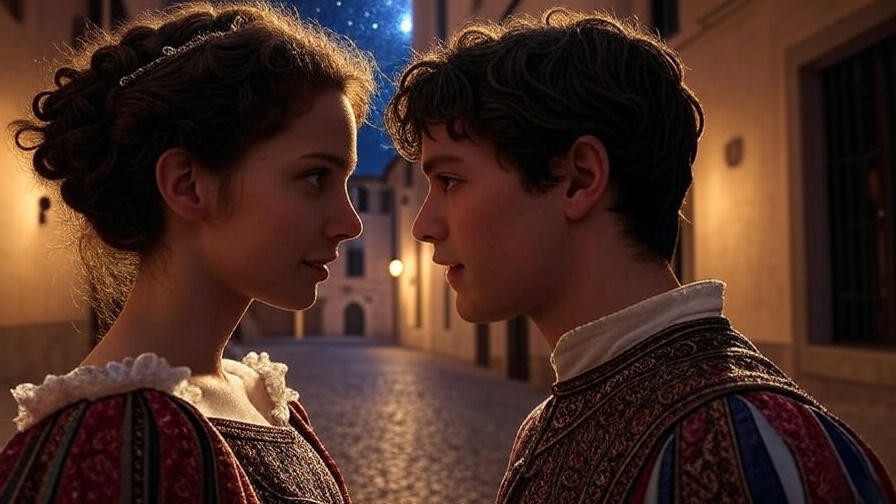
Imagine falling so deeply in love that you marry within hours of meeting, face banishment the very next day, and die together in despair—all within five breathless days. This is not the plot of a modern teen romance thriller. This is William Shakespeare’s Romeo and Juliet, one of the most performed and studied tragedies in the English language.
The timeline of Romeo and Juliet play is famously compressed into approximately five days (Sunday through Thursday), a deliberate artistic choice that transforms youthful passion into an unstoppable force of fate, haste, and tragedy. Unlike the months-long courtship found in Shakespeare’s source material (Arthur Brooke’s 1562 poem The Tragical History of Romeus and Juliet), Shakespeare’s version races toward catastrophe with terrifying speed, making every decision feel both inevitable and heartbreakingly avoidable.
In this in-depth guide, we will map out the complete day-by-day, scene-by-scene timeline of Romeo and Juliet, complete with key events, essential quotes, character turning points, thematic insights, and expert analysis. Whether you’re a high school student preparing for exams, a university literature major writing an essay, a teacher designing lesson plans, an actor rehearsing the roles, or simply a Shakespeare enthusiast seeking deeper understanding, this comprehensive breakdown will help you master the play’s structure and appreciate why its accelerated pacing remains so powerful more than 400 years later.
The Famous 5-Day Structure: Why Time Matters in Romeo and Juliet
Shakespeare’s decision to condense the action into roughly five days is one of the play’s most brilliant dramatic devices. Scholars generally agree on the following calendar:
- Day 1: Sunday – The lovers meet and fall in love
- Day 2: Monday – Secret marriage and deadly street fight
- Day 3: Tuesday – Juliet receives the potion plan
- Day 4: Wednesday – Juliet “dies”
- Day 5: Thursday – The final catastrophe in the Capulet tomb
This tight timeframe creates a sense of unbearable urgency. Characters repeatedly comment on the speed of events:
- Romeo: “O, she doth teach the torches to burn bright!” (Act 1, Scene 5)
- Juliet: “It is too rash, too unadvis’d, too sudden” (Act 2, Scene 2) — yet she proceeds anyway
- Friar Laurence: “These violent delights have violent ends” (Act 2, Scene 6)
The compressed timeline serves multiple purposes:
- It mirrors the impulsive nature of adolescent passion
- It underscores the theme of fate (“star-cross’d lovers”)
- It heightens dramatic irony — the audience knows how quickly things can (and will) go wrong
- It contrasts youthful haste with the caution (and sometimes foolishness) of the older generation
Shakespeare scholar Gary Taylor has noted that this temporal compression is “not merely economical; it is thematically essential. Time itself becomes an antagonist.”
Day-by-Day Timeline: Detailed Scene-by-Scene Breakdown
Day 1: Sunday – The Spark of Love (Acts 1 & 2)
Morning – The Opening Street Brawl The play opens with servants of the feuding houses trading insults that quickly escalate into a violent street fight (Act 1, Scene 1). Prince Escalus intervenes and issues a death penalty for any further public violence: “If ever you disturb our streets again, / Your lives shall pay the forfeit of the peace.”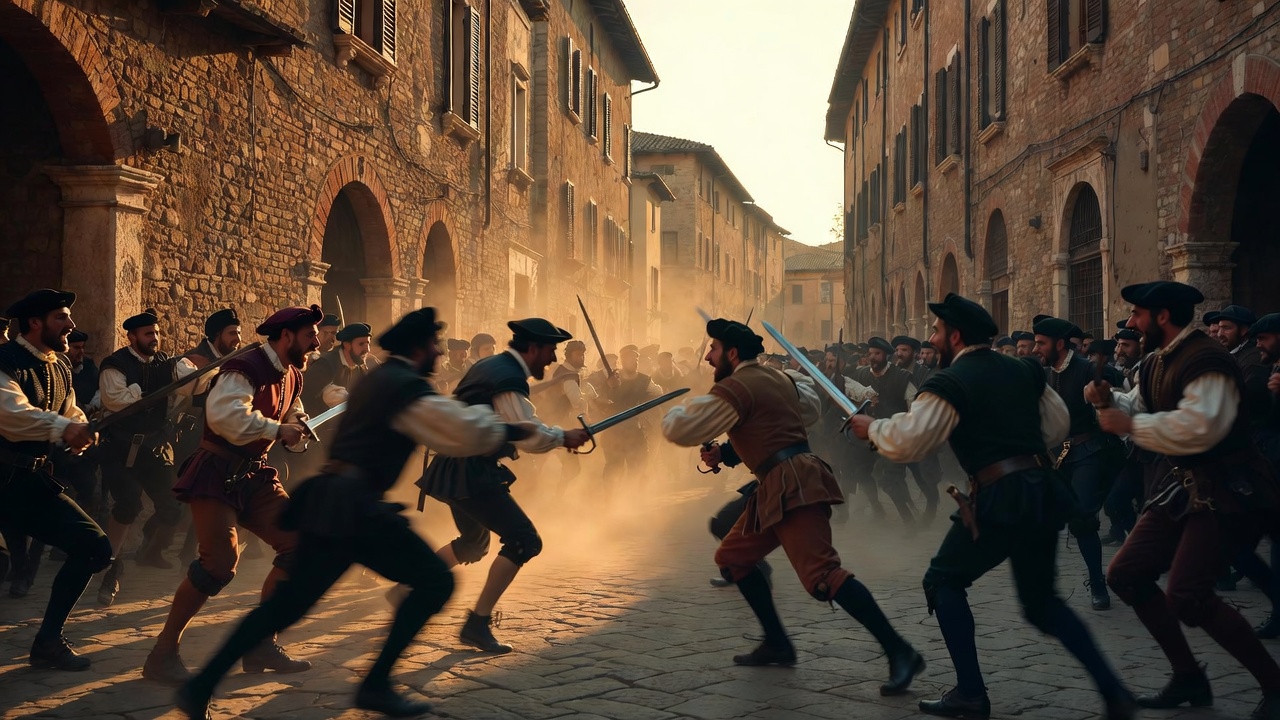
Afternoon – Preparations for the Capulet Feast Count Paris asks Lord Capulet for Juliet’s hand in marriage. Capulet, aware that his daughter is only thirteen (“She hath not seen the change of fourteen years”), suggests waiting two more years but agrees to let Paris woo her at the upcoming masked ball that very night. Meanwhile, Romeo is lovesick over Rosaline, who has sworn to remain chaste.
Evening – The Capulet Feast Romeo, Benvolio, and Mercutio crash the party wearing masks. At the moment Romeo sees Juliet, his entire worldview shifts: “O, she doth teach the torches to burn bright! / … Did my heart love till now? Forswear it, sight! / For I ne’er saw true beauty till this night.” (Act 1, Scene 5)
Their first exchange is a perfect shared sonnet — a literary signal of destined love. After the guests leave, Juliet sends the Nurse to discover Romeo’s identity. When she learns he is a Montague, she famously laments: “My only love sprung from my only hate! / Too early seen unknown, and known too late!”
Late Night – The Balcony Scene The most iconic scene in all of Shakespeare (Act 2, Scene 2). Romeo climbs the orchard wall and overhears Juliet confessing her love aloud. Their dialogue is both poetic and reckless: Juliet: “O Romeo, Romeo! wherefore art thou Romeo?” Romeo: “Call me but love, and I’ll be new baptiz’d; / Henceforth I never will be Romeo.”
They vow to marry the next day, arranging for the Nurse to act as go-between.
Very Late Night Romeo finds Friar Laurence at dawn and begs him to perform the secret marriage.
Key Takeaway for Day 1 In less than 24 hours, Romeo moves from melancholy infatuation with Rosaline to total commitment to Juliet. The speed of this emotional transformation is both romantic and alarming — exactly what Shakespeare intends.
Day 2: Monday – Secret Marriage and Sudden Violence (Acts 2 & 3)
Early Morning / Dawn Friar Laurence is gathering herbs in his cell when Romeo bursts in, full of joy and urgency. The Friar is astonished by the sudden change from Rosaline to Juliet: “Holy Saint Francis, what a change is here! / Is Rosaline, that thou didst love so dear, / So soon forsaken?”
Despite his misgivings about the speed (“Young men’s love then lies / Not truly in their hearts, but in their eyes”), the Friar agrees to marry them in secret, hoping the union will end the feud: “For this alliance may so happy prove / To turn your households’ rancour to pure love.”
Late Morning The Nurse meets Romeo and his friends in the street. After some bawdy teasing from Mercutio, Romeo delivers the plan: Juliet is to meet him at Friar Laurence’s cell that afternoon for the wedding. The Nurse returns to Juliet with the message, delighting her young charge.
Afternoon – The Secret Wedding In Friar Laurence’s cell (Act 2, Scene 6), Romeo and Juliet are married in a brief, solemn ceremony. The Friar again warns them: “These violent delights have violent ends / And in their triumph die, like fire and powder, / Which, as they kiss, consume.”
The couple leaves the cell separately to avoid suspicion.
Late Afternoon – The Turning Point: Mercutio’s Death and Tybalt’s Revenge The mood shifts dramatically. Tybalt, still furious that Romeo crashed the Capulet feast, confronts him in the street. Romeo, now secretly Tybalt’s kinsman through marriage, refuses to fight and tries to make peace.
Mercutio, offended by Romeo’s “cowardice,” draws on Tybalt instead. In the ensuing brawl, Tybalt fatally wounds Mercutio under Romeo’s arm (Act 3, Scene 1).
Mercutio’s dying words are bitter and prophetic: “A plague o’ both your houses! They have made worms’ meat of me.”
Romeo, overcome with guilt and rage, challenges Tybalt and kills him. The Prince arrives, learns of the deaths, and banishes Romeo from Verona on pain of death: “Immediately we do exile him hence.”
Evening – The Lovers’ Last Night Together Juliet waits eagerly for her wedding night, only to learn from the Nurse that Tybalt is dead and Romeo is banished. Her initial grief for Tybalt quickly turns to despair over Romeo’s fate: “Shall I speak ill of him that is my husband? / Ah, poor my lord, what tongue shall smooth thy name…”
Romeo hides in Friar Laurence’s cell, distraught. The Friar counsels him to flee to Mantua and wait for better days.
That night, Romeo secretly returns to the Capulet orchard and climbs to Juliet’s chamber (Act 3, Scene 5). They spend their one and only wedding night together. At dawn, the lark signals morning, and Romeo must flee Verona forever.
Juliet’s poignant line captures the tragedy of their stolen time: “Wilt thou be gone? It is not yet near day. / It was the nightingale, and not the lark…”
Key Takeaway for Day 2 Monday is the emotional and dramatic fulcrum of the play. The secret marriage represents the height of hope; Mercutio’s death and Romeo’s banishment represent the irreversible plunge toward catastrophe. In a single day, love is consummated and then seemingly destroyed.
Day 3: Tuesday – Despair and Desperate Plans (Act 4, Scenes 1–3)
Morning Lord Capulet, believing Juliet is grieving for Tybalt, decides to cheer her up by advancing her marriage to Paris to the following Thursday (only two days away). Juliet is horrified but cannot reveal her secret marriage.
Afternoon Juliet goes to Friar Laurence’s cell, desperate. Paris is there planning the wedding, adding to her anguish. After Paris leaves, Juliet threatens suicide rather than marry him. The Friar proposes a dangerous plan: a sleeping potion that will make Juliet appear dead for 42 hours.
Friar Laurence explains: “Take thou this vial, being then in bed, / And this distilling liquor drink thou off… / No warmth, no breath shall testify thou livest…”
Juliet agrees immediately — a sign of how far her youthful impulsiveness has evolved into courageous determination.
Evening Juliet returns home, pretends to accept her father’s wedding plans, and is praised for her obedience. Alone in her chamber, she delivers one of the play’s most terrifying soliloquies, imagining the horrors of the family vault (Act 4, Scene 3): “How if, when I am laid into the tomb, / I wake before the time that Romeo / Come to redeem me?”
Despite her terror, she drinks the potion.
Key Takeaway for Day 3 Tuesday marks Juliet’s transformation from frightened girl to resolute tragic heroine. The plan is ingenious but fragile — dependent on perfect timing, reliable messengers, and no interference.
Day 4: Wednesday – The Potion and Feigned Death (Act 4, Scenes 4–5)
Throughout the Day Juliet drinks the Friar’s potion late Tuesday night / very early Wednesday morning. The drug takes effect quickly, simulating death so perfectly that even medical examination would not detect life signs: no pulse, no breath, cold skin, fixed eyes.
Morning / Midday The Nurse enters Juliet’s chamber to wake her for the wedding preparations (Act 4, Scene 5). She finds Juliet apparently lifeless on the bed. The famous discovery scene follows:
Nurse: “O lamentable day! Death lies on her like an untimely frost / Upon the sweetest flower of all the field.”
Lord and Lady Capulet rush in, followed by Paris. The grief is immediate and overwhelming. Capulet’s language turns from tyrannical father to broken parent:
“Death is my son-in-law, Death is my heir; / My daughter he hath wedded.”
Afternoon Friar Laurence arrives (as planned) to “console” the family. He urges them to accept God’s will and proceed quickly with the funeral rites so Juliet can be placed in the family vault that very evening — another example of haste accelerating the tragedy.
The household shifts from wedding preparations to funeral arrangements in a matter of hours. Musicians who had been hired for the wedding are sent away in confusion.
Evening / Night Juliet’s body is carried to the Capulet monument (tomb). The stage direction is simple but powerful: “They all but Juliet go forth.”
Key Takeaway for Day 4 Wednesday represents the terrible irony at the heart of the tragedy. Everyone believes Juliet is dead — except the audience and the Friar. The plan that seemed so clever now appears fragile and reckless. Every hour that passes increases the risk that something will go wrong.
Day 5: Thursday – Tragic End and Reconciliation (Act 5)
Early Morning In Mantua, Balthasar (Romeo’s servant) brings news that Juliet is dead and already buried. The letter from Friar Laurence explaining the plan never reached Romeo because Friar John was quarantined due to plague fears (Act 5, Scene 2).
Romeo’s reaction is instantaneous and fatalistic:
“Is it even so? Then I defy you, stars!”
He immediately decides to return to Verona, buy poison from an apothecary, and die beside Juliet.
Afternoon / Evening Romeo arrives at the Capulet tomb. Paris is there, mourning and guarding the entrance. When Romeo tries to enter, Paris challenges him. In the ensuing fight, Romeo kills Paris (another unnecessary death caused by haste and misunderstanding).
Before dying, Paris asks to be laid “by Juliet’s side.” Romeo grants the request, already sensing the mounting body count.
Inside the tomb, Romeo finds Juliet still beautiful in death:
“Death, that hath suck’d the honey of thy breath, / Hath had no power yet upon thy beauty.”
He drinks the poison and dies instantly.
Very Early Dawn Friar Laurence arrives with the intention of rescuing Juliet when she awakens. He is too late.
Juliet wakes to find Romeo dead beside her. In despair, she kisses his poisoned lips, then stabs herself with his dagger:
“O happy dagger! / This is thy sheath; there rust, and let me die.”
Final Scene – Reconciliation The Watch arrives, followed by the Prince, Montagues, and Capulets. The bodies are discovered. Friar Laurence confesses the entire story. Letters and Balthasar’s account corroborate his tale.
In the face of such overwhelming loss, the two families finally reconcile:
Lord Montague: “There shall no figure at such rate be set / As that of true and faithful Juliet.”
Lord Capulet: “As rich shall Romeo’s by his lady’s lie— / Poor sacrifices of our enmity!”
The Prince delivers the final judgment:
“A glooming peace this morning with it brings; / The sun, for sorrow, will not show his head… / For never was a story of more woe / Than this of Juliet and her Romeo.”
Key Takeaway for Day 5 Thursday brings total catastrophe — but also the only positive outcome: the end of the ancient feud. Love triumphs in death, and the children’s sacrifice forces the adults to see the cost of their hatred.
Key Themes Illuminated by the Timeline
The five-day structure throws several major themes into sharp relief:
- Haste and Impulsiveness – Almost every major decision is made too quickly: the marriage, the revenge killing, the potion plan, Romeo’s suicide.
- Fate vs. Free Will – The “star-cross’d lovers” are doomed from the Prologue, yet many deaths result from human choices.
- Love Conquering Hate – The feud ends only because of the lovers’ deaths.
- Youth vs. Age – The young act with passion and speed; the old with caution, delay, or misjudgment.
Character Insights Through the Lens of Time
- Romeo: Begins as a conventional Petrarchan lover, becomes a devoted husband, then a vengeful killer, and finally a tragic suicide — all in five days.
- Juliet: Evolves fastest — from obedient 13-year-old to defiant wife to resolute tragic heroine willing to face death twice.
- Friar Laurence: His well-intentioned meddling and haste ironically contribute to the disaster he hoped to prevent.
- The Nurse: Provides comic relief early, but her pragmatic (and ultimately cowardly) advice to Juliet betrays the girl she claims to love.
Why This 5-Day Timeline Makes Romeo and Juliet Timeless
In our era of instant messaging, rapid dating apps, and accelerated life decisions, the play’s warning about the dangers of haste feels strikingly modern. At the same time, the beauty and intensity of love that burns so brightly in so short a time continue to captivate audiences worldwide.
For students and teachers: Use this timeline to structure essays on dramatic irony, the role of time, or the construction of tragedy. Compare the play’s pacing to modern films and series that compress years of story into hours.
Frequently Asked Questions (FAQs)
How many days does Romeo and Juliet actually take place? Most scholars agree on five days (Sunday through Thursday), though some argue it could be stretched to six depending on interpretation of certain lines.
What day do Romeo and Juliet first meet? They meet on Sunday evening at the Capulet feast.
Why did Shakespeare make the timeline so short? To intensify emotion, increase dramatic tension, and emphasize the themes of youthful impulsiveness and fate.
Is the play exactly five days or four? The most widely accepted reading is five full days, though the action is so compressed that some feel it plays like four intense days.
What is the most common misconception about the timeline? Many assume the play covers weeks or months because of the depth of emotion — but Shakespeare deliberately made it happen in less than a week.
The timeline of Romeo and Juliet play is more than a plot device — it is the heartbeat of the tragedy. In five short days, Shakespeare creates a world where love is both miraculous and murderous, where haste destroys and where only death can heal ancient hatred.
Next time you read or watch Romeo and Juliet, keep this calendar in mind. Notice how every hour counts, how every decision echoes, and how the relentless passage of time turns passion into catastrophe — and finally into legend.
“For never was a story of more woe Than this of Juliet and her Romeo.”
Thank you for reading this detailed guide on williamshakespeareinsights. If you found it helpful, explore more Shakespeare breakdowns, character studies, and theme analyses across our blog.