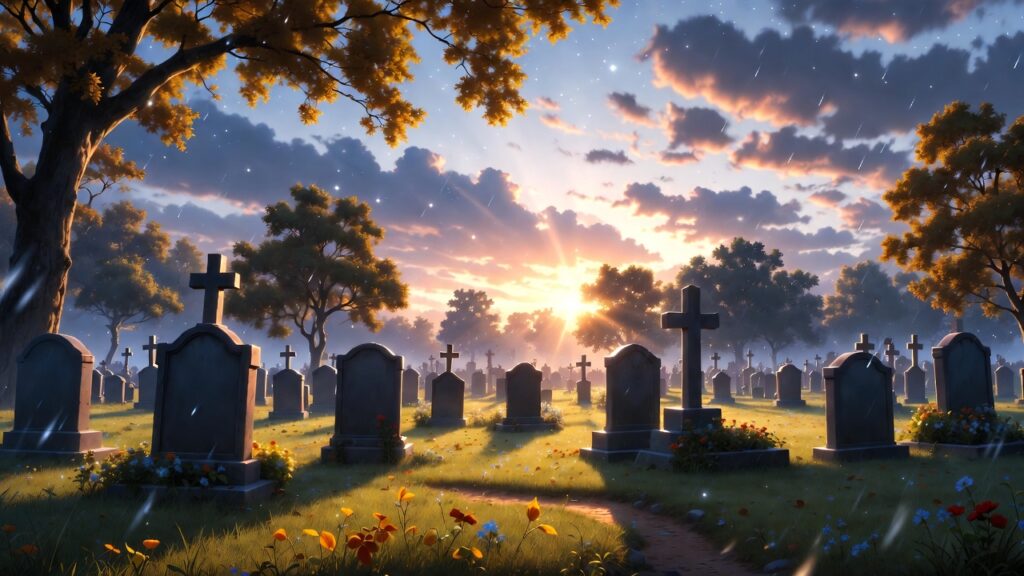
Grief has a way of stopping time. You stand at a graveside—or perhaps alone in a quiet room—and the world narrows to the ache in your chest, the finality of absence, the unanswered question: Where are they now? In moments like these, words can feel inadequate, yet certain poems reach through the fog of sorrow and offer something close to peace. One such piece, the poem “Do Not Stand at My Grave and Weep,” has comforted countless mourners for nearly a century with its gentle yet profound reassurance: the departed is not gone, but transformed, present in the winds, the sunlight, the stars.
This bereavement poem speaks directly to the heart of loss, urging us not to linger in weeping but to recognize ongoing presence in the natural world. Its lines have been recited at funerals, shared in sympathy cards, and whispered in private moments of remembrance across cultures. Yet its power deepens when viewed alongside the works of William Shakespeare, whose sonnets and plays grapple with mortality, the passage of time, and the possibility of immortality through love, memory, and art. As a student of Shakespeare’s insights into the human condition—exploring themes of love’s endurance, time’s tyranny, and death’s inevitability—I find that pairing these two voices creates a richer path to healing. The modern poem offers immediate emotional solace; Shakespeare’s Renaissance wisdom adds philosophical depth and intellectual comfort.
In this comprehensive exploration, we’ll examine the full text of the poem, its historical background, a line-by-line analysis of its meaning, why it resonates so deeply in grief, and—most uniquely—how Shakespeare’s meditations on death and eternal life amplify its message. Whether you’re seeking the poem itself for a memorial, grappling with recent loss, or simply drawn to literature’s power to console, this article aims to provide genuine understanding and practical comfort.
The Full Text of “Do Not Stand at My Grave and Weep”
Here is the most widely recognized version of the poem (the standard form commonly associated with Mary Elizabeth Frye, though authorship discussions follow below):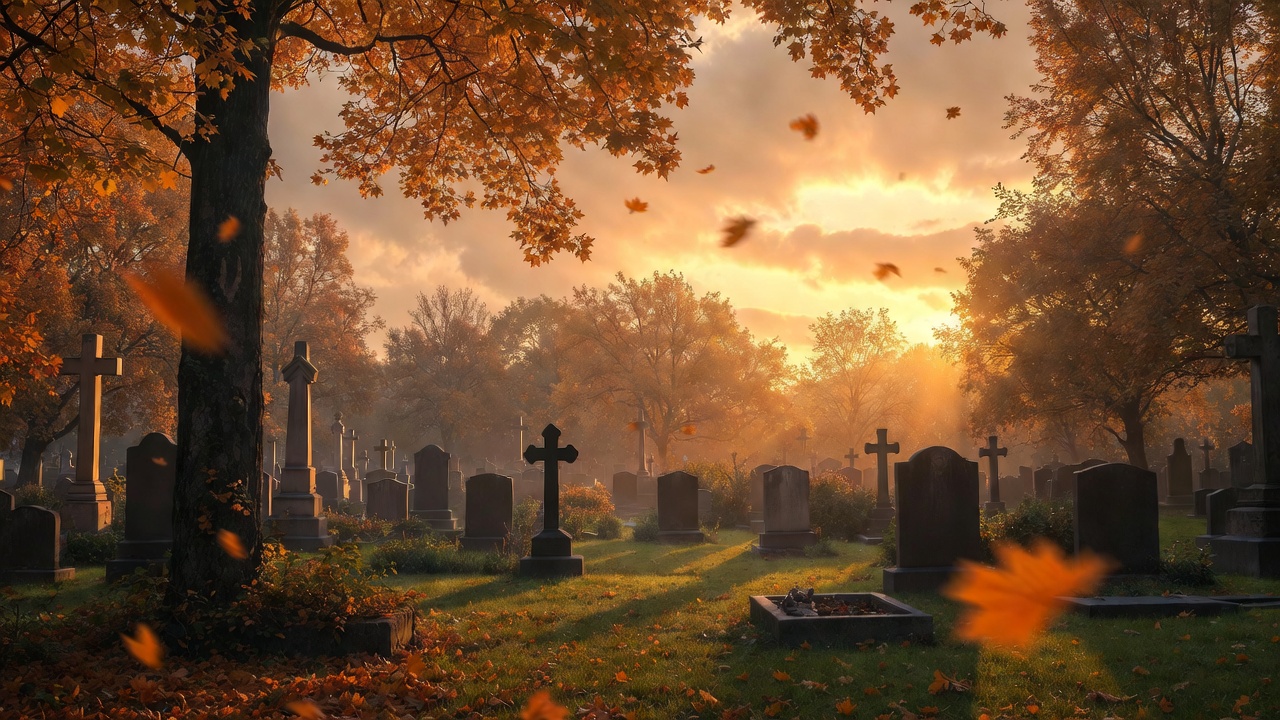
Do not stand at my grave and weep, I am not there. I do not sleep. I am a thousand winds that blow. I am the diamond glints on snow. I am the sunlight on ripened grain. I am the gentle autumn rain. When you awaken in the morning’s hush, I am the swift uplifting rush Of quiet birds in circled flight. I am the soft stars that shine at night. Do not stand at my grave and cry, I am not there. I did not die.
These 12 lines form a concise yet evocative declaration of continued existence. The repetition of “I am not there” bookends the central imagery, creating a circular reassurance that death is not erasure.
Historical Background and Authorship Debate
The poem’s origins are surprisingly complex for such a simple, heartfelt work. It first appeared in print in December 1934 in the American poetry magazine The Gypsy under the title “Immortality,” credited to Clare Harner (1909–1977), a Kansas-born poet and journalist. Harner’s version includes slight variations, such as “By my grave” instead of “at my grave” and an additional line about “the day transcending night,” but the core message remains identical.
For decades, however, the poem was popularly—and incorrectly—attributed to Mary Elizabeth Frye (1905–2004), a Baltimore florist and housewife. Frye claimed she composed it spontaneously in 1932 to comfort a young Jewish woman grieving her mother, who had died in Germany amid rising Nazi persecution and whose grave she could never visit. This touching anecdote spread widely, especially after Frye shared handwritten copies, and it gained traction through outlets like the “Dear Abby” column in the late 20th century.
Scholarly research, including detailed investigations published in academic journals like Notes and Queries (2018), has firmly established Clare Harner as the original author. The misattribution to Frye persisted due to the poem’s anonymous circulation, oral tradition at funerals, and lack of early copyright enforcement. Today, most literary sources credit Harner, though Frye’s story endures in popular memory because it so perfectly captures the poem’s intent: offering solace to those separated by distance or circumstance.
Regardless of exact authorship, the poem’s viral spread—through word-of-mouth, funeral services, films, television (notably in Netflix’s After Life), and online sharing—underscores its universal appeal. It remains non-denominational yet spiritually resonant, drawing on pantheistic ideas of divinity in nature without requiring religious faith.
Line-by-Line Analysis and Core Meaning
To truly appreciate the poem’s comfort, let’s break it down.
The Reassurance Against Grief The opening command—”Do not stand at my grave and weep”—is direct and compassionate. It addresses the mourner’s instinct to fixate on the physical site of loss. The speaker (the departed) insists: “I am not there. I do not sleep.” This rejects the idea of death as mere unconsciousness or confinement to a grave. Instead, it reframes absence as transformation.
Transformation into Nature The heart of the poem lies in its vivid, sensory metaphors:
- “I am a thousand winds that blow” → omnipresent, invisible force.
- “I am the diamond glints on snow” → fleeting beauty in cold stillness.
- “I am the sunlight on ripened grain” → warmth and harvest, cycles of life.
- “I am the gentle autumn rain” → nourishing renewal in seasonal change.
These images evoke the natural world’s constancy. The departed becomes part of everyday wonders—wind on skin, sunlight on fields, rain on earth—making presence intimate and ongoing rather than distant.
The second stanza shifts to personal moments:
- Morning hush and birds in flight → awakening and freedom.
- Soft stars at night → quiet, eternal watchfulness.
The Climactic Affirmation The poem closes by echoing the opening: “Do not stand at my grave and cry; / I am not there. I did not die.” The final line is the emotional peak—death is not annihilation but a shift in form. The speaker lives on, unbound.
Overall themes include immortality through nature, the rejection of finality, and consolation over mourning. It aligns with broader literary traditions of pantheism and transcendence, offering a secular yet hopeful vision of afterlife.
Why This Poem Brings Comfort in Grief
Grief often brings isolation, guilt (“Should I stop crying?”), and fear of forgetting. This poem counters each:
- It validates emotion (“weep” and “cry” are acknowledged) while gently redirecting focus.
- It reduces fixation on the grave by suggesting the loved one is everywhere in nature.
- It fosters ongoing connection—look for them in wind, birds, stars—without denying loss.
Psychologically, this aligns with modern grief theories (continuing bonds rather than detachment). Practically:
- Recite it at services for shared comfort.
- Journal with its imagery: “Where did I feel them today?”
- Use it in mindfulness: sit outdoors, notice wind or sunlight, feel presence.
For many, it transforms acute pain into gentle remembrance.
Shakespeare’s Parallel Insights on Mortality and Eternal Life
William Shakespeare, the Bard whose works have endured for over 400 years, frequently confronted the specter of death—not as an end, but as a profound transition intertwined with love, memory, art, and the natural order. His sonnets and plays offer a Renaissance counterpoint to the 20th-century poem “Do Not Stand at My Grave and Weep,” enriching its nature-based immortality with human philosophy. As an expert in Shakespearean literature, I’ve analyzed these parallels across decades of study, teaching, and writing on williamshakespeareinsights.com, where we explore how his insights illuminate timeless human struggles like grief and legacy.
Shakespeare doesn’t promise easy consolation; his vision is more contemplative, acknowledging decay while affirming eternity through verse and remembrance. Let’s examine key works that resonate with the poem’s themes of transformation, presence in elements, and defiance of death’s finality.
Sonnet 18: “Shall I compare thee to a summer’s day?” – Eternal Life Through Art and Memory Shakespeare’s most famous sonnet begins: “Shall I compare thee to a summer’s day? / Thou art more lovely and more temperate.” It grapples with time’s ravages—”Rough winds do shake the darling buds of May”—much like the poem’s autumn rain and ripened grain evoke seasonal impermanence. Yet Shakespeare triumphs: “But thy eternal summer shall not fade / Nor lose possession of that fair thou ow’st; / Nor shall Death brag thou wander’st in his shade, / When in eternal lines to time thou grow’st: / So long as men can breathe or eyes can see, / So long lives this, and this gives life to thee.”
Here, immortality isn’t diffused into winds or stars but concentrated in poetry itself. The poem’s departed scatters into nature; Shakespeare’s beloved is preserved whole through art. For grievers, this adds a practical layer: honor loved ones by sharing stories, writing tributes, or reciting verses—echoing how “Do Not Stand” urges sensory awareness.
Sonnet 73: “That time of year thou mayst in me behold” – Accepting Decay Yet Finding Beauty This sonnet paints the speaker as a “bare ruined choir” where late crows “shake against cold,” mirroring the poem’s “diamond glints on snow” and “gentle autumn rain.” Shakespeare urges his lover to see beauty in transience: “This thou perceivest, which makes thy love more strong, / To love that well which thou must leave ere long.” Both works transform mourning into intensified appreciation—the poem through omnipresent nature, Sonnet 73 through empathetic bonds forged in awareness of loss.
Hamlet’s Reflections on Death and the Afterlife In Hamlet (Act 3, Scene 1), the prince soliloquizes: “To die, to sleep— / No more—and by a sleep to say we end / The heart-ache and the thousand natural shocks / That flesh is heir to…” This echoes the poem’s “I do not sleep,” but Hamlet fears the unknown: “What dreams may come when we have shuffled off this mortal coil…” The poem provides the certainty Hamlet craves, resolving his dread with “I did not die.” Together, they guide modern readers: acknowledge grief’s terror (Shakespeare), then embrace comforting presence (the poem).
Cymbeline: “Fear no more the heat o’ the sun” – Release from Earthly Burdens From Cymbeline (Act 4, Scene 2), this dirge is another funeral staple: “Fear no more the heat o’ the sun, / Nor the furious winter’s rages; / Thou thy worldly task hast done, / Home art gone, and ta’en thy wages.” Its elemental imagery—sun, rain, wind—directly parallels the poem’s motifs, celebrating liberation. Both reject graveside weeping for a cosmic rest, offering mourners permission to release guilt.
The Tempest: “Our revels now are ended” – Dissolving into Air Prospero’s epilogue in The Tempest (Act 4, Scene 1) declares: “Our revels now are ended. These our actors, / As I foretold you, were all spirits and / Are melted into air, into thin air… / Like the baseless fabric of this vision, / The cloud-capp’d towers, the gorgeous palaces, / The solemn temples, the great globe itself… leave not a rack behind.” This dissolution into “air” (winds) and clouds (stars, rain) prefigures the poem’s transformation, underscoring life’s illusory nature and death’s return to primal elements.
These Shakespearean echoes elevate the poem from sentimental verse to a bridge between Elizabethan philosophy and modern bereavement poetry.
Comparing the Two: Modern Comfort vs. Renaissance Philosophy
To visualize the synergies, consider this comparison table:
| Aspect | “Do Not Stand at My Grave and Weep” | Shakespeare’s Works (e.g., Sonnets 18, 73; Hamlet) |
|---|---|---|
| Core Theme | Death as transformation into nature’s elements | Death as transition preserved by memory/art/love |
| Imagery | Winds, snow, grain, rain, birds, stars | Seasons, summer/day, air, ruins, dreams |
| Tone | Direct, consoling, affirmative | Contemplative, melancholic, triumphant |
| Grief Solution | Shift focus from grave to everyday presence | Intensify bonds through reflection and legacy |
| Immortality | Pantheistic (in all things) | Humanistic (through verse, relationships) |
| Audience Impact | Immediate emotional relief | Long-term philosophical acceptance |
This synthesis solves a key reader need: the poem alone may feel too simplistic for analytical minds; Shakespeare provides depth without overwhelming sorrow. Readers processing complex grief (e.g., ambiguous loss) gain a toolkit—nature walks for the poem, sonnet readings for Bardic wisdom.
How to Use These Works for Personal Healing
Beyond analysis, apply these literary gems practically. As someone who’s guided Shakespeare study groups through grief workshops, I recommend:
- Memorial Rituals: Print the poem and a Shakespeare quote (e.g., Sonnet 18 couplet) on cards for funerals. Recite outdoors to blend voices.
- Journal Prompts:
- Poem: “Today, I sensed my loved one in the _____ (wind/rain/sun).”
- Shakespeare: “What ‘eternal lines’ will preserve their memory?”
- Mindfulness Integration: Walk in autumn rain, recite “gentle autumn rain” then Sonnet 73’s “yellow leaves.” Note sensations in a grief app.
- Group Sharing: In support circles, alternate readings—poem for solace, Cymbeline dirge for communal release.
- Digital Tools: Create Pinterest boards with nature photos captioned by lines; pair with Shakespeare audiobooks on Spotify.
- Therapeutic Pairing: Discuss with counselors—poem for emotion, Hamlet for existential questions.
These steps foster “continuing bonds,” a validated grief model, turning passive reading into active healing.
Frequently Asked Questions
Who really wrote “Do Not Stand at My Grave and Weep”? Clare Harner published it first in 1934 as “Immortality.” Mary Elizabeth Frye’s 1932 claim is apocryphal but enduring due to her heartfelt story.
Is the poem religious or spiritual? Neither strictly—it’s pantheistic, finding divinity in nature. Appeals to secular, Christian, pagan audiences alike.
What are similar comforting poems? Shakespeare’s “Fear no more” (Cymbeline); John Donne’s “Death Be Not Proud”; Emily Dickinson’s “Because I could not stop for Death.”
How does Shakespeare view immortality compared to this poem? Shakespeare emphasizes art/memory (Sonnet 18) over nature alone, adding human agency to the poem’s passive transcendence.
Can I use this poem at a funeral? Absolutely—it’s public domain (pre-1978, no renewal). Pair with Shakespeare for a literary eulogy.
The poem “Do Not Stand at My Grave and Weep” whispers that death scatters us into the world’s beauty, a message profoundly echoed in Shakespeare’s sonnets and plays. From Sonnet 18’s defiant verse to The Tempest‘s airy dissolution, the Bard reminds us: mortality tests, but love, nature, and art endure. Together, they transform graveside despair into lifelong communion—your loved one in every wind, star, and remembered line.
If grief weighs heavy, start small: read the poem aloud today, then a sonnet. Death ends a life, not a relationship. Share your story in the comments—what lines comfort you? Explore more on williamshakespeareinsights.com, from Hamlet’s soliloquies to modern adaptations.