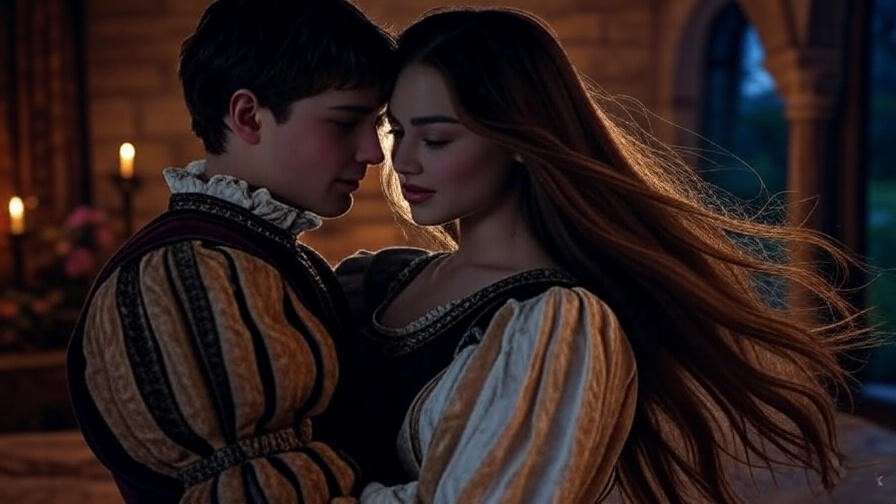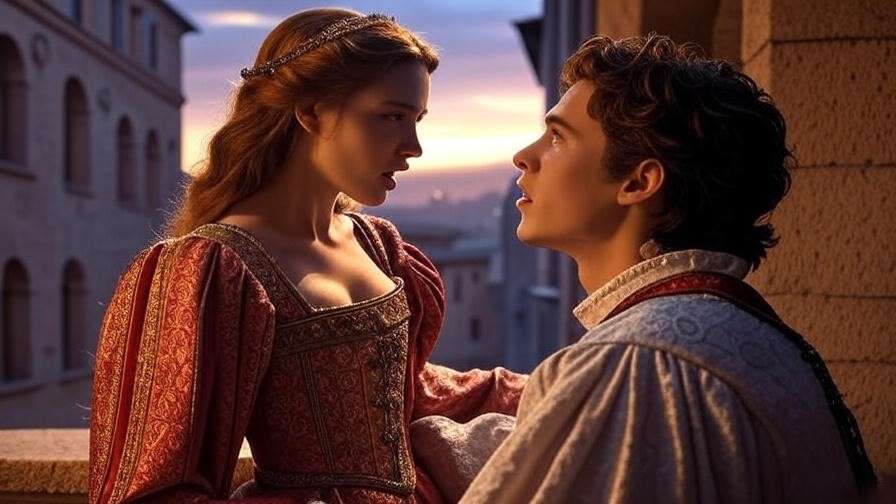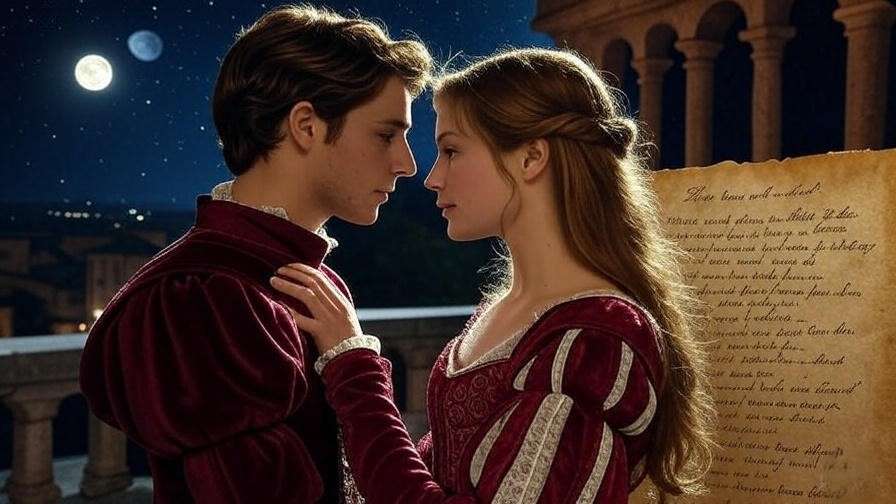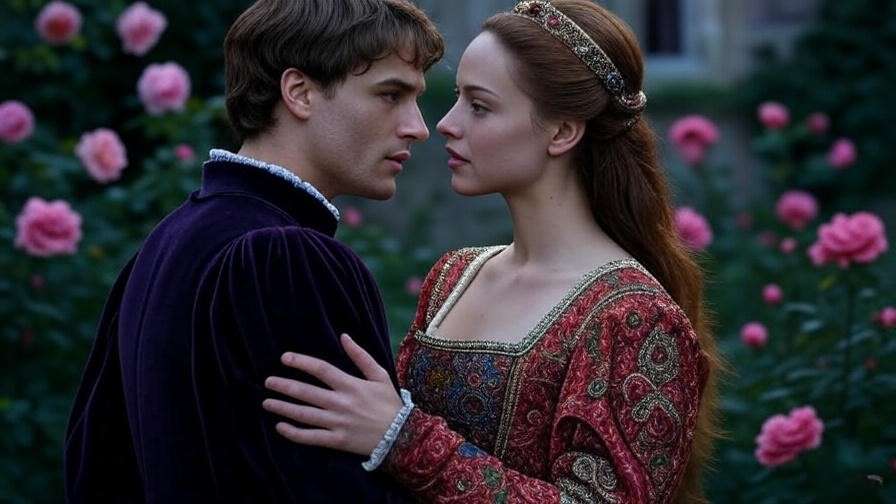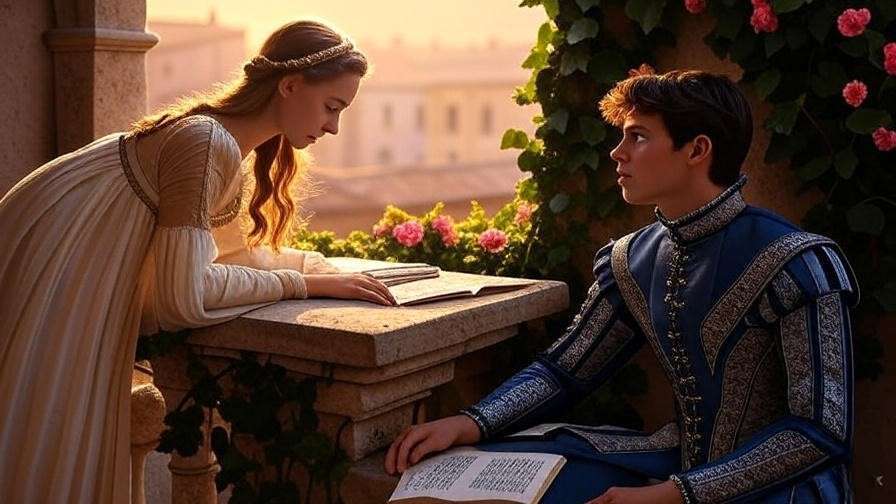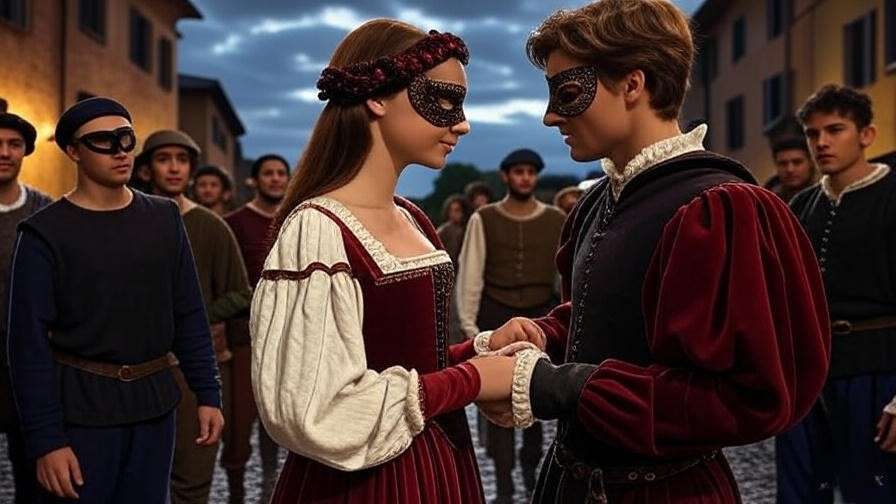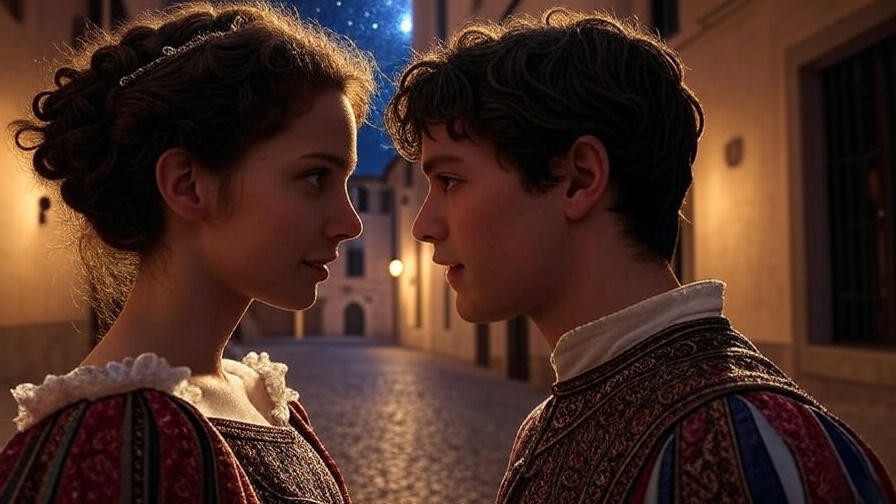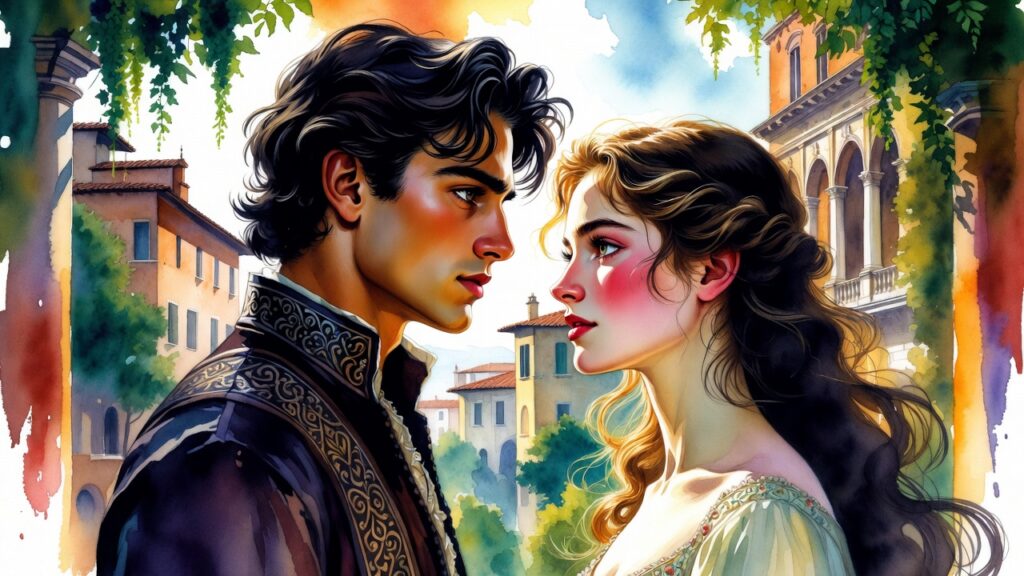
Imagine the electric moment when Romeo first spots Juliet across a crowded room—their eyes lock, time slows, and the world fades away. Now picture that iconic scene rendered not just in words, but in sweeping watercolor panels bursting with color, emotion, and modern diversity. The rush of forbidden love, the sting of family feuds, the heartbreak of fate—all captured visually in a way that makes Shakespeare’s language feel immediate and alive.
For generations, William Shakespeare’s Romeo and Juliet has been a cornerstone of literature, yet its Elizabethan English, dense metaphors, and rapid pacing often leave students, reluctant readers, and even lifelong fans feeling overwhelmed or disconnected. Enter the Romeo and Juliet graphic novel—a powerful medium that combines faithful storytelling with stunning illustrations to bridge that gap. These adaptations don’t replace the original text; they illuminate it, making the tragedy more accessible, emotionally resonant, and relevant to today’s audiences.
In this comprehensive guide, we’ll explore the best Romeo and Juliet graphic novel adaptations available, drawing on literary analysis, visual storytelling principles, and educational insights. Whether you’re a high school teacher searching for engaging classroom resources, a parent helping a teen discover Shakespeare, a visual learner craving deeper understanding, or simply someone who loves the Bard’s timeless tale of young love and tragedy, this article will help you choose the perfect version. We’ll compare top editions based on fidelity to the source material, artistic excellence, emotional depth, and practical value—going beyond surface-level lists to offer expert breakdowns, scene-specific examples, and teaching tips.
As someone deeply immersed in Shakespeare studies and adaptation theory (with years analyzing how visual media reinterpret classic texts), I can confidently say these graphic novels don’t “dumb down” the play—they elevate it for new generations. Let’s dive in.
Why Choose a Romeo and Juliet Graphic Novel?
Graphic novels transform Shakespeare’s most performed tragedy from a challenging read into an immersive experience. The original play, written around 1595–1596, relies heavily on poetic dialogue, wordplay, and stage directions that can feel abstract on the page. Visual adaptations solve several common pain points:
- Clarity for complex scenes: The balcony scene (Act 2, Scene 2) gains intimacy through close-up panels showing longing glances and subtle body language. Fight sequences—like the deadly clash between Tybalt and Mercutio—become dynamic and easy to follow, with choreography that highlights tension and inevitability.
- Support for diverse learners: Reluctant readers, ESL students, visual thinkers, and those with reading challenges often struggle with dense prose. Illustrations provide context clues, reduce cognitive load, and boost comprehension without sacrificing Shakespeare’s poetry.
- Increased engagement: Studies on multimodal literacy show that combining text and images improves retention and motivation. In classrooms, graphic novels turn passive reading into active visual analysis, sparking discussions on themes like fate versus free will, generational conflict, and toxic masculinity.
- Modern relevance: Many adaptations update settings or diversify casts (e.g., multi-ethnic Montagues and Capulets), underscoring how the play’s core issues—prejudice, impulsive youth, societal pressure—remain urgent today.
Beyond education, these versions offer pure enjoyment: the passion of first love, the chaos of street violence, and the devastating final tomb scene hit harder when you see the tears, the blood, and the despair.
Key Criteria for Evaluating Romeo and Juliet Graphic Novels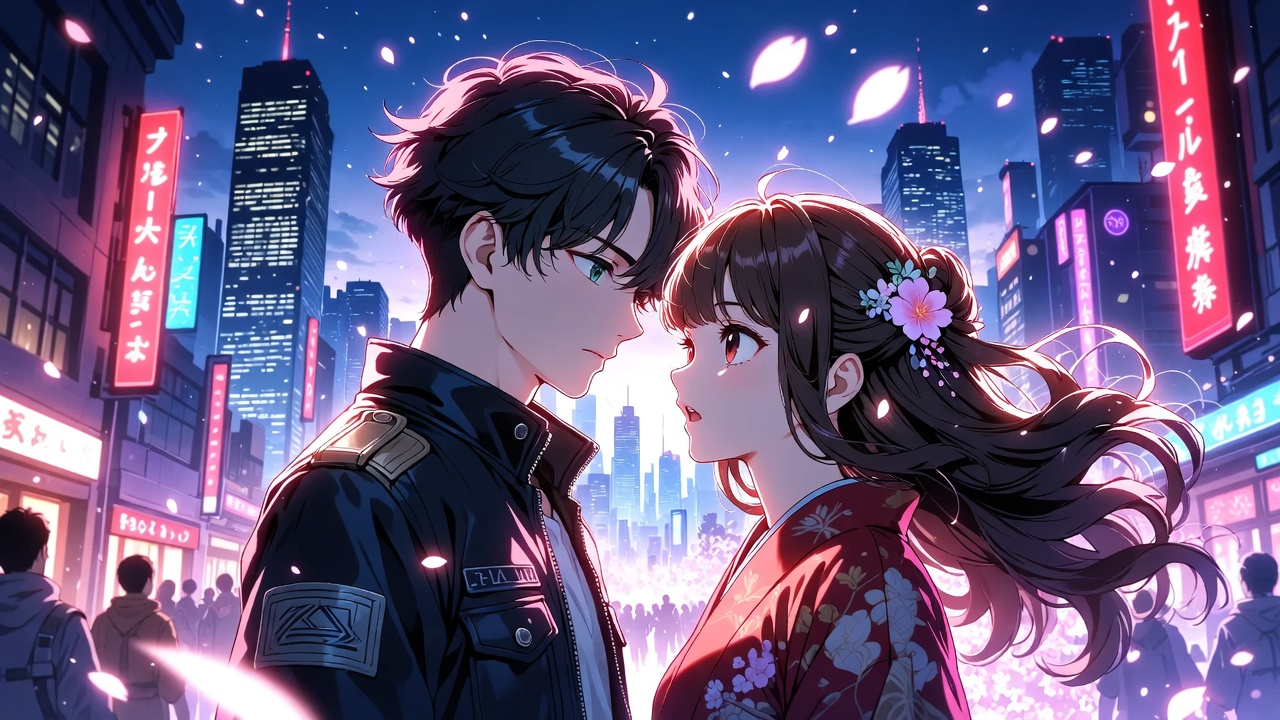
To identify the strongest adaptations, I evaluate based on these expert-informed standards:
- Text fidelity: Does it preserve Shakespeare’s language, or modernize/paraphrase it? Purists prefer original text; beginners benefit from accessible versions.
- Artistic style and visual storytelling: How effectively do illustrations convey emotion, pacing, and symbolism? Panel composition, color palettes, and character design matter immensely.
- Characterization and emotional depth: Do Romeo, Juliet, Mercutio, and others feel alive and nuanced?
- Educational value: Extras like annotations, side-by-side translations, or discussion prompts add layers.
- Inclusivity and innovation: Modern touches (diverse representation, fresh settings) enhance relevance without betraying the spirit.
With these in mind, here are the standout Romeo and Juliet graphic novel adaptations.
The Best Romeo and Juliet Graphic Novel Adaptations Ranked & Reviewed
1. Gareth Hinds’ Romeo and Juliet (Candlewick Press, 2013) – Top Overall Pick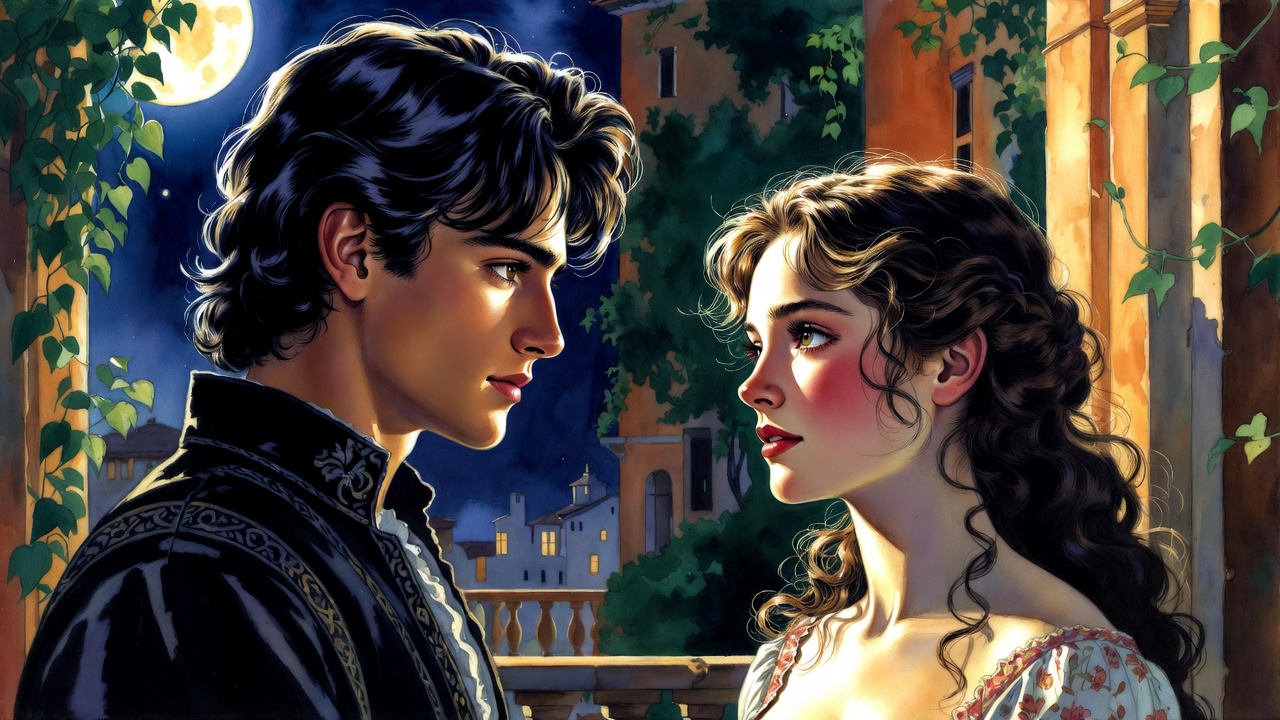
Gareth Hinds delivers what many critics and educators consider the gold standard. This adaptation uses Shakespeare’s original text (with minor trims for pacing) set in a sun-drenched, multicultural Verona that feels both timeless and contemporary.
The watercolor art is breathtaking—rich earth tones for passionate moments, cooler blues for tragedy. Hinds excels at visual metaphor: warm golden light bathes the lovers’ first meeting, while stark shadows dominate the tomb. The diverse cast (Romeo and Juliet portrayed with South Asian and Black heritage influences) subtly reinforces the play’s themes of division and unity.
Strengths include masterful panel sequencing—the balcony scene unfolds in intimate, cinematic close-ups that capture whispered longing. Fight scenes pulse with energy, Mercutio’s Queen Mab speech explodes in dreamlike surrealism. Emotional depth shines: Juliet’s dawning horror upon discovering Romeo “dead” is heartbreakingly rendered.
Best for advanced students, literature lovers, and teachers wanting deep textual analysis alongside visuals. It’s riveting as any stage production, earning praise from Kirkus Reviews as “thrilling and riveting.”
Minor drawback: No annotations, so newcomers may need the original play nearby.
2. No Fear Shakespeare Graphic Novels: Romeo and Juliet (SparkNotes)
This edition stands out for accessibility. It features side-by-side pages: Shakespeare’s original text on one side, modern paraphrase on the other, with dynamic, full-color illustrations throughout.
The art is expressive and modern—characters have exaggerated features for emphasis, making emotions pop. It’s ideal for first-timers: the translation clarifies archaic phrases (“Wherefore art thou Romeo?” becomes “Why are you Romeo?”) while visuals reinforce meaning.
Best for high school students prepping for exams, reluctant readers, or classrooms needing scaffolding. The dual-text approach builds confidence—readers start with paraphrase, then tackle the original.
Expert note: This format mirrors how actors rehearse—understanding modern sense before mastering verse—making it pedagogically sound.
3. Manga Shakespeare: Romeo and Juliet (by Richard Appignanesi & Sonia Leong, SelfMadeHero)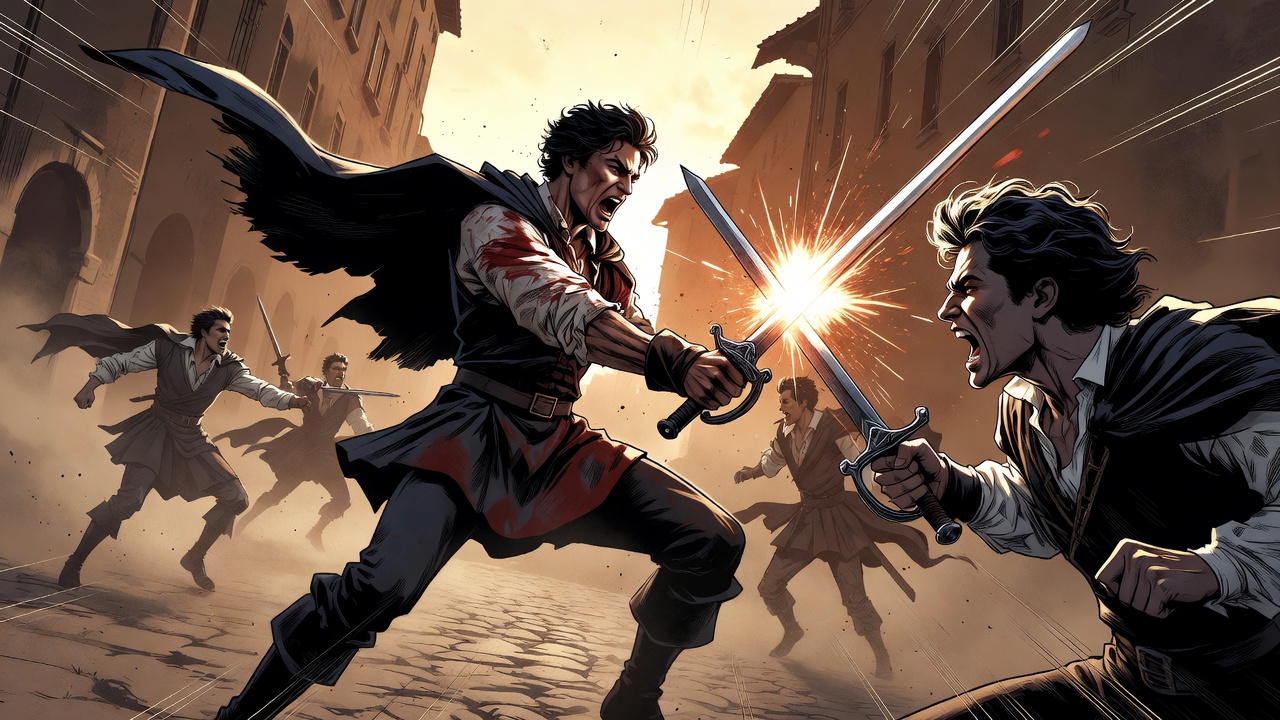
Relocated to futuristic Tokyo, rival Yakuza families replace feuding houses. Sonia Leong’s manga-style art is vibrant and kinetic—fluid lines, dramatic speed effects in fights, expressive eyes conveying inner turmoil.
The adaptation condenses but retains key dialogue. Themes of honor, revenge, and doomed romance translate powerfully to anime aesthetics.
Best for manga/anime fans, teens resistant to “old” literature, or readers wanting a fresh cultural lens. It highlights generational clashes in a new context.
Insight: Adaptation theory shows such relocations can deepen understanding—seeing the feud as gang warfare makes prejudice feel immediate.
4. Classical Comics / Shakespeare Classics Graphic Novels Versions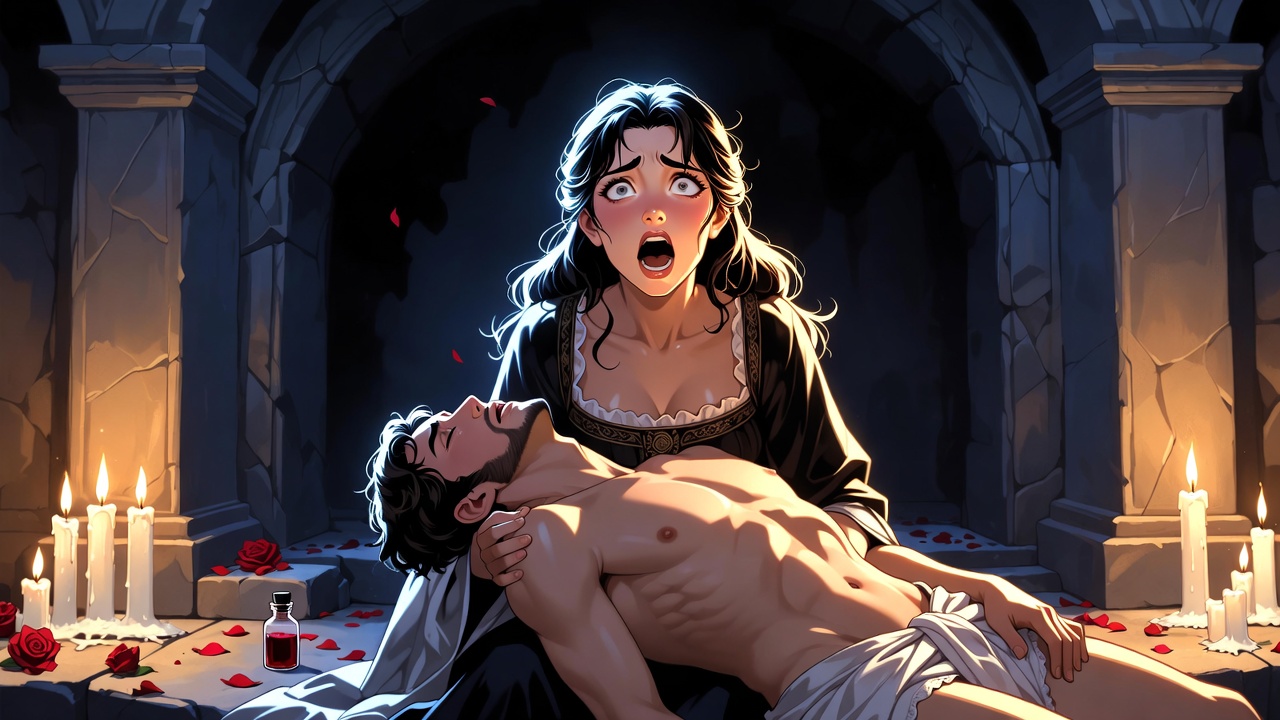
Available in original text, modern text, or quick text editions, these full-color adaptations depict every scene faithfully. Art is realistic and detailed—Verona feels authentic, characters classically rendered.
Strengths: Scene-for-scene loyalty, excellent for close study or performance prep. The original text version pairs well with annotations in teacher editions.
Best for purists and in-depth classroom use.
Honorable Mentions & Niche Picks
- Prince of Cats by Ronald Wimberly: Tybalt-centric retelling with hip-hop influences.
- Upcoming projects like Kev Sutherland’s Kickstarter version (fan-involved art).
- Kill Shakespeare spin-offs for adventurous readers.
Quick comparison:
- Fidelity: Hinds & Classical Comics highest; No Fear balanced; Manga interpretive.
- Art style: Hinds watercolor mastery; Manga dynamic; No Fear illustrative.
- Target: Beginners—No Fear; Depth—Hinds; Fun twist—Manga.
How to Use Romeo and Juliet Graphic Novels in Education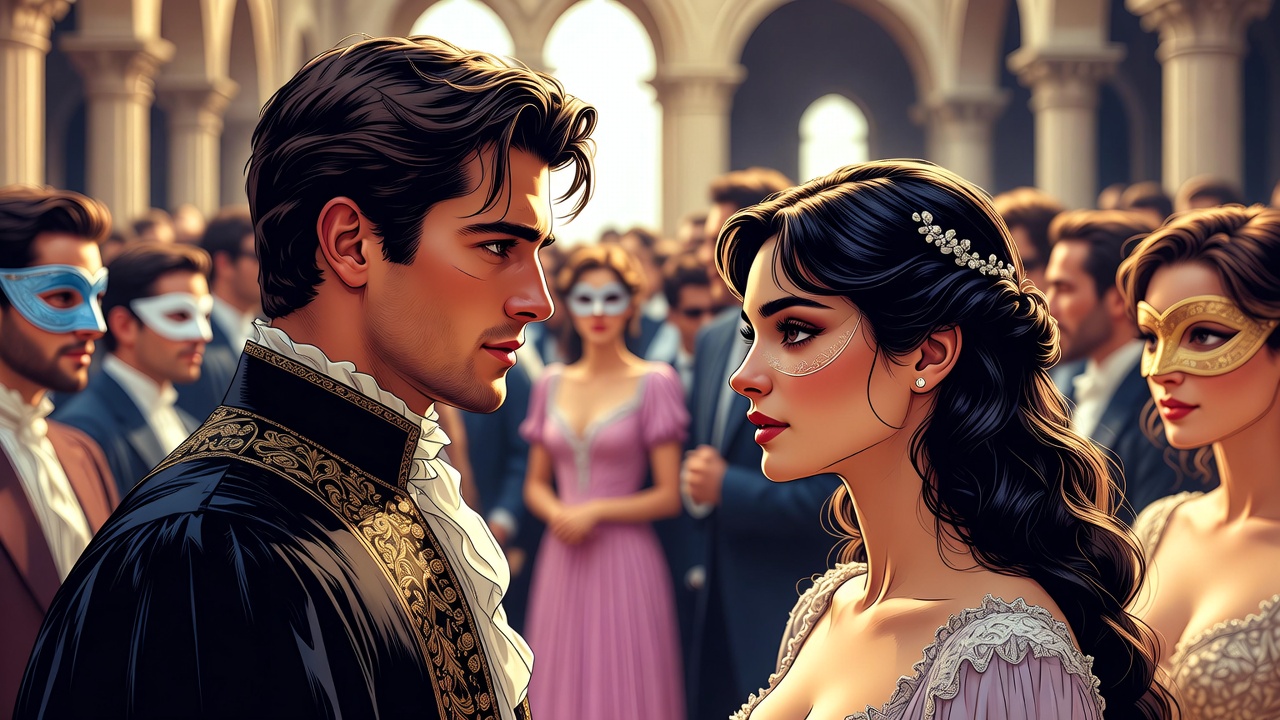
Graphic novels have proven transformative in English classrooms worldwide, especially for teaching Shakespeare. Research from organizations like the National Council of Teachers of English (NCTE) and studies published in journals such as The English Journal consistently show that multimodal texts—those combining words and images—improve reading comprehension, increase student motivation, and foster deeper literary analysis.
Here are practical, classroom-tested strategies to maximize the value of a Romeo and Juliet graphic novel:
- Scaffolded Reading (Differentiated Instruction) Pair the graphic novel with the original text.
- Beginners start with No Fear Shakespeare’s side-by-side version to build vocabulary and confidence.
- Intermediate students read Gareth Hinds’ edition alongside the Folger Shakespeare Library text, pausing to compare how visuals interpret key lines (e.g., Juliet’s “Gallop apace, you fiery-footed steeds” soliloquy gains urgency through speeding panel transitions and fiery color washes).
- Advanced students analyze artistic choices: How does Hinds’ use of shadow in the tomb scene symbolize the triumph of fate over free will?
- Visual Analysis Activities Turn panels into close-reading exercises:
- Assign students to select a single page (e.g., the balcony scene) and annotate how composition, color, facial expression, and camera angles enhance Shakespeare’s language.
- Compare adaptations: Show the same moment (Mercutio’s death) in Hinds, Manga Shakespeare, and Classical Comics versions. Discuss which best captures the mix of comedy and tragedy in the character.
- Thematic Deep Dives with Visual Support Themes become more tangible when seen:
- Fate vs. Free Will: Track recurring visual motifs (stars, omens, clocks) across panels.
- Toxic Masculinity & Honor Culture: Analyze fight choreography and body language in duels.
- Generational Conflict: Highlight contrasting character designs between youth and elders. These discussions often reveal insights students miss in text-only readings.
- Cross-Media Comparisons Extend learning by comparing the graphic novel to film adaptations:
- Baz Luhrmann’s 1996 Romeo + Juliet (modern Verona Beach) vs. Hinds’ multicultural setting.
- Zeffirelli’s 1968 classic vs. the more stylized Manga version. Students can create their own storyboard panels for a scene, applying what they’ve learned about visual storytelling.
- For Reluctant Readers & Homeschoolers Parents and homeschool educators report success starting with the No Fear edition to hook students, then transitioning to Hinds for richer literary experience. Reading aloud together while following panels builds fluency and enjoyment.
- Assessment Ideas
- Graphic novel response journals: Students illustrate and caption a key moment in their own style.
- Compare/contrast essays: “How does the visual medium change your understanding of Juliet’s agency?”
- Performance projects: Students storyboard and act out a scene using the graphic novel as reference.
By integrating these tools, teachers transform Romeo and Juliet from a required text into a living, breathing story that students remember long after the test.
Common Challenges & How Graphic Novels Overcome Them
Critics sometimes worry that graphic novels “dumb down” Shakespeare or sacrifice poetic beauty for pictures. Here’s a balanced look at the concerns—and why the best adaptations actually strengthen appreciation of the original:
- Concern: Loss of Shakespeare’s language Reality: Top versions (Hinds, Classical Comics original-text edition) retain most of the verse. Even paraphrased editions like No Fear keep the original on the facing page, encouraging gradual mastery.
- Concern: Oversimplification of complex themes Reality: Visuals often amplify nuance. Subtle facial expressions convey Juliet’s internal conflict during the potion scene more powerfully than text alone for many readers. Symbolism (e.g., recurring dagger imagery) becomes unmistakable.
- Concern: Spoiling the surprise or reducing imagination Reality: Strong adaptations leave room for interpretation. Readers still imagine voices, pacing, and subtext. Many students report that seeing the story first makes them more eager to experience live performances or read the full play.
- Concern: Not suitable for advanced literary study Reality: Educators use these versions precisely for layered analysis—treating the artwork as another “text” to interpret alongside Shakespeare’s words.
In short, the finest Romeo and Juliet graphic novels serve as gateways, not replacements, helping readers build the skills and confidence to return to the unadorned text with fresh eyes.
Where to Buy & Free Resources
- Purchase Options
- Gareth Hinds’ Romeo and Juliet: Widely available on Amazon, Barnes & Noble, Bookshop.org, and Candlewick Press (often in hardcover for classroom durability).
- No Fear Shakespeare Graphic Novel: SparkNotes website, Amazon, major bookstores—frequently discounted in bundles.
- Manga Shakespeare and Classical Comics: SelfMadeHero and Classical Comics sites, or major online retailers. Check local libraries—many carry multiple editions thanks to growing demand for graphic Shakespeare.
- Free & Low-Cost Resources
- SparkNotes offers free online previews and study guides that pair well with their graphic novel.
- Project Gutenberg provides the full public-domain text of Romeo and Juliet—perfect for side-by-side comparison.
- Educational platforms like CommonLit, ReadWorks, and Newsela sometimes feature excerpts or teacher guides for graphic adaptations.
- YouTube channels (e.g., The Shakespearean Student, BBC Teach) offer short videos analyzing illustrated scenes.
Always support creators when possible—purchasing these beautiful editions ensures more high-quality Shakespeare adaptations in the future.
The Romeo and Juliet graphic novel format represents one of the most exciting developments in Shakespeare adaptation over the past two decades. By marrying the Bard’s incomparable language with powerful visual storytelling, these editions make the tragedy of the star-crossed lovers accessible, emotionally immediate, and profoundly relevant to modern readers.
If you’re just beginning, I recommend starting with the No Fear Shakespeare edition for its unparalleled scaffolding. For deeper literary and artistic appreciation, Gareth Hinds’ version stands unmatched in beauty, emotional range, and fidelity. Manga Shakespeare offers a thrilling cultural remix for fans of graphic storytelling in other traditions.
Whichever you choose, these adaptations don’t diminish Shakespeare—they magnify his genius, proving once again why his stories endure after more than 400 years.
Which version resonates most with you? Have you used a Romeo and Juliet graphic novel in teaching, learning, or personal reading? Share your experiences in the comments below—I’d love to hear which panels moved you most and how these adaptations deepened your connection to the play.
For more expert insights into Shakespeare’s works, adaptations, teaching strategies, and lesser-known gems, explore the rest of William Shakespeare Insights.
FAQ
What is the best Romeo and Juliet graphic novel for students? The No Fear Shakespeare edition is ideal for most high school students due to its side-by-side original text and modern translation, paired with clear, expressive illustrations. For advanced students or those who love art, Gareth Hinds’ version offers unmatched depth and beauty.
Are Romeo and Juliet graphic novels faithful to Shakespeare? Yes—the best ones (especially Hinds and Classical Comics original-text editions) preserve the majority of Shakespeare’s language and plot. Paraphrased versions like No Fear still include the full original text alongside explanations.
Where can I read a Romeo and Juliet graphic novel online for free? Full graphic novels are rarely available for free legally due to copyright, but you can find previews on publisher sites, SparkNotes free resources, and library digital lending platforms like OverDrive/Libby.
How do graphic novels help with understanding Shakespeare? They provide visual context for complex dialogue, clarify action in fight scenes and crowded moments, support visual learners, reduce intimidation from archaic language, and make abstract themes (love, fate, violence) concrete and emotionally impactful.