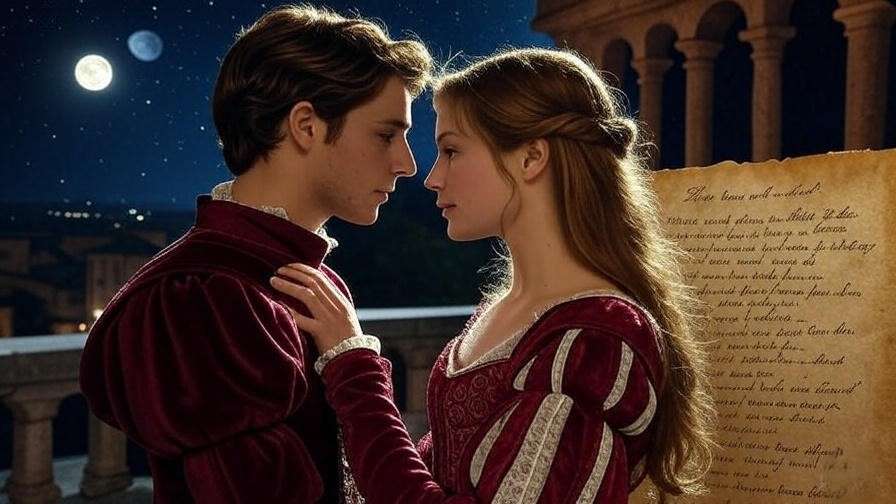
Imagine opening a book and immediately encountering a 14-line sonnet that foreshadows star-crossed lovers, ancient family feuds, and inevitable tragedy—all in under 150 words. That’s exactly what William Shakespeare delivers in the prologue to Romeo and Juliet, a masterpiece of concision that hooks audiences instantly and has endured for over 400 years. Yet today, many aspiring novelists wrestle with a different question: how long should a prologue be? Too short, and it feels superficial; too long, and it risks losing readers before the real story begins.
If you’ve ever stared at your manuscript wondering whether your prologue is dragging, spoiling too much, or simply unnecessary, you’re not alone. In the modern publishing world—where agents, editors, and readers often skip prologues or judge them harshly—getting the length right is crucial. The good news? Shakespeare’s prologues provide timeless lessons in how to craft an opening that’s purposeful, engaging, and remarkably brief.
In this comprehensive guide, we’ll explore the ideal prologue length according to industry standards, dissect Shakespeare’s masterful examples from Romeo and Juliet, Henry V, and beyond, and offer practical steps to apply these insights to your own writing. Whether you’re drafting fantasy with heavy world-building, historical fiction, or literary drama, these principles will help you create a prologue that enhances your story rather than hinders it.
What Is a Prologue, and Why Do Writers Use One?
A prologue is a separate section that appears before Chapter 1, distinct from a preface (author’s note), epigraph (quotation), or the main narrative. Unlike a standard chapter, it often operates outside the primary timeline or perspective—perhaps showing an event years earlier, introducing a narrator, or establishing crucial context.
Writers include prologues for several key reasons:
- To provide essential backstory without info-dumping in the main story.
- To set tone, atmosphere, or genre expectations (e.g., ominous foreshadowing in thrillers).
- To hook readers with a dramatic event, mystery, or promise of conflict.
- To handle world-building in speculative fiction, where readers need orientation before meeting protagonists.
However, prologues are controversial. Many agents and editors view them skeptically, associating them with amateur mistakes like excessive exposition. The rule of thumb: Use one only if the information is truly necessary and cannot be integrated elsewhere. If your story flows seamlessly without it, consider cutting it entirely—many successful novels do just that.
Shakespeare, writing for the Elizabethan stage, used prologues (often delivered by a Chorus) to address practical theater limitations and audience expectations. His approach reminds us that prologues work best when they serve the story efficiently, not indulgently.
The Ideal Prologue Length: What the Experts (and Data) Say
There’s no universal rule carved in stone, but publishing professionals agree on one principle: A prologue should be shorter than your average chapter—often much shorter.
Industry guidelines typically recommend:
- 500–2,000 words as a sweet spot for most genres.
- 1–5 pages in a standard manuscript format (double-spaced, 12-point font, ~250–300 words per page).
- No longer than half your typical chapter length to maintain momentum.
For context, many novels feature chapters of 2,500–4,000 words. A prologue pushing 3,000+ words risks feeling like a delayed first chapter, prompting readers (and gatekeepers) to skim or skip. In fantasy or epic genres, slightly longer prologues (up to 2,500 words) sometimes appear, but brevity remains king.
Why the emphasis on shortness? Modern readers have shorter attention spans, influenced by digital media. A lengthy prologue can delay the inciting incident, leading to early drop-off. Agents scanning submissions often judge openings harshly—if the prologue drags, the manuscript may not get far.
Data from writing communities and editorial feedback reinforces this: Prologues exceeding chapter length frequently receive criticism for pacing issues. Best practice: Aim concise, then revise ruthlessly.
Shakespeare’s Prologues: Models of Concise Mastery
Shakespeare’s works demonstrate that powerful openings don’t require volume—they require precision. Let’s examine his most notable examples.
Romeo and Juliet – The 14-Line Sonnet Prologue
Shakespeare’s prologue to Romeo and Juliet is a mere 14 lines, roughly 120–150 words. Written as a sonnet, it masterfully condenses the entire tragedy:
Two households, both alike in dignity, In fair Verona, where we lay our scene, From ancient grudge break to new mutiny, Where civil blood makes civil hands unclean…
It reveals the feud, the lovers’ doomed fate, and the reconciling power of their deaths—all before the first scene. This foreknowledge creates dramatic irony, heightening tension as readers watch inevitability unfold.
Lesson: Extreme brevity can deliver exposition, theme, and emotional stakes without overwhelming. The poetic structure adds elegance, turning necessary setup into art.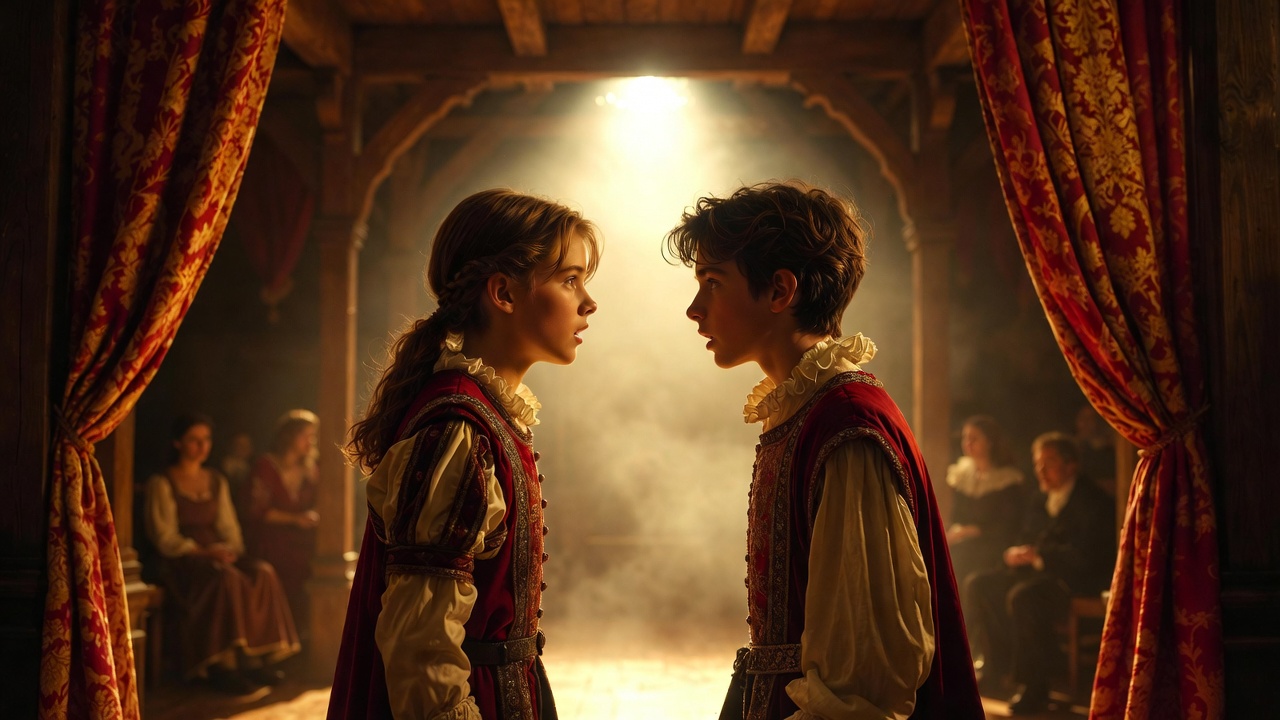
Henry V – The Chorus Prologues Across Acts
Henry V features multiple prologues (one per act), each delivered by a Chorus. The famous Act I opening begins:
O for a Muse of fire, that would ascend The brightest heaven of invention…
Around 150–200 words per prologue, these passages apologize for the stage’s limitations while urging the audience to imagine vast battlefields and royal courts. They expand the play’s scope imaginatively.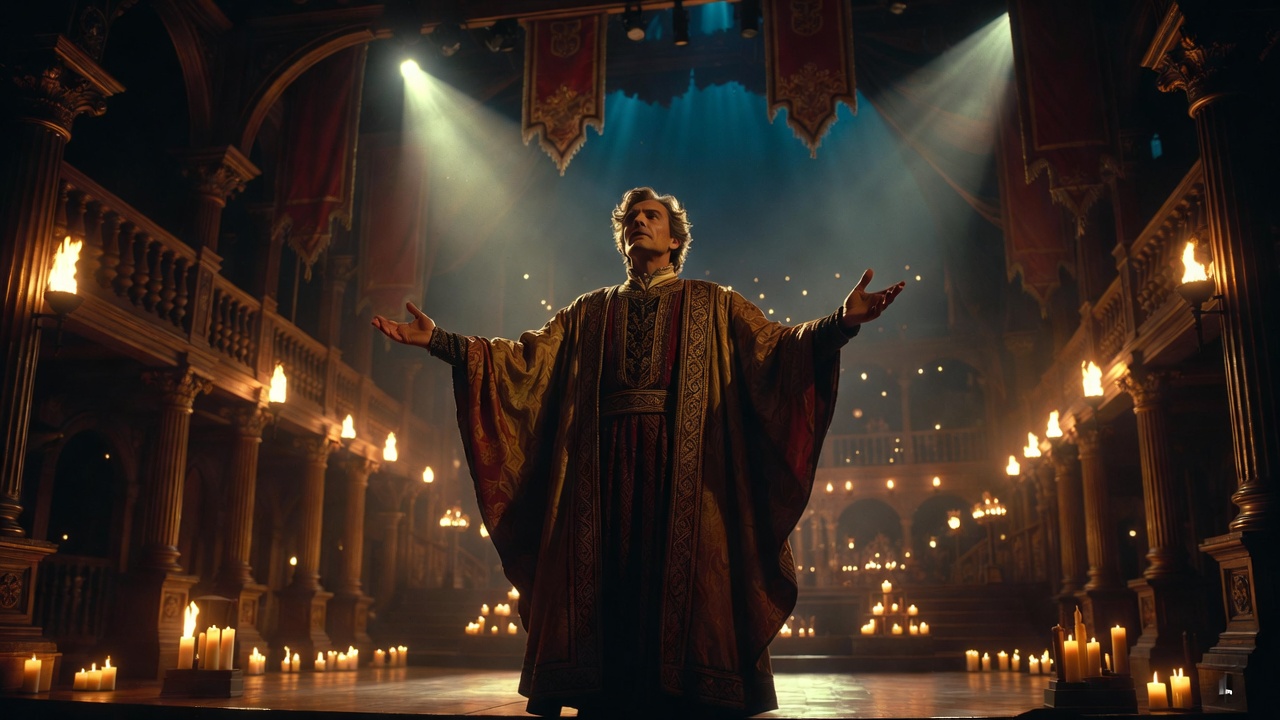
Purpose: Meta-commentary bridges theatrical constraints and epic ambition. The direct address engages viewers actively.
Lesson: Prologues can acknowledge form and invite participation, turning potential weaknesses into strengths—all in compact form.
Other Shakespeare Examples (Pericles, Henry VIII, The Winter’s Tale)
In Pericles, the prologue (spoken by Gower) summarizes prior events in ~200 words. Henry VIII and The Winter’s Tale use similar short choruses or inductions. Shakespeare consistently keeps them under 300 words, prioritizing efficiency in complex plots.
Common thread: Purpose over length. Shakespeare’s prologues establish context, tone, and intrigue swiftly, never indulging in excess.
Applying Shakespeare’s Lessons to Your Modern Novel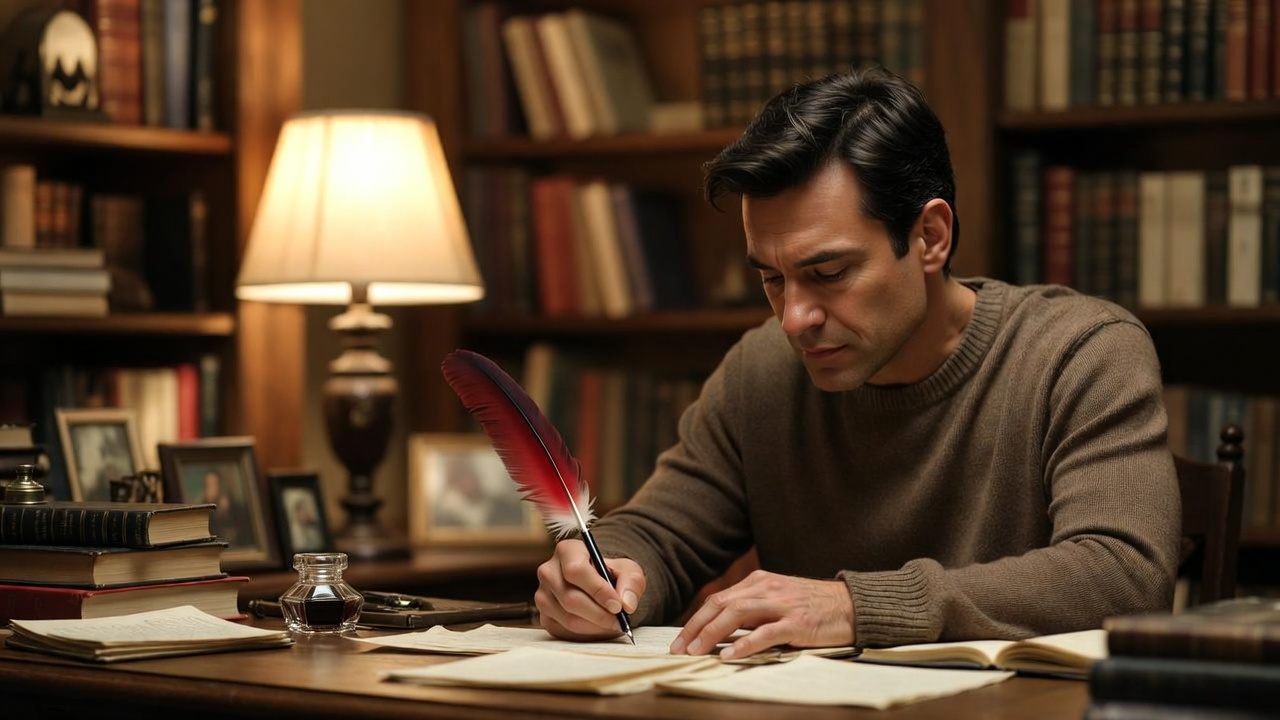
Shakespeare’s success lies in focus: Every word serves a clear purpose. Here’s how to adapt his approach:
- Prioritize brevity: Target 800–1,500 words max unless genre conventions (e.g., epic fantasy) justify more. Compare your prologue to your shortest chapter.
- Define one core purpose: Ask: What must readers know immediately that can’t wait? Limit to that.
- Use Shakespearean techniques:
- Foreshadow subtly (like Romeo and Juliet’s tragedy hint).
- Employ poetic or rhythmic language for impact.
- Address the reader/audience directly for immersion.
- Start with vivid imagery or conflict.
Modern examples echoing this efficiency include the brief, atmospheric prologue in The Night Circus by Erin Morgenstern (under 1,000 words, setting magical tone) or Diana Gabaldon’s Outlander (time-jump setup in concise form).
Shakespeare-Inspired Prologue Checklist:
- Does it add value impossible elsewhere?
- Is it shorter than your average chapter?
- Does it hook with mystery, drama, or tone?
- Have you cut all non-essential exposition?
- Does it end on a compelling pull into Chapter 1?
- Is the voice consistent with the book?
- Have beta readers engaged without skimming?
Common Prologue Mistakes and How to Fix Them
Even experienced writers fall into prologue pitfalls that can undermine an otherwise strong manuscript. Here are the most frequent errors—drawn from editorial feedback, agent wish lists, and literary analysis—and targeted solutions inspired by Shakespeare’s disciplined approach.
- Making it too long or turning it into an info-dump Symptom: The prologue reads like a history lesson or character backstory essay. Consequence: Readers lose patience; agents often stop reading. Fix: Ruthlessly cut to the single most essential piece of information. Shakespeare never explains everything in the prologue—he gives just enough to create intrigue. Ask yourself: “Can this wait until Chapter 1 or be shown through action later?” If yes, move it. Aim to reduce your draft by at least 30–50% in revision.
- Spoiling major plot twists or the ending Symptom: The prologue reveals the protagonist’s fate, the villain’s identity, or the final outcome. Consequence: Removes suspense and dramatic irony. Fix: Follow Romeo and Juliet’s model—foreshadow broadly without specifics. Shakespeare tells us the lovers will die, but not how or the emotional journey. Use tone, atmosphere, or a symbolic event instead of explicit spoilers.
- Starting in a disconnected time/place with no tie to the main story Symptom: The prologue feels like a separate short story. Consequence: Readers feel cheated when Chapter 1 shifts gears completely. Fix: Ensure a clear emotional or thematic bridge. In Henry V, the Chorus prologue directly prepares the audience for the king’s journey. End your prologue on an image, question, or emotional beat that propels readers straight into the first scene.
- Using a weak or generic hook Symptom: Opens with weather, a dream sequence, or vague philosophizing. Consequence: Fails to grab attention in the critical first 100–200 words. Fix: Borrow Shakespeare’s technique of immediate stakes or mystery. Start in the middle of conflict (even if it’s a flash-forward), with vivid sensory detail, or a provocative statement. Make the reader need to turn the page.
- Ignoring genre expectations Symptom: A long, expository prologue in commercial thriller or romance. Consequence: Clashes with fast-paced genre norms. Fix: Research successful prologues in your target category. Thrillers often use very short prologues (300–800 words) showing the crime or inciting incident. Epic fantasy may allow 1,500–2,000 words for world immersion—but only if every paragraph earns its place.
Apply these fixes during revision, and read your prologue aloud. If any section feels slow or unnecessary, cut it. Shakespeare’s economy is your benchmark.
Step-by-Step Guide: How to Write (or Revise) an Effective Prologue
Follow this structured process to create—or salvage—a prologue that agents, editors, and readers will praise rather than skip.
Step 1: Determine if you actually need a prologue Write a version of your opening without it. If the story still works and feels stronger, eliminate the prologue and weave necessary details into early chapters. Be brutally honest—most manuscripts improve without one.
Step 2: Identify the single, non-negotiable purpose Write one sentence answering: “Why does this prologue exist?” Examples:
- “To establish the curse that drives the entire plot.”
- “To show the murder that sets the mystery in motion.”
- “To immerse readers in the magical rules before the protagonist arrives.” Everything in the prologue must serve this one purpose.
Step 3: Draft with aggressive brevity in mind Set a target: 800–1,200 words for most genres (adjust slightly for epic fantasy or historical).
- Open with action, conflict, or a striking image.
- Use tight, vivid prose—avoid adverbs and passive voice.
- Employ dialogue, sensory detail, or poetic rhythm (à la Shakespeare) to convey information efficiently.
Step 4: Infuse tone, voice, and foreshadowing Make sure the voice matches the rest of the novel. Layer in subtle hints of theme or future events without explaining them. Read the prologue and Chapter 1 back-to-back—there should be seamless emotional flow.
Step 5: Revise and beta-test ruthlessly
- Cut 20–40% of the word count in the first revision pass.
- Compare every paragraph to Shakespeare excerpts: Does it justify its length?
- Share with beta readers and ask specifically: “Did you want to keep reading after the prologue? Did anything feel slow or confusing?”
- Read aloud again—awkward phrasing and redundancy become obvious.
Pro Tips from Literary Analysis
- Use active verbs and concrete nouns to keep pacing brisk.
- Consider a structural device (sonnet, letter, prophecy, chorus-like narration) to add elegance in limited space.
- End on a micro-cliffhanger or emotional hook that makes Chapter 1 irresistible.
FAQs About Prologue Length and Usage
Q: Can a prologue be longer than a chapter? A: Almost never advisable. If it’s longer, it’s usually functioning as Chapter 1. Rename it and integrate it into the main narrative.
Q: Do most readers skip prologues? A: Many do—especially in print and digital formats where they see “Prologue” and assume it’s optional. That’s why it must be gripping and concise.
Q: Should I mention the prologue in my query letter or synopsis? A: Yes, briefly note its existence and purpose if it’s integral (e.g., “A short prologue establishes the ancient prophecy…”). Never apologize for it.
Q: Is a prologue ever required? A: Rarely. But in stories with complex timelines, alternate narrators, or massive world-building, a well-crafted prologue can be the most effective delivery method.
Q: What if my prologue is only 200–300 words? A: Excellent—especially if it’s powerful. Shakespeare proves short can be devastatingly effective.
Q: Are prologues out of fashion in modern publishing? A: Not entirely, but they’re under more scrutiny. When they appear in bestsellers, they’re typically short, purposeful, and hook-driven.
The question “how long should a prologue be?” ultimately answers itself through purpose and restraint. Shakespeare’s greatest openings—whether the 14-line sonnet of Romeo and Juliet or the soaring appeals of Henry V’s Chorus—succeed because they deliver exactly what the story needs in the fewest possible words. They hook, orient, and intrigue without apology or excess.
Your prologue should do the same. Aim for brevity that feels inevitable rather than rushed. Cut until it hurts, then cut a little more. When every sentence pulls its weight, when the final line propels readers into Chapter 1 with urgency, you’ve honored the spirit of Shakespeare’s craft.
Now it’s your turn: Open your manuscript, read your prologue aloud, and ask—does it sing like a sonnet, or ramble like an unprepared speech? Revise accordingly. The strongest stories begin with confidence and economy.
If this guide helped you rethink your opening, I’d love to hear about it in the comments. Share your prologue word count before and after revisions, or tell us which Shakespeare play inspires your current work. And if you’re hungry for more insights from the Bard applied to modern writing, explore our other articles on foreshadowing, dramatic irony, and crafting unforgettable first lines.