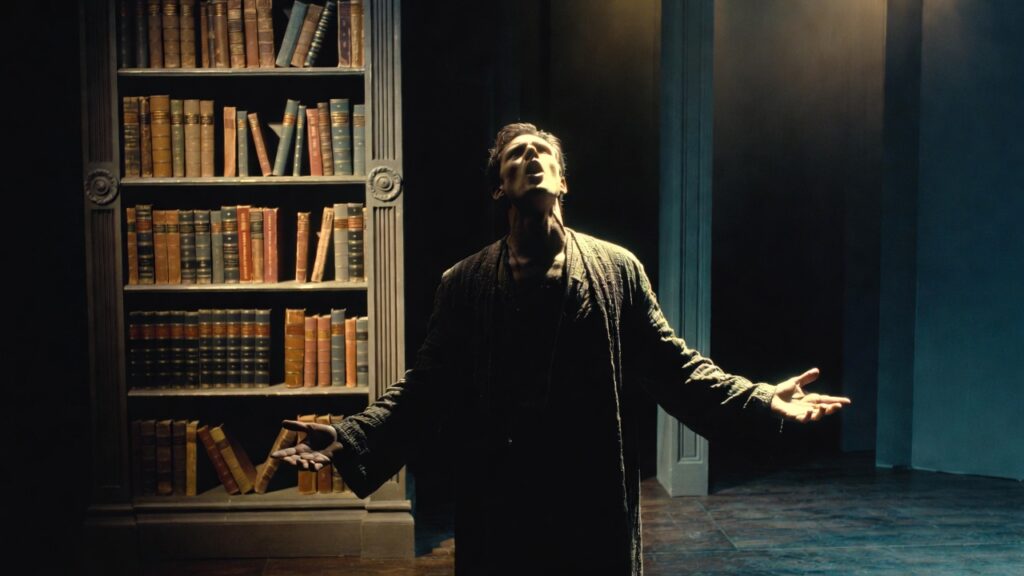
Imagine standing on a dimly lit stage, heart pounding, as you deliver Hamlet’s words: “To be, or not to be—that is the question.” The rhythm pulses like a heartbeat—da-DUM, da-DUM—each iamb drawing the audience deeper into existential torment. This isn’t mere poetry; it’s Shakespeare’s masterful use of verse in the script, transforming ordinary dialogue into something profound, elevated, and emotionally charged. For actors preparing a verse piece script, students analyzing plays, or enthusiasts seeking deeper insight, understanding this poetic dialogue unlocks why certain lines feel timeless and powerful.
The focus keyword “verse piece script” often refers to a scripted monologue or speech excerpt written in verse—typically blank verse or iambic pentameter—from Shakespeare’s plays. These pieces, prized in auditions and classrooms, reveal character status, inner conflict, and raw emotion far beyond prose. Mastering them means decoding how Shakespeare switches from everyday prose to rhythmic verse to heighten drama, signal nobility, or expose vulnerability. This comprehensive guide explores verse mechanics, contrasts with prose, scansion techniques, iconic examples, performance tips, and modern relevance—offering more depth and practical value than standard overviews.
Whether you’re an actor selecting an audition piece, a literature student writing essays, or a reader wanting to appreciate Shakespeare’s genius, this article equips you to engage with his scripts on a profound level.
Understanding Verse vs. Prose in Shakespeare’s Scripts
Shakespeare’s plays blend two primary modes of speech: verse and prose. This distinction isn’t arbitrary; it serves as a dramatic tool to convey character, social hierarchy, emotion, and tone.
Verse, especially blank verse (unrhymed iambic pentameter), dominates Shakespeare’s dialogue for noble or introspective characters. It features a structured rhythm—five iambs (unstressed-stressed pairs) per line, totaling ten syllables—mimicking natural English speech while adding poetic elevation. Prose, by contrast, lacks this meter; it flows like everyday conversation, often used for lower-class characters, comedy, madness, or intimate moments.
Historically, blank verse emerged in English drama through Thomas Sackville and Thomas Norton’s Gorboduc (1561) and gained prominence with Christopher Marlowe. Shakespeare adopted and perfected it, using verse for elevated status and emotional intensity. Prose, meanwhile, grounds scenes in realism or humor.
Why does this matter? Verse signals grandeur or heightened emotion; prose conveys logic, banter, or disorder. Shifts between them guide interpretation: a noble slipping into prose may indicate emotional breakdown, while a commoner in verse might mock pretension.
Common Patterns and Their Dramatic Purpose
- Verse for soliloquies and monologues: These introspective “verse piece scripts” allow characters to reveal inner thoughts, as in Hamlet’s famous soliloquy or Macbeth’s dagger hallucination.
- Prose for comic relief or lower classes: Falstaff’s witty banter in Henry IV uses prose for earthy humor.
- Mid-speech shifts: Characters switch modes to reflect changing states—e.g., from verse to prose during madness or disguise.
A classic contrast appears in Henry IV, Part 1: Hotspur’s passionate verse speeches clash with Falstaff’s rambling prose, highlighting nobility versus cynicism.
These patterns enrich Shakespeare’s scripts, making verse pieces essential for understanding character depth and dramatic tension.
The Power of Iambic Pentameter: The Heartbeat of Shakespeare’s Verse Piece Script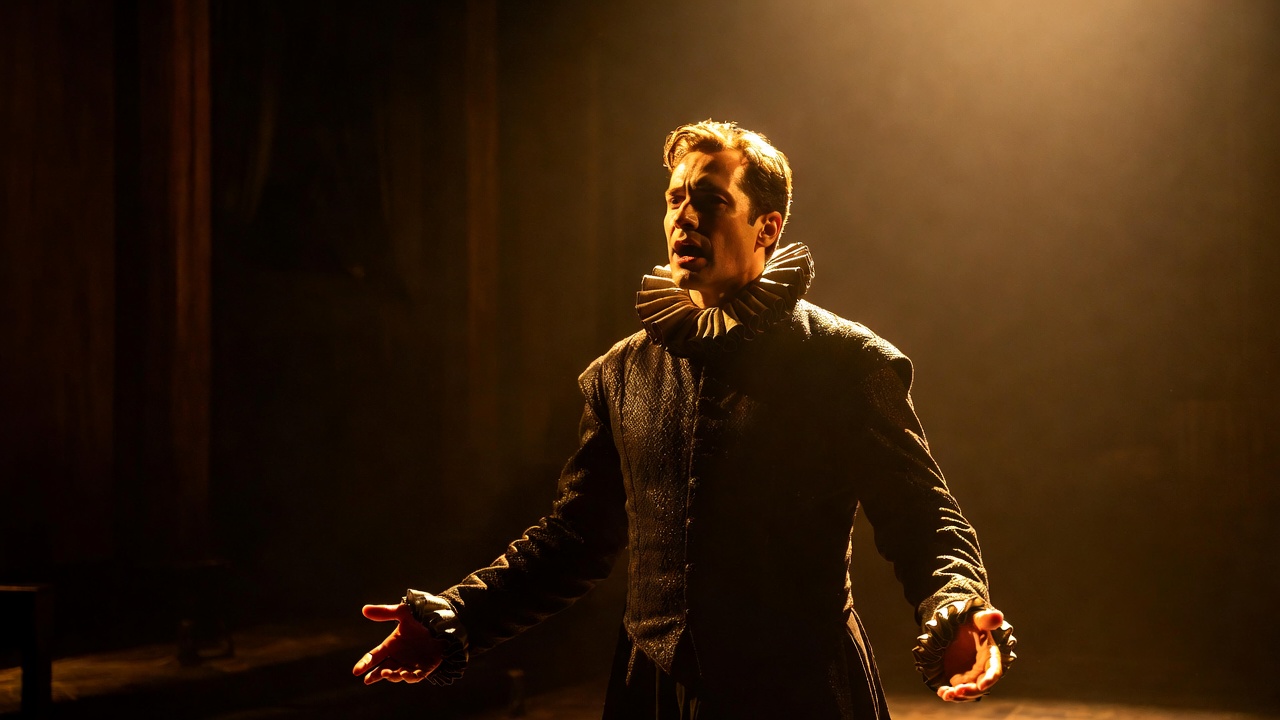
At the core of most verse piece scripts lies iambic pentameter—the “heartbeat” rhythm that gives Shakespeare’s poetic dialogue its musicality and emotional force.
An iamb is an unstressed syllable followed by a stressed one (da-DUM). Pentameter means five such feet per line: da-DUM da-DUM da-DUM da-DUM da-DUM. This pattern echoes natural English speech patterns while elevating language for nobility and passion.
Iambic pentameter elevates character by conveying composure in regular lines and turmoil through variations. Perfect regularity suggests control; irregularities—like trochees (DUM-da) or extra syllables—mirror psychological unrest.
Scansion Basics – A Step-by-Step Guide
Scansion involves marking stressed (/) and unstressed (˘) syllables to reveal rhythm.
- Read aloud naturally—stress falls where you’d emphasize in conversation.
- Mark syllables: Use / for stressed, ˘ for unstressed.
- Identify feet: Most are iambs, but note variations.
- Look for feminine endings (extra unstressed syllable) or headless lines (missing first unstressed).
Example from Romeo: “But soft! What light through yonder window breaks?”
˘ / ˘ / ˘ / ˘ / ˘ / But soft! What light through yon-der win-dow breaks?
The trochaic inversion (“But soft!”) creates urgency, like a sudden intake of breath.
Tools: Use natural pronunciation (e.g., “yonder” as two syllables). Practice with short excerpts.
Common Variations and What They Reveal
- Trochaic starts: Add urgency or emphasis (e.g., “Double, double toil and trouble” in Macbeth witches’ chant, though in tetrameter).
- Caesura: Mid-line pause for thought or hesitation.
- Shared lines: Indicate interruption or tension.
- Feminine endings: Suggest overflow of emotion.
Iconic Verse Piece Scripts – Examples That Showcase Emotional and Character Elevation
The true power of the verse piece script becomes crystal clear when we examine the most famous examples across Shakespeare’s major genres. In each case, the choice of verse — and especially the tiny variations within the meter — works as a dramatic spotlight, illuminating exactly what the character is feeling and who they really are in that moment.
Tragedies – Deep Emotional Turmoil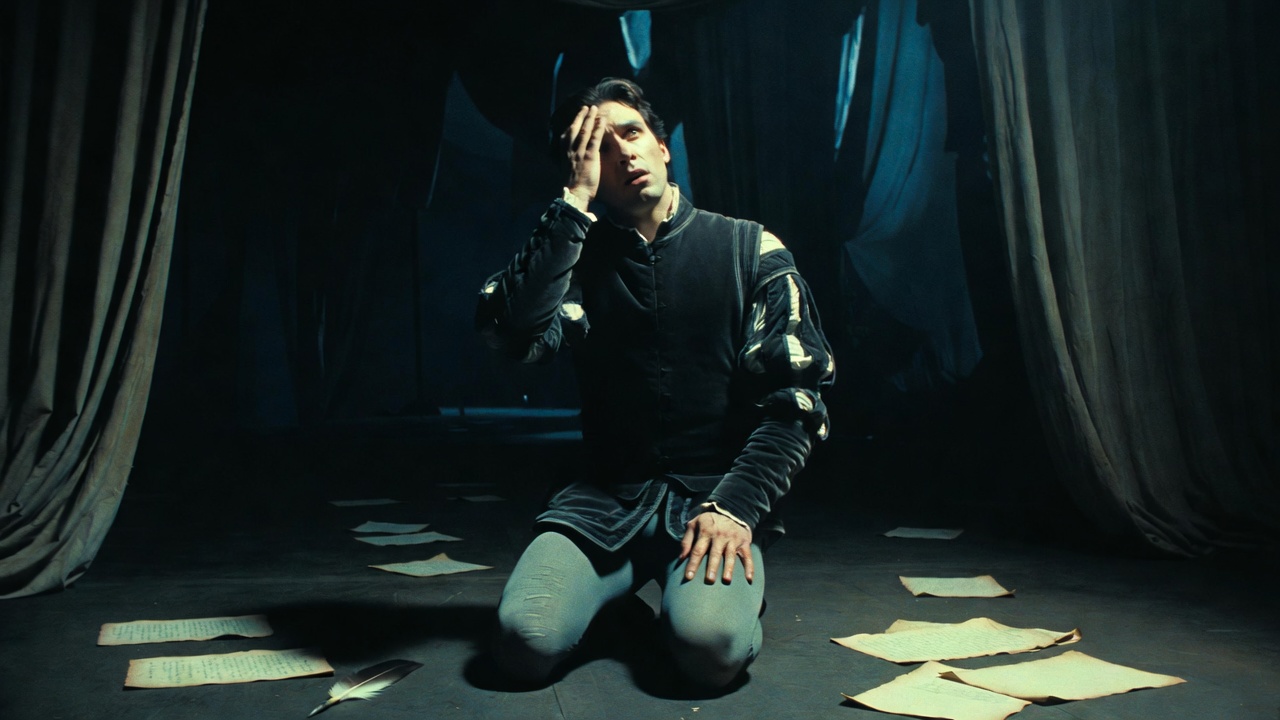
Shakespeare saves his most devastating emotional peaks for verse. The meter itself seems to crack and strain under the pressure of unbearable feeling.
Hamlet – “To be, or not to be” (Act 3, Scene 1) This is probably the single most famous verse piece script in the entire canon.
To be, or not to be, that is the question: Whether ’tis nobler in the mind to suffer The slings and arrows of outrageous fortune, Or to take arms against a sea of troubles And by opposing end them.
Even in perfect iambic pentameter, the huge philosophical questions create a sense of enormous mental weight. Later in the speech we find very heavy use of feminine endings and trochaic substitutions — signs of a mind that is starting to lose composure even while still trying to reason.
Macbeth – “Is this a dagger which I see before me” (Act 2, Scene 1) One of the most psychologically disturbed verse pieces ever written.
Is this a dagger which I see before me, The handle toward my hand? Come, let me clutch thee. I have thee not, and yet I see thee still.
The line lengths become erratic, there are many extra syllables, there are sudden trochaic openings — everything screams mental disintegration. The verse literally breaks down at the same time Macbeth’s mind breaks down.
King Lear – “Blow, winds, and crack your cheeks!” (Act 3, Scene 2) This is rage turned cosmic.
Blow, winds, and crack your cheeks! rage! blow! You cataracts and hurricanoes, spout Till you have drenched our steeples, drowned the cocks!
The meter becomes extremely irregular — almost like the storm itself. This is one of the clearest examples of how Shakespeare uses disordered verse to show a character whose entire sense of order and identity has been destroyed.
Comedies – Wit, Romance, and Subtle Shifts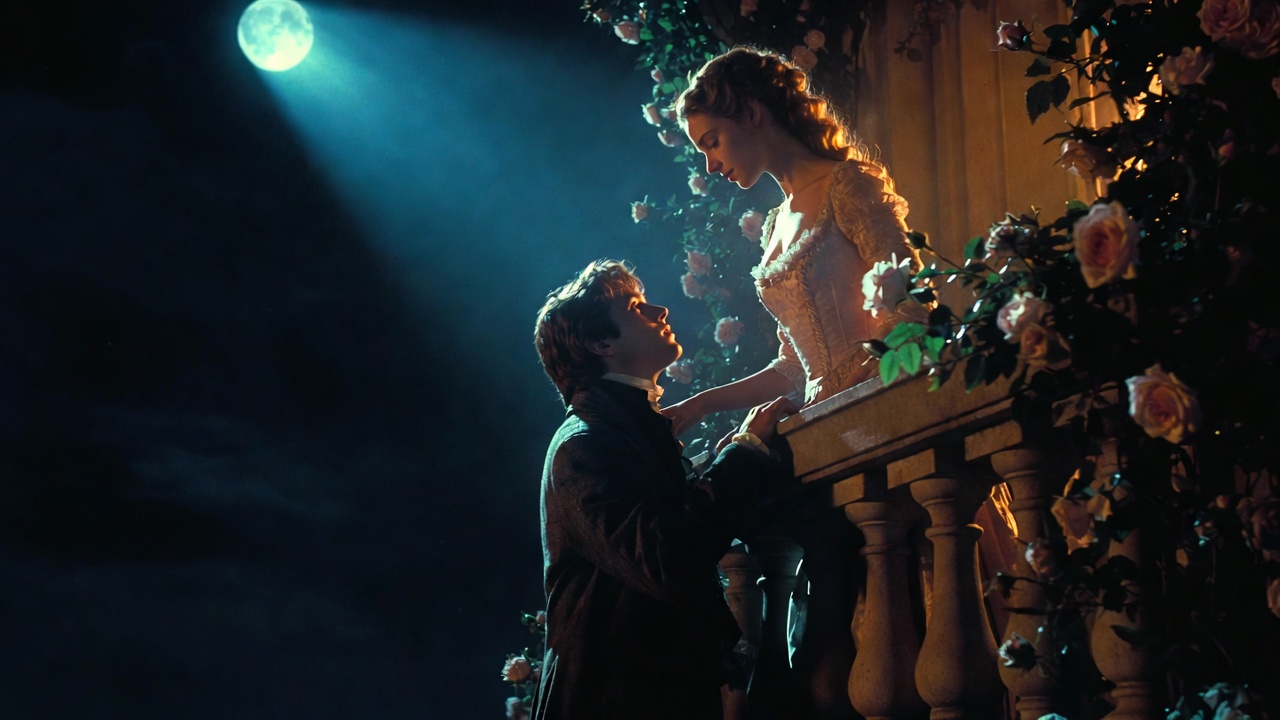
Even in comedy, the best verse pieces carry surprising emotional depth.
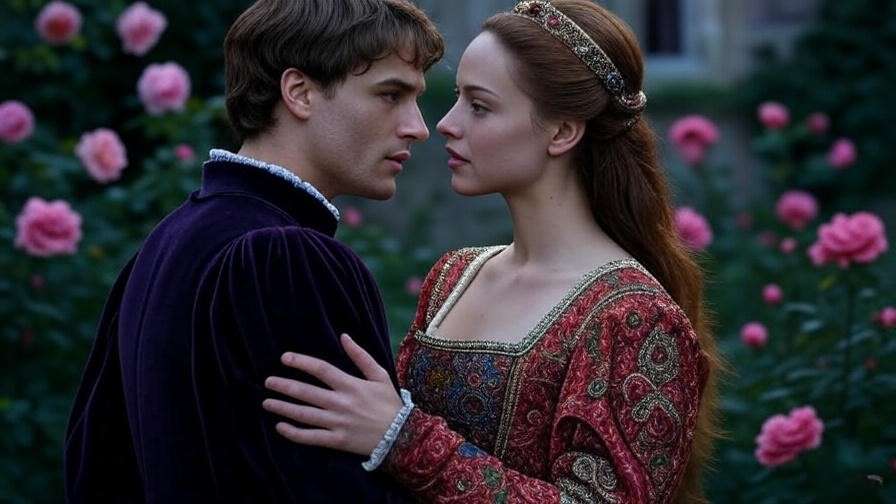
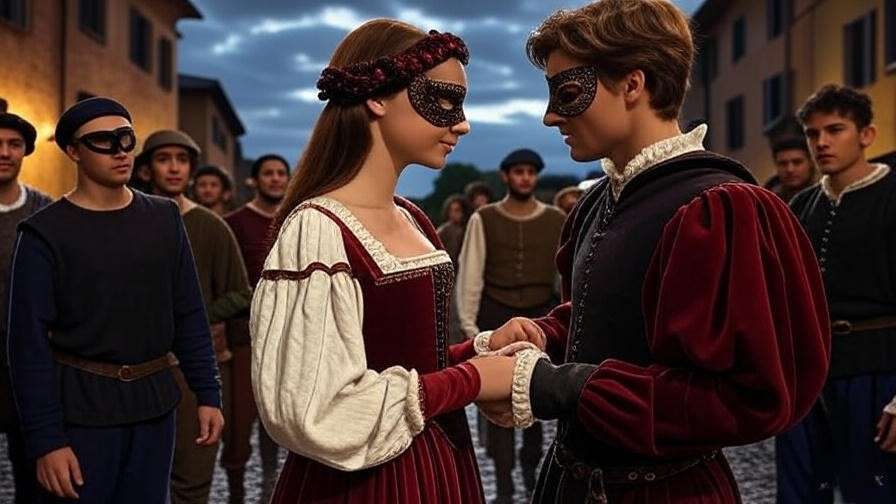
Romeo and Juliet – Romeo’s balcony scene (Act 2, Scene 2) The most famous love verse piece of all time.
But soft, what light through yonder window breaks? It is the east, and Juliet is the sun.
The sudden trochaic opening (“But soft”) shows the violent physical effect of love at first sight. After that the verse becomes extremely lyrical and flowing — almost like the lovers are breathing together.
Much Ado About Nothing – Beatrice “What fire is in mine ears?” (Act 3, Scene 3) This is one of the most beautiful moments of hidden vulnerability in all of Shakespeare’s comedies.
Beatrice has spent the whole play in brilliant prose. When she finally speaks in verse after overhearing that Benedick loves her, the sudden change to verse signals complete emotional nakedness.
Histories – Power, Ambition, and Leadership
Verse in the histories is frequently used to project power — or the terrible cost of trying to gain it.
Richard III – Opening soliloquy (“Now is the winter of our discontent…”) This is one of the most charismatic and dangerous verse pieces ever written. Richard uses perfect, controlled verse to show his terrifying mental clarity and acting ability.
Henry V – “Once more unto the breach, dear friends” (Act 3, Scene 1) The ultimate rousing, heroic verse piece.
Once more unto the breach, dear friends, once more; Or close the wall up with our English dead!
The extremely regular iambic pentameter + powerful imperative rhythm gives the speech an almost unstoppable forward momentum — exactly what a great military leader needs in that moment.
Practical Tips for Mastering and Performing a Verse Piece Script
Understanding the theory is one thing; actually working with a verse piece script — whether for an audition, classroom presentation, essay analysis, or personal appreciation — requires hands-on technique. Below are practical, stage-tested strategies used by professional actors, voice coaches, and Shakespeare scholars.
- Choosing the Right Verse Piece
- Match length and content to context: Most auditions want 1–2 minutes (roughly 16–30 lines).
- Avoid the ultra-famous overdone pieces unless you have something genuinely fresh to bring (“To be or not to be,” “Tomorrow and tomorrow,” “If music be the food of love” are risky unless transformative).
- Consider contrast: If the audition allows two pieces, pair a verse piece with a prose piece to show range.
- Gender/age/type-appropriate: Many companies now encourage cross-gender and age-flexible casting, but know the classical conventions if auditioning for traditional productions.
- Strong emotional journey: The best verse pieces contain a clear shift — discovery, realization, decision, or breakdown.
- Preparation Before You Speak a Word
- Cut intelligently: Remove lines that rely heavily on cues or stage directions. Keep the emotional arc intact.
- Paraphrase first: Write the entire piece in your own modern words. This ensures you understand every thought before you layer the verse on top.
- Identify objectives and tactics: What does the character want in this moment? How do they try to get it? Verse often heightens the stakes of that pursuit.
- Working the Verse Technically
- Scan the piece aloud — mark every stressed syllable and note variations (trochees, spondees, feminine endings, caesurae).
- Honor the line endings without stopping — think of the end of each line as a small suspension rather than a full stop (unless there is punctuation).
- Use the meter as emotion fuel: Let regular iambs give confidence or control; let irregularities give urgency, hesitation, or pain.
- Breathe with the thought, not with the line. Shakespeare usually places breathing room at caesura or line end when the character needs to think or recover.
- Performance in Action: A Worked Example Let’s apply this to one of the most audition-friendly yet emotionally rich verse pieces: Portia’s “The quality of mercy” speech from The Merchant of Venice (Act 4, Scene 1).
The quality of mercy is not strained; It droppeth as the gentle rain from heaven Upon the place beneath. It is twice blest: It blesseth him that gives and him that takes.
Scansion snapshot (first four lines): Perfectly regular iambic pentameter until line 3, where “It is twice blest” has a strong spondaic opening (“It is”) — emphasizing the equal blessing. Portia is deliberately calm and measured here; the regularity shows control and moral authority.
Acting notes:
- Start with gentle authority (almost a teacher’s tone).
- Let the feminine ending on “heaven” create a floating, generous feeling.
- Build very gradually — the real power arrives later when she contrasts mercy with justice (“…in the course of justice, none of us / Should see salvation”).
Actors who treat this as a lecture miss the compassion; actors who over-emote lose the intellectual clarity. The verse itself tells you how to balance both.
- For Students & Teachers: Analytical & Classroom Uses
- Essay tip: Always quote with scansion marks or rhythm notes — examiners reward technical observation.
- Classroom activity: Have students scan the same speech in different emotional states (angry, seductive, grieving) and hear how the meter either fights or supports the intention.
Mastering these techniques turns the verse piece script from memorized words into living, breathing drama.
Why Shakespeare’s Verse Still Matters Today
More than 400 years after they were written, Shakespeare’s verse pieces continue to resonate because they capture something permanent about human experience: the moment when ordinary language fails and only rhythm, repetition, and carefully shaped sound can express what must be said.
- In an age of instant, fragmented communication, the sustained thought of a verse monologue forces both speaker and listener to stay with complex emotion for more than a few seconds.
- Film and television adaptations (from Baz Luhrmann’s Romeo + Juliet to Joel Coen’s The Tragedy of Macbeth) retain key verse pieces precisely because the heightened language carries emotional weight no naturalistic rewrite can match.
- Voice and acting coaches (Royal Shakespeare Company, Royal Academy of Dramatic Art, Shakespeare & Company) still teach that speaking Shakespeare’s verse is one of the best trainings for breath control, emotional range, clarity under pressure, and truthful acting — skills that transfer to any text.
- In therapy, education, and public speaking workshops, Shakespeare’s verse is frequently used to help people access and articulate deep feeling.
The verse piece script endures because it gives form to formless experience — and that need has not changed.
Mastering the verse piece script is not about reciting poetry correctly; it is about discovering how Shakespeare engineered language so that poetic form and human feeling become the same thing. When you learn to hear the heartbeat in the meter, notice the tiny cracks where emotion breaks through, and use those discoveries in performance or analysis, you stop merely reading Shakespeare — you start hearing him think.
So pick up a play tonight. Choose one verse piece that speaks to you. Scan it. Paraphrase it. Speak it aloud. Let the rhythm guide you. You will almost certainly find that something inside the character — and perhaps inside yourself — becomes clearer than it was before.
Frequently Asked Questions (FAQs)
What exactly is a “verse piece script” in Shakespeare? A verse piece is a monologue, soliloquy, or speech excerpt written in verse (usually blank verse / iambic pentameter) rather than prose. Actors often call these “verse pieces” when preparing audition material.
How can I tell if a line is in verse or prose just by looking? Verse lines are usually capitalized at the start and roughly the same length; prose is block text that runs to the right margin without regular line breaks.
What’s the best verse piece for a first-time Shakespeare audition? Safer choices include: Viola (“I am not that I play”), Rosalind (“No, I will not cast away my physic”), Helena (“How happy some o’er other some can be”), or Lorenzo (“How sweet the moonlight sleeps…”). They show range without being overdone.
Do I have to speak in a “Shakespeare voice”? No. Modern professional practice favors natural, truthful delivery that respects the meter without artificial “old-timey” accents.
Why does Shakespeare sometimes switch from verse to prose in the middle of a scene? The switch is almost always meaningful — prose can signal lowered status, madness, disguise, intimacy, or comic deflation; returning to verse often signals regained control or heightened emotion.
How long should my audition verse piece be? Aim for 60–90 seconds (roughly 16–24 lines). Always check the specific audition requirements.