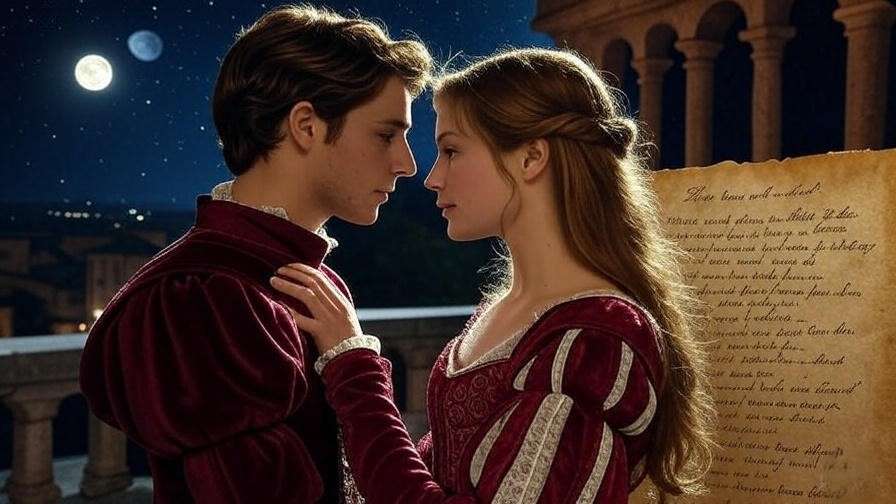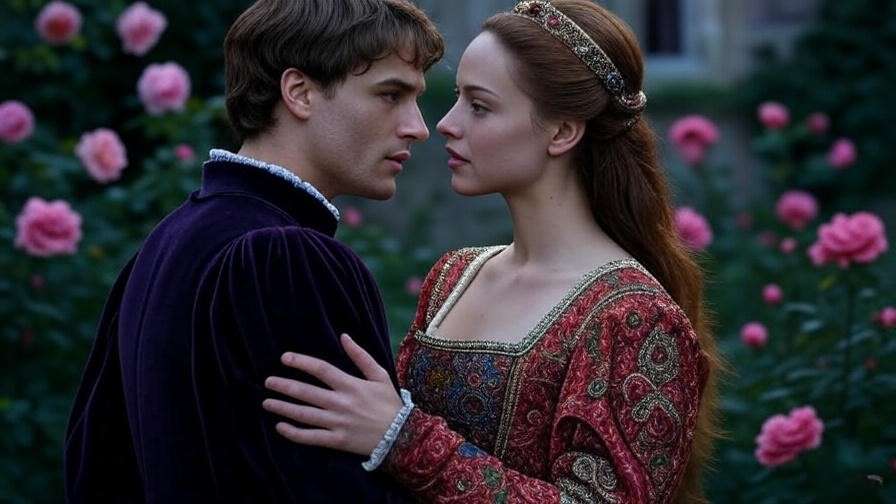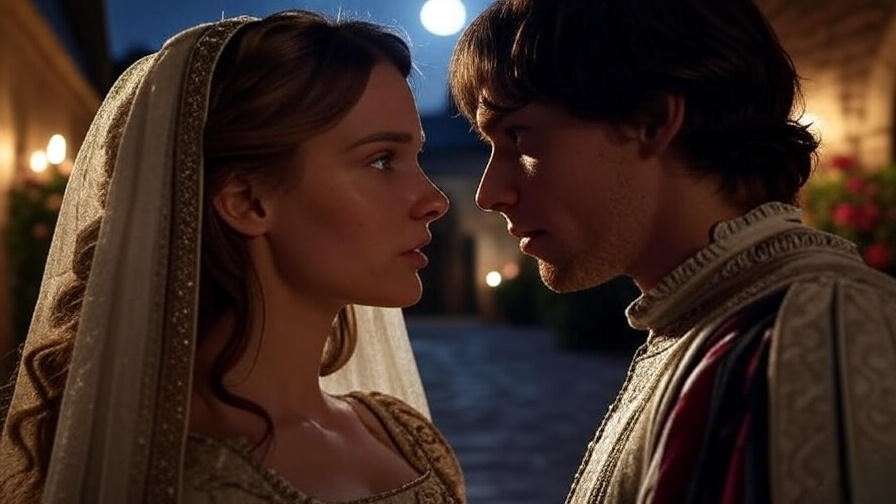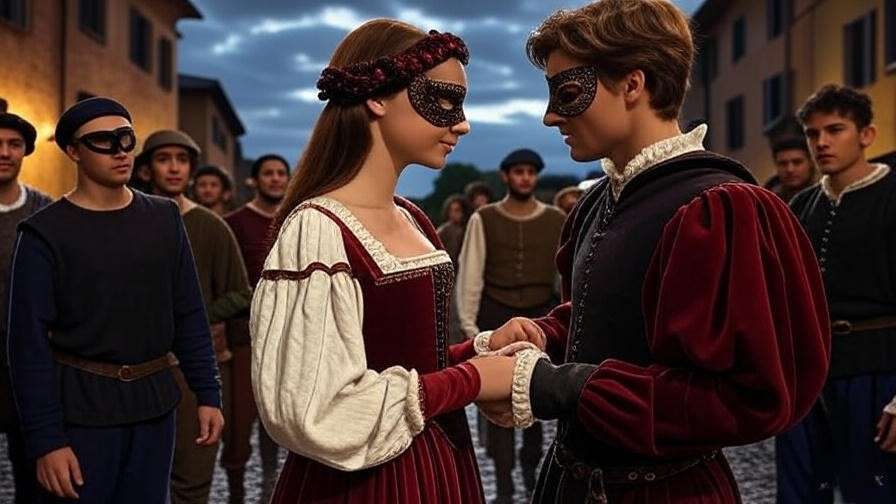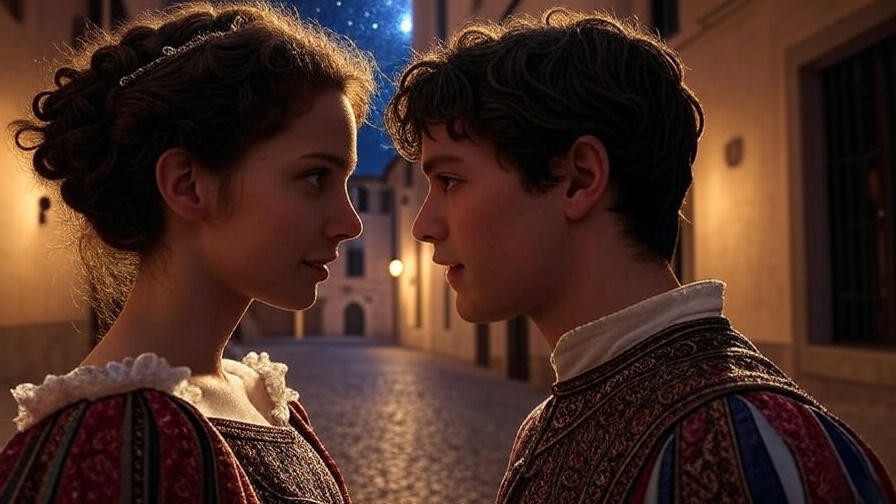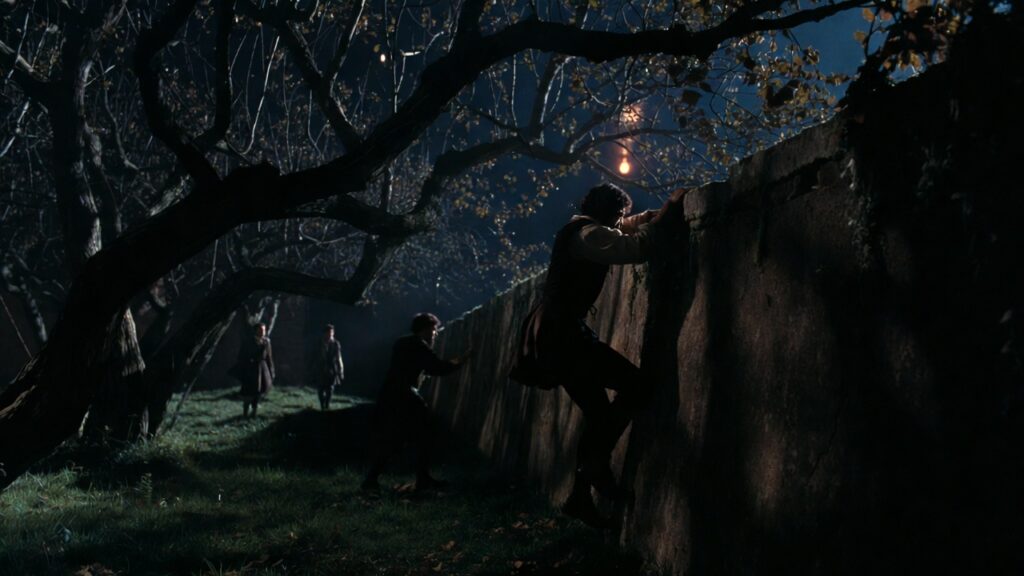
Imagine the thrill of forbidden love: moments after a dazzling masked ball where eyes first met across a crowded room, one young man refuses to leave the enemy territory. His heart remains trapped behind those walls, pulling him back like gravity itself. In Romeo and Juliet, Act 2 Scene 1 captures this magnetic pull perfectly—Romeo scales the Capulet orchard wall in defiance of danger, while his friends search in vain, unaware of the seismic shift in his affections. This brief but pivotal scene bridges the explosive first meeting in Act 1 to the legendary balcony exchange that follows, building unbearable suspense through Romeo’s bold risk and Mercutio’s sharp, bawdy humor.
For students preparing for exams, teachers crafting lessons, or anyone seeking deeper Shakespeare insights, a thorough Romeo and Juliet Act 2 Scene 1 summary is essential. This often-overlooked interlude reveals character contrasts, thematic depth, and dramatic irony that propel the tragedy forward. Drawing from the original Folio text, scholarly editions like the Folger Shakespeare Library and Arden, and decades of literary analysis, this comprehensive guide offers more than a simple recap—it unpacks motivations, language, quotes, and connections to the larger play for genuine understanding and academic success.
Act 2 Scene 1: Quick Overview and Context
Act 2 Scene 1 occurs immediately after the Capulet feast in Act 1 Scene 5, where Romeo (disguised as a Montague intruder) and Juliet first lock eyes and share a sonnet-like exchange that ignites instant passion. The Chorus’s prologue to Act 2 then sets the stage with a sonnet that narrates the lovers’ progress: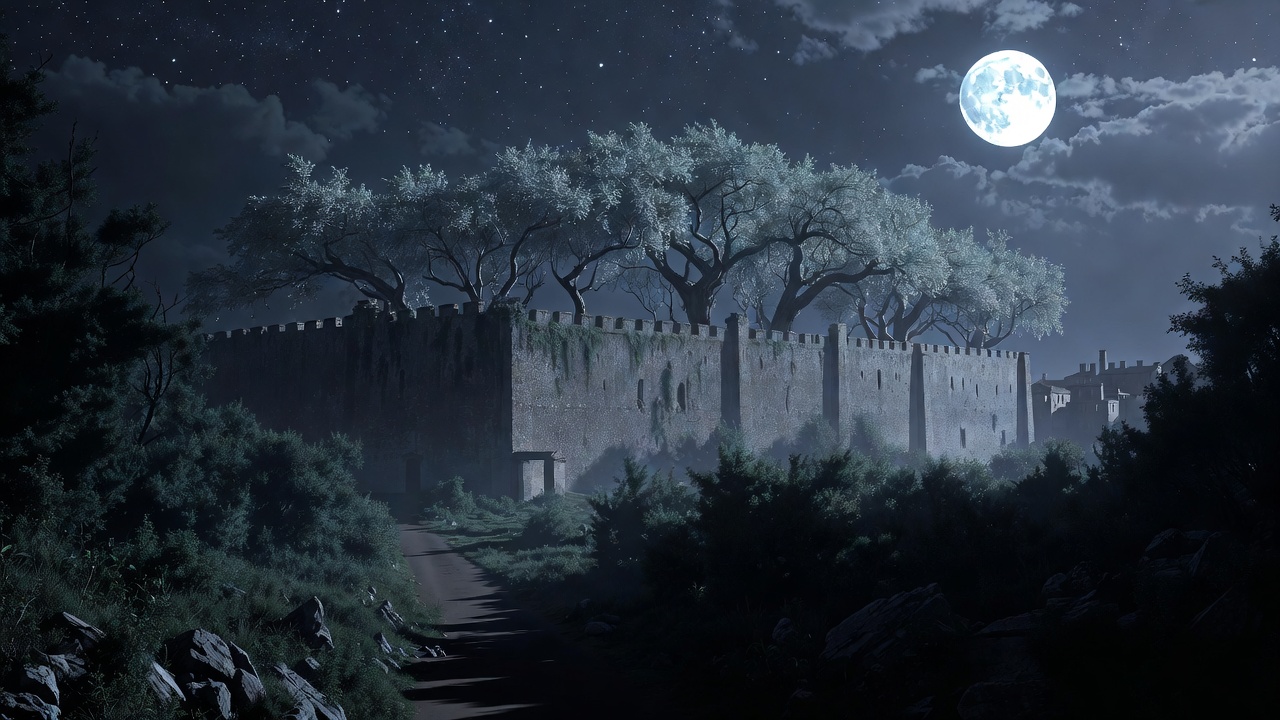
“Now old desire doth in his death-bed lie, And young affection gapes to be his heir; That fair for which love groaned for and would die, With tender Juliet matched, is now not fair. Now Romeo is beloved and loves again, Alike bewitchèd by the charm of looks; But to his foe supposed he must complain, And she steal love’s sweet bait from fearful hooks.”
This Chorus functions as Shakespeare’s narrative voice, reminding the audience of the tragic inevitability while highlighting the shift from Romeo’s unrequited love for Rosaline to mutual passion with Juliet. Despite the family feud, “passion lends them power, time means, to meet.” The prologue foreshadows complications but promises opportunity through love’s force.
The scene’s setting—a dark lane beside the Capulet orchard wall at night—amplifies secrecy and peril. Verona’s streets are dangerous for Montagues near Capulet grounds; discovery could mean violence or death. Romeo’s decision to trespass underscores his impulsiveness, a trait that defines his arc from lovesick youth to tragic hero.
Detailed Scene Summary: Step-by-Step Breakdown
Romeo’s Soliloquy and Risky Decision The scene opens with Romeo alone:
“Can I go forward when my heart is here? Turn back, dull earth, and find thy centre out.”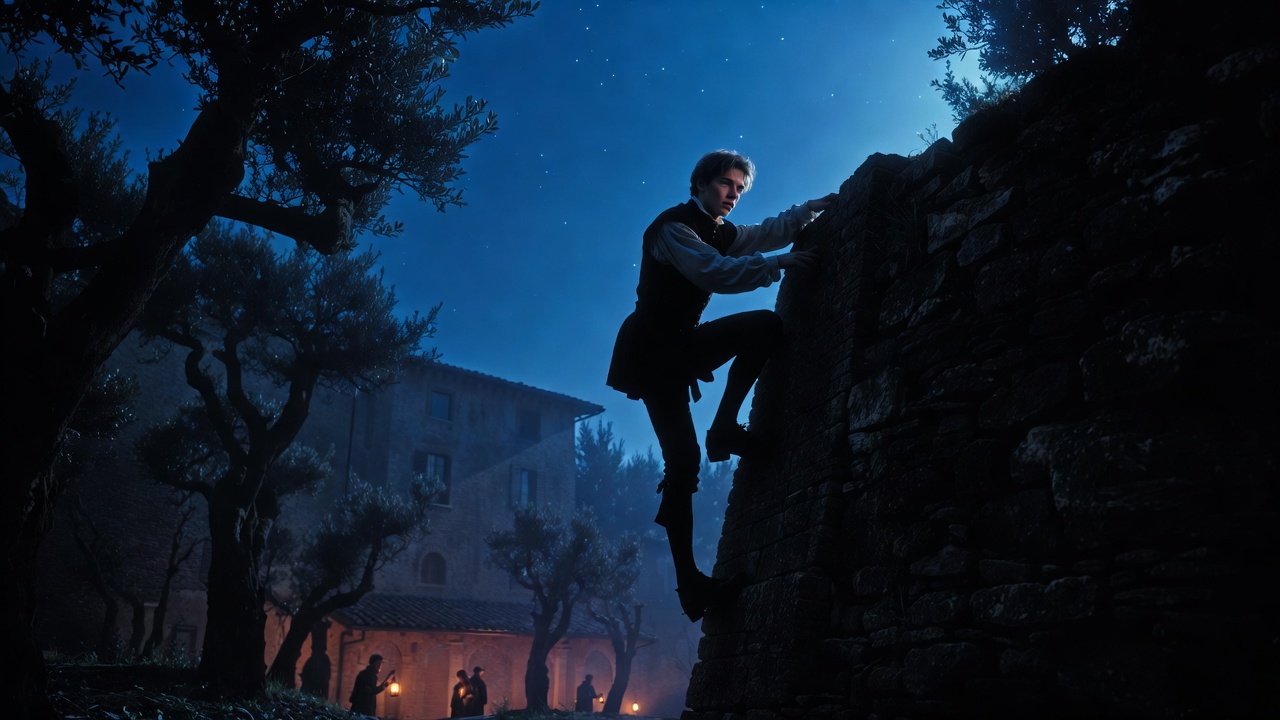
Here, Romeo personifies his body as “dull earth” (a heavy, lifeless clod) magnetically drawn to Juliet, his true “centre.” This metaphor evokes Renaissance ideas of cosmology and love as a gravitational force. Unable to leave, he climbs the wall and leaps into the orchard, committing an act of trespass that heightens the stakes. This bold move shows Romeo’s growth—he no longer pines passively for Rosaline but actively pursues Juliet, defying family enmity.
Enter Benvolio and Mercutio: The Search Benvolio and Mercutio enter the lane, calling for their missing friend. Benvolio notes Romeo “ran this way, and leapt this orchard wall,” showing concern. Mercutio, ever the wit, quips that Romeo has “stol’n him home to bed,” assuming exhaustion from the party.
Mercutio’s Bawdy Mockery and Famous Conjuration Frustrated by Romeo’s silence, Mercutio launches into his extended “conjuration,” mocking what he believes is Romeo’s lingering obsession with Rosaline:
“Romeo! humours! madman! passion! lover! Appear thou in the likeness of a sigh: Speak but one rhyme, and I am satisfied; Cry but ‘Ay me!’ Pronounce but ‘love’ and ‘dove’…”
He escalates with sexual innuendo, invoking Rosaline’s body parts: “By her fine foot, straight leg and quivering thigh / And the demesnes that there adjacent lie…” Mercutio conjures Romeo “in his mistress’ name,” using puns on “raise a spirit” (erection), “circle” (genitalia), “stand,” and “laid” (sexual intercourse). The humor is crude yet brilliant—Mercutio reduces lofty romantic love to earthy lust, unaware Romeo has moved on.
This irony is delicious: the audience knows Romeo hides nearby, heart fixed on Juliet, while friends tease him about the wrong woman.
Benvolio’s Realism and Exit Benvolio cautions: “And if he hear thee, thou wilt anger him.” Mercutio dismisses this, insisting his “invocation is fair and honest.” Finally, Benvolio concedes: “‘Tis in vain / To seek him here that means not to be found.” They exit, leaving Romeo concealed and the stage set for the balcony scene.
This short scene (under 40 lines in many editions) masterfully contrasts action with inaction, risk with ridicule.
Key Characters in Act 2 Scene 1: Insights and Development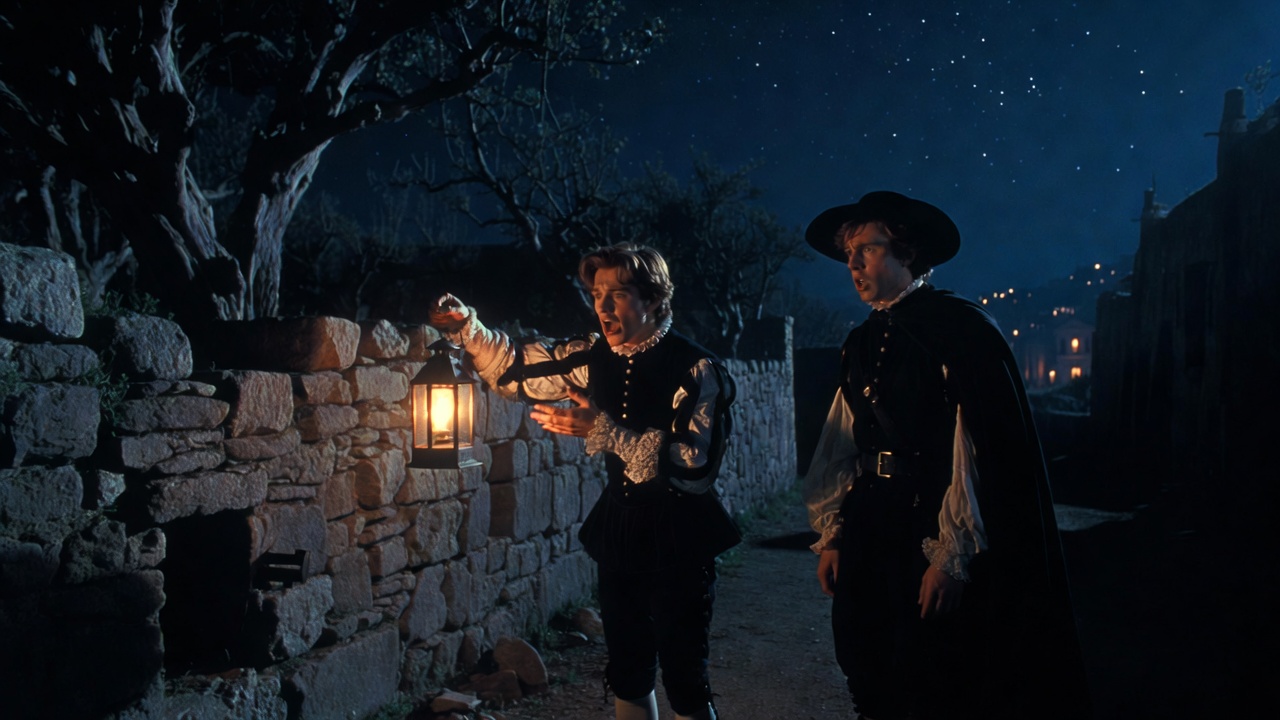
Romeo Romeo’s brief appearance reveals transformation. From melancholic Rosaline-obsession in Act 1, he now risks life for Juliet. His magnetic metaphor shows poetic idealism, but the wall-climb highlights impulsivity—foreshadowing rash decisions like the duel with Tybalt.
Mercutio Mercutio shines as Romeo’s cynical foil. His bawdy conjuration mocks Petrarchan love conventions (sighs, rhymes, Cupid allusions like “Young Abraham Cupid” and King Cophetua’s ballad). Mercutio views love as physical and fleeting, contrasting Romeo’s spiritual devotion. This sets up ongoing tension: Mercutio’s realism vs. Romeo’s romanticism.
Benvolio The peacemaker urges caution and loyalty. His concern for Romeo’s safety underscores Montague bonds while highlighting the feud’s danger.
Together, the trio illustrates shifting dynamics—friends search blindly while Romeo pursues secret passion.
Themes and Literary Devices Explored
Love vs. Loyalty / Forbidden Passion Romeo’s trespass prioritizes personal desire over family allegiance, rebelling against the feud.
Idealistic Love vs. Earthly Lust Romeo’s poetic center-seeking contrasts sharply with Mercutio’s obscene puns. This dichotomy questions love’s nature: divine or carnal?
Fate, Secrecy, and Risk Night conceals but danger lurks; the wall symbolizes barriers. Dramatic irony (audience knows Romeo’s presence) builds tension.
Language and Imagery Puns abound in Mercutio’s speech; metaphors (earth/center) evoke cosmic love. The Chorus’s sonnet reinforces fate.
Shakespeare uses comedy to relieve tension before romance intensifies, a technique he masters.
Important Quotes from Act 2 Scene 1 with Explanations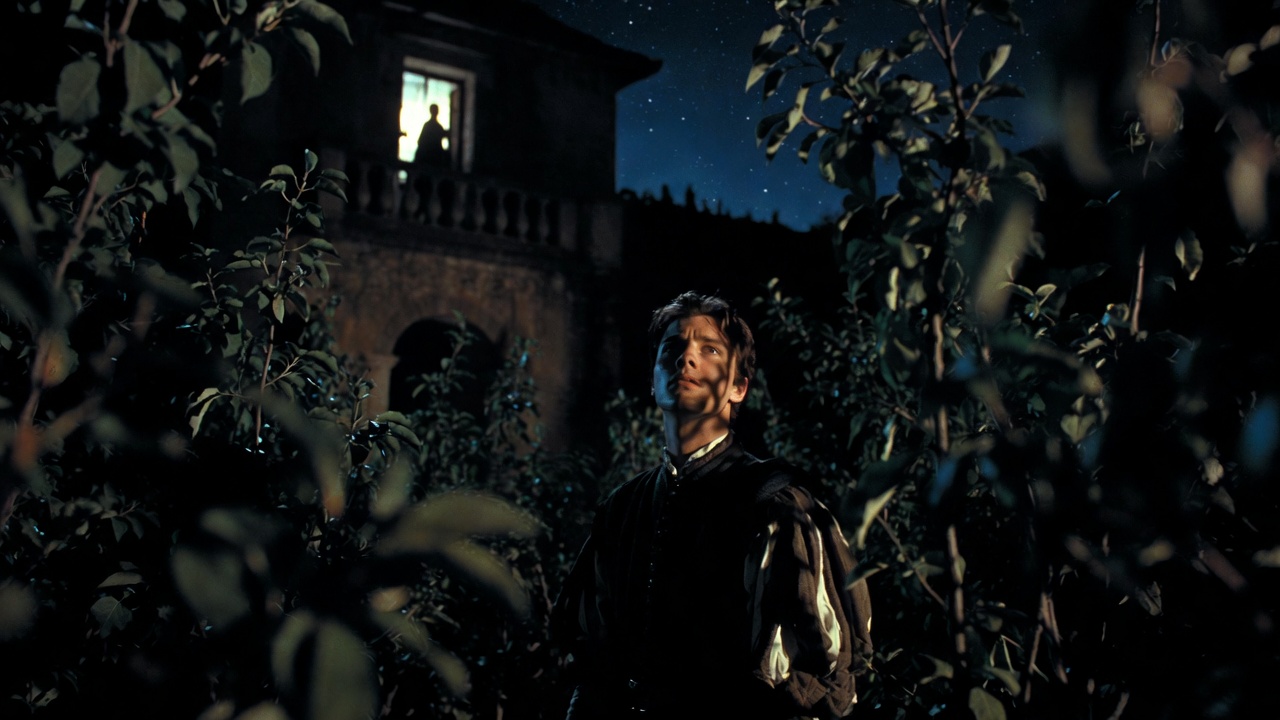
- “Can I go forward when my heart is here? / Turn back, dull earth, and find thy centre out.” (Romeo)
- Paraphrase: Can I leave when my heart stays? Body, return to your center.
- Significance: Magnetic imagery shows love’s irresistible force.
- “Romeo! humours! madman! passion! lover!” (Mercutio)
- Paraphrase: Calling Romeo’s moods and lovesickness.
- Significance: Reduces romance to folly.
- “By her fine foot, straight leg and quivering thigh / And the demesnes that there adjacent lie…” (Mercutio)
- Paraphrase: Conjuring via Rosaline’s body.
- Significance: Bawdy humor; sexual double meanings.
- “‘Twould anger him / To raise a spirit in his mistress’ circle / Of some strange nature…” (Mercutio)
- Paraphrase: Only jealousy over infidelity would anger him.
- Significance: Peak innuendo; “circle” = vagina, “spirit” = erection.
- “‘Tis in vain / To seek him here that means not to be found.” (Benvolio)
- Paraphrase: Pointless to search someone hiding.
- Significance: Irony; transitions to next scene.
These quotes showcase Shakespeare’s wit and wordplay.
Why This Scene Matters: Connection to the Larger Play
Act 2 Scene 1 sets up the balcony scene’s intimacy—Romeo is already inside, heart racing. It deepens feud stakes: trespass risks violence. Character contrasts (Mercutio’s cynicism vs. Romeo’s idealism) foreshadow tragedy—Mercutio’s death later stems partly from this dynamic.
Study Tips and Essay Ideas
- Essay prompt: “How does Mercutio serve as a foil to Romeo in Act 2 Scene 1?” Discuss contrasts in love views.
- Exam prep: Explain dramatic irony’s role in building suspense.
- Modern parallels: Forbidden love in divided societies (e.g., cultural/religious conflicts).
Frequently Asked Questions (FAQ)
What happens in Romeo and Juliet Act 2 Scene 1? Romeo hides in the Capulet orchard after climbing the wall; Benvolio and Mercutio search for him, with Mercutio mocking his supposed Rosaline obsession via bawdy conjuration. They leave, unaware he’s nearby.
Why does Mercutio mock Romeo about Rosaline? He doesn’t know Romeo’s love has shifted to Juliet; the teasing highlights irony and contrasts physical vs. romantic love.
Is there a balcony in Act 2 Scene 1? No—the famous balcony appears in Act 2 Scene 2. Scene 1 ends with Romeo hidden below it.
What is the Chorus’s role in Act 2? The sonnet prologue narrates Romeo’s love shift, foreshadows obstacles, and reminds of fate.
Why is this scene important before the balcony scene? It builds suspense—Romeo risks everything to be near Juliet—making their meeting more charged.
How does Mercutio’s humor affect the tone? His bawdy wit provides comic relief, contrasting impending tragedy.
What literary device dominates Mercutio’s speech? Puns and double entendres on sex and magic.