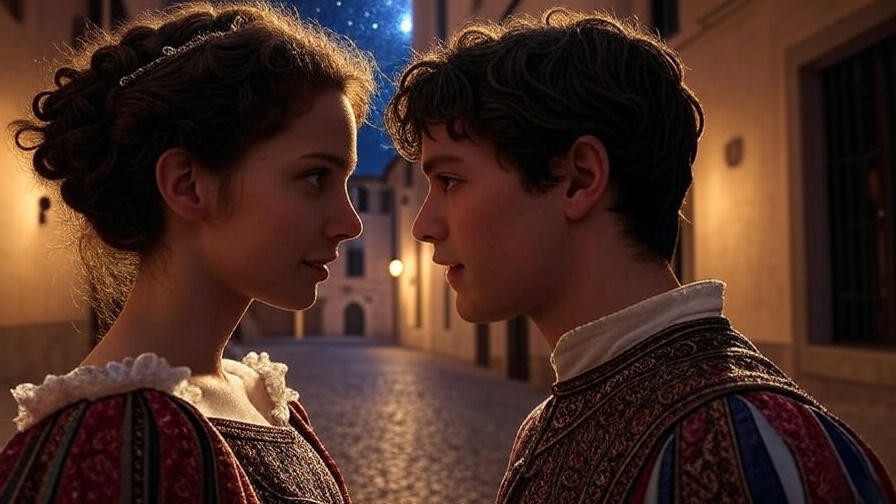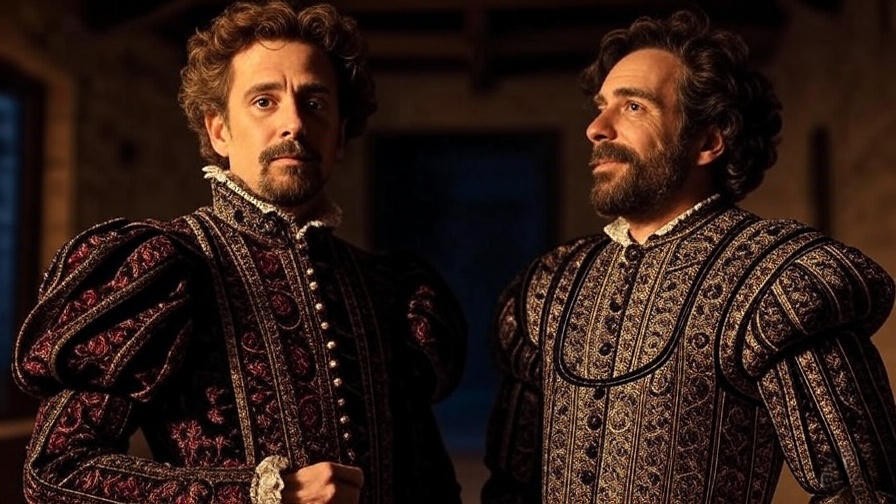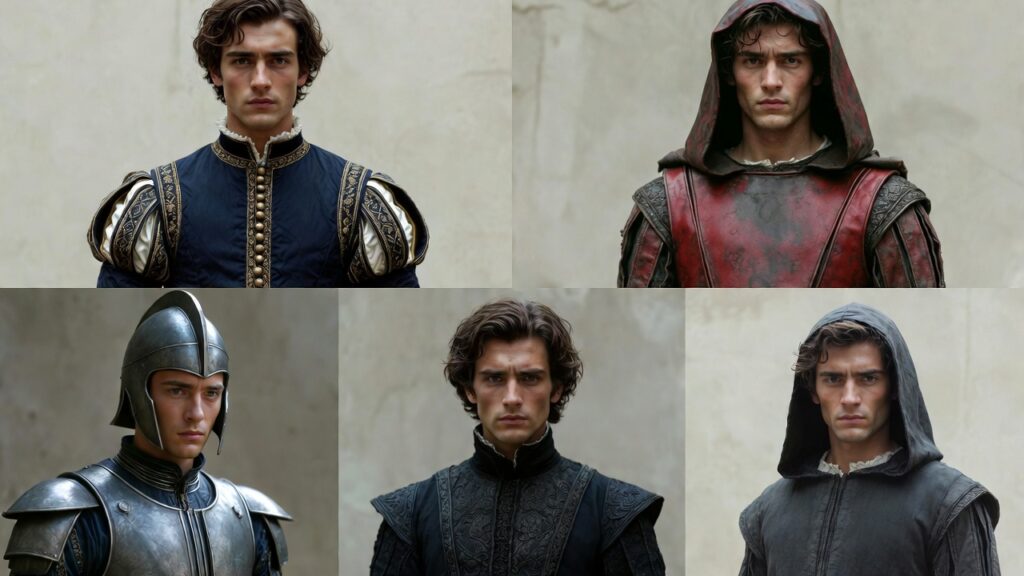
Imagine stepping onto the sun-drenched streets of Verona—or a neon-lit beach in modern-day Mexico City—clad in armor that gleams under party lights, heart pounding as you spot your forbidden love across a crowded room. This is the magic of Romeo’s costume in Romeo and Juliet: it doesn’t just clothe the character; it embodies passion, tragedy, and timeless romance. Whether you’re preparing for a school production, a Halloween couples costume, theater audition, or cosplay convention, the Romeo costume in Romeo and Juliet offers endless inspiration drawn from Shakespeare’s original text and its most celebrated adaptations.
As a longtime student of Shakespeare’s works and adaptations, I’ve explored countless productions—from the reconstructed Globe Theatre to Baz Luhrmann’s groundbreaking 1996 film. This comprehensive guide goes beyond surface-level ideas, diving into historical context, symbolic depth, practical recreations, and expert insights to help you create a costume that feels authentic, meaningful, and visually striking. By the end, you’ll have the tools to channel Romeo’s poetic intensity while solving common challenges like budget constraints, historical accuracy, or capturing that “star-cross’d lovers” essence.
Understanding Romeo’s Character Through Costume – Symbolism in Shakespeare’s Text
Shakespeare’s Romeo and Juliet (written around 1594–1596) paints Romeo Montague as a young, impulsive nobleman: melancholic yet ardent, a lover who shifts from lovesick poetry to violent passion. His costume must reflect this duality—youthful elegance mixed with hints of inner turmoil and nobility.
Romeo as the Romantic Hero – What the Play Reveals
In the text, Romeo is described through celestial and romantic imagery: Juliet calls him “the god of my idolatry,” and he likens himself to a pilgrim. Costume choices amplify this—soft fabrics for his dreamy nature, rich colors signaling Montague wealth, and accessories like a sword hinting at the feud’s danger. Early in the play, Romeo’s melancholy (wearing “black” for mourning Rosaline) contrasts with his later vibrancy, suggesting subtle shifts in palette from darker tones to brighter ones as love ignites.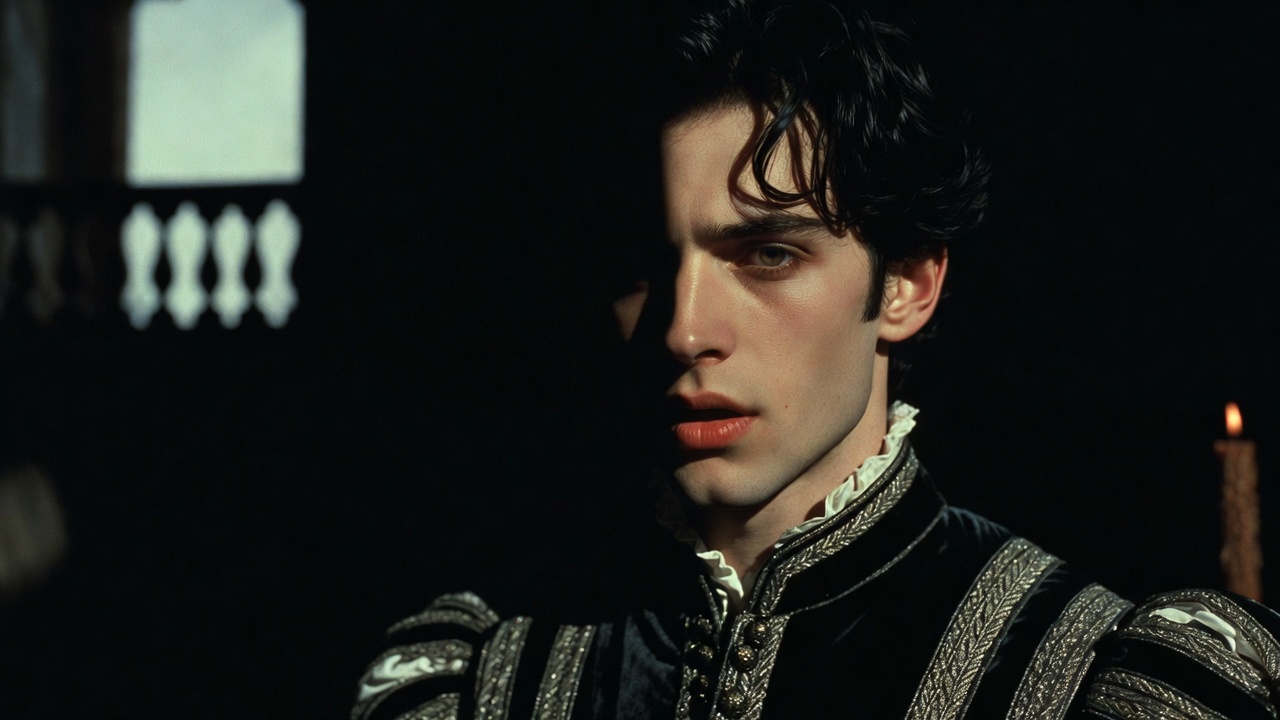
Elizabethan vs. Modern Interpretations
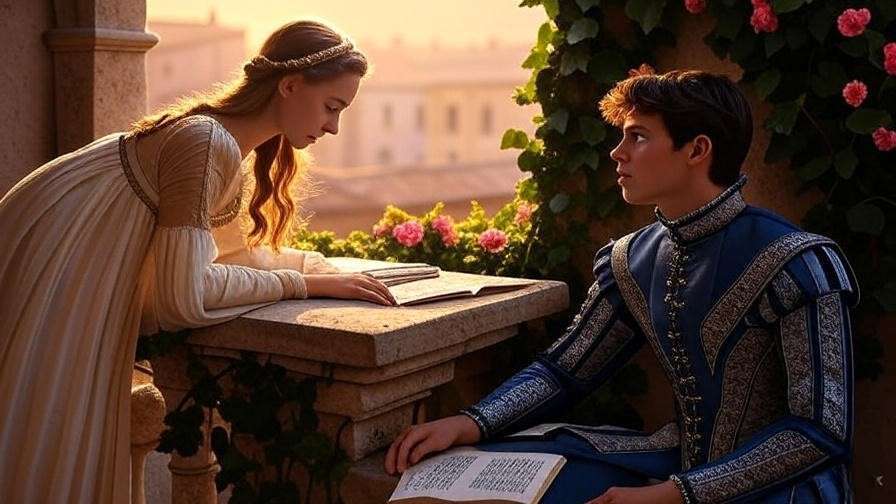
In Shakespeare’s era, Elizabethan theater used contemporary clothing rather than strict historical accuracy. Noblemen like Romeo wore doublets (fitted jackets), hose (tight leggings), cloaks, ruffs (pleated collars), and feathered hats—practical for actors on a bare stage. Colors and fabrics denoted status: velvet and silk for nobility, with Montagues perhaps in blues or silvers to contrast Capulets’ reds.
Modern productions adapt this. Traditional stagings (like Royal Shakespeare Company revivals) favor Renaissance-inspired looks, while innovative ones experiment with minimalism or anachronism. Luhrmann’s 1996 film brilliantly merges Elizabethan symbolism with 1990s flair, making Romeo’s costume instantly recognizable and endlessly recreatable.
Iconic Romeo Costumes from Stage Productions Through History
Stage interpretations vary widely, but certain elements recur: elegance, romance, and readiness for duels.
Traditional Renaissance-Style Romeo Costumes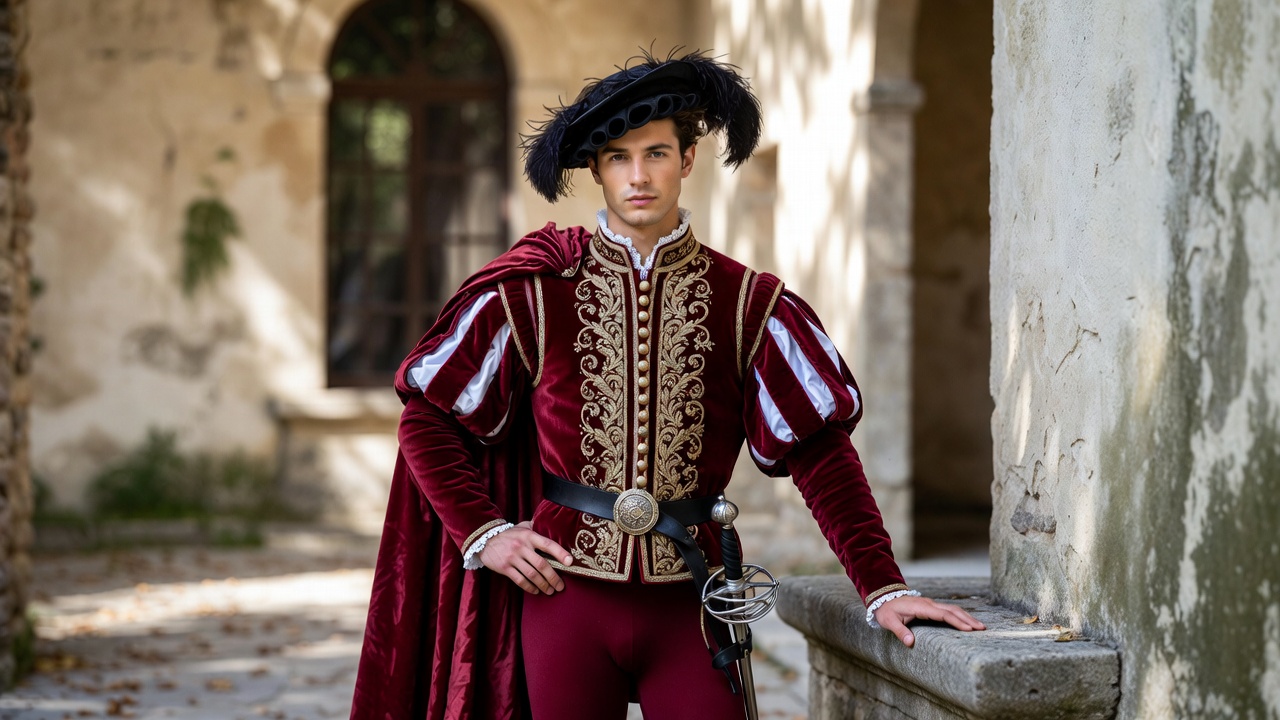
The classic look draws from late 16th-century fashion:
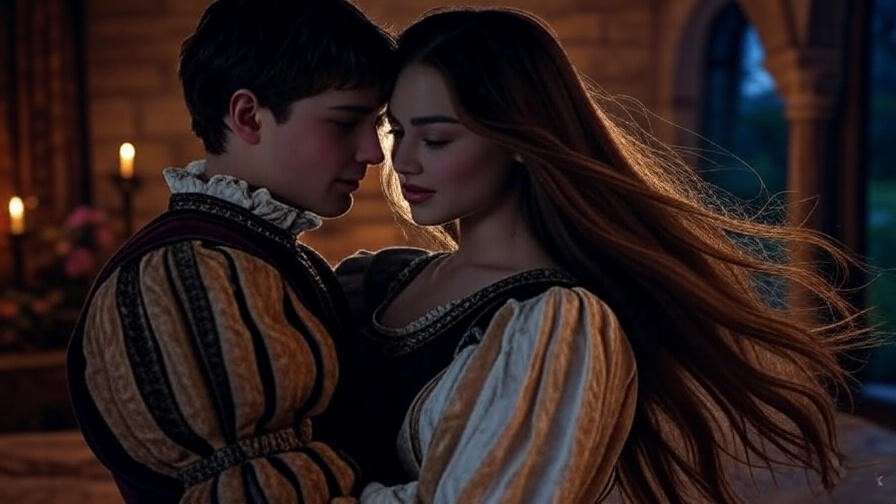
- Doublet: Fitted jacket with padded shoulders, often velvet or brocade in rich hues like deep blue, crimson, or black.
- Hose and codpiece: Tight leggings and a prominent pouch for authenticity.
- Cloak and ruff: A flowing cape for dramatic entrances; starched ruff for nobility.
- Accessories: Feathered cap, rapier (sword), boots, and gloves.
Color palettes emphasize Montague identity—cool tones like blues and silvers against Capulets’ fiery reds. For authenticity, reference Globe Theatre productions: simple yet opulent, allowing Shakespeare’s language to shine.
Notable Stage Examples
Many RSC and Broadway productions use period costumes to highlight Romeo’s poetic soul—elegant doublets with subtle embroidery evoking love sonnets. Minimalist stagings strip it down to modern black suits with symbolic touches (e.g., a red rose pin), focusing on emotion over extravagance.
The Most Famous Romeo Costume – Baz Luhrmann’s 1996 Romeo + Juliet
No discussion of the Romeo costume in Romeo and Juliet is complete without Baz Luhrmann’s vibrant, anachronistic masterpiece starring Leonardo DiCaprio. Costume designer Kym Barrett crafted looks that blend Shakespearean symbolism with 1990s pop culture, creating Halloween staples that remain popular decades later.
Leonardo DiCaprio’s Opening Look – The Hawaiian Shirt
Romeo first appears on Verona Beach in a bright, floral Hawaiian shirt—hand-painted with motifs like a flaming sacred heart (symbolizing passionate love and religious devotion) and lilies (purity and foreshadowing death). Paired with black pants, it’s casual yet symbolic: the Montagues’ laid-back vibe contrasts Capulets’ sharp suits. This look captures Romeo’s youthful melancholy and beach-boy charm, making it an easy, modern entry point for cosplay.
The Knight in Shining Armor at the Capulet Ball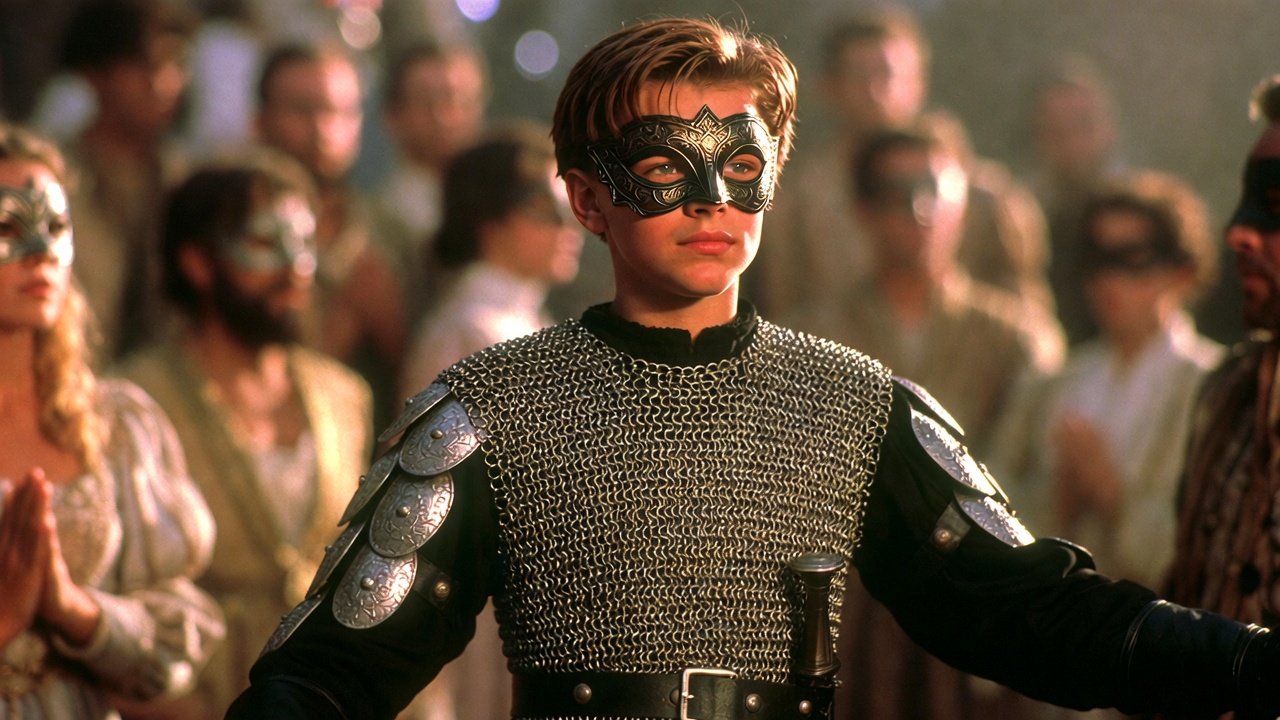
The most iconic: Romeo as a knight at the masquerade. Barrett designed it to echo the play’s dialogue—Romeo calls himself a “pilgrim” and Juliet his “saint,” but the armor nods to “knight in shining armor” tropes. Key elements:
- Chain mail shirt over a black undershirt.
- Armored pauldrons (shoulder plates) for a medieval flair.
- Black pants, belt with sword prop holder.
- Optional mask for the ball scene.
Symbolism abounds: Romeo as protector and tragic hero. This look—simple yet striking—has been replicated countless times for its visual impact and couples synergy with Juliet’s angel wings.
Other Key Looks – Wedding Suit and More
For the secret wedding, DiCaprio wears a custom Prada blue suit—elegant, tailored, with French cuffs—symbolizing maturity and doomed union. Barrett collaborated with Miuccia Prada herself, a testament to the film’s fashion influence.
Insights from Kym Barrett (in Vogue and NYLON interviews): She read the play deeply, choosing direct references—angel for Juliet, knight for Romeo—to make symbolism accessible amid the modern setting. Hawaiian shirts were hand-painted from thrift finds, blending thrift culture with high fashion (Dolce & Gabbana for Capulets, Prada for Romeo).
DIY Romeo Costume Ideas – Step-by-Step Guides for Every Budget
Creating your own doesn’t require a big budget or sewing skills—here are practical, scalable options.
Budget-Friendly Traditional Renaissance Romeo
- Materials (under $50–100): White shirt, thrift vest or jacket, black pants, belt, feather (from craft store), toy sword.
- Steps:
- Layer shirt under vest for doublet effect; add lace or ruff collar from paper/doily.
- Cinch belt high; add cape from old sheet.
- Finish with boots and hat.
- Tips: Thrift for velvet textures; use safety pins for quick adjustments.
Recreating the 1996 Knight Armor Look (Most Popular)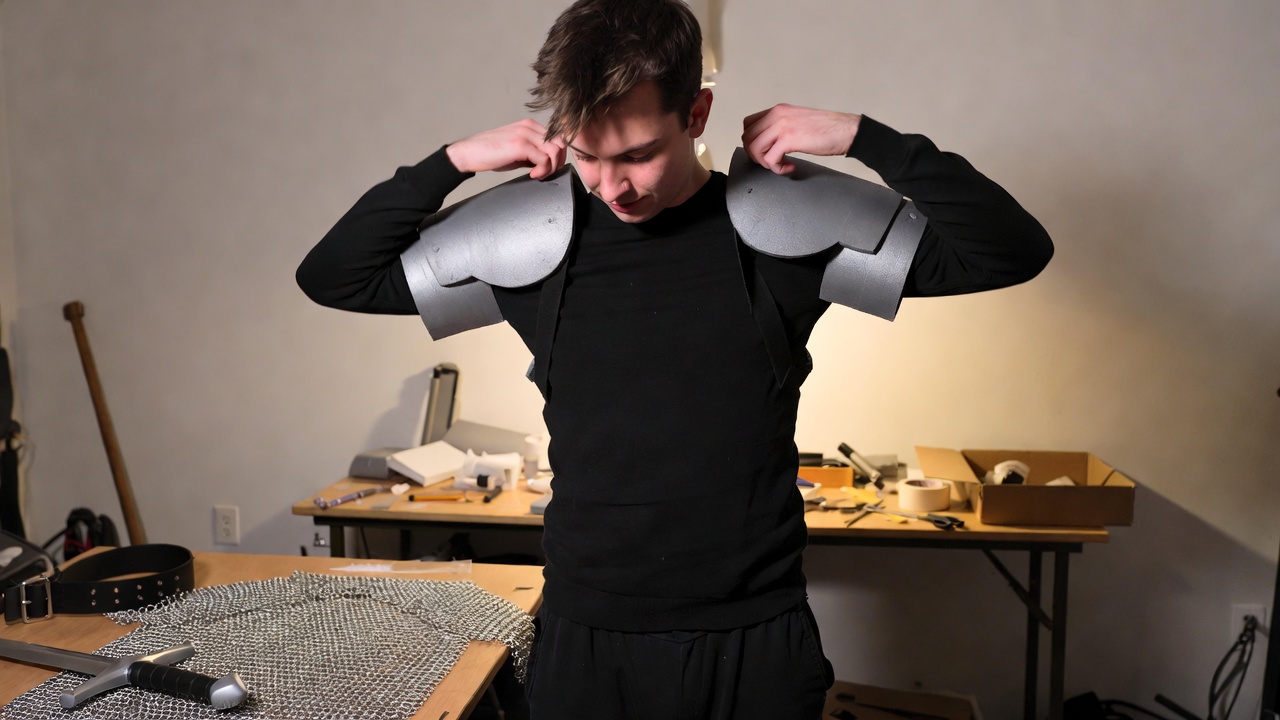
This is the go-to for cosplay/Halloween—comfortable and recognizable.
- Easy Version ($50–150): Black shirt/pants, chain mail tunic (Amazon), foam pauldrons, belt, prop sword.
- Advanced DIY:
- Base: Black long-sleeve shirt + pants.
- Chain mail: Buy mesh shirt or faux version.
- Pauldrons: Cut foam sheets, cover in silver fabric/paint; attach with straps.
- Weathering: Add metallic paint for shine; distress edges.
- Accessories: Black belt, toy sword, optional mask.
- Comfort tips: Use lightweight foam; test for mobility (duel scenes!).
Modern Casual Romeo (Hawaiian Shirt Version)
- Source bright floral shirt (Etsy replicas or thrift).
- Pair with black pants, cross necklace, sunglasses.
- Customize: Embroider hearts/lilies for symbolism.
Couples Costume Tips – Pairing with Juliet
Knight + angel is unbeatable—add white wings/DIY halo for her. Match colors (blues/silvers) for cohesion in plays or events.
Accessories and Details to Elevate Your Romeo Costume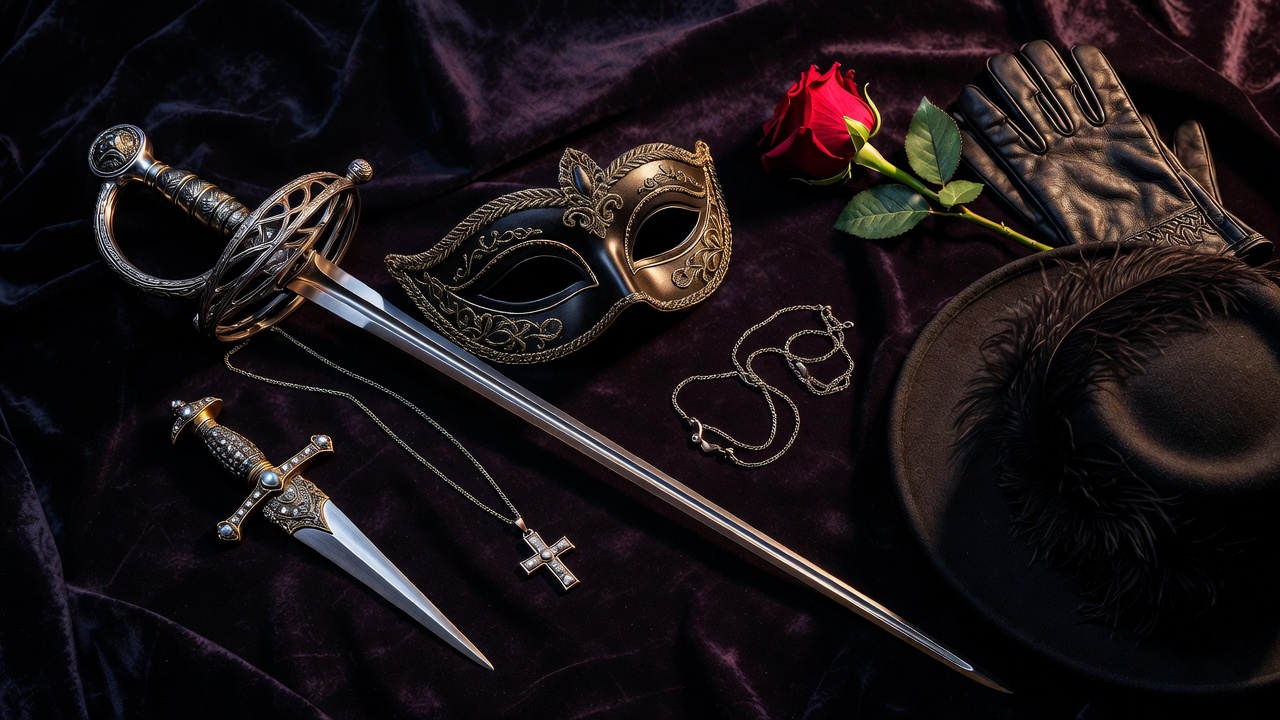
The right accessories transform a basic outfit into a truly evocative Romeo costume. These small touches not only enhance visual impact but also tie directly into the play’s themes of love, violence, fate, and nobility.
- Weapons (Sword and Dagger) Romeo’s readiness for combat is central—especially in the Tybalt duel and Mercutio’s death. Use a lightweight foam or plastic rapier (available on Amazon or costume shops) for safety in plays or conventions. For authenticity, choose a slender Elizabethan-style rapier rather than a broadsword. Add a small dagger tucked into a boot or belt—symbolizing the sudden violence that ends the lovers’ story.
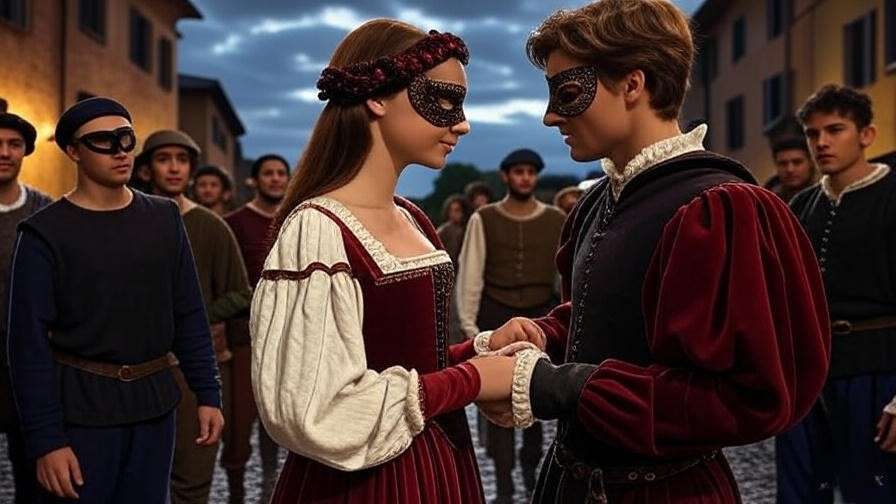
- Mask for the Capulet Ball In both Shakespeare’s text and Luhrmann’s film, the masquerade is pivotal. A simple black half-mask (Venetian style) or a knight’s visor adds mystery and romance. DIY option: Cut eye holes in black cardstock, decorate with gold trim or feathers.
- Footwear Period boots (knee-high leather or faux-leather) work for traditional looks. For the 1996 knight version, black combat boots or Chelsea boots keep it grounded in modern grit. Avoid sneakers—they break immersion instantly.
- Hair and Grooming Romeo’s youthful, romantic appearance shines through tousled, shoulder-length hair (DiCaprio’s floppy style in 1996 is iconic). Use light-hold gel or sea salt spray for texture. For stage productions, subtle stage makeup—light contouring, darkened brows—adds depth without overdoing it.
- Jewelry and Symbolic Touches A simple silver cross necklace (nodding to the religious imagery in Luhrmann’s film), a signet ring for Montague family pride, or a small red rose pinned to the lapel (echoing love and tragedy). These details reward close observers and deepen the costume’s storytelling power.
Comfort and Safety Tips Long conventions or performances demand practicality: Choose breathable fabrics under armor, use adjustable straps, and test mobility for sword-fighting scenes. If wearing chain mail, layer a moisture-wicking shirt underneath to prevent chafing.
Where to Buy or Source Romeo Costume Pieces
Finding quality pieces doesn’t have to break the bank. Here are reliable sources tailored to different budgets and needs:
- Affordable Ready-Made Options Amazon and Spirit Halloween offer “renaissance knight” or “medieval knight” kits that closely match the 1996 armor look—often including chain mail tunic, pauldrons, and belt for $40–$100. Search terms: “chain mail shirt adult,” “foam armor pauldrons,” “renaissance doublet costume.”
- High-Quality Custom and Handmade Etsy sellers specialize in accurate Elizabethan reproductions—velvet doublets, ruffs, and cloaks ($150–$400). Look for shops with 5-star reviews and photos from actual theater productions or Shakespeare festivals.
- Thrift and Upcycling Hacks Goodwill or local charity shops yield white shirts, black pants, vests, and boots. Transform a thrift-store blazer into a doublet by removing sleeves or adding lace cuffs. Hawaiian shirts for the casual look are abundant at second-hand stores—add painted symbols with fabric markers.
- Specialty Theater and Cosplay Suppliers Sites like Museum Replicas, Dark Knight Armoury, or Rubie’s Costume Co. offer historically inspired pieces. For conventions, check cosplay-specific vendors on Etsy or at events like Comic-Con.
- Sustainable Choices Prioritize second-hand or rental options (many theater companies rent costumes). Upcycling reduces waste while creating a unique interpretation.
Expert Insights – Bringing Shakespeare to Life Through Costume
Costume isn’t mere decoration—it’s interpretation. Here are insights drawn from theater practitioners, costume historians, and my own study of Shakespearean performance:
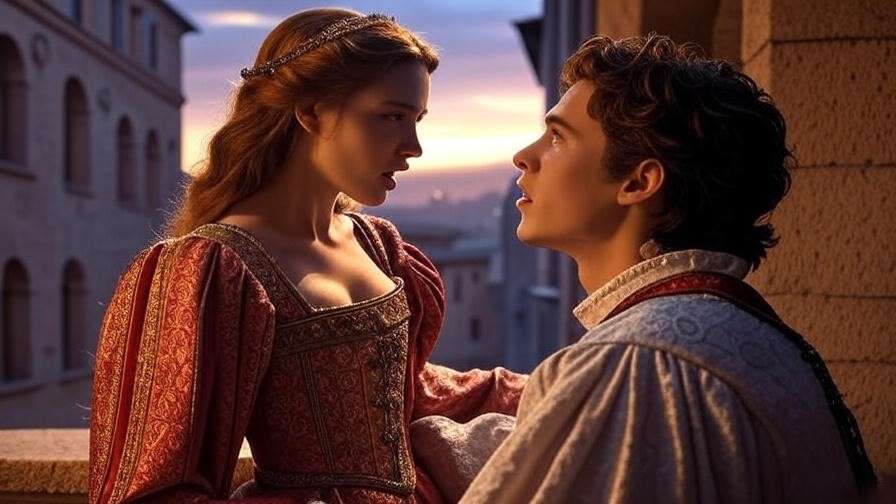
- Enhancing Key Scenes The balcony scene thrives on contrast: Romeo below in darker tones, Juliet above in lighter ones. The duel scenes demand freedom of movement—loose sleeves and lightweight fabrics prevent restricted gestures. In the tomb, pale fabrics or subtle bloodstains foreshadow tragedy.
- Avoiding Common Pitfalls Overly flashy armor can overshadow the language. Avoid cartoonish medieval clichés; aim for elegance. In modern adaptations, balance anachronism with symbolism—Luhrmann succeeded because every choice (knight, angel, Hawaiian shirt) tied back to the text.
- Theater Director’s Perspective Many directors (including those at the Globe and RSC) emphasize that costume should serve the actor’s emotional truth. A simple black doublet can convey more heartbreak than an elaborate suit if the performer embodies Romeo’s despair.
- Cosplay and Convention Advice Judges and audiences reward thoughtfulness. Include a small placard or social-media caption explaining your symbolic choices (e.g., “Flaming heart on shirt = sacred passion”). Comfort is king—many cosplayers regret heavy armor after hours of wear.
FAQs About Romeo Costume in Romeo and Juliet
What is the most popular Romeo costume for Halloween? The 1996 Baz Luhrmann knight armor look—chain mail shirt, pauldrons, black pants, and sword—remains the runaway favorite due to its striking visual impact and easy couple synergy with Juliet’s angel wings.
How accurate should a school play Romeo costume be? It depends on the production style. Traditional stagings benefit from Renaissance elements (doublet, hose, ruff). Modern or minimalist versions can use simple black attire with symbolic accessories. Prioritize safety, comfort, and clear family distinction (Montague vs. Capulet colors).
Can I make a Romeo costume without sewing? Absolutely. Layer thrift finds (shirt + vest + belt), add no-sew ruff from paper doilies, buy pre-made chain mail or foam armor pieces, and accessorize with store-bought props. The Hawaiian shirt version requires zero sewing.
What are the main differences between traditional and 1996 film versions? Traditional: Period Renaissance clothing—velvet doublet, hose, ruff, feathered cap, rich fabrics. 1996 film: Modern-anachronistic—Hawaiian shirt for casual Romeo, knight armor for the ball, Prada suit for the wedding. The film prioritizes bold symbolism over historical accuracy.
Best couples costume ideas with Juliet?
- Knight Romeo + Angel Juliet (1996 classic).
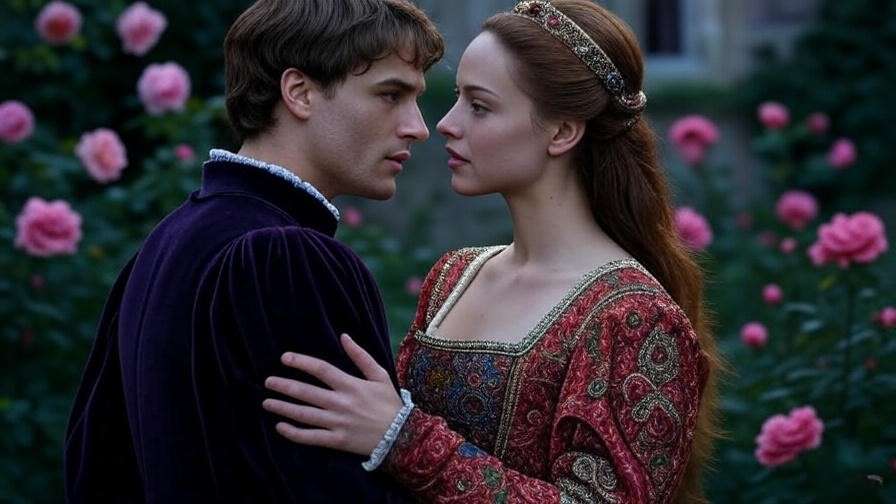
- Renaissance nobleman Romeo + Renaissance lady Juliet.
- Casual beach Romeo (Hawaiian shirt) + modern beach Juliet.
- Minimalist black suit Romeo + white dress Juliet for a sleek, tragic vibe.
From the elegant doublets of Elizabethan stages to Leonardo DiCaprio’s chain mail knight under disco lights, the Romeo costume in Romeo and Juliet has evolved while remaining instantly recognizable. Each version—whether historically faithful or boldly modern—captures the essence of a young man consumed by love, fate, and violence.
The beauty of costuming Romeo lies in its versatility: you can channel Shakespeare’s poetry through rich fabrics and symbolic details, or Luhrmann’s cinematic flair through accessible, high-impact pieces. Whatever path you choose, focus on what makes Romeo feel alive—passion, vulnerability, and that flicker of doomed hope.
Now it’s your turn. Craft your Romeo costume, step into Verona (or Verona Beach), and let the “star-cross’d lovers” story live again through your interpretation. Share your creations in the comments—I’d love to see how you bring Shakespeare’s most romantic hero to life.