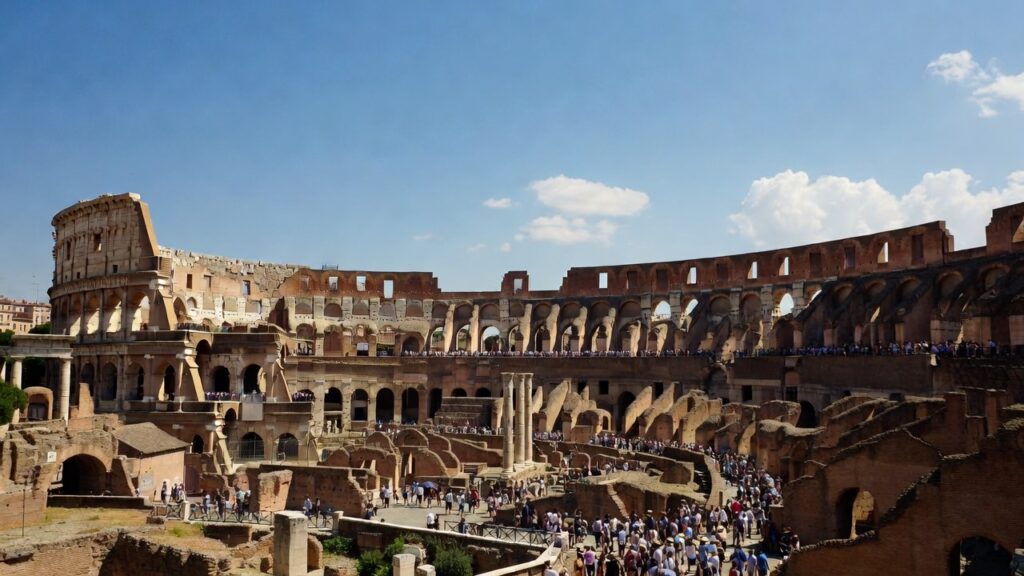
Imagine standing amid the sun-baked ruins of the Roman Forum, the very stones where Julius Caesar’s body was cremated after his brutal assassination, as the summer heat presses down like the weight of impending betrayal. The air shimmers with 90°F temperatures, crowds surge around ancient columns, and yet, in that moment, Shakespeare’s words from Julius Caesar echo vividly: “The fault, dear Brutus, is not in our stars, but in ourselves.” For Shakespeare lovers and history enthusiasts planning a trip to Rome in July, this isn’t just a vacation—it’s a chance to walk literally in the footsteps of the characters Shakespeare immortalized, while navigating the Eternal City’s peak-season challenges.
Rome in July draws millions seeking its vibrant energy, long sunny days, and outdoor festivals, but the intense heat (average highs of 88–95°F/31–35°C with notable humidity) and massive crowds can turn dreams of cultural immersion into exhausting ordeals. Dehydration, long lines at the Colosseum, and midday fatigue are common complaints. This in-depth guide solves those problems head-on: practical, heat-beating strategies combined with a unique literary lens inspired by Shakespeare’s Julius Caesar. Drawing from years of studying Shakespeare’s Roman plays and frequent visits to these sites, I’ll show you how to survive—and thrive—in Rome’s summer while gaining deeper insights into the play’s themes of power, ambition, and betrayal. Whether you’re a literature buff tracing dramatic echoes or a traveler wanting more than standard sightseeing, this skyscraper-level resource offers more comprehensive value than typical travel guides.
Why Visit Rome in July? Pros, Cons, and Realistic Expectations
July stands as one of Rome’s most dynamic months, blending peak Mediterranean sunshine with cultural vibrancy. Pros abound: Daylight stretches over 15 hours (sunrise around 5:40 AM, sunset near 8:40 PM), allowing extended exploration. The city buzzes with energy—Romans embrace la dolce vita through evening strolls, aperitivi along the Tiber, and outdoor events. Key highlights include the Estate Romana (Roman Summer) festival with free concerts, cinema under the stars, and performances citywide; Roma Summer Fest at the Auditorium Parco della Musica; Rock in Roma concerts; and the beloved Festa de’ Noantri in Trastevere (mid-to-late July), featuring processions, fireworks, and folklore honoring the Madonna del Carmine.
Opera at the ancient Terme di Caracalla offers magical nighttime spectacles amid imperial ruins—imagine arias echoing where emperors once bathed, mirroring the theatrical drama in Shakespeare’s play. Many locals vacation elsewhere (especially around Ferragosto in August), thinning traffic in some neighborhoods.
Yet cons are significant. Heat is relentless: averages hover at 88–92°F highs (often feeling higher with 55–70% humidity), with lows around 68–70°F offering scant relief. Rain is rare (under 1 inch monthly, 3–5 rainy days). Crowds peak due to school holidays, international tourism, and any lingering Jubilee 2025 effects into 2026. Lines at major sites like the Colosseum or Vatican can exceed 2–3 hours without advance tickets. Prices inflate for accommodations and tours.
This time suits Shakespeare enthusiasts and adaptable travelers who view July’s intensity as thematic parallel to the play’s “heat” of political intrigue. If you’re heat-sensitive or crowd-averse, consider shoulder seasons—but with smart planning, July becomes profoundly rewarding.
Understanding Rome’s July Weather: What to Expect and How to Prepare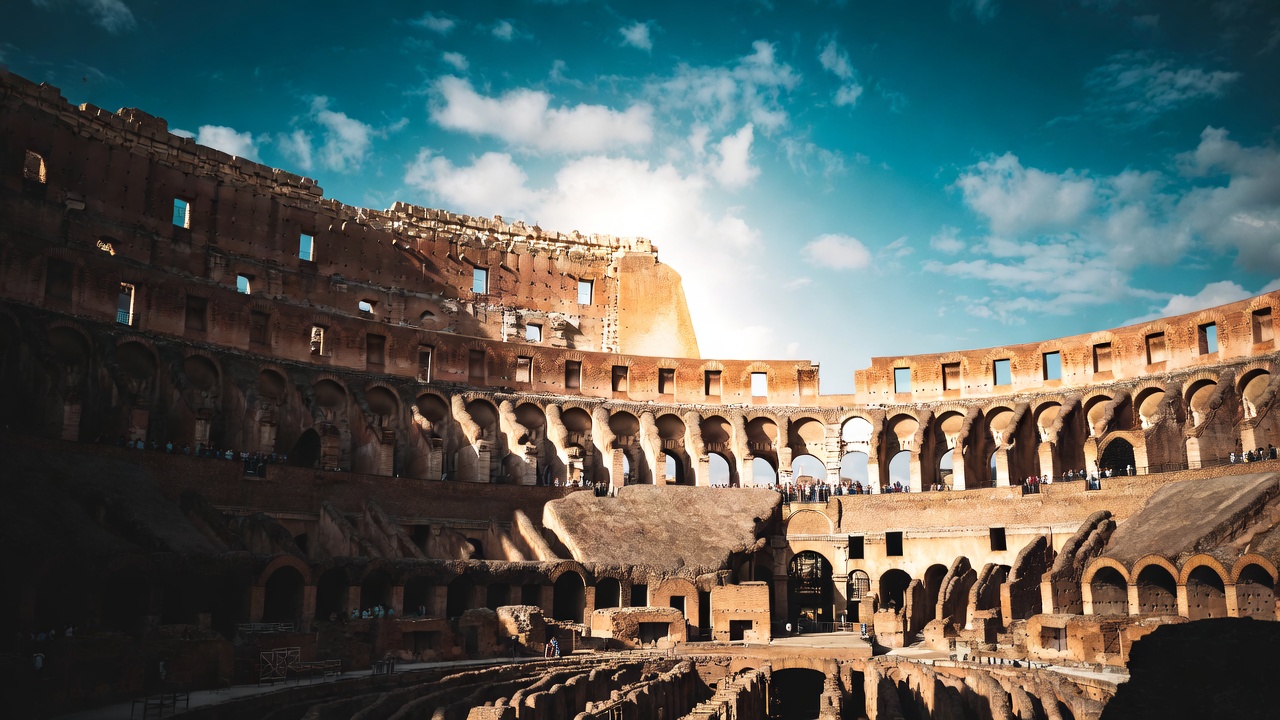
Rome’s Mediterranean climate delivers July as the hottest month, with daily highs climbing from around 85°F early-month to 88–95°F by late July. Humidity averages 55–70%, making it feel muggy; UV index hits extreme levels (9+), demanding protection. Nights cool to 68–72°F, but urban heat islands keep evenings warm.
Health risks include heat exhaustion (symptoms: dizziness, nausea) and dehydration—serious in prolonged sun exposure. Rare thunderstorms bring brief relief but lightning hazards.
Preparation starts with packing: Breathable linen or cotton clothing in light colors, wide-brim hats, high-SPF sunscreen (reapply every 2 hours), polarized sunglasses, sturdy yet ventilated walking shoes (cobblestones are brutal), a refillable water bottle, and cooling accessories like neck gaiters or portable fans. Layer lightly for air-conditioned interiors contrasting outdoor heat.
Adopt the Roman rhythm: Tackle sites early (many open 8–9 AM), embrace midday riposo (1–4 PM siesta when shops close), and revive in evenings. Free nasoni fountains provide cold, potable water everywhere—refill constantly.
Surviving and Thriving in Rome’s Summer Heat: Practical Strategies
Mastering July heat transforms your trip from survival to enjoyment. Prioritize timing: Visit iconic sites at opening (Colosseum, Forum) or late afternoon/evening (many offer extended hours or night tours). Skip-the-line tickets via official sites (coopculture.it for Colosseum) or Roma Pass save hours and energy.
Hydration is non-negotiable: Drink 3–4 liters daily; use nasoni or bars for free tap water (ask for acqua rubinetto). Carry electrolyte packets. Seek shade—piazzas with fountains, gardens like Villa Borghese, or gelato breaks provide natural cooling.
Crowd hacks: Book everything in advance (Vatican, Borghese Gallery require reservations). Use apps like Google Maps for real-time crowd data; opt for lesser-visited gems during peak hours (e.g., Capitoline Museums).
Accommodations: Choose central spots with reliable AC (near Termini or Monti for metro access). Avoid top-floor rooms without fans.
Food & drink: Embrace seasonal fare—fried zucchini flowers, chilled prosciutto, granita. Aperitivo along the Tiber at sunset offers breezes and people-watching. Avoid heavy midday meals; opt for light salads or fruit.
Health & safety: Pace yourself, monitor for heatstroke signs, use pharmacies for advice. Walk shaded routes; metro and buses provide AC relief.
Walking in Shakespeare’s Footsteps: A Literary Tour of Julius Caesar’s Rome
Shakespeare’s Julius Caesar (1599) dramatizes the 44 BC assassination, exploring ambition, loyalty, and rhetoric through characters like Brutus and Mark Antony. While not historically precise (e.g., the play places events in the Forum, though the actual murder occurred elsewhere), it captures Rome’s essence as a stage for power struggles.
This self-guided tour (3–4 hours, best early morning) maps key sites:
The Forum Romanum and Capitoline Hill Heart of republican Rome, where Caesar triumphed and Antony delivered his famous oration (“Friends, Romans, countrymen…”). Explore ruins of the Basilica Julia (Caesar-initiated) and Temple of Divus Julius, site of his cremation altar—still adorned with flowers today.
Largo di Torre Argentina Actual assassination spot in the Curia of Pompey (now a cat sanctuary and open ruins). Contrast Shakespeare’s dramatic Forum scene with this sunken square’s four temples and Pompey’s theater remnants.
Roman Forum and Caesar’s Forum Caesar’s power base: His Forum (Forum Iulium) celebrated victories; nearby Curia Julia (Senate house he rebuilt) evokes conspiracy debates.
Theater of Pompey area Nearby echoes of the assassination steps; wander to connect with the play’s political intrigue.
Other echoes Subura (modern Monti neighborhood, Caesar’s early home); Appian Way for era roads; Trastevere for possible residences.
Integrate quotes: At the Forum, recall Antony’s speech; at assassination site, ponder Brutus’s “It must be by his death.” Use audio guides or apps with Shakespeare excerpts for immersion.
Tips: Start early to beat heat; wear comfortable shoes; combine with standard sights for efficiency.
Best Things to Do in Rome in July: Seasonal Highlights with a Shakespearean Twist
Leverage July’s nights: Colosseum after-dark tours (dramatic lighting evokes play tension); Vatican Museums evenings.
Outdoor events: Terme di Caracalla opera; Lungo il Tevere fairs; Appian Way festivals.
Shakespearean angle: Twilight walks in Villa Borghese gardens, reflecting on Brutus’s moral dilemmas amid greenery.
Hidden gems: Cooler spots like catacombs or shaded churches for respite.
Evening Tiber strolls and historic piazza gelato cap magical days.
Sample 4-5 Day Itinerary for Rome in July: Heat-Beating + Literary Focus
Day 1: Early Colosseum/Forum (Shakespeare sites); midday rest; evening Trastevere aperitivo. Day 2: Vatican morning; Borghese Gallery afternoon; literary reflection walk. Day 3: Capitoline Museums + Forum revisit; night opera or concert. Day 4: Appian Way bike tour; evening Festa de’ Noantri if aligned. Day 5: Flexible—Pantheon, Trevi, or hidden sites; sunset Tiber.
Adjust for pace; prioritize rest.
Expert Tips from a Shakespeare Scholar’s Perspective
Shakespeare drew on Plutarch but infused Elizabethan anxieties into Roman settings. Visiting these sites reveals how ancient power dynamics mirror timeless human flaws—ambition’s dangers, rhetoric’s power. This deepens appreciation: Rome isn’t static history; it’s living theater.
Common Mistakes to Avoid in Rome in July
- Sightseeing midday without shade.
- Skipping advance bookings.
- Forgetting hydration/electrolytes.
- Ignoring siesta—shops close!
- Overpacking heavy clothes.
FAQs: Rome in July Answered
Is Rome too hot in July? Yes, but manageable with early starts and shade.
Best time for sites? Opening or late afternoon/evening.
Crowded? Very—book ahead.
Shakespeare tours? Limited; self-guide or literary apps work.
Packing tips? Light layers, sun protection, water bottle.
Events? Estate Romana, Noantri, concerts—check updates.
Rome in July challenges but rewards: Turn heat and crowds into dramatic immersion, walking Shakespeare’s Rome while surviving summer smartly. Book early, pace yourself, embrace evenings—your trip becomes epic. As Caesar warns, beware the Ides—but schedule wisely, and make your Roman holiday unforgettable.