Imagine a classroom in one of Northeastern Wisconsin’s rural or small-town districts—perhaps in Gillett, Oconto, or Shawano—where students initially groan at the mention of Shakespeare. The language feels ancient, the plots distant, and the relevance questionable in a world of TikTok, AI, and instant news. Yet, within minutes, those same students are on their feet, debating Hamlet’s indecision as if it were a current mental health crisis, or laughing at the chaotic fairy antics in A Midsummer Night’s Dream while connecting them to modern teen drama. This transformation happens every day when teachers unlock Shakespeare’s timeless insights effectively.
For educators in CESA 8—the Cooperative Educational Service Agency serving 27 school districts across Northeastern Wisconsin—this guide is designed specifically for you. Whether you’re teaching English Language Arts in a middle or high school setting, supporting diverse learners through CESA 8’s student services, or aligning lessons to the Wisconsin Standards for English Language Arts (WI ELA standards), you’ll find practical, evidence-based strategies here. These approaches address common challenges: student resistance to complex texts, time constraints in packed curricula, and the need for inclusive, differentiated instruction that meets Wisconsin’s emphasis on close reading, evidence-based analysis, and thematic exploration of foundational literature like Shakespeare.
This comprehensive resource draws on literary scholarship, best practices from national organizations like the Folger Shakespeare Library, and regional context from Wisconsin Department of Public Instruction (DPI) resources such as WISELearn units on Hamlet and Macbeth. It goes beyond generic Shakespeare guides by tailoring content to CESA 8’s collaborative environment—leveraging local professional development, literacy centers, and networks for curriculum, instruction, and assessment (CIA). By the end, you’ll have ready-to-use lesson ideas, assessment tools, and resources to make Shakespeare engaging, accessible, and profoundly relevant, helping your students build critical thinking, empathy, vocabulary, and analytical skills that prepare them for college, careers, and life.
Why Shakespeare Still Matters in CESA 8 Classrooms Today
Shakespeare’s works remain a cornerstone of high school English curricula because they exemplify the text complexity and enduring themes required by modern standards. In Wisconsin, the Wisconsin Standards for English Language Arts (revised 2020) emphasize comprehending and creating text through reading literature, analyzing craft, and exploring universal ideas. Shakespeare serves as an exemplar for college and career readiness, particularly in grades 9–12, where students must grapple with figurative language, nuanced word meanings, character development, and central ideas like revenge, ambition, identity, and mortality.
Alignment with Wisconsin Standards for English Language Arts The WI ELA standards highlight strands such as:
- Reading Literature (RL.9-12): Cite textual evidence, determine themes, analyze character motivations, and evaluate how author’s choices shape meaning.
- Language: Demonstrate command of figurative language, word relationships, and nuances.
- Speaking and Listening: Initiate discussions, build on others’ ideas, and present findings with supporting evidence.
- Writing: Produce arguments, informative texts, and narratives grounded in literary analysis.
Shakespeare’s plays naturally support these. For instance, close reading of Hamlet’s “To be or not to be” soliloquy builds skills in evidence-based interpretation, while debating Lady Macbeth’s ambition fosters argumentative writing. DPI’s WISELearn platform features full units on Hamlet that align directly with these expectations, encouraging close study of soliloquies to explore revenge, madness, and inaction.
Addressing Modern Student Needs in Northeastern Wisconsin CESA 8 districts serve a mix of rural, small-town, and diverse communities, with students facing unique challenges—from economic disparities to varying access to resources. Shakespeare’s themes resonate deeply here:
- Mental health and indecision in Hamlet mirror contemporary discussions around youth anxiety and suicide prevention.
- Power, guilt, and gender roles in Macbeth connect to leadership and equity conversations in community settings.
- Identity and transformation in As You Like It or Twelfth Night speak to questions of self-discovery amid changing social norms.
Research from organizations like the Folger Shakespeare Library shows that active engagement with Shakespeare improves empathy, vocabulary acquisition, and analytical thinking—skills vital for all learners, including those supported by CESA 8’s Regional Special Education Network (RSN) and assistive technology services.
Benefits Backed by Research and Practice Studies indicate that performance-based Shakespeare instruction enhances comprehension and engagement more than passive reading. Teachers in similar regional contexts report higher student motivation when connecting Elizabethan drama to modern adaptations (e.g., film versions or graphic novels). In CESA 8’s literacy-focused professional development through the Literacy Center, these evidence-based practices align with foundational literacy training and ELA program implementation.
Choosing the Right Shakespeare Play for Your Grade Level and Classroom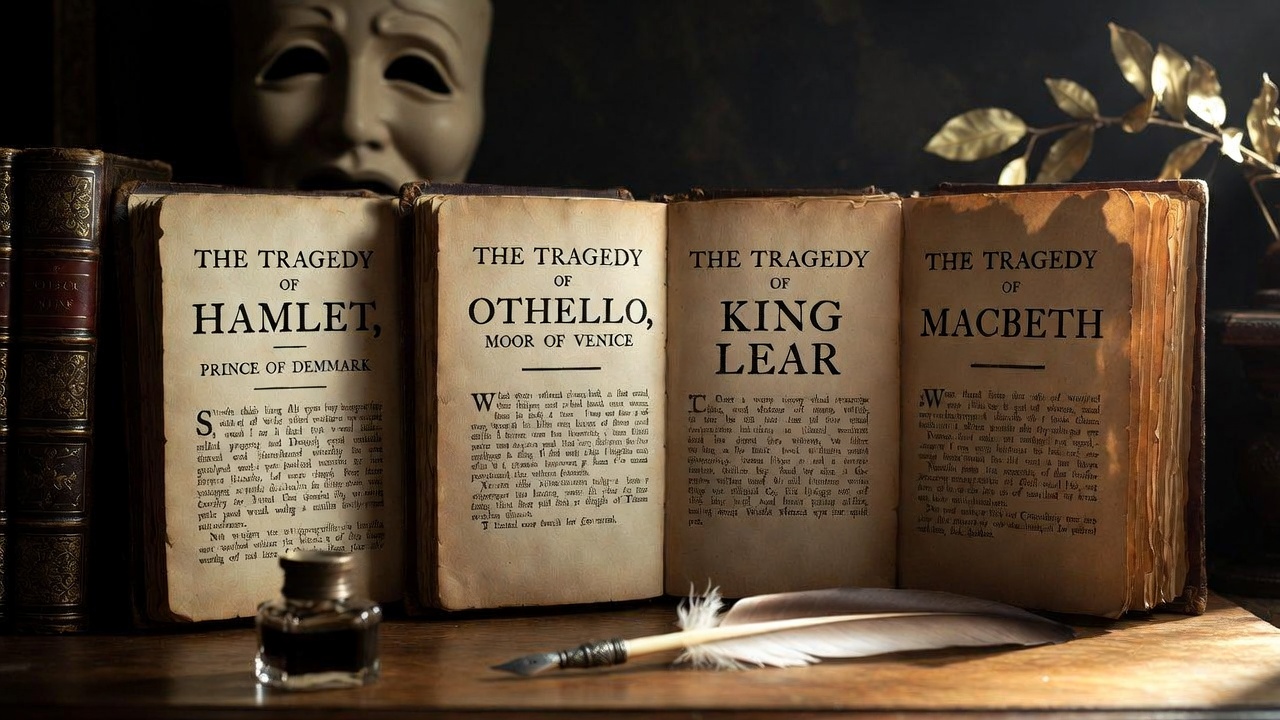
Selecting the appropriate play is key to success, especially in CESA 8 where class sizes, student readiness, and available resources vary.
Recommended Plays by Grade Band (Aligned to WI Standards)
- Middle School (Grades 6–8): Start with excerpts or simplified versions. A Midsummer Night’s Dream offers humor, magic, and accessible romance; Romeo and Juliet excerpts introduce tragedy and poetic language without overwhelming length. These build foundational skills in text complexity and figurative language.
- High School (Grades 9–10): Romeo and Juliet (full) for themes of fate, love, and conflict; A Midsummer Night’s Dream for comedy and identity.
- Grades 11–12: Hamlet (introspection, mortality); Macbeth (ambition, guilt); Othello (jealousy, race); The Tempest (power, forgiveness). These support advanced analysis of character arcs and central ideas.
Factors to Consider in CESA 8 Districts Consider rural connectivity for digital resources, diverse learners (use CESA 8 assistive tech support), and alignment with district pacing guides. Leverage CESA 8’s Curriculum, Instruction & Assessment team for collaborative planning.
Quick-Start Play Selector Table
| Grade Band | Recommended Play | Key Themes | Difficulty Level | Why It Fits CESA 8 Classrooms |
|---|---|---|---|---|
| 6–8 | A Midsummer Night’s Dream | Love, illusion, identity | Medium | Fun, short scenes; great for performance |
| 9–10 | Romeo and Juliet | Fate, family conflict, young love | Medium-High | Relatable teen drama; strong modern parallels |
| 11–12 | Hamlet | Revenge, madness, mortality | High | Deep philosophical insights; DPI WISELearn unit |
| 11–12 | Macbeth | Ambition, guilt, power | High | Concise; ties to leadership/current events |
This selection ensures progressive complexity while keeping engagement high.
Breaking Down Shakespeare’s Language: Practical Strategies That Work
Shakespeare’s Early Modern English can intimidate, but targeted strategies make it approachable.
Demystifying Early Modern English Teach basics: “Thou/thee/thy” (informal singular), “you” (formal/plural), iambic pentameter (unstressed-stressed rhythm mimicking heartbeat). Provide a quick glossary: “wherefore” = “why,” “ho” = attention call, “aye” = yes. Use side-by-side modern paraphrases from resources like No Fear Shakespeare.
Active, Hands-On Activities
- Insult Generator Warm-Up: Students create Elizabethan insults using lists (e.g., “thou art a beslubbering, toad-spotted varlet!”). Builds vocabulary playfully.
- Word-for-Word Translations: Groups translate a scene into modern slang, then compare impact.
- Readers Theater: Read aloud in small groups—no sitting! Movement aids comprehension.
Tech Tools for CESA 8 Teachers
- Folger Digital Texts (free, annotated).
- YouTube performances (Royal Shakespeare Company clips).
- Text-to-speech apps for diverse learners, aligning with CESA 8’s AT/AAC services.
- Graphic novels or YA adaptations (e.g., Macbeth manga) for scaffolding.
These methods reduce barriers, making Shakespeare’s language a tool for insight rather than an obstacle.
Deep Dive into Key Insights and Themes
To truly unlock Shakespeare’s value in the classroom, teachers must move beyond surface-level plot summaries and guide students into the profound psychological, philosophical, and social insights embedded in the texts. These insights remain strikingly relevant in today’s world, helping students develop empathy, ethical reasoning, and self-awareness—outcomes highly valued in both Wisconsin ELA standards and 21st-century skill frameworks.
Character Analysis Masterclass Shakespeare’s characters are not flat archetypes; they are psychologically complex individuals whose inner conflicts drive the drama. Teaching character analysis effectively builds students’ ability to cite textual evidence and interpret motivation (RL.11-12.3).
- Hamlet: Focus on his seven soliloquies as windows into indecision, grief, and existential questioning. The famous “To be, or not to be” (Act 3, Scene 1) is not merely about suicide—it’s a meditation on action versus paralysis, consciousness versus oblivion. Ask students: “What modern dilemmas mirror Hamlet’s ‘whether ’tis nobler’ question?” Responses often include climate anxiety, social media pressure, or career uncertainty.
- Lady Macbeth: Trace her arc from ruthless ambition (“unsex me here”) to guilt-ridden madness (“Out, damned spot!”). This offers rich discussion on gender expectations, power, and the psychological cost of suppressing conscience.
- Othello: Explore Iago’s manipulation and Othello’s tragic vulnerability to jealousy. Modern parallels to misinformation, gaslighting, and racial bias make this play especially powerful in diverse classrooms.
Practical tip: Use a “Character Motivation Map” graphic organizer where students track key quotes, actions, and inferred emotions across acts. This visual tool supports visual learners and aligns with CESA 8’s emphasis on differentiated instruction.
Exploring Universal Themes with Modern Connections Shakespeare’s themes transcend time and place, making them ideal for connecting Elizabethan England to 21st-century Northeastern Wisconsin.
- Revenge and Justice: In Hamlet and Othello, revenge spirals into destruction. Compare this to contemporary media portrayals of vigilante justice or cancel culture.
- Appearance vs. Reality: “Fair is foul, and foul is fair” (Macbeth) resonates in an era of curated social media personas and deepfakes.
- Fate vs. Free Will: Romeo and Juliet’s “star-crossed lovers” framing invites debate: Are characters doomed by external forces (family feud, societal norms) or by their own choices?
- Identity and Transformation: Gender disguise in Twelfth Night and As You Like It opens conversations about fluidity, self-presentation, and acceptance—topics that resonate with many teenagers navigating identity in small-town and rural settings.
To make these connections concrete, assign a “Then vs. Now” journal prompt: students select one theme, find a direct quote from the play, and pair it with a current event, song lyric, or personal experience. This exercise strengthens argumentative writing and personal response skills (WI ELA W.11-12.1).
Expert Insights: Close Reading Techniques Close reading is the cornerstone of literary analysis in Wisconsin standards. Here are battle-tested methods:
- Soliloquy Annotation Protocol
- Students receive a printed soliloquy with wide margins.
- Step 1: Underline unfamiliar words and look up definitions.
- Step 2: Circle repeated words/images (blood, darkness, eyes, poison).
- Step 3: Bracket shifts in tone or argument.
- Step 4: Write one-sentence “gist” summaries for each 4–6 lines.
- Step 5: Answer: “What new understanding of the character/theme does this passage reveal?”
- Motif Tracking Across the Play Create a class chart (Google Sheets or physical poster) tracking recurring images (e.g., light/dark in Romeo and Juliet, disease/plague in Hamlet). Students add entries as they read, building collective evidence for thematic essays.
- Evidence-Based Discussion Stems Provide sentence starters: “The imagery of ___ in line ___ suggests ___ because ___,” or “This contradicts the earlier claim in Act I when ___ said ___.” These scaffolds support speaking/listening standards (SL.11-12.1).
These techniques, used consistently, produce deeper comprehension and higher-quality writing than traditional chapter questions.
Engaging Lesson Plans and Activities Ready for Your Classroom
The following ready-to-adapt plans emphasize active learning, performance, and creativity—approaches proven to increase engagement and retention far more than passive reading.
5-Day Sample Unit for Romeo and Juliet (Adaptable to Other Plays) Grade Level: 9–10 | Duration: 5 class periods (75–90 min each)
- Day 1: Prologue + Modern Parallels
- Hook: Show 60-second clips from three film versions (Zeffirelli 1968, Luhrmann 1996, animated retellings).
- Activity: Read prologue chorally; students rewrite it as a modern social media post or news headline.
- Objective: Introduce fate vs. family conflict theme.
- Day 2–3: Key Scenes + Performance
- Focus scenes: Balcony scene (Act 2, Scene 2), Tybalt-Mercutio-Romeo fight (Act 3, Scene 1).
- Activity: Small-group staging—students block, perform, and film short scenes using phones. No costumes required; focus on line delivery and gesture.
- Debrief: “How did physical choices change the meaning of the words?”
- Day 4: Theme Debates
- Structured academic controversy: “Was the tragedy caused more by fate or by human choices?”
- Students prepare evidence from text + one modern example.
- Objective: Build argumentative speaking and listening skills.
- Day 5: Creative Extension & Reflection
- Options: Write a missing scene, create a modern retelling trailer script, design a social media profile for a character.
- Exit ticket: “One insight about love, conflict, or fate I gained from studying Romeo and Juliet.”
Inclusive and Differentiated Approaches
- Provide audio versions or text-to-speech for struggling readers (aligns with CESA 8 assistive technology resources).
- Offer tiered assignments: basic plot summary, character analysis, or advanced thematic essay.
- Use visual supports: storyboards, character webs, and graphic organizers.
- Incorporate movement breaks and collaborative grouping to support attention and engagement for students receiving special education services.
Performance and Creative Projects
- Modern Retelling Project: Groups adapt a scene into a different time/place (e.g., Macbeth set in a modern corporate office or high school).
- Film Comparison Essay: Compare two adaptations (e.g., Polanski vs. Kurzel Macbeth) focusing on directorial choices and thematic emphasis.
- Shakespearean Podcast Episode: Students script and record a 5–7 minute episode analyzing a soliloquy or theme, complete with sound effects and modern commentary.
These projects tap into multiple intelligences, increase ownership, and produce artifacts suitable for portfolios or parent conferences.
Assessment Ideas Aligned to WI ELA Standards
Effective assessment turns Shakespeare study from a one-time literature unit into measurable growth in reading, writing, speaking, and critical thinking—exactly what the Wisconsin Standards for English Language Arts demand. Below are practical, standards-aligned assessment strategies that provide both formative feedback during learning and summative evidence of mastery.
Formative Checks Quick, low-stakes checks help you adjust instruction in real time and give students frequent opportunities to demonstrate understanding.
- Exit Tickets on Soliloquy Analysis After reading a soliloquy, students respond to one prompt in 2–3 sentences:
- “What central question is the character wrestling with in this speech?”
- “Cite one piece of textual evidence (quote + line number) and explain how it reveals the character’s state of mind.” This directly targets RL.11-12.1 (cite strong textual evidence) and RL.11-12.3 (analyze character development).
- Think-Pair-Share Reflections After a scene performance or film clip, students jot down one insight, share with a partner, then contribute to whole-class discussion. Collect written reflections as evidence of SL.11-12.1 (collaborative discussions) and growing comprehension.
- Motif Tracking Check-Ins Every few scenes, students add one entry to the class motif chart (physical or digital). Review entries weekly to spot misconceptions early and praise strong connections.
Summative Options These major assessments produce artifacts that demonstrate mastery across multiple standards.
- Argumentative Essay (W.11-12.1) Prompt example: “To what extent is Macbeth responsible for his own downfall? Support your claim with textual evidence, considering the roles of ambition, the witches, and Lady Macbeth.” Require at least three integrated quotations with analysis, plus a counterclaim and rebuttal for advanced writers.
- Thematic Presentation (SL.11-12.4–6) Students select one universal theme (e.g., appearance vs. reality) and present how it develops across the play using slides or a poster. Include 4–5 key quotations, modern parallels, and visual elements (images, memes, short video clips). Rubric emphasizes clear organization, evidence integration, and audience engagement.
- Creative Adaptation Project (W.11-12.3 + RL.11-12.7) Options include:
- Rewrite a scene in modern prose or verse.
- Create a short film trailer or storyboard for a key moment.
- Compose a series of social media posts from a character’s perspective across the play. Students submit both the creative piece and a 1-page reflection explaining how their adaptation preserves or shifts the original theme/character insight.
Rubrics and Data-Driven Tips Use a clear, standards-aligned rubric shared at the start of the unit. Example categories:
- Textual Evidence & Citation Accuracy (RL strand)
- Analysis Depth & Insight (central ideas, craft)
- Clarity & Organization (writing/speaking)
- Creativity & Modern Relevance (extension)
Leverage CESA 8’s assessment support resources, including data analysis protocols and literacy intervention systems, to track growth over time. Many districts use tools like MAP Growth or local common assessments—compare pre- and post-unit scores on literary analysis tasks to quantify impact.
Collect student work samples (with permission) to build a portfolio showcasing growth across a semester or year. This evidence is invaluable during parent conferences, IEP meetings, and professional learning community (PLC) discussions.
Resources and Professional Development for CESA 8 Educators
No teacher needs to reinvent the wheel. Below are the best local, state, and national resources tailored to CESA 8 contexts.
Local and State Resources
- CESA 8 Curriculum, Instruction & Assessment (CIA) Team — Contact your regional CIA consultant for collaborative planning, co-teaching models, and access to shared unit plans. CESA 8 frequently hosts ELA-focused professional development days and literacy networks.
- Wisconsin Department of Public Instruction (DPI) WISELearn — Free, standards-aligned units including full Hamlet and Macbeth modules with lesson plans, student handouts, and performance tasks. Search “Shakespeare” on the WISELearn platform.
- Wisconsin Shakespeare Festivals & Programs — The American Players Theatre (Spring Green) offers educational matinees, teacher workshops, and virtual resources. Closer to home, check for touring productions or school partnerships through regional arts councils.
Recommended Books, Websites, and Adaptations
- Primary Texts & Annotations
- Folger Shakespeare Library editions (affordable paperbacks with facing-page notes)
- No Fear Shakespeare (free online modern paraphrases)
- Teaching Resources
- Folger Shakespeare Library’s “Teach Shakespeare” section — lesson plans, primary source documents, and performance activities
- Royal Shakespeare Company (RSC) “Teaching Resources” — excellent for active approaches
- Shakespeare’s Globe Education — free video workshops and scene studies
- Modern Adaptations
- Films: Baz Luhrmann’s Romeo + Juliet (1996), Justin Kurzel’s Macbeth (2015), Julie Taymor’s The Tempest (2010)
- Graphic novels: Macbeth by Gareth Hinds, Romeo and Juliet manga adaptations
- YA retellings: These Violent Delights by Chloe Gong (Romeo and Juliet), A Thousand Steps into Night by Traci Chee (inspired by Shakespearean tragedy)
Networking and Growth Join or form a CESA 8 ELA/English PLC to share successes, challenges, and student work. Attend regional conferences such as the Wisconsin State Reading Association (WSRA) convention or CESA 8 literacy events. Follow #WisEdChat and #TeachShakespeare on social media for real-time ideas from Wisconsin teachers.
Common Challenges and Expert Solutions
Even experienced teachers encounter roadblocks. Here are the most frequent issues reported by CESA 8-area educators and practical fixes.
Overcoming Student Resistance Challenge: “This is boring/old/weird.” Solution: Start with high-energy, low-stakes activities (insult generator, meme-making, short performance clips). Show relevance immediately—pair a soliloquy with a modern song or TikTok trend. Celebrate small wins publicly to build momentum.
Time Management in Packed Curricula Challenge: Fitting a full play into 3–4 weeks alongside other required texts. Solution: Use excerpts strategically (focus on 4–6 key scenes + soliloquies). Supplement with short videos and summaries for plot. Integrate Shakespeare into thematic units (e.g., power & ambition alongside nonfiction texts on leadership) rather than isolated “Shakespeare month.”
Handling Sensitive Content Challenge: Violence, suicide, sexual references, racial themes (Othello). Solution: Front-load context and trigger warnings. Use content warnings in lesson plans and offer alternative assignments for students who need them. Frame discussions around historical context and modern parallels to promote safe, thoughtful dialogue. Consult CESA 8’s student services team for guidance on trauma-informed teaching.
William Shakespeare’s insights into human nature—grief, ambition, love, identity, power, and forgiveness—remain as urgent and illuminating today as they were 400 years ago. For teachers in CESA 8 districts, the challenge is not whether to teach Shakespeare, but how to make the experience transformative rather than dutiful.
This guide has equipped you with:
- Standards-aligned rationale and play selection tools
- Language-breaking strategies and tech supports
- Deep character/theme analysis frameworks
- Ready-to-use lesson plans, projects, and assessments
- Curated resources and regional support networks
The real magic happens when you adapt these ideas to your unique students—the ones in your classroom in Oconto Falls, Peshtigo, Lena, or any of the 27 CESA 8 districts. Try one new strategy this semester. Share what works (and what doesn’t) in your building’s PLC or at a CESA 8 network meeting. Your students deserve to wrestle with these timeless questions, and you have the tools to help them emerge with sharper minds and deeper hearts.
Here’s to unlocking Shakespeare’s insights—one classroom, one soliloquy, one connection at a time.
Frequently Asked Questions
Q: How much of a full play should I teach to meet WI standards? A: Focus on key scenes, soliloquies, and thematic threads rather than every line. DPI’s WISELearn units model effective excerpting while still hitting RL.11-12 expectations.
Q: What’s the best starting play for reluctant or struggling readers? A: A Midsummer Night’s Dream—short, funny, magical, and full of action. Pair it with graphic novel versions and performance clips.
Q: How do I make Shakespeare inclusive for ELL and special education students? A: Use audio support, visual summaries, chunked reading, and tiered tasks. Leverage CESA 8’s assistive technology and special education network resources.
Q: Are there free or low-cost ways to bring Shakespeare performances to my classroom? A: Yes—Folger and RSC YouTube channels, American Players Theatre virtual content, and local Wisconsin Shakespeare festivals often offer free educator resources or discounted student tickets.