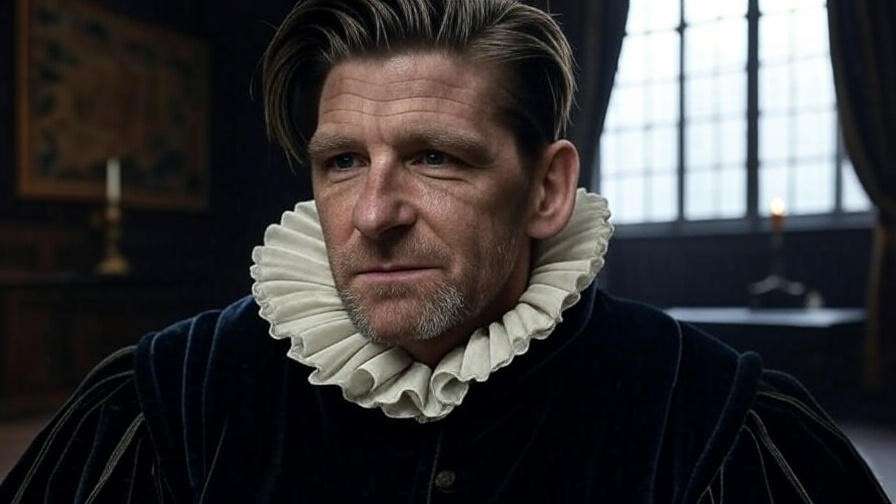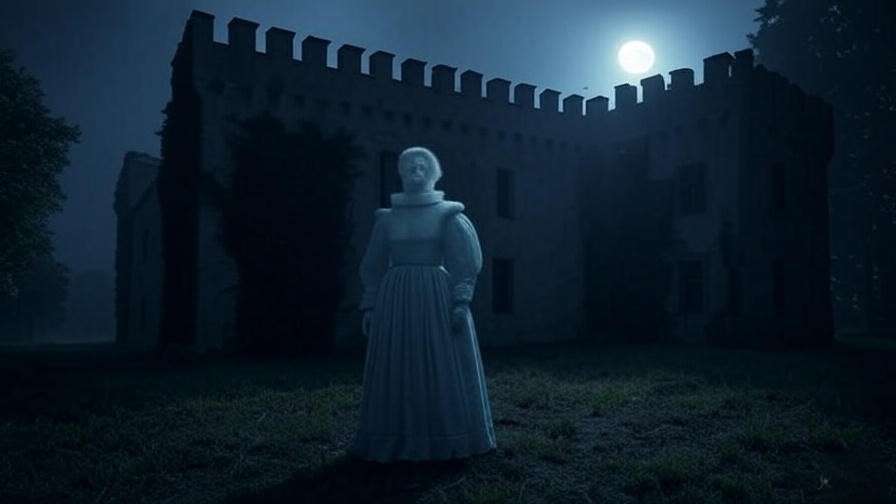
On a frigid, windswept night, guards pace the shadowy battlements of a grand Danish fortress, their breath visible in the moonlight. Suddenly, a spectral figure emerges—clad in armor, silent yet commanding—haunting the very walls where power and betrayal intertwine. This chilling opening scene of William Shakespeare’s Hamlet immediately draws us into the oppressive atmosphere of Elsinore Castle, the central setting that confines every major character and propels the tragedy forward. Far more than a mere backdrop, the Hamlet setting—rooted in the real Kronborg Castle—functions as a symbolic prison, a decaying emblem of corruption, and a psychological labyrinth that mirrors the protagonist’s inner turmoil.
In Hamlet, Elsinore isn’t just where the action happens; it’s a living force that amplifies themes of revenge, madness, surveillance, moral rot, and existential dread. Whether you’re a student analyzing the play for an essay, a literature enthusiast seeking deeper insights, or someone exploring Shakespeare’s genius, understanding the Hamlet setting unlocks why this tragedy feels so claustrophobic and universal. This comprehensive guide delves into the historical origins, literal details, symbolic layers, and thematic power of Elsinore, offering more depth than standard summaries to help you truly appreciate its dark role.
The Historical and Real-World Roots of Elsinore Castle
Shakespeare’s choice of setting draws from a tangible place of power and legend, transforming history into profound drama.
From Krogen Fortress to Kronborg: The Evolution of a Danish Icon
The real-world inspiration for Elsinore is Kronborg Castle in Helsingør (Elsinore in English), Denmark. Originally built around 1420 as Krogen Fortress by Eric of Pomerania, it served as a strategic stronghold controlling the narrow Øresund strait—the vital gateway between the North Sea and Baltic Sea. Kings collected lucrative “Sound Dues” from passing ships, making the site a symbol of Danish wealth and military might.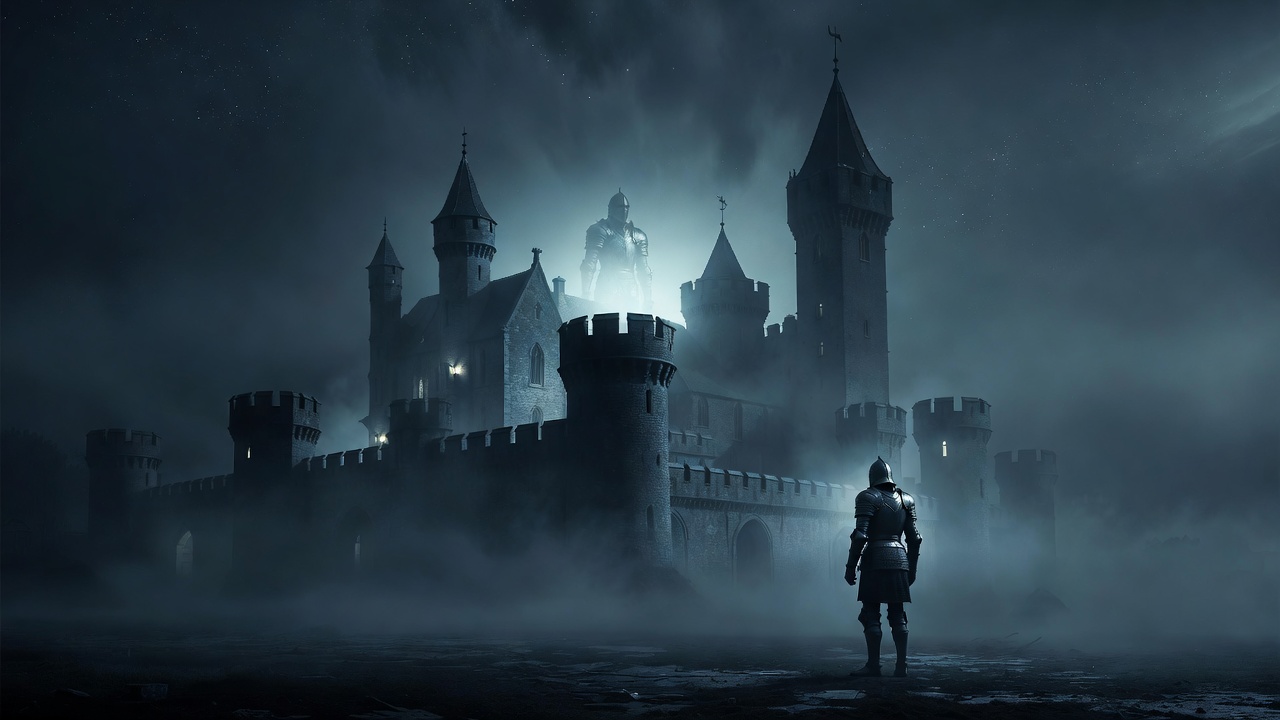
In the late 16th century, King Frederick II rebuilt it into a magnificent Renaissance palace between 1574 and 1585. With ornate facades, grand ballrooms, towering spires, and formidable ramparts, Kronborg became one of Northern Europe’s most impressive castles. Its strategic importance continued through wars and trade, and in 2000, UNESCO inscribed it as a World Heritage Site for its architectural excellence and role in European history.
Shakespeare’s Connection to Kronborg – Fact vs. Legend
No definitive proof exists that Shakespeare visited Kronborg, but connections abound. English actors, including William Kempe, Thomas Pope, and George Bryan—colleagues in Shakespeare’s company—performed there for the Danish court. Tales of the castle’s grandeur, royal intrigues, and even ghostly legends likely reached London through these travelers.
Shakespeare anglicized Helsingør to “Elsinore,” evoking an exotic, northern mystery for Elizabethan audiences. He drew from the medieval Amleth saga in Saxo Grammaticus’s Gesta Danorum (c. 1200), blending it with Renaissance splendor. Thus, Elsinore becomes a fictionalized yet vividly real fortress where political ambition and supernatural dread collide.
The Literal Setting in Hamlet – Time, Place, and Atmosphere
Shakespeare confines nearly the entire play to Elsinore, creating an intense, inescapable mood.
Where and When Does Hamlet Take Place?
The primary location is Elsinore Castle, the Danish royal residence, including battlements, chambers, halls, and grounds. Only the graveyard scene (Act 5, Scene 1) occurs just outside, and brief offstage references mention Norway, Poland, and England.
The time blends eras: medieval Danish roots with Renaissance touches (e.g., Wittenberg university, Reformation allusions). Denmark appears Protestant, skeptical of Purgatory ghosts, yet feudal in structure. This hybrid era heightens ambiguity—old codes of honor clash with modern doubt.
Key Locations Within Elsinore and Their Dramatic Functions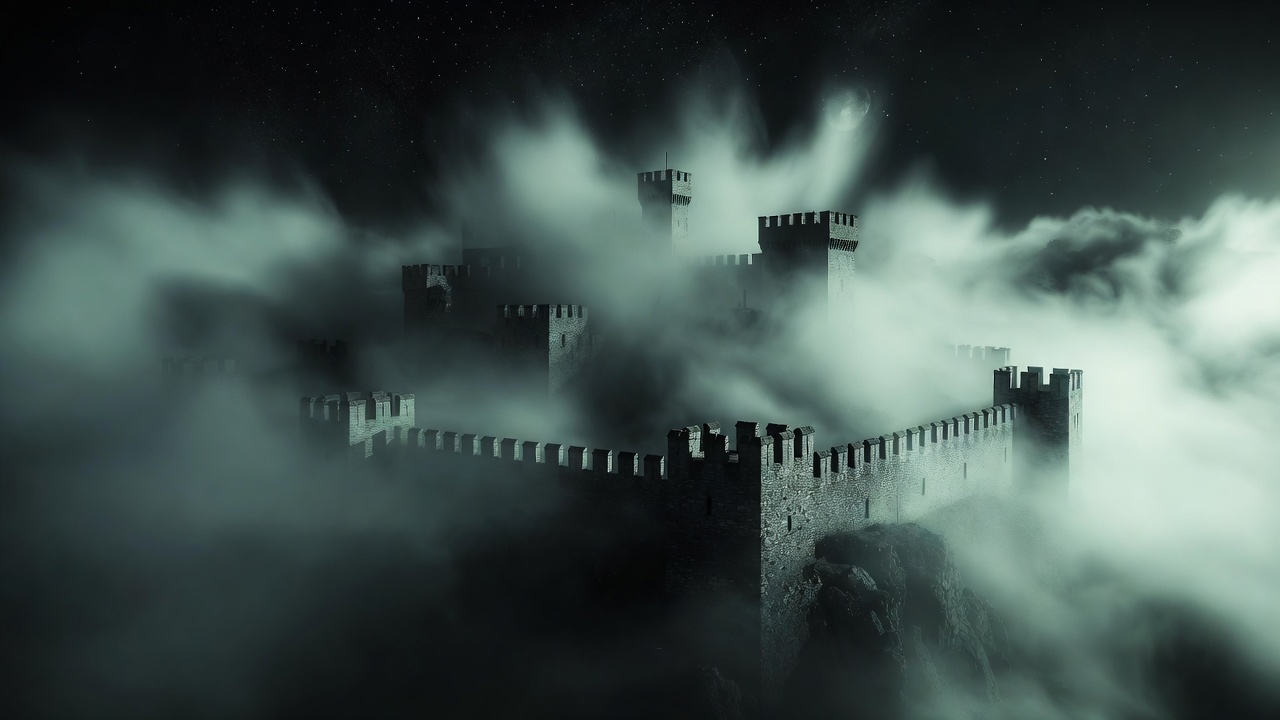
- Battlements: The play opens here (Act 1, Scenes 1, 4–5). Cold, exposed ramparts host the Ghost’s appearances, symbolizing vigilance against external threats (Norway) and internal hauntings. The platform’s isolation fosters supernatural intrusion.
- Private chambers/closets: Sites of introspection and betrayal. Hamlet’s soliloquies (“To be or not to be”) unfold in seclusion; Polonius hides behind an arras in Gertrude’s closet (Act 3, Scene 4), leading to his death.
- Great hall/throne room: Public spaces for courtly facades. Claudius’s speeches mask guilt; the play-within-a-play exposes truth amid performance.
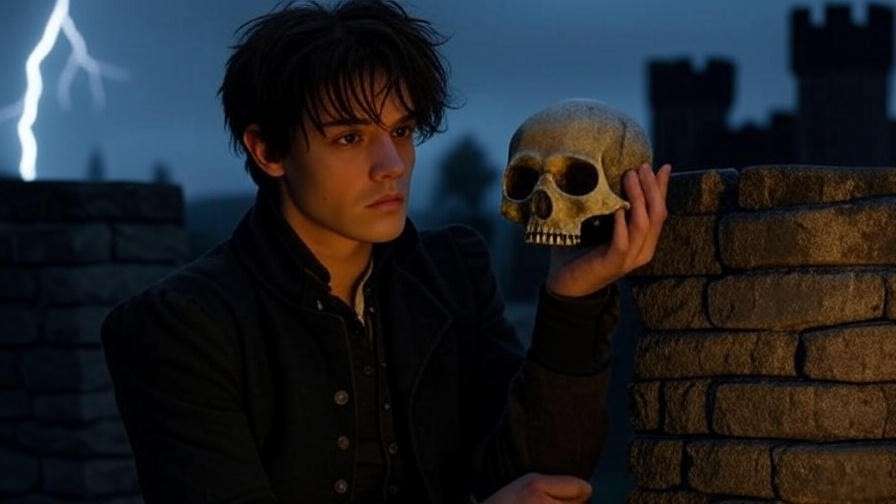
- Graveyard: Outside yet tied to the castle. Yorick’s skull scene confronts mortality, shifting from castle confinement to universal death.
These spaces—public vs. private, high vs. low—reinforce surveillance and hidden motives.
Elsinore as a Symbol – The Castle’s Dark Psychological and Thematic Role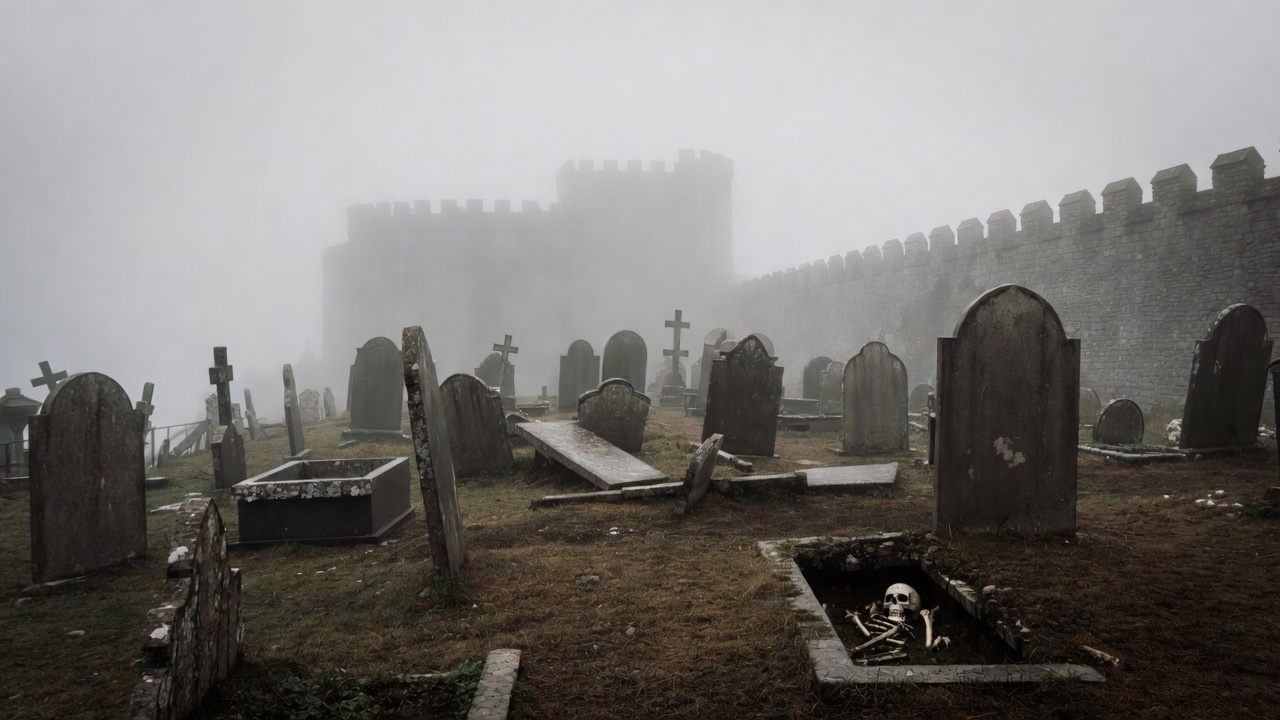
Beyond literal walls, Elsinore embodies the tragedy’s core conflicts.
A Prison of the Mind and Soul
The castle’s labyrinthine design mirrors moral mazes. Characters cannot escape: Hamlet delays revenge, trapped by duty and doubt; others spy endlessly. This claustrophobia reflects psychological entrapment—Hamlet’s mind becomes its own dungeon.
Symbol of Corruption, Decay, and Rot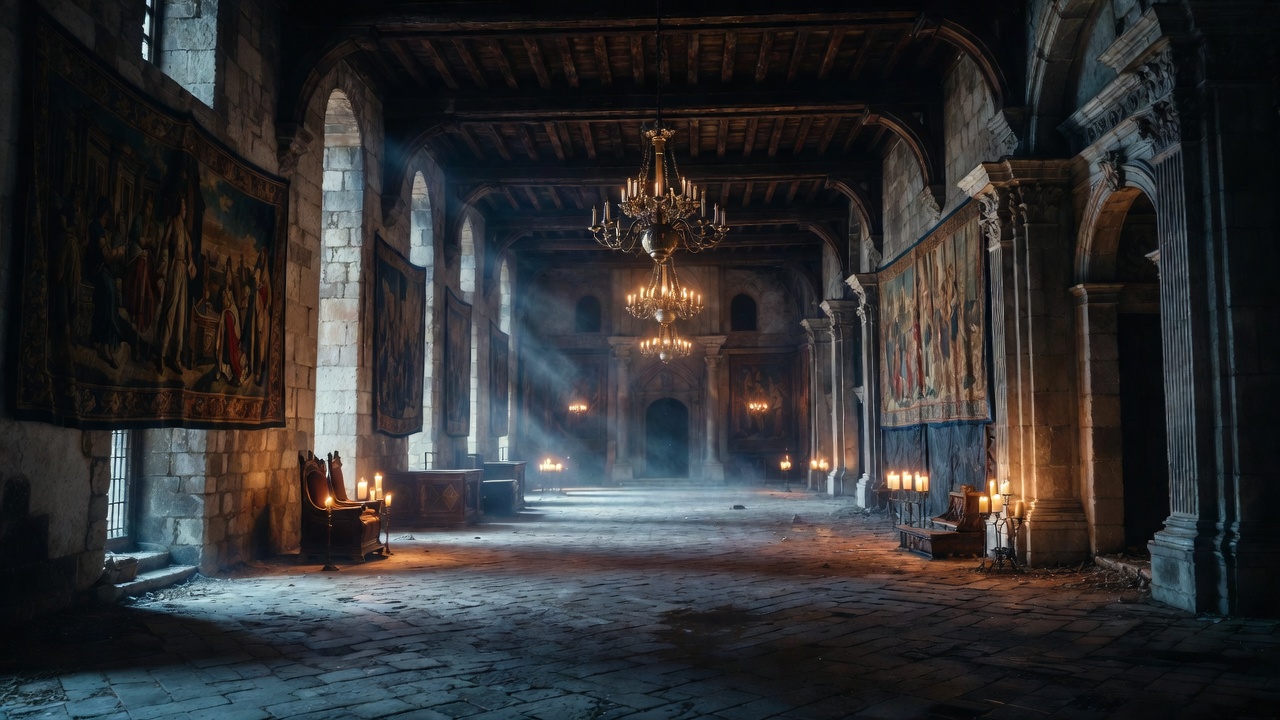
Famous line: “Something is rotten in the state of Denmark” (Act 1, Scene 4). The grand exterior hides internal decay—incest, fratricide, hypocrisy. Elsinore microcosms diseased Denmark: beautiful yet poisoned, like Claudius’s court.
Military and Political Symbolism
As a fortress defending against Norway, it parallels internal usurpation. Fortinbras’s invasion ends the cycle, but the castle’s fall underscores instability.
How the Setting Drives Plot, Character, and Major Themes
The confined Hamlet setting intensifies every element.
Fueling Hamlet’s Delay and Madness
Isolation breeds soliloquies and feigned madness. Private spaces allow deep introspection; spying (e.g., Rosencrantz/Guildenstern) heightens paranoia.
Amplifying Themes of Revenge, Betrayal, and Existentialism
Revenge unfolds indoors—no heroic battlefield. Betrayal thrives in hidden rooms. The Ghost from Purgatory challenges Protestant views, raising afterlife questions.
Gender, Power, and Confinement (Gertrude, Ophelia)
Women face stricter limits. Gertrude’s closet becomes entrapment site; Ophelia’s madness stems from patriarchal control within walls.
Modern Interpretations and Enduring Relevance of the Hamlet Setting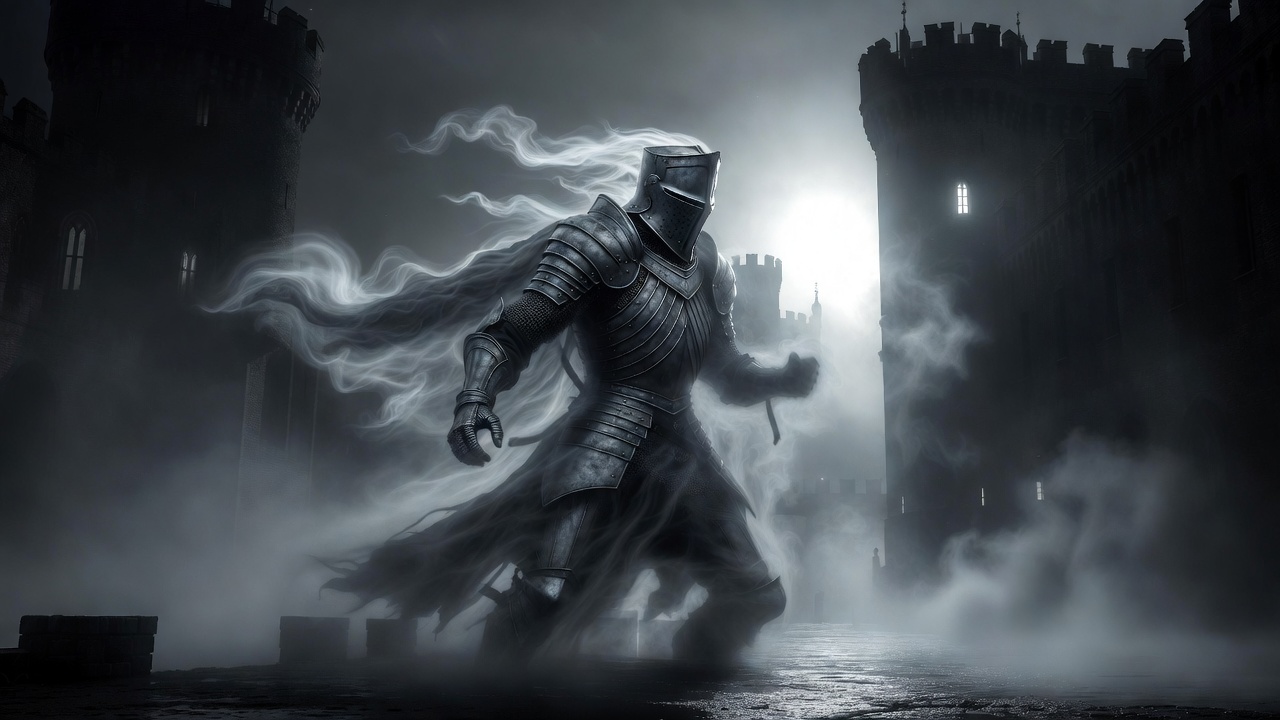
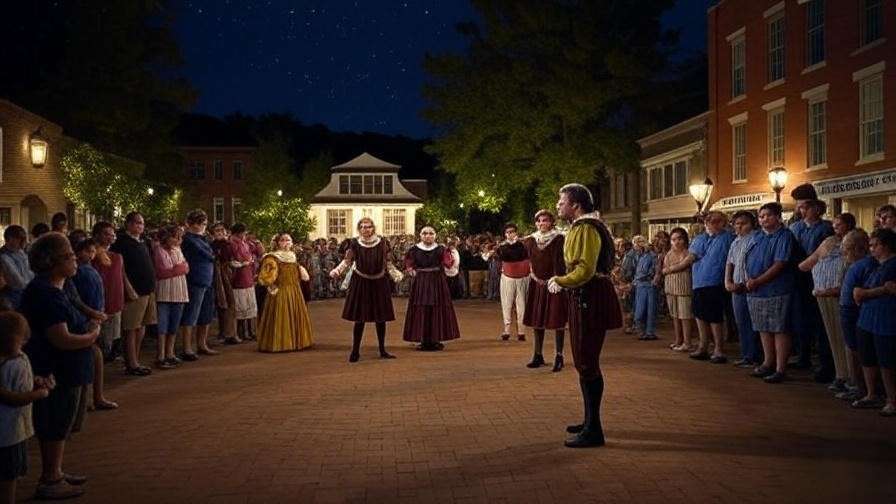
Adaptations shift settings—corporate offices, modern homes—but retain confinement. Elsinore resonates in surveillance eras, political corruption, mental health in isolation. Kronborg hosts annual Hamlet performances, bridging fiction and reality.
Key Takeaways – Why the Hamlet Setting Matters
- Literal: Rooted in Kronborg, confined to castle spaces.
- Symbolic: Prison, rot, surveillance.
- Thematic: Drives revenge, madness, existential dread.
| Location | Key Scenes | Significance |
|---|---|---|
| Battlements | Ghost appearances | Supernatural intrusion, vigilance |
| Closets/Chambers | Soliloquies, closet scene | Introspection, betrayal |
| Throne Room | Court scenes, play-within-play | Facade vs. truth |
| Graveyard | Yorick’s skull | Mortality confrontation |
Frequently Asked Questions (FAQs)
What is the real castle that inspired Elsinore in Hamlet? Kronborg Castle in Helsingør, Denmark—a UNESCO site.
Why is the setting mostly limited to one location? It creates claustrophobia, mirroring entrapment and intensifying psychological drama.
How does Elsinore symbolize madness? Labyrinthine spaces reflect mental mazes; isolation fosters introspection turning to frenzy.
Is Hamlet set in a specific historical period? Hybrid: medieval roots with Renaissance/Reformation elements.
Can I visit the real Elsinore Castle? Yes—Kronborg offers tours and Hamlet productions.
Elsinore Castle transforms from backdrop to tragic force, its dark role embodying moral decay and human struggle. Revisit Hamlet with this lens—explore Kronborg virtually or in person—and discover why Shakespeare’s setting endures. What aspect of the Hamlet setting intrigues you most? Share in the comments.