Imagine the murky Thames at low tide in late Elizabethan London: a crowd gathers along the muddy foreshore of Wapping, the air thick with river damp and anticipation. A condemned pirate, hands bound, is hoisted onto a scaffold where the noose dangles short—deliberately so. The drop fails to snap his neck; instead, he strangles slowly, limbs twitching in what spectators grimly called the “Marshal’s dance.” His body sways until three tides wash over it, a warning to every sailor on the bustling river. This was Execution Dock, the Admiralty’s grim theater of justice in Wapping, Tower Hamlets—a place where maritime crime met brutal retribution.
Wapping Tower Hamlets, that historic riverside enclave in London’s East End, was once a gritty hub of sailors, shipyards, and shadowy dealings. Today, it’s gentrified with luxury warehouses and cobbled charm, yet its past lingers in the lapping Thames and ancient pubs. For those drawn to William Shakespeare’s world, Wapping offers a visceral link: the real-life spectacles of pirate executions and seafaring peril shaped the moral ambiguities, themes of justice, revenge, and fate that permeate his plays. This article delves deep into Wapping’s dark history, traces its echoes in Shakespeare’s canon, and guides modern visitors to experience these maritime shadows firsthand—providing richer context for literature lovers, history enthusiasts, and anyone curious about Elizabethan London’s underbelly.
The Historical Heart of Wapping in Tower Hamlets
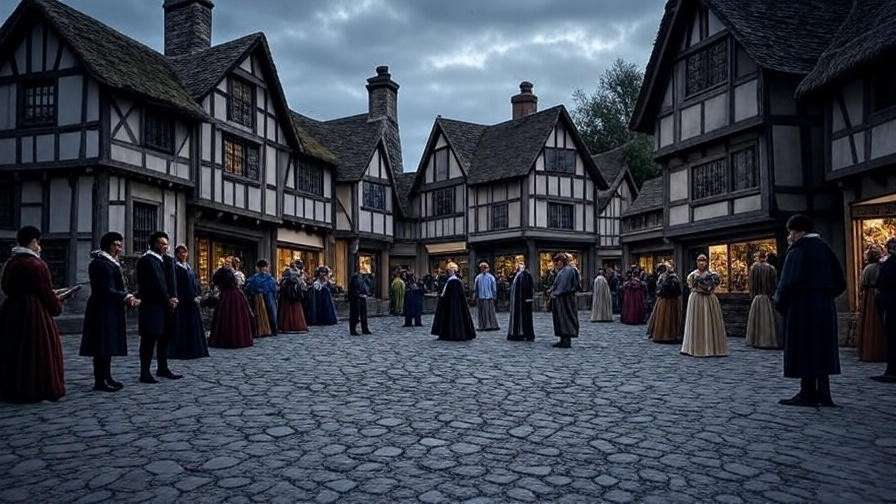
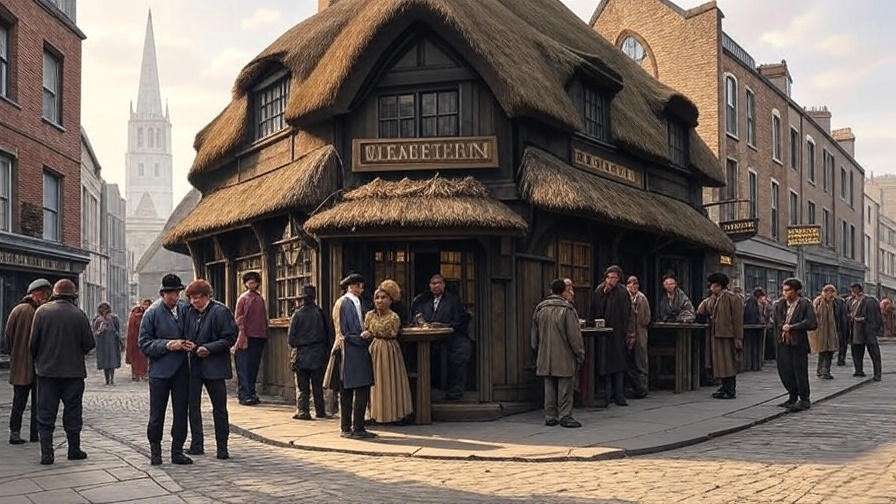
Wapping’s story begins with its geography. Nestled on the north bank of the Thames, just east of the Tower of London and the City, it served as a vital maritime gateway during the late 16th and early 17th centuries. Elizabethan England was expanding its global reach through trade and exploration, with ships docking amid warehouses, ropewalks, and taverns. Sailors from across Europe mingled here, bringing tales of distant seas—and the constant threat of piracy.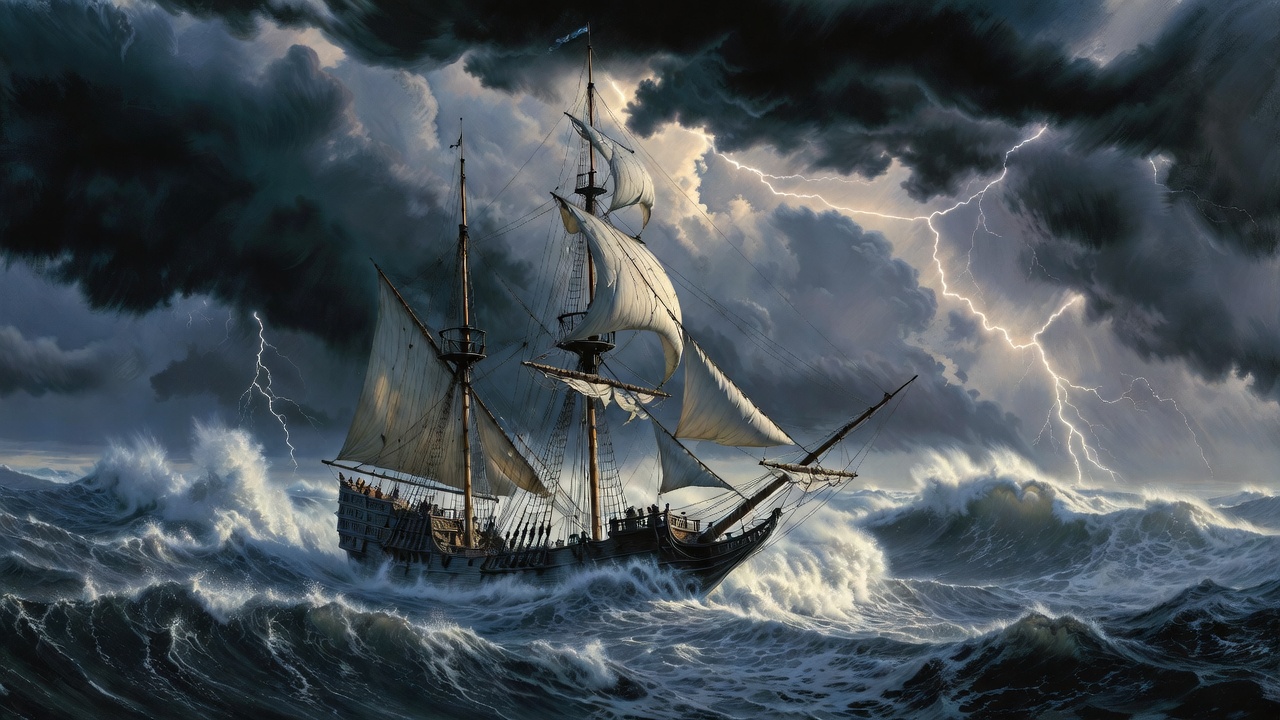
Wapping’s Rise as a Maritime Gateway By Shakespeare’s time (1564–1616), Wapping had evolved into a bustling district. The Thames teemed with vessels carrying spices, wool, and gold; privateers like Francis Drake blurred lines between heroism and outlawry. Yet piracy plagued merchant routes, prompting the Admiralty Court to assert control. Crimes at sea fell under their jurisdiction, and punishment demanded a symbolic site: below the low-water mark, where the river met the sea’s domain.
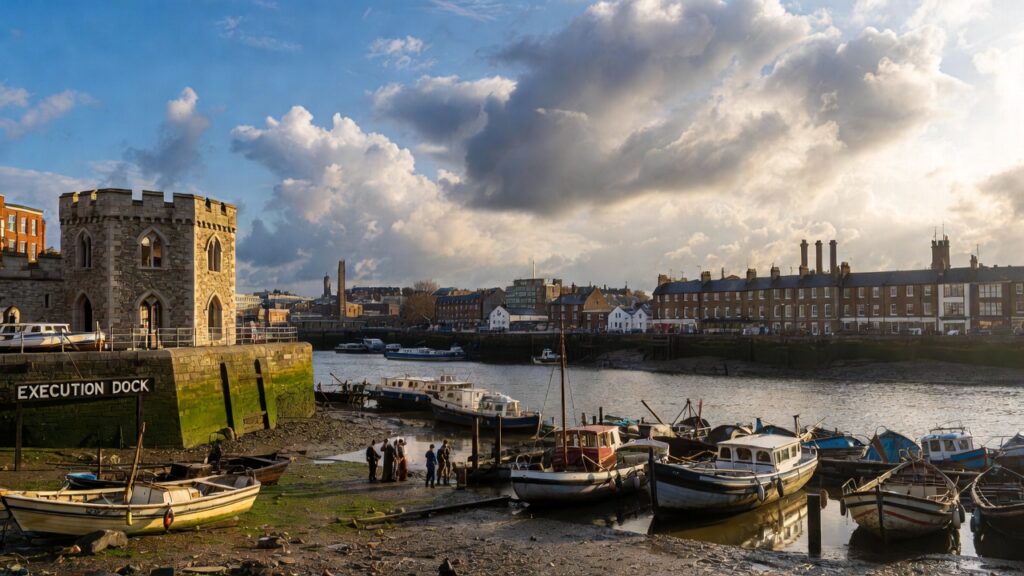
Execution Dock — London’s Unique Site for Nautical Justice Execution Dock, operating from the 1400s to 1830, was no ordinary gallows. Located near Wapping’s shoreline (likely around Wapping Old Stairs or King Henry’s Stairs), it featured scaffolds where the condemned were hanged at low tide. The ritual was deliberate and theatrical: prisoners paraded from prisons like Newgate or Marshalsea, across London Bridge, past the Tower, to Wapping. For pirates, a shortened rope ensured slow strangulation rather than a quick neck break—emphasizing suffering as deterrence. Bodies were often left until three tides passed, sometimes tarred and gibbeted in chains along the estuary as rotting warnings.
This peak overlapped Shakespeare’s adult life and the early Jacobean era under James I, who intensified anti-piracy efforts. Mass executions occurred; in December 1608–1609, up to 19 pirates were hanged in a single day at Wapping, reflecting state crackdowns on sea crime.
Famous Pirate Executions at Execution Dock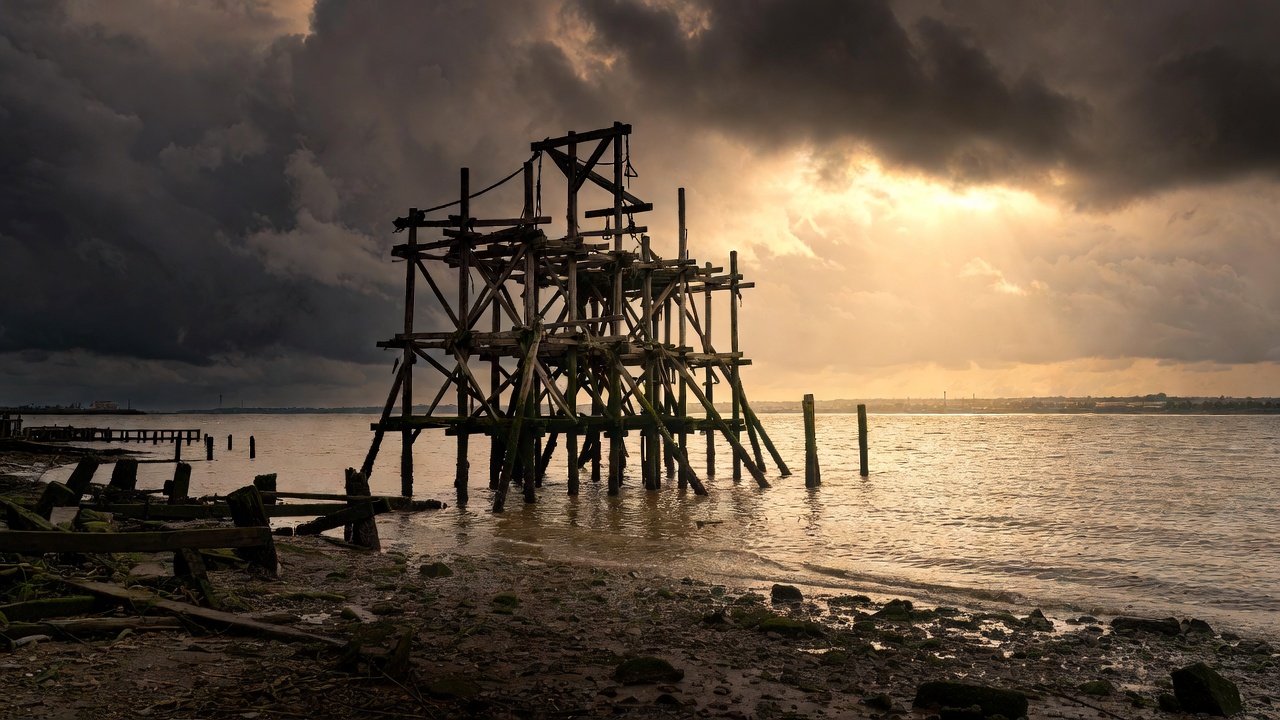
The spectacles at Execution Dock drew crowds—onlookers crammed the banks, boats ferried spectators for closer views. Public punishment served as both justice and propaganda, reinforcing Admiralty authority amid England’s seafaring ambitions.
The Spectacle of Public Punishment Why the riverside and low tide? Symbolism: crimes committed on water demanded execution where land met sea. The short-drop hanging prolonged agony, limbs convulsing in the “dance.” Bodies gibbeted post-execution deterred others; notorious cases saw corpses displayed for years.
While Captain William Kidd’s 1701 execution (rope snapping twice, body gibbeted at Tilbury) postdates Shakespeare, it epitomizes the tradition. Earlier Elizabethan/Jacobean hangings involved English pirates (often privateers gone rogue) and foreign ones captured in Irish waters or elsewhere.
Broader Context — Piracy in Shakespeare’s England Piracy wasn’t simple villainy. Elizabeth I tacitly supported privateers against Spain, licensing raids as “legal” warfare. Figures like Drake were heroes; outright pirates were outlaws. Yet cultural fascination grew—pirates as ambiguous rebels, romanticized yet condemned. This moral grayness mirrored Shakespeare’s nuanced portrayals of power, betrayal, and justice.
How Pirate Executions and Maritime Perils Echoed in Shakespeare’s Works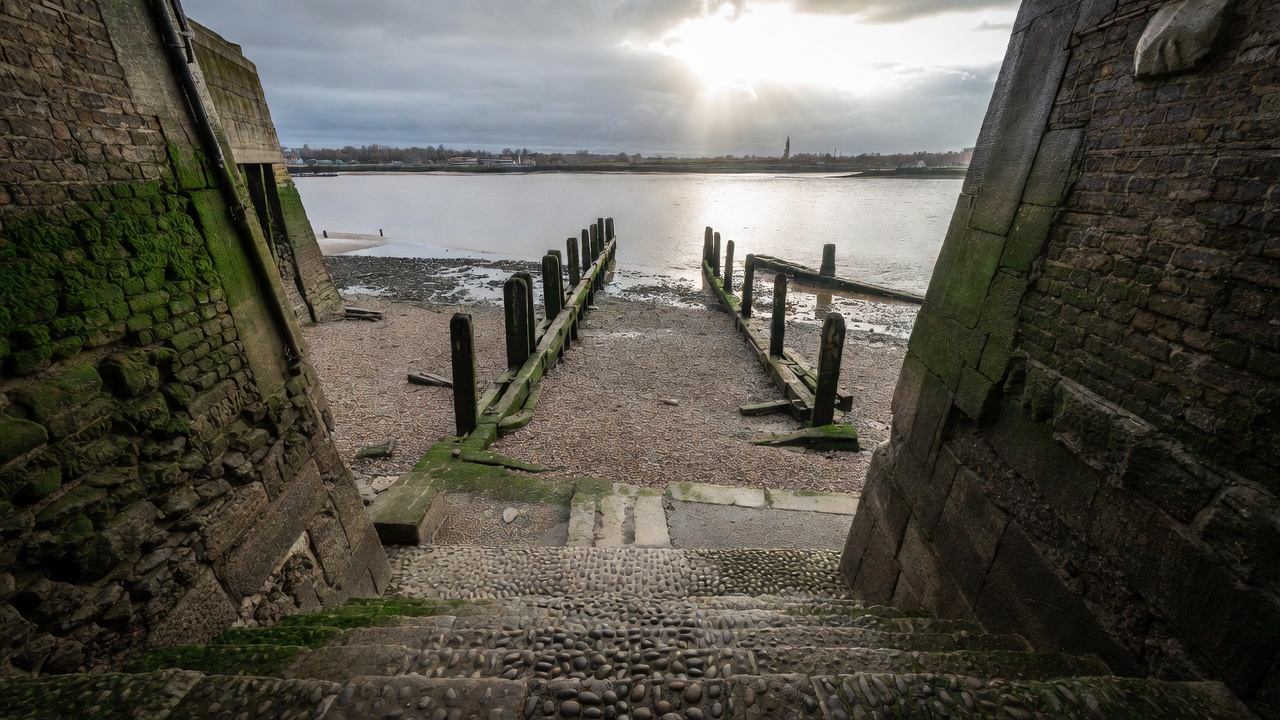
Shakespeare’s London audiences lived amid these realities. Many had witnessed or heard of Wapping executions; the Thames was a shared stage for real drama and theatrical spectacle. Over 20 references to pirates appear across his canon, often tied to themes of lawlessness, mercy, and fate.
Themes of Justice, Punishment, and Moral Ambiguity Public executions influenced views on retribution. In Measure for Measure (c. 1604), Angelo’s rigid justice vs. mercy debates echo Admiralty harshness. Claudio’s near-execution and the substitute head of “Ragozine the pirate” (who dies conveniently of fever) highlight substitution and flawed justice—perhaps nodding to real pirate spectacles where bodies served symbolic roles.
Pirates and Seafaring Criminals in Key Plays In Hamlet (c. 1600–1601), off-stage pirates rescue the prince from Claudius’s execution plot. Hamlet boards their ship in a “compelled valour,” becoming their prisoner; they treat him as “thieves of mercy,” knowing his value for ransom or favor. These pirates act as agents of fate, thwarting royal treachery—contrasting state justice with lawless intervention.
The Tempest (c. 1611) evokes maritime peril: a storm-wrecked ship, Prospero’s island exile mirroring pirate hideouts, themes of usurpation and magical justice over lawless seas. The play’s shipwreck and power struggles reflect Elizabethan fears of sea chaos.
In Pericles and Twelfth Night, pirate-like figures appear—Antonio called a “notable pirate” in the latter. Sea voyages, storms, and moral ambiguity recur, drawing from real Thames-world dangers.
Expert Insight — Shakespeare’s London Audience and the Thames World Shakespeare’s playgoers, from apprentices to merchants, knew Wapping’s reputation. The Globe Theatre stood south of the river; the Thames linked everyday life to distant perils. Shakespeare’s pirates aren’t cartoon villains—they show mercy, enable plot twists, reflect blurred lines between state-sanctioned privateering and outlawry. This nuance critiques rigid justice, resonating with audiences familiar with Execution Dock’s grim shows.
Walking in Shakespeare’s Shadows — Modern Wapping Tower Hamlets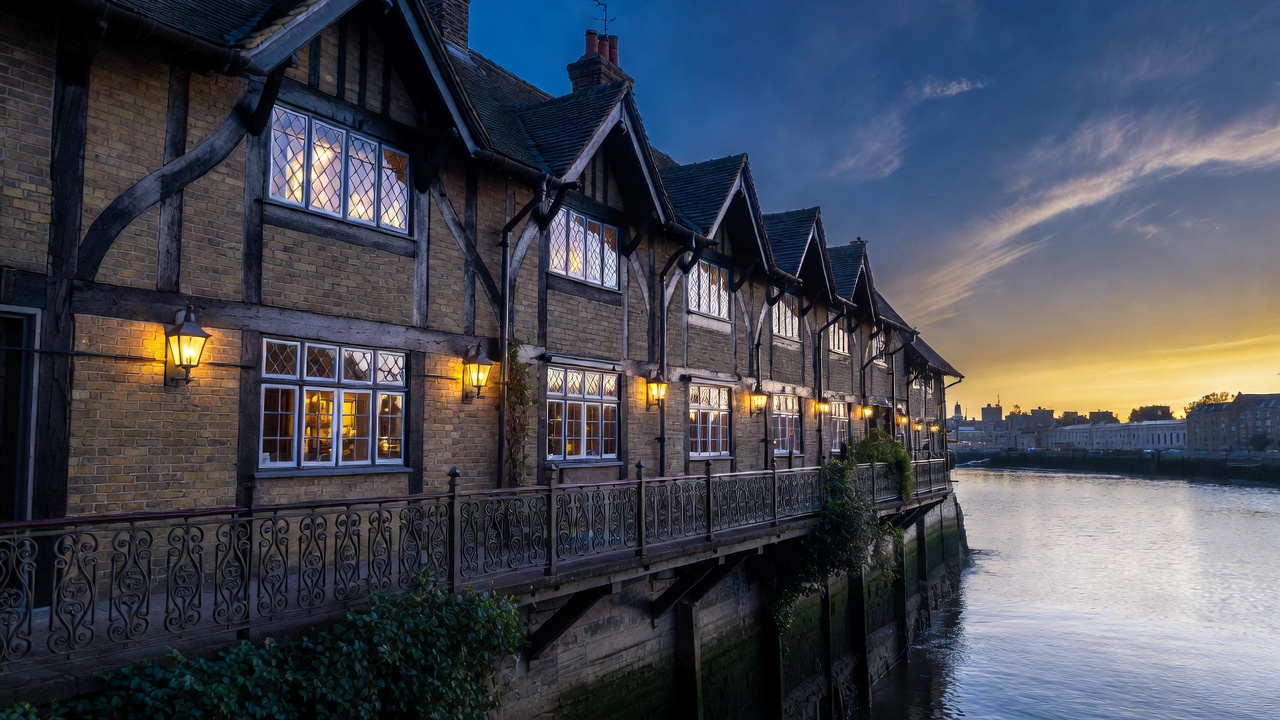
Today, Wapping blends history with modernity—converted warehouses, quiet streets, Thames views. Visitors can trace Shakespeare’s echoes on foot.
Key Sites to Visit Today
- Execution Dock remnants: Near Wapping Old Stairs or King Henry’s Stairs; no original gallows remain, but a replica noose stands outside The Prospect of Whitby pub (c. 1520, once frequented by sailors and execution spectators).
- Historic pubs: The Prospect of Whitby offers river views and hanging lore; nearby, The Captain Kidd pub nods to the infamous pirate. The Town of Ramsgate claims the likeliest dock site.
- Other landmarks: Wapping Wall’s cobbled paths, Thames Path toward Tower Bridge—evoking the old maritime hustle.
Tips for a Shakespeare-Inspired Walk Visit at low tide for foreshore authenticity. Combine with the Globe Theatre or Tower of London. Best in spring/autumn; allow 2–3 hours. Modern gentrification contrasts sharply with the gritty past—luxury flats now occupy old warehouses.
Why This History Still Matters — Lessons from Elizabethan Shadows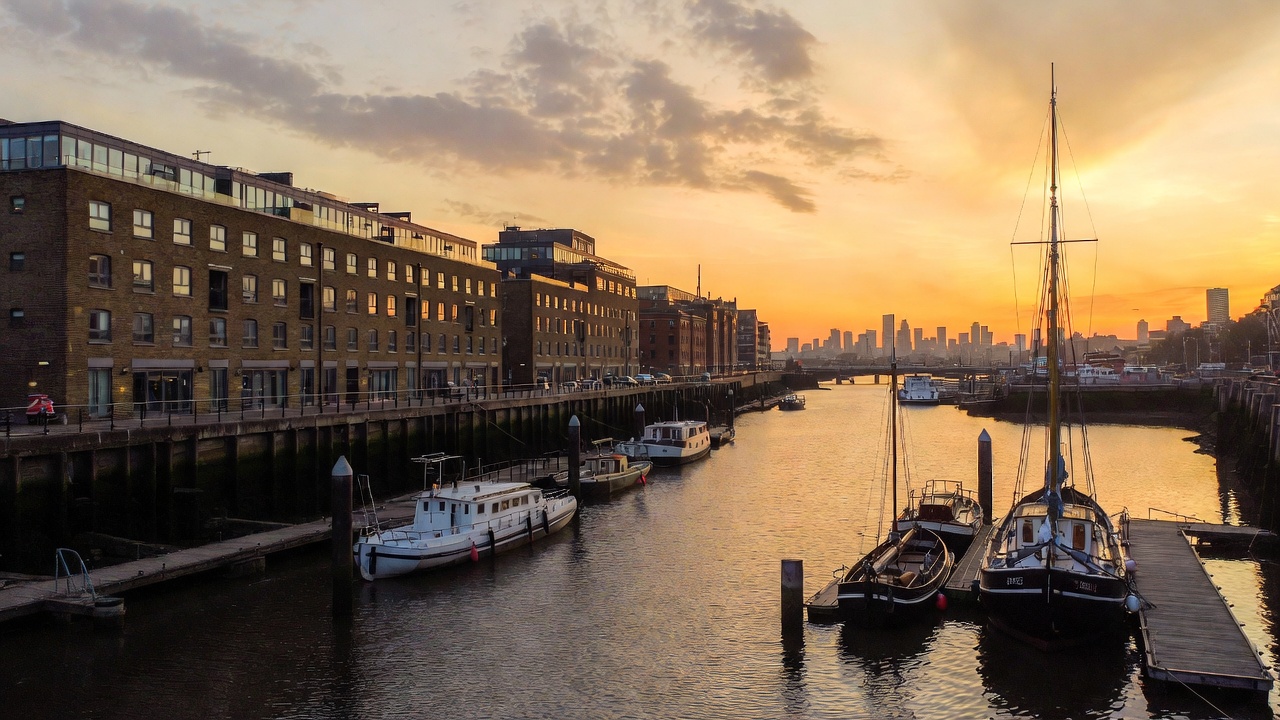
Wapping’s pirate executions highlight enduring themes: law vs. lawlessness, state power vs. rebellion, justice’s moral complexities. Shakespeare’s plays immortalize these, showing humanity’s gray areas. In today’s world of global trade and ethical debates, they remain relevant.
Wapping Tower Hamlets stands as a living bridge between grim real events and Shakespeare’s profound explorations of the human condition. The noose at Execution Dock and the stage at the Globe were both theaters—one fatal, one eternal. Visit Wapping to feel the echoes; revisit the plays with fresh insight into justice, mercy, and the sea’s shadows.
FAQs
- Where exactly was Execution Dock in Wapping? Likely near Wapping Old Stairs or The Town of Ramsgate pub; exact spot debated, but foreshore below low tide.
- Did Shakespeare mention Wapping or Execution Dock directly? No explicit mention, but Thames piracy and justice themes abound, informed by contemporary spectacles.
- What pirate was famously executed there? Captain Kidd (1701), though earlier Elizabethan cases were common.
- Is Wapping worth visiting for history lovers? Absolutely—compact, atmospheric, rich in maritime heritage.