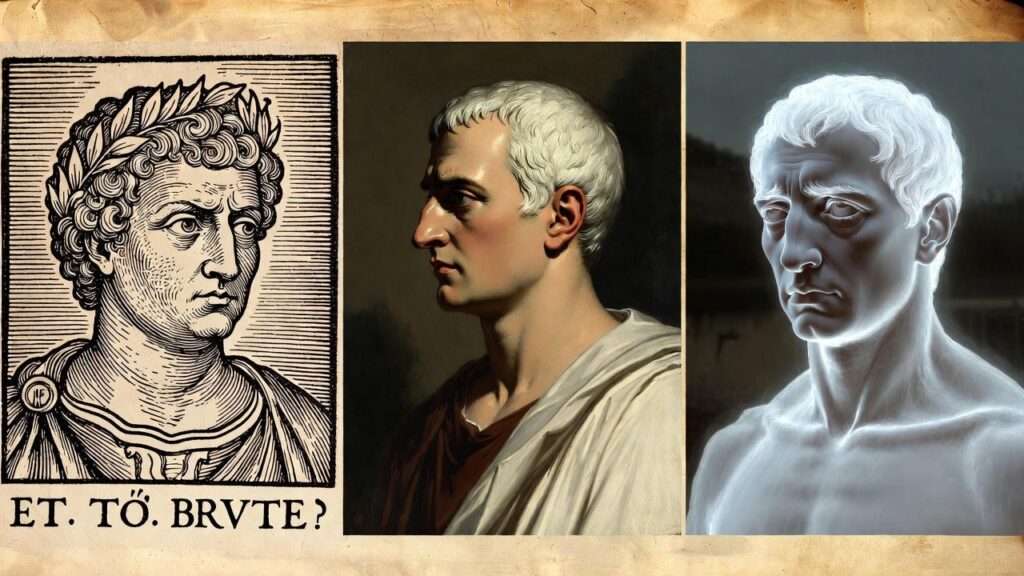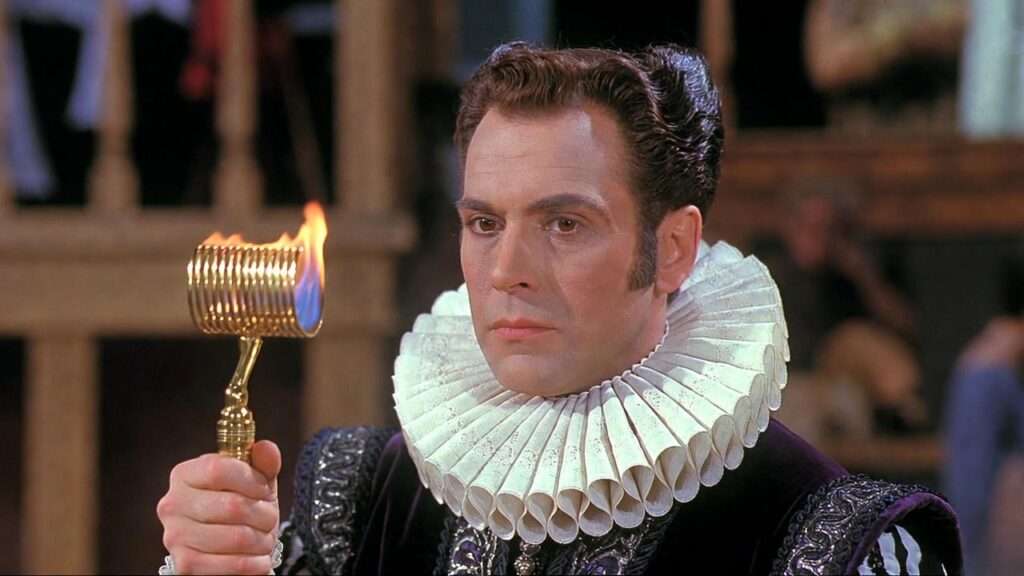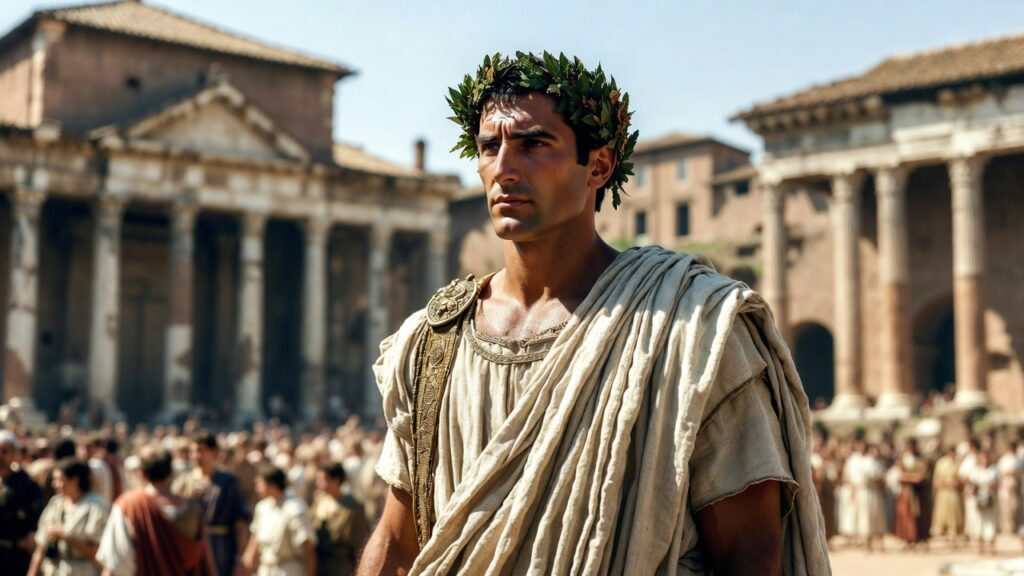
Imagine standing in the Roman Forum, the heart of the Republic, as Julius Caesar strides forward to address the Senate or rally his legions. In William Shakespeare’s immortal tragedy Julius Caesar, he is portrayed as a towering figure of ambition and authority—commanding, charismatic, almost larger than life. But how imposing was the real man? Did Caesar literally tower over his contemporaries, or does modern imagination exaggerate his stature? For centuries, people have wondered: how tall was Julius Caesar? This question persists not just out of idle curiosity but because physical presence often shapes our perception of historical leaders, from ancient generals to Elizabethan stage heroes.
The short answer, drawn from the most reliable ancient sources and modern scholarly analysis, is that Julius Caesar stood approximately 5 feet 7 inches to 5 feet 8 inches (about 170–173 cm) in today’s measurements—slightly above average for a Roman patrician of his era. Described by the historian Suetonius as “tall of stature,” Caesar’s height was respectable and contributed to his commanding aura, especially when contrasted with his well-documented health issues and baldness. Yet it was far from the giant-like figure sometimes depicted in films or popular myths.
In this comprehensive exploration, we delve into primary historical accounts, archaeological evidence on ancient Roman heights, conversions between Roman and modern units, common misconceptions, and—crucially for readers of Shakespeare—how Caesar’s real physical reality enriches our understanding of his portrayal in the play. By separating legend from evidence, we uncover why his stature mattered in Rome’s cutthroat world of politics and warfare, and how it resonates in literature today.
Primary Historical Sources on Julius Caesar’s Appearance
The most direct and authoritative description of Julius Caesar’s physical appearance comes from Gaius Suetonius Tranquillus, the Roman biographer who wrote The Twelve Caesars around 121 AD. Suetonius had access to imperial archives and earlier accounts, making his work a cornerstone for understanding Caesar’s life.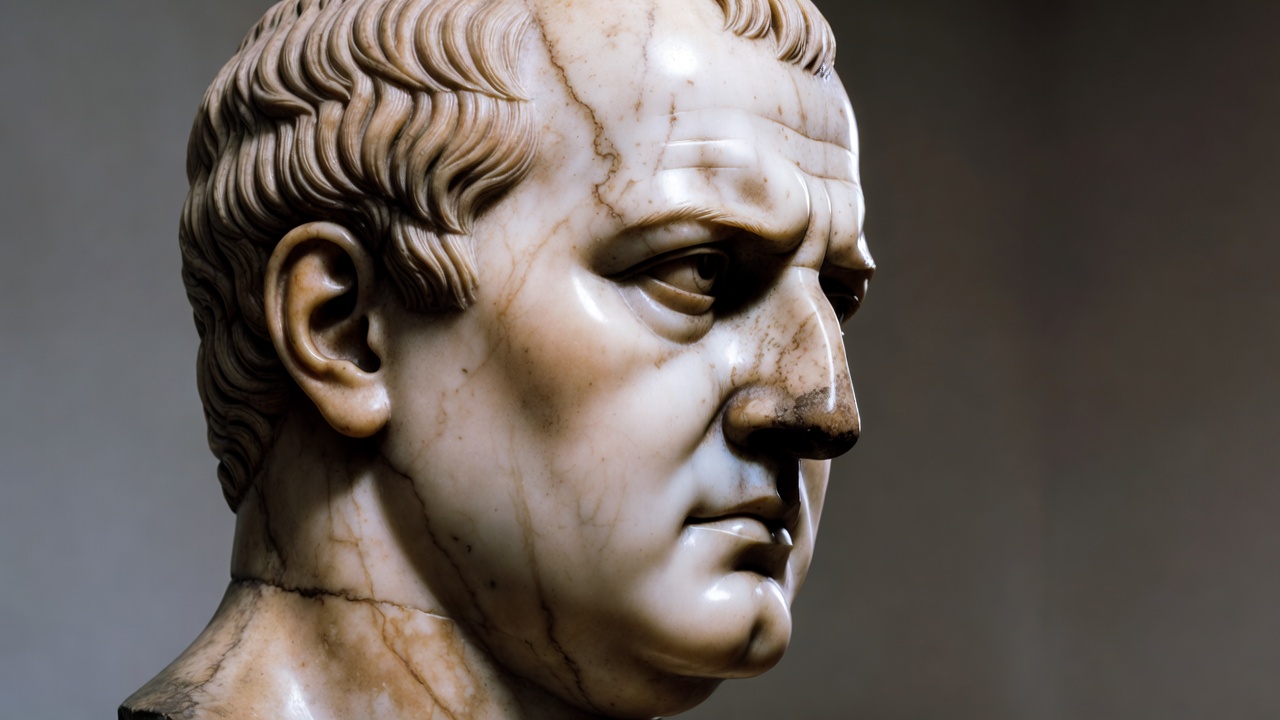
Suetonius’ Description – The Most Direct Ancient Account
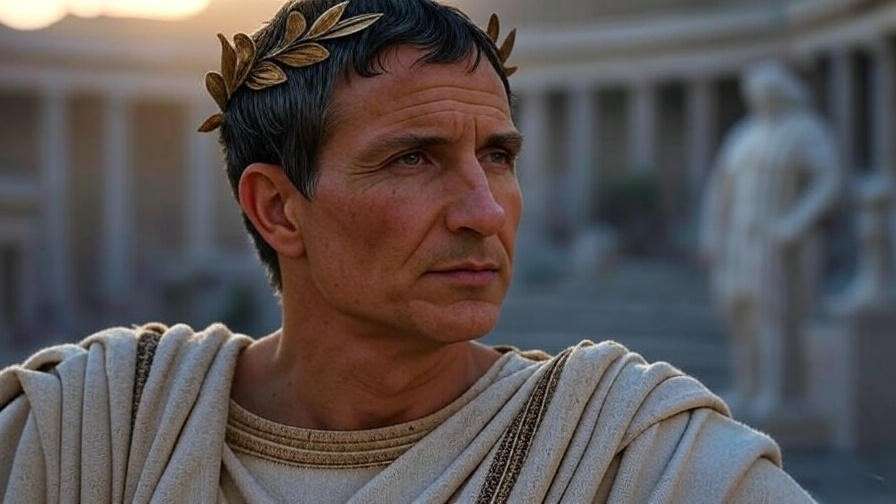
In Chapter 45 of his biography of Julius Caesar, Suetonius writes: “He is said to have been tall of stature, with a fair complexion, shapely limbs, a somewhat full face, and keen black eyes; sound of health, except that towards the end he was subject to sudden fainting fits and to nightmare as well.”
The Latin phrase “proceritate staturae” translates straightforwardly to “tall of stature.” This was high praise in Roman culture, where physical bearing symbolized authority and gravitas. Suetonius notes other details—fair skin, well-formed limbs, a full face, piercing dark eyes—that paint Caesar as attractive and imposing despite his later ailments (including epilepsy, mentioned elsewhere as occurring twice on campaign).
While Suetonius wrote over 160 years after Caesar’s death in 44 BC, his account draws from contemporary or near-contemporary sources, including lost memoirs and official records. No earlier writer contradicts this; instead, it aligns with the general Roman admiration for leaders who projected strength.
Other Ancient References
Plutarch, in his Parallel Lives (written around 100–120 AD), focuses more on Caesar’s character and deeds than precise physique, though he describes him as vigorous and enduring. Appian and other historians emphasize his energy in battle rather than height. No ancient source provides an exact measurement in feet or inches—Romans rarely recorded such details numerically for individuals unless exceptional (like Augustus, whom Suetonius notes as shorter).
These accounts collectively reinforce that Caesar was perceived as tall relative to his peers, enhancing his oratorical presence and battlefield leadership.
Converting Ancient Descriptions to Modern Measurements
Translating “tall of stature” into centimeters or feet requires context, as ancient perceptions of height were relative.
Understanding Roman vs. Modern Units
The Roman foot (pes) measured about 296 mm (roughly 11.65 modern inches or 0.971 modern feet), slightly shorter than today’s 304.8 mm foot. When ancient writers used feet for height (as Vegetius did for soldiers), conversions adjust accordingly. However, Suetonius uses qualitative language (“tall”) rather than numbers, so estimates rely on comparative evidence.
Scholarly Estimates of Caesar’s Height
Historians and anthropologists, cross-referencing Suetonius with skeletal data, converge on 170–173 cm (5’7″–5’8″). This places him slightly above the Roman male average but not extraordinarily so. Elite Romans like Caesar benefited from better nutrition, contributing to taller statures among the patrician class.
Outlier claims (e.g., some fringe estimates pushing 6 feet or more) lack support and often misapply skeletal data or ignore the Roman foot’s size. No direct remains of Caesar exist—his body was cremated—so reconstructions depend on textual and comparative analysis.
Average Height in Ancient Rome – Context Is Everything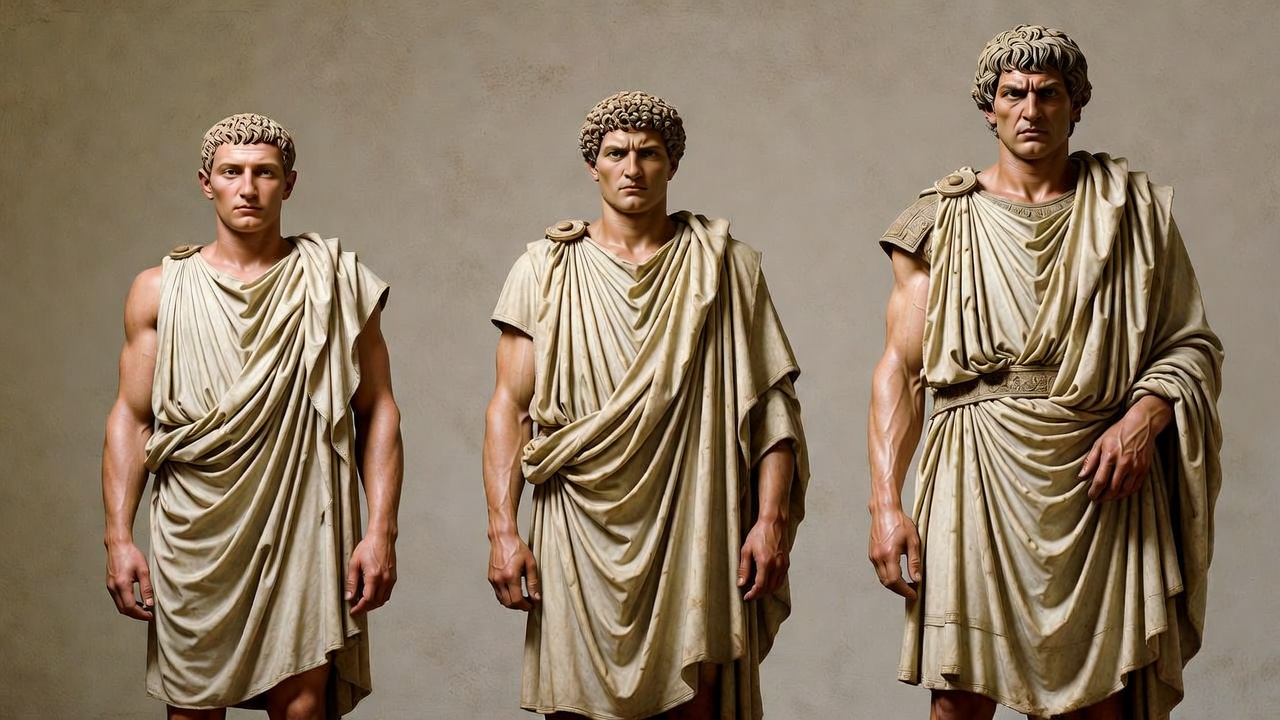
To truly appreciate why Suetonius described Julius Caesar as “tall of stature,” we must place his height within the broader context of Roman society during the late Republic (roughly 100–44 BC). Height in antiquity was not just a physical trait; it carried symbolic weight, signaling health, nobility, and authority—qualities essential for a man like Caesar who rose from patrician roots to dominate Rome.
Archaeological and Skeletal Evidence
Modern anthropology provides the most objective data through analysis of skeletal remains from Republican and early Imperial sites. Studies of hundreds of skeletons from locations such as Pompeii, Herculaneum, and various Italian necropolises (dating from the late Republic through the Empire) reveal that the average adult Roman male stood approximately 165–170 cm (about 5’5″ to 5’7″). For example:
- Research by historian Geoffrey Kron, examining over 900 male skeletons from 500 BC to AD 500, calculated an average of around 168 cm.
- Excavations at Herculaneum (a wealthier coastal town) show males averaging closer to 169 cm, while Pompeii’s urban population averaged slightly lower at about 165–167 cm.
- Women averaged 154–155 cm (roughly 5’1″).
These figures reflect a population influenced by diet, disease, and social class. Lower classes and urban poor often suffered malnutrition, stunting growth, while elites like Caesar—born into the patrician Julii family—enjoyed better nutrition (access to meat, imported grains, and olive oil), leading to taller statures.
Caesar’s estimated 170–173 cm therefore placed him slightly above average for his time, enough to stand out positively in crowds or on the battlefield without being exceptionally tall by modern standards.
Comparisons to Enemies and Contemporaries
Ancient writers frequently contrasted Roman physiques with those of “barbarian” peoples. Caesar himself, in his Commentarii de Bello Gallico, described Gauls and Germans as notably taller and more robust, often portraying them as physically imposing yet undisciplined. Tacitus later echoed this in Germania, noting Germanic tribes as “fierce” and taller than Romans.
This relative shortness of Romans was sometimes turned into a virtue: discipline, engineering, and tactics compensated for any perceived physical disadvantage. Caesar’s “tall” description thus gains added significance—he was taller than the typical Roman legionary (who might have been 165–168 cm), giving him a subtle edge in presence when addressing troops or facing adversaries.
Other contemporaries provide indirect comparisons. Augustus, Caesar’s adopted heir, was described by Suetonius as “short of stature” (brevis staturae), with estimates placing him around 165–170 cm—similar or slightly shorter than Caesar despite the contrasting labels, illustrating how subjective perceptions could be.
Why Height Mattered in Leadership and Warfare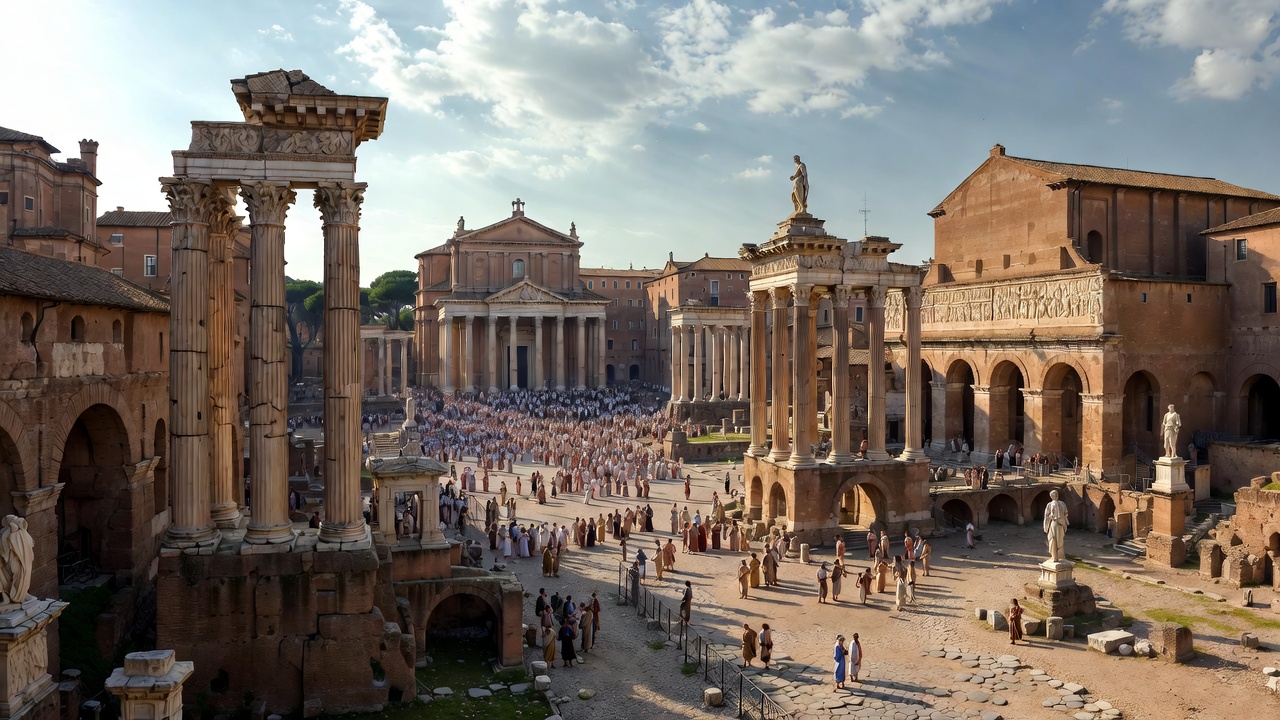
In Roman culture, physical stature enhanced gravitas—the dignified authority expected of leaders. Orators like Cicero emphasized posture and bearing; a tall figure commanded attention in the Forum or Senate. On campaign, a leader who could be seen over helmets and standards inspired confidence.
Caesar’s documented epilepsy (noted by Suetonius and Plutarch) and progressive baldness (which troubled him greatly—he famously wore a laurel wreath to cover it) could have undermined his image. Yet his reported height, fair complexion, keen eyes, and vigorous frame helped counterbalance these vulnerabilities, reinforcing his aura as a formidable general and statesman.
Busting Common Myths and Misconceptions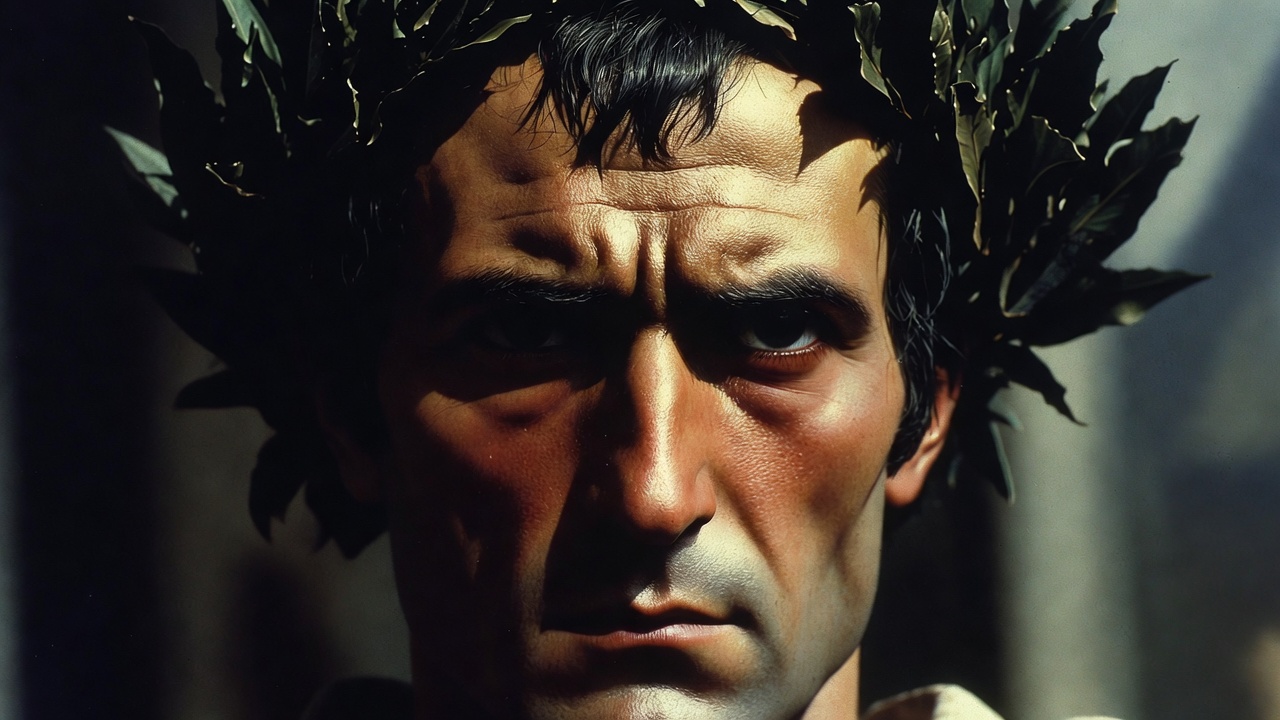
Popular culture often inflates historical figures’ sizes to match dramatic narratives. Caesar is no exception.
Hollywood and Modern Misrepresentations
Films and TV series—from classics like Cleopatra (1963) to HBO’s Rome—frequently cast actors well over 6 feet to portray Caesar as a towering colossus. This stems from a desire for visual dominance rather than historical fidelity. In reality, such portrayals ignore the era’s averages and Suetonius’ measured praise.
Some viral claims suggest Caesar reached 6 feet (183 cm) or more, sometimes citing “forensic reconstructions” or misapplied skeletal data. These lack credible backing—most stem from fringe interpretations or confusion between Roman and modern feet. Scholarly consensus firmly rejects them, sticking to 170–173 cm based on textual and osteological evidence.
Exaggerated Claims Debunked
No surviving contemporary record gives an exact measurement, and Caesar’s body was cremated after his assassination, leaving no remains for analysis. Fringe theories sometimes misattribute taller skeletons (e.g., from elite graves) directly to him, but anthropology shows variation within populations, not proof of exceptional height.
Comparisons to Augustus highlight the relativity: both were described differently despite similar estimates, showing how Roman writers used height descriptively rather than precisely.
Julius Caesar’s Height in Shakespeare’s Julius Caesar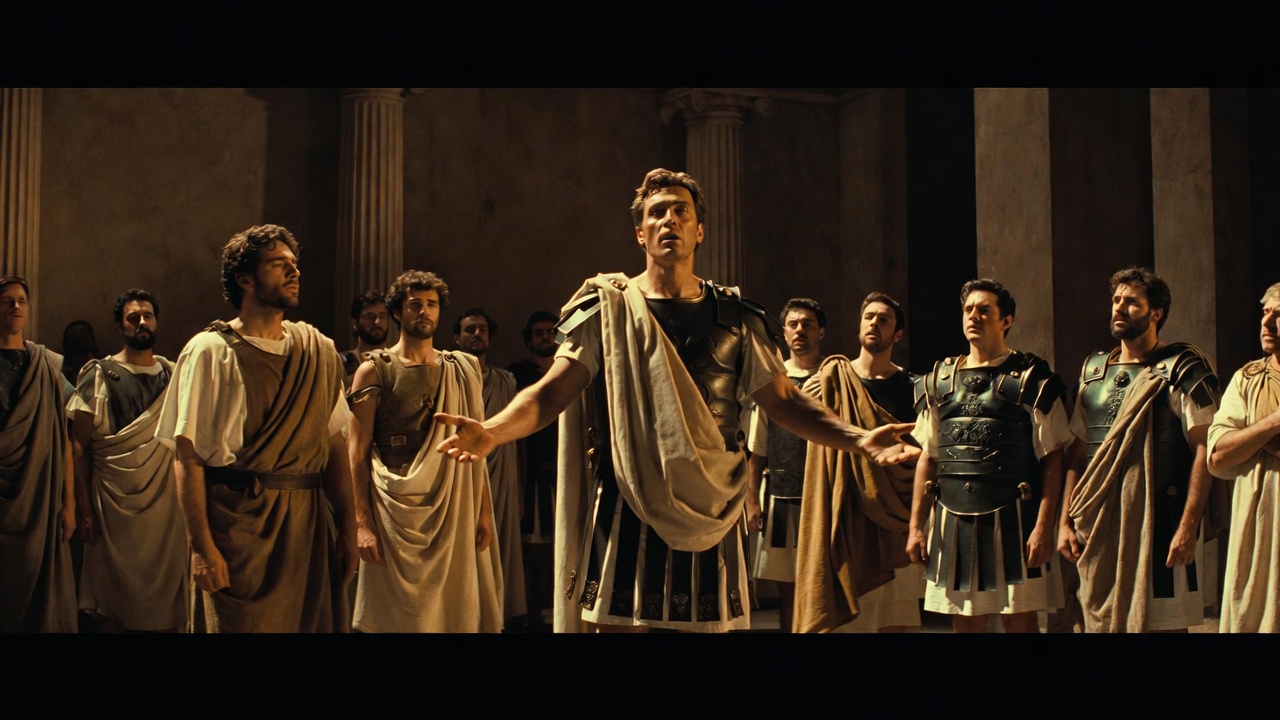
Shakespeare drew heavily from classical sources like Plutarch and Suetonius when crafting his tragedy Julius Caesar (1599). While the play does not explicitly mention Caesar’s height, understanding the real man’s stature deepens our appreciation of the drama.
Physical Portrayal in the Play
Shakespeare presents Caesar as charismatic yet flawed—arrogant, aging, epileptic (“the falling sickness”), and vulnerable to flattery. His physical presence is implied through action: he enters processions, addresses crowds, and dominates scenes. The historical “tall of stature” aligns with this commanding aura, even if Shakespeare focuses more on psychological and political dimensions.
Elizabethan Perceptions of Roman Greatness
Shakespeare’s audience viewed ancient Romans through a Renaissance lens—admiring their republican ideals while projecting Elizabethan grandeur onto them. Height symbolized power and nobility; a “tall” Caesar reinforced his tragic hubris, making his downfall more poignant.
Insights for Modern Readers and Actors
For students and performers, knowing Caesar’s real height humanizes him. He wasn’t a mythic giant but a man of respectable stature who overcame personal frailties through intellect and will—mirroring Shakespeare’s theme that greatness lies in the mind, not the body. Actors might emphasize poised bearing over sheer size to capture this nuance.
Expert Insights and Modern Relevance
Historians like Mary Beard and Adrian Goldsworthy note that ancient height reflected nutrition and status more than genetics alone. Elite Romans often exceeded averages due to diet—paralleling how modern height gaps persist between socioeconomic groups.
Today, Caesar’s story reminds us that leadership transcends physical attributes. In an era of towering politicians and celebrities, his modest-yet-respectable stature underscores that true power stems from strategy, eloquence, and vision—lessons as relevant in Shakespeare’s time as in ours.
Julius Caesar was not a giant by modern standards, but he was reliably described as tall for his era—around 5’7″ to 5’8″ (170–173 cm)—placing him advantageously above the Roman male average of 165–170 cm. This stature, combined with his sharp features, fair complexion, and commanding presence, bolstered his authority amid personal challenges like illness and baldness.
For readers of Shakespeare, this historical detail enriches Julius Caesar: the real man was imposing enough to inspire loyalty and fear, yet human enough to be betrayed and felled. His legacy endures not because of towering height, but towering ambition and intellect.
Explore more on our blog: Dive into Shakespeare’s Roman plays, the historical accuracy of his tragedies, or comparisons between ancient leaders and Elizabethan ideals. What aspect of Caesar fascinates you most? Share in the comments below.
FAQs
How tall was Julius Caesar exactly? No precise measurement exists, but scholarly consensus from Suetonius and skeletal context estimates 170–173 cm (5’7″–5’8″).
Was Julius Caesar tall for his time? Yes—slightly above the Roman male average of 165–170 cm, making “tall of stature” an accurate and complimentary description.
What did Suetonius say about Caesar’s height? “He is said to have been tall of stature, with a fair complexion, shapely limbs, a somewhat full face, and keen black eyes.”
How does Caesar’s height compare to modern heights? Modest by today’s global male average (~171–178 cm depending on region), but respectable in antiquity due to nutritional differences.
Did Shakespeare portray Caesar as tall? Indirectly—through commanding presence and authority, drawing from classical sources without explicit measurement.