Imagine a grieving prince, fresh from his father’s funeral, watching as the very same meat pies served to mourners—still cold from neglect—are wheeled out to celebrate his mother’s hasty remarriage to his uncle. “Thrift, thrift, Horatio! The funeral baked meats / Did coldly furnish forth the marriage tables” (Hamlet, 1.2.179–180). In this single, biting line, William Shakespeare captures profound disgust, moral outrage, and the creeping rot at the heart of Denmark. The Hamlet kitchen isn’t a literal room with hearths and pots; it’s a metaphorical space where food, feasting, poison, and decay collide to expose hypocrisy, mortality, and corruption. This overlooked layer of imagery transforms everyday consumption into a powerful symbol of the play’s central tragedy.
For students dissecting the text, teachers preparing lessons, theater enthusiasts analyzing productions, or anyone puzzled by why Shakespeare keeps returning to meals amid murder and madness, this article unpacks the food symbolism in Hamlet. We’ll explore historical Elizabethan customs, close-read key passages, examine broader thematic implications, and connect these elements to modern interpretations—offering deeper insight than standard study guides. By the end, you’ll see how these culinary references aren’t mere decoration but essential to understanding the “something rotten” in the state of Denmark.
The Historical and Cultural Context of Food in Elizabethan England and Hamlet
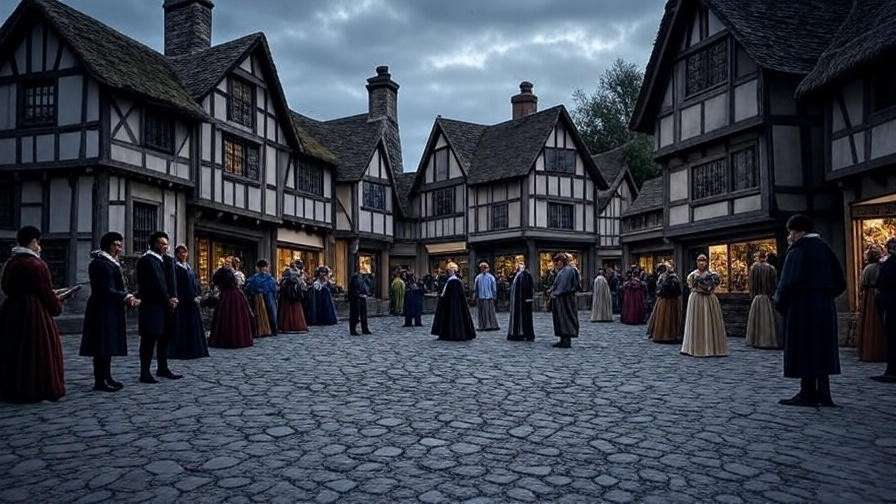
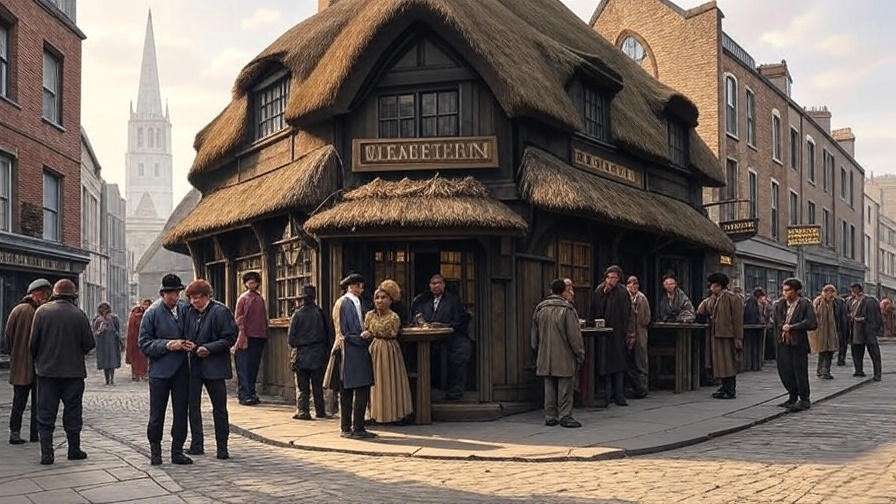
To grasp the weight of food in Hamlet, we must first understand the world Shakespeare inhabited. Elizabethan England was a society where meals marked social status, religious observance, and life transitions—births, weddings, funerals. Banquets were spectacles of power, while thrift governed even noble households.
Feasting, Funerals, and Weddings in Shakespeare’s Time
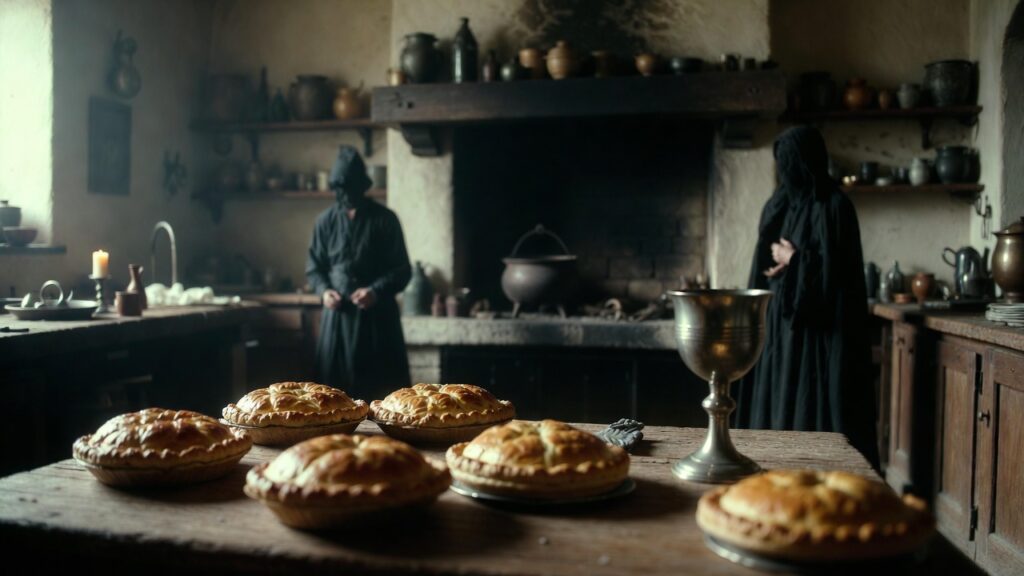
Funeral customs often included substantial meals to comfort the bereaved. “Baked meats” referred to savory pies—meat (venison, beef, or mutton) encased in sturdy pastry “coffins” (a term evoking both pie shells and caskets). These pies were practical: portable, preservable without refrigeration, and shareable among mourners. Leftovers were common, as waste was frowned upon in an era of limited resources.
Weddings, conversely, featured joyous feasts with hot dishes, spices, and abundance to symbolize new beginnings and prosperity. The rapid shift from mourning to celebration in Hamlet—the funeral and wedding separated by mere weeks—would have shocked audiences. Reusing cold funeral leftovers for a wedding banquet wasn’t just economical; it blurred sacred boundaries between death and new life, suggesting emotional indifference and moral shortcutting.
Shakespeare draws on these customs to heighten irony. As food historian Ken Albala notes in discussions of Shakespearean cuisine, such pies were everyday fare, but their repurposing here turns thrift into tragedy.
Why Food Matters in Hamlet’s Denmark
Denmark is portrayed as a court of excess masking decay. Feasts proclaim legitimacy—Claudius’s carousing affirms his rule—yet they conceal poison and betrayal. Food becomes a barometer of moral health: wholesome consumption signals order; tainted or hasty meals reveal corruption. This echoes broader Shakespearean motifs, like the cannibalistic pies in Titus Andronicus, but in Hamlet, it’s subtler, more insidious.
The Iconic “Funeral Baked Meats” – Close Reading and Immediate Significance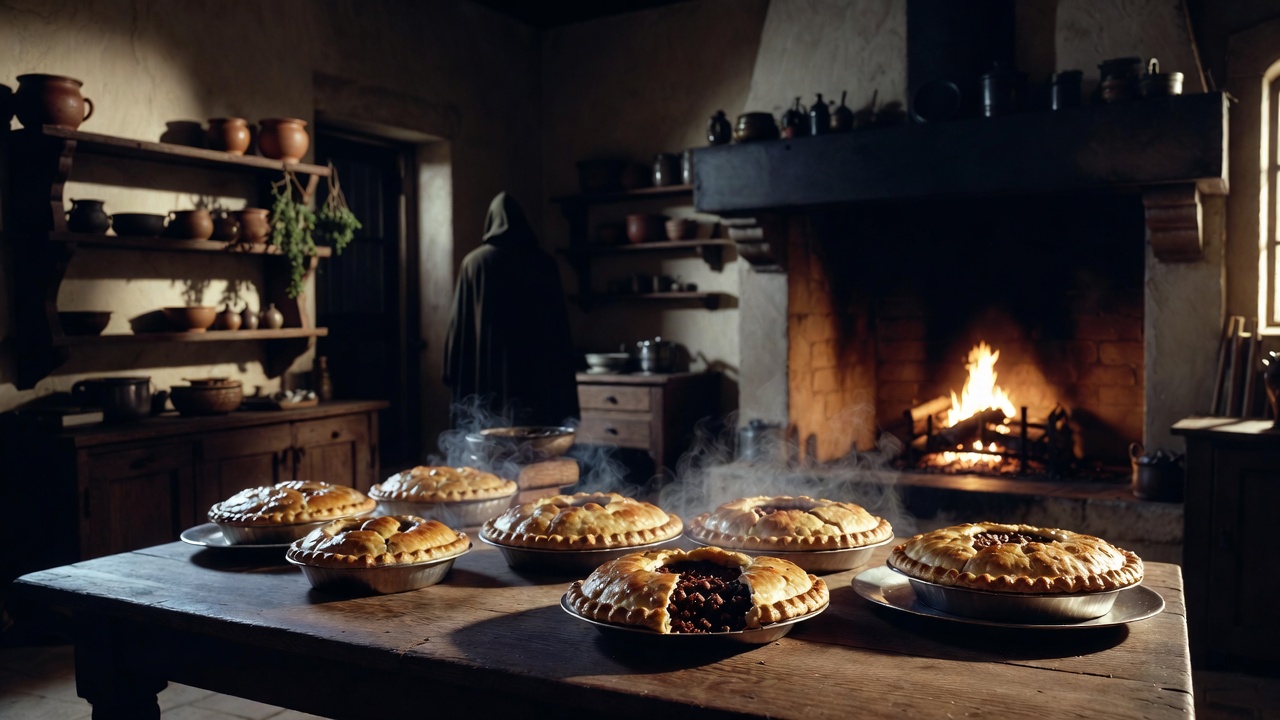
No food reference in Hamlet is more famous—or more loaded—than Hamlet’s sarcastic quip to Horatio.
Breaking Down the Quote (Act 1, Scene 2)
Hamlet responds to Horatio’s mention of the funeral: “Thrift, thrift, Horatio! The funeral baked meats / Did coldly furnish forth the marriage tables.”
- “Thrift” drips with sarcasm—repeated for emphasis, it mocks supposed practicality as heartless penny-pinching.
- “Coldly” operates on dual levels: literally (cold leftovers) and emotionally (the chill of Gertrude’s remarriage).
- “Furnish forth” suggests provisioning, as if the marriage were a mere extension of the funeral.
- “Marriage tables” evokes banquet tables, contrasting sacred rites.
The line reveals Hamlet’s wit as a shield for grief. He doesn’t rant; he stabs with precision, exposing the court’s hypocrisy.
What Were “Funeral Baked Meats”?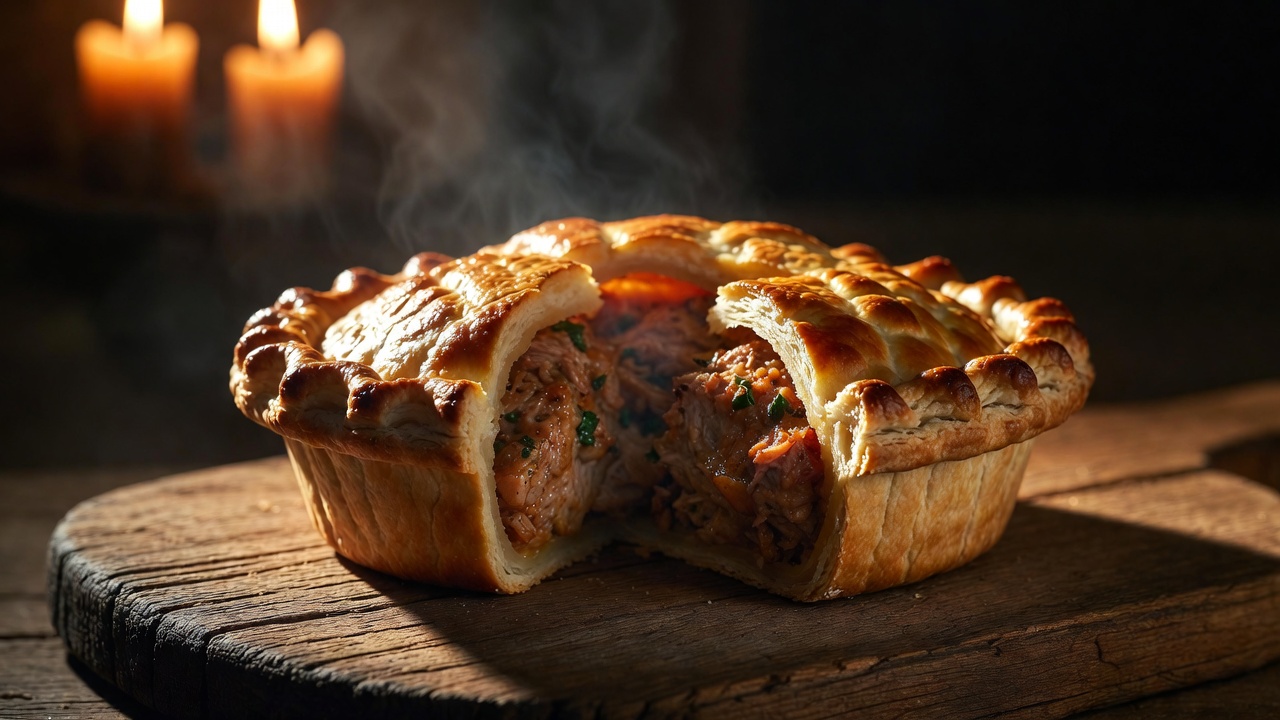
These were meat pies baked in “coffins”—hard pastry shells not meant to be eaten but reused. Filled with seasoned meat, they symbolized abundance at funerals yet carried macabre undertones (coffins enclosing the dead). In an age before fridges, leftovers were salted or repurposed quickly. Hamlet’s disgust implies not just waste avoidance but a grotesque recycling of death into celebration.
Scholars like those exploring corpse medicine (mumia—ground mummy used medicinally) note subtle cannibalistic echoes: consuming remnants of the dead. While not literal, the imagery evokes horror at boundaries dissolving.
Hamlet’s Psychological Insight Through Food
This moment crystallizes Hamlet’s worldview: life and death blur, propriety erodes. The cold meats mirror his emotional freeze—grief unthawed by hasty joy. It foreshadows his fixation on decay, where consumption leads to corruption.
Broader Food Symbolism Throughout the Play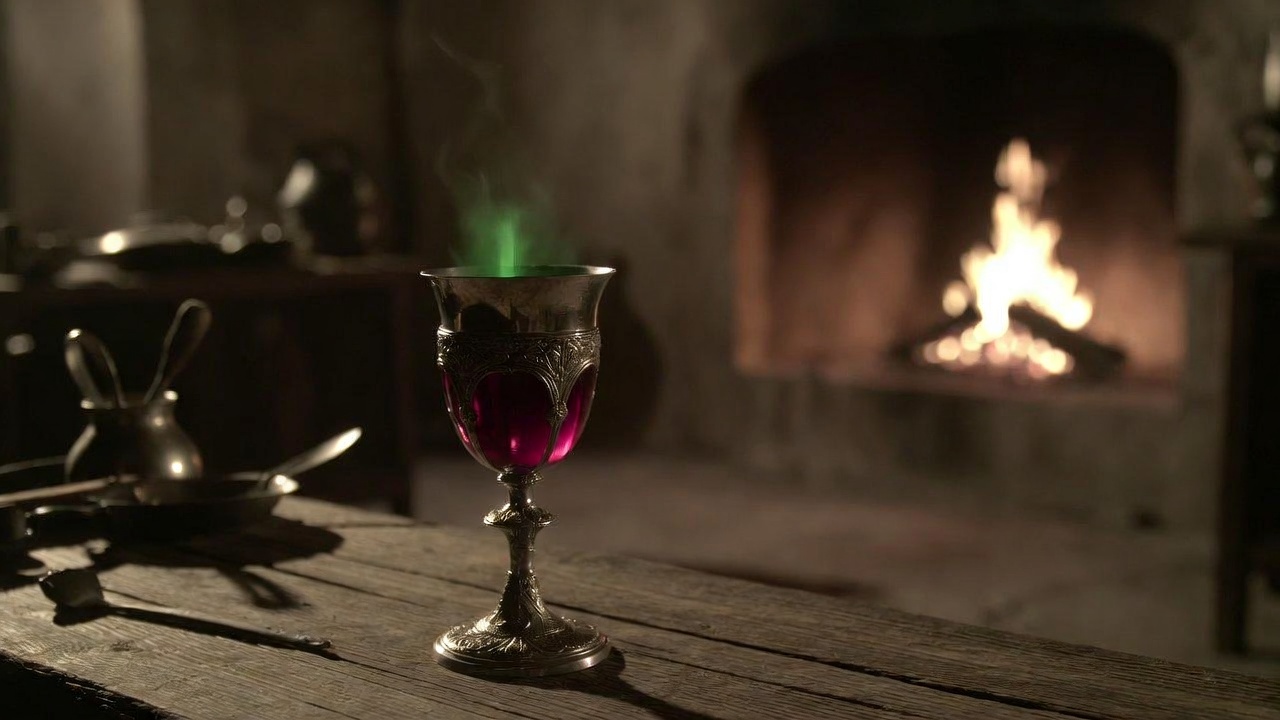
Food imagery permeates Hamlet, linking personal disgust to cosmic rot.
Poison as Culinary Corruption
The murder weapon is poison poured into Old Hamlet’s ear: “And a most instant tetter bark’d about, / Most lazar-like, with vile and loathsome crust” (1.5). The Ghost describes it curdling blood “like eager droppings into milk” (1.5.69)—a culinary simile turning wholesome into foul.
The climax features the poisoned chalice at the duel (5.2). Claudius prepares “a chalice for the nonce” (4.7), intended for Hamlet but drunk by Gertrude. The banquet turns lethal: wine, meant for health, becomes poison. This inverts feasting—consumption kills.
Eating, Consumption, and Mortality
Hamlet muses on the food chain: “A man may fish with the worm that hath eat of a king, and eat of the fish that hath fed of that worm” (4.3.27–29). Death equalizes; kings become worm food, worms become bait.
Polonius is “food for worms” (implied in grave scenes). Yorick’s skull evokes mortality: once fed, now feeding decay. These images reduce human ambition to base consumption.
Feasts Masking Rot – The Court as a Poisoned Banquet
Claudius’s court revels in excess, but it’s tainted. The play-within-a-play disrupts a feast-like atmosphere. The “unweeded garden” (1.2.135) metaphor extends to moral overgrowth—neglect allows rot, like spoiled food.
Critical Perspectives and Deeper Interpretations
Scholars enrich our reading across lenses.
New Historicist View – Corpse Medicine and Cannibalistic Anxieties
Elizabethans used mumia (powdered mummy) for ailments, blurring medicine and cannibalism. In Hamlet, funeral meats evoke unease about consuming the dead. Articles like James Stephen Alsop’s argue this reflects cultural tensions over “acceptable” vs. taboo consumption.
Psychoanalytic and Feminist Readings
Freudian views see food as maternal/oral: Gertrude’s hasty remarriage “feeds” betrayal. Hamlet’s disgust at her sexuality ties to revulsion at consumption. Feminist critics note Gertrude’s domestic role—preparing feasts—becomes poisoned by her choices.
Modern Adaptations and Cultural Resonance
Films (Branagh’s opulent banquet, Almereyda’s modern twists) emphasize food scenes. Contemporary productions highlight feasts as power displays, resonating with today’s political scandals masked by hospitality.
Why This Matters Today – Lessons from Hamlet’s Kitchen
In an era of performative grief and rushed “new beginnings,” Hamlet’s food symbols remind us: what we consume—literally (fast food, excess) or figuratively (toxic ideologies)—shapes us. Hypocrisy in power persists; feasts can hide rot.
Food remains universal: it nourishes or poisons the soul.
Key Takeaways and Expert Insights
- Funeral baked meats symbolize hasty, heartless transition from death to remarriage.
- Poisoned chalice inverts feasting into death.
- Decay imagery (worms, rot) ties consumption to mortality.
- Expert tip: Trace every eating/drinking reference—they signal moral contamination.
FAQs
What does “funeral baked meats” mean in Hamlet? Leftover meat pies from the funeral, served cold at the wedding—mocking thrift amid grief.
Why is food symbolism important in Shakespeare’s Hamlet? It reveals corruption, mortality, and hypocrisy through everyday acts.
How does the poisoned cup relate to other food references? It culminates the motif: consumption becomes fatal, mirroring earlier poison metaphors.
Is there cannibalism implied in Hamlet’s food imagery? Subtly—through corpse medicine anxieties and decay cycles.
How do “funeral baked meats” reflect Elizabethan customs? Pies were practical funeral fare; reusing them highlights scandalous haste.
The Hamlet kitchen reveals Shakespeare’s mastery: turning pies and wine into mirrors of existential horror. In Denmark’s poisoned feasts, we see humanity’s capacity for self-deception. Revisit Act 1, Scene 2—the cold meats still speak volumes.