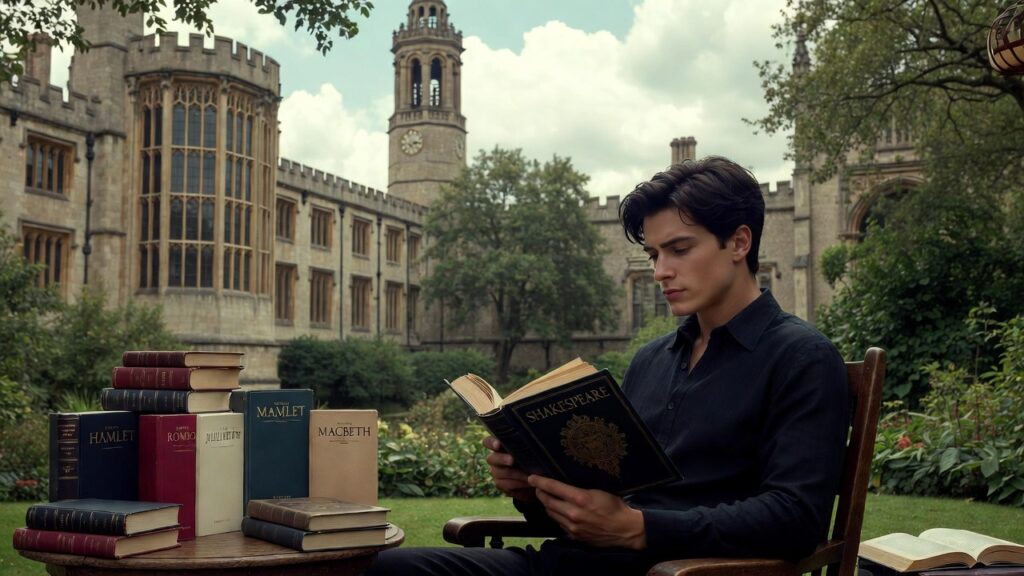
Imagine this: You’re staring at a 200-page edition of Hamlet—perhaps the popular Folger Shakespeare Library version with its helpful notes and introductions—or maybe an annotated Arden edition packed with scholarly insights. The weekend is approaching, your book club is meeting soon, or an exam looms. The question hits: How long will it actually take to read 200 pages of Shakespeare? Can you finish it in a few focused evenings, or will the Elizabethan language stretch it into weeks?
If you’ve ever asked how long to read 200 pages of a Shakespeare play or related book, you’re not alone. Many readers—students tackling literature courses, literature enthusiasts diving into the Bard for pleasure, educators preparing lessons, or casual fans exploring his timeless works—search for realistic time estimates. Unlike a breezy modern novel, Shakespeare’s poetic density, archaic vocabulary, intricate wordplay, and frequent need for footnotes make reading time highly variable.
In this comprehensive guide, we’ll provide data-backed estimates tailored specifically to Shakespeare texts around the 200-page mark. Drawing from reading speed research, literary analysis, and practical experience with Shakespeare’s canon, we’ll cover average reading speeds, why the Bard demands more time, realistic ranges for popular plays and books, influencing factors, proven tips to read faster without sacrificing comprehension, and scheduling strategies. By the end, you’ll have the tools to plan your reading confidently and make the most of Shakespeare’s profound insights.
Whether you’re a first-time reader daunted by iambic pentameter or a seasoned scholar revisiting the texts, understanding these time dynamics helps turn a potentially overwhelming task into an enjoyable, rewarding journey.
Understanding Average Reading Speeds: The Baseline for Any Book
To estimate reading time accurately, we start with a solid foundation: average adult reading speeds in words per minute (WPM).
What Is the Average Reading Speed (WPM)?
According to a major meta-analysis of 190 studies involving over 17,000 participants (Brysbaert, 2019), the average silent reading rate for adults in English is approximately 238 WPM for non-fiction and 260 WPM for fiction. Other sources align closely: general adults often fall in the 200–300 WPM range, with college-educated readers trending toward 200–300 WPM and casual readers closer to 150–250 WPM.
These figures represent comfortable, comprehension-focused silent reading—not skimming or speed-reading extremes (which can exceed 400–700 WPM but often reduce understanding).
How Words Per Minute Translates to Pages Per Hour
Page counts vary by formatting, font size, and edition, but a typical novel or play page contains 400–500 words.
Here’s a practical breakdown:
- Slow/ beginner readers (150–200 WPM): 18–30 pages per hour → 200 pages would take 7–11 hours (or more with breaks).
- Average readers (220–260 WPM): 25–40 pages per hour → 200 pages in 5–8 hours.
- Faster/ experienced readers (300+ WPM): 40–60+ pages per hour → 200 pages in 3–5 hours.
For straightforward prose, these hold well. But Shakespeare? The numbers shift dramatically due to the text’s complexity.
Why Shakespeare Takes Longer to Read Than a Typical 200-Page Novel
Shakespeare’s works aren’t dense in the same way as academic tomes, but several factors slow most readers down compared to contemporary fiction.
The Unique Challenges of Shakespeare’s Language and Style
- Archaic and inventive vocabulary — Words like “thou,” “thee,” “wherefore,” and puns that rely on double meanings require pausing to unpack.
- Iambic pentameter and poetic structure — The rhythm is beautiful but demands attention; many readers read lines aloud (or in their head) to grasp meter and emphasis.
- Metaphors, soliloquies, and layered meanings — Passages like Hamlet’s “To be or not to be” reward slow reflection.
- Frequent re-reading — To catch nuances, irony, or foreshadowing, readers often revisit lines.
Even experienced readers report spending 2–3 times longer per page than with modern novels.
Edition Types and Their Impact on Reading Time
The edition you choose matters enormously:
- Plain text editions (basic paperbacks): Fewer interruptions, faster pace.
- Annotated scholarly editions (Folger, Arden Third Series, Oxford): Footnotes, glossaries, and side-by-side explanations can add 50–100% more time. Folger editions, for example, place modern paraphrases opposite the original, aiding speed but still requiring cross-referencing.
- Modernized/spelling-updated versions vs. original spelling — Modern spelling helps beginners.
A 200-page Folger Hamlet (including intro, notes, and illustrations) often feels longer than a slim 150-page plain-text version.
Comprehension vs. Speed: The Trade-Off for Deeper Insight
Rushing Shakespeare often means missing its genius. Slower reading allows appreciation of themes like ambition in Macbeth, fate in Romeo and Juliet, or existential doubt in Hamlet. The goal isn’t just finishing—it’s understanding why these works have endured for over 400 years.
Realistic Time Estimates for 200-Page Shakespeare Books and Plays
Now that we understand baseline speeds and Shakespeare’s unique demands, let’s get specific: how many hours should you realistically budget for a 200-page Shakespeare text?
General Time Ranges for Shakespeare Texts Around 200 Pages
For most adult readers encountering Shakespeare:
- Casual first-time read (enjoying the story, skimming difficult passages, minimal note-checking): 8–12 hours
- Focused read with comprehension (trying to understand most of the language, occasional footnote use): 10–15 hours
- Scholarly or deep study read (close reading, frequent re-reading, heavy use of annotations and secondary sources): 15–25+ hours
These ranges assume silent reading with occasional vocalization of key lines. Reading entirely aloud (as actors and directors often do) typically doubles the time.
A good middle-ground estimate for the average literature-interested reader is 10–14 hours for a 200-page edition.
Breakdown by Popular Shakespeare Works (with Approximate Page Counts in Common Editions)
Here are realistic estimates based on commonly used editions. Page counts include introductions, notes, and textual apparatus unless otherwise noted.
| Work | Common Edition & Approx. Pages | First-Time Casual Read | Focused Comprehension Read | Deep/Annotated Study Read |
|---|---|---|---|---|
| Hamlet | Folger Shakespeare Library (~200–220 pages) | 9–13 hours | 11–16 hours | 16–24+ hours |
| Macbeth | Arden Third Series (~180–210 pages) | 8–12 hours | 10–14 hours | 14–20+ hours |
| Romeo and Juliet | Folger (~190–210 pages) | 8–12 hours | 10–15 hours | 15–22+ hours |
| Othello | Oxford World’s Classics (~200 pages) | 9–13 hours | 11–16 hours | 16–23+ hours |
| A Midsummer Night’s Dream | Signet Classic (~180–200 pages) | 7–11 hours | 9–13 hours | 13–19 hours |
| Shakespeare Biography/Companion (e.g., “Will in the World” by Stephen Greenblatt or “Shakespeare: The Invention of the Human” excerpts) | ~200 pages prose | 5–9 hours | 7–11 hours | 10–15 hours |
Key observation: Tragedies with long soliloquies (Hamlet, Othello) tend to take longer than comedies with faster dialogue (A Midsummer Night’s Dream). Prose-heavy companion books or modern retellings read noticeably quicker than the plays themselves.
Factors That Influence Your Personal Reading Time for Shakespeare
Your exact time will depend on several variables. Recognizing these helps you personalize your estimate.
Individual Variables (Age, Experience, Purpose)
- Prior Shakespeare exposure: First-timers often need 50–100% more time than readers already familiar with the language and style.
- Reading purpose: Pleasure reading allows skimming; academic analysis or teaching preparation demands slow, careful work.
- Age and reading fluency: Younger students or non-native English speakers frequently report 30–60% longer times.
External Factors (Environment, Fatigue, Distractions)
- Reading environment: Quiet, well-lit spaces with no interruptions yield the fastest progress.
- Session length: 45–90 minute focused sessions are ideal; marathon sessions past 2 hours often lead to diminishing returns.
- Time of day: Many readers comprehend Shakespeare better in the morning or early evening when mental energy is highest.
Text Difficulty and Genre Differences
- Comedies and romances → generally faster due to lively dialogue and clearer plots.
- Tragedies and histories → slower due to philosophical depth, dense rhetoric, and longer speeches.
- Late romances (The Tempest, The Winter’s Tale) → variable; poetic beauty can speed some readers up, while convoluted plots slow others down.
Practical Tips to Read Shakespeare Faster Without Losing Understanding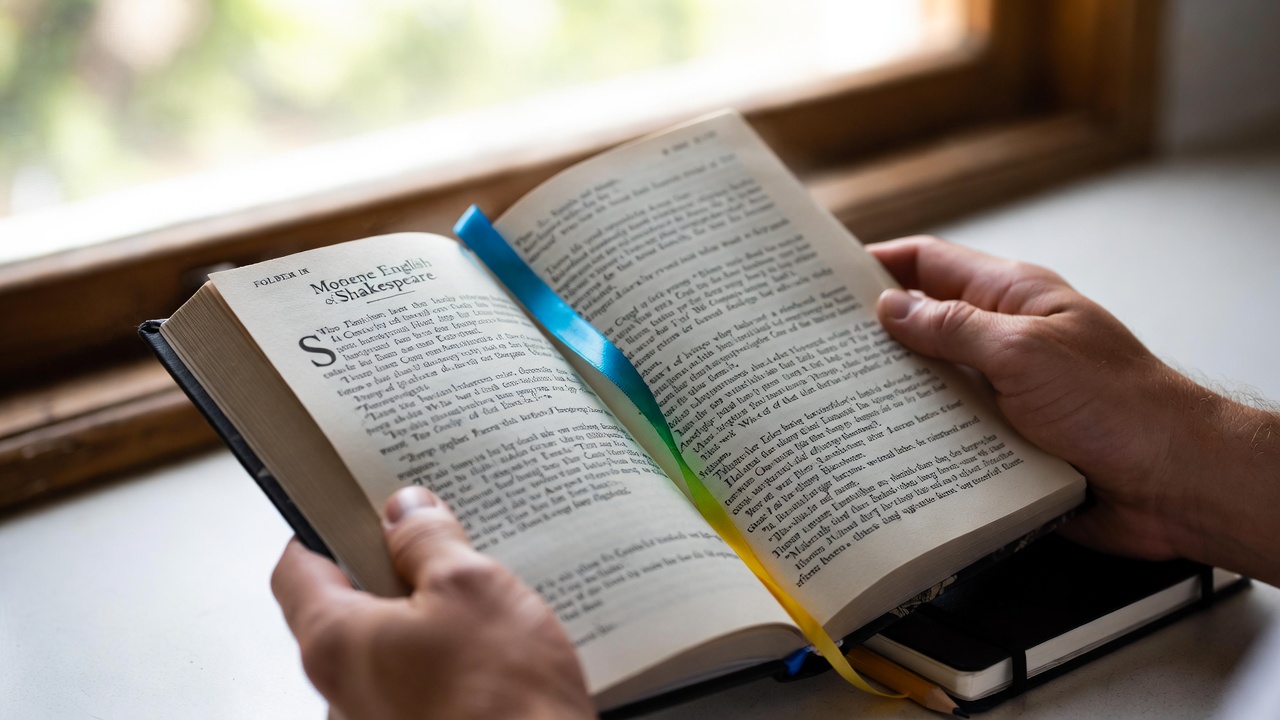
You don’t have to choose between speed and insight. These evidence-based strategies help many readers cut time while preserving (or even enhancing) comprehension.
Preparation Strategies Before Starting
- Read a plot summary first — Use reliable sources like Folger’s introductory notes, No Fear Shakespeare summaries, or the Royal Shakespeare Company’s scene-by-scene breakdowns. Knowing the story frees you to focus on language and character.
- Familiarize yourself with key vocabulary and themes — Spend 15–30 minutes reviewing a character list and 5–10 recurring words (e.g., “thou,” “sirrah,” “fie”).
- Choose the right edition for your goal — Beginners: Folger or No Fear Shakespeare. Intermediate: Arden or Oxford with moderate notes. Advanced: original spelling or variorum editions.
Effective Reading Techniques for Shakespeare
- Read key scenes aloud — Especially soliloquies and famous speeches. The rhythm often unlocks meaning faster than silent reading.
- Use the “two-page method” — Read the original on one page, glance at modern paraphrase on the facing page only when stuck (common in Folger editions).
- Mark sparingly but strategically — Underline one key image or motif per scene instead of over-annotating.
- Pause after each scene — Take 30–60 seconds to mentally summarize what happened and why it matters.
Tools and Resources to Accelerate Progress
- Digital editions — Folger Digital Texts or Perseus Project allow instant word lookups.
- Audiobook companions — Listen to a professional recording (Arkangel Shakespeare, RSC) for one act, then read the next act yourself.
- Speed-reading lite apps — Tools like Spreeder or Acceleread can help with prose sections (introductions, biographies), though use cautiously with verse.
How to Plan Your Reading Schedule Around 200 Pages of Shakespeare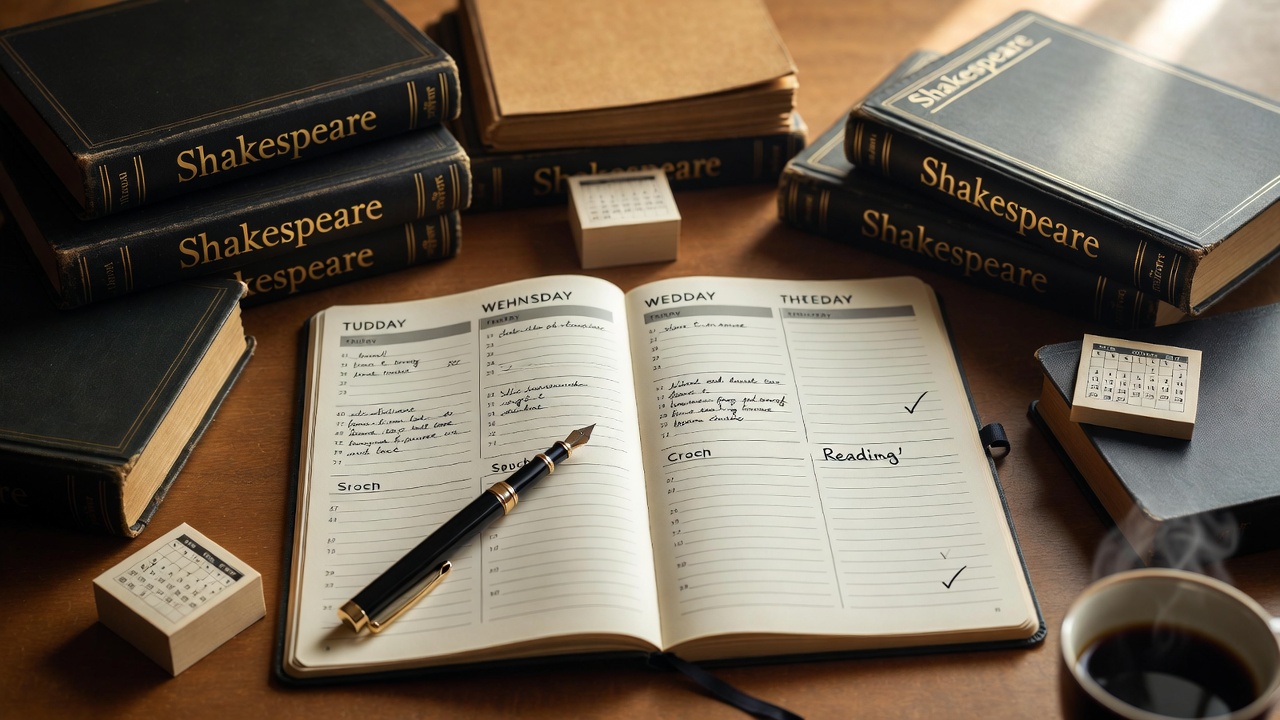
Here are realistic schedules that balance progress with retention:
- 3-day intensive (students cramming or highly motivated readers): 65–70 pages/day (~6–8 hours total reading time spread across longer sessions).
- 5-day moderate pace (most book clubs and working adults): 40 pages/day (~4–6 hours total daily commitment including reflection).
- 7–10 day relaxed pace (lifelong learners, first-timers): 20–30 pages/day (~2–4 hours per session).
Expert Insights from Shakespeare Scholars and Readers
Over decades of teaching, directing, and writing about Shakespeare, scholars and lifelong readers have developed consistent observations about the time investment required.
Dr. Barbara Mowat (former Director of the Folger Shakespeare Library and co-editor of the Folger editions) frequently noted that most students and general readers need at least two to three times longer per page of Shakespeare than they do for modern prose—largely because of the need to “hear” the verse and unpack layered meanings. In practice, this often translates to 3–7 minutes per page of annotated text for careful readers, pushing a 200-page edition well into the 10–20 hour range.
Renowned critic Harold Bloom, in Shakespeare: The Invention of the Human, emphasized that genuine engagement with the plays rewards slow, repeated reading. Many of his readers report spending 12–18 hours on a single major tragedy when combining the text with reflection and secondary commentary.
Directors and actors offer another perspective: the Royal Shakespeare Company and Globe Theatre actors routinely spend 20–40 hours just learning lines and exploring subtext for a single play—yet even they often revisit the script dozens of times over years. For the average reader, the takeaway is clear: time spent slowly is rarely wasted.
Online communities (Goodreads, Reddit’s r/shakespeare, university literature forums) show a broad consensus:
- First-time readers of a 200-page annotated edition typically log 10–16 hours.
- Experienced readers comfortable with Early Modern English frequently finish in 6–10 hours.
- Those reading purely for plot (skimming verse) can sometimes manage 5–8 hours—but admit they miss much of the richness.
The expert view converges on one point: Shakespeare’s value compounds with time invested. A hurried read may get you the story; a thoughtful read reveals why these works remain central to world literature.
Frequently Asked Questions (FAQ)
How long to read 200 pages if I’m a slow reader? If your comfortable silent reading speed is 150–180 WPM, expect 10–15 hours for a casual read of a 200-page Shakespeare edition, and 15–25+ hours if using annotations heavily. Break it into 20–40 page sessions over 7–14 days to avoid fatigue.
Does reading Shakespeare aloud take longer? Yes—typically 50–100% longer. Reading aloud at a natural dramatic pace averages 120–160 words per minute, so a 200-page play might take 12–20 hours. However, many readers (especially actors and students) find that reading aloud dramatically improves comprehension and enjoyment.
What’s the fastest way to read a Shakespeare play?
- Read a reliable plot summary first.
- Use a side-by-side modern translation edition (Folger or No Fear Shakespeare).
- Focus on major scenes and speeches; skim minor exchanges on a first pass.
- Read key soliloquies aloud. With this approach, experienced readers can finish a 200-page play in 5–8 hours while still grasping the main story and several key themes.
How does Shakespeare compare to modern novels in reading time? A typical 200-page modern novel (e.g., contemporary fiction at 250–300 WPM) takes most readers 4–7 hours. Shakespeare generally takes 1.5–3 times longer due to verse structure, archaic language, and the interpretive depth invited by the text.
Can I finish a 200-page Shakespeare book in one day? Yes, but only under ideal conditions: high motivation, strong reading fluency, a relatively straightforward edition, and 8–12 uninterrupted hours. Most readers find splitting the task over 2–5 days leads to far better retention and appreciation.
Reading 200 pages of Shakespeare—whether it’s a richly annotated Hamlet, a compact Macbeth, or a companion biography—is rarely a quick sprint. Realistic estimates range from 6–9 hours for swift, experienced readers skimming for plot, to 12–20+ hours for thoughtful, annotated engagement. The average committed reader lands comfortably in the 10–14 hour range—time well spent when you consider the insights, beauty, and emotional power these pages contain.
The key is intentional pacing. Prepare with summaries, choose an edition that matches your experience level, read actively (aloud when it helps), and allow space for reflection. When you do, Shakespeare stops being a “school chore” or “bucket-list item” and becomes a living conversation—one that has enriched minds for over four centuries.