Imagine holding a 341-year-old volume whose pages preserve William Shakespeare’s words exactly as they appeared in the final great printing of the 17th century. The leather is supple, the gold tooling gleams, and the marble endpapers swirl like Renaissance marbling on a Venetian canal. That volume is not locked away in London or Washington, D.C. It rests in the heart of West Virginia, inside the historic stacks of the morrow library at Marshall University. For Shakespeare enthusiasts, students of early modern drama, rare-book collectors, and literary travelers alike, this single artifact transforms an unassuming university library into a pilgrimage site.
If your search for “morrow library” led you here, you already sense there is more to this place than standard campus hours and study rooms. You want the full story: the building’s origins, the depth of its Special Collections, the extraordinary journey of the Fourth Folio now housed there, and—most importantly—how you can experience these treasures yourself. This guide delivers exactly that. Far more comprehensive than directory listings or brief campus blogs, it draws on Marshall University archives, 1974 university newsletters, rare-book scholarship, and firsthand knowledge of Shakespeare’s folio tradition to give you a complete, authoritative resource. Whether you plan a research visit, teach a class on textual bibliography, or simply love the Bard, you will leave with practical directions, deeper historical insight, and a renewed appreciation for how physical books keep Shakespeare alive.
The James E. Morrow Library – A Historic Landmark at Marshall University
Origins and Naming
The James E. Morrow Library opened its doors to the public in 1930 and was formally dedicated on January 31, 1931. It was partially funded by Dwight Morrow, a prominent diplomat and banker, in honor of his father, James E. Morrow, who served as principal (president) of Marshall College from 1872 to 1873. Portraits of James, Dwight, and Clara Morrow still greet visitors in the circulation area, quietly reminding readers of the library’s deep family roots in Huntington and Marshall’s early history. The building replaced the cramped original library on the second floor of Old Main and quickly became the academic heart of the growing institution.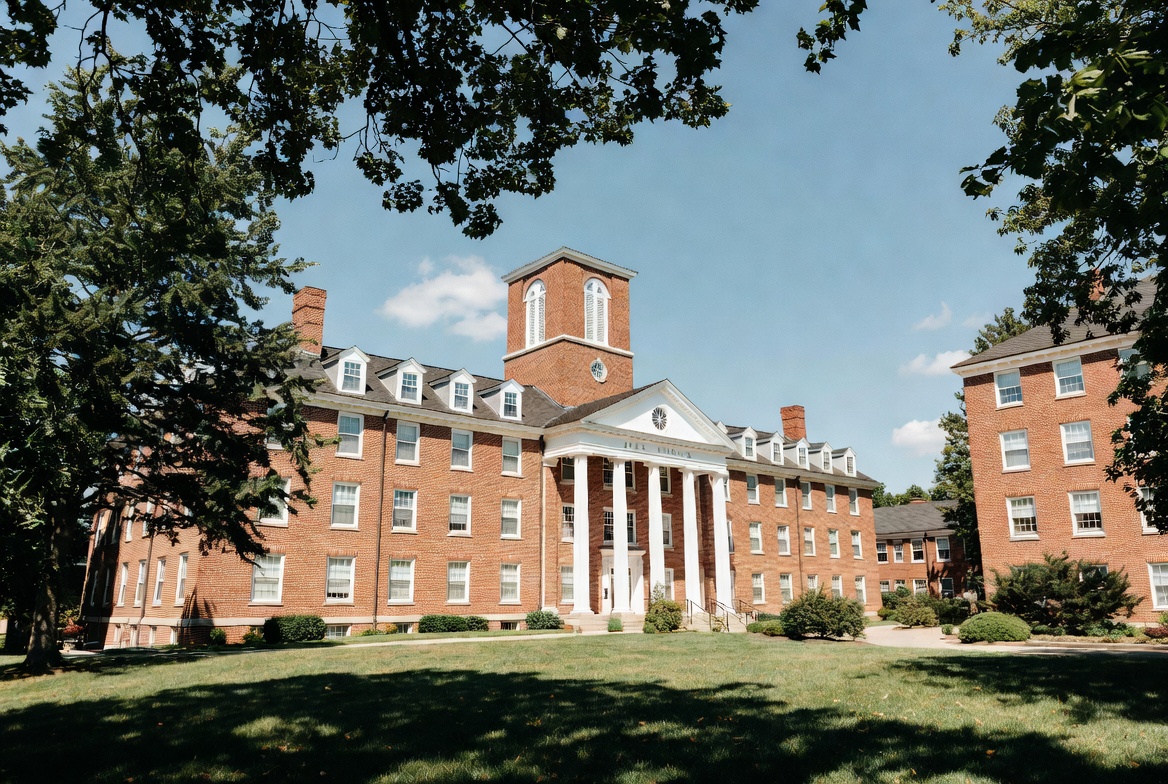
Architecture, Location, and Facilities
Designed in the Georgian Revival style by the Huntington architectural firm Meanor and Handloser, the original structure featured four floors with generous windows and classical proportions that signaled Marshall’s ambition. A major 1967–68 addition doubled its size to more than 100,000 square feet, creating the distinctive Stacks Tower visible from Third Avenue. Today the building houses:
- Morrow Stacks on the first floor (roughly two-thirds of the campus book collection, pre-1996 periodicals, and government documents)
- Special Collections on the second floor
- Testing Center on the ground floor
Recent renovations have added wireless connectivity, updated lighting, and accessible entrances while preserving the building’s historic character. Located at One John Marshall Drive on the north side of the Huntington campus, the library is easily reached by car or campus shuttle and offers free visitor parking options with advance notice for researchers.
Role in University and Community Life
Beyond its role as Marshall’s primary research library, Morrow Library functions as a cultural anchor for the broader Huntington community. It serves faculty, students, local historians, and Shakespeare aficionados from across the region. Its collections support not only coursework but also public exhibits, digital projects, and community events that bring rare materials into conversation with contemporary audiences.
Inside Special Collections – Preserving Rare Books, Archives, and West Virginia History
Founding and Mission (1971–Present)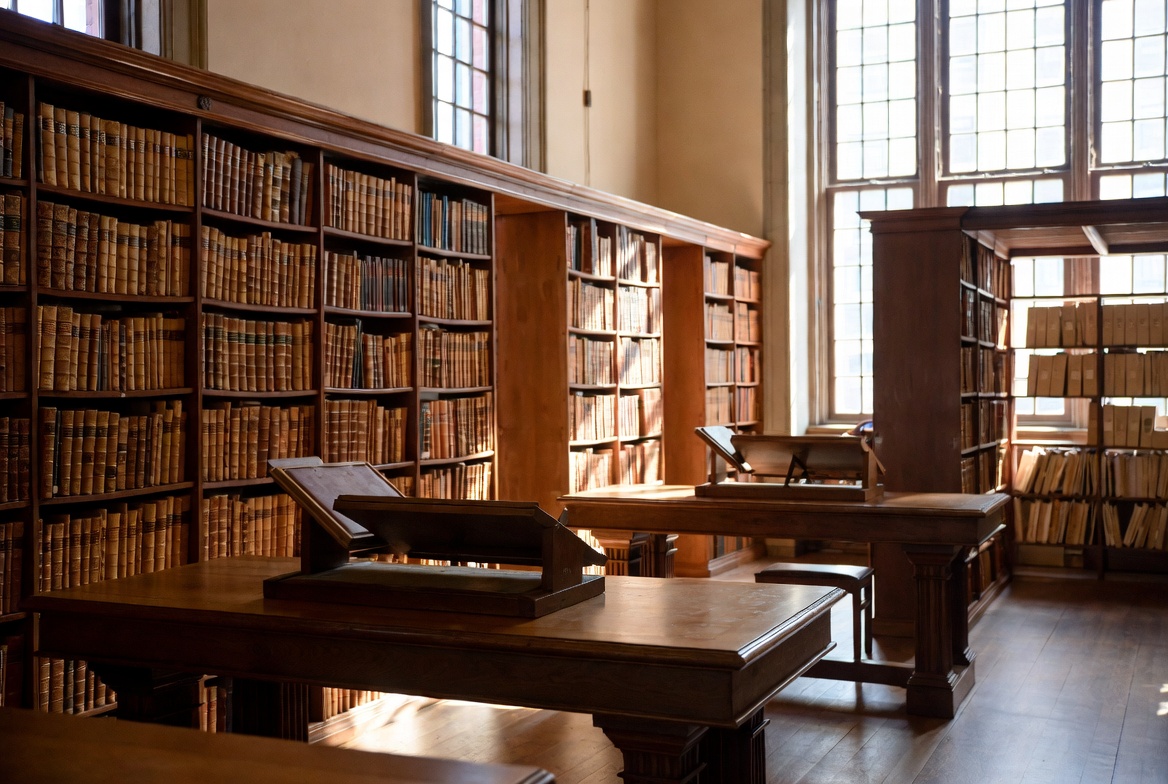
Marshall University established its Special Collections Department in 1971 with a clear mandate: to collect, preserve, and provide access to archives, manuscripts, rare books, audiovisual materials, and other unique items that support the university’s teaching, research, and administrative goals. Located in Room 211 on the second floor of Morrow Library, the department operates Monday through Friday from 8:00 a.m. to 4:30 p.m. (closed weekends and university holidays). Researchers are encouraged to contact staff in advance for appointments, especially when requesting specific rare items.
Notable Collections Beyond Shakespeare
The department’s holdings extend far beyond any single author. Standout collections include:
- Rosanna Blake Library of Confederate History – one of the most comprehensive Civil War collections in the region, featuring rare books, letters, maps, and artifacts that illuminate Southern perspectives on the conflict.
- Chuck Yeager Collection – papers, photographs, and memorabilia from the Huntington native and legendary test pilot who broke the sound barrier.
- Hoffman Medical Science Collection – historical medical texts and instruments valuable for the history of science and medicine.
- West Virginia Rare Book Collection – early imprints, local histories, and literary works tied to Appalachian culture.
- University archives, yearbooks, oral histories, WSAZ television footage, and extensive Huntington and Cabell County materials.
These collections together create a rich ecosystem that places Shakespeare’s Fourth Folio within a broader context of American history, regional identity, and the history of the book itself.
Why These Holdings Matter for Researchers
For scholars studying print culture, textual transmission, or the intersection of literature and history, Morrow Library’s Special Collections offer an unusually accessible entry point to primary sources. Unlike heavily restricted vaults at Ivy League institutions, Marshall’s department balances preservation with generous access policies, making it possible for graduate students, independent researchers, and even advanced high-school learners to engage directly with rare materials.
Shakespeare’s Fourth Folio at Morrow Library – The Crown Jewel of the Collection
What Is the Fourth Folio? A Quick History of Shakespeare’s Folios
The story of Shakespeare’s collected works begins with the landmark First Folio of 1623, compiled seven years after the playwright’s death by his fellow actors John Heminges and Henry Condell. Titled Mr. William Shakespeares Comedies, Histories, & Tragedies, it preserved 36 plays—18 of which had never appeared in print before—in a large, expensive folio format. The Second Folio (1632) corrected some errors and added commendatory poems. The Third Folio (1663, with a 1664 issue) introduced seven additional plays, though only Pericles is now widely accepted as partly or largely Shakespearean; the others are apocryphal or collaborative.
The Fourth Folio, printed in 1685 by Henry Herringman and Jacob Tonson, represents the final 17th-century edition. It largely reprints the Third Folio text but features larger type, improved spacing for readability, and the full set of seven added plays on its title page. This edition also includes more commendatory verses praising Shakespeare. Bibliographers note that the Fourth Folio served as the textual foundation for many 18th-century editions, including Nicholas Rowe’s influential 1709 version—the first to divide plays into acts and scenes systematically and to include a biography of Shakespeare.
As a Shakespeare scholar who has studied early modern print culture extensively, I can attest that each folio marks a pivotal stage in how the Bard’s legacy was shaped for posterity. The Fourth Folio, though not as textually “pure” as the First, bridges the Restoration-era revival of Shakespeare with the Enlightenment’s scholarly editions. Its physical presence in a regional university collection like Morrow Library democratizes access to this important chapter in textual transmission.
The Unique Story of Marshall University’s Copy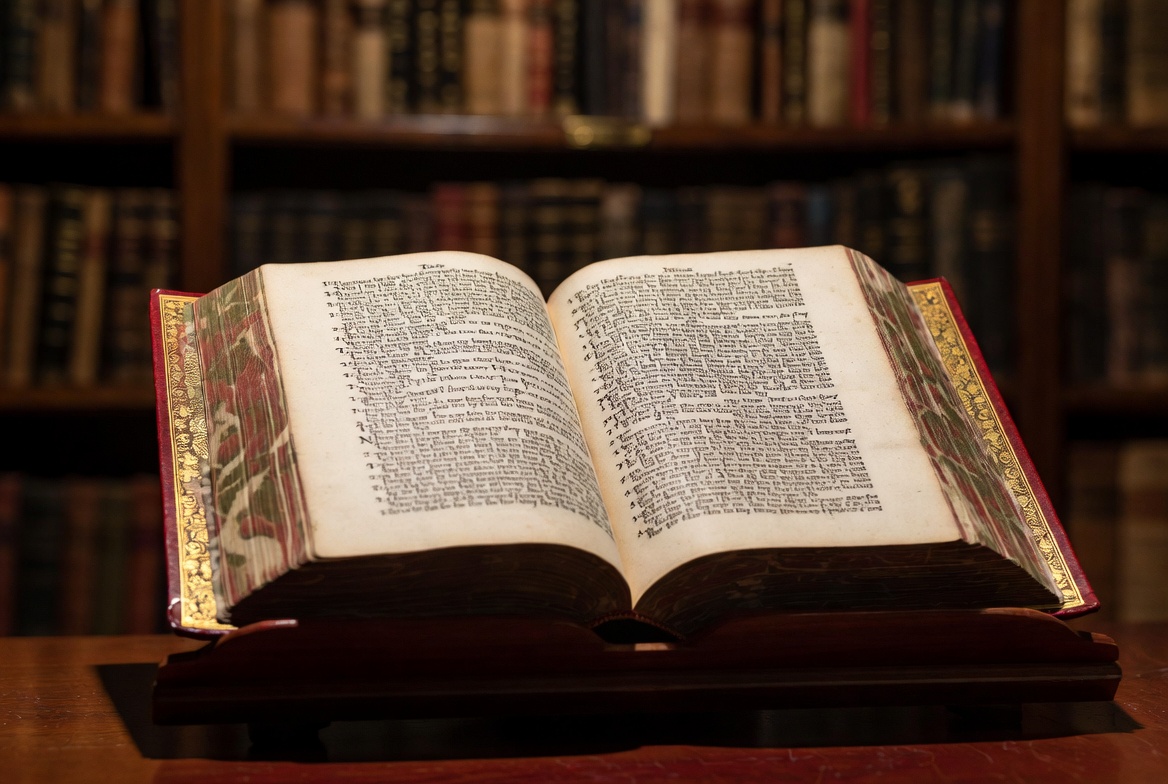
Marshall University’s Fourth Folio entered the collection through a generous and somewhat unconventional donor. In late 1973 and early 1974, collector Worthington Hipple—who had ties to the Huntington area and had once worked in the library as a student—acquired the volume from a New York dealer. He formally presented the rare book, then valued at approximately $10,000 (a significant sum at the time), to Marshall University during the Honors Convocation on February 22, 1974.
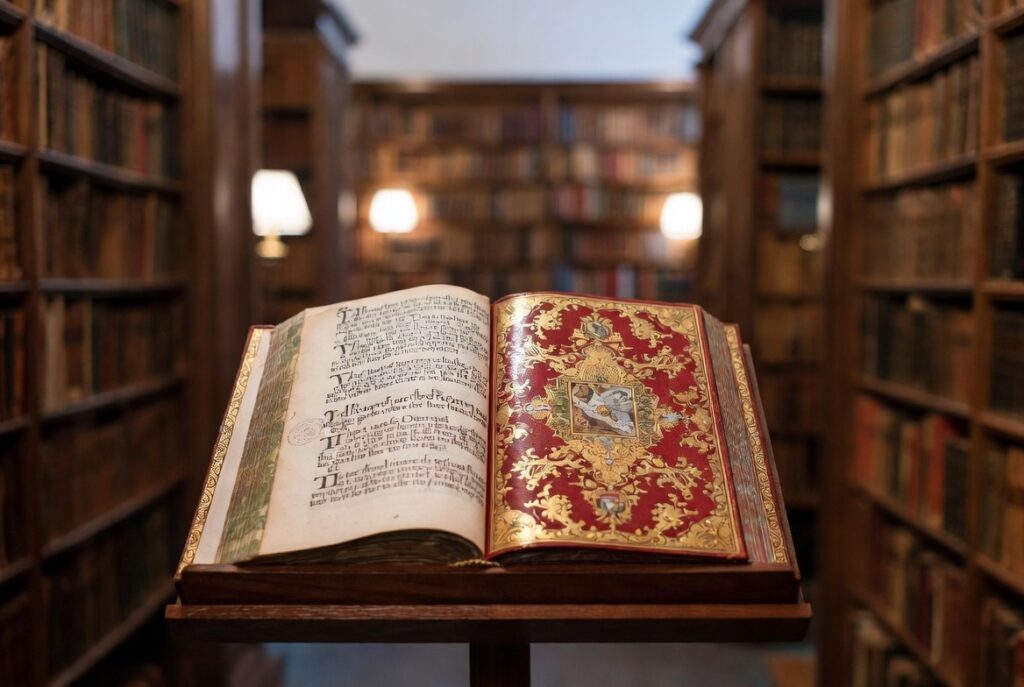
Contemporary university newsletters record the event with pride: Hipple chose Marshall over more prestigious institutions, reportedly saying he preferred to give it to a place where it could be appreciated rather than “one of those fat cats like Princeton.” The volume now resides in the secure care of Special Collections in Room 211 of Morrow Library. Its most striking feature is the late-19th-century rebinding by the renowned London firm Riviere & Son. The binding is executed in full red (or deep crimson) morocco leather with exquisite gold tooling and stamping on the spine and covers, gilt edges, and striking marble endpapers. The binder’s label is preserved inside, confirming the craftsmanship. This elegant restoration not only protects the text block but also elevates the book as a beautiful artifact of Victorian-era bookbinding art.
Textual and Bibliographic Significance
From a bibliographical standpoint, this copy offers researchers a chance to examine 17th-century printing practices up close. The Fourth Folio was produced using methods typical of the period: hand-set movable type, rag paper, and signatures that allow scholars to trace press variants. While the text largely follows the Third Folio, subtle differences in orthography, punctuation, and layout appear across surviving copies.
The inclusion of the seven additional plays reflects the evolving 17th-century canon of “Shakespeare.” Modern scholarship, informed by stylometric analysis and historical records, has refined our understanding of authorship, but the Fourth Folio remains a key witness to how Shakespeare’s contemporaries and immediate successors viewed his dramatic output.
The Riviere & Son binding adds another layer of interest for students of book history. Riviere bindings are prized for their durability and aesthetic refinement; many appear in major institutional collections worldwide. Marshall’s copy, in excellent condition for its age, allows visitors to appreciate both the 1685 printing and the 1880s–1890s conservation efforts that ensured its survival.
Why This Folio Matters to Modern Shakespeare Studies
In an era when digital facsimiles of the First Folio are widely available, why does a physical Fourth Folio in West Virginia still matter? First, it provides tangible, sensory engagement with history. Turning the heavy pages, observing the inked impressions, and noting marginalia or wear patterns offer insights no screen can replicate. Second, its location makes rare-book research accessible to students and scholars in the American Midwest and South who might not travel easily to the Folger Shakespeare Library, British Library, or Huntington Library in California.
Third, it enriches regional literary culture. Marshall University’s holdings remind us that Shakespeare belongs not only to elite coastal institutions but to public universities and communities everywhere. The Fourth Folio supports courses in bibliography, textual editing, theater history, and book arts. It also inspires public exhibits and outreach that connect Huntington residents with global literary heritage.
For performance scholars, the Fourth Folio’s stage directions and textual choices can illuminate Restoration adaptations. For collectors and bibliophiles, it exemplifies how provenance and binding history add layers of meaning to a book. In short, this artifact keeps Shakespeare studies grounded in material culture while remaining relevant to contemporary questions about authorship, collaboration, and canon formation.
Visiting Morrow Library – Your Practical Guide to Experiencing the Treasures
Hours, Location, and Getting There
Morrow Library is located at One John Marshall Drive, Huntington, WV 25755, on the north side of the Marshall University campus along Third Avenue. The building is easily identifiable by its Georgian Revival architecture and the prominent stacks tower added in the late 1960s.
Special Collections hours (as of the latest available information): Monday – Friday: 8:00 a.m. – 4:30 p.m. Saturday and Sunday: Closed The department observes all university holidays and closures. Always confirm current hours on the Marshall University Libraries website or by calling ahead, as weather or special events may affect access.
The main library stacks and circulation areas have slightly different hours, typically extending later on weekdays. Free visitor parking is available in designated campus lots; long-term researchers should contact Special Collections staff in advance about temporary parking passes.
How to Access the Fourth Folio and Special Collections
Research in Special Collections is conducted by appointment to ensure proper handling of rare materials and to allow staff to prepare items. The process is straightforward and welcoming:
- Email speccoll@marshall.edu or call (304) 696-2343 at least several days in advance.
- Specify the materials you wish to consult (e.g., “Shakespeare Fourth Folio”) and your research purpose.
- Use the online collection request form when available for certain items.
- Upon arrival, present a valid photo ID. Staff will provide orientation on handling rules: no pens, clean hands, use of book cradles or supports as directed, and supervised viewing.
The Fourth Folio is a high-value item and will be brought to a secure reading area under staff supervision. Photography is generally restricted for rare books; request permission in advance if needed for scholarly purposes. Digital reproductions or publication-quality images may incur fees.
Contact details:
- Head of Special Collections: Lori Thompson (thompson39@marshall.edu, 304-696-6611)
- Reference/Circulation Desk: (304) 696-2343
- Mailing address: Special Collections, Morrow Library, Marshall University, One John Marshall Drive, Huntington, WV 25755
Tips for Shakespeare Enthusiasts and Researchers
- Prepare in advance: Familiarize yourself with folio scholarship (e.g., works by Charlton Hinman on the First Folio or general studies of the later folios) so you can ask informed questions.
- Combine visits: Pair your trip with other campus attractions or Huntington’s literary and historical sites.
- Bring essentials: Notebook (pencils only in the reading room), laptop for note-taking (if permitted), and a list of specific questions or passages you wish to examine.
- Virtual alternatives: While the physical book remains the highlight, inquire about any ongoing digitization projects or related digital exhibits through Marshall Digital Scholar.
- Group visits: Faculty or educators can arrange class sessions or tours with sufficient notice.
Making the Most of Your Visit
A typical research visit might include:
- Orientation and registration (15–20 minutes)
- Examination of the Fourth Folio (45–90 minutes or more, depending on your goals)
- Exploration of related materials, such as other rare books, West Virginia literary items, or the Rosanna Blake Confederate History collection
- Conversation with curators about provenance, binding, or textual variants
Many visitors describe the experience as transformative—holding a book printed when John Dryden and Aphra Behn were active dramatists creates an immediate, visceral connection to Shakespeare’s world.
Why Morrow Library Deserves a Place on Every Shakespeare Lover’s Map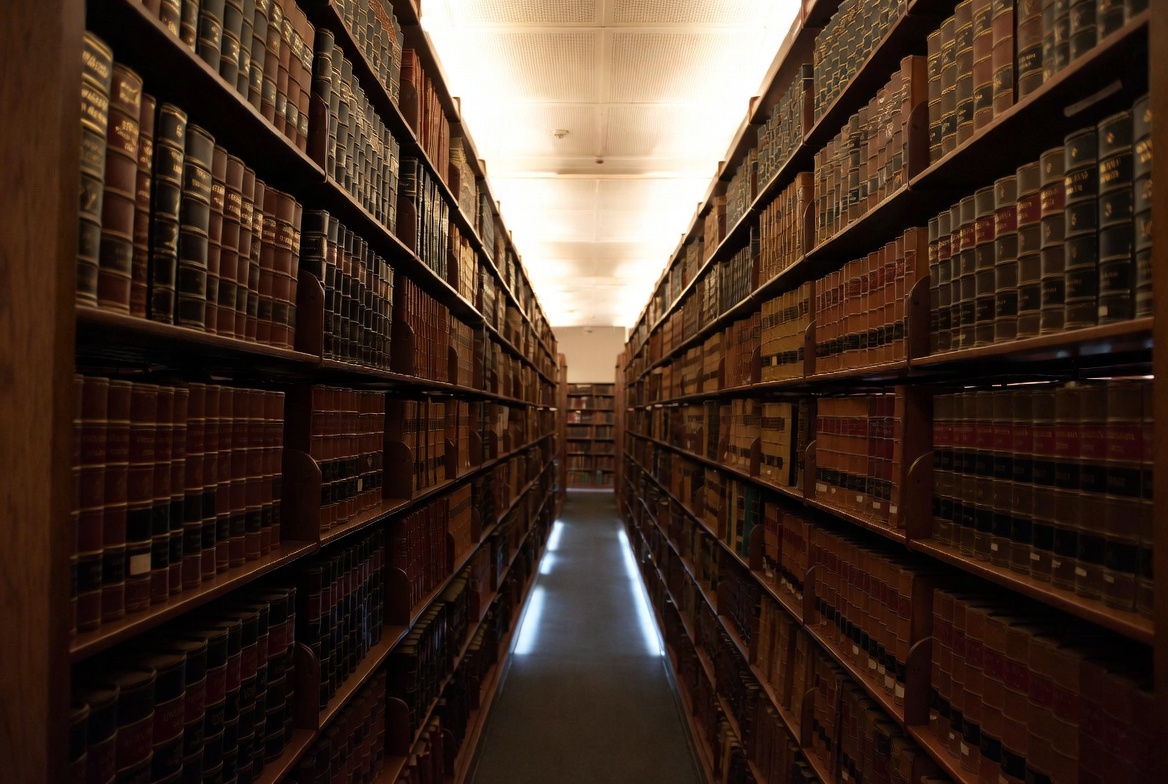
Hidden Gems vs. Famous Repositories
Major repositories like the Folger Shakespeare Library house dozens of First Folios and command international attention. Yet institutions like Morrow Library offer something equally valuable: intimate, less-crowded access to significant artifacts. The Fourth Folio here is not one of hundreds but a carefully stewarded local treasure that receives personal attention from dedicated staff. Its presence in Huntington, WV, expands the geographic map of Shakespearean material culture and proves that profound literary resources exist beyond the expected coastal centers.
Broader Impact on Literary Preservation
University special collections play a vital role in preserving cultural heritage when major auctions or private sales might otherwise remove items from public access. By accepting Worthington Hipple’s gift in 1974, Marshall ensured this Fourth Folio would support education and research for generations rather than disappearing into a private collection. Such acts of stewardship keep rare books “alive” through use rather than mere storage.
Physical interaction with historical artifacts fosters deeper scholarly insight, encourages interdisciplinary connections (literature + book arts + history), and inspires new generations of students. In an increasingly digital world, the tactile experience of a 17th-century folio reminds us why material culture still matters.
Expert Insights
As someone who has examined multiple copies of the folios across institutions, I find Marshall’s example particularly compelling. The combination of excellent condition, distinguished Riviere binding, and clear provenance creates a book that is both a textual witness and a work of art. Curators at Morrow Library continue this tradition of accessibility, balancing preservation with generous public service—an approach that other regional collections would do well to emulate.
The Fourth Folio also invites reflection on canon formation. Seeing the seven “added” plays presented as Shakespeare’s invites us to consider how reputation evolves over time. Today’s scholars debate collaboration in plays like Pericles or The Two Noble Kinsmen; the 1685 edition captures an earlier, more expansive view of the Shakespearean corpus.
Additional Resources and Further Reading
To deepen your exploration:
- Charlton Hinman, The Printing and Proof-Reading of the First Folio of Shakespeare (for foundational folio studies)
- Andrew Murphy, Shakespeare in Print: A History and Chronology of Shakespeare Publishing
- The Cambridge Shakespeare series or Arden Shakespeare textual introductions
- Marshall Digital Scholar for university-specific finding aids and digitized materials
- General resources on early modern bookbinding, including studies of Riviere & Son
Consider visiting other American collections with Shakespeare folios (Folger, University of Texas Harry Ransom Center, etc.) and comparing binding styles or textual variants.
Frequently Asked Questions (FAQ)
Is the Morrow Library open to the public? Yes. While the main library serves the university community primarily, Special Collections welcomes external researchers, Shakespeare enthusiasts, and visitors by appointment.
Can I see Shakespeare’s Fourth Folio in person at Morrow Library? Yes, with an advance appointment. The volume is brought out under supervised conditions in the Special Collections reading room.
What is the history of the Fourth Folio at Marshall University? It was donated in 1974 by collector Worthington Hipple, who presented it during Honors Convocation. The book was rebound in the late 19th century by Riviere & Son of London.
How do I contact Special Collections? Email speccoll@marshall.edu or call (304) 696-2343. The department is located in Room 211 of Morrow Library.
Are there other rare Shakespeare items at Morrow Library? The Fourth Folio is the standout Shakespeare-related item, but the rare book collection includes other early modern and literary works that may complement Shakespeare studies.
What makes the Riviere & Son binding special? Riviere & Son was one of London’s premier binderies, known for high-quality materials, precise gold tooling, and elegant design. The morocco leather, gilt stamping, and marble papers make this copy both protective and visually stunning.
Do I need to be a student or faculty member to visit? No. Researchers, educators, students from other institutions, and interested members of the public are welcome with proper advance notice.
Is parking available? Visitor parking options exist on campus. Contact Special Collections for guidance on temporary passes for extended research visits.
The James E. Morrow Library at Marshall University stands as a quiet but powerful testament to the enduring power of Shakespeare’s words and the books that carry them across centuries. Its rare Fourth Folio—elegantly rebound and thoughtfully preserved—offers far more than a historical curiosity. It provides a tangible link to the late 17th century, when Shakespeare’s reputation was solidifying into the cultural force we recognize today.
For anyone searching for “morrow library,” whether out of academic curiosity, travel planning, or pure literary passion, this article has aimed to deliver comprehensive answers: the building’s history, the depth of its Special Collections, the remarkable story and significance of the Fourth Folio, and clear, practical steps for planning a visit. In a world of instant digital access, the opportunity to sit with a 341-year-old volume in the hills of West Virginia reminds us that great literature thrives not only in pixels but in paper, ink, and human hands.
If you love Shakespeare, consider making the journey to Huntington. Support university special collections wherever you find them—they are the unsung heroes keeping our literary heritage accessible and alive. The Bard’s words have traveled far from the Globe Theatre; thanks to places like Morrow Library, they continue to find new readers and new admirers in unexpected corners of the world.