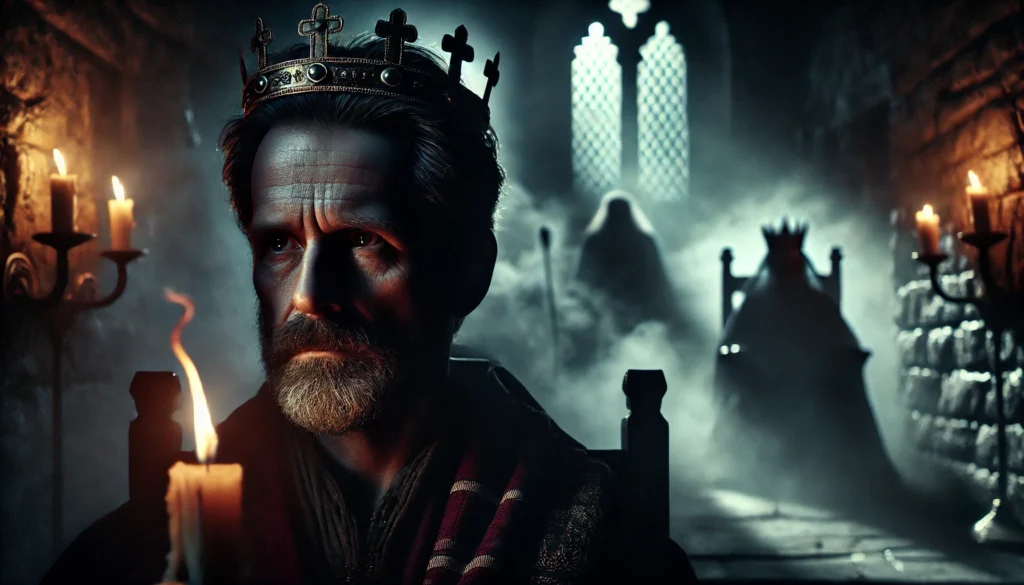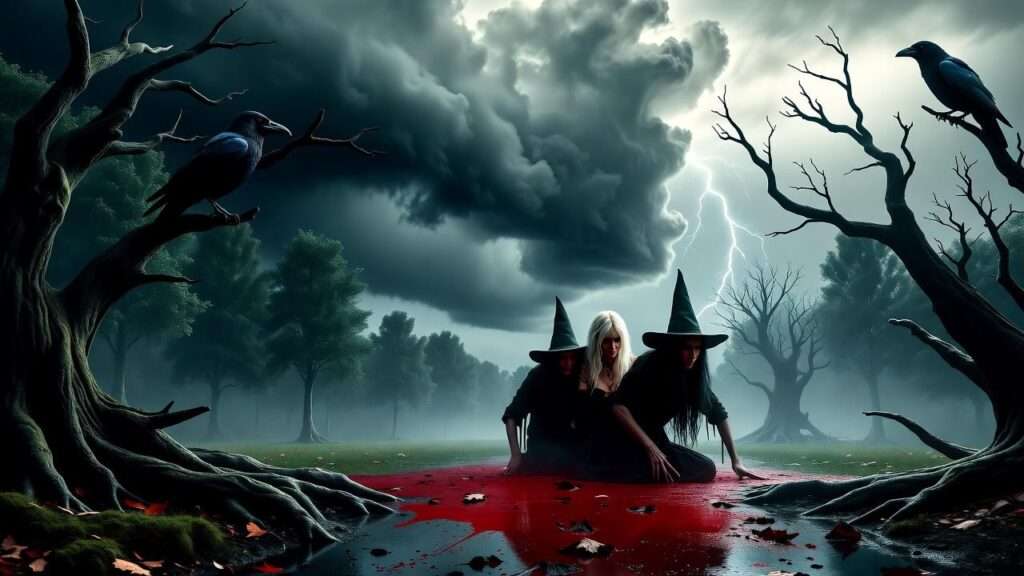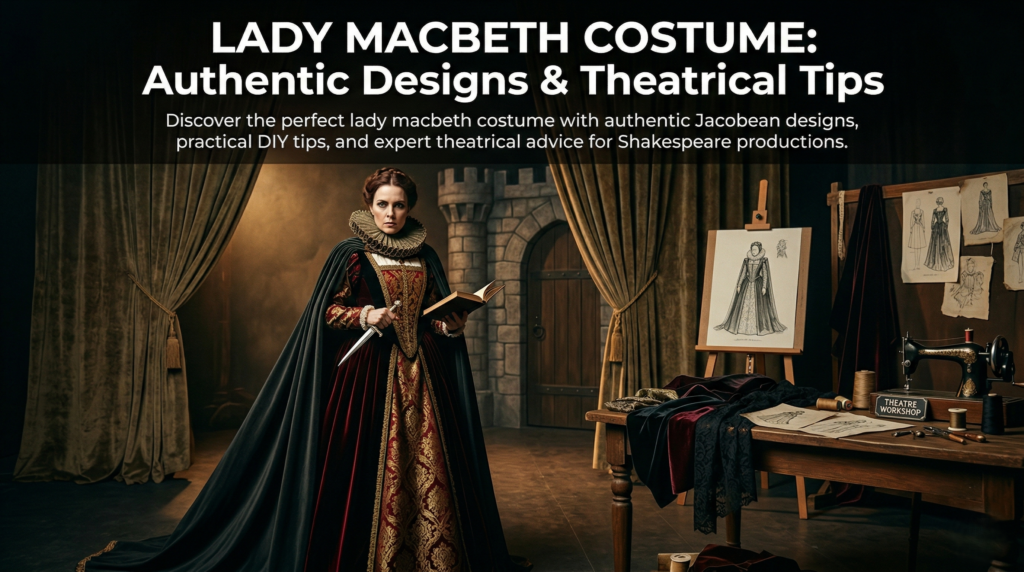
Imagine the candlelit gloom of the sleepwalking scene. A solitary figure glides across the stage, her hands wringing frantically as she whispers the immortal line: “Out, damned spot! Out, I say!” The audience leans forward, spellbound—not just by the words, but by the visual poetry of her costume: a once-regal gown now stained with symbolic blood, its fabric shifting under harsh stage lights to reveal the character’s unraveling mind. This is the transformative power of a thoughtfully designed lady macbeth costume. It does more than clothe an actor; it becomes the living embodiment of ambition, guilt, and tragic femininity in Shakespeare’s Macbeth.
Whether you are a theater director mounting a school production, a costume designer for a professional company, a college student preparing for a scene study, or an enthusiast recreating the look for a Renaissance fair or cosplay, the search for the perfect lady macbeth costume reflects a deeper need: to honor Shakespeare’s text while making the character visually unforgettable. In this comprehensive guide—crafted from years of studying Elizabethan and Jacobean stage practice, analyzing major productions at the Royal Shakespeare Company (RSC), Shakespeare’s Globe, and beyond—we deliver historically grounded designs, practical theatrical tips, step-by-step DIY instructions, and expert insights. You will leave equipped to create a lady macbeth costume that serves the character’s psychological arc, respects production constraints, and elevates any staging of Macbeth.
Why Lady Macbeth’s Costume Matters: Character, Symbolism, and Stage Impact
Lady Macbeth’s psychological journey—from steely manipulator in Act 1 to guilt-haunted somnambulist in Act 5—demands a costume that evolves with her. Early in the play she invokes dark spirits to “unsex” her and fill her with cruelty; by the end, she is frantically trying to cleanse invisible blood. A strong lady macbeth costume visualizes this descent, turning fabric, color, and silhouette into silent storytelling.
Shakespeare’s text is rich with clothing and blood imagery. Macbeth himself feels “dressed” in borrowed robes that do not fit; Lady Macbeth’s repeated references to hands and spots reinforce the blood motif as an indelible stain of guilt. Costume designers use these cues deliberately. A pristine, opulent gown in the banquet scene contrasts sharply with a disheveled, blood-flecked version in the sleepwalking scene, amplifying the audience’s emotional response. Under stage lighting, certain fabrics catch highlights that mimic fresh blood or deepen shadows to suggest moral darkness—techniques refined over four centuries of Shakespearean performance.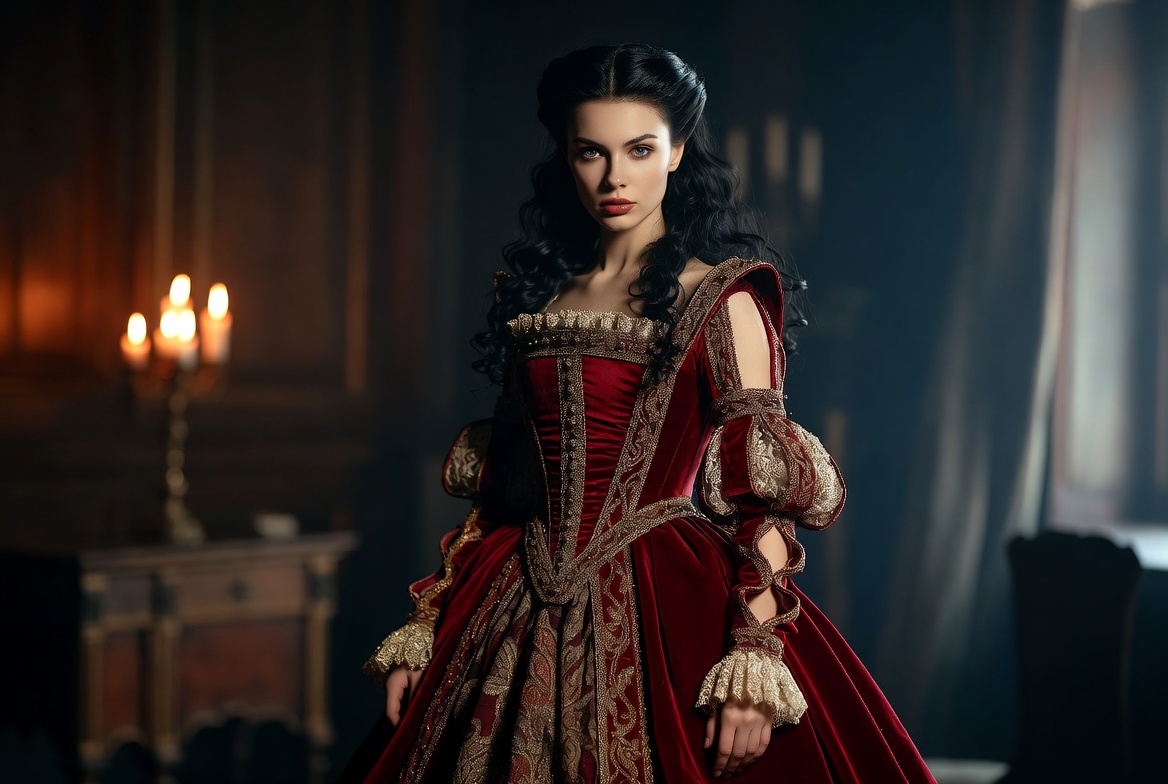
The costume also functions as a directorial tool. Movement is restricted or liberated by construction: a heavy train can suggest regal authority in Act 1, while a lighter, torn hem in later scenes allows the frantic pacing of madness. Lighting designers rely on fabric sheen or matte finishes to control how the character “reads” from the back row. In short, the lady macbeth costume is never decorative; it is dramatic architecture.
Historical Context: From Elizabethan Originals to Modern Shakespeare
Shakespeare’s Macbeth premiered around 1606 at the Globe or Blackfriars, during the Jacobean era under King James I. Contrary to popular assumption, the original lady macbeth costume was not medieval Scottish attire. Actors wore contemporary English court dress—sumptuous versions of what noblewomen actually wore in London. This was standard practice: Shakespeare’s company had no interest in historical accuracy for 11th-century Scotland; they used the rich fabrics and silhouettes of their own time to signal status and power to Elizabethan and Jacobean audiences.
A Jacobean lady macbeth costume would have featured a structured bodice, farthingale (hooped underskirt) for the wide, conical silhouette, detachable sleeves, a ruff or falling band collar, and rich fabrics such as velvet, silk, or embroidered brocade. Colors leaned toward deep crimson, midnight black, forest green, or gold—expensive dyes that announced wealth and, symbolically, blood and darkness. Sumptuary laws restricted such luxury to the upper classes, making the costume a visual shorthand for Lady Macbeth’s social ambition.
Over the centuries, interpretations shifted dramatically. Victorian productions (such as Ellen Terry’s legendary 1888 Lyceum Theatre performance) favored lavish, historically romantic gowns—Terry’s costume famously incorporated chainmail-like scales and serpent motifs to evoke treachery and power. The 20th century brought minimalism: Peter Brook’s 1971 RSC Macbeth stripped costumes to essentials, letting the text carry the weight. Today, directors experiment freely. Modern-dress productions at Shakespeare’s Globe or the National Theatre often place Lady Macbeth in sleek power suits, blood-stained contemporary evening gowns, or even tactical black attire that echoes military or political ambition.
Recent Globe productions (2023) embraced stark modern dress with black base layers accented by tartan or symbolic red, while the RSC has explored gender-fluid and minimalist takes. These evolutions prove that a lady macbeth costume succeeds when it serves the production’s concept rather than rigid historical reenactment. The key is fidelity to Shakespeare’s themes—ambition, guilt, gender performance—while adapting to budget, venue, and directorial vision.
Core Elements of an Authentic Lady Macbeth Costume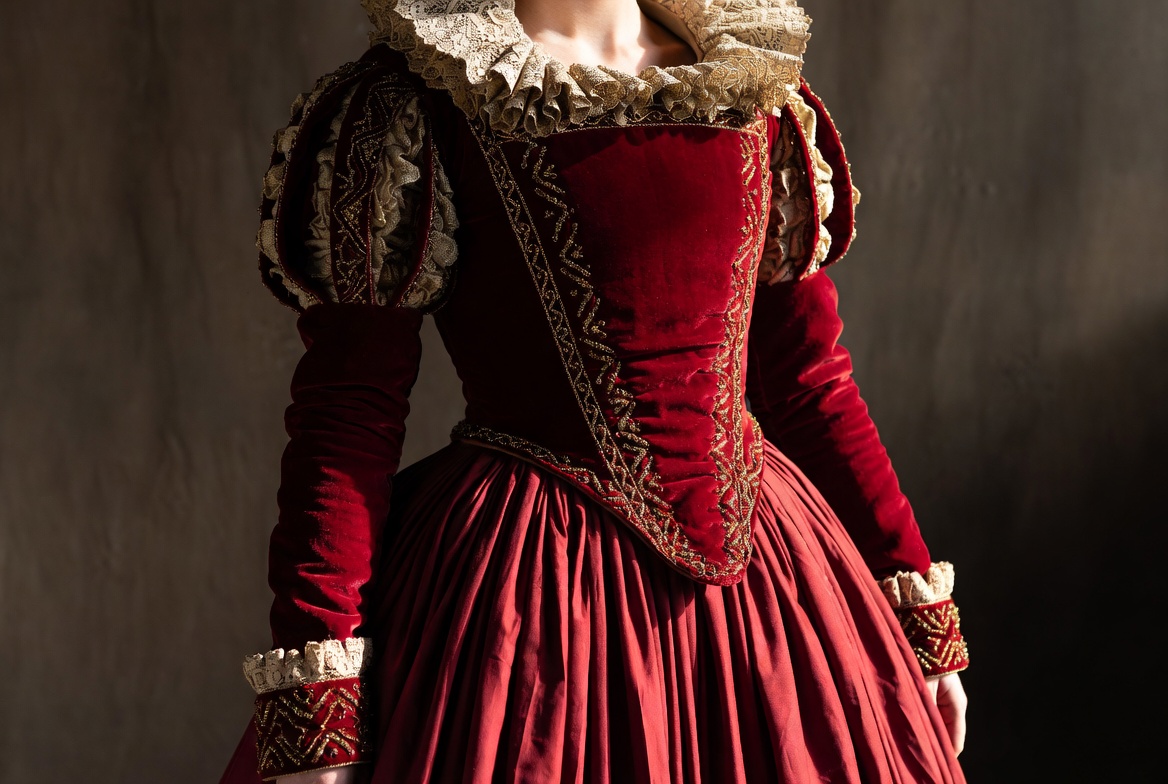
Building an authentic yet stage-worthy lady macbeth costume begins with understanding silhouette, color, and fabric.
Gown Silhouettes and Construction The classic Jacobean shape features a tightly fitted bodice with a low, squared neckline, long or puffed sleeves, and a full skirt supported by a farthingale or bum roll for volume. For modern adaptations, simplify to a structured A-line or trumpet gown that flatters the actor’s movement. Include a detachable train or overskirt that can be removed or torn during quick changes to signal descent into madness.
Color Psychology and Period-Accurate Palettes Blood red and deep black dominate for symbolic reasons. Crimson evokes the “damned spot” and royal blood; black suggests the “thick night” Lady Macbeth calls upon. Accents of muted gold or tarnished silver nod to the “golden round” of the crown. Avoid bright primaries; stage lights will wash them out or create unintended glare. Test swatches under your venue’s lighting rig.
Fabrics That Work on Stage Traditional choices—velvet, silk dupioni, or brocade—offer rich texture and drape but can be heavy and costly. Performance-grade alternatives include matte jersey blended with metallic threads, stretch velvet, or even upholstery-weight fabrics treated for flame resistance. These allow fluid movement during monologues and quick changes while holding up under repeated performances. For school or community productions, thrift-store curtains or repurposed prom dresses provide excellent base materials.
Headdresses, Crowns, and Jewelry A simple circlet or jeweled caul (netted headdress) signals queenship without restricting sightlines. The crown itself should be lightweight—foam, resin, or 3D-printed—and easily removable for the sleepwalking scene. Symbolic jewelry (a heavy chain or blood-red brooch) can double as props that later appear “stained.”
Footwear, Gloves, and Undergarments Period-appropriate soft leather or fabric slippers ensure silent stage movement. Long gloves can hide modern tattoos or provide a canvas for “blood” effects that wash off easily. A well-fitted corset or bodice liner prevents wardrobe malfunctions during vigorous blocking.
These core elements create a foundation that feels both Shakespearean and practical—exactly what directors and actors need when time and resources are limited.
Makeup, Hair, and Accessories: Completing the Transformation
No lady macbeth costume is complete without the right makeup, hair, and props. Stage makeup must withstand sweat and lights while telling the story. For the early acts, aim for a porcelain-pale base with sharp, defined brows and a strong lip in blood red. As guilt overtakes her, smudge the lipstick, hollow the cheeks with contour, and add dark circles under the eyes. The sleepwalking scene often uses a translucent “blood” gel or washable red paint on the hands that appears under blacklight or specific gels for maximum impact.
Hair styling evolves too. Early scenes call for an elegant updo with pearls or jewels woven in—symbolizing controlled power. By the sleepwalking scene, loose, disheveled waves or a partially undone braid convey mental fracture. For modern productions, a sleek bob or ponytail can be strategically tousled.
Essential accessories include the letter from Macbeth (Act 1), a dagger prop, and a candle or taper for the final scene. These items must be lightweight, durable, and integrated into the costume—perhaps a hidden pocket in the gown—so the actor never fumbles.
Creative Variations for Different Production Styles
A successful lady macbeth costume adapts to the production’s overall vision while remaining rooted in Shakespeare’s themes of unchecked ambition and corrosive guilt. Here are proven approaches that have worked across venues and budgets.
Traditional Period-Accurate Designs These draw from Jacobean court fashion: structured bodice, wide skirt over farthingale, rich velvets in deep crimson or black with gold accents. The goal is visual opulence that signals Lady Macbeth’s social climbing. Add a small ruff or wired collar for authenticity. This style shines in outdoor Globe-style productions or when the director wants to emphasize the historical distance from modern audiences.
Modern and Minimalist Interpretations Many contemporary stagings reject heavy period gowns for sleek power dressing. Think tailored black trousers with a blood-red silk blouse, or a simple column dress in charcoal gray that gradually accumulates red stains (fabric paint or removable panels). Recent RSC productions have used modern dress effectively, placing Lady Macbeth in sharp business attire that evokes political ruthlessness rather than medieval royalty. A minimalist all-black base with strategic red accents allows the “damned spot” to pop dramatically under lights and supports fluid movement during intense monologues.
Gender-Fluid and Experimental Takes Shakespeare’s Globe and other innovative companies have explored non-binary or male Lady Macbeth interpretations. In these cases, the costume might combine masculine tailoring (waistcoat, breeches) with feminine elements like flowing sleeves or a corset overlay. A striking recent Globe example featured practical PPE-style elements for the murder scenes, highlighting the clinical preparation of violence before the psychological fallout. These choices challenge traditional gender performance in the text (“unsex me here”) and resonate powerfully with today’s audiences.
Budget-Conscious School and Community-Theater Adaptations For student productions, start with a black maxi dress or thrift-store gown as the base. Add red ribbon “blood” trails that can be applied progressively across acts. Use safety pins or fabric glue for quick modifications—no sewing required. A simple crown made from cardboard and gold spray paint, paired with long black gloves, completes the look affordably while delivering strong visual storytelling.
High-Concept Designs Inspired by Acclaimed Productions Ellen Terry’s 1888 “Beetle Wing Dress” remains one of the most iconic lady macbeth costumes. Designed by Alice Comyns Carr and sewn by Ada Nettleship, the emerald-green gown shimmered with over 1,000 iridescent beetle wings, creating a serpentine, almost supernatural effect that captured Lady Macbeth’s dangerous allure. John Singer Sargent’s famous portrait immortalized it, showing how costume can become legend. Modern designers still reference its glittering menace when seeking otherworldly power.
Study these variations to choose (or blend) elements that best support your director’s concept, venue acoustics, and actor’s physicality.
Step-by-Step DIY Guide: Building Your Lady Macbeth Costume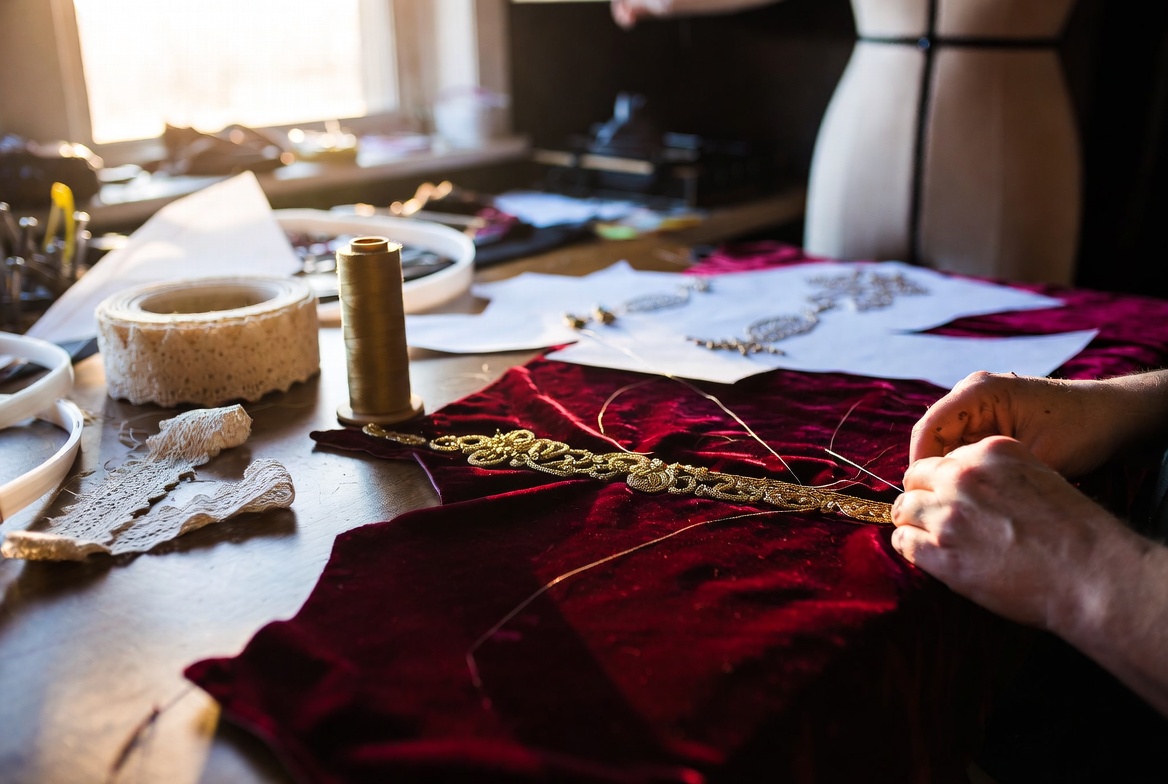
Creating your own lady macbeth costume is achievable even with limited experience or funds. This practical guide offers three budget tiers and no-sew options.
Budget Breakdown
- Under $50: Thrift-store black or red gown + fabric paint + costume jewelry + cardboard crown.
- $150 range: Base dress from online retailers + stretch velvet remnants + basic sewing supplies.
- $500+: Quality performance fabrics, commercial patterns, professional trims, and custom crown.
No-Sew and Beginner-Friendly Methods
- Select a plain black or deep red maxi dress or nightgown as the foundation.
- Create “blood” effects using washable red fabric paint or stage blood (test for staining). Apply lightly in Act 1–3 scenes; intensify for the sleepwalking sequence.
- Add volume with a layered tulle underskirt secured by safety pins or a belt.
- For the bodice, layer a velvet shrug or scarf pinned dramatically.
- Finish with long black gloves (dollar store) and a simple circlet made from wired ribbon and beads.
Sewing Patterns and Modifications Use commercial patterns such as Butterick or Simplicity historical gown styles (e.g., B4571 bodice adaptations). Modify by lowering the neckline and adding detachable sleeves for quick changes. For the skirt, draft a simple A-line or add godets for movement. Incorporate hidden pockets for props like the letter or candle.
Sourcing Materials Affordably
- Online: Fabric wholesalers for stretch velvet or matte jersey; theatrical suppliers for flame-retardant treatments.
- Local: Thrift stores, curtain remnants, or university theater salvage sales.
- Sustainable option: Upcycle old prom dresses or wedding gowns—dye them darker and distress strategically.
Quick Modifications for Different Body Types and Stages
- Petite actors: Shorten hems and use vertical lines to elongate the silhouette.
- Plus-size performers: Choose stretch fabrics and empire waists for comfort.
- Large stages: Add bolder textures and reflective elements that read from distance.
- Intimate venues: Focus on subtle fabric sheen and detailed handwork.
Test the full costume in rehearsal under actual lights and with blocking to ensure comfort and dramatic effect.
Professional Theatrical Tips from Costume Designers and Directors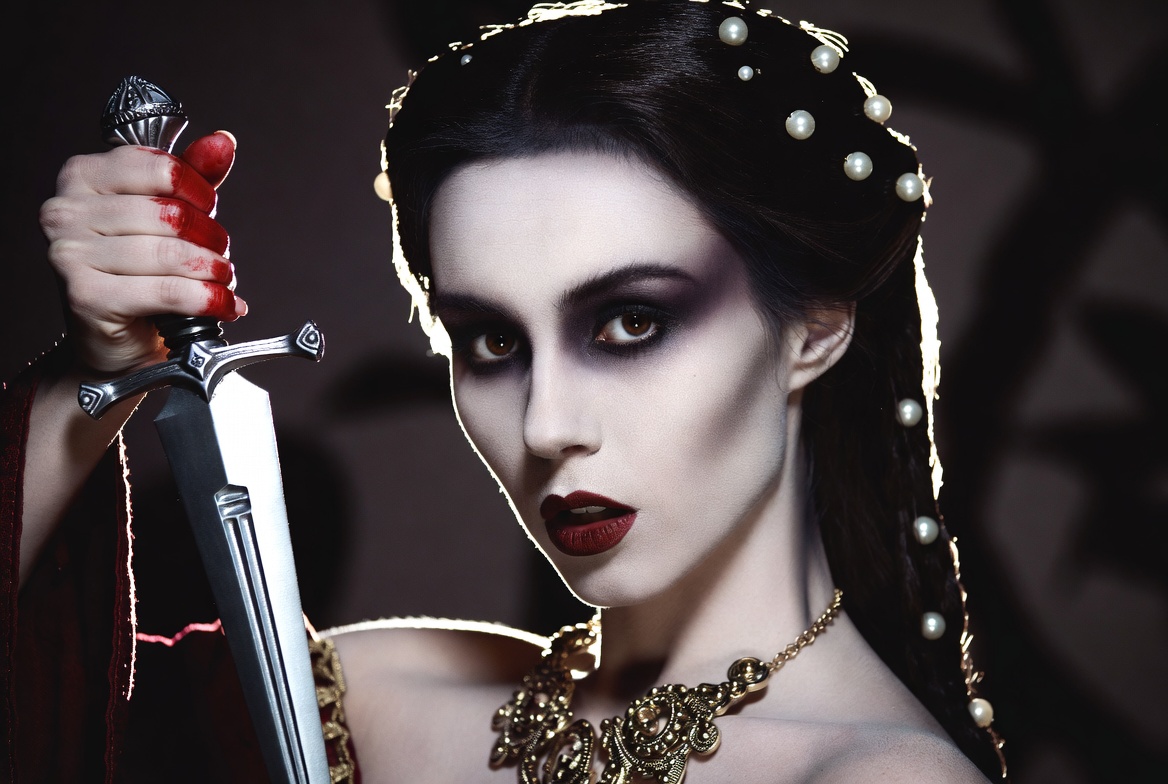
A great lady macbeth costume must function technically as well as artistically.
Support for Blocking and Quick Changes Design with Velcro or hidden snaps for rapid adjustments between scenes. Ensure the gown allows full arm movement for gestures during “unsex me here” and does not trip the actor during frantic sleepwalking.
Lighting Considerations Test fabrics under stage lights: Velvet can absorb light beautifully for shadowy guilt, while subtle metallics catch highlights for moments of power. Red reads differently under gels—deep crimson often appears richer under warm light but can wash out under strong blue. Always do a tech rehearsal “costume parade.”
Durability and Maintenance Use performance-grade fabrics treated for sweat and repeated washing. Blood effects should be removable without damaging the base garment. For multi-week runs, have a backup or quick-repair kit backstage.
Collaboration Tips The best costumes emerge from early conversations between director, actor, lighting designer, and costume team. Share the actor’s movement style and the production’s color palette. Reference specific lines (e.g., blood imagery) to ground every design choice in text.
Experienced Shakespearean designers emphasize that the costume must never upstage the verse—rather, it should make the words more audible and emotionally resonant.
Common Mistakes to Avoid in Lady Macbeth Costume Design
- Overly Medieval Look: Avoid heavy tartan or fantasy armor; Shakespeare’s audience saw contemporary dress.
- Ignoring Symbolism: Pure white or pastel gowns miss the blood/guilt motif.
- Poor Fabric Choice Under Lights: Shiny satins can glare; heavy brocades may restrict movement.
- Restrictive Silhouette: If the actor cannot gesture freely, the performance suffers.
- Static Design: The costume should evolve visually across the play to mirror the character’s arc.
- Neglecting Practicality: No pockets for props or difficult quick changes can derail timing.
Fix these by prioritizing actor testing and text-based decision-making.
Where to Buy, Rent, or Commission Professional Lady Macbeth Costumes
Rental Houses: Specialized theater costume rentals often stock Shakespearean gowns. Search for “Elizabethan/Jacobean costume rental” or contact regional opera/theater suppliers.
Custom Commissioning: Provide the designer with production photos, swatches, actor measurements, and key scenes. Specify movement needs and lighting conditions. Expect 4–8 weeks lead time.
Sustainable and Ethical Options: Choose vintage pieces, upcycled fabrics, or companies using eco-friendly dyes. Renting reduces waste while supporting the theater community.
Case Studies: Memorable Lady Macbeth Costumes in Major Productions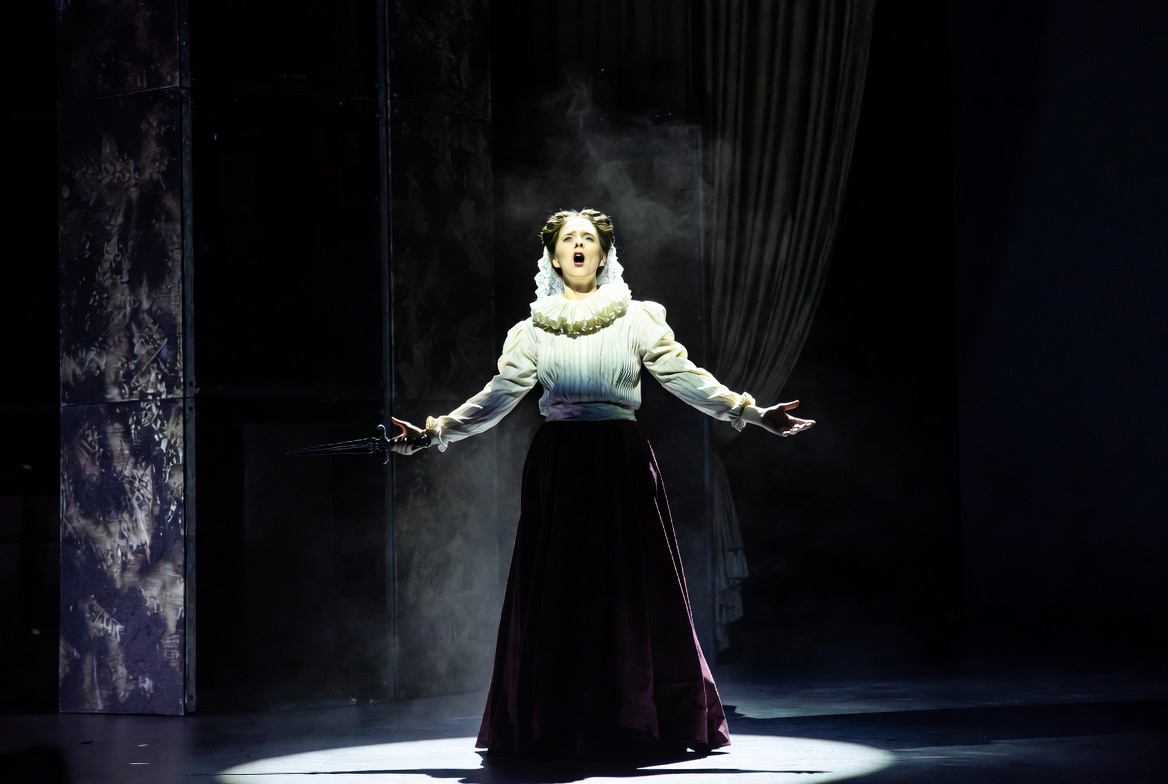
Ellen Terry’s 1888 beetle-wing dress stands as a pinnacle of Victorian theatrical glamour—its iridescent green shimmer evoked both beauty and reptilian danger.
Diana Rigg’s National Theatre costume (designed by Michael Annals) used stark, elegant lines that emphasized psychological intensity over ornament.
Recent Globe productions have favored practical, modern-inflected designs that highlight the character’s calculated violence before her breakdown.
Each successful design shares one trait: it makes Shakespeare’s poetry and Lady Macbeth’s inner torment visually immediate and unforgettable.
A well-crafted lady macbeth costume transforms a performer into the embodiment of Shakespeare’s most complex female character. It bridges historical context with modern theatrical demands, using color, fabric, and silhouette to illuminate themes of ambition, guilt, and the performance of power.
Whether you build it from thrift finds for a school show or commission a custom piece for a professional staging, focus on service to the text and the actor. The result will be a visual narrative that lingers with audiences long after the final curtain.
Share your own lady macbeth costume creations in the comments or on social media—tag us so we can celebrate the ongoing life of Shakespeare’s work through dedicated theater makers worldwide. Explore our other guides on Elizabethan fashion, stage makeup for tragedy, and full Macbeth character analysis for even deeper insights.
FAQs
What color should a Lady Macbeth costume be? Deep crimson, black, or dark red dominate to symbolize blood and guilt. Accents of gold evoke royal ambition. Always test under your production’s lighting.
Is there a historically accurate Lady Macbeth costume? Yes—Jacobean court dress with structured bodice, farthingale, and rich fabrics. Avoid medieval Scottish elements; Shakespeare’s company used contemporary fashion.
How do I make a Lady Macbeth costume for a school play on a budget? Start with a black or red thrift-store gown. Add fabric-paint “blood,” a simple crown, and long gloves. Layer tulle for volume. Total cost can stay under $50 with creative sourcing.
What accessories are essential for a theatrical Lady Macbeth look? A lightweight crown or circlet, long gloves (for blood effects), a prop letter or candle, and symbolic jewelry such as a red brooch.
How has the Lady Macbeth costume evolved in modern Shakespeare productions? From lavish Victorian gowns like Ellen Terry’s beetle-wing masterpiece to sleek modern power suits and minimalist designs. Today’s choices prioritize character psychology, actor movement, and directorial concept over strict historical replication.