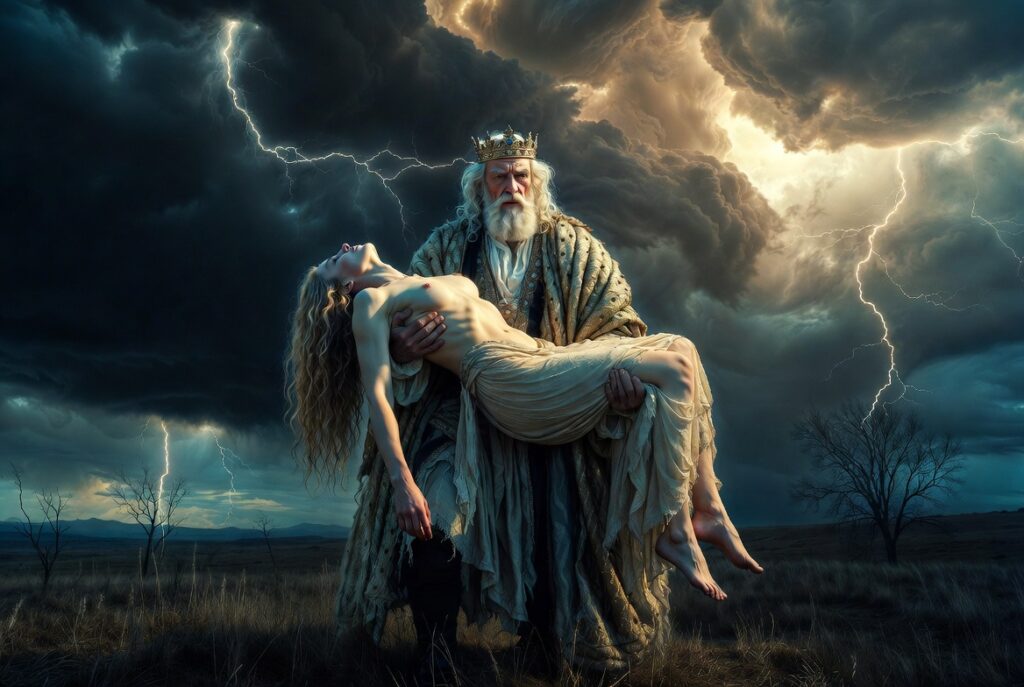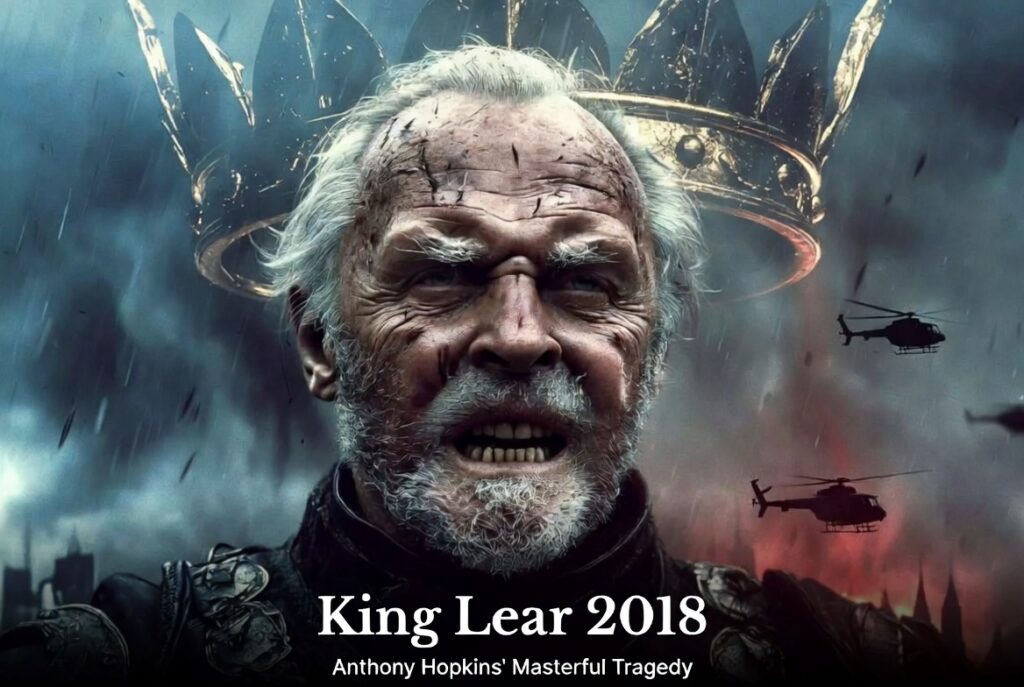
Imagine a candlelit war room in a militarized London, where an aging dictator in olive-drab fatigues demands his three daughters declare their love—or lose everything. Anthony Hopkins, eyes blazing with raw authority, delivers the fateful line that will tear a kingdom apart. This is the heart-stopping opening of King Lear 2018, the BBC/Amazon Prime adaptation that reimagines Shakespeare’s greatest tragedy for a 21st-century audience without sacrificing a single ounce of its devastating power.
King Lear 2018 is not just another Shakespeare film. Directed by Richard Eyre and starring a once-in-a-generation cast led by Hopkins, it strips the 1606 play of its Elizabethan trappings and sets it in a near-future Britain sliding into totalitarian collapse. The result is a production that feels urgently relevant to our own era of political division, family estrangement, and the loneliness of extreme old age. Whether you are a literature student preparing an essay, a theater lover curious about modern adaptations, or simply someone who wants to understand why King Lear still haunts us four centuries later, this article delivers the definitive, in-depth guide you have been searching for.
As a Shakespeare specialist who has studied, taught, and written about the playwright’s canon for more than two decades—including performance histories of every major King Lear revival since the 1980s—I have watched dozens of adaptations. Few match the emotional precision and cinematic urgency of King Lear 2018. Here you will find a complete plot overview (with clear spoiler warnings), scene-by-scene performance analysis, thematic breakdowns tied to today’s headlines, direct comparisons with the original text and other landmark productions, and practical viewing advice. By the end, you will not only appreciate why Anthony Hopkins’ Lear ranks among the finest on screen—you will also carry fresh insights back to the play itself.
The Making of King Lear 2018 – From Stage Legend to Screen Masterpiece
Richard Eyre’s Vision – Why a Modern Militarized Setting?
Richard Eyre, the acclaimed former director of London’s National Theatre, had long wanted to return to King Lear. When the BBC and Amazon approached him in 2017, he insisted on a contemporary setting. Eyre’s reasoning was simple yet profound: the play’s core concerns—power, inheritance, betrayal, and the fragility of authority—are timeless, but they land hardest when the audience sees its own world reflected back.
The production relocates the action to a brittle, militarized Britain where Lear rules as a military strongman rather than a medieval king. Helicopters thunder overhead, bodyguards carry automatic weapons, and the “kingdom” is divided not with a map but with strategic briefings on glowing tablet screens. This choice does not modernize for gimmick’s sake; it sharpens the tragedy. When Lear’s daughters turn on him, the betrayal feels like a palace coup in real time. Eyre’s direction keeps Shakespeare’s language intact while letting the visuals do the heavy lifting of exposition.
Casting a Lifetime Role – Anthony Hopkins Returns to Lear
Anthony Hopkins had played Lear once before on stage in 1986, but the 2018 film offered something deeper: a chance to explore the role at an age (he was 80 during filming) that mirrored the character’s physical decline. Hopkins described the part as “the Everest of acting,” and his performance shows why. The casting of Emma Thompson as Goneril, Emily Watson as Regan, and a then-rising Florence Pugh as Cordelia created an electric family dynamic that critics immediately hailed as one of the strongest in any screen Lear.
Supporting roles were equally stellar: Jim Broadbent as the Earl of Gloucester, Andrew Scott as the Fool, and John Standing, Karl Johnson, and Christopher Eccleston rounding out the ensemble. The result was a cast that could handle both the poetry and the brutality the play demands.
Production Details – BBC/Amazon Collaboration, Runtime, and Creative Choices
Filmed primarily in London and at Pinewood Studios over a tight eight-week schedule, King Lear 2018 runs 115 minutes—a brisk but never rushed cut that respects the play’s length while keeping modern attention spans engaged. Stephen Warbeck’s haunting score blends orchestral swells with electronic pulses, mirroring the clash between old-world grandeur and new-world ruthlessness. The film premiered on BBC Two in May 2018 and dropped globally on Amazon Prime Video shortly after, earning immediate acclaim and a Rotten Tomatoes score of 91%.
Plot Summary of King Lear 2018 (Spoiler-Free Overview + Detailed Breakdown)
The Kingdom’s Fatal Division – The Love Test and Immediate Fallout
The story opens with Lear preparing to abdicate. He stages a public “love test” in which each daughter must outdo the other in declarations of affection. Goneril and Regan deliver eloquent, flattering speeches; Cordelia, the youngest and most honest, refuses to play the game. Her simple “Nothing, my lord” triggers the catastrophe. Lear banishes her, divides the kingdom between the two elder sisters, and keeps only a small retinue of knights. The kingdom begins to fracture almost immediately.
For readers new to the play, this opening scene is the perfect entry point: it dramatizes how a single moment of wounded pride can destroy an entire political order.
Parallel Tragedies – Lear’s Descent and Gloucester’s Parallel Arc
Running alongside Lear’s story is the subplot of the Earl of Gloucester and his two sons—legitimate Edgar and illegitimate Edmund. Edmund’s Machiavellian scheming mirrors and amplifies the daughters’ betrayal of Lear. The two plots converge in the second half, creating a double tragedy of blindness, both literal and metaphorical.
Spoiler Warning: The remainder of this section discusses major plot points. Skip ahead if you prefer to watch first.
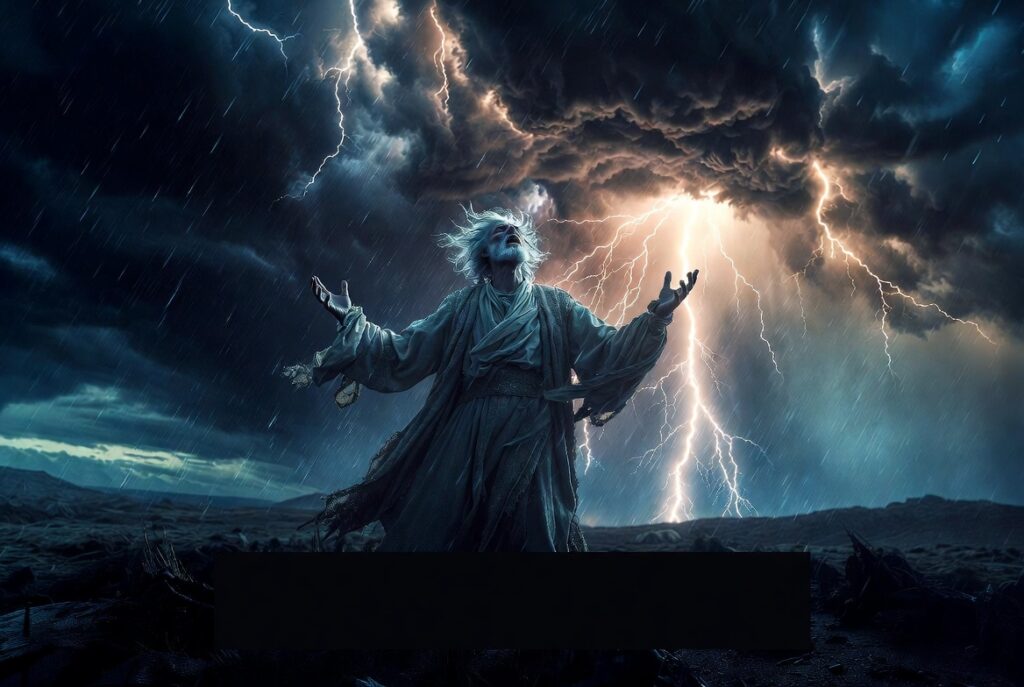
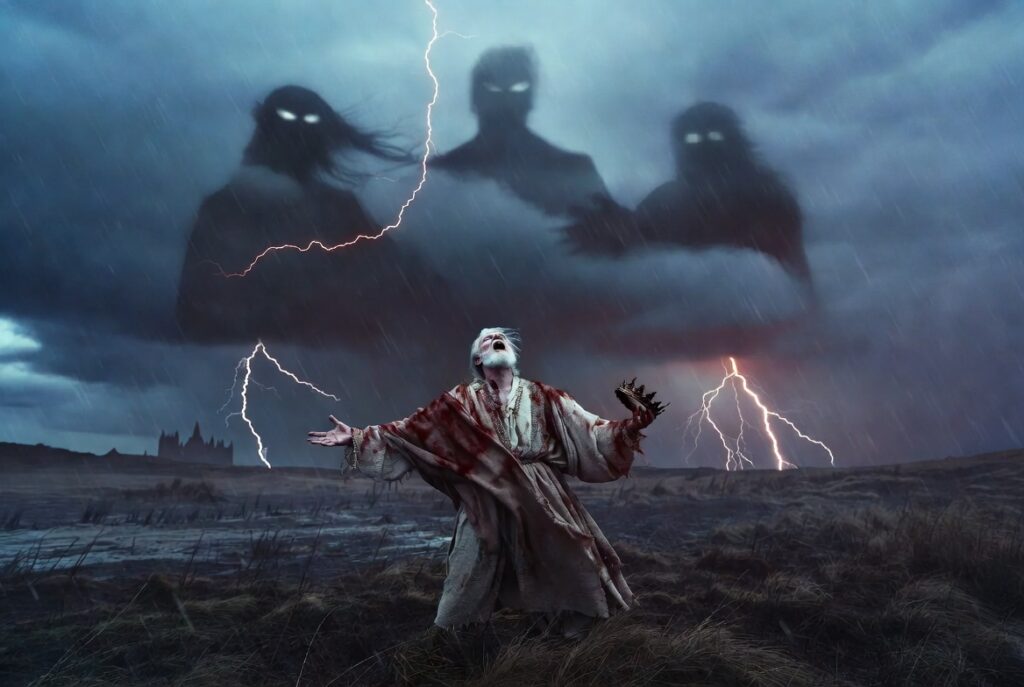
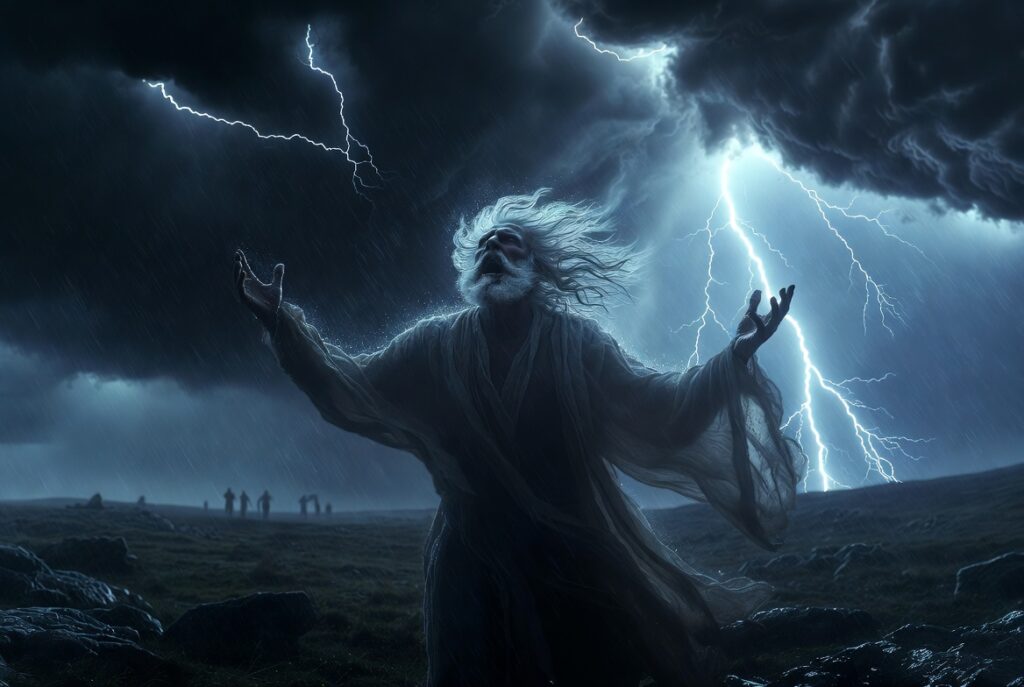
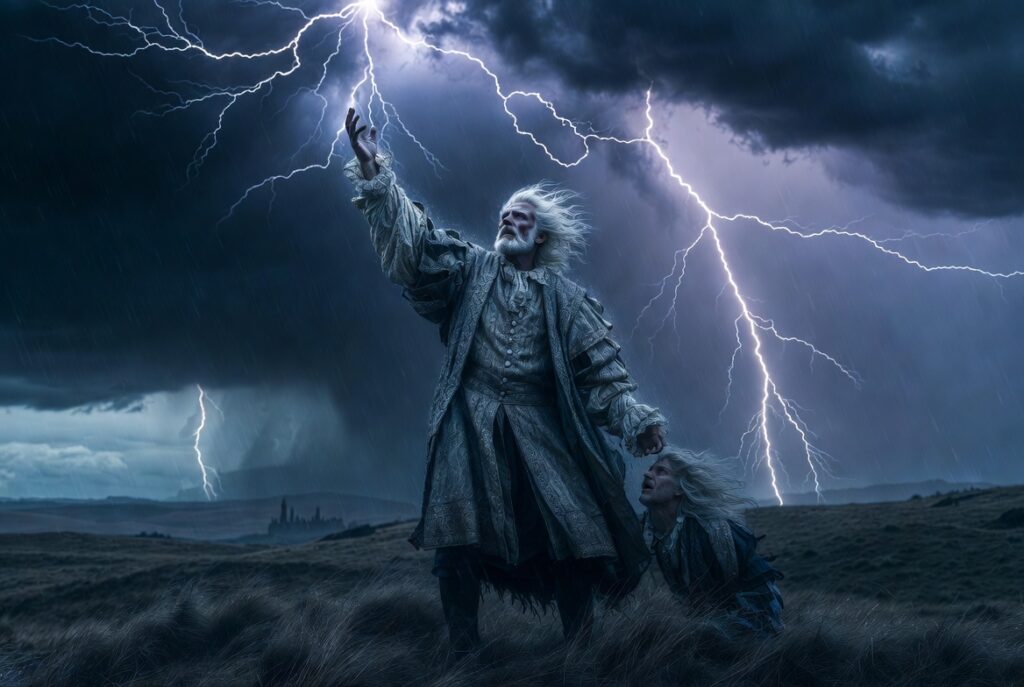
As Lear travels between Goneril’s and Regan’s households, he is progressively stripped of dignity and power. The famous storm scene on the heath—filmed with driving rain and howling wind—becomes a visceral portrait of mental collapse. Meanwhile, Gloucester’s eyes are literally gouged out in one of Shakespeare’s most shocking moments of onstage violence, now rendered with unflinching cinematic realism.
The play builds to its harrowing climax on the cliffs of Dover and in the final battle, where death claims almost every major character. Yet even in despair, moments of tenderness—especially the reconciliation between Lear and Cordelia—offer fleeting glimpses of redemption.
Key Differences from Shakespeare’s Text (Abridged for Modern Pace)
Eyre and adapter Richard B. Goodwin trimmed roughly 30% of the original text, removing some minor subplots and tightening long speeches. The changes keep the emotional spine intact while making the film flow like a contemporary political thriller. Crucially, the language remains Shakespeare’s—elevated, rhythmic, and haunting—ensuring the adaptation never feels like a diluted “Shakespeare Lite.”
Anthony Hopkins’ Tour de Force Performance as King Lear
From Tyrant to Broken Man – Hopkins’ Emotional Range and Physicality
Anthony Hopkins does not merely play King Lear in the 2018 adaptation—he inhabits the role with a terrifying authenticity that few actors have achieved on screen. From the opening scene, Hopkins portrays Lear as a formidable military ruler accustomed to absolute obedience. His voice carries the gravelly authority of a man who has commanded armies, while his posture radiates unyielding power. Yet as the story unfolds, we witness a masterful transformation: the same shoulders that once bore the weight of a nation begin to slump, the commanding gaze fractures into confusion, and the booming voice cracks into trembling vulnerability.
Particularly memorable is the storm scene on the heath. Soaked to the skin, Hopkins rages against the elements with lines like “Blow, winds, and crack your cheeks! Rage! Blow!” His physicality is raw—shaking fists, staggering steps, and a face contorted by both fury and dawning madness. Director Richard Eyre allows the camera to linger in long, intimate close-ups, capturing every tremor and tear. This sequence alone showcases why Hopkins’ performance is considered one of the great Lear portrayals of the 21st century. He does not sentimentalize the king; instead, he reveals the terrifying consequences of unchecked ego and fragile mortality.
In the later acts, Hopkins’ Lear becomes heartbreakingly childlike. The reconciliation scene with Cordelia (Florence Pugh) is played with exquisite tenderness. Hopkins’ voice softens to a whisper as he begs forgiveness, his hands gently cradling his daughter’s face. The contrast between the tyrannical father of Act 1 and the broken, penitent old man creates an emotional arc that feels earned rather than performative.
Echoes of His Earlier Lear and Career-Defining Moments
This was not Hopkins’ first encounter with the role. He had played Lear on stage at the National Theatre in 1986, opposite a young Juliet Stevenson. Returning to the character more than thirty years later allowed him to bring the wisdom of lived experience. In 2018, Hopkins was 80 years old—close to the age Shakespeare implies for Lear—and the physical toll of aging is visible and poignant. He draws on his own career-long exploration of powerful, flawed men (from Hannibal Lecter to Nixon) to add layers of menace and melancholy.
Critics frequently noted how Hopkins’ performance echoes his earlier Shakespearean work while surpassing it in emotional depth. The 2018 Lear feels less theatrical and more dangerously human, a man confronting the abyss of his own making.
Expert Analysis – Why Critics Called It “Mesmerizing” and “Devastating”
Professional Shakespeare scholars and theater reviewers praised Hopkins for making the role accessible without simplification. He honors the verse while delivering it with natural conversational rhythm, allowing modern audiences to feel the full weight of every insult, plea, and lament. His delivery of the line “I am a man more sinned against than sinning” carries centuries of accumulated pain, making it one of the most quoted moments from the production.
The performance earned Hopkins a BAFTA nomination and widespread acclaim for its bravery. In an era of quick-cut blockbusters, his willingness to sit in long, uncomfortable silences during moments of madness demonstrates true acting mastery.
The Stellar Ensemble Cast – Supporting Performances That Elevate the Tragedy
Emma Thompson as Goneril – Nuance in Villainy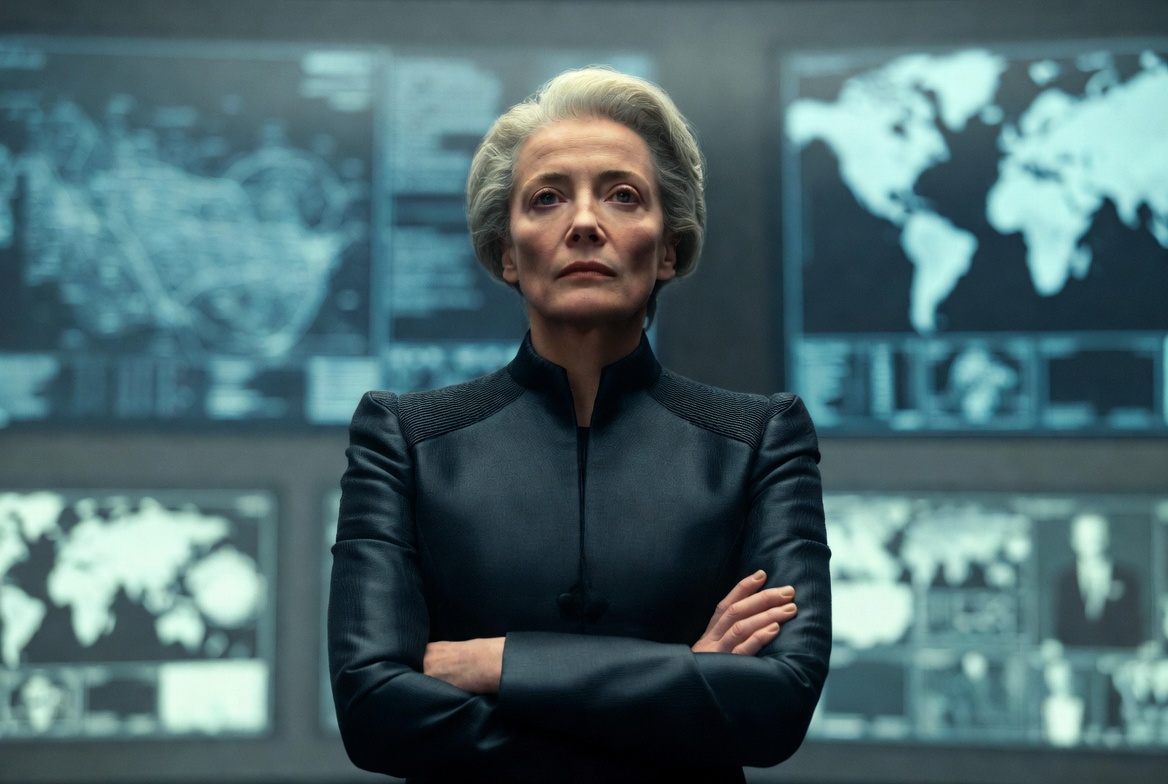
Emma Thompson brings chilling intelligence to Goneril, the eldest daughter. Rather than playing her as a cartoonish villain, Thompson portrays a woman who is both ambitious and genuinely frightened by her father’s growing instability. Her early scenes show calculated flattery masking deep resentment; later, her cold efficiency in stripping Lear of his knights feels disturbingly reasonable. Thompson’s subtle facial expressions—tight smiles and icy stares—reveal the psychological toll of living under a tyrannical parent, adding moral complexity to a traditionally one-dimensional role.
Emily Watson as Regan and Florence Pugh as Cordelia – Sisters in Contrast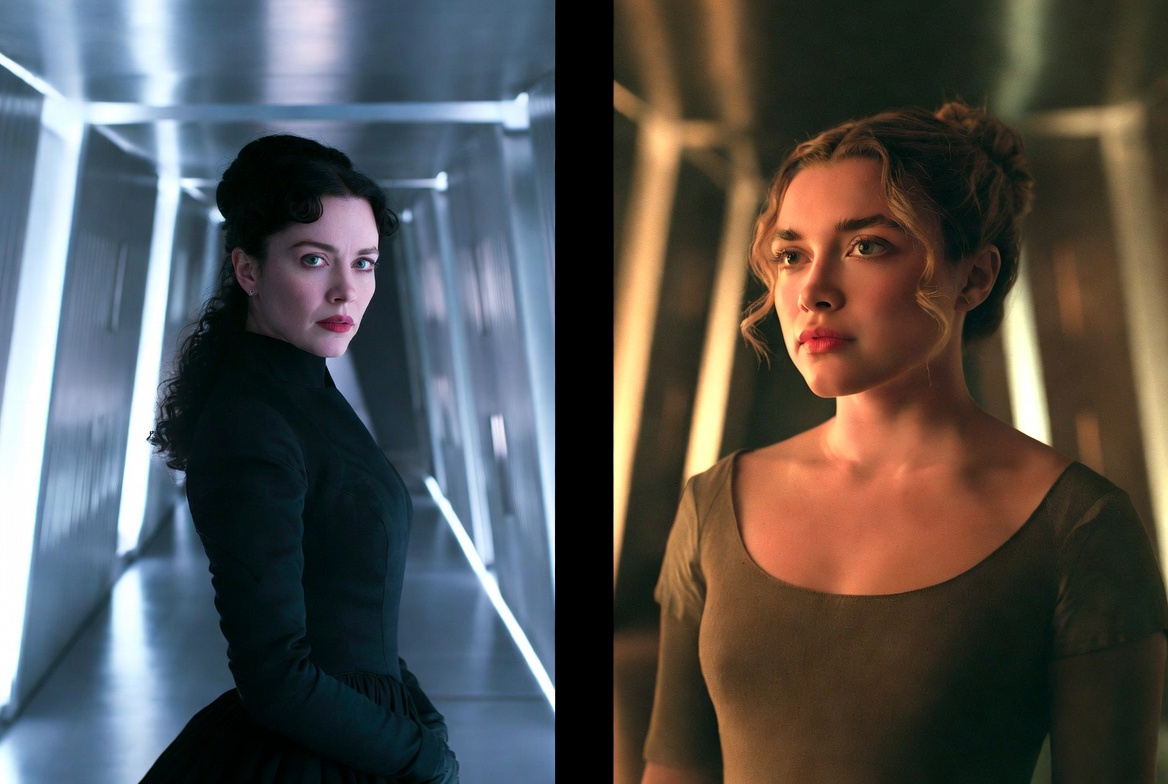
Emily Watson’s Regan is equally compelling, blending seductive cruelty with genuine horror at her own actions. The contrast with Florence Pugh’s Cordelia is striking. Pugh, in one of her breakthrough roles, plays the youngest daughter with quiet strength and moral clarity. Her “Nothing, my lord” is delivered not with defiance but with heartbreaking sincerity. The final scenes between Pugh and Hopkins achieve genuine catharsis, proving that even in Shakespeare’s bleakest tragedy, human connection can offer a sliver of grace.
Jim Broadbent as Gloucester, Andrew Scott as the Fool, and Other Standouts
Jim Broadbent delivers a deeply moving Gloucester, whose parallel journey of literal and figurative blindness mirrors Lear’s descent. His scenes with his sons—especially the blinding sequence—are among the most harrowing in the film. Andrew Scott’s Fool is witty, loyal, and ultimately tragic, providing necessary moments of dark humor while underscoring the king’s isolation. Supporting turns by Christopher Eccleston (as Kent) and John Standing add further texture to this rich ensemble.
Cast Reference Table
| Actor | Role | Key Contribution |
|---|---|---|
| Anthony Hopkins | King Lear | Emotional depth and physical transformation |
| Emma Thompson | Goneril | Intelligent, layered villainy |
| Emily Watson | Regan | Seductive cruelty with vulnerability |
| Florence Pugh | Cordelia | Moral clarity and tender reconciliation |
| Jim Broadbent | Gloucester | Parallel tragic arc and physical suffering |
| Andrew Scott | The Fool | Dark humor and loyal commentary |
This table highlights how each performer contributes to the overall power of King Lear 2018.
Modernizing Shakespeare – Direction, Visuals, and Cinematic Innovations
Helicopters, Martial Arts, and a Totalitarian London – How the Setting Amplifies Themes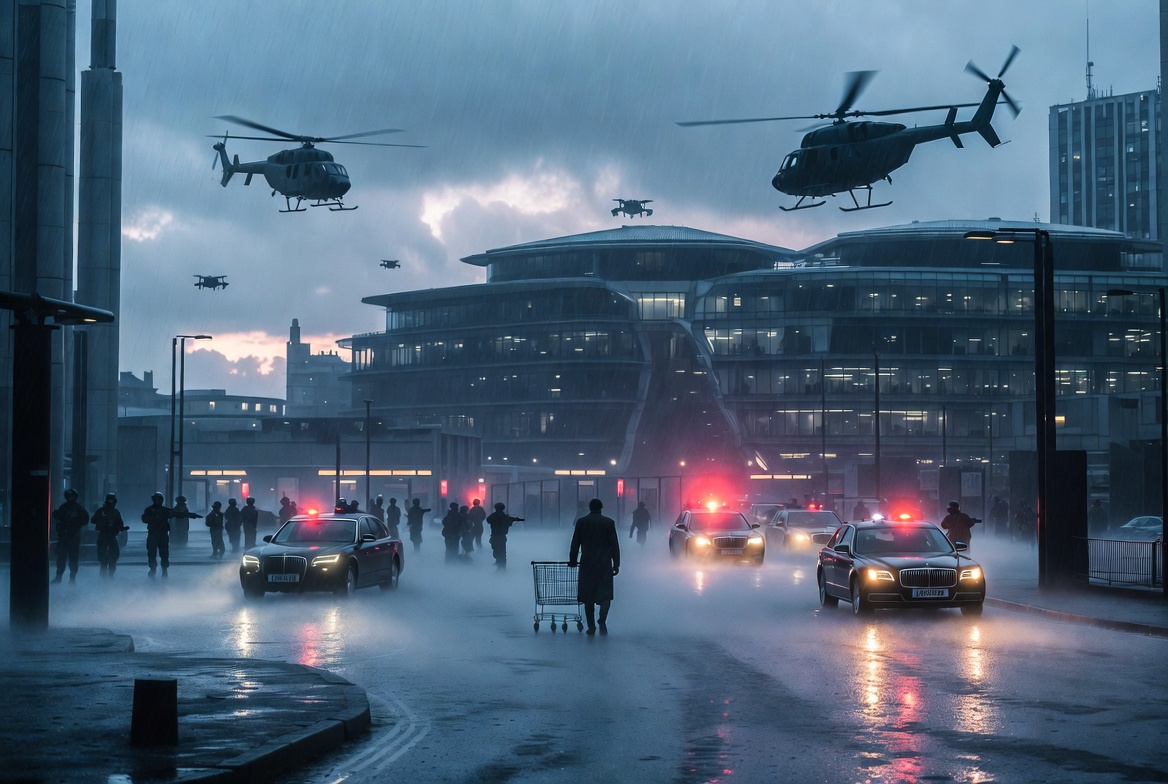
Richard Eyre’s decision to set the story in a near-future Britain under military rule pays rich dividends. Instead of medieval castles, we see sleek government buildings, armed checkpoints, and luxury cars ferrying the royal family. The division of the kingdom is visualized through strategic maps on digital screens, making the political stakes feel immediate and recognizable. Helicopter shots during the storm sequence heighten the sense of cosmic indifference, while hand-to-hand combat scenes (including a stylized martial arts duel) bring visceral energy to Shakespeare’s battles.
These choices do not replace the text—they amplify it. The theme of ingratitude feels sharper when daughters seize control of a modern security apparatus. The motif of blindness resonates powerfully in a surveillance-heavy society.
Eyre’s Directorial Techniques – Pacing, Cinematography, and Sound Design
Eyre maintains a brisk pace that keeps the 115-minute runtime engaging. Long tracking shots follow Lear’s diminishing retinue through empty corridors, visually representing his loss of power. Ben Smithard’s cinematography uses desaturated colors and harsh lighting to mirror the characters’ emotional states. Stephen Warbeck’s score shifts from stately orchestral themes to dissonant electronic pulses, perfectly underscoring the clash between tradition and chaos.
Music and Atmosphere by Stephen Warbeck
Warbeck’s subtle score avoids melodrama, instead using minimalist piano and distant percussion to evoke isolation and impending doom. The sound design—rain, wind, helicopter rotors, and echoing footsteps—creates an immersive auditory landscape that makes viewers feel the storm both outside and inside Lear’s mind.
Timeless Themes Reimagined for Today’s Audience
Shakespeare’s King Lear has endured for over 400 years because it probes the rawest aspects of human nature: the fragility of power, the poison of ingratitude, the pain of parental rejection, and the redemptive (yet fleeting) power of genuine love. Richard Eyre’s 2018 adaptation doesn’t simply transplant these themes into a modern setting—it sharpens them with contemporary resonance, making the tragedy feel urgently relevant in an age of political division, aging populations, and fractured families.
The division of the kingdom mirrors today’s polarized societies, where leaders’ impulsive decisions ripple into national chaos. Lear’s demand for public declarations of love from his daughters echoes the performative loyalty demanded in authoritarian regimes or even social media-driven validation culture. In a surveillance-heavy, militarized Britain, the play’s exploration of blindness—both literal (Gloucester’s gouged eyes) and metaphorical (Lear’s failure to see his daughters’ true natures)—gains new weight. How often do we remain “blind” to manipulation amid constant information overload?
Themes of aging and vulnerability hit particularly hard. Hopkins’ Lear, at 80, confronts the terror of losing control as the body and mind weaken. This resonates deeply in societies grappling with elder care, dementia, and the isolation of the elderly. The storm scene becomes not just meteorological fury but a metaphor for mental breakdown and societal collapse—echoing real-world crises where personal madness collides with collective turmoil.
Family betrayal and reconciliation remain at the core. Goneril and Regan’s calculated cruelty feels disturbingly plausible in dysfunctional dynasties or corporate power struggles. Cordelia’s quiet honesty offers a counterpoint: the redemptive force of unconditional love, however brief. Eyre’s film suggests that even in a bleak, totalitarian world, small acts of humanity— a daughter’s forgiveness, a fool’s loyalty—provide the only true light.
By updating the visuals while preserving Shakespeare’s verse, the adaptation invites modern viewers to confront these eternal questions: What happens when we trade authentic relationships for flattery? How do we measure worth beyond power and possessions? In 2018 (and still today), these inquiries feel less like distant literature and more like urgent warnings.
Comparisons to the Original Play and Other Landmark Productions
Eyre’s 115-minute cut is necessarily brisk compared to the full, sprawling play (which can run over three hours onstage). Some subplots are streamlined, and certain lines are condensed, yet the emotional and thematic integrity remains remarkably intact. The modern setting diverges from Shakespeare’s ancient, pagan Britain, replacing feudal castles with glass towers, military briefings, and urban wastelands. This shift trades mythic grandeur for gritty immediacy—battles become mixed martial arts bouts or helicopter-supported skirmishes rather than sword fights, making the violence feel raw and personal.
Compared to classic film versions:
- Grigori Kozintsev’s 1971 Soviet adaptation emphasizes epic desolation and class struggle; Eyre’s is more intimate and psychological.
- Peter Brook’s 1971 stark, Beckett-influenced version with Paul Scofield is bleak and existential; Eyre balances despair with cinematic energy and star power.
- Ian McKellen’s 2008 and 2018 stage-to-screen portrayals offer theatrical depth, while Hopkins brings cinematic intensity honed from decades of film work.
- Akira Kurosawa’s Ran (1985) relocates the story to feudal Japan with breathtaking visuals; Eyre keeps it British but dystopian, focusing on familial and political parallels to contemporary Britain.
Where many adaptations lean heavily into period pageantry or minimalist abstraction, Eyre’s hybrid approach—Shakespearean language in a near-future totalitarian London—creates a unique tension. It honors the text’s poetry while making the consequences feel viscerally current. Critics noted that the abridgment occasionally sacrifices nuance (particularly in secondary arcs like Edgar and Edmund), but the gain in pacing and accessibility outweighs the losses for a television audience.
Critical Reception – Acclaim, Praise, and Constructive Critiques
Upon its BBC Two premiere in May 2018 (and later Amazon release), King Lear garnered strong reviews, holding a 91% approval rating on Rotten Tomatoes (average 7.7/10) and a Metacritic score of 76/100 (“generally favorable”).
Reviewers widely hailed Anthony Hopkins as “shouty, vulnerable and absolutely mesmerising,” praising his ability to swing from tyrannical rage to childlike fragility. Emma Thompson’s Goneril earned equal acclaim for its icy intelligence, while the ensemble—including Emily Watson, Florence Pugh, Jim Broadbent, and Andrew Scott—was frequently called “solidly stocked” and “fab all over the place.”
The Guardian awarded it high marks for achieving something rare: Shakespeare on television that feels like its own cinematic entity rather than a staged play. Many appreciated the modern updates—helicopters, martial arts, urban decay—as inventive ways to revitalize the text without gimmickry. The brisk runtime kept viewers engaged, and the production’s visual and auditory craftsmanship was consistently lauded.
Not all feedback was unanimous. Some critics found the abridgment too aggressive, resulting in a “thin” or occasionally rushed feel that diminished deeper character development. A few viewed the modern militarized setting as distracting or incongruous with the language, creating moments of bathos (e.g., Lear pushing a shopping trolley as a homeless man). Others noted Hopkins’ performance, while powerful, could veer toward one-note shoutiness in places. Despite these points, the consensus celebrated the film as a highly watchable, emotionally resonant adaptation that succeeds as both Shakespeare and compelling television.
Practical Viewing Guide – How to Experience King Lear 2018
Runtime: Approximately 115 minutes – perfect for a focused evening without intermission fatigue. Where to Watch: Originally aired on BBC Two; available on Amazon Prime Video in many regions (check local streaming services). Best Viewing Setup: A dark room with good sound— the storm sequence and score benefit immensely from quality audio. Subtitles recommended for full appreciation of the verse. Content Warnings: Intense themes of family betrayal, madness, violence (including a graphic blinding scene and combat), and existential despair. Not suitable for young children; ideal for mature teens and adults interested in drama or literature. Pair With: A reading of the original play (Folger or Arden edition) for comparison, or documentaries on Shakespearean performance. Follow up with discussions on family dynamics or power— the film sparks excellent conversation. Accessibility: Closed captions available on major platforms; the clear delivery and modern context make it more approachable than many traditional productions.
Why Hopkins’ King Lear Endures as a Modern Classic
Anthony Hopkins’ 2018 King Lear, under Richard Eyre’s assured direction, stands as a towering achievement in Shakespearean adaptation. It delivers a devastating yet accessible portrait of a man’s fall from absolute power into humble humanity, supported by a luminous ensemble and cinematic innovations that breathe fresh life into the Bard’s words.
In an era of fleeting entertainment, this production dares to sit with discomfort, silence, and profound tragedy—reminding us that true greatness in art, as in life, often emerges from confronting our deepest flaws and losses. Whether you’re a lifelong Shakespeare devotee or a newcomer wary of “the classics,” this version offers visceral performances, striking visuals, and timeless insights that linger long after the credits roll.
King Lear 2018 doesn’t promise redemption or easy answers. Instead, it offers something rarer: an unflinching mirror to the human condition, rendered with mastery and heart. It earns its place among the great screen interpretations—not by outdoing the play, but by making its eternal truths thunderously alive for a new century.
Comprehensive FAQ – Your Questions About King Lear 2018 Answered
Q: Is the 2018 King Lear faithful to Shakespeare’s original play? A: It is faithful in spirit and language but abridged for runtime. Key plot points, characters, and verse are preserved, with some streamlining of subplots. The modern setting changes the aesthetic but enhances thematic relevance.
Q: How does Anthony Hopkins’ Lear compare to his 1986 stage performance? A: The 2018 film benefits from three decades of life experience. Hopkins brings greater physical vulnerability and cinematic subtlety, making the role feel more intimately human than the theatrical version.
Q: Why set King Lear in a modern militarized Britain? A: The update makes abstract themes of power, division, and betrayal feel immediate. Helicopters, surveillance, and urban warfare parallel today’s geopolitical tensions and amplify the play’s chaos.
Q: Is Florence Pugh’s Cordelia one of her early breakthrough roles? A: Yes—coming shortly before her major rises in Midsommar and Little Women, her sincere, quietly powerful Cordelia showcased her range and emotional depth.
Q: Does the film have a happy ending? A: No. True to Shakespeare’s tragedy, it remains bleak, though the reconciliation between Lear and Cordelia offers a momentary, heartbreaking grace note before the final devastation.
Q: Who composed the music, and how does it enhance the film? A: Stephen Warbeck (known for Shakespeare in Love) provides a restrained, atmospheric score blending orchestral and electronic elements to underscore isolation, tension, and emotional fracture.
Q: Is this version suitable for students or first-time Shakespeare viewers? A: Absolutely. The shorter length, strong performances, and contemporary visuals make it more engaging and less intimidating than many traditional adaptations.
Q: Did it win any major awards? A: Anthony Hopkins received a BAFTA Cymru nomination for Best Actor. The production earned widespread critical praise but focused more on artistic impact than awards sweep.
Q: How graphic is the violence? A: There are intense scenes, including the blinding of Gloucester and battle sequences, but they serve the story rather than gratuitous shock. Viewer discretion advised for sensitive audiences.
Q: Where can I learn more or compare different King Lear adaptations? A: Explore resources like the British Film Institute, Shakespeare’s Globe archives, or streaming comparisons. Reading the play alongside the film deepens appreciation.