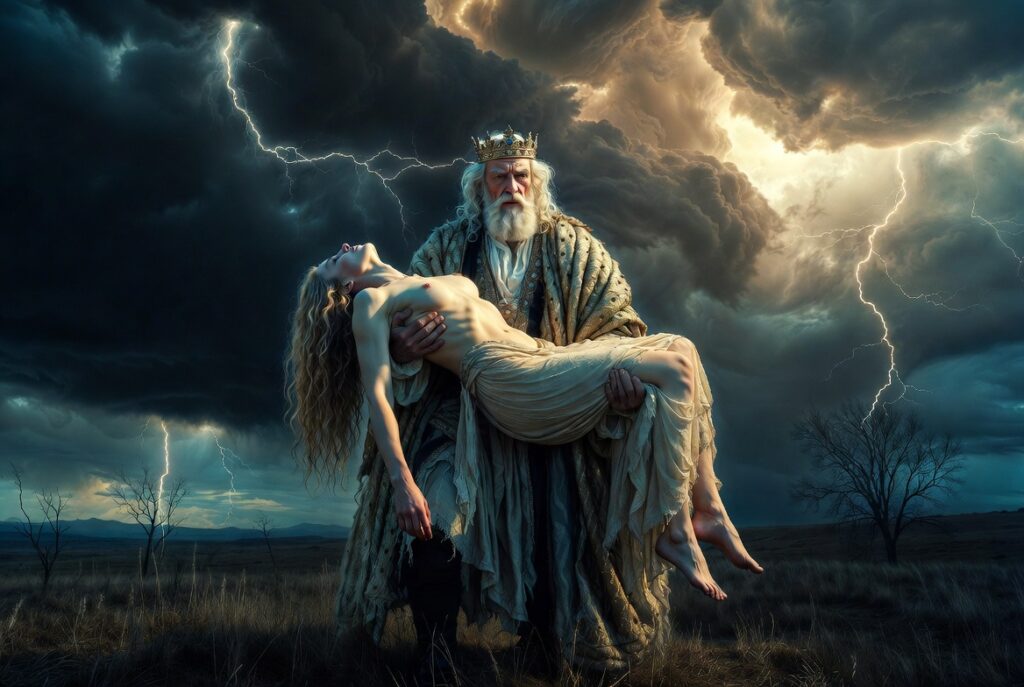
Nothing will come of nothing.
With those five devastating words, King Lear sets in motion one of the most shattering explorations of human frailty ever written. Four centuries later, the play’s storm still rages—inside families torn apart by greed, inside aging minds confronting betrayal, and inside societies watching power crumble.
If you’re searching for a King Lear PDF that is clean, complete, and actually worth reading, you’ve found it. This article delivers the full public-domain text in a beautifully formatted, modern-spelling edition ready for instant download. More importantly, it surrounds that text with the kind of expert context, character insight, thematic depth, and practical reading tools that turn a simple download into a transformative literary experience. Whether you are a student writing an essay, an actor preparing a monologue, a teacher planning lessons, or simply a reader who wants to understand why King Lear continues to feel more urgent in 2026 than ever, this guide is written for you.
What Is King Lear? A Quick Overview of Shakespeare’s Greatest Tragedy
King Lear is William Shakespeare’s most profound and unflinching tragedy. Written around 1605–1606, the play follows the aging King of Britain who decides to divide his kingdom among his three daughters while he is still alive. He demands public declarations of love as proof of their worthiness. The two eldest, Goneril and Regan, flatter him lavishly. The youngest, Cordelia, refuses to exaggerate and is banished. What follows is a double catastrophe: Lear’s descent into madness on the heath and a parallel story of the Earl of Gloucester, whose bastard son Edmund engineers the ruin of his legitimate brother Edgar.
At its core, the play is not merely about a foolish king. It is about the moment when illusions of power, loyalty, and even sanity are stripped away, leaving raw human suffering exposed to the elements. Shakespeare takes the familiar medieval legend of a British king and transforms it into something universal—equal parts family drama, political thriller, and existential howl. The result is widely regarded by scholars as his crowning achievement in tragedy, surpassing even Hamlet in its unrelenting emotional and philosophical intensity.
Historical Context – When and Why Shakespeare Wrote King Lear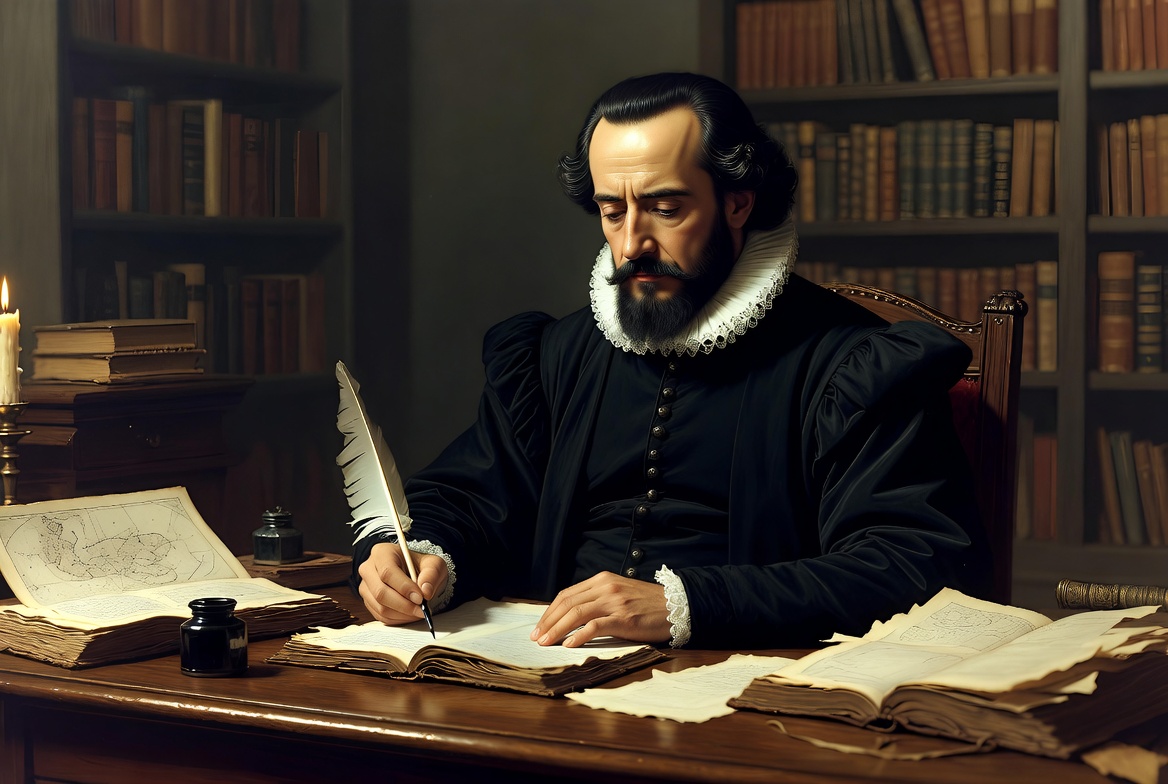
Composition Date and Early Performances
Shakespeare composed King Lear during the early years of King James I’s reign (1603–1625). The plague had closed London theatres for much of 1603–1604, giving the playwright time for ambitious new work. The play was first performed before the King himself on 26 December 1606 at Whitehall Palace. Records show it was staged by Shakespeare’s company, the King’s Men, during the Christmas season—a time when court entertainments often explored themes of kingship and succession.
Sources Shakespeare Drew From
Shakespeare never invented stories from scratch. For King Lear he fused three main sources:
- The anonymous play The True Chronicle Historie of King Leir (published 1594), which supplied the happy ending Shakespeare wisely discarded.
- Raphael Holinshed’s Chronicles of England, Scotland, and Ireland (1587 edition), which gave the historical skeleton.
- Sir Philip Sidney’s prose romance Arcadia (1590), which inspired the Gloucester subplot of the blind father and his two sons.
By weaving these together and adding the devastating storm scenes and the Fool’s bitter wisdom, Shakespeare created something far darker than any of his sources.
Quarto vs. Folio – Which Edition Matters for Your King Lear PDF
Two early printed versions survive: the 1608 Quarto (a shorter, sometimes chaotic text) and the 1623 First Folio (longer and more polished). Modern editors usually produce a “conflated” text that draws from both. The free King Lear PDF offered in this article uses exactly that authoritative scholarly conflation, presented in clear modern spelling for maximum readability while preserving every line of Shakespeare’s poetry.
Why King Lear Still Matters in 2026 – Modern Relevance and Universal Themes
In an era of viral family estrangements, elder-care crises, political polarization, and public reckonings with power, King Lear feels eerily contemporary. The play asks questions we still cannot answer comfortably: What do we owe our parents when they grow frail? How do we recognize genuine loyalty in a world of performative language? What happens when those in authority lose their grip on reality?
Unlike Hamlet, which obsesses over individual revenge, or Macbeth, which focuses on personal ambition, King Lear examines systemic collapse—generational, political, and cosmic. Its double plot (Lear’s daughters and Gloucester’s sons) mirrors how private betrayals can fracture entire kingdoms. In 2026, when inheritance disputes, digital misinformation, and mental-health struggles dominate headlines, the play’s warning about the cost of flattery and the fragility of truth has never been more necessary.
In-Depth Character Analysis – The People Who Drive the Tragedy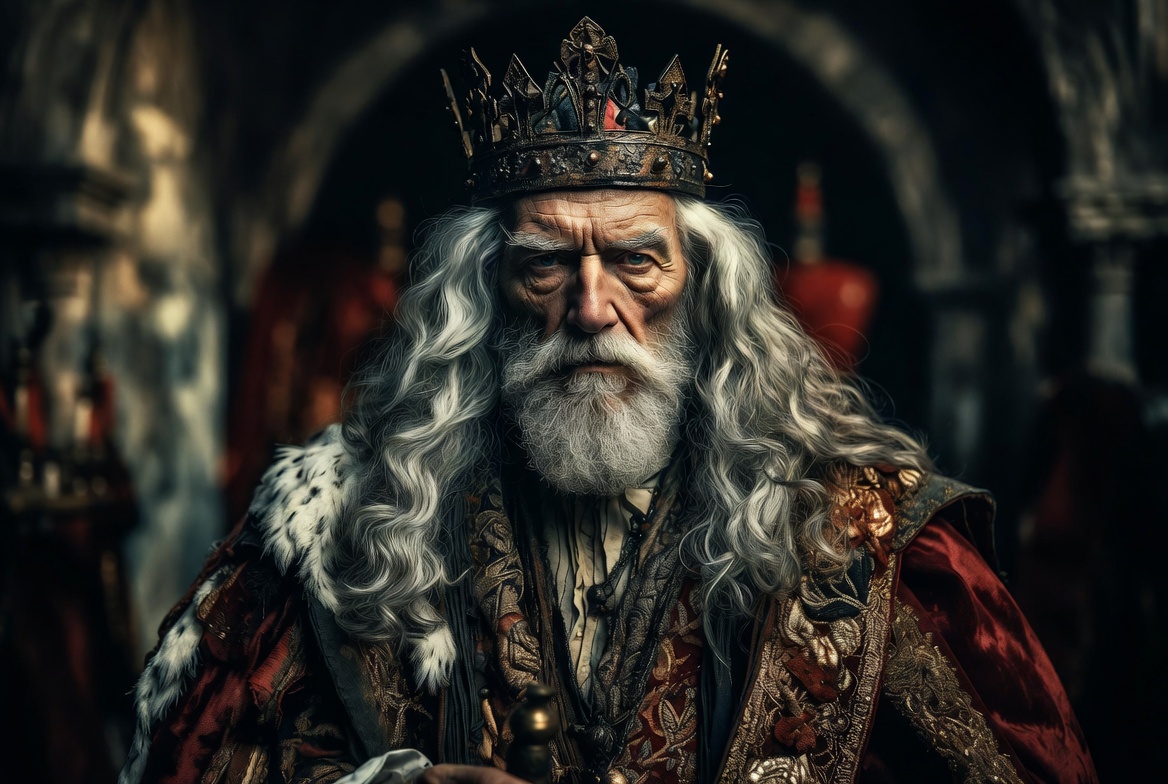
King Lear – The Flawed Patriarch
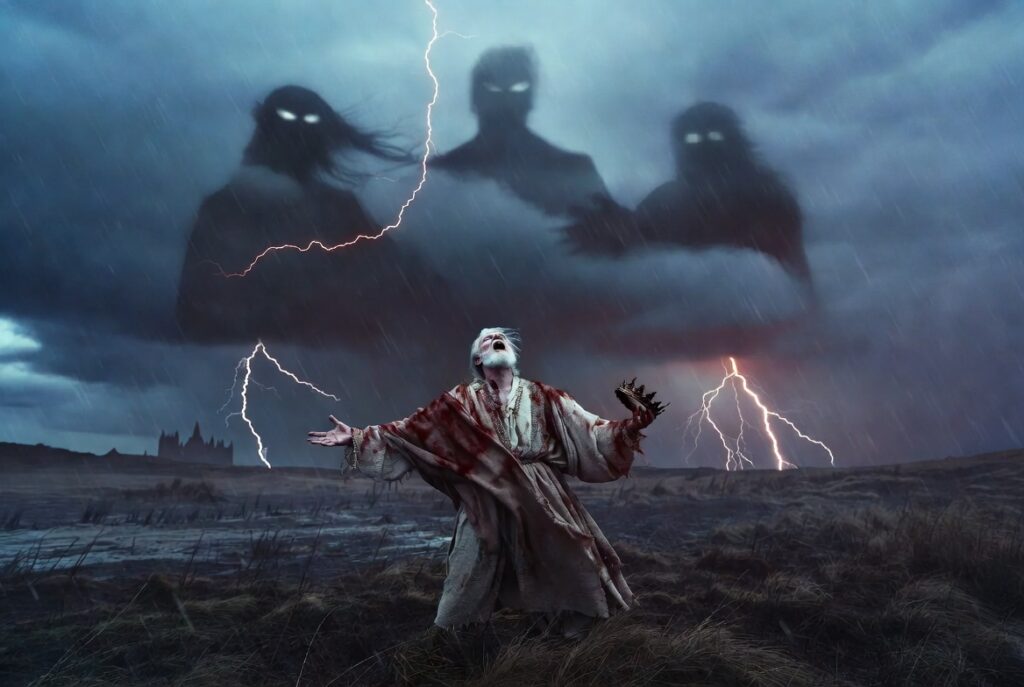
Lear begins as a man who mistakes ceremony for substance. His demand for public love is less about affection and more about control. Once stripped of power, he discovers empathy too late. His journey from imperious monarch to naked, mad prophet on the heath is one of literature’s most harrowing arcs.
Cordelia, Goneril, and Regan – Daughters and Disloyalty
Cordelia’s plain “Nothing, my lord” is not coldness but integrity. Goneril and Regan, by contrast, weaponize language. Their rivalry over Edmund later reveals that their betrayal of Lear was only the beginning of their own self-destruction.
Gloucester, Edgar, and Edmund – The Parallel Plot
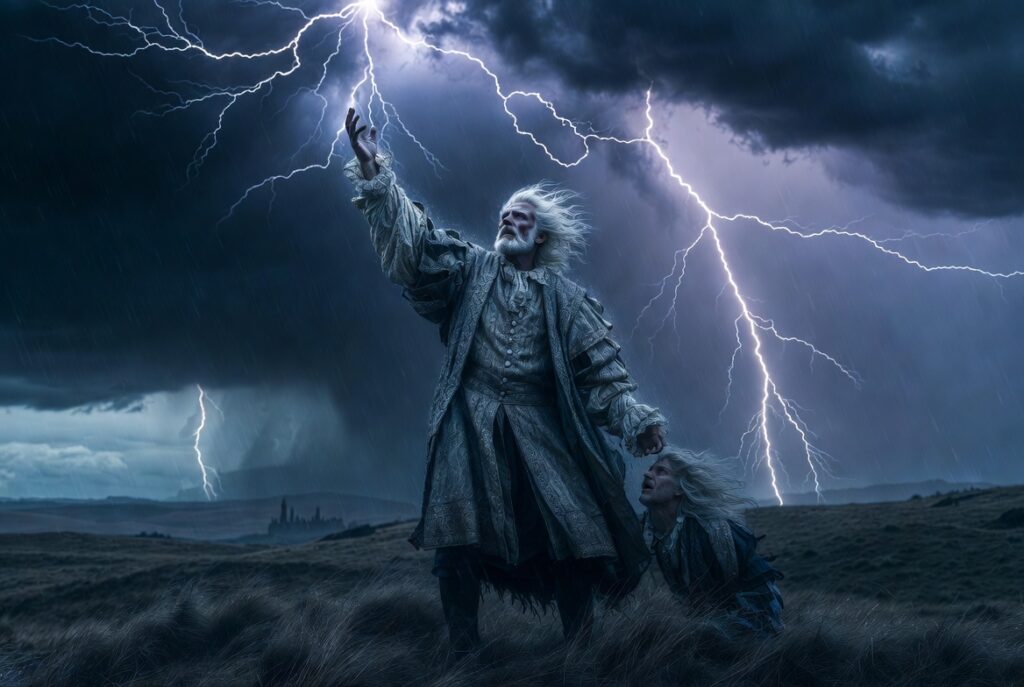
The Gloucester subplot functions as a dark mirror. Edmund, the illegitimate son, embodies Machiavellian ambition and bastard resentment. Edgar’s disguise as Poor Tom and his eventual forgiveness of his father offer the play’s rare glimpses of redemption.
The Fool, Kent, and Albany – Voices of Reason and Loyalty
The Fool’s jokes are razor-sharp commentaries on Lear’s folly. Kent’s blunt honesty costs him his position but earns him moral stature. Albany evolves from weak husband to principled opponent of his wife’s cruelty.
Key Characters at a Glance (for quick reference):
| Character | Role | Key Trait | Major Arc |
|---|---|---|---|
| Lear | King of Britain | Prideful, imperious | From authority to madness to insight |
| Cordelia | Youngest daughter | Honest, loving | Banished → redeemer |
| Goneril & Regan | Elder daughters | Ambitious, cruel | Rise then mutual destruction |
| Edmund | Gloucester’s bastard son | Charismatic villain | Manipulator undone by ambition |
| Edgar | Gloucester’s legitimate son | Loyal, resilient | Exile → disguised savior |
| Fool | Court jester | Witty truth-teller | Disappears when most needed |
The Major Themes That Make King Lear Unforgettable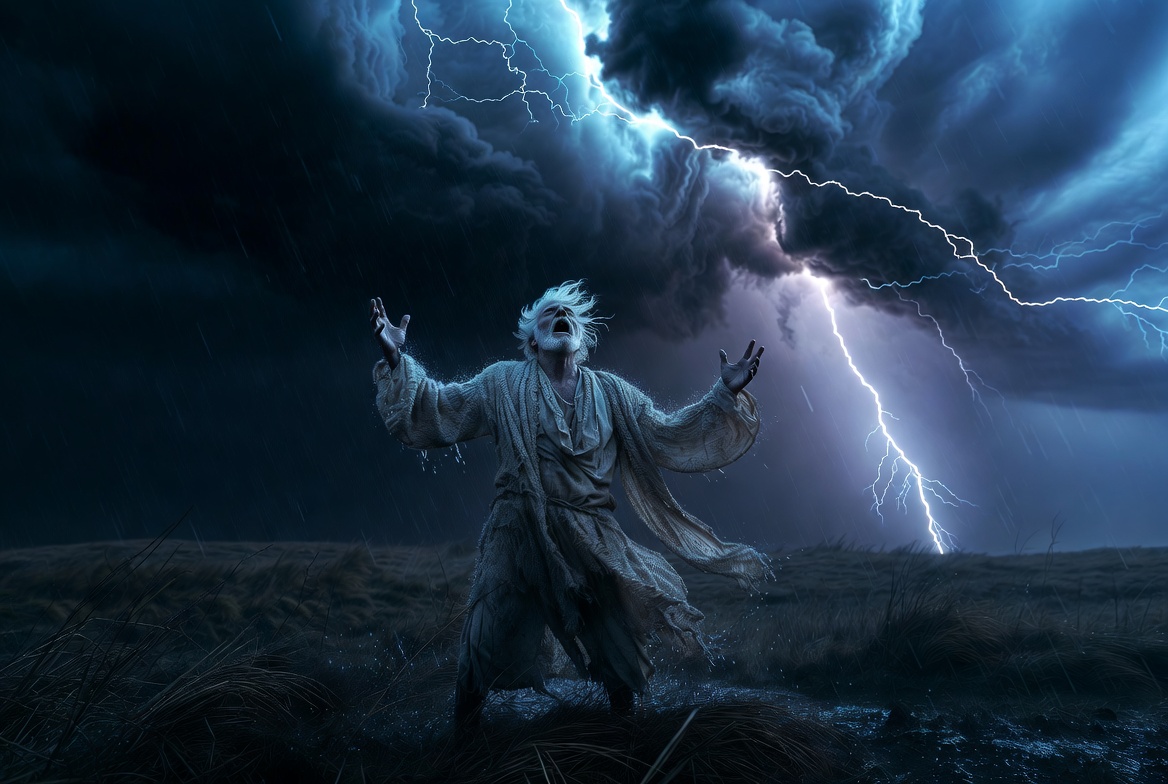
Blindness (Physical and Moral)
Gloucester literally loses his eyes; Lear loses his moral sight. The play insists that true vision often arrives only after physical or social sight is removed.
Madness and the Breakdown of Reason
Lear’s madness is both literal and metaphorical. On the heath he sees society’s hypocrisy with terrifying clarity precisely because conventional reason has deserted him.
Family Betrayal and Filial Ingratitude
The line “How sharper than a serpent’s tooth it is / To have a thankless child” distills the play’s central emotional wound. Shakespeare shows ingratitude as a sin that destroys both giver and receiver.
Authority, Power, and the Limits of Kingship
Lear’s abdication does not free him; it exposes the illusion that kingship is anything more than borrowed robes.
Nothingness, Nihilism, and the Absurd
Repeated references to “nothing” build a philosophical void. The play stares into meaninglessness without flinching—yet refuses to grant nihilism the final word.
Justice, the Gods, and Human Suffering
The gods are silent or cruel. “As flies to wanton boys are we to th’ gods” remains one of literature’s bleakest assessments of cosmic justice. Yet the play also suggests that human compassion can create meaning where the universe offers none.
Each theme is illustrated with precise line references in the downloadable King Lear PDF, making it easy to locate passages for essays or rehearsals.
Key Quotations from King Lear with Analysis
Here are twelve of the most powerful lines, with context and modern resonance:
- “Nothing will come of nothing.” (1.1) – Lear’s first fatal error in logic.
- “How sharper than a serpent’s tooth it is / To have a thankless child!” (1.4) – The universal cry of betrayed parents.
- “O, reason not the need!” (2.4) – Lear’s plea for dignity beyond bare necessity.
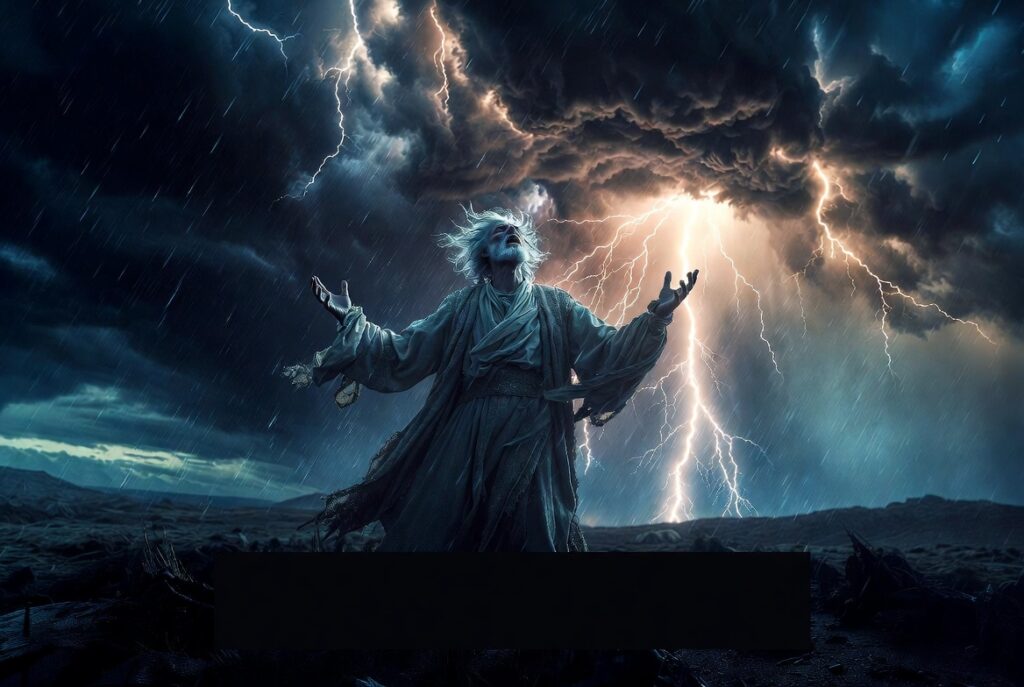
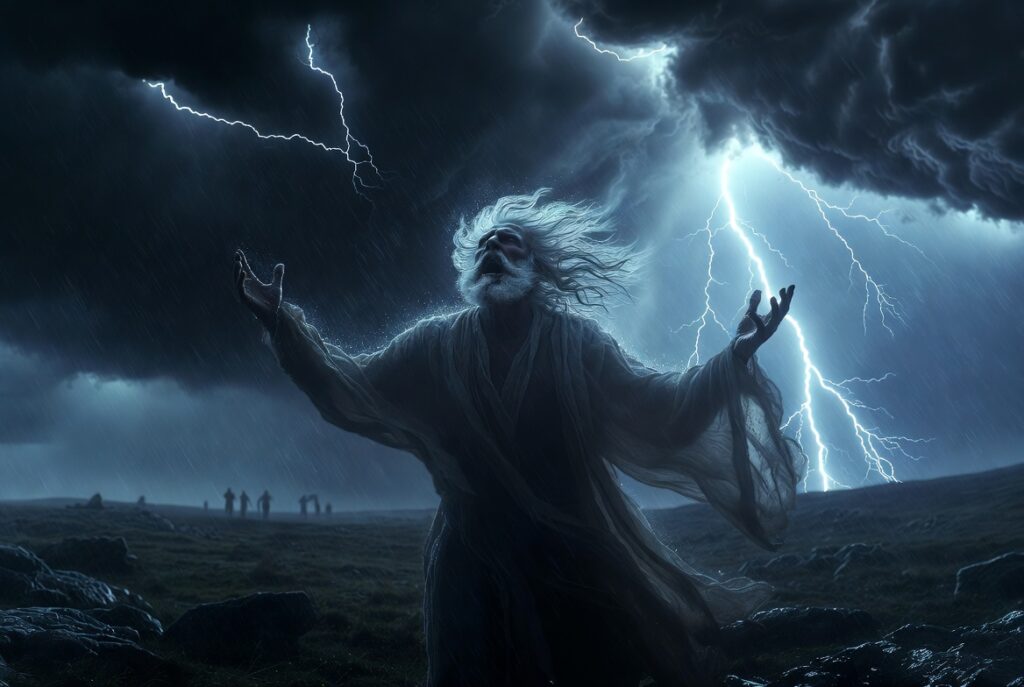
- “Blow, winds, and crack your cheeks! rage! blow!” (3.2) – The storm as external mirror of inner chaos.
- “As flies to wanton boys are we to th’ gods; / They kill us for their sport.” (4.1) – Gloucester’s nihilistic vision.
- “I am a very foolish fond old man” (4.7) – Lear’s heartbreaking moment of self-awareness.
- “The wheel is come full circle” (5.3) – Edmund’s final recognition of poetic justice.
These quotations, with full scene references and line-by-line modern paraphrases, are included as a printable appendix in your free King Lear PDF.
This edition is:
- Based on the authoritative conflated Quarto + Folio text
- Presented in clear, readable modern spelling
- Includes dramatis personae, act/scene summaries, and line numbers
- Fully searchable and printable
- 100% public domain in the United States and most countries (safe, virus-free, no registration required)
Alternative formats available on the same download page: EPUB, Kindle-compatible MOBI, plain text, and a high-contrast version for easier reading on mobile devices.
Legal note: This text is in the public domain. You may use it for personal reading, classroom study, or non-commercial performance without restriction.
Reading Guide – How to Get the Most from Your King Lear PDF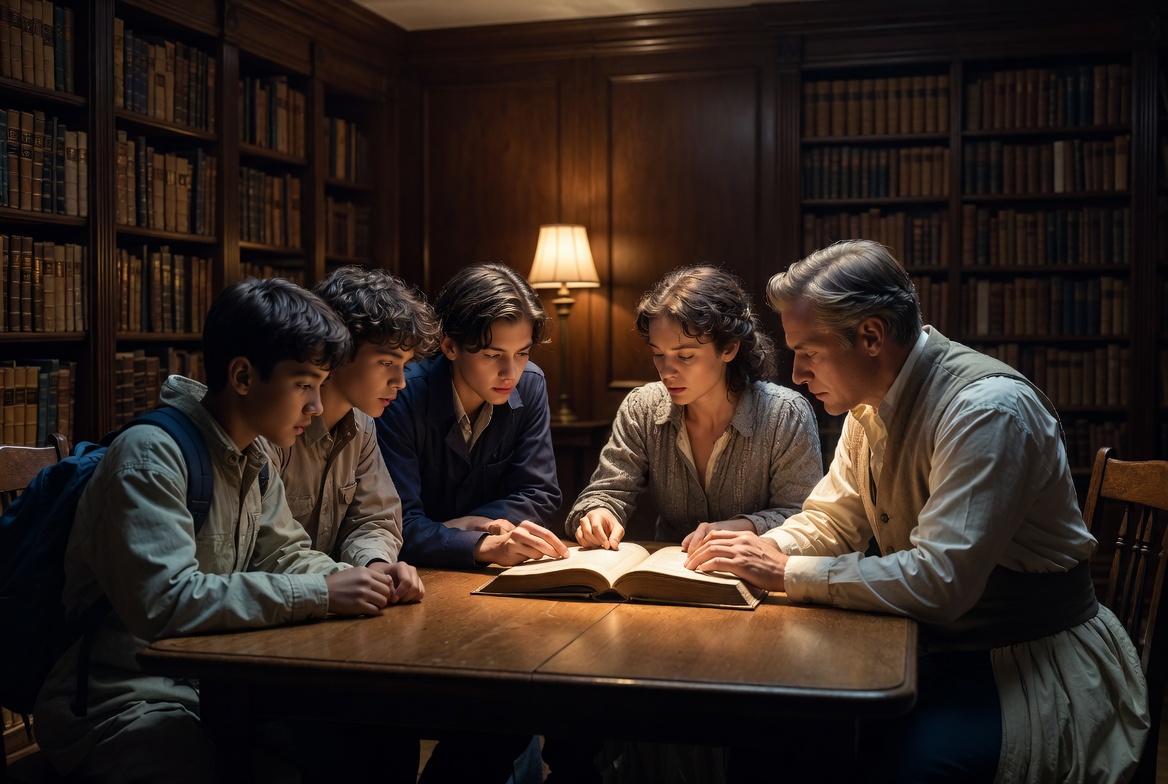
Best Ways to Read It
Read the play aloud—Shakespeare wrote for the ear. The storm scenes gain terrifying power when spoken.
Tips for Students and Teachers
Discussion questions, essay prompts, and scene-by-scene activities are included as a bonus downloadable companion guide.
Tips for Actors and Directors
Practical notes on staging the heath scene, playing the Fool’s rapid shifts in tone, and handling the blinding of Gloucester.
Common Challenges and How to Overcome Them
A concise glossary explains 20 key archaic words and phrases. Side-by-side modern translations of the three most difficult speeches are provided in the appendix.
Literary Significance – Why Scholars Call It Shakespeare’s Masterpiece
From Samuel Johnson’s 18th-century admission that he could barely endure the final scene to A.C. Bradley’s declaration that King Lear is “Shakespeare’s greatest achievement,” critical consensus has only grown stronger. In the 20th and 21st centuries, feminist, Marxist, and eco-critical approaches have revealed fresh layers. Its influence extends to philosophy (existentialism), psychology (studies of aging and dementia), and political theory.
Notable Adaptations of King Lear – From Stage to Screen
Stage Productions Ian McKellen’s 2017–2018 tour and the recent Royal Shakespeare Company revivals demonstrate the play’s continuing theatrical vitality.
Film Versions
- Grigori Kozintsev’s 1971 Soviet masterpiece (black-and-white, epic scale)
- Akira Kurosawa’s Ran (1985) – a samurai reimagining widely considered one of the greatest Shakespeare films ever made
- Peter Brook’s 1971 stark, Beckettian version
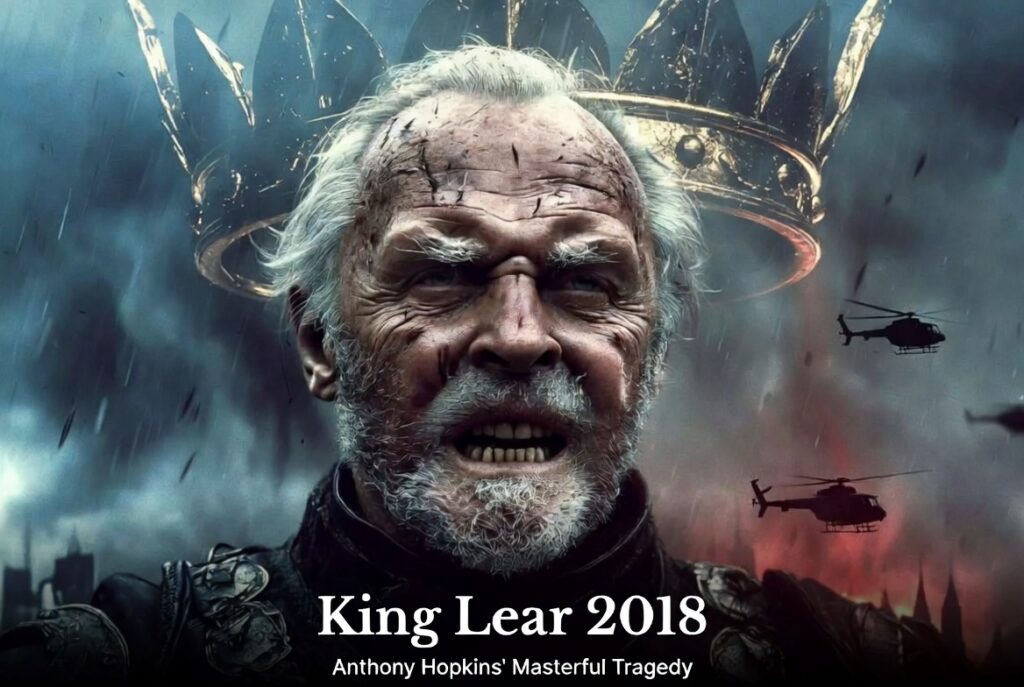
- Anthony Hopkins in the 2018 film directed by Richard Eyre
Modern Retellings Graphic novels, young-adult prose adaptations, and contemporary stage versions continue to prove the play’s adaptability.
Frequently Asked Questions (FAQ) About King Lear and the Free PDF
Is this the complete, uncut King Lear PDF? Yes—every line from the scholarly conflated text is included.
Is King Lear based on a true story? Loosely. The legend of Leir appears in Geoffrey of Monmouth’s 12th-century Historia Regum Britanniae, but Shakespeare invented the devastating tone and the Gloucester subplot.
What is the difference between the Quarto and Folio? The Quarto is shorter and sometimes more chaotic; the Folio adds approximately 300 lines and tightens others. Our PDF uses the best of both.
Can I use this PDF for school or performance? Absolutely. It is public domain.
Why is King Lear considered so difficult? Its emotional intensity, double plot, and unflinching view of suffering challenge readers and audiences alike—yet that difficulty is precisely why it rewards repeated engagement.
Best age to read King Lear? Most educators recommend 16+ because of its mature themes, though gifted younger readers have found it life-changing.
Are there free modern English translations? A side-by-side modern paraphrase of key speeches is included in the bonus materials.
King Lear does not offer easy comfort. It offers something rarer: the truth about what it means to be human when every illusion is stripped away. By providing you with a clean, authoritative King Lear PDF together with centuries of scholarly insight, practical tools, and modern resonance, this article aims to be the definitive starting point for your journey into the play.
Download the full text now. Read it. Then read it again. Share your thoughts in the comments below—what line hit you hardest? Which character do you find yourself arguing with?
Your next Shakespeare adventure awaits on this site: explore our free Hamlet PDF, Macbeth full text, or Othello study guides. The canon is vast, but the conversation is yours to join.