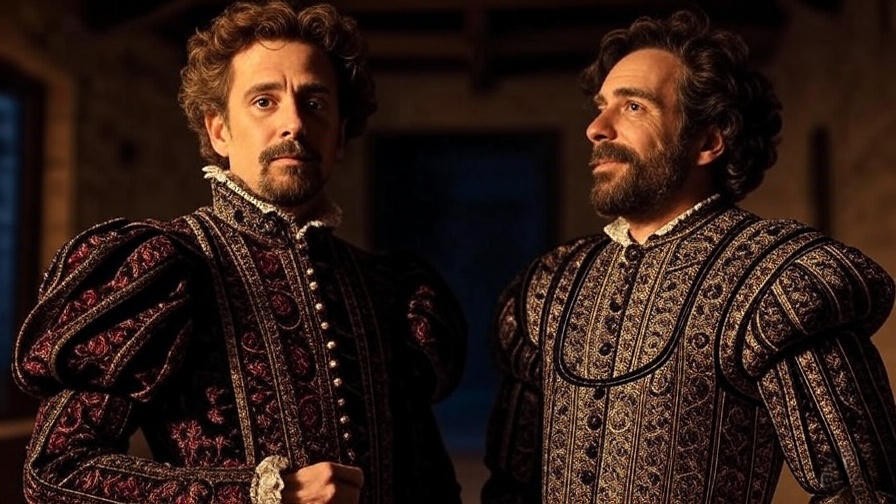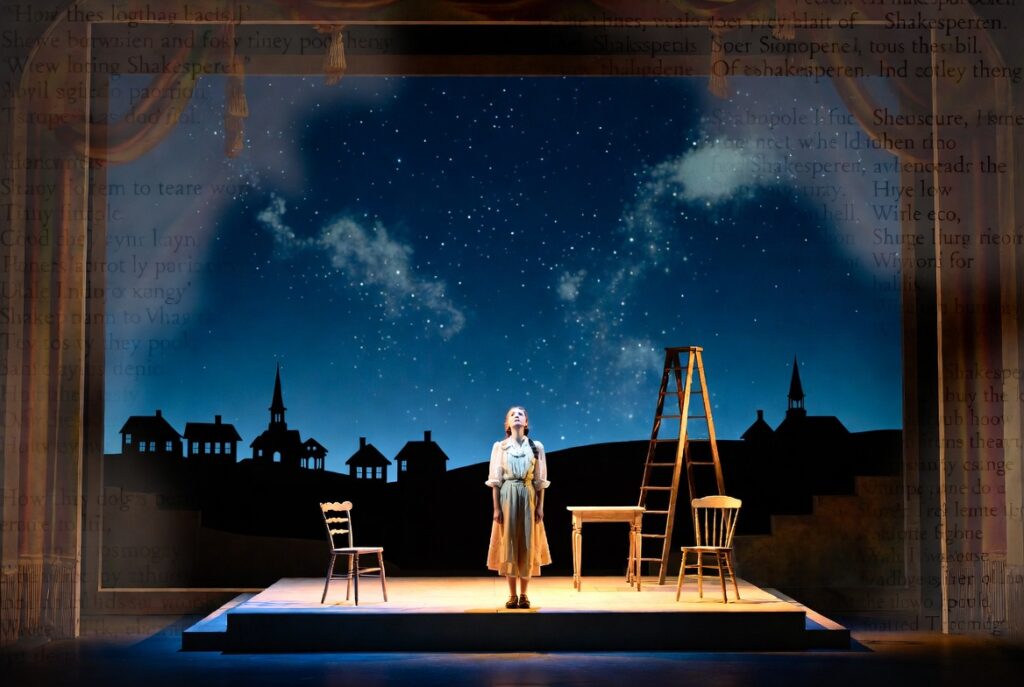
Imagine a young woman standing in a cemetery on a hill overlooking her small New Hampshire town. She has just died in childbirth and begs to relive one ordinary day from her life. As she watches herself and her loved ones move through the simple routines of morning coffee, school lessons, and quiet conversations, she cries out in heartbreak: “Do any human beings ever realize life while they live it?—every, every minute?”
That devastating moment comes not from one of William Shakespeare’s tragedies, but from Thornton Wilder’s Our Town (1938). While Shakespeare’s kings and lovers raged across the Globe’s wooden stage, Wilder proved that the milkman’s route, a wedding breakfast, and a quiet conversation over the back fence could contain equal measures of tragedy, transcendence, and profound human truth.
If you’re searching for a thoughtful our town play analysis that goes beyond basic plot summary or high-school essay notes, you’ve found it. As a scholar who has spent more than fifteen years teaching and writing about Shakespeare’s canon alongside modern American drama, I see Our Town not as a quaint slice of Americana, but as a minimalist masterpiece that deliberately echoes the universal concerns at the heart of Shakespeare’s greatest works: the brevity of life, the ache of love, the inexorable march of time, and the quiet dignity of ordinary existence.
This comprehensive our town play analysis will explore how Wilder’s revolutionary staging, everyday characters, and philosophical depth create powerful resonances with Shakespeare—from the metatheatrical narration of the Stage Manager to the sonnet-like meditation on mutability and mortality. Whether you are a student writing a comparative essay, a theater director preparing a production, a teacher pairing texts in the classroom, or simply a reader who wants to understand why Our Town still moves audiences nearly ninety years after its premiere, this guide delivers deeper insight, richer context, and more practical value than standard study resources.
By the end, you will see why Our Town stands as America’s closest theatrical answer to Shakespeare: a play that uses the barest means to reveal the most enduring truths about what it means to be human.
Understanding the Our Town Play – Background and Historical Context
Thornton Wilder (1897–1975) was already an accomplished novelist when he turned seriously to playwriting in the 1930s. Born in Madison, Wisconsin, and educated at Yale and Princeton, Wilder drew from a cosmopolitan life that included time in China, Rome, and Europe. Yet he chose to set his most famous work in the fictional Grover’s Corners, New Hampshire—a microcosm of small-town America between 1901 and 1913.
The idea for Our Town reportedly began during a visit to Rome, but the play crystallized years later. It premiered on January 22, 1938, at the McCarter Theatre in Princeton, New Jersey, before moving to Broadway’s Henry Miller’s Theatre on February 4. Initial reviews were mixed—some critics found the bare stage and lack of conventional plot bewildering—but audiences and discerning voices quickly recognized its power. Brooks Atkinson of The New York Times called it “one of the finest achievements of the current stage… a hauntingly beautiful play.” In May 1938, Wilder received the Pulitzer Prize for Drama, cementing Our Town as an instant American classic.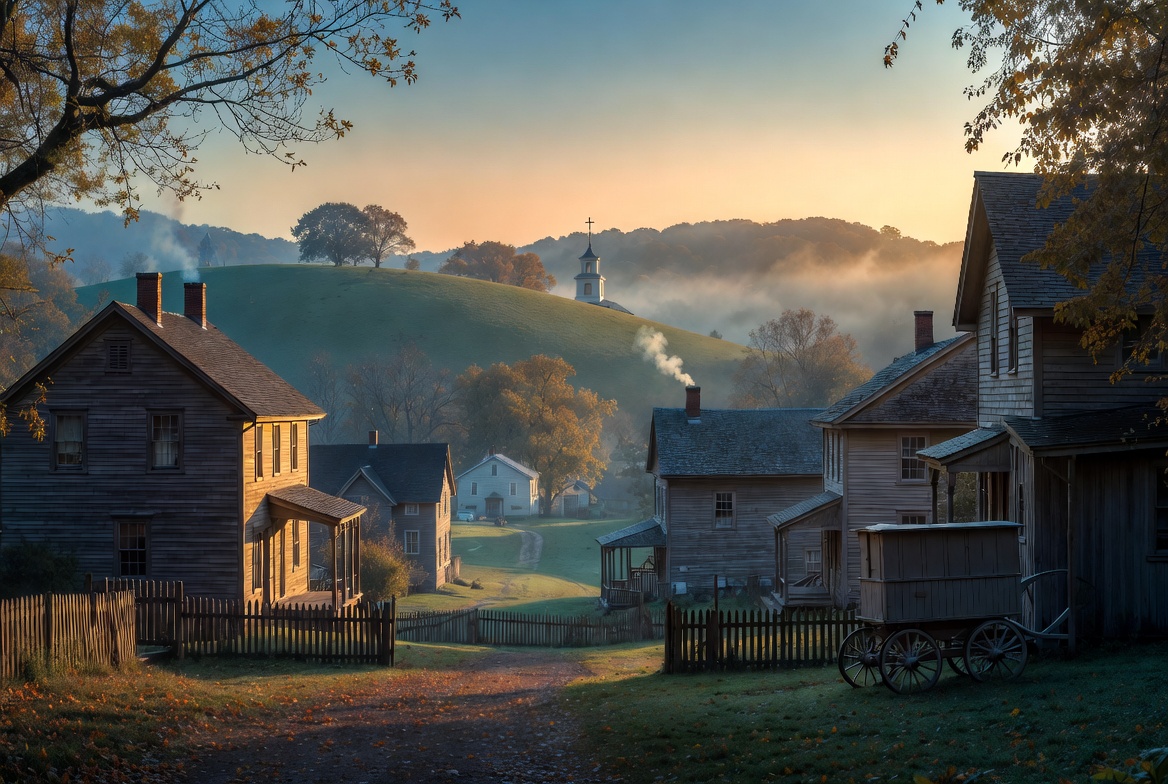
What made the play radical in 1938 remains striking today: no scenery, minimal props (actors mime everything from opening windows to drinking coffee), and a Stage Manager who directly addresses the audience, breaks the fourth wall, and controls time itself. Wilder drew inspiration from classical theater traditions, including Greek chorus and Japanese Noh, but the minimalist approach also consciously evoked Shakespeare’s Globe Theatre, where imagination filled in what elaborate sets could not.
Our Town has since become one of the most frequently performed plays in the world, with productions estimated to occur somewhere every night. It remains a staple in high-school and college curricula, community theaters, and professional revivals—including recent Broadway stagings that continue to draw new generations. Its endurance proves Wilder succeeded in creating something universal: a play about any town, any time, any life.
In the context of Shakespeare studies, Our Town offers a perfect companion text. Both playwrights use theater to hold “the mirror up to nature,” exploring how ordinary moments gain meaning when viewed against the vast backdrop of time and eternity.
Complete Plot Summary of Our Town (Spoiler-Light Overview)
Our Town unfolds in three acts that mirror the stages of human life: Daily Life, Love and Marriage, and Death.
Act I: Daily Life introduces Grover’s Corners through the eyes of the Stage Manager. We meet the Gibbs and Webb families—hardworking, decent people living modest lives at the turn of the twentieth century. Young George Gibbs and Emily Webb share neighborly interactions that hint at deeper feelings. The act establishes the rhythms of small-town existence: milk delivery, newspaper routes, school lessons, choir practice, and quiet evenings.
Act II: Love and Marriage jumps forward several years to the wedding day of George and Emily. Flashbacks reveal how their childhood affection grew into romance. The ceremony itself becomes a meditation on the institution of marriage, with the Stage Manager offering wry, philosophical commentary.
Act III: Death shifts to the town cemetery on a hill. Time has passed again. Emily has died in childbirth and joins other deceased residents, including familiar faces from earlier acts. Here the play reaches its emotional and philosophical peak as Emily chooses to relive a day from her past and confronts the heartbreaking beauty and wastefulness of human attention.
The three-act structure compresses an entire life cycle into a single evening in the theater, much as Shakespeare’s tragedies compress epic emotional journeys into a few hours of stage time. Wilder’s genius lies in making the ordinary feel monumental without ever raising his voice.
The Revolutionary Staging of Our Town and Its Shakespearean Roots
One of the most striking features of any our town play analysis is the deliberate minimalism of its staging. Wilder instructs: “No scenery. No curtain. No props except what can be carried on by actors.” Chairs, tables, and ladders represent everything from kitchens to soda fountains. Actors mime actions—opening imaginary windows, drinking from invisible cups, tossing imaginary baseballs.
This bare-stage approach directly echoes Shakespeare’s Globe, where a wooden platform, a few pillars, and the audience’s imagination created battlefields, forests, and royal courts. In both cases, the absence of realistic scenery forces the audience to engage actively, co-creating the world of the play. Wilder himself noted that elaborate sets distract from the essential human drama; the Globe’s simplicity achieved the same liberation centuries earlier.
The Stage Manager serves as the play’s most innovative and Shakespearean element. He functions as narrator, commentator, bit player (minister, druggist, etc.), and master of ceremonies. He addresses the audience directly, compresses or expands time, provides historical and sociological context, and even steps into scenes when needed. This metatheatrical role recalls the Chorus in Shakespeare’s Henry V (“O for a Muse of fire…”), the framing devices in Romeo and Juliet (“A pair of star-cross’d lovers…”), and the god-like narrators in late romances like Pericles or The Winter’s Tale.
By breaking the fourth wall, the Stage Manager reminds us we are watching theater—an artificial construct—yet uses that artifice to reveal deeper truths. He stands both inside and outside Grover’s Corners, much as Shakespeare’s fools and choruses offer wisdom from the margins. In performance, the Stage Manager often becomes the emotional and intellectual anchor, guiding audiences through laughter, nostalgia, and tears with calm authority.
For directors and actors, this staging offers practical freedom and profound challenge: every gesture, every pause, every imagined object must carry weight. The result is theater that feels intimate and epic simultaneously—exactly the balance Shakespeare achieved with language and minimal props on the bare Globe stage.
Key Characters in Our Town and Their Shakespearean Counterparts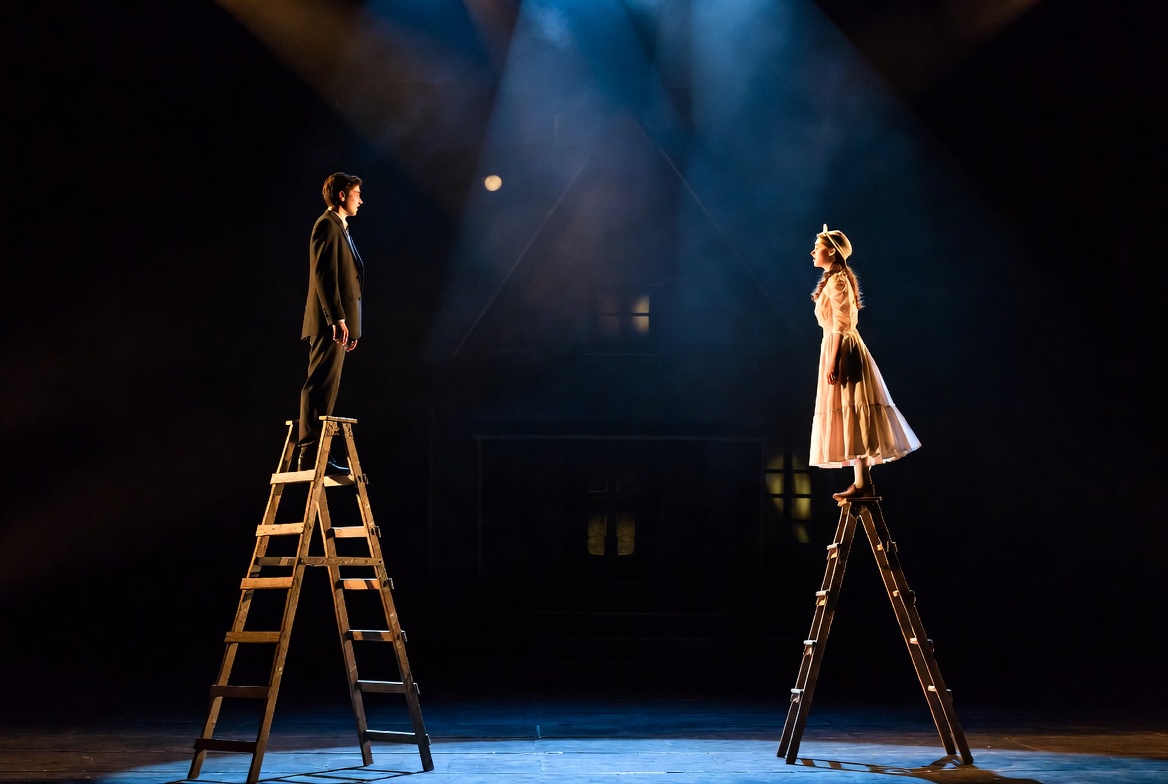
Wilder populates Grover’s Corners with seemingly ordinary people whose inner lives resonate with Shakespearean depth. A quick-reference parallel helps illuminate these connections:
- Emily Webb → Juliet / Ophelia / Cordelia Intelligent, idealistic, and articulate, Emily begins as a bright schoolgirl and grows into a young wife and mother. Her arc carries tragic weight: like Juliet, she experiences intense first love; like Ophelia, she confronts loss and fragility; like Cordelia, her honesty and emotional clarity stand out. Her Act III realization about life’s fleeting beauty echoes the profound regret found in Shakespeare’s tragic heroines.
- George Gibbs → Romeo / Hamlet (in youthful mode) A likable, athletic boy who matures into a responsible farmer and husband. His idealism and sudden confrontation with mortality recall Romeo’s passionate impulsiveness and Hamlet’s introspective delay. George’s quiet grief at Emily’s grave carries the raw pain of young men in Shakespeare who lose their beloveds.
- Mrs. Gibbs and Mrs. Webb → Shakespeare’s mature wives and mothers (Lady Capulet, Gertrude, or the nurturing figures in the comedies) These women embody quiet strength, practical wisdom, and deep familial love. Their conversations over the garden fence reveal the steady emotional labor that sustains communities—work Shakespeare often celebrates in his portrayals of loyal wives and mothers.
- Simon Stimson (the tormented choir director) → The Gravediggers or Lear’s Fool / cynical voices like Jaques Bitter and alcoholic, Stimson represents human frailty and the pain of unfulfilled potential. His sardonic comments add a darker undertone, much like Shakespeare’s fools who speak uncomfortable truths.
- The Stage Manager → Chorus / Prospero / Touchstone Omniscient guide and philosopher who frames the action and offers meta-commentary. He shares Prospero’s control over time and illusion while maintaining the accessible warmth of a communal narrator.
Timeless Themes That Echo Shakespeare’s Greatest Works
The heart of any meaningful our town play analysis lies in its exploration of universal themes that transcend time, place, and theatrical convention. Thornton Wilder crafted Our Town as a deliberate meditation on the human condition, using the microcosm of Grover’s Corners to illuminate truths that William Shakespeare explored across his tragedies, comedies, histories, and sonnets. Both playwrights understood that the greatest drama arises not from spectacle, but from the quiet, relentless realities of living, loving, losing, and reflecting on mortality.
The Fragility of Life and the Inevitability of Death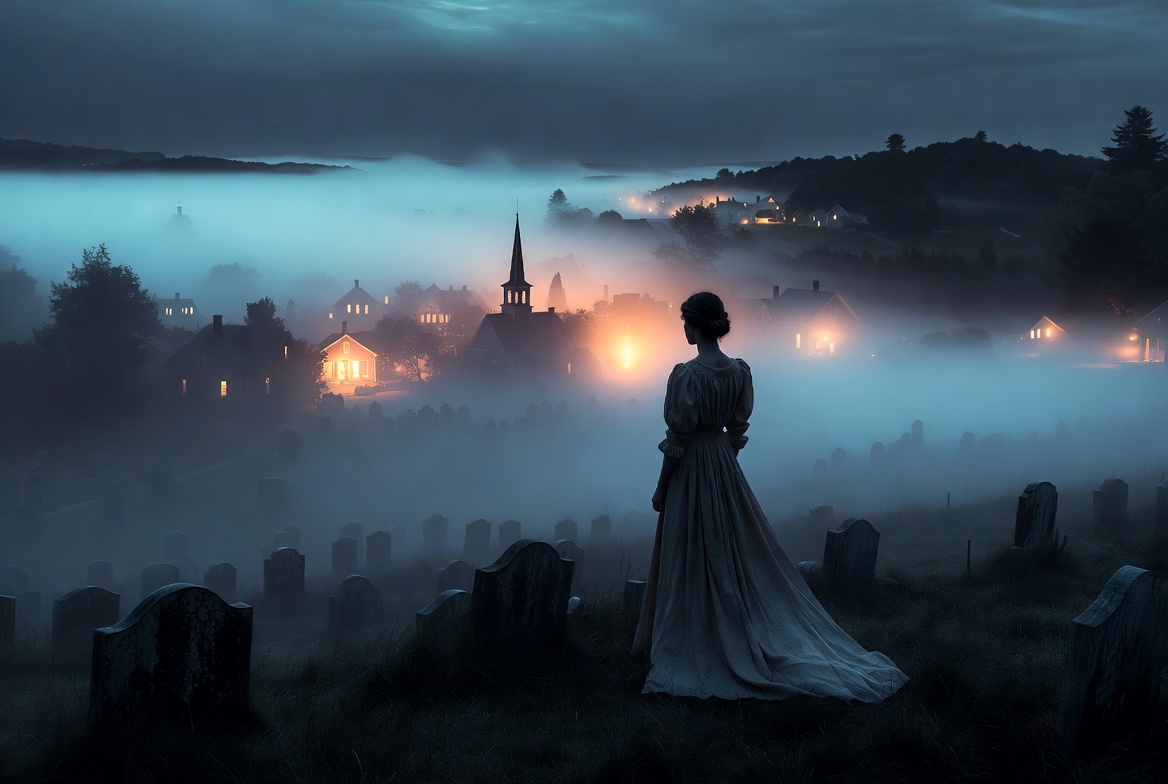
Our Town reaches its emotional and philosophical climax in Act III, set in the town cemetery overlooking Grover’s Corners. Emily Webb Gibbs, having died in childbirth, joins the dead and chooses to relive her twelfth birthday. What she experiences is not nostalgic joy but overwhelming sorrow at how the living “go through life” without truly seeing its wonder. Her famous cry—“Do any human beings ever realize life while they live it?—every, every minute?”—echoes with heartbreaking clarity.
This moment resonates powerfully with Shakespeare’s meditations on mortality. Hamlet’s “To be or not to be” soliloquy grapples with the same terror of oblivion and the unknown country beyond death. In King Lear, the storm-tossed king confronts the fragility of human existence amid nature’s indifference. Shakespeare’s sonnets obsess over “devouring Time” that wastes beauty and youth, urging the young man to preserve his image through children or verse before it fades.
Wilder, like Shakespeare, refuses cheap sentimentality. The dead in Our Town gradually “wean” themselves from earthly attachments—the ambitions, pleasures, sufferings, and even loved ones that once defined them. The Stage Manager notes that something eternal resides in every human being, yet the living rarely grasp it. This mirrors the Elizabethan awareness that life is a brief candle, a walking shadow, full of sound and fury signifying nothing—yet also capable of profound meaning when lived with awareness.
For modern readers and theatergoers, this theme solves a deep human need: it confronts our tendency to sleepwalk through ordinary days while reminding us that death sharpens appreciation for what remains. In an age of distraction and digital noise, Our Town and Shakespeare together issue the same urgent call—pay attention before it is too late.
Love, Marriage, and the Quiet Tragedy of Ordinary Relationships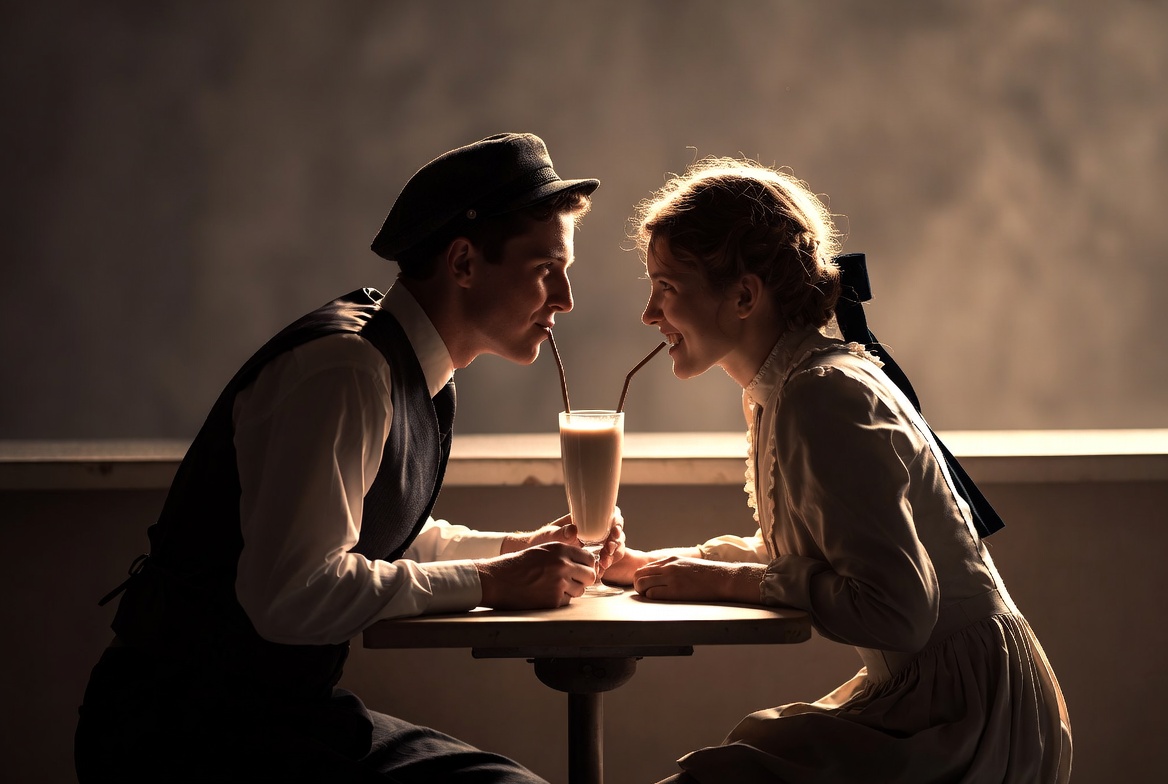
Act II of Our Town centers on the wedding of George Gibbs and Emily Webb, but Wilder undercuts romantic idealization with honest anxiety. Emily confesses to her father that she does not want to grow up; George admits to his mother that he fears leaving boyhood behind. Their union is tender, awkward, and deeply human—far from the passionate fireworks of Romeo and Juliet’s balcony scene, yet no less consequential.
Shakespeare frequently portrayed love as both ecstatic and perilous. Romeo and Juliet shows youthful passion colliding with family and fate, while comedies like Much Ado About Nothing explore how wit, misunderstanding, and social pressure shape relationships. In the sonnets, love battles time’s decay. Wilder channels this complexity into everyday domesticity: the shared soda at the drugstore, nervous conversations at windows, and the weight of marital vows in a simple ceremony.
The tragedy in Our Town is quieter but equally piercing—ordinary people who love each other deeply still fail to fully appreciate one another until loss intervenes. George’s grief at Emily’s grave in the final moments echoes the raw pain of Shakespeare’s bereaved lovers and parents. Wilder democratizes Shakespearean emotion: you do not need royal blood or star-crossed fate to experience profound love and its attendant sorrow. The milkman, the schoolteacher, and the farmer carry the same emotional weight as kings and queens.
This perspective offers genuine value for couples, families, and young adults navigating relationships today. Our Town gently warns against taking companionship for granted, urging viewers to cherish the mundane rituals—breakfast conversations, shared chores, quiet evenings—that sustain love over decades.
The Passage of Time and the Pain of Memory
Time functions as both structural device and thematic force in Our Town. The Stage Manager freely compresses or expands years, flashing forward from 1901 to 1913 with casual narration. This metatheatrical handling of time recalls Shakespeare’s choruses in Henry V or the prophetic visions in The Winter’s Tale and The Tempest, where time itself becomes a character.
Wilder’s Stage Manager observes the slow changes in Grover’s Corners—horses giving way to automobiles, doors beginning to lock at night—yet insists that “on the whole, things don’t change much around here.” This tension between continuity and inevitable change mirrors Shakespeare’s sonnets on mutability: “When I have seen by Time’s fell hand defaced / The rich proud cost of outworn buried age…”
Emily’s decision to relive a single day exposes memory’s double edge. What feels comforting in recollection becomes painful when experienced again with full awareness of its transience. Shakespeare’s Prospero in The Tempest bids farewell to his revels, acknowledging that “our little life / Is rounded with a sleep.” Both playwrights use theater to make audiences feel the ache of passing time while celebrating its beauty.
For students and lifelong learners, this section of an our town play analysis highlights why pairing Wilder with Shakespeare enriches understanding of dramatic structure and philosophical depth. Time is not merely backdrop but antagonist and ally—ruthless in its theft, generous in its gifts of ordinary joy.
Community, Small-Town Life, and the Universal Human Condition
Grover’s Corners functions as a microcosm of humanity, much as Shakespeare’s Verona, Windsor, or the Forest of Arden represent universal truths through specific locales. Daily routines—the milk delivery, newspaper route, choir practice, gossip over garden fences—reveal the steadfastness of human traditions amid individual transience.
Wilder and Shakespeare both affirm the dignity of ordinary lives. Shakespeare’s groundlings in the Globe pit saw their own foibles and virtues reflected in clowns, servants, and citizens. Wilder extends this democratic vision: the Webbs and Gibbses are not archetypes of grandeur but of quiet endurance. Their lives matter precisely because they are common.
Simon Stimson, the alcoholic choir director buried among the others, adds a note of human frailty and cynicism reminiscent of Shakespeare’s fools or the gravediggers in Hamlet. His bitterness contrasts with the gentle wisdom of Mrs. Gibbs and the optimistic chatter of Mrs. Soames, creating a chorus that reflects society’s full emotional range.
This theme addresses a contemporary longing for belonging in fragmented times. Our Town reminds us that community—flawed, gossipy, supportive—provides the context in which individual lives gain meaning. Shakespeare’s histories show nations rising and falling through collective choices; Wilder shows the same principle at the scale of one New England town.
Appreciation of the Everyday – Wilder’s Radical Message and Shakespeare’s Humanism
At its core, Our Town delivers a radical, almost spiritual injunction: appreciate the everyday before it slips away. Emily’s farewell speech—“Oh, earth, you’re too wonderful for anybody to realize you”—encapsulates this message with poetic simplicity.
Shakespeare’s humanism similarly celebrates the richness of lived experience. In As You Like It, Jaques may call the world a stage of seven ages, but the play affirms the value of pastoral simplicity and genuine connection. Prospero’s epilogue asks for audience indulgence and forgiveness, acknowledging shared humanity. Both playwrights use theater to awaken wonder at what is too often taken for granted.
Wilder’s minimalism serves this purpose perfectly. By stripping away scenery and props, he forces attention onto human voices, gestures, and relationships—the same elements that powered Shakespeare’s bare Globe stage. The result is theater that feels intimate yet cosmic, particular yet universal.
Scholars have rightly called Our Town “America’s answer to Shakespeare” because it translates Elizabethan grandeur into 20th-century American idiom without losing philosophical weight. Both bodies of work insist that the smallest human interactions—greeting a neighbor, sharing a meal, saying goodnight—carry eternal significance when viewed with clear eyes.
Literary Devices and Language: How Wilder Channels Shakespeare
Wilder elevates everyday speech into quiet poetry, much as Shakespeare transformed blank verse and prose into vehicles for profound thought. The Stage Manager’s direct address creates dramatic irony and foreshadows events with gentle precision, echoing Shakespeare’s use of soliloquy and chorus.
Symbolism abounds: the moonlit ladders where George and Emily converse suggest aspiration and romance; the cemetery hill offers perspective on life from eternity; clocks and morning routines mark time’s passage. Celestial imagery—the stars, the dawn—parallels Shakespeare’s frequent use of sun, moon, and heavens as metaphors for fate, beauty, and transience.
Foreshadowing operates subtly. Early mentions of births, illnesses, and minor deaths prepare the ground for Act III’s deeper exploration of mortality. Irony emerges in the living characters’ obliviousness to life’s gifts, a device Shakespeare mastered in tragedies where protagonists recognize truth too late.
These techniques make Our Town deceptively simple. Beneath the plain surface lies sophisticated craftsmanship that rewards repeated readings and viewings, much like Shakespeare’s plays reveal new layers with each encounter.
Our Town Play Analysis in the Classroom and on Stage Today
For educators, Our Town pairs exceptionally well with Shakespeare. Comparative essay prompts might explore staging conventions, attitudes toward death, or the role of narration across centuries. Lesson plans can include bare-stage exercises, character mapping, or scene recreations that highlight minimalist power.
The play remains a staple in high schools and colleges precisely because it speaks directly to adolescents confronting adulthood, relationships, and mortality for the first time. Professional revivals, including recent Broadway productions and international stagings, demonstrate its adaptability. Directors often emphasize its unsentimental critique of complacency while preserving its tenderness.
Theater practitioners benefit from its technical demands: actors must commit fully to mime and emotional truth without scenic crutches, developing skills directly transferable to Shakespearean performance.
Lessons from Our Town That Shakespeare Would Approve Of
- Live with intention. Do not wait until loss forces awareness—practice daily gratitude for small blessings.
- Cherish relationships. Ordinary conversations and shared routines form the true fabric of love and community.
- Embrace impermanence. Accepting life’s brevity frees us to value each moment more deeply.
- See the universal in the particular. Your town, your family, your daily round contain the same profound truths found in great literature.
- Use imagination actively. Like audiences at the Globe or in a bare-stage Our Town, co-create meaning rather than passively consuming spectacle.
These lessons bridge centuries, offering practical wisdom for navigating modern life with greater presence and compassion.
Our Town stands as a minimalist masterpiece that echoes Shakespeare’s deepest concerns while speaking in a distinctly American voice. Through its revolutionary staging, ordinary characters, and unflinching examination of life, love, time, and death, Thornton Wilder created a play that feels both intimately local and eternally human.
As the Stage Manager reminds us, “There’s something way down deep that’s eternal about every human being.” Shakespeare spent a career exploring that eternal spark through kings, lovers, and fools. Wilder found it in the milkman’s route and a young woman’s farewell to her twelfth birthday.
Whether you encounter Our Town for the first time or return to it as an old friend, let its gentle urgency awaken fresh appreciation for the life unfolding around you right now. Attend a local production if possible, reread key scenes alongside Shakespearean counterparts, or simply pause during an ordinary day to notice its quiet miracles.
In Grover’s Corners—and in every town, including yours—life continues its beautiful, heartbreaking rhythm. The question Wilder and Shakespeare both pose remains: Will we realize it while we live it?
FAQ: Common Questions About the Our Town Play
What is the main message of the Our Town play? The central message is to appreciate everyday life fully while we live it, recognizing its wonder before it passes. Emily’s realization in Act III underscores that humans rarely grasp life’s value in the moment.
How does Our Town compare to Shakespeare plays? Our Town echoes Shakespeare in its exploration of mortality, time, love, and the human condition, while using minimalist staging reminiscent of the Globe Theatre. It translates grand Shakespearean themes into the lives of ordinary people.
Why is there no scenery in Our Town? Wilder’s bare stage forces the audience to engage imagination actively, heightening emotional truth and universalizing the story. It draws from classical traditions, including Shakespeare’s Globe, where scenery was minimal.
What does the Stage Manager represent? The Stage Manager acts as narrator, chorus, and philosophical guide—breaking the fourth wall, controlling time, and offering meta-commentary. He parallels Shakespeare’s choruses and Prospero-like figures who frame and interpret events.
Is Our Town a tragedy or a comedy? It blends elements of both but ultimately functions as a gentle tragedy of awareness. While filled with humor and warmth, its deepest impact comes from confronting mortality and human inattention to life’s gifts.
How long is a typical Our Town play performance? Most productions run approximately 1 hour 45 minutes to 2 hours, including intermissions, making it accessible for schools and community theaters.
What are the best editions for students? The Harper Perennial Modern Classics edition or the Library of America volume containing Wilder’s plays provide reliable texts with helpful notes. Many free public-domain versions exist online for initial reading.
Where can I watch or read Our Town legally? Check libraries, school resources, or licensed streaming platforms for filmed productions (such as the 1989 or 2003 adaptations). Purchase scripts from major publishers or attend local theater productions.
This our town play analysis aims to provide the depth, context, and practical insight that transforms a classroom assignment or casual reading into a transformative literary experience. By connecting Thornton Wilder’s quiet American classic to Shakespeare’s enduring genius, we discover fresh reasons why both playwrights continue to move audiences nearly a century—or four centuries—later.