

Have you ever wondered what’s really going on inside Hamlet’s mind when he questions, “To be or not to be”? Shakespeare’s use of soliloquies to convey psychological states pulls back the curtain on his characters’ deepest thoughts, making their emotions and struggles feel strikingly real. Whether you’re a student tackling a Shakespeare essay, a theater lover seeking richer performances, or someone curious about human psychology, this article will show you how soliloquies reveal complex inner worlds. 😊 Get ready to unlock practical insights that make Shakespeare’s plays more relatable and inspire your own self-reflection!
What Are Soliloquies and Why Do They Matter?
Ever watched a Shakespeare play and felt a character’s raw emotions hit you hard? That’s the magic of a soliloquy! A soliloquy is when a character speaks their thoughts aloud, alone on stage, giving you a front-row seat to their mind. Shakespeare’s use of soliloquies to convey psychological states lets you peek into a character’s heart—whether it’s Hamlet’s doubt or Macbeth’s guilt.

What’s the Purpose?
Soliloquies do more than just fill silence:
- Reveal Inner Thoughts: They show emotions like fear, love, or ambition that characters hide from others.
- Build Connection: You feel closer to characters, understanding their struggles.
- Drive the Story: They hint at future actions, like Iago’s sneaky plans in Othello.
Why Should You Care? 😊
- Students: Soliloquies make essays easier by revealing clear character insights.
- Theater Fans: They help you appreciate the actor’s emotional delivery.
- Everyone: They teach you about human emotions, inspiring self-reflection
How Shakespeare Uses Soliloquies to Reveal Psychological States
Shakespeare’s soliloquies are like windows into a character’s soul, letting you see their deepest fears, desires, and conflicts. By using Shakespeare’s use of soliloquies to convey psychological states, he makes characters like Hamlet and Macbeth feel real and relatable. But how does he do it? Let’s break it down! 😊
Crafting Emotional Depth
Soliloquies let characters spill their raw emotions. In Macbeth (Act 1, Scene 7), Macbeth wrestles with his ambition to kill King Duncan, revealing his inner turmoil. His words show a mix of greed and guilt, pulling you into his mind. This helps you understand why he acts the way he does.

Showcasing Internal Conflict
Characters often face tough choices in soliloquies. Take Hamlet’s famous “To be or not to be” speech (Act 3, Scene 1). He’s torn between life and death, questioning his purpose. This back-and-forth makes his indecision feel human, helping you connect with his struggle.
Foreshadowing Actions
Soliloquies often hint at what’s coming. In Othello, Iago’s solo speeches reveal his sneaky plans to ruin Othello. By sharing his schemes with the audience, Shakespeare builds suspense—you know what’s brewing, but other characters don’t!
Why It Connects Today
These soliloquies tackle universal feelings like doubt, guilt, or love. They’re not just old words—they mirror struggles we all face. Feeling stuck on a big decision? Hamlet’s got you. Battling guilt? Macbeth’s been there.
Key Examples of Soliloquies and Their Psychological Insights
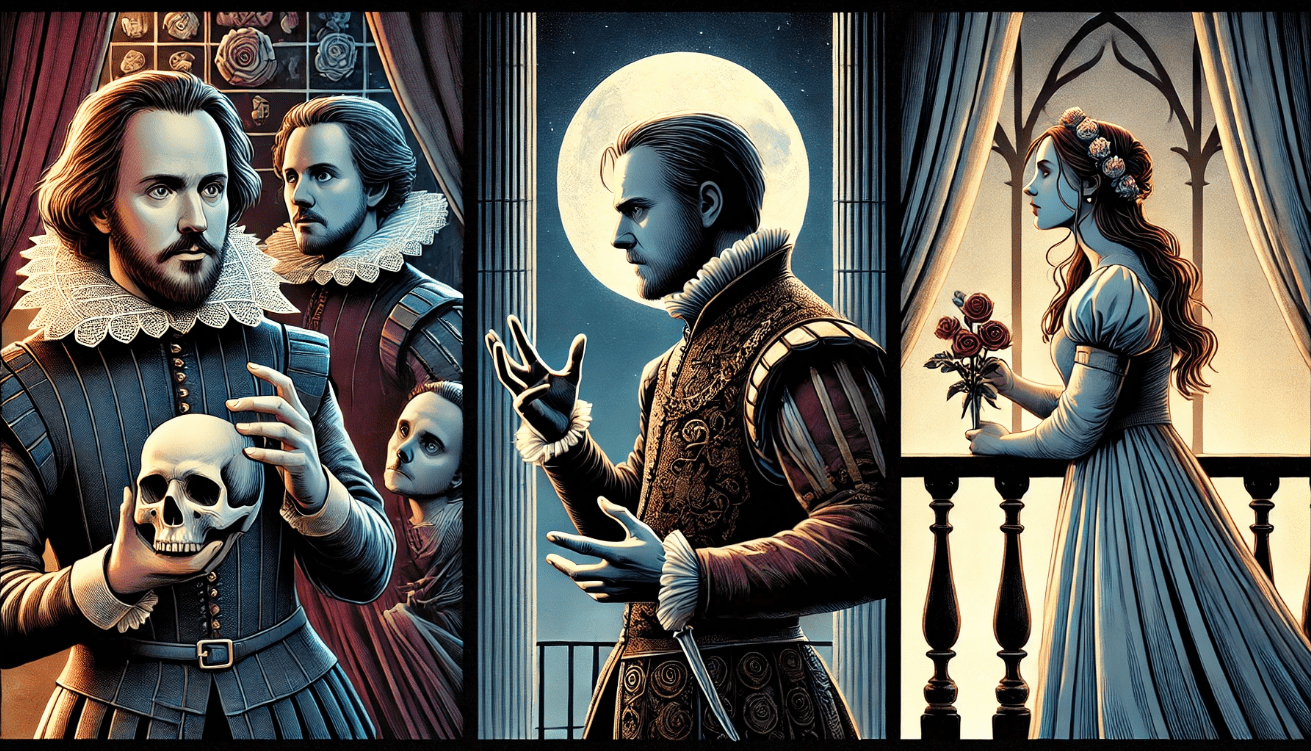
Shakespeare’s soliloquies are like a spotlight on a character’s mind, revealing their deepest emotions and struggles. Through Shakespeare’s use of soliloquies to convey psychological states, we connect with characters on a personal level. Here are three iconic examples that show how these speeches unpack complex feelings and why they matter to readers today. 😊
Hamlet (Hamlet, Act 3, Scene 1: “To be or not to be”)
- Context: Hamlet ponders life, death, and whether to act on his revenge.
- Psychological State: He’s gripped by depression, indecision, and fear of the unknown. His questions about existence feel raw and universal.
- Why It Resonates: This soliloquy captures the struggle of finding purpose, perfect for students analyzing existential themes or anyone facing big life choices.
- Tip: Underline phrases like “slings and arrows” to see how imagery reflects Hamlet’s pain.
Macbeth (Macbeth, Act 2, Scene 1: “Is this a dagger”)
- Context: Before murdering King Duncan, Macbeth hallucinates a dagger, torn by ambition and guilt.
- Psychological State: Paranoia and moral conflict drive him to the edge of madness. His vivid imagery shows a mind unraveling.
- Why It Resonates: It’s a gripping look at how ambition can twist someone’s thoughts, relatable for anyone battling inner guilt.
- Tip: Watch this scene performed to feel the tension in Macbeth’s voice—it brings the soliloquy to life!
Juliet (Romeo and Juliet, Act 2, Scene 2: “O Romeo, Romeo”)
- Context: Juliet, on her balcony, confesses her love for Romeo despite their families’ feud.
- Psychological State: She’s caught between intense love and fear of societal consequences, showing vulnerability and passion.
- Why It Resonates: Her words echo the thrill and conflict of young love, making it easy to connect with her emotions.
- Tip: Note how Juliet’s repeated questions show her inner tug-of-war—try journaling your own conflicted feelings to relate.
How to Use These Insights
These soliloquies help students write stronger essays by highlighting character motives. Theater fans can watch for actors’ emotional delivery, and anyone can reflect on how these universal feelings apply to their own life. Try reading these speeches aloud to feel their power! 😄
How to Analyze Soliloquies for Deeper Understanding
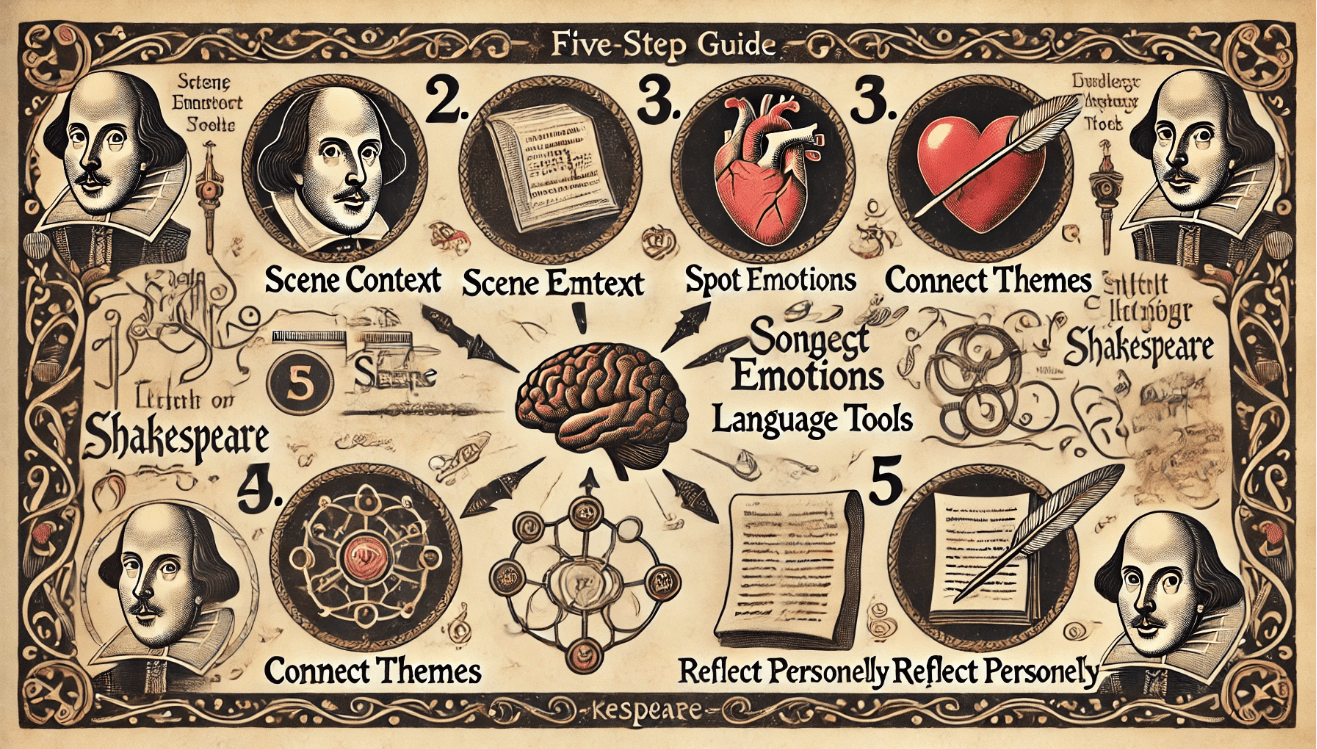
Want to unlock the secrets of Shakespeare’s characters? Analyzing soliloquies is your key to understanding their minds! Shakespeare’s use of soliloquies to convey psychological states makes them powerful tools for students, theater fans, or anyone curious about human emotions. Follow this simple, step-by-step guide to dive deeper into these solo speeches and make them relatable. 😊
Step 1: Understand the Context
- What to Do: Check what’s happening in the play before the soliloquy. Is the character facing a big decision, like Hamlet contemplating revenge?
- Why It Helps: Context shows why the character feels a certain way, making their thoughts clearer.
- Tip: Summarize the scene in one sentence to ground yourself.
Step 2: Spot the Emotions
- What to Do: Look for words that show feelings like fear, joy, or guilt. In Macbeth’s “Is this a dagger” speech, words like “fatal vision” hint at paranoia.
- Why It Helps: Emotions reveal the character’s psychological state, helping you connect with their struggle.
- Tip: Highlight emotional words in the text to track the character’s mood.
Step 3: Examine the Language
- What to Do: Notice metaphors, imagery, or repetition. For example, Hamlet’s “slings and arrows” paints a vivid picture of life’s struggles.
- Why It Helps: Shakespeare’s word choices deepen the soliloquy’s meaning, showing how characters think.
- Tip: Look up unfamiliar words in a Shakespeare glossary for clarity.
Step 4: Connect to Bigger Themes
- What to Do: Link the soliloquy to the play’s themes, like fate in Romeo and Juliet or ambition in Macbeth.
- Why It Helps: This shows how the character’s thoughts tie to the story’s core ideas, perfect for essays or discussions.
- Tip: Ask, “How does this soliloquy reflect the play’s main message?”
Step 5: Reflect on Modern Relevance
- What to Do: Think about how the soliloquy applies today. Hamlet’s indecision mirrors modern struggles with anxiety or choices.
- Why It Helps: It makes Shakespeare feel alive and relatable, inspiring personal reflection.
- Tip: Journal how the character’s feelings connect to your own life.
Practical Applications
- Students: Use this method to write insightful essays or ace exams.
- Theater Fans: Notice how actors emphasize emotions in soliloquies for a Why Soliloquies Are Relevant Today
Think Shakespeare’s soliloquies are just dusty old words? Think again! Shakespeare’s use of soliloquies to convey psychological states feels as fresh today as it did 400 years ago. These solo speeches dive into emotions and struggles that still hit home, from anxiety to ambition. Here’s why soliloquies matter now and how you can use them in your life. 😊
Timeless Psychological Insights
Soliloquies tackle feelings we all face. Hamlet’s “To be or not to be” mirrors today’s struggles with overthinking or mental health. Macbeth’s guilt over his actions? It’s like wrestling with a tough choice you regret. These speeches show human emotions don’t change, making Shakespeare relatable across centuries.
Life Lessons You Can Use
- Self-Reflection: Soliloquies show characters processing their thoughts, inspiring you to do the same. Try journaling your own “soliloquy” to sort out big decisions.
- Empathy: Understanding characters’ struggles, like Juliet’s torn heart, helps you relate to others’ feelings in real life.
- Decision-Making: Hamlet’s indecision teaches you to weigh choices carefully but not get stuck in overthinking.
Practical Takeaways
- Journaling: Write your thoughts like a soliloquy to clarify emotions, especially during stress.
- Creative Writing: Use soliloquies as inspiration for stories or scripts to explore deep emotions.
- Therapy Tool: Therapists sometimes use soliloquy-like exercises to help clients express hidden feelings.
Cultural Impact
Soliloquies influence modern movies, TV shows, and books. Think of voiceovers in films like Fight Club—they’re modern soliloquies! Recognizing this connection makes watching or reading more fun and shows Shakespeare’s lasting impact.
- richer experience.
- Everyone: Try reading a soliloquy aloud to feel its emotional weight.
Common Mistakes When Interpreting Soliloquies (and How to Avoid Them)

Diving into Shakespeare’s soliloquies can feel like solving a puzzle, but it’s easy to miss the mark if you’re not careful. Shakespeare’s use of soliloquies to convey psychological states is powerful, but missteps can cloud your understanding. Here are three common mistakes when analyzing soliloquies and simple ways to avoid them, perfect for students, theater fans, or curious readers! 😊
Mistake 1: Ignoring the Context
- Problem: Jumping into a soliloquy without knowing what’s happening in the play can lead to confusion. For example, Hamlet’s “To be or not to be” loses depth if you don’t know he’s wrestling with revenge.
- Solution: Before reading, skim the scene or summary to grasp the character’s situation. Ask, “What’s driving this character right now?”
- Tip: Write a one-sentence summary of the scene to anchor your analysis.
Mistake 2: Overlooking Shakespeare’s Language
- Problem: Missing the meaning behind vivid imagery or wordplay, like Macbeth’s “dagger of the mind,” can make a soliloquy feel flat.
- Solution: Pay attention to metaphors, repetition, or emotional words. Look up tricky terms in a Shakespeare glossary or online resource.
- Tip: Highlight one key phrase, like “slings and arrows” in Hamlet, and note how it reflects the character’s mind.
Mistake 3: Forgetting the Audience Connection
- Problem: Soliloquies are meant to draw you in emotionally, but focusing only on the text can make you miss their impact. Juliet’s balcony speech, for instance, is a heartfelt plea to the audience.
- Solution: Imagine performing the soliloquy or watching it live. How would the character’s tone make you feel?
- Tip: Read the soliloquy aloud to capture its emotional weight and connect with its power.
Shakespeare’s soliloquies are more than just dramatic speeches—they’re a gateway to understanding the human mind. Through Shakespeare’s use of soliloquies to convey psychological states, we see characters like Hamlet, Macbeth, and Juliet wrestle with emotions that feel as real today as ever. Whether you’re a student writing an essay, a theater fan enjoying a performance, or someone reflecting on life’s big questions, soliloquies offer deep insights into feelings like doubt, guilt, and love. 😊
Ready to dive in? Pick a play like Hamlet or Macbeth and focus on its soliloquies—read them aloud or watch them performed to feel their power. Try journaling your own “soliloquy” to process your thoughts, just like Shakespeare’s characters. Share your favorite soliloquy in a book club or study group to spark meaningful discussions. What soliloquy speaks to you most, and why? Let us know in the comments! 😄