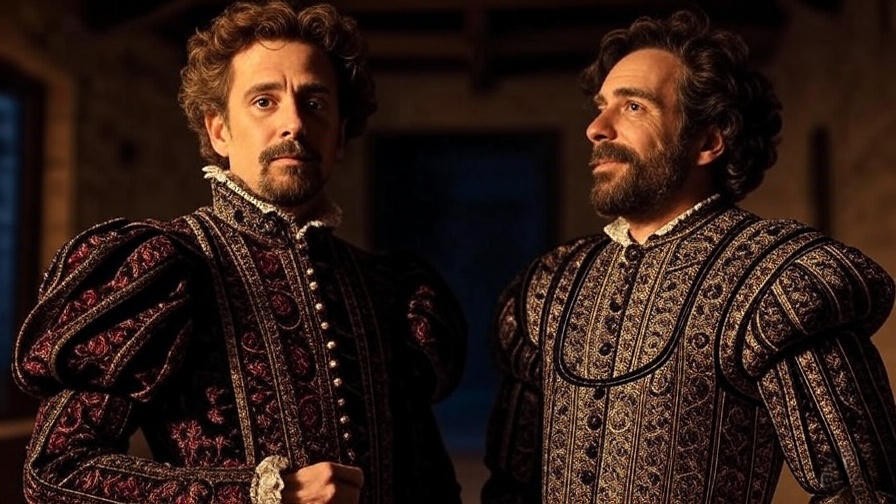
Imagine a single messenger racing through the dusty roads of Renaissance Italy, carrying words that will unknowingly unleash irreversible catastrophe. In William Shakespeare’s Romeo and Juliet, that messenger is Balthasar, Romeo’s faithful manservant. Though he appears in only a few scenes and speaks fewer than 40 lines, Balthasar in Romeo and Juliet delivers the devastating false report of Juliet’s death that propels Romeo toward his fatal decision. His well-intentioned loyalty, combined with cruel timing, becomes one of the final threads in the intricate web of miscommunication that dooms the star-crossed lovers.
Most readers and theatergoers focus on Romeo, Juliet, the Friar, or the feuding families when analyzing the tragedy. Yet understanding Balthasar’s role reveals Shakespeare’s masterful craftsmanship: even minor characters, driven by honorable motives, can become unwitting instruments of fate. This in-depth exploration examines Balthasar’s character, his crucial scenes, thematic significance, and lasting impact across adaptations—offering the most comprehensive analysis available for students, educators, and Shakespeare enthusiasts seeking deeper insight into this overlooked figure.
Who Is Balthasar? A Character Overview
Balthasar enters Shakespeare’s text as Romeo Montague’s personal servant and trusted companion. Unlike the comedic servants in the opening brawl (Samson and Gregory) or the garrulous Nurse who serves Juliet, Balthasar occupies a quieter, more dignified position within the Montague household. He is not a clown or confidant but a loyal retainer whose primary function is to serve Romeo faithfully—often at great personal risk.
In Elizabethan society, servants like Balthasar were bound by strict codes of duty and obedience. Shakespeare frequently uses such figures to reflect broader social hierarchies while advancing plot mechanics. Balthasar fits the archetype of the faithful attendant seen in other plays (think of Adam in As You Like It or Pisanio in Cymbeline). His limited dialogue and stage time make him easy to overlook, yet modern scholarship—particularly editions from the Folger Shakespeare Library and the Royal Shakespeare Company—emphasizes how these supporting roles add profound layers to Shakespeare’s tragedies.
Key Traits: Loyalty, Duty, and Concern
Balthasar’s defining characteristic is unwavering loyalty. He risks plague-infested roads to bring news to his exiled master and accompanies Romeo on a dangerous nighttime journey back to Verona. This devotion borders on familial affection; Romeo addresses him warmly and trusts him implicitly.
He also demonstrates keen concern for Romeo’s well-being. In Act 5, Scene 1, Balthasar hesitates before delivering the news of Juliet’s “death,” noting Romeo’s pale appearance and pleading, “I beseech you, sir, be patient.” Later, at the Capulet tomb, he expresses foreboding based on dreams and tries to dissuade Romeo from entering alone.
Finally, Balthasar exhibits a strong sense of duty. Despite sensing danger, he obeys Romeo’s fierce command to leave him at the tomb: “By heaven, I will tear thee joint by joint / And strew this hungry churchyard with thy limbs” (5.3.35–36). This obedience, while admirable in a hierarchical context, contributes directly to the tragic outcome.
Balthasar’s Appearances: Scene-by-Scene Breakdown
Though Balthasar’s role is compact, his appearances span critical moments from the lovers’ brief happiness to the final catastrophe.
Early Role: Facilitating the Lovers’ Union (Acts 2–3)
Balthasar first appears meaningfully in Act 2, Scene 4 (though some editions place him in the opening brawl as “Abram”). More significantly, in Act 3, Scene 1, after Tybalt’s death and Romeo’s banishment, Balthasar helps procure the rope ladder that allows Romeo one final night with Juliet. The Nurse instructs Peter to deliver the ladder to “my young lady’s chamber-window,” but productions often involve Balthasar in this logistics—symbolizing how even Montague servants unwittingly aid the secret union.
These early actions establish Balthasar as an enabler of Romeo’s passion. While his involvement is minor, it foreshadows his later, far more consequential delivery of information.
The Pivotal Moment: Delivering the News of Juliet’s “Death” (Act 5, Scene 1)
The heart of Balthasar’s dramatic importance occurs in Mantua. Having witnessed Juliet’s staged funeral in Verona, he rides post-haste to inform Romeo. His arrival interrupts Romeo’s hopeful mood following a dream of revival through Juliet’s kiss.
Balthasar’s exact words carry devastating weight:
“Then she is well, and nothing can be ill. Her body sleeps in Capels’ monument, And her immortal part with angels lives. I saw her laid low in her kindred’s vault…” (5.1.17–20)
Unaware of Friar Laurence’s sleeping potion plot, Balthasar believes he brings factual truth. His gentle phrasing—emphasizing Juliet’s soul with angels—reflects both sorrow and an attempt to soften the blow. Yet the news shatters Romeo, prompting the famous defiance: “Is it e’en so? Then I defy you, stars!” (5.1.24).
Critically, Balthasar’s report arrives because Friar John’s letter explaining the plan was delayed by plague quarantine. Shakespeare masterfully orchestrates this chain of accidents: the one person Romeo trusts most delivers the one piece of information that overrides the intended clarification.
At the Tomb: Witness to Tragedy (Act 5, Scene 3)
Balthasar accompanies Romeo back to Verona despite expressing ominous dreams: “My dreams presage some joyful news at hand” (5.3.3)—an ironic inversion of the actual horror. At the churchyard, Romeo orders him away with threats of violence. Balthasar retreats but remains hidden nearby, later emerging to alert Friar Laurence and ultimately provide testimony to Prince Escalus.
His final lines help resolve the plot: “I brought my master news of Juliet’s death” (5.3.278). This testimony confirms Romeo’s motives and contributes to the Prince’s reconciliation of the families.
How Balthasar’s Actions Seal the Tragic Fate
Shakespeare constructs Romeo and Juliet as a meticulously engineered chain of misfortunes, where every link—human decision, accident, or delayed message—snaps into place to produce catastrophe. Balthasar forms one of the final, decisive links. His honest report of Juliet’s apparent death is the direct catalyst that sends Romeo spiraling toward the apothecary, the poison, and the Capulet tomb.
The Chain of Miscommunication
The tragedy hinges on a series of near-misses. Friar Laurence devises an elaborate plan: a sleeping potion for Juliet, a letter to Romeo explaining everything, and a reunion in Mantua. Yet plague quarantine prevents Friar John from delivering the letter. Into this vacuum rides Balthasar, who has personally witnessed Juliet being laid in the family vault. He believes he is performing the ultimate act of service by informing his master immediately.
As literary scholars such as Jill Levenson (Oxford Shakespeare edition) and David Bevington note, this moment exemplifies Shakespeare’s dramatic irony at its most cruel. The audience knows Juliet lives; Romeo does not. Balthasar, operating with incomplete knowledge, becomes fate’s unwitting messenger. His arrival just hours before the intended letter underscores the play’s central theme: human plans are fragile against the forces of chance and timing.
Loyalty vs. Intervention: Could Balthasar Have Prevented the Tragedy?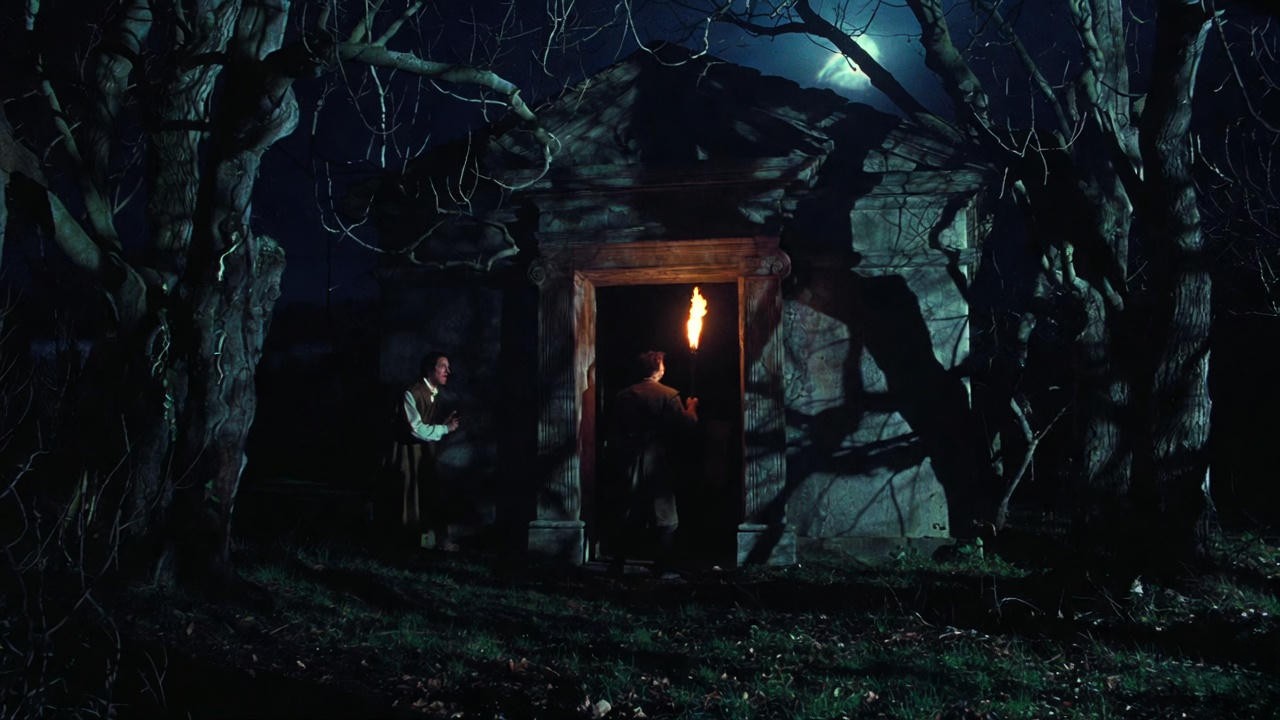
A frequent question among students and directors is whether Balthasar bears any moral responsibility. The text suggests he senses something amiss. In Mantua, he observes Romeo’s “wild looks” and begs patience. Later, his dream of joyful news proves ironically ominous, and at the tomb he expresses outright fear: “I do beseech you, sir… forbear this outrage” (implied in his hesitation).
Yet Balthasar ultimately obeys Romeo’s violent command to withdraw. Elizabethan audiences would have recognized this as proper servant behavior—disobedience could cost a retainer his position or worse. Modern critics, however, including those writing for the Royal Shakespeare Company study guides, argue that his strict adherence to hierarchy contributes to the disaster. Unlike the Nurse, who actively (if inconsistently) intervenes in Juliet’s affairs, or even Peter, who shows comic independence, Balthasar prioritizes obedience over intuition.
This passivity amplifies Shakespeare’s exploration of how societal structures—class, duty, and gender—constrain individual agency. Balthasar’s limited social power mirrors the lovers’ entrapment by family feud; all are victims of systems larger than themselves.
Thematic Contributions
Balthasar’s role reinforces several core motifs in Romeo and Juliet:
- Fate vs. Free Will: His timely arrival embodies the “star-crossed” misfortune proclaimed in the Prologue. Romeo’s defiant “I defy you, stars!” is rendered hollow by Balthasar’s news.
- Haste and Impulsiveness: Just as the lovers marry rashly, Balthasar rides “post” (at full speed) to deliver news without verification—mirroring the play’s pervasive urgency.
- The Power of Minor Characters: Shakespeare repeatedly demonstrates that tragedy emerges not only from protagonists’ flaws but from supporting figures’ honest actions. As Harold Bloom observes in Shakespeare: The Invention of the Human, even servants possess dramatic weight in the Bard’s universe.
Balthasar in Adaptations and Modern Interpretations
While the original text keeps Balthasar understated, directors and screenwriters have reimagined him to heighten emotional stakes or reflect contemporary concerns.
Stage Productions
Traditional stagings (e.g., Royal Shakespeare Company, Globe Theatre) typically portray Balthasar as a young, earnest servant—often doubled with other minor roles for practical reasons. Directors like Gregory Doran (RSC 2018) emphasize his genuine grief through physicality: trembling hands, averted eyes when delivering the news.
More experimental productions explore class dynamics. In some 21st-century interpretations, Balthasar is given expanded silent reactions or asides to underscore his powerlessness within Verona’s rigid social order.
Film and Media Adaptations
- Franco Zeffirelli (1968): Balthasar (played by Roberto Bisacco) is a loyal, wide-eyed youth whose sorrowful delivery devastates Leonard Whiting’s Romeo. The film lingers on his hesitant approach, amplifying tension.
- Baz Luhrmann’s Romeo + Juliet (1996): In a bold departure, Balthasar is recharacterized as Romeo’s cousin (played by Jesse Bradford) and renamed “Balthazar” with a “z.” This change intensifies the familial loss and adds visual flair—he arrives by helicopter in a storm, heightening cinematic urgency.
- West Side Story adaptations: The equivalent figure (often a Jets gang member) similarly brings false news of Maria’s death, preserving Shakespeare’s structural irony.
Scholarly and Critical Perspectives
Modern scholarship increasingly views Balthasar through lenses of class and agency. Critics like Dympna Callaghan highlight how servants in Shakespeare often bear witness to elite tragedies without the power to alter them. Resources such as LitCharts and SparkNotes character analyses now devote dedicated sections to Balthasar, recognizing his structural importance.
Feminist and queer readings sometimes draw parallels between Balthasar’s devoted service and the play’s homoerotic undertones in male friendships—Romeo’s trust in his manservant contrasts with his rushed marriage.
Why Understanding Balthasar Enhances Appreciation of the Play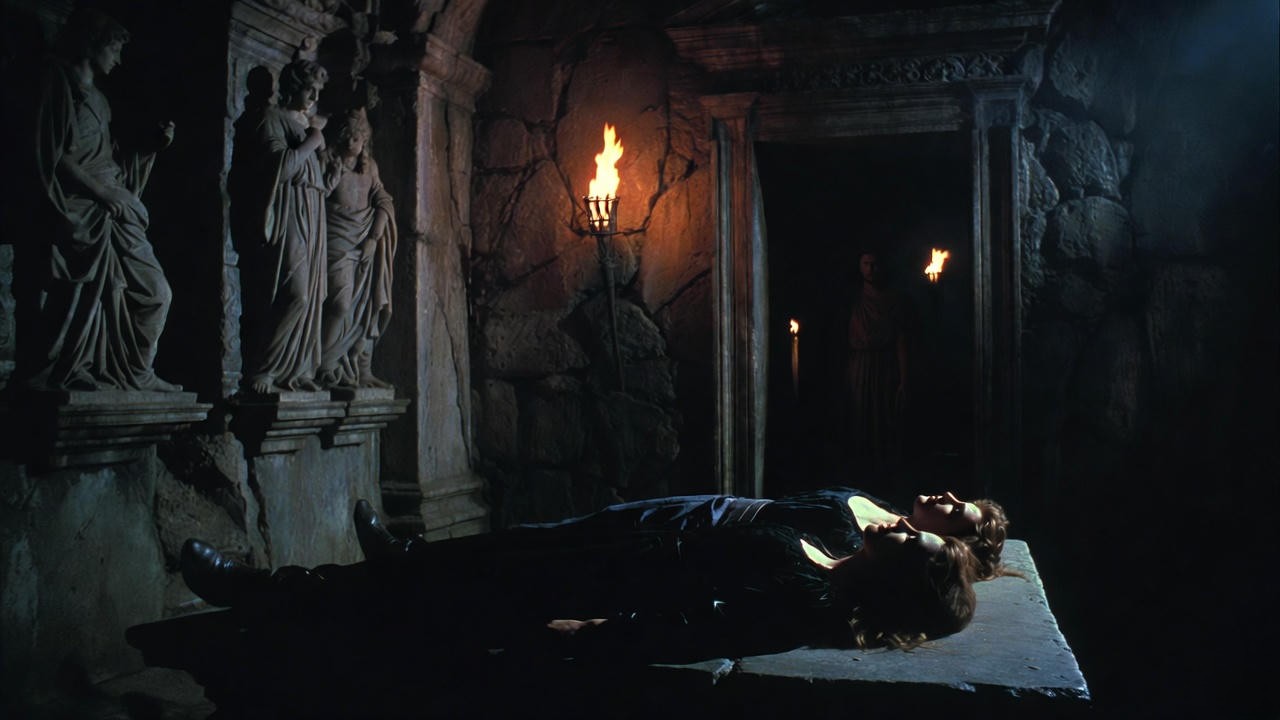
For anyone studying or teaching Romeo and Juliet, overlooking Balthasar means missing a crucial dimension of Shakespeare’s artistry. He illustrates how tragedy in the play is collective rather than individual: no single villain orchestrates doom, but rather a convergence of well-meaning actions within a flawed world.
Recognizing Balthasar’s role deepens thematic understanding:
- It clarifies the mechanics of miscommunication that drive Act 5.
- It humanizes Romeo by showing his dependence on loyal companions.
- It invites discussion of loyalty, obedience, and moral responsibility—topics resonant in classrooms and book clubs alike.
Directors and actors who flesh out Balthasar create richer ensemble performances, while readers who trace his arc gain fresh appreciation for Shakespeare’s economy: every line and entrance serves the tragic design.
Frequently Asked Questions (FAQs)
Who plays Balthasar in famous productions?
Notable portrayals include Roberto Bisacco (Zeffirelli 1968), Jesse Bradford (Luhrmann 1996), and various RSC ensemble members. The role is often cast with emerging actors to emphasize youth and vulnerability.
Is Balthasar to blame for Romeo and Juliet’s deaths?
No scholar attributes primary blame to him. Responsibility is distributed across fate, the feud, parental pressure, Friar Laurence’s risky plan, and the lovers’ impulsiveness. Balthasar acts honorably with the information available.
How many lines does Balthasar speak?
In the First Folio and modern editions (Folger, Arden, Oxford), he has approximately 35–40 lines, concentrated in Acts 5.1 and 5.3—making his impact remarkably efficient.
Does Balthasar appear in the opening fight scene?
Some editions list him as “Abram” in Act 1, Scene 1, participating in the servants’ brawl. Others treat Abram as separate. Directors frequently double the roles for continuity.
What does the name “Balthasar” mean?
Derived from Babylonian “Belshazzar” (“Bel protect the king”), it carries biblical connotations of prophecy and doom—subtle foreshadowing Shakespeare likely intended.
Does Balthasar survive the play?
Yes. He emerges from hiding to speak with Friar Laurence and later testifies before Prince Escalus, helping establish the truth and prompt reconciliation.
The Unsung Catalyst of Tragedy
Balthasar remains one of Shakespeare’s most poignant minor creations: a devoted servant whose greatest virtue—swift, honest loyalty—becomes the final spark igniting catastrophe. In his brief scenes, we see reflected the play’s profound meditation on human fragility: how good intentions, limited knowledge, and rigid social roles conspire with fate to produce irreversible loss.
For students dissecting plot structure, actors seeking subtext, or lifelong readers revisiting Verona’s streets, Balthasar offers enduring lessons. He reminds us that tragedy often arrives not on villainous wings, but carried by the most faithful hearts. In understanding this quiet messenger, we grasp more fully why Romeo and Juliet continues to move audiences four centuries later: its sorrows are not distant or melodramatic, but achingly, recognizably human.