Imagine a single line of dialogue so powerful that it has echoed through centuries, inspiring philosophers, poets, filmmakers, and everyday people grappling with life’s deepest questions. “To be, or not to be—that is the question” isn’t just a quote—it’s a cultural cornerstone. Yet Hamlet offers far more than this one soliloquy. William Shakespeare’s tragedy, written around 1600, remains his most quoted play because its language captures the raw essence of human experience: grief, betrayal, revenge, existential doubt, and the thin line between sanity and madness. The best lines in Hamlet aren’t merely memorable—they probe the soul, challenge morality, and reveal truths that feel startlingly modern.
In this comprehensive guide, we explore the most iconic quotes from Hamlet, ranked loosely by their dramatic impact, cultural staying power, and philosophical depth. Drawing from centuries of scholarship—including insights from the Royal Shakespeare Company (RSC), Folger Shakespeare Library, and literary critics—we provide the original text, context, modern paraphrases, thematic analysis, and why each line endures. Whether you’re a student preparing for exams, an actor rehearsing the role, a teacher seeking fresh interpretations, or simply a lover of literature seeking timeless wisdom, this article delivers deeper insight than typical quote lists. We’ll cover more than a dozen standout lines, unpack their literary devices, and connect them to contemporary life—proving why Hamlet’s words still matter in our world of uncertainty, mental health struggles, and moral ambiguity.
Why Hamlet’s Lines Are the Best in Shakespeare
Hamlet’s linguistic brilliance sets it apart even among Shakespeare’s masterpieces. The play employs iambic pentameter with masterful flexibility—short, punchy lines for tension, extended soliloquies for introspection—while layering puns, paradoxes, and metaphors that reward repeated reading. Unlike the poetic romance of Romeo and Juliet or the thunderous ambition in Macbeth, Hamlet’s language is introspective and psychological, mirroring the protagonist’s tormented mind.
Scholars note that Hamlet has contributed more phrases to everyday English than any other Shakespeare play. Expressions like “something is rotten,” “method in his madness,” and “the lady doth protest too much” have become idioms. The play’s quotability stems from its universal themes: the revenge tragedy framework is ancient, but Shakespeare’s treatment makes it profoundly personal. As the RSC highlights, Hamlet’s words explore human frailty in ways that feel prescient—almost prophetic—in an era of political corruption, existential crises, and psychological complexity.
The Top 15 Best Lines in Hamlet: Ranked and Explained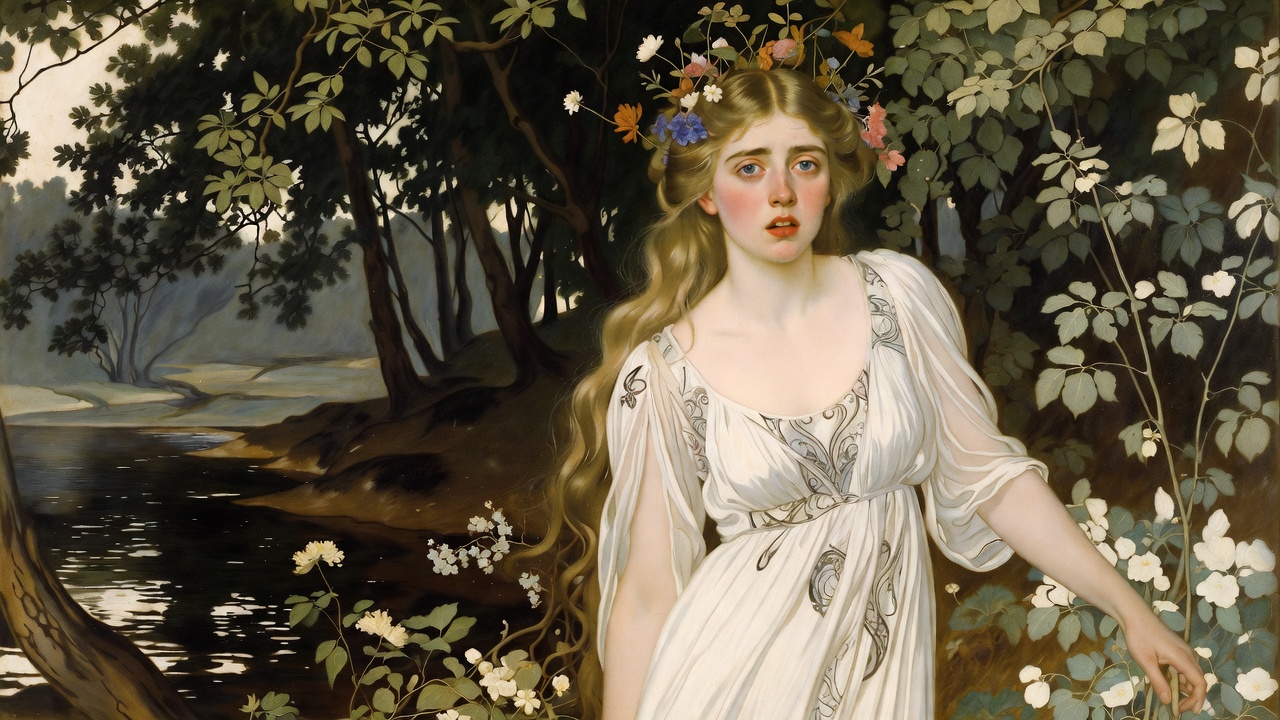
These selections draw from chronological appearance while prioritizing fame and influence, based on sources like RSC famous quotes compilations, Folger editions, and scholarly analyses. Each includes the speaker, act/scene, original text (modernized spelling where helpful), paraphrase, context, analysis, and enduring appeal.
- “A little more than kin, and less than kind” (Hamlet, Act 1, Scene 2) Spoken as Hamlet’s first words in response to Claudius calling him “son.” Modern paraphrase: I’m more closely related to you than I want to be, and I feel no kindness toward you. Context: At the court celebration of Claudius’s marriage to Gertrude, Hamlet stands apart in mourning black, already suspicious. Analysis: This punny aside reveals Hamlet’s immediate resentment and wit. It sets the tone for appearance vs. reality—Claudius is family by marriage, but a villain. The line showcases Shakespeare’s wordplay and Hamlet’s sharp intellect. Why iconic: It captures instant alienation; modern readers see it in dysfunctional family dynamics or political betrayals.
- “O, that this too too solid flesh would melt, / Thaw and resolve itself into a dew!” (Hamlet, Act 1, Scene 2 – First soliloquy) Modern paraphrase: I wish my body would dissolve away, or that God hadn’t forbidden suicide. Life feels weary, stale, and pointless—like an overgrown garden full of weeds. Context: Alone after the court’s festivities, Hamlet expresses despair over his mother’s hasty remarriage and his father’s death. Analysis: This soliloquy introduces suicidal ideation and disgust with the world (“unweeded garden”). The imagery of melting flesh contrasts physical solidity with emotional fragility, foreshadowing themes of mortality. Why iconic: It resonates with modern mental health discussions—depression, grief, and the search for meaning.
- “Neither a borrower nor a lender be… This above all: to thine own self be true” (Polonius, Act 1, Scene 3) Modern paraphrase: Don’t borrow or lend money, as it often ruins friendships and habits. Above everything, be true to yourself. Context: Polonius advises his son Laertes before he leaves for France. Analysis: Sound advice on the surface, but ironic—Polonius is a meddling hypocrite. The famous closing line is often taken sincerely, yet it comes from an unreliable character, highlighting appearance vs. reality. Why iconic: “To thine own self be true” is quoted in self-help, graduations, and therapy—despite its ironic origin.
- “Something is rotten in the state of Denmark” (Marcellus, Act 1, Scene 4) Modern paraphrase: There’s deep corruption at the heart of our country. Context: After seeing the Ghost, Marcellus senses supernatural and moral decay. Analysis: This line symbolizes the play’s central corruption—regicide, incest, deceit. It’s one of Shakespeare’s most prophetic political statements. Why iconic: Frequently applied to scandals, governments, or institutions in crisis.
- “That one may smile, and smile, and be a villain”
 (Hamlet, Act 1, Scene 5) Modern paraphrase: People can hide evil behind a friendly smile. Context: After the Ghost reveals Claudius’s murder, Hamlet reflects on hypocrisy. Analysis: It underscores deception as a core theme, with Hamlet vowing to “put an antic disposition on.” Why iconic: Timeless warning about false appearances in politics and personal life.
 - “There are more things in heaven and earth, Horatio, / Than are dreamt of in your philosophy” (Hamlet, Act 1, Scene 5) Modern paraphrase: Reality includes mysteries beyond rational explanation. Context: Hamlet urges Horatio not to dismiss the Ghost’s existence. Analysis: Challenges empiricism and opens doors to the supernatural, influencing existential and metaphysical thought. Why iconic: Appeals to those questioning science vs. spirituality.
- “Though this be madness, yet there is method in’t” (Polonius, Act 2, Scene 2) Modern paraphrase: This craziness has a purpose. (Often misquoted as “method in his madness.”) Context: Observing Hamlet’s “antic” behavior. Analysis: Highlights feigned vs. real madness—a key ambiguity. Why iconic: Describes calculated eccentricity in literature and real life.
- “What a piece of work is a man! How noble in reason, how infinite in faculty…” (Hamlet, Act 2, Scene 2) Modern paraphrase: Humans are amazing—yet to me, they seem like dust. Context: Hamlet speaks to Rosencrantz and Guildenstern, feigning disillusionment. Analysis: Celebrates Renaissance humanism before undercutting it with despair. Why iconic: Balances wonder and cynicism about humanity.
- “The play’s the thing / Wherein I’ll catch the conscience of the king”
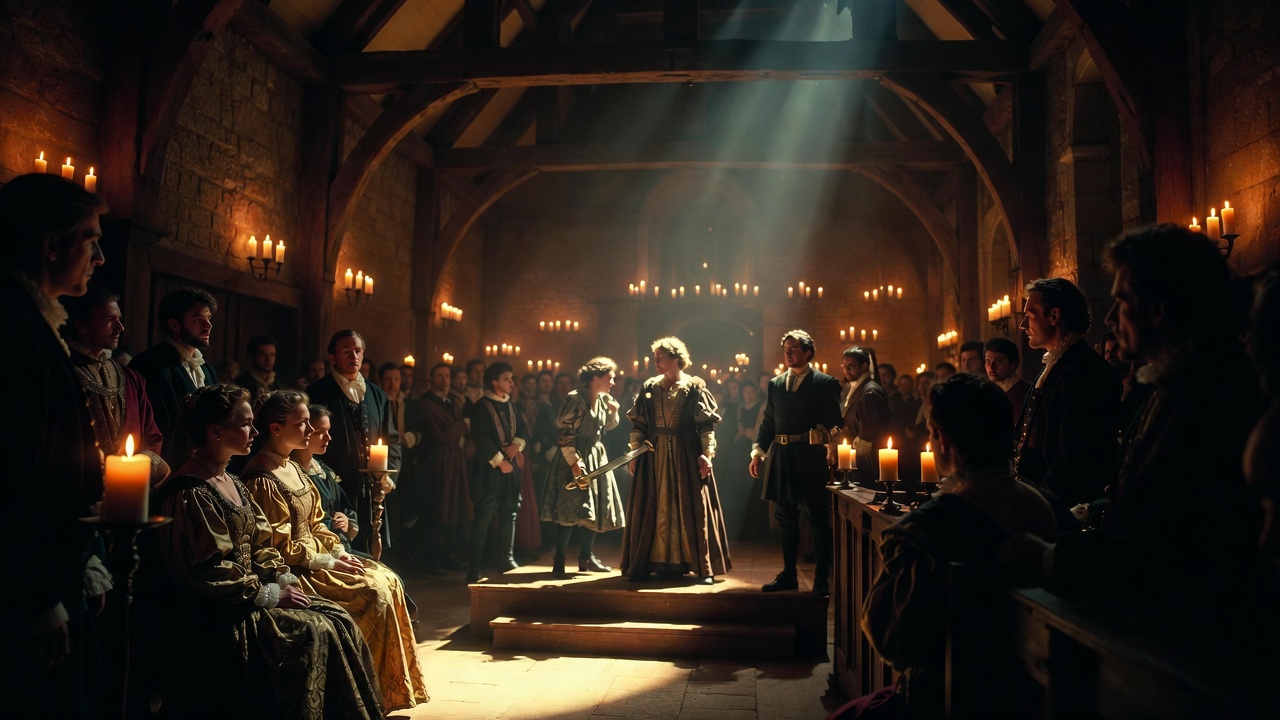 (Hamlet, Act 2, Scene 2) Modern paraphrase: I’ll use a play to test if Claudius is guilty. Context: Hamlet plans the Mousetrap to confirm the Ghost’s story. Analysis: Meta-theatrical brilliance—art as truth-revealer. Why iconic: Inspires discussions on theater’s power and moral testing.
 - “To be, or not to be, that is the question…” (Hamlet, Act 3, Scene 1 – The soliloquy) Full excerpt:
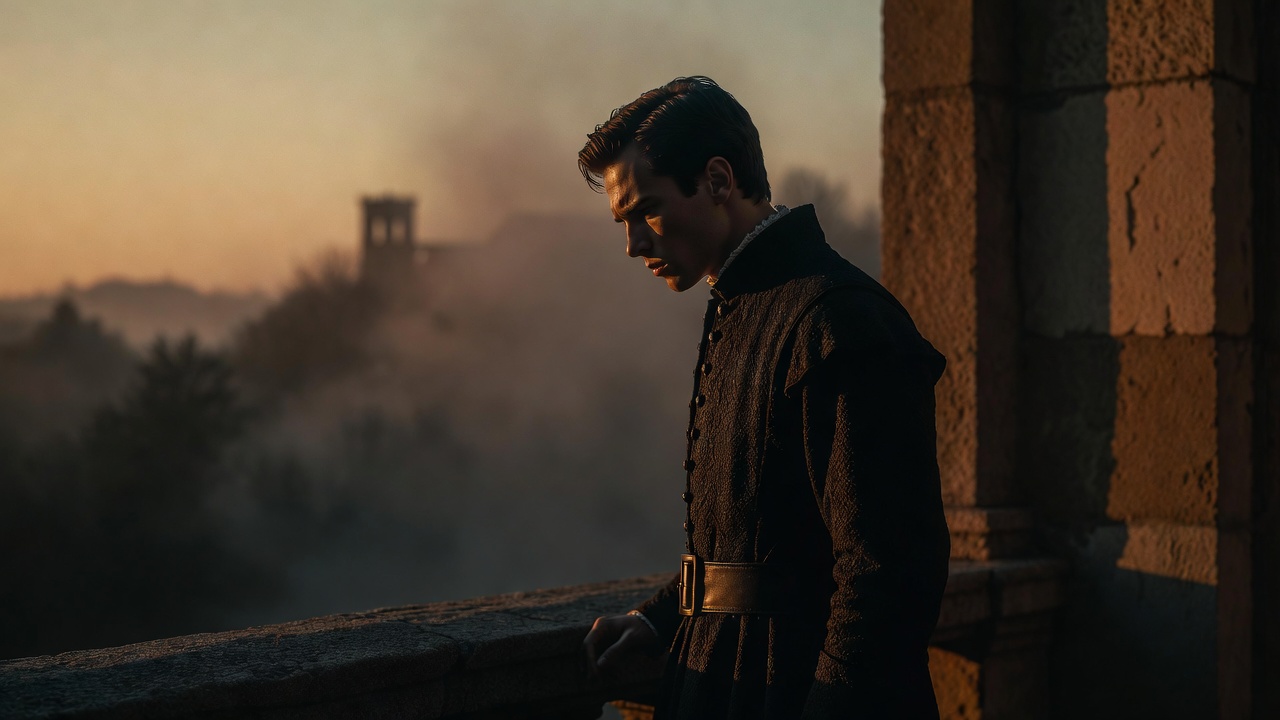 Whether ’tis nobler in the mind to suffer / The slings and arrows of outrageous fortune, / Or to take arms against a sea of troubles / And by opposing end them… Modern paraphrase: Is it better to endure life’s hardships or end them through death? But fear of what comes after stops us. Context: Hamlet contemplates suicide amid spying by Claudius and Polonius. Analysis: The pinnacle of existential philosophy—action vs. inaction, fear of the unknown (“the undiscovered country”). Literary devices include metaphor (“sea of troubles”) and antithesis. Why iconic: Arguably the most famous speech in English literature; referenced in philosophy, psychology, films (e.g., The Simpsons parodies), and mental health awareness.
 - “Get thee to a nunnery” (Hamlet, Act 3, Scene 1) Modern paraphrase: Go to a convent—away from men and corruption. Context: In the “nunnery scene,” Hamlet cruelly rejects Ophelia. Analysis: Blends misogyny, pain, and possible double entendre (“nunnery” as brothel slang). Why iconic: Sparks debates on gender and mental breakdown.
- “The lady doth protest too much, methinks” (Gertrude, Act 3, Scene 2) Modern paraphrase: She complains too vehemently (often misquoted without “methinks”). Context: During the play-within-a-play, Gertrude comments on the Player Queen’s vows. Analysis: Ironic self-indictment of her own quick remarriage. Why iconic: Describes overcompensation in guilt or denial.
- “There is nothing either good or bad, but thinking makes it so” (Hamlet, Act 2, Scene 2) Modern paraphrase: Morality is subjective—our perceptions define it. Context: To Rosencrantz and Guildenstern. Analysis: Relativism and Stoic influence. Why iconic: Echoes in modern psychology and philosophy.
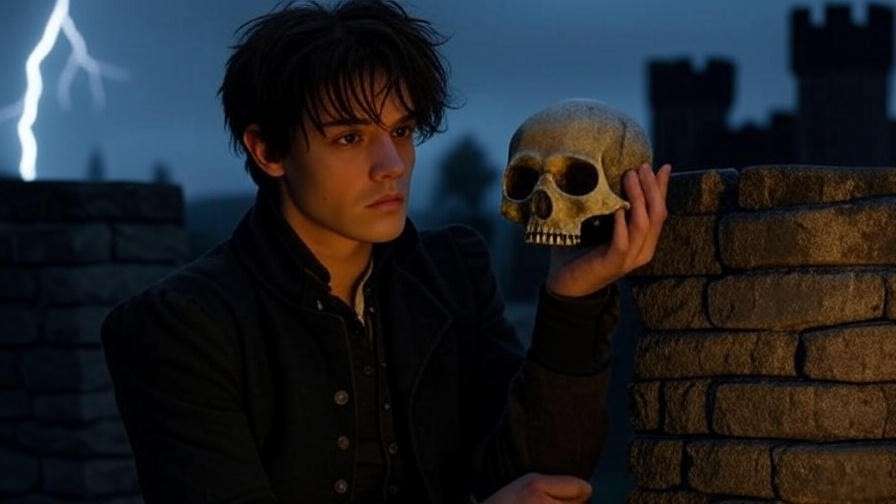
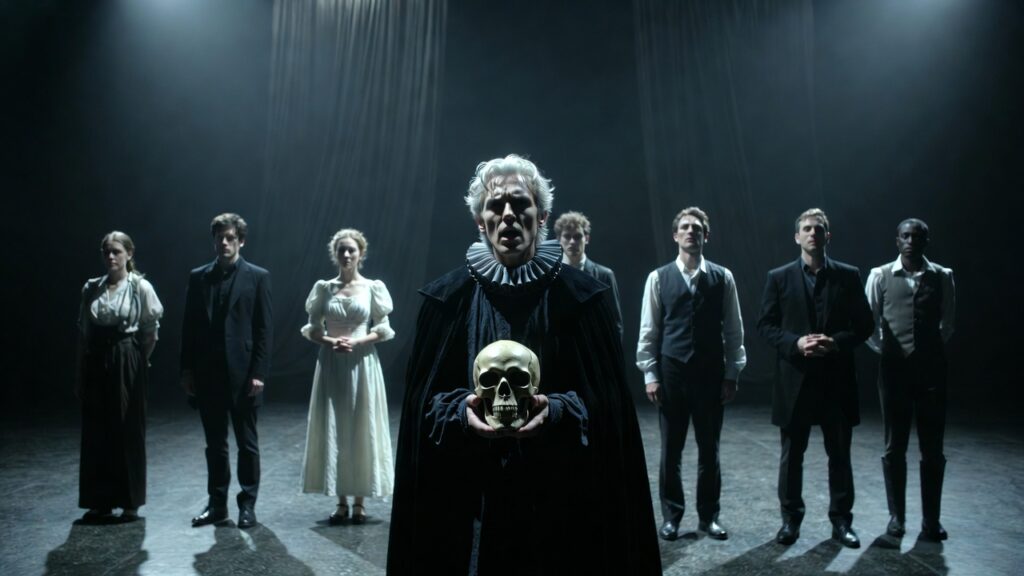
- “Alas, poor Yorick! I knew him, Horatio…” (Hamlet, Act 5, Scene 1) Full: A fellow of infinite jest, of most
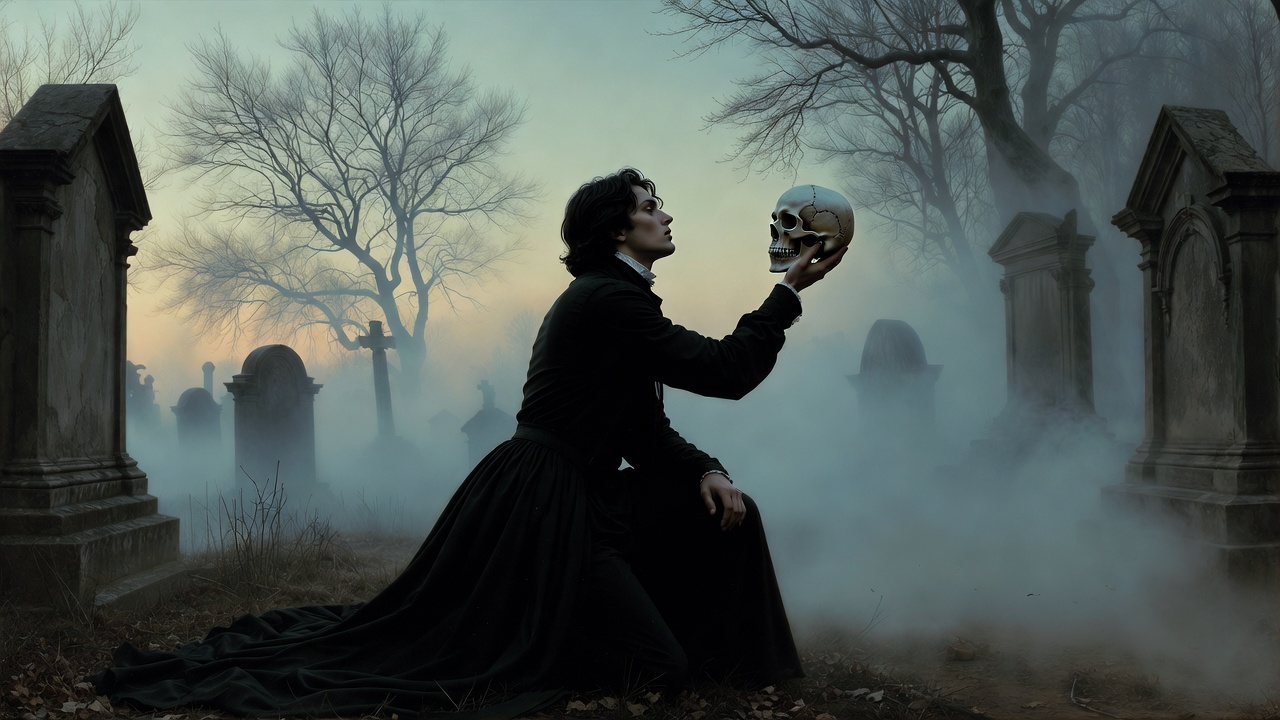 excellent fancy… Modern paraphrase: Look at this skull—once a jester I loved; now dust. Context: Graveyard scene with the gravediggers. Analysis: Memento mori—death equalizes all. Why iconic: Iconic skull imagery in art and adaptations.
 - “The readiness is all… Let be” (Hamlet, Act 5, Scene 2) Modern paraphrase: Whatever happens, happens. I’m ready. Let it be. Context: Before the final duel. Analysis: Acceptance of fate after turmoil. Why iconic: Offers peace amid tragedy.
Themes Illuminated by These Iconic Lines
Hamlet’s quotes interweave revenge (the Ghost’s command), madness (feigned or real), mortality (Yorick, “to be or not to be”), and appearance vs. reality (smiling villains, protests). They build a tragedy where personal anguish mirrors societal decay.
Hamlet’s Language: Literary Devices and Why They Endure
Shakespeare’s use of soliloquies allows direct access to thoughts, while puns and metaphors add layers. This psychological realism influenced modern drama and literature.
Modern Relevance: How These Lines Apply Today
“To be or not to be” speaks to mental health crises; “something is rotten” to political scandals; “to thine own self be true” to authenticity in a performative world. Hamlet appears in pop culture—from The Lion King to Star Trek—proving its timeless impact.
The best lines in Hamlet endure because they confront the human condition with unflinching honesty. Shakespeare’s words don’t just entertain—they provoke reflection on life, death, and morality. Reread the play, watch a production, or revisit these quotes when facing your own doubts. What’s your favorite line from Hamlet? Share in the comments below, and explore more Shakespeare insights on williamshakespeareinsights.
FAQs
What is the most famous line in Hamlet? “To be, or not to be, that is the question” – it’s the ultimate existential query.
Why is “To be or not to be” so important? It encapsulates the play’s core conflict: action vs. paralysis, life vs. death.
Are any best lines often misquoted? Yes—”Alas, poor Yorick! I knew him well” (it’s “I knew him, Horatio”); “the lady doth protest too much” omits “methinks.”
How many soliloquies does Hamlet have? Seven major ones, with “To be or not to be” the most celebrated.
What do these quotes teach about revenge? They show its destructive cycle—Hamlet’s delay leads to more tragedy.