Have you ever watched a beloved character spiral toward destruction, desperately wishing they could escape their fate—only to realize the story itself won’t allow it? This is the essence of being doomed by the narrative, a popular modern trope and meme that has taken over fandom spaces on Tumblr, Reddit, TikTok, and beyond since around 2022. The phrase describes characters whose tragic end—often death or utter downfall—isn’t just possible; it’s structurally inevitable, baked into the plot from the very beginning through foreshadowing, genre rules, or explicit warnings. The audience knows the outcome early, creating heartbreaking dramatic irony as the character fights in vain.
While this concept feels fresh in today’s internet culture—where fans lament figures like Prim from The Hunger Games or doomed siblings in epic tales—it’s far from new. In fact, William Shakespeare mastered it over 400 years ago in his tragedies. His heroes are announced as tragic before the curtain rises, trapped by prophecies, fatal flaws, family curses, or the very conventions of Elizabethan tragedy. Understanding “doomed by the narrative” through Shakespeare’s lens not only explains the meme but deepens our appreciation of why these plays still move us so profoundly. In this comprehensive guide, we’ll unpack the trope’s meaning, explore its roots in Shakespearean tragedy, dive into detailed case studies of iconic characters, and reflect on why these doomed figures continue to resonate in our modern world.
What Does “Doomed by the Narrative” Really Mean?
At its core, doomed by the narrative refers to a character whose fate is sealed not merely by bad luck or poor choices, but by the deliberate design of the story itself. As popularized in online communities, the phrase evolved from related concepts like “doomed by canon” (a TV Tropes entry from 2010 describing characters predestined to tragedy in adaptations or sequels). By mid-2022, Tumblr users began using “doomed by the narrative” in memes, such as the viral image macro: “This could be us but I’m already doomed by the narrative.”
Unlike general tragedy, where misfortune strikes unexpectedly, this trope involves structural inevitability. The character’s downfall serves the plot’s higher purpose—whether catharsis, moral commentary, thematic resolution, or emotional payoff. Key markers include:
- Early foreshadowing or outright announcements (prologues, prophecies, omens).
- Dramatic irony: The audience knows the doom, but the character remains blind or powerless.
- Fatal flaw (hamartia) amplified to ensure catastrophe.
- No viable escape: Alternate paths are illusions; every action funnels toward ruin.
In contemporary stories, it often feels meta, as if the narrative force is a palpable antagonist. In classical works like Shakespeare’s, it’s tied to fate, divine will, or genre expectations. Aristotle’s Poetics laid the groundwork: a tragedy evokes pity and fear through a noble hero’s reversal of fortune due to hamartia. Shakespeare elevated this by making the doom feel personal yet inescapable, creating profound emotional tension.
As a long-time student of Shakespeare and observer of literary memes, I’ve seen how this phrase bridges pop culture and classics. It helps explain why we grieve for characters we know can’t win—because the story demands their sacrifice.
The Roots of Doom in Shakespearean Tragedy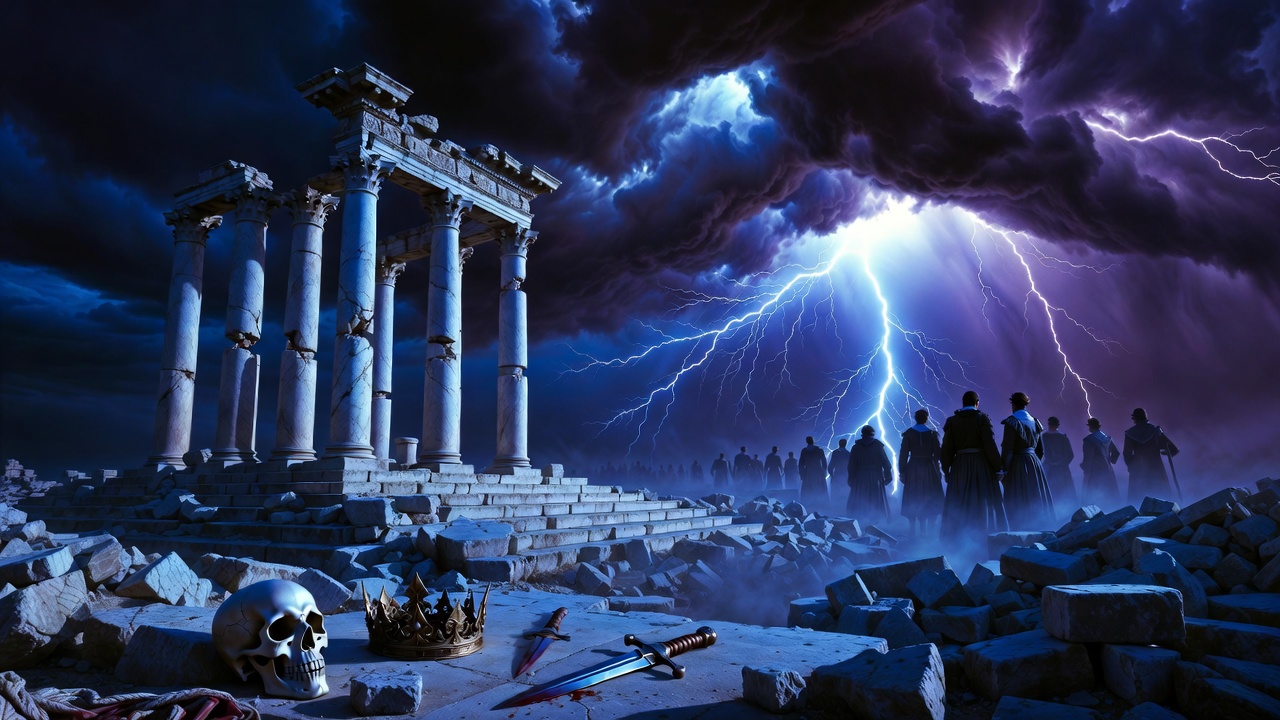
Shakespeare’s tragedies follow a blueprint that guarantees doom from the outset. Drawing from Senecan models and Aristotelian principles, he crafted protagonists of high status whose extraordinary virtues coexist with a single, fatal weakness. This hamartia triggers a chain reaction: the hero’s error leads to peripeteia (reversal), anagnorisis (recognition), and catastrophe.
What makes Shakespeare’s version feel quintessentially “doomed by the narrative” is the explicit signaling of inevitability:
- Prologues and choruses that spoil the ending (e.g., the Chorus in Romeo and Juliet declares the lovers “star-cross’d”).
- Supernatural elements like ghosts, witches, or omens that dictate paths.
- Soliloquies where characters articulate their trapped state.
- Structural closure: Elizabethan tragedy rarely allowed redemption; the genre required a body count and moral reckoning.
Critic A.C. Bradley, in his seminal 1904 work Shakespearean Tragedy, emphasized this oppressive atmosphere: the audience witnesses evil “almost irresistible,” aided by accidents and victims’ mistakes, yet “confined and oppressive.” No escape exists because the narrative arc demands it. Shakespeare’s world isn’t random; it’s purposefully tragic, designed to purge pity and fear through inevitable suffering.
Case Studies: Shakespeare’s Most Iconic “Doomed by the Narrative” Characters
Shakespeare’s tragedies abound with characters whose fates feel scripted from Act 1. Let’s examine the clearest examples.
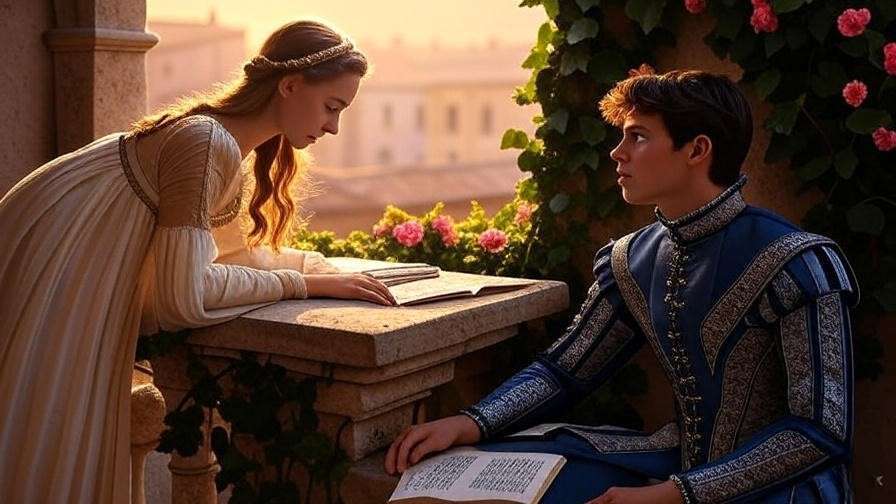
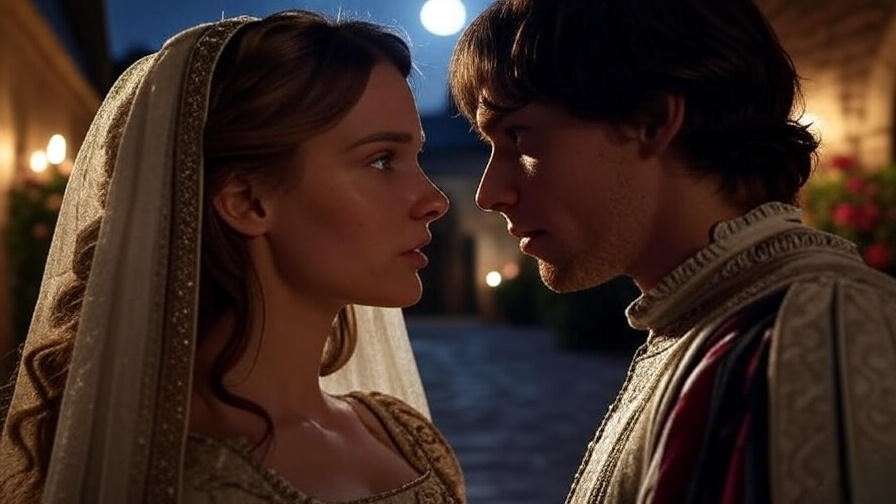
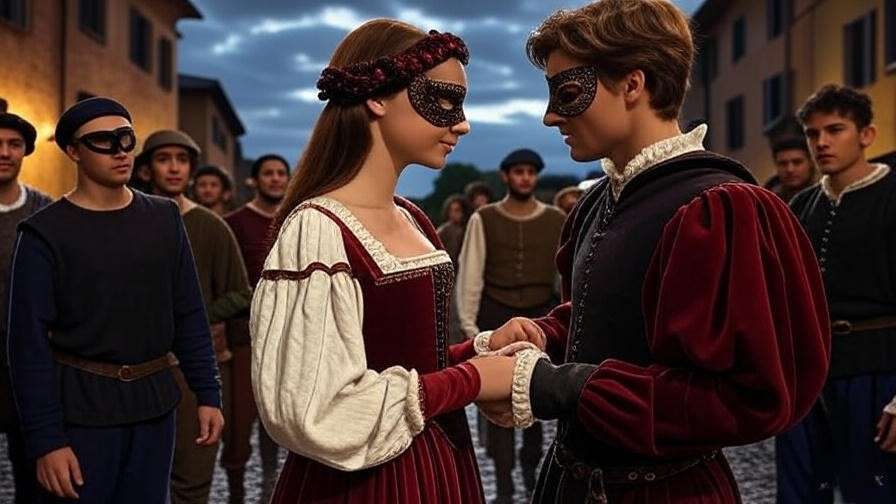
Romeo and Juliet: Star-Crossed from the Prologue
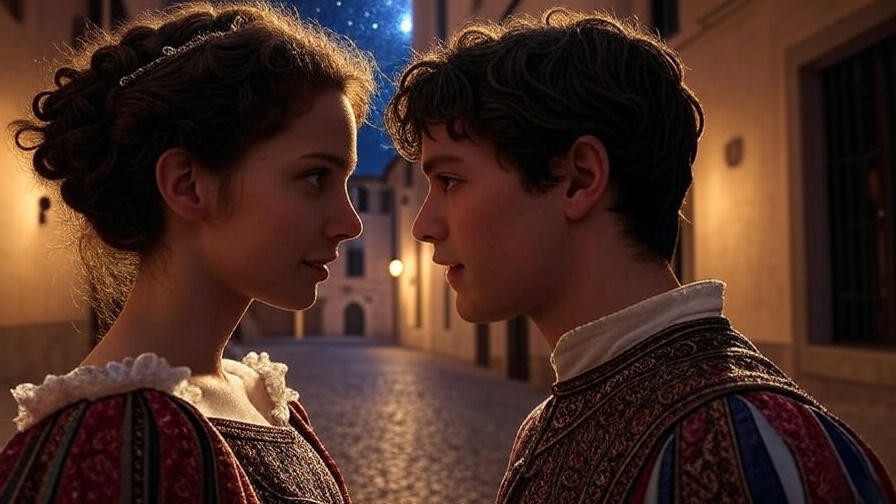
No Shakespeare play announces doom more bluntly. The Chorus’s opening sonnet states: “A pair of star-cross’d lovers take their life; / Whose misadventured piteous overthrows / Do with their death bury their parents’ strife.”
Romeo and Juliet embody the trope perfectly. Their love is genuine and passionate, yet narratively impossible due to the Montague-Capulet feud. Every attempt to defy fate—secret marriage, faked death—accelerates catastrophe. The “star-cross’d” label invokes astrological fate, rendering free will illusory. Their suicides aren’t accidents; they’re the only resolution the narrative permits, reconciling the families through sacrifice.
This mirrors modern “doomed by the narrative” examples like characters fated to die early for plot momentum. In Romeo and Juliet, the prologue makes escape impossible—audience knowledge heightens the pain of watching youthful hope crushed.
Macbeth: Prophesied and Self-Doomed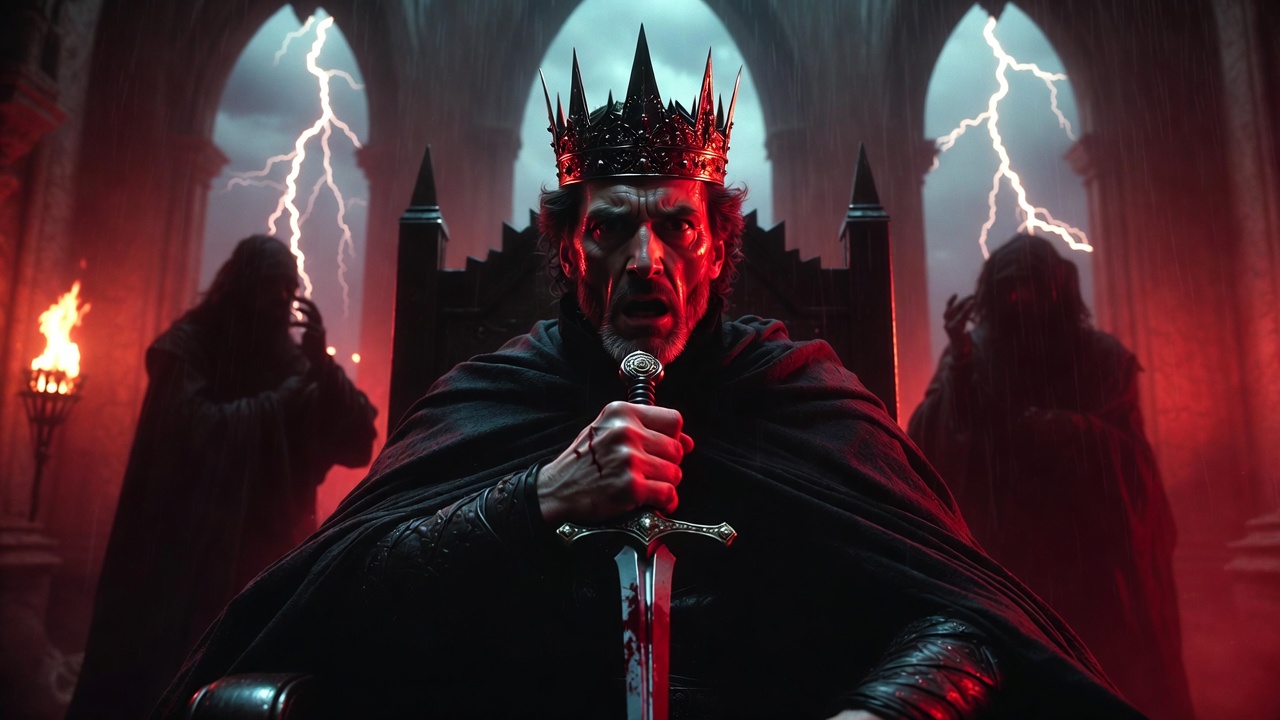
The witches’ prophecy—”All hail, Macbeth, that shalt be king hereafter!”—sets an inexorable path. Macbeth’s ambition (his hamartia) turns prediction into self-fulfilling prophecy. He murders Duncan, but each act deepens his paranoia, alienating allies and ensuring downfall.
The audience knows from the prophecy and early soliloquies that ambition will destroy him. Lady Macbeth’s line, “What’s done cannot be undone,” underscores narrative entrapment. Free will exists, yet it’s channeled toward doom; his choices fulfill rather than subvert the witches’ words.
Bradley noted the play’s accelerating tension: conflict begins late but rushes to catastrophe without pause. Macbeth is “doomed by the narrative” because the tragedy genre requires a tyrant’s fall, and his flaw guarantees it.
Hamlet: The Prince Trapped in His Own Tragedy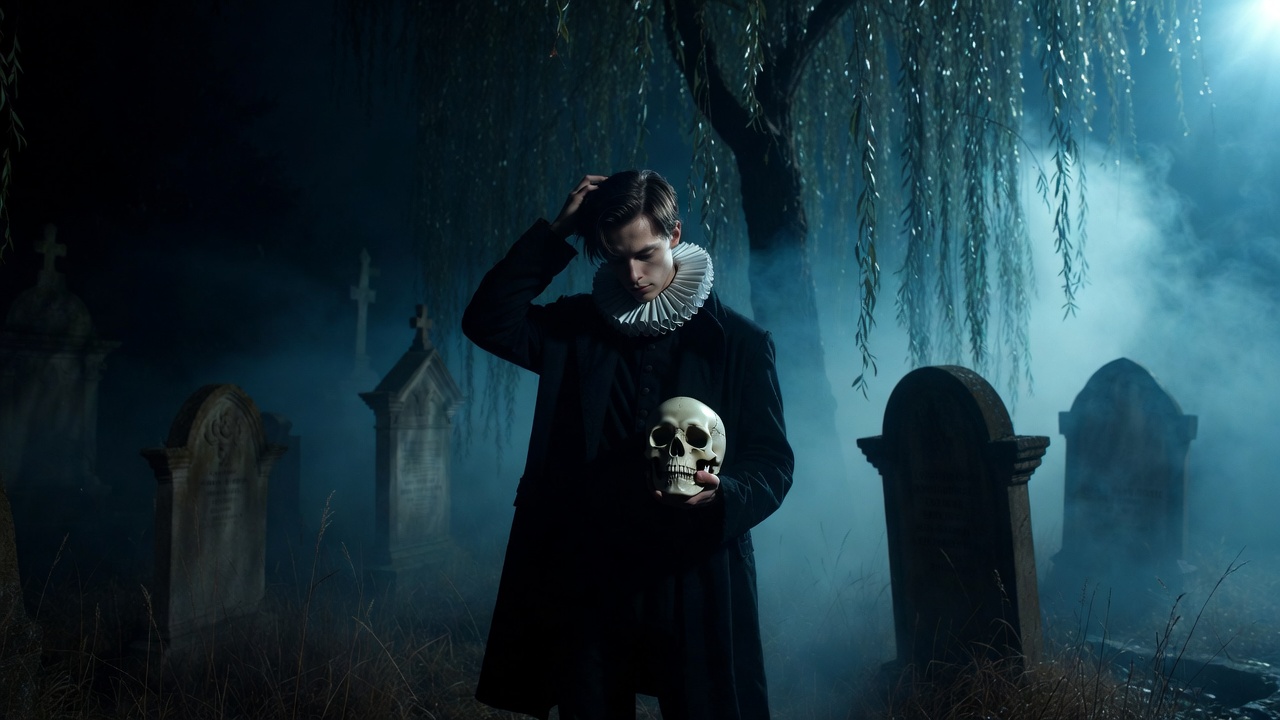
Hamlet is perhaps the most meta example. The Ghost’s command to revenge sets a revenge-tragedy structure he can’t escape. His famous soliloquy—”To be, or not to be”—reveals awareness of existential paralysis, yet inaction prolongs suffering.
The play-within-a-play highlights theatrical self-consciousness: Hamlet stages “The Mousetrap” to confirm guilt, but this awareness doesn’t save him. The narrative piles bodies—Polonius, Ophelia, Rosencrantz, Guildenstern, Laertes, Gertrude, Claudius, and finally Hamlet—because revenge tragedy demands cathartic devastation.
Hamlet’s tragedy lies in knowing he’s doomed yet being unable to rewrite the script. This resonates with modern fans who call characters “haunting the narrative” even in death.
Othello: The Noble Moor Undone by Jealousy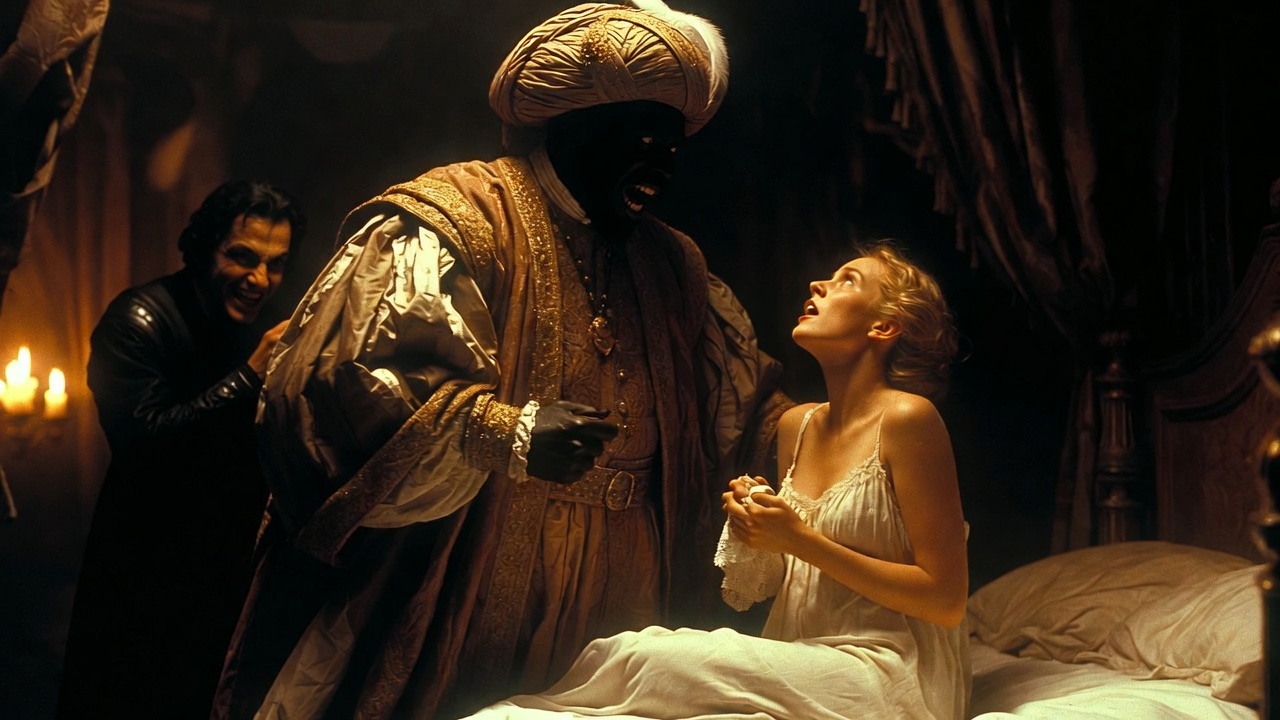
Othello’s insecurity and trust in Iago make his downfall feel engineered. Iago plants seeds of doubt, but Othello’s hamartia—jealousy amplified by outsider status—ensures he believes the lies. Desdemona’s innocence heightens irony; the audience sees manipulation while Othello descends into rage.
The tragedy ends in murder-suicide because jealousy must consume the hero. Bradley described Desdemona as “helplessly passive,” making her suffering excruciating. Othello is doomed not just by villainy, but by narrative need for a noble figure’s catastrophic fall.
Other mentions: King Lear’s division of the kingdom invites betrayal; Antony and Cleopatra’s passion defies Roman duty, sealing mutual destruction.
Why Shakespeare’s Doomed Heroes Still Resonate Today
In an age of fanfiction, alternate endings, and “fix-it” fics, Shakespeare’s refusal to grant escape feels radical. His tragedies force confrontation with human limits—flaws, fate, mortality—delivering catharsis absent in feel-good stories.
Psychologically, doomed characters evoke empathy: we see our vulnerabilities magnified. They teach that ambition unchecked, love without caution, or revenge without measure leads to ruin. In modern media—Game of Thrones deaths, Marvel’s tragic arcs—fans echo Shakespeare when crying “doomed by the narrative.”
These plays remind us tragedy’s beauty: through inevitable loss, we gain insight into the human condition.
How to Spot “Doomed by the Narrative” in Any Story
Use this checklist:
- Early explicit warnings (prologues, prophecies).
- Fatal flaw that characters can’t overcome.
- Genre conventions requiring downfall.
- Audience foreknowledge creating irony.
- Actions that ironically hasten doom.
Apply it beyond Shakespeare—to The Hunger Games, Breaking Bad, or epic fantasies—for richer reading.
Expert Insights and Deeper Literary Analysis
A.C. Bradley observed that Shakespeare’s tragedies explore moral ambiguity: evil seems “irresistible,” yet characters bear responsibility. This tension—fate vs. free will—fuels the trope’s power. Personally, rereading these plays with the meme in mind reveals layers: Shakespeare’s genius lies in making doom feel earned yet heartbreaking.
Shakespeare’s tragic heroes are the archetype of doomed by the narrative—fated from the start, their struggles poignant because futile. Embracing this inevitability reveals tragedy’s profound gift: understanding our flaws through others’ falls.
Revisit these plays; share your favorite doomed character below. For more Shakespeare insights, explore related articles on this blog.
FAQs
What does “doomed by the narrative” mean in simple terms? A character whose tragic fate is required by the story’s structure—no happy ending possible.
Is every Shakespeare tragedy character doomed by the narrative? Primarily the protagonists; secondary figures suffer as collateral, but heroes’ downfalls drive the plot.
How does this trope differ in comedies vs. tragedies? Comedies resolve happily (marriages, reconciliations); tragedies demand catastrophe for catharsis.
Can modern adaptations change a character’s doomed fate? Some try (e.g., West Side Story variations), but core adaptations preserve the tragedy.
Why do fans love calling characters “doomed by the narrative”? It captures the bittersweet mix of love for the character and acceptance of the story’s demands.