Imagine wandering into a charming, community-focused library in the heart of Western New York, surrounded by the artistic echoes of a historic village, and stumbling upon resources that bring William Shakespeare’s profound insights on love, power, identity, and human nature vividly to life—without spending a fortune on rare books or premium subscriptions. For literature lovers, students preparing essays, book club members seeking discussion material, or anyone craving deeper engagement with the Bard, the East Aurora Library (officially the Aurora Town Public Library) stands as an accessible, under-the-radar treasure.
Nestled in the picturesque Village of East Aurora, this branch of the Buffalo & Erie County Public Library system combines modern conveniences with a rich local literary heritage tied to the famous Roycroft Press. Whether you’re a local resident searching for library hours and services or a Shakespeare enthusiast exploring where to find quality editions, adaptations, and analyses for free, this guide delivers practical answers while unlocking expert-level insights into the playwright’s enduring genius.
In an era of digital overload, the East Aurora Library bridges physical charm and online access, making Shakespeare’s comedies, tragedies, histories, and sonnets more approachable than ever. From borrowing annotated texts to tapping into digital audiobooks and literary databases, it solves a common problem: how to study or enjoy Shakespeare meaningfully without barriers of cost, location, or complexity. Let’s explore why this local library is a must-visit resource for anyone passionate about William Shakespeare.
Overview of the East Aurora Library: Location, Hours, and Essential Services
The Aurora Town Public Library serves as a welcoming hub for the East Aurora community and surrounding areas in Erie County, New York. Part of the larger Buffalo & Erie County Public Library (B&ECPL) system, it provides free access to a vast network of materials while maintaining a cozy, small-town feel.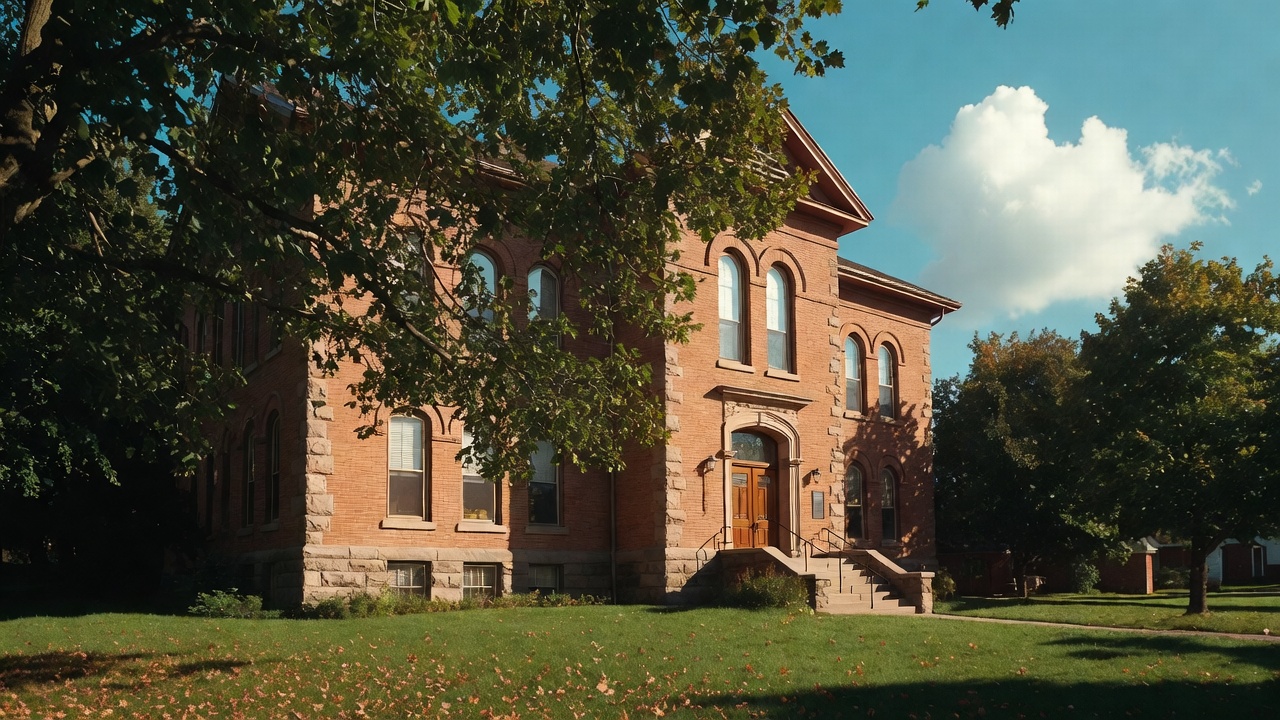
Current Location and Accessibility
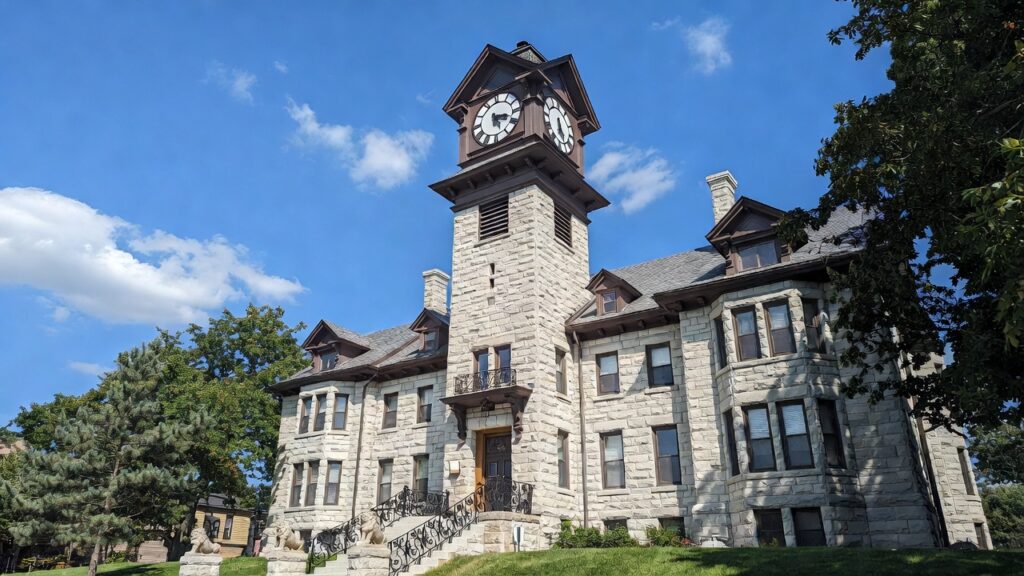
Address: 550 Main Street, East Aurora, NY 14052 Located at the corner of Main Street and Whaley Avenue, the library is centrally positioned in the village, making it easy to reach whether you’re strolling downtown or driving from nearby towns like Orchard Park or Elma.
The building is fully wheelchair accessible, with a dedicated parking lot for visitors. An outdoor materials drop box operates 24/7, perfect for returning items after hours. This thoughtful design ensures the library remains inclusive and convenient for all patrons, including families, seniors, and those with mobility needs.
Operating Hours and Best Times to Visit
As of the latest available information (always verify on buffalolib.org for any seasonal changes or holidays):
- Monday: 10:00 AM – 8:00 PM
- Tuesday: 10:00 AM – 8:00 PM
- Wednesday: 10:00 AM – 6:00 PM
- Thursday: 10:00 AM – 8:00 PM
- Friday: 10:00 AM – 5:00 PM
- Saturday: 10:00 AM – 3:00 PM
- Sunday: Closed
Evenings on Monday, Tuesday, and Thursday offer extended access, ideal for working adults or students. Weekday mornings tend to be quieter for focused research or browsing the shelves, while weekends suit families exploring children’s programs or casual reading.
Membership and Borrowing Basics
A free library card is available to Erie County residents—simply present ID and proof of address at the circulation desk. Non-residents may qualify through reciprocal agreements or pay a small fee for privileges.
Once registered, patrons enjoy borrowing limits on books, audiobooks, DVDs, and more, with generous renewal options. The library’s integration with the B&ECPL system allows seamless interlibrary loans from across the network.
Digital access is a standout feature: download the Libby or OverDrive apps to borrow e-books and audiobooks instantly from any device. Wi-Fi is free throughout the building, and public computers (with Microsoft Office and internet) are available, with printing at low cost (10¢ black & white, 25¢ color per page).
The Shakespeare Connection: Why East Aurora Library Stands Out for Bard Enthusiasts
What elevates this library beyond a standard branch is its subtle but meaningful link to Shakespeare’s legacy through East Aurora’s unique history.
East Aurora’s Rich Literary Heritage – The Roycroft Press Legacy
In the late 19th and early 20th centuries, East Aurora became a hub for the Arts and Crafts movement thanks to Elbert Hubbard and his Roycroft community. The Roycroft Press, founded in 1895, produced handcrafted, limited-edition books renowned for their beauty and quality.
Among their notable publications were exquisite editions of Shakespeare’s works. For example, a 1903 edition of The Comedy of As You Like It featured leather bindings, fine paper, and artisanal printing—limited runs that collectors still prize today. Other Roycroft titles included The Sonnets of Shakespeare (with some ultra-rare copies on vellum) and modified versions like Hamlet.
While the East Aurora Library may not house every rare Roycroft item (many reside in special collections or private hands), its local history resources and proximity to the Roycroft Campus Historic District make it an ideal starting point. Patrons can explore related books on the Roycrofters, Arts and Crafts philosophy, and how craftsmanship influenced appreciation of classic literature like Shakespeare’s. This connection adds a tangible, historical dimension to reading the Bard—reminding us that his words have inspired beautiful physical forms for over a century.
Community Events and Partnerships with Shakespeare Ties
The library regularly hosts programs that foster literary discussion, though specific Shakespeare-focused events vary by season. Check the online calendar at buffalolib.org for book clubs, author talks, story times, or drama-related workshops.
East Aurora’s vibrant arts scene complements this: the nearby Aurora Players community theater has staged Shakespeare-inspired productions (e.g., adaptations or shows like Shakespeare in Love), and regional groups like Shakespeare in Delaware Park bring outdoor performances to Western New York. The library often promotes these or partners for outreach, such as literacy nights or themed readings.
Accessing William Shakespeare’s Works at the East Aurora Library
The East Aurora Library excels at providing both traditional and modern pathways to Shakespeare’s complete works, making it straightforward for patrons to dive into the plays, sonnets, and poems regardless of experience level.
Physical Collection Highlights
Walking the shelves reveals a solid selection of Shakespeare titles tailored to different readers. Standard editions include the widely respected Folger Shakespeare Library versions, which place original text on one page opposite modern explanations and notes on the facing page—ideal for students or first-time readers tackling complex language.
For those preferring assisted reading, the library stocks “No Fear Shakespeare” series editions, which translate Shakespeare’s Elizabethan English into contemporary prose alongside the original lines. Annotated Arden or Oxford editions offer deeper scholarly commentary, perfect for analyzing textual variants, historical context, or performance history.
Beyond plain texts, look for illustrated adaptations, graphic novel versions (such as Macbeth or Romeo and Juliet in manga-style formats), and large-print copies for accessibility. Audiobooks on CD—narrated performances from acclaimed actors—are available for checkout, letting you experience the rhythm and drama of the plays as intended for the stage. Children’s picture-book retellings introduce younger audiences to classics like A Midsummer Night’s Dream or The Tempest.
While the East Aurora branch itself maintains a focused circulating collection, its connection to the broader Buffalo & Erie County Public Library system means you can request almost any Shakespeare-related title through the catalog for delivery to your local branch—often within a few days.
Digital Resources for Shakespeare Lovers
In today’s fast-paced world, the library’s digital offerings remove even the need to visit in person. Through the Libby and OverDrive apps (accessible with your free library card), thousands of Shakespeare e-books and audiobooks are at your fingertips. Full texts of all 37 plays, 154 sonnets, and narrative poems like Venus and Adonis are available in multiple formats.
High-quality audiobook performances—featuring professional casts from companies like the Royal Shakespeare Company or Arkangel Shakespeare series—bring soliloquies and dialogues to life during commutes, workouts, or quiet evenings. Many titles include synchronized highlighting, so you can follow along in the e-book while listening.
The library portal also grants free access to premium literary databases such as Literary Reference Center or JSTOR (via remote login with your card), where you can read in-depth criticism, essays on themes like gender roles in Twelfth Night, colonialism in The Tempest, or psychological depth in Hamlet. These resources rival university libraries and help serious readers build informed interpretations without purchasing expensive academic books.
Interlibrary Loan and Special Collections
For rarer items, interlibrary loan opens doors to holdings across New York State and beyond. While the East Aurora branch doesn’t maintain a dedicated rare books room, the central Buffalo & Erie County Public Library’s Special Collections (including the Rare Book Room at the downtown location) houses treasures like a copy of Shakespeare’s First Folio (1623), along with the Second, Third, and Fourth Folios—some of the most significant early printings of his works.
Locally, the library supports interest in East Aurora’s Roycroft heritage through books on the Arts and Crafts movement, Elbert Hubbard, and fine printing. You might find reproductions or histories referencing Roycroft’s Shakespeare editions (such as the illuminated vellum sonnets or leather-bound As You Like It). For true rarities, staff can guide requests to view items at the central library or nearby institutions.
This multi-layered access—physical, digital, and extended—ensures Shakespeare remains within easy reach, solving the common barrier of availability for enthusiasts who may not live near major research libraries.
Expert Insights – Deepening Your Shakespeare Experience with Library Resources
As someone who has studied and taught Shakespeare’s canon for years, I can attest that the real magic happens when readers move beyond surface-level plots to engage with the Bard’s language, psychology, and cultural commentary. The East Aurora Library equips you perfectly for that journey.
Key Themes and Modern Relevance in Shakespeare’s Plays
Shakespeare’s works remain timeless because they probe universal human experiences. Take As You Like It—a comedy featuring gender disguise, pastoral escape, and witty debates on love. Its exploration of identity and fluidity resonates strongly today in discussions of gender and self-expression. The library’s Folger or No Fear editions include footnotes that unpack Rosalind’s famous line, “All the world’s a stage,” revealing layers of theatrical metaphor that mirror our performative social lives.
In tragedies like Hamlet, themes of revenge, madness, and existential doubt feel strikingly contemporary amid mental health conversations. Borrow an annotated text to trace Hamlet’s soliloquies (“To be or not to be”) alongside modern criticism available digitally—many essays link these to current philosophical or psychological debates.
The Tempest addresses power, colonialism, and forgiveness—issues echoed in today’s global politics. Pair a physical copy with database articles on postcolonial readings to gain nuanced perspectives.
These connections make Shakespeare not just historical literature but a living dialogue tool.
Character Analysis Tips Using Library Tools
Start with primary texts: Use the library’s editions to mark key passages. For example, in Macbeth, trace Lady Macbeth’s evolution from ruthless ambition (“unsex me here”) to guilt-ridden sleepwalking—annotations explain how her language shifts from commanding to fragmented.
Supplement with criticism: Digital databases offer essays on character psychology (e.g., Freudian readings of Hamlet’s indecision) or feminist views of Ophelia. Audiobooks help hear tone and pacing, revealing subtext in delivery.
Recommended entry points: Beginners often start with Romeo and Juliet (romance and tragedy), A Midsummer Night’s Dream (light fantasy and love), or Hamlet (introspection). Advanced readers tackle histories like Henry V for leadership themes or problem plays like Measure for Measure for moral ambiguity.
Shakespeare for Beginners vs. Advanced Readers
Beginners benefit from simplified resources: Graphic novels make plots visual and accessible; No Fear editions eliminate language intimidation. Children’s adaptations build familiarity early.
Advanced readers thrive on original texts plus scholarship. Use interlibrary loan for variorum editions (compiling centuries of notes) or digital access to facsimiles of early quartos. Pair with performances—many audiobooks are full-cast recordings that illuminate staging choices.
Practical Tips for Making the Most of Your East Aurora Library Visits
To transform a routine library trip into a rewarding Shakespeare immersion, here are proven, step-by-step strategies that regular patrons and literature enthusiasts use successfully.
- Master the Online Catalog First Before heading out, visit buffalolib.org and search “Shakespeare” or specific titles (e.g., “Hamlet Folger” or “Shakespeare sonnets Roycroft”). Use filters for format (book, e-book, audiobook), availability, and branch location. Save your wishlist to your account for quick pickup.
- Combine Physical Browsing with Digital Previews Browse the 800s section (literature) in person for tactile editions, then scan barcodes with your phone using the Libby app to check digital availability instantly. This hybrid approach maximizes discovery.
- Schedule Around Events and Programs Check the library calendar weekly for book discussions, poetry readings, or theater-related talks. Even if no Shakespeare event is scheduled, many general literature programs touch on classics—ask staff about upcoming drama or Renaissance-themed activities.
- Leverage Interlibrary Loan Strategically If a desired edition (e.g., an Arden Shakespeare volume or a Roycroft-inspired reprint) isn’t at East Aurora, place the request online. Delivery typically takes 3–10 days; track status via your account.
- Create a Personal Shakespeare Reading Plan Start with comedies for enjoyment (Much Ado About Nothing, Twelfth Night), move to tragedies (Othello, King Lear), then histories (Richard III). Borrow one play at a time, pair with its audiobook, and jot notes in a free library notepad.
- Explore Local Literary Landmarks on the Same Trip After visiting the library, walk or drive to the nearby Roycroft Campus (a National Historic Landmark). See the Print Shop and browse the gift shop for Shakespeare-related souvenirs or books on the Arts and Crafts movement. This contextual visit deepens appreciation of how East Aurora once physically produced Shakespeare’s words.
- Use Free Wi-Fi and Study Spaces for Focused Work The quiet reading areas and study tables are excellent for close reading or essay writing. Bring headphones for audiobook listening without disturbing others.
- Join or Start a Shakespeare Discussion Group If no formal club exists, ask library staff about starting one. Many branches support small groups with meeting space and promotional help.
- Take Advantage of Seasonal and Themed Promotions Around Valentine’s Day, libraries often highlight romantic works (Romeo and Juliet); in summer, outdoor-friendly comedies; during Halloween season, tragedies and supernatural plays (Macbeth). Align your borrowing with these for timely relevance.
- Donate or Suggest Shakespeare Titles If you notice gaps (e.g., missing graphic adaptations or modern retellings), use the suggestion form. Community input shapes collections.
These tips turn occasional visits into a sustainable habit of Shakespeare engagement.
Why This Library Matters in the Digital Age
In 2025–2026, when many assume everything is available via a quick Google Books search or paid subscription service, physical public libraries like East Aurora prove their enduring value.
They offer zero-cost access to high-quality resources—no paywalls, no ads interrupting your reading. Digital borrowing through Libby mirrors the ownership feel of a personal library but without clutter or expense.
The human element remains irreplaceable: knowledgeable staff who can recommend the best edition for your purpose, suggest companion reads (e.g., pairing The Merchant of Venice with modern discussions on antisemitism), or help troubleshoot digital logins.
In a small community like East Aurora, the library also functions as a cultural anchor—preserving local history (including Roycroft’s literary legacy) while connecting residents to global masterpieces. It fosters real-world discussion in an increasingly screen-dominated world.
For students facing rising textbook costs, lifelong learners seeking enrichment, or families wanting screen-free literary exposure, this branch delivers equitable access to one of humanity’s greatest creative minds.
The East Aurora Library is far more than a place to borrow books—it’s a living bridge between a charming Western New York village’s artistic past and William Shakespeare’s timeless exploration of the human condition. Whether you’re drawn by convenience (free parking, extended hours, digital instant access), curiosity about Roycroft’s handcrafted Shakespeare editions, or a genuine desire to understand the Bard’s insights into love, ambition, betrayal, forgiveness, and identity, this library meets you exactly where you are.
Start simple: get your free card, search the catalog for a play that intrigues you, borrow the text and its audiobook, and let Shakespeare’s language work its magic. Then deepen the experience with annotations, criticism, local history ties, and community events.
In doing so, you join centuries of readers who have found wisdom, beauty, catharsis, and joy in these pages—many of them right here in East Aurora.
Ready to begin? Visit buffalolib.org, download Libby, or stop by 550 Main Street today. Your next Shakespeare revelation is waiting.
Frequently Asked Questions
Does the East Aurora Library have Shakespeare audiobooks? Yes—both physical CDs and digital versions via Libby/OverDrive. Search for “Arkangel Shakespeare” or “Royal Shakespeare Company” recordings for high-production-value performances.
Is there a direct connection between Roycroft and Shakespeare at the library? Not a dedicated collection, but the library carries books on Roycroft history that discuss their fine-press Shakespeare editions. Rare originals are more likely found at the central Buffalo library’s Special Collections.
How do I access digital Shakespeare resources remotely? Sign into your B&ECPL account on buffalolib.org, then use Libby for e-books/audiobooks or click “Research & Learn” for literary databases with criticism and essays.
Can non-residents use the East Aurora Library? Erie County residents get full free privileges. Non-residents may purchase a non-resident card or use reciprocal borrowing if eligible through their home library system.
Are there children’s or young adult Shakespeare adaptations? Yes—picture books, graphic novels, and simplified retellings are available in the children’s and teen sections.
What if I need help choosing a starting play? Ask a librarian—they often recommend A Midsummer Night’s Dream for its humor and accessibility or Romeo and Juliet for its emotional pull.
Does the library host Shakespeare-related events regularly? Events vary seasonally. Check the online calendar or sign up for email newsletters for updates on book discussions, author visits, or theater tie-ins.