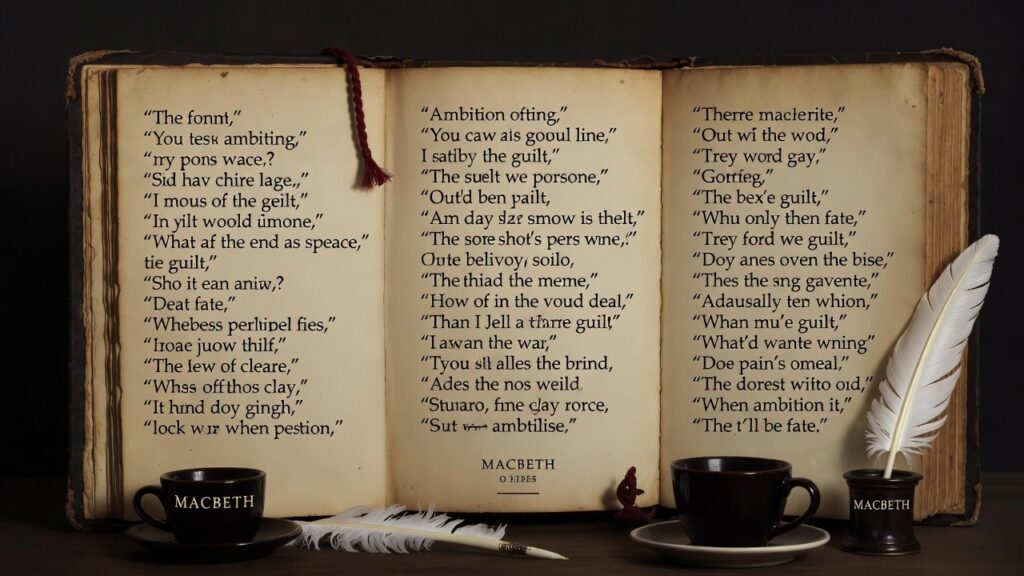
Imagine hearing a whisper in the dark that changes everything: words that promise power, yet doom the speaker to madness and destruction. Shakespeare’s Macbeth, written around 1606, remains one of the most quoted tragedies in literature because its language captures the raw terror of human ambition gone wrong. Famous lines from Macbeth echo through centuries — from classrooms and theater stages to modern films, psychology texts, and even casual idioms like “double trouble” or “something wicked this way comes.”
In this in-depth guide, we explore the most iconic quotes from Shakespeare’s darkest play, providing the original text, precise act and scene references, character context, line-by-line analysis, key literary devices, thematic significance, and their lasting relevance today. Whether you’re a student preparing for exams, a teacher seeking fresh insights, or a Shakespeare enthusiast diving deeper, this article offers more comprehensive explanations and connections than typical quote lists, helping you truly understand why these lines endure.
A Brief Overview of Macbeth’s Plot and Themes
Macbeth tells the story of a brave Scottish general who, after encountering three witches who prophesy his rise to kingship, succumbs to overwhelming ambition. Encouraged by his ruthless wife, Lady Macbeth, he murders King Duncan to seize the throne. What follows is a spiral of paranoia, more murders, hallucinations, and civil war, culminating in Macbeth’s downfall.
The play delves into profound themes:
- Unchecked ambition and the corrupting influence of power
- Guilt and conscience, manifesting as psychological torment
- Appearance versus reality — deception, equivocation, and illusion
- Fate versus free will, with supernatural forces tempting but not forcing action
- The supernatural and the inversion of natural order
- Gender roles and toxic masculinity
These famous lines from Macbeth serve as windows into these ideas, revealing how Shakespeare’s poetry probes the darkest corners of the human psyche.
The Top 12 Most Famous Lines from Macbeth (Curated & Ranked by Cultural Impact)
Here are twelve of the play’s most enduring quotes, presented in roughly chronological order for narrative flow. Each includes the full quote (using modernized spelling for readability), a brief modern paraphrase, speaker, act/scene reference, context, deeper analysis, literary devices, thematic ties, and modern echoes.
1. “Fair is foul, and foul is fair” – The Three Witches (Act 1, Scene 1)
Full quote: “Fair is foul, and foul is fair: / Hover through the fog and filthy air.”
Modern paraphrase: What seems good is evil, and what seems evil is good — let’s move through the misty chaos.
Context: The play opens with the witches in a storm, setting an ominous tone right after a battle.
Deeper meanings: This paradoxical chant establishes the moral inversion central to the tragedy. It foreshadows how appearances deceive — Macbeth appears loyal but becomes a tyrant, and “fair” prophecies lead to foul deeds.
Literary devices: Paradox (contradictory terms that reveal truth), alliteration (“fair…foul”), and rhyming couplet for incantatory effect.
Thematic significance: Appearance vs. reality; the supernatural blurring moral boundaries.
Modern relevance: Often referenced in discussions of hypocrisy, fake news, or moral ambiguity in politics and media.
2. “Come you spirits / That tend on mortal thoughts, unsex me here” – Lady Macbeth (Act 1, Scene 5)
Full quote (excerpt): “Come, you spirits / That tend on mortal thoughts, unsex me here, / And fill me from the crown to the toe top-full / Of direst cruelty… Come to my woman’s breasts, / And take my milk for gall…”
Modern paraphrase: Spirits, remove my femininity and fill me with cruelty; turn my nurturing milk into bitter poison.
Context: Lady Macbeth reads her husband’s letter about the prophecy and invokes dark forces to steel herself for murder.
Deeper meanings: This soliloquy reveals her fear that womanly compassion will hinder ambition. She rejects traditional gender roles, associating cruelty with masculinity — a radical, disturbing inversion.
Literary devices: Invocation (prayer-like address to spirits), metaphor (milk to gall), imagery of bodily transformation.
Thematic significance: Gender and ambition; how societal expectations of femininity clash with ruthless power.
Modern relevance: Frequently analyzed in feminist criticism and referenced in discussions of women in leadership facing stereotypes.
3. “Is this a dagger which I see before me” – Macbeth (Act 2, Scene 1)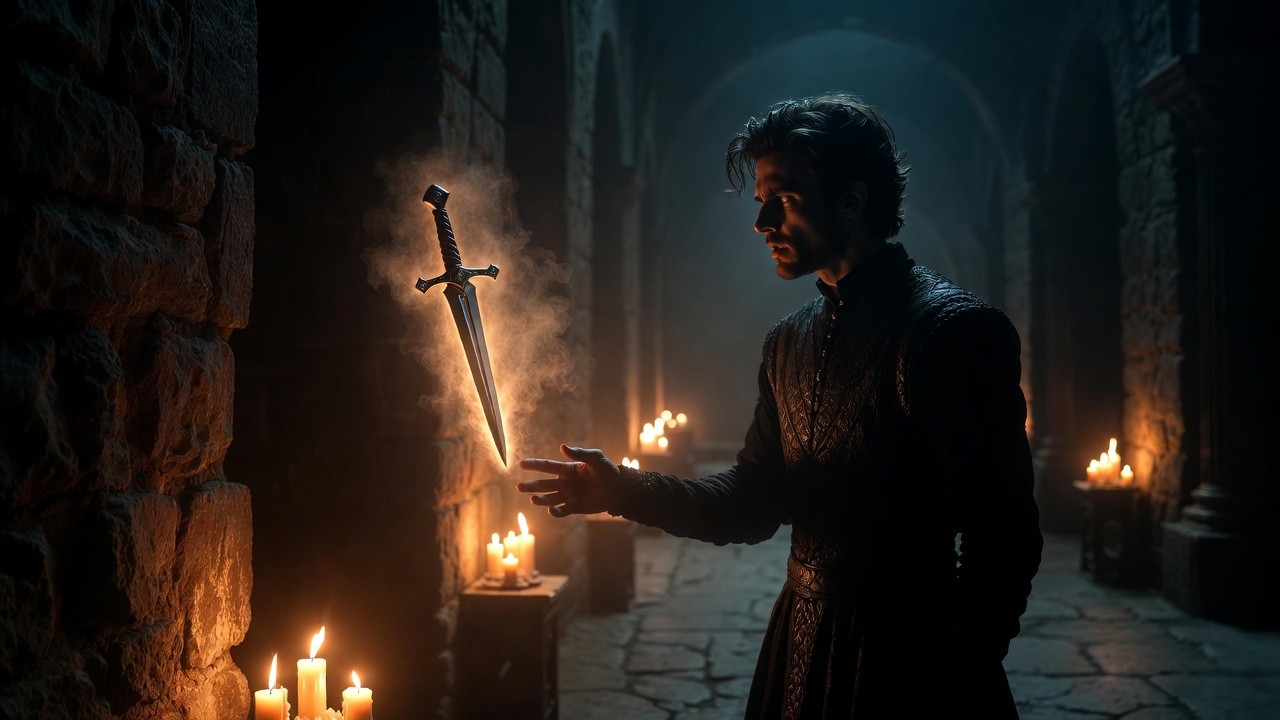
Full quote (excerpt): “Is this a dagger which I see before me, / The handle toward my hand? Come, let me clutch thee. / I have thee not, and yet I see thee still…”
Modern paraphrase: Am I hallucinating a dagger pointing me toward the murder?
Context: Alone before killing Duncan, Macbeth sees a floating dagger — a product of his guilty mind.
Deeper meanings: The hallucination symbolizes the blurring line between thought and action; ambition manifests as a physical temptation.
Literary devices: Soliloquy, rhetorical questions, personification of the dagger, dramatic irony (audience knows it’s illusion).
Thematic significance: Appearance vs. reality; the psychological cost of ambition.
Modern relevance: Iconic in films like Roman Polanski’s 1971 adaptation; used in psychology to illustrate hallucinations and guilt.
4. “Will all great Neptune’s ocean wash this blood / Clean from my hand?” – Macbeth (Act 2, Scene 2)
Full quote (excerpt): “Will all great Neptune’s ocean wash this blood / Clean from my hand? No, this my hand will rather / The multitudinous seas incarnadine, / Making the green one red.”
Modern paraphrase: Could the entire ocean wash Duncan’s blood from my hands? No — my hands would turn the seas blood-red.
Context: Immediately after the murder, Macbeth is overwhelmed by guilt.
Deeper meanings: The blood imagery shows guilt as indelible; no external force can cleanse internal sin.
Literary devices: Hyperbole, metaphor (blood as stain), mythological allusion (Neptune, god of the sea).
Thematic significance: The relentlessness of guilt; corruption spreading outward.
Modern relevance: Echoes in literature and film about inescapable consequences (e.g., crime dramas).
5. “Out, damned spot! Out, I say!” – Lady Macbeth (Act 5, Scene 1)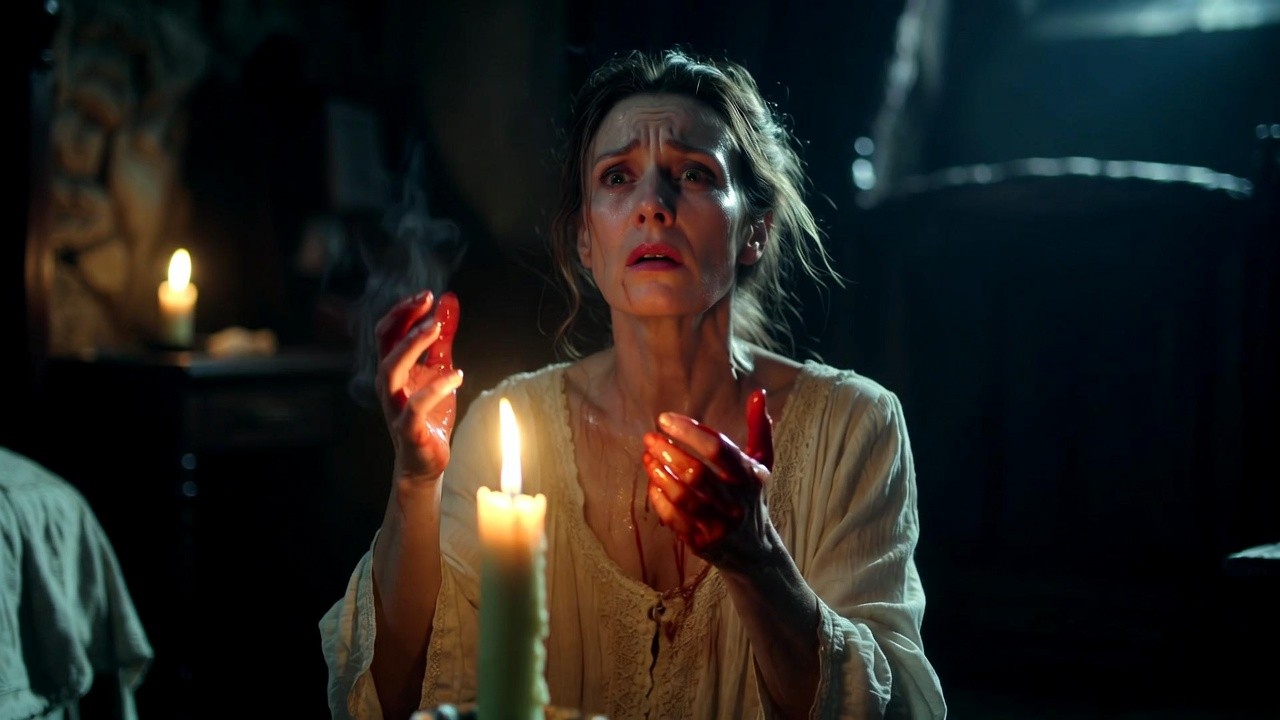
Full quote (excerpt): “Out, damned spot! out, I say!—One: two: why, / then, ’tis time to do’t.—Hell is murky!—Fie, my / lord, fie! a soldier, and afeard?”
Modern paraphrase: Get out, cursed bloodstain! Hell is dark!
Context: In her sleepwalking scene, Lady Macbeth obsessively tries to wash imaginary blood from her hands.
Deeper meanings: The ultimate reversal — the once-iron-willed Lady Macbeth is broken by guilt, her mind unraveling.
Literary devices: Repetition (epizeuxis for emphasis), fragmented speech mimicking madness, blood motif.
Thematic significance: Guilt’s destructive power; mental illness from suppressed conscience.
Modern relevance: One of the most parodied and referenced lines in pop culture (e.g., cartoons, ads); linked to OCD and trauma studies.
6. “Double, double toil and trouble; / Fire burn, and cauldron bubble” – The Three Witches (Act 4, Scene 1)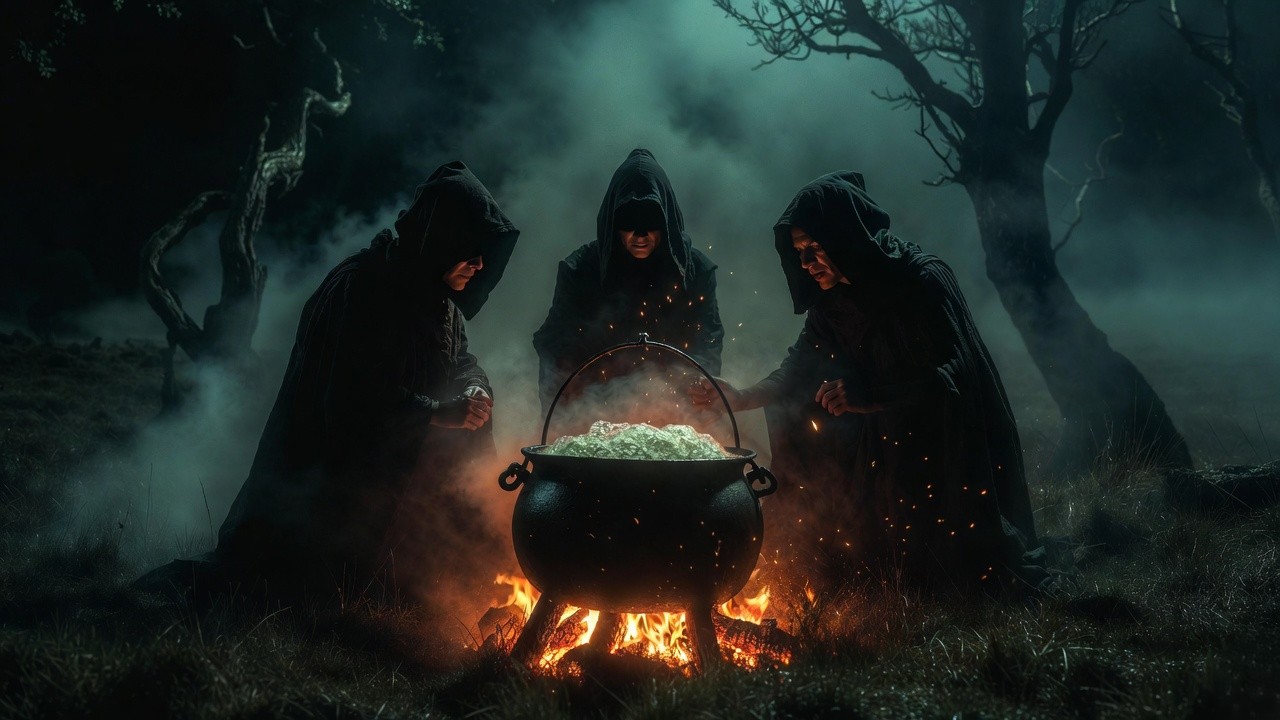
Full quote (refrain excerpt): “Double, double toil and trouble; / Fire burn, and cauldron bubble.”
Modern paraphrase: Double the hardship and chaos; let the fire burn and the cauldron boil.
Context: The witches brew a hellish potion while conjuring apparitions to answer Macbeth’s desperate questions about his future.
Deeper meanings: This rhythmic chant is both a spell and a commentary on the brewing chaos Macbeth has unleashed. The repetition and alliteration create an eerie, hypnotic quality that mirrors the supernatural forces at work.
Literary devices: Repetition (anaphora and epizeuxis), trochaic tetrameter (reversed iambic rhythm for unnatural effect), onomatopoeia, incantatory rhyme.
Thematic significance: The supernatural as a catalyst for destruction; the witches’ playful cruelty underscores how fate and human choice intertwine.
Modern relevance: Instantly recognizable — used in Disney’s Hocus Pocus, countless Halloween references, horror films, and even as a playful idiom for brewing mischief or trouble.
7. “By the pricking of my thumbs, / Something wicked this way comes” – Second Witch (Act 4, Scene 1)
Full quote: “By the pricking of my thumbs, / Something wicked this way comes.”
Modern paraphrase: I feel a tingle in my thumbs — something evil is approaching.
Context: Spoken just before Macbeth enters the witches’ cavern.
Deeper meanings: This line turns the witches from mere plot devices into active judges of morality. They recognize Macbeth’s transformation into “something wicked,” highlighting his moral descent.
Literary devices: Foreshadowing, sensory imagery (pricking thumbs), archaic phrasing for supernatural atmosphere.
Thematic significance: Moral corruption; self-awareness of evil.
Modern relevance: The title of Ray Bradbury’s famous novel Something Wicked This Way Comes (1962), widely quoted in horror, fantasy, and even political commentary about dangerous figures.
8. “Out, out, brief candle!” – Macbeth (Act 5, Scene 5)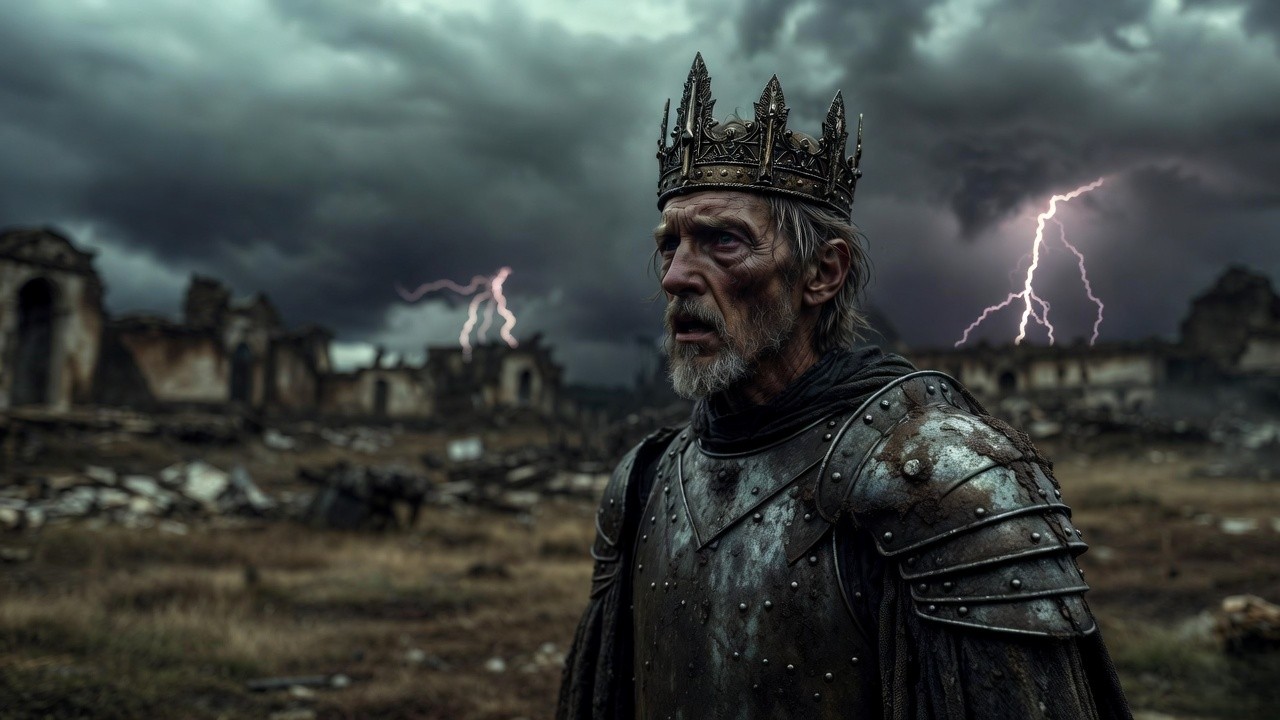
Full quote (excerpt from the famous soliloquy): “Out, out, brief candle! / Life’s but a walking shadow, a poor player / That struts and frets his hour upon the stage / And then is heard no more…”
Modern paraphrase: Extinguish, short-lived flame! Life is nothing but a fleeting shadow, an actor who performs briefly then disappears.
Context: Macbeth learns of Lady Macbeth’s death and delivers one of Shakespeare’s most nihilistic speeches.
Deeper meanings: This passage captures profound existential despair — life stripped of meaning after endless bloodshed and loss.
Literary devices: Metaphor (life as candle/shadow/player), personification, alliteration, theatrical imagery.
Thematic significance: The futility of ambition; nihilism and the meaninglessness of existence without moral grounding.
Modern relevance: Frequently quoted in philosophy, theater studies, and films exploring depression or mid-life crisis (e.g., referenced in Dead Poets Society spirit).
9. “What’s done cannot be undone” – Lady Macbeth (Act 5, Scene 1)
Full quote: “What’s done cannot be undone.”
Modern paraphrase: What has been done is irreversible.
Context: Spoken in her sleepwalking delirium as she relives the crimes.
Deeper meanings: A tragic admission of helplessness — the very woman who once said “What’s done is done” (Act 3) now realizes guilt cannot be erased.
Literary devices: Simple, stark aphorism; repetition of earlier line for tragic irony.
Thematic significance: Irreversibility of sin; consequences of actions.
Modern relevance: Echoes in discussions of regret, trauma, forgiveness, and criminal justice.
10. “Lay on, Macduff, / And damned be him that first cries ‘Hold, enough!’” – Macbeth (Act 5, Scene 8)
Full quote: “Lay on, Macduff, / And damned be him that first cries ‘Hold, enough!’”
Modern paraphrase: Come at me, Macduff — and may the first to surrender be cursed!
Context: Macbeth’s final defiant stand against Macduff.
Deeper meanings: A last flash of warrior courage, though born of fatalistic bravado rather than heroism.
Literary devices: Direct address, imperative, alliteration.
Thematic significance: Fatalism; the end of ambition’s illusion.
Modern relevance: The phrase “Lay on, Macduff” has become a humorous idiom for “let’s get this over with” or “bring it on.”
11. “Look like the innocent flower, / But be the serpent under’t” – Lady Macbeth (Act 1, Scene 5)
Full quote: “Look like th’ innocent flower, / But be the serpent under’t.”
Modern paraphrase: Appear harmless like a flower, but hide the poison of a snake beneath.
Context: Lady Macbeth advising Macbeth on how to deceive Duncan.
Deeper meanings: Perfect encapsulation of the play’s central motif of deception and moral duplicity.
Literary devices: Metaphor, antithesis (flower vs. serpent), biblical allusion (Genesis serpent).
Thematic significance: Appearance vs. reality; calculated hypocrisy.
Modern relevance: Frequently used in leadership, politics, and relationship advice about hidden motives.
12. “Stars, hide your fires; / Let not light see my black and deep desires” – Macbeth (Act 1, Scene 4)
Full quote: “Stars, hide your fires; / Let not light see my black and deep desires.”
Modern paraphrase: Stars, dim yourselves — don’t let anyone see my dark, hidden ambitions.
Context: Macbeth’s first private acknowledgment of murderous thoughts after the witches’ prophecy.
Deeper meanings: A moment of self-revelation — ambition has already taken root.
Literary devices: Apostrophe (addressing stars), darkness/light imagery, internal rhyme.
Thematic significance: Birth of evil intent; inner conflict.
Modern relevance: Powerful metaphor for hidden desires and moral shame in psychology and self-reflection.
How These Famous Lines Reveal Macbeth’s Major Themes
The quotes above interconnect across the play’s key ideas:
- Ambition → “Vaulting ambition” (Act 1, Scene 7 – often paired with Lady Macbeth’s invocation), “Stars, hide your fires”
- Guilt → Blood imagery in “Will all great Neptune’s ocean…”, “Out, damned spot!”, “What’s done cannot be undone”
- Appearance vs. Reality → “Fair is foul…”, “Look like the innocent flower…”, “Is this a dagger…”
- Supernatural & Fate → Witches’ chants (“Double, double…”, “Something wicked…”)
- Existential Despair → “Tomorrow, and tomorrow…” and “Out, out, brief candle!”
These recurring motifs create a tightly woven psychological tragedy.
Literary Techniques in Macbeth’s Most Memorable Lines
Shakespeare’s genius lies in his command of:
- Soliloquies (intimate revelation of inner turmoil)
- Imagery clusters (blood, darkness, sleep, nature’s disorder)
- Iambic pentameter variations (broken rhythms during madness)
- Equivocation (witches’ ambiguous prophecies)
- Dramatic irony (audience knows more than characters)
Why These Quotes Still Matter Today: Modern Applications & Legacy
The famous lines from Macbeth have transcended their 17th-century origins to become powerful cultural, psychological, and political touchstones in the 21st century.
- Pop Culture & Entertainment
- Films: Joel Coen’s 2021 The Tragedy of Macbeth (with Denzel Washington and Frances McDormand) brought renewed attention to lines like “Tomorrow, and tomorrow, and tomorrow” and “Out, damned spot!”
- Television & Animation: The witches’ chant appears in everything from The Simpsons Halloween specials to Hocus Pocus.
- Music & Literature: Bands, poets, and novelists (notably Ray Bradbury) continue to borrow phrases directly.
- Psychology & Mental Health Lady Macbeth’s sleepwalking scene and “Out, damned spot!” are frequently cited in clinical discussions of obsessive-compulsive disorder, post-traumatic stress, and the physiology of guilt. Macbeth’s hallucinations (“Is this a dagger…”) are textbook examples of how intense stress and moral conflict can produce vivid perceptual distortions.
- Politics & Leadership
- “Vaulting ambition” (often paired with Lady Macbeth’s lines) is a go-to phrase for analyzing politicians who overreach.
- “Fair is foul, and foul is fair” appears in commentary on misinformation, propaganda, and moral relativism.
- The play’s exploration of tyrannical power remains disturbingly relevant in discussions of authoritarianism.
- Education & Exams These quotes are staples of GCSE, A-Level, IB, AP Literature, and university Shakespeare courses worldwide. Students frequently need to analyze them for themes, language techniques, and character development — exactly what this article provides in depth.
Expert Insights – Lesser-Known Facts About These Lines
- Historical ContextMacbeth was likely written in 1606 partly to flatter King James I, who was obsessed with witchcraft (he authored Daemonologie in 1597). The witches’ supernatural role and the play’s emphasis on divine-right kingship were politically astute choices.
- Performance Tradition The “Tomorrow, and tomorrow…” soliloquy is considered one of the most challenging monologues in Shakespeare. Actors often describe it as requiring absolute stillness and emotional exhaustion — Ian McKellen’s 1976 RSC performance is legendary for its devastating delivery.
- Textual Variants Early printings show minor differences (e.g., “damned spot” vs. “damnd spot” in the First Folio). Modern editions standardize spelling, but the raw emotional power remains unchanged.
- Comparison to Other Tragedies Unlike Hamlet’s philosophical melancholy or Othello’s jealous rage, Macbeth’s despair is uniquely nihilistic. “Tomorrow, and tomorrow…” is often called Shakespeare’s bleakest statement about human existence.
Shakespeare’s Macbeth endures because its language is not merely beautiful — it is psychologically precise, morally complex, and brutally honest about the human capacity for ambition, guilt, and despair. The famous lines from Macbeth we’ve explored here — from the witches’ opening paradox to Macbeth’s final nihilistic soliloquy — form the emotional and thematic backbone of one of literature’s greatest tragedies.
These quotes do more than decorate greeting cards or Halloween decorations; they challenge us to confront uncomfortable truths about power, conscience, and the consequences of our choices. They remind us that the darkest impulses often wear the most innocent disguises, and that once we cross certain lines, “What’s done cannot be undone.”
Whether you’re studying for an exam, directing a production, teaching a class, or simply seeking a deeper appreciation of Shakespeare’s genius, these iconic lines offer endless layers of meaning. Revisit the play, watch a performance, or listen to an audio production — the words will hit differently every time.
Which of these famous lines from Macbeth resonates most with you? Share your thoughts in the comments below — and don’t forget to explore more Shakespeare insights here on WilliamShakespeareInsights.
Frequently Asked Questions (FAQs)
What is the most famous line from Macbeth? While opinions vary, “Out, damned spot! Out, I say!” (Lady Macbeth) and “Tomorrow, and tomorrow, and tomorrow…” (Macbeth) are widely regarded as the two most iconic and frequently quoted.
Why is “Out, damned spot!” so iconic? It powerfully captures the irreversible nature of guilt and has become a universal symbol of psychological torment, mental breakdown, and attempts to wash away moral stain.
How many famous quotes are in Macbeth? The play is exceptionally rich in quotable lines. This article highlights twelve of the most culturally and academically significant ones, though many more (such as “Vaulting ambition” and “I have no spur / To prick the sides of my intent”) are also widely studied.
What do the witches’ lines mean in Macbeth? The witches speak in riddles and paradoxes (“Fair is foul…”, “Double, double…”) to deliberately mislead and tempt Macbeth, embodying the themes of equivocation, fate, and the supernatural inversion of moral order.