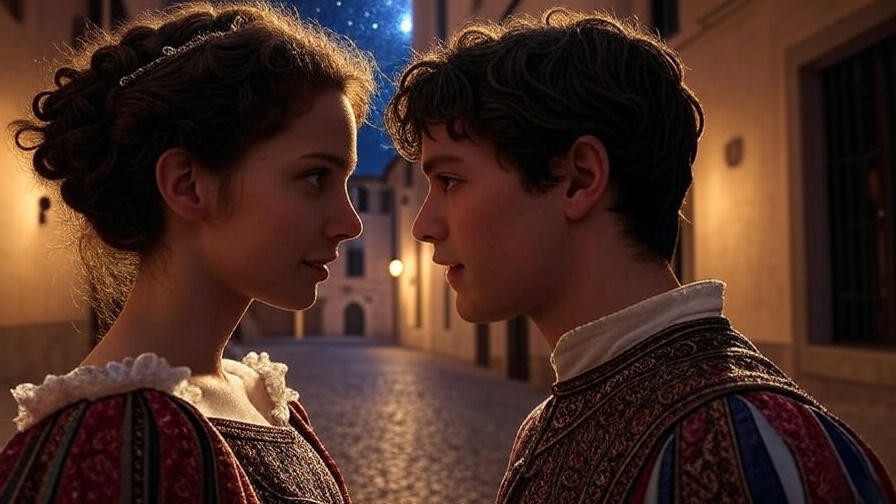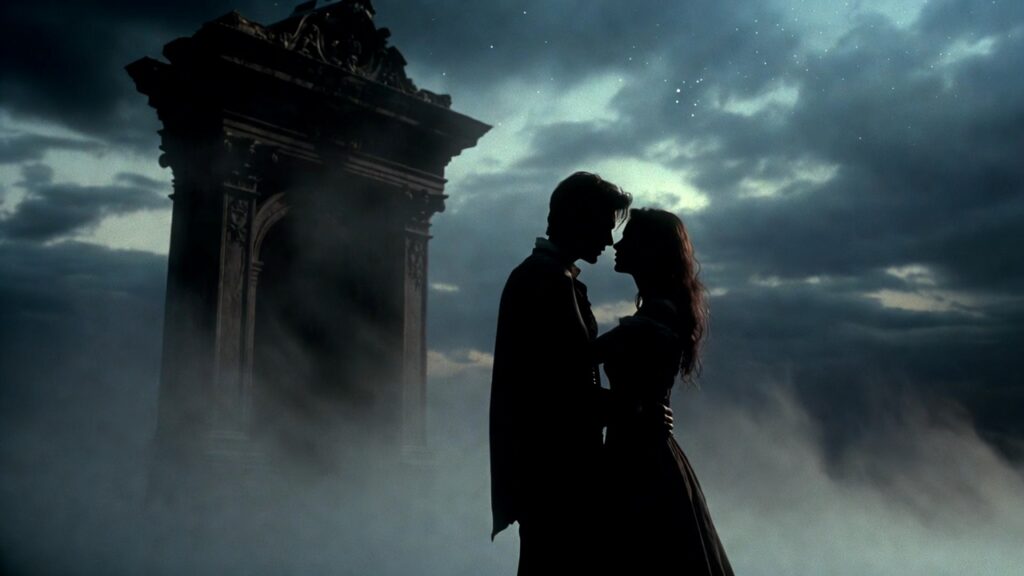
From the very first lines of William Shakespeare’s Romeo and Juliet, audiences are confronted with an inescapable truth: the young lovers are doomed. The Chorus declares, “A pair of star-crossed lovers take their life” (Prologue, line 6), explicitly foreshadowing in Romeo and Juliet the tragic suicide that will end their brief, passionate romance. This bold announcement sets the tone for the entire play, where subtle omens, prophetic dreams, ominous warnings, and recurring imagery of death build an atmosphere of inevitable catastrophe. Shakespeare doesn’t merely hint at tragedy—he layers foreshadowing so masterfully that every moment of joy feels shadowed by impending loss, amplifying the play’s emotional depth and underscoring themes of fate versus free will, youthful impulsivity, and the destructive power of feuding families.
As a literary device, foreshadowing provides clues about future events, creating suspense, dramatic irony, and a sense of predestination. In Elizabethan theater, where audiences often knew the story from earlier tales like Arthur Brooke’s The Tragical History of Romeus and Juliet, Shakespeare used this technique to heighten tension rather than spoil surprises. The result is one of the most studied examples of foreshadowing in literature, making Romeo and Juliet a timeless tragedy that resonates with students, teachers, and Shakespeare enthusiasts alike. This comprehensive guide explores Shakespeare’s techniques act by act, with key quotes, detailed analysis, and insights into why these hints make the lovers’ fate feel both heartbreakingly preventable and cosmically ordained—offering deeper understanding for essays, exams, or personal appreciation.
What Is Foreshadowing? A Quick Refresher for Context
Foreshadowing in Shakespearean tragedy serves multiple purposes: it builds dramatic irony (where the audience knows more than the characters), reinforces thematic elements like fate, and intensifies emotional stakes. Unlike modern stories that rely on subtle subtext, Shakespeare blends direct narration with indirect hints—dreams, premonitions, symbolic language, and character warnings.
In Romeo and Juliet, foreshadowing appears in two main forms: explicit (the Prologue’s outright spoiler) and subtle (personal fears, omens, and metaphors). This combination creates a layered effect, where the audience experiences the lovers’ happiness knowing doom looms, making fleeting moments of love all the more poignant. Scholars note that this technique echoes classical tragedies while innovating for Elizabethan audiences, who appreciated irony and moral lessons about unchecked passion.
The Prologue: Shakespeare’s Boldest Foreshadowing Stroke
The Chorus’s opening sonnet is perhaps the most overt use of foreshadowing in any Shakespeare play. Delivered before the action begins, it summarizes the entire plot: two households locked in ancient grudge, a pair of star-crossed lovers whose deaths reconcile their families.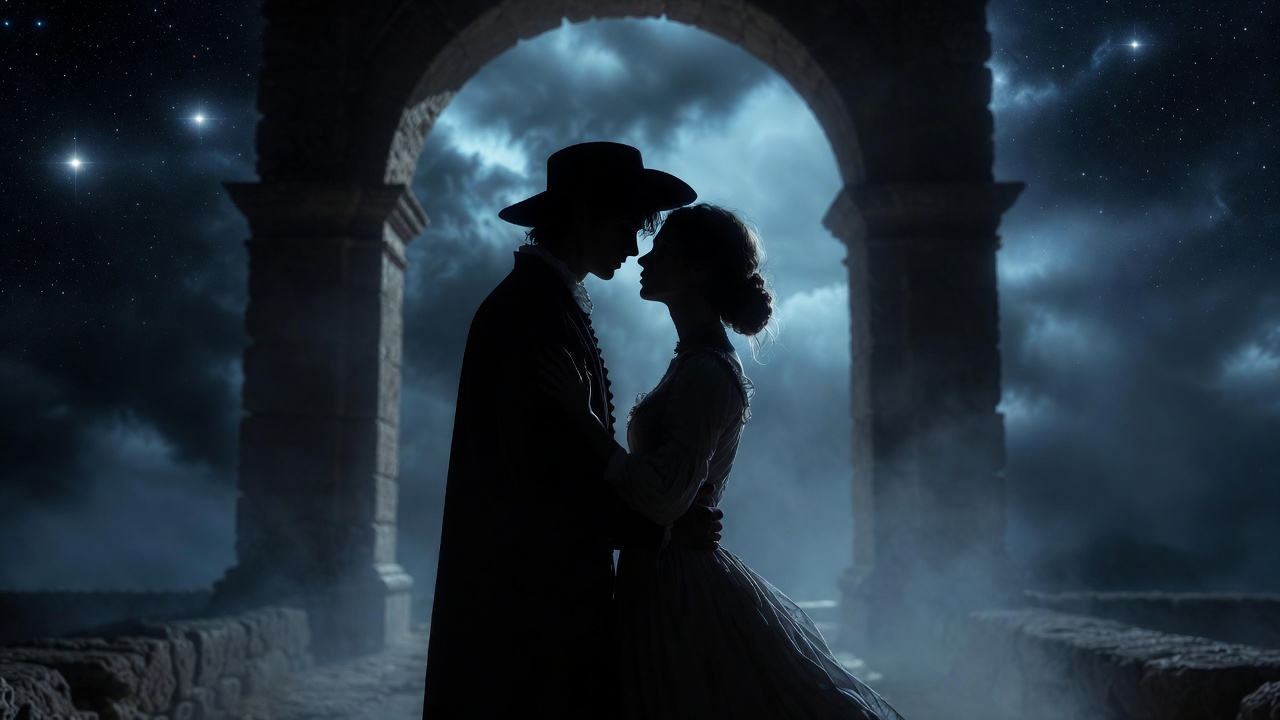
Key quotes include:
- “From forth the fatal loins of these two foes / A pair of star-crossed lovers take their life” (Prologue, lines 5–6).
- “The fearful passage of their death-marked love” (Prologue, line 9).
This isn’t mere summary—it’s deliberate dramatic irony. The audience knows the ending from line one, yet watches characters stumble toward it. The “star-crossed” reference invokes astrological fate, a popular Elizabethan belief, suggesting cosmic forces beyond human control doom the lovers. Unlike subtler foreshadowing in plays like Hamlet (where omens are ambiguous), this directness amplifies tragedy: every tender exchange carries the weight of known inevitability. As literary critics observe, it transforms the play from romance into a meditation on predestined suffering.
Act 1: Early Omens and Premonitions Set the Tone
Shakespeare scatters early hints to establish misfortune from the outset, priming audiences for escalation.
Juliet’s Unlucky Childhood Omens (Nurse’s Recollection) In Act 1, Scene 3, the Nurse recalls Juliet’s infancy: an earthquake on the day she was weaned and a fall that “broke her brow” when learning to walk. These seemingly light anecdotes carry darker undertones—Juliet is “marked” by misfortune from birth, hinting at her tragic destiny. The Nurse’s casual storytelling contrasts with the ominous implications, a classic Shakespearean technique to embed foreshadowing in everyday dialogue.
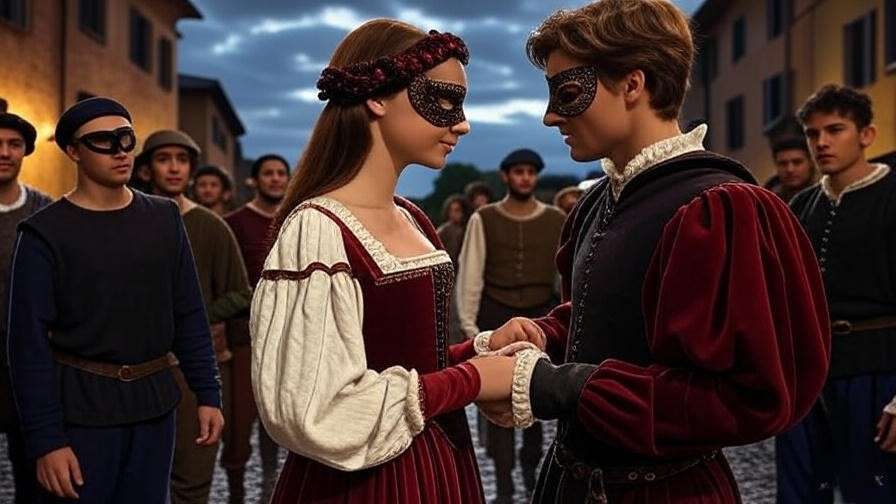
Romeo’s Fearful Premonition Before the Capulet Ball Romeo hesitates to attend the masked ball, voicing a chilling foreboding: “I fear, too early, for my mind misgives / Some consequence yet hanging in the stars / Shall bitterly begin his fearful date / With this night’s revels and expire the term / Of a despised life… By some vile forfeit of untimely death” (Act 1, Scene 4, lines 106–111).
Here, Romeo senses fate (“stars”) will alter his life through death. Ironically, the “consequence” is meeting Juliet—love begins what ends in demise. This premonition links personal intuition to the Prologue’s cosmic fate, showing how individual choices intersect with destiny.
Additional Early Hints The play opens with violent street brawls, foreshadowing how the feud will claim lives (Mercutio, Tybalt, then the lovers). Language of poison, death, and stars permeates early scenes, building dread beneath youthful exuberance.
Act 2: Passionate Love Tinged with Ominous Warnings
Even in the play’s most romantic act, Shakespeare interweaves warnings.
Friar Lawrence’s Caution on Violent Delights Before marrying the couple, Friar Lawrence cautions: “These violent delights have violent ends / And in their triumph die, like fire and powder” (Act 2, Scene 6, lines 9–10). This metaphor of explosive passion predicts how rash love will destroy them—foreshadowing the hasty marriage’s consequences.
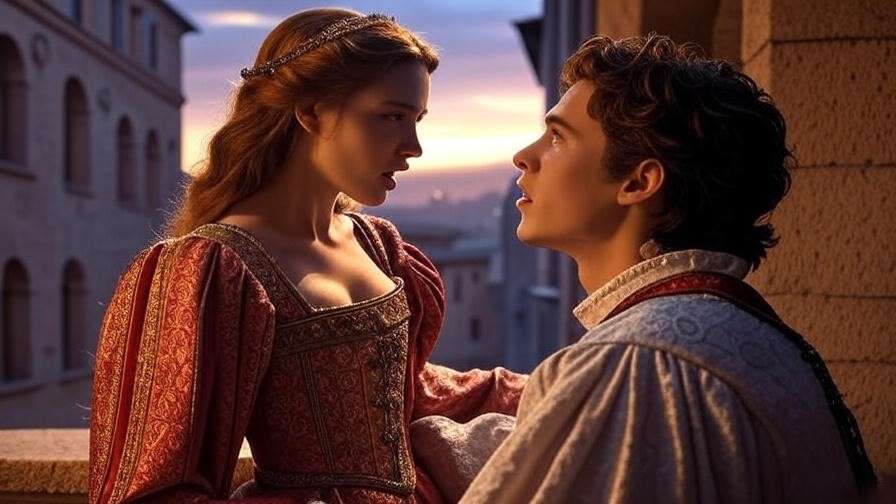
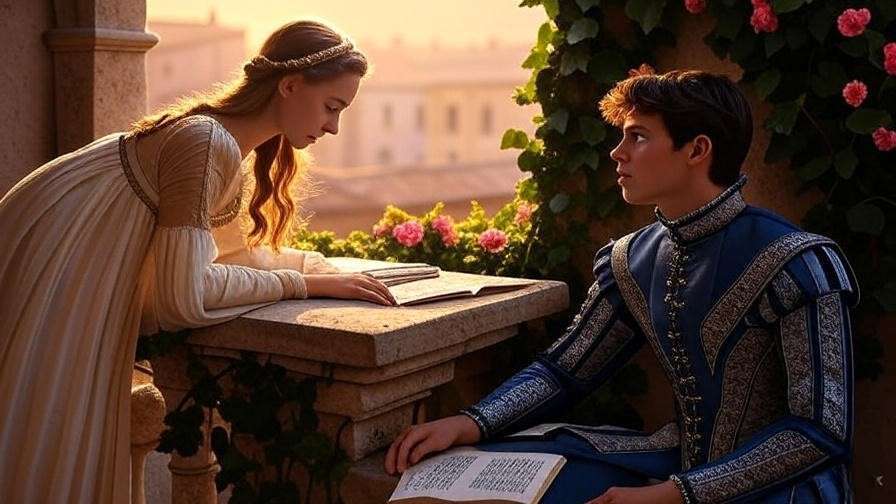
Balcony Scene Secrets and Dangers Juliet warns Romeo: “If they do see thee, they will murder thee” (Act 2, Scene 2, line 70). Romeo replies he’d rather die than live without her love. This exchange foreshadows his eventual sacrifice. Their talk of light and darkness (Juliet as sun) subtly hints at fleeting brightness before eternal night.
These moments remind audiences that love, however pure, exists amid peril—impulsive decisions accelerate tragedy.
Act 3: Visions of Death Intensify the Inevitability
Tragedy accelerates, with foreshadowing becoming more vivid.
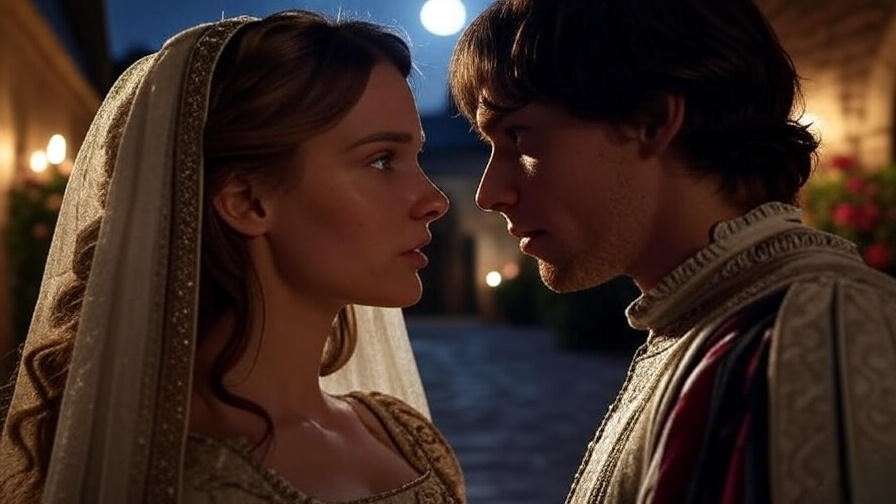
Juliet’s Tomb Vision After the Wedding Night In Act 3, Scene 5, as Romeo departs, Juliet has a haunting vision: “Methinks I see thee, now thou art so low, / As one dead in the bottom of a tomb” (lines 55–56). This directly mirrors the final scene—Romeo lifeless in the Capulet vault. Her “ill-divining soul” underscores prophetic intuition.
Romeo’s Embrace of Death Romeo repeatedly threatens suicide if separated, saying to the Friar he’d welcome death for Juliet. These declarations foreshadow his actual poison-taking.
The act’s violence (Tybalt’s death, Romeo’s banishment) turns hints into reality, heightening dread.
Act 4 and Act 5: Final Omens, Dreams, and Tragic Culmination
Romeo’s Joyful Dream in Exile (Ironically Misleading) In Mantua, Romeo dreams: “I dreamt my lady came and found me dead” (Act 5, Scene 1, line 6), then revives him with kisses. This subverts expectations—reality inverts it, with Juliet finding him truly dead.
Juliet’s Potion Fears and Tybalt’s Ghost Juliet dreads the tomb: visions of madness, suffocation, and Tybalt’s ghost. These amplify horror, foreshadowing her awakening to Romeo’s corpse.
Accumulated omens make the double suicide feel fated yet tragic—choices compound destiny.
Why Shakespeare’s Foreshadowing Works So Effectively
Shakespeare’s technique creates dramatic irony: we know the end, heightening empathy. It reinforces fate vs. free will—characters sense doom but act impulsively. Compared to Macbeth‘s ambiguous prophecies or Hamlet‘s subtle omens, Romeo and Juliet‘s foreshadowing is dense and relentless, making love precious because it’s doomed.
Shakespeare’s foreshadowing transforms Romeo and Juliet from a love story into profound tragedy, inviting reflection on destiny, passion, and consequences. Reread with these hints in mind—the play gains new power.
FAQs About Foreshadowing in Romeo and Juliet
What is the most obvious example of foreshadowing? The Prologue’s “star-crossed lovers take their life.”
How does the Prologue differ from subtle foreshadowing? It’s explicit narration; others are character intuitions or symbols.
Does foreshadowing make the play less suspenseful? No—it builds tension through irony and emotional investment.
How does it connect to themes of fate? Hints suggest predestination, yet impulsive actions fulfill it.