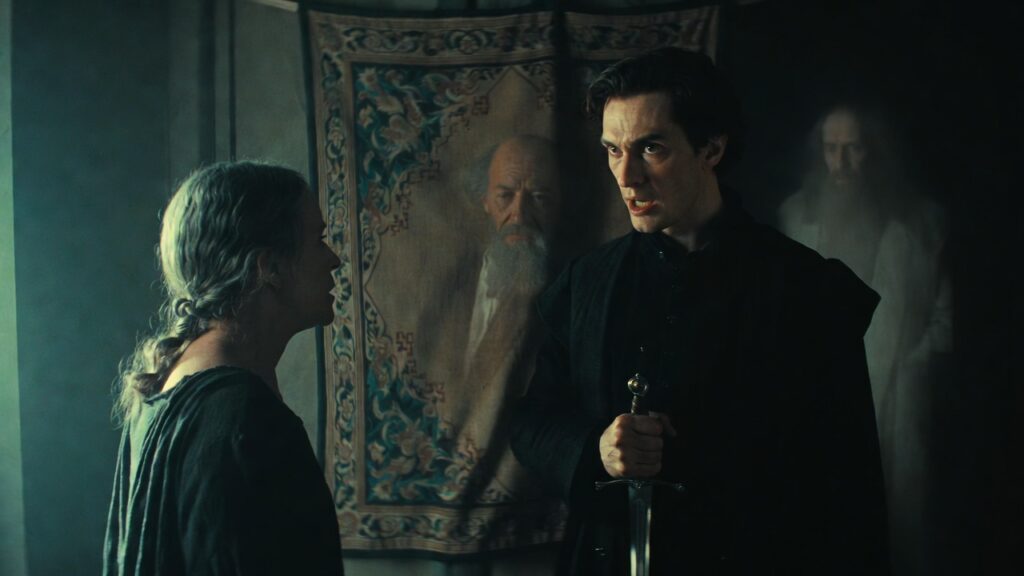
In the shadowy confines of Queen Gertrude’s private chamber, a son confronts his mother with such raw intensity that the air itself seems to thicken with accusation, guilt, and supernatural intervention. This pivotal moment—widely known as the closet scene in William Shakespeare’s Hamlet—stands as one of the most psychologically charged and dramatically explosive episodes in all of English literature. Hamlet Act 3 Scene 4 thrusts the audience into the heart of the prince’s inner turmoil, where filial duty, moral outrage, and repressed desires collide in a private reckoning that changes the course of the tragedy forever.
Often called the emotional turning point of the play, this scene marks the only extended private exchange between Hamlet and Gertrude. Here, Hamlet’s pent-up fury erupts: he accuses his mother of betraying his father’s memory through her hasty remarriage to Claudius, the man he believes murdered the old king. The confrontation spirals into violence with the accidental killing of Polonius, the reappearance of the Ghost, and Gertrude’s partial awakening to her own moral failings. For students grappling with essay questions, actors preparing for auditions, teachers seeking classroom insights, or anyone drawn to Shakespeare’s exploration of human frailty, understanding Hamlet Act 3 Scene 4 unlocks deeper appreciation of the play’s themes of revenge, corruption, madness, and family dysfunction.
This comprehensive guide goes beyond surface-level summaries found on sites like SparkNotes or LitCharts. It offers a detailed plot breakdown, layered character analysis, thematic exploration, famous quotes with explanations, scholarly perspectives (including Freudian and feminist readings), staging insights from major adaptations, and connections to the broader tragedy—delivering genuine value for academic study, performance preparation, or personal reflection.
Plot Summary of Hamlet Act 3 Scene 4
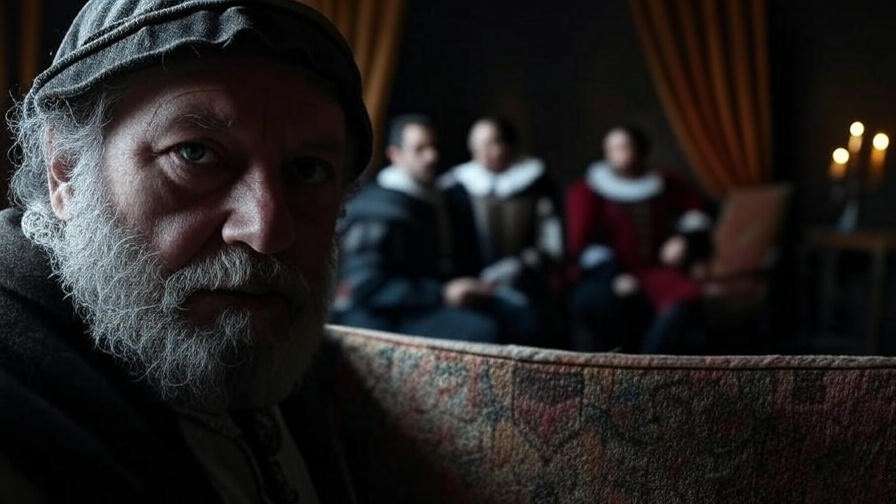
The scene opens in Gertrude’s closet—a private chamber often interpreted as a bedchamber in modern productions, though Shakespeare’s text specifies a more modest “closet” (a small study or private room). Polonius, ever the meddlesome advisor, instructs Gertrude on how to confront Hamlet about his disruptive behavior, particularly after the play-within-a-play that exposed Claudius’s guilt in Hamlet’s eyes. Polonius hides behind an arras (a tapestry or curtain) to eavesdrop, hoping to gather intelligence for the king.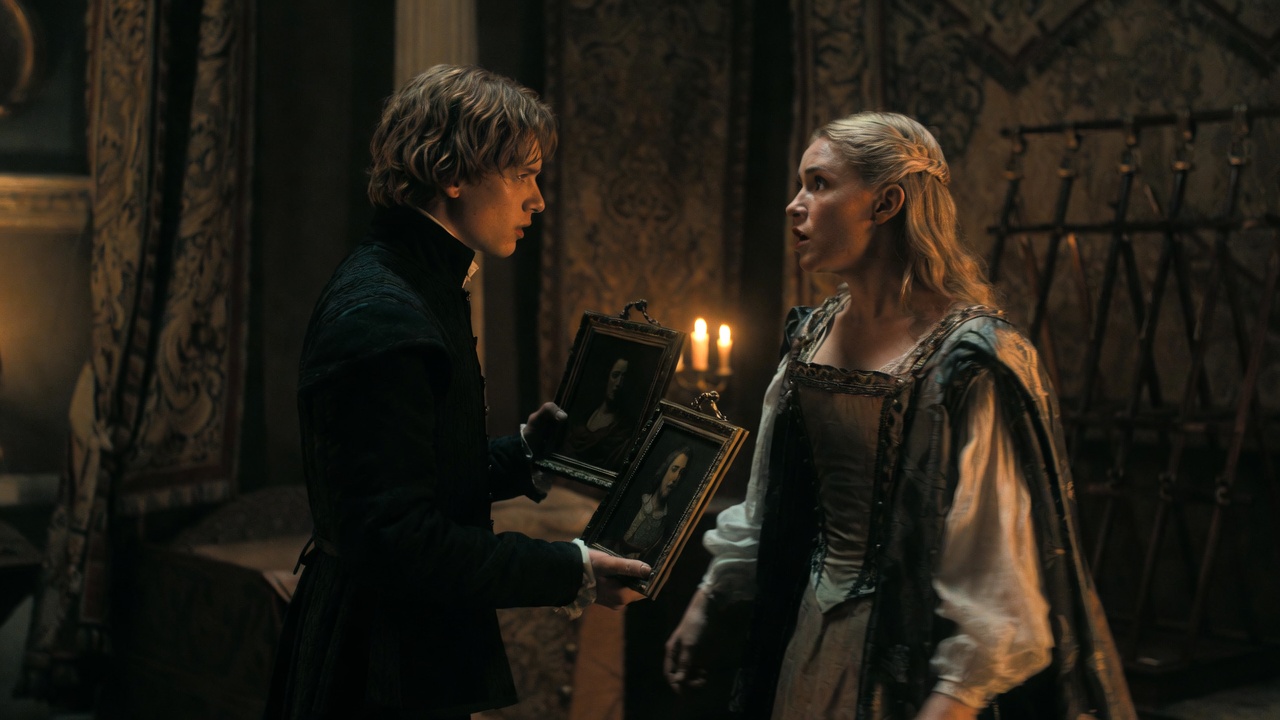
Hamlet enters storming, immediately turning Gertrude’s reprimand back on her. When she says, “Hamlet, thou hast thy father much offended,” he retorts, “Mother, you have my father much offended,” highlighting the irony of her quick remarriage to Claudius, whom he views as a usurper rather than a true father.
The exchange escalates rapidly. Hamlet’s words grow increasingly aggressive as he forces Gertrude to confront her actions. Frightened by his intensity—perhaps he grabs her or draws near threateningly—she cries out for help. Polonius, hidden, echoes her call. Mistaking the voice for Claudius, Hamlet draws his sword and stabs through the arras, killing Polonius instantly. “How now! a rat? Dead, for a ducat, dead!” he exclaims, revealing his impulsive nature.
Hamlet then drags the body aside and continues his assault on Gertrude. He holds up miniatures (or pictures) of the two kings—his noble father and the “mildewed” Claudius—demanding she see the difference. He accuses her of living “in the rank sweat of an enseamèd bed, / Stewed in corruption, honeying and making love / Over the nasty sty,” using vivid, grotesque imagery to depict her union with Claudius as morally decayed.
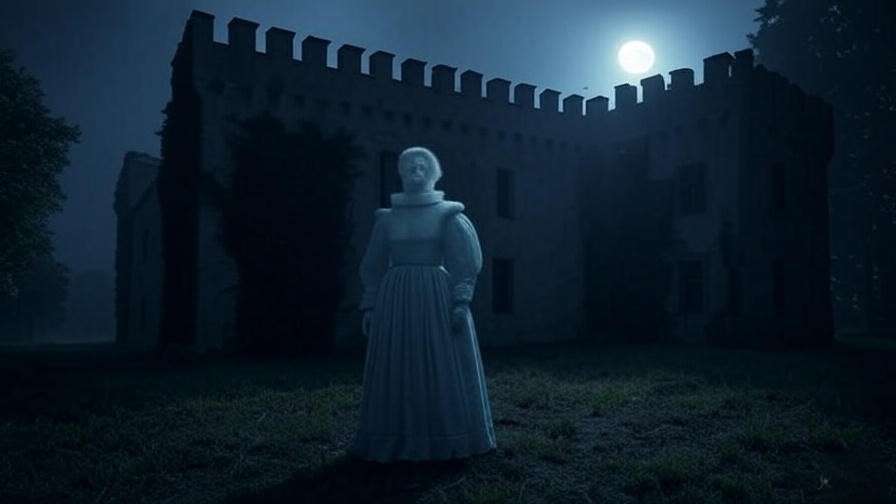
In the midst of this tirade, the Ghost of Hamlet’s father reappears, visible only to Hamlet. Dressed in his nightgown rather than armor, it chastises Hamlet for delaying revenge and urges him to focus on punishing Claudius while sparing Gertrude (“Leave her to heaven”). Gertrude, seeing Hamlet speak to empty air, believes him truly mad: “Alas, how is’t with you, / That you do bend your eye on vacancy?”
Hamlet insists the Ghost is real and pleads with Gertrude to repent, abandon Claudius’s bed, and avoid further sin. He warns her against revealing his feigned madness and hints at his plans to outmaneuver Rosencrantz and Guildenstern, who will escort him to England—likely to his death. Gertrude, shaken, promises to keep his secret and shows signs of remorse.
The scene ends with Hamlet dragging Polonius’s body away, quipping darkly about the “lugging” of the guts, leaving Gertrude alone with her newfound guilt and the weight of what she has witnessed.
This sequence builds relentless tension through rapid shifts: verbal sparring, sudden violence, supernatural intrusion, and tentative reconciliation. The dramatic irony—Hamlet kills the wrong man while pursuing revenge—propels the tragedy forward, setting off Ophelia’s madness and Laertes’ vengeful arc.
In-Depth Character Analysis
This scene serves as a psychological crucible, revealing the innermost conflicts of its central figures and transforming their trajectories. As an expert in Shakespearean tragedy, I draw on centuries of performance tradition and scholarly debate to unpack these portrayals.
Hamlet’s Psychology and Development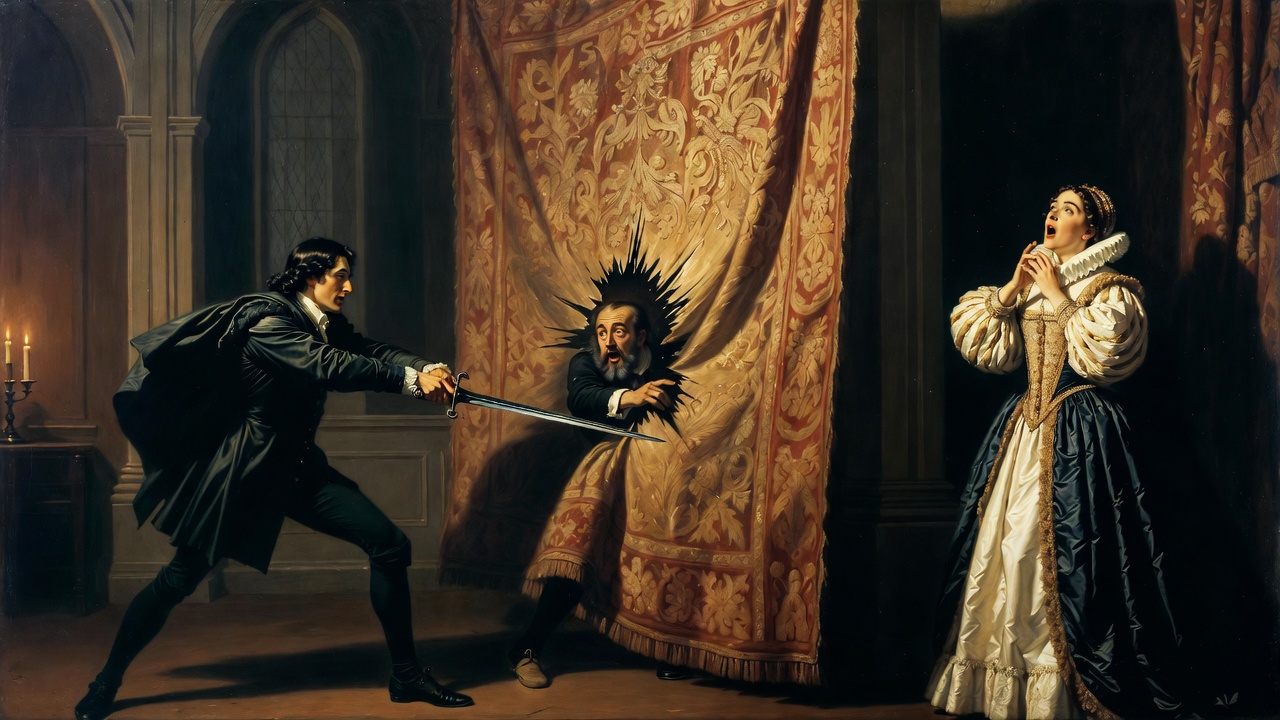
Hamlet enters the scene in a state of barely contained rage, yet his words reveal profound internal division. His famous line, “I must be cruel only to be kind” (3.4.180), encapsulates his self-justification: he believes harsh truth-telling will force Gertrude toward repentance and moral clarity. However, the brutality of his language—calling her bed a “nasty sty” and accusing her of wallowing in “rank sweat”—exposes deeper turmoil.
Scholars have long debated whether Hamlet’s behavior stems from genuine madness, feigned antic disposition, or something more complex. The killing of Polonius marks a shift from intellectual paralysis to impulsive action, contrasting sharply with his earlier hesitation over Claudius. This rashness underscores a tragic flaw: Hamlet’s intellect paralyzes him against the true villain, but emotion propels him toward collateral destruction.
Freudian interpretations, pioneered by Sigmund Freud and expanded by Ernest Jones in Hamlet and Oedipus (1949), view the scene through the lens of the Oedipus complex. Hamlet’s fixation on Gertrude’s sexuality—his disgust at her remarriage and graphic descriptions of her intimacy with Claudius—suggests unconscious desire for his mother and rivalry with the father-figure Claudius. The Ghost’s appearance only to Hamlet (not Gertrude) reinforces this: it symbolizes the superego urging repression of these forbidden impulses while demanding revenge on the “rival.” Modern critics temper this view, noting it risks oversimplifying Hamlet’s philosophical and political motivations, but the oedipal reading remains influential in staging, where physical closeness between mother and son often heightens tension.
Contemporary psychological lenses highlight trauma: Hamlet grapples with paternal loss, betrayal, and existential doubt, manifesting in displaced aggression toward Gertrude. His plea for her to “assume a virtue if you have it not” (3.4.160) shows a desperate attempt to salvage moral order amid chaos.
Gertrude’s Transformation
Gertrude begins defensively—”What have I done, that thou dar’st wag thy tongue / In noise so rude against me?” (3.4.39–40)—but gradually shifts toward remorse. Her line “O Hamlet, speak no more! / Thou turn’st mine eyes into my very soul” (3.4.88–89) marks a pivotal awakening; she begins to confront her complicity in moral decay.
Debates persist about Gertrude’s prior knowledge of the murder. The text offers ambiguity: she seems genuinely shocked by the Ghost’s revelations, yet her quick remarriage raises suspicions. Feminist critics like Carolyn Heilbrun (in “The Character of Hamlet’s Mother,” 1957) argue Gertrude is not passive or villainous but a complex woman navigating patriarchal constraints—her silence may reflect survival strategy rather than guilt. By scene’s end, her promise to Hamlet (“I have no life to tell thee”) and agreement to avoid Claudius’s bed suggest redemption, aligning her tentatively with her son against the corrupt court.
The Ghost’s Role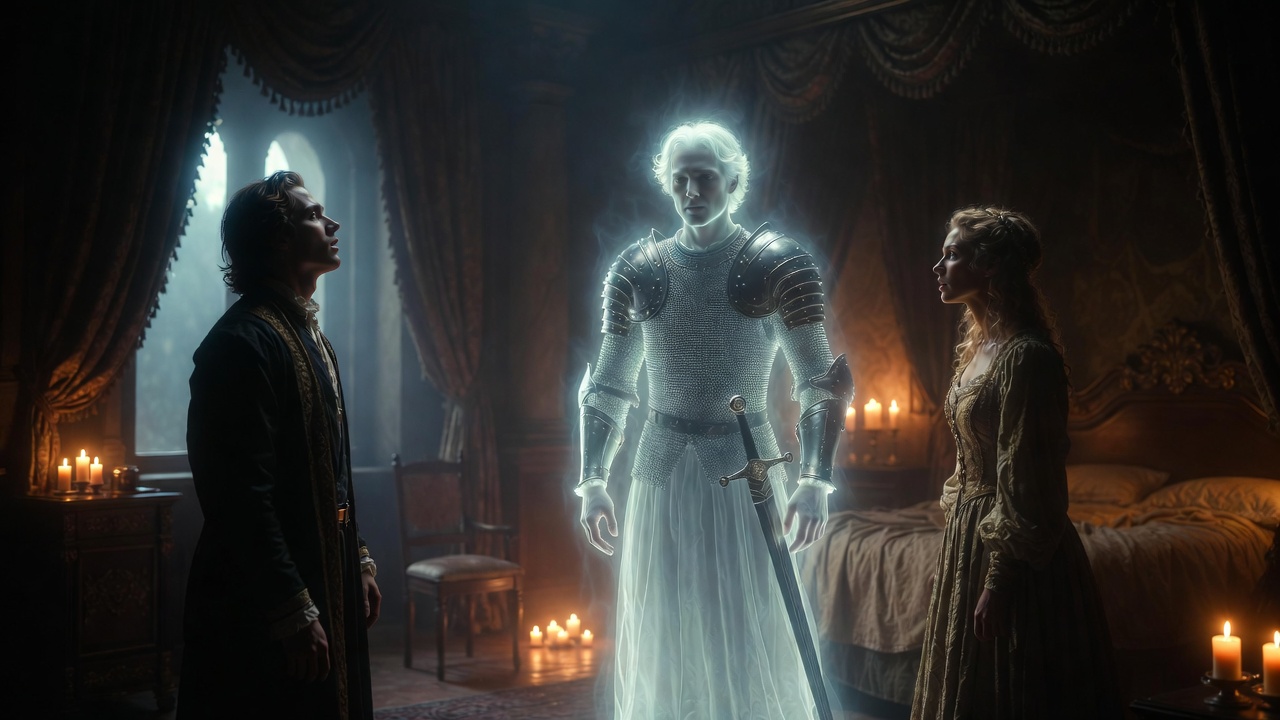
The Ghost’s second appearance—clad in a nightgown rather than armor—shifts its function from vengeful instigator to paternal protector. Visible only to Hamlet, it reminds him of his mission (“Do not forget”) while tempering his rage toward Gertrude (“Taint not thy mind… Leave her to heaven”). This selectivity fuels ambiguity: is the Ghost real, a hallucination born of guilt, or a devil tempting Hamlet? Symbolically, it represents unresolved paternal authority, haunting the living to enforce moral order.
Polonius as Catalyst
Polonius’s death is accidental yet inevitable—his spying embodies the play’s theme of surveillance and intrusion. His murder escalates the tragedy: it deprives Ophelia of her father, fueling her madness and Laertes’ revenge plot, and forces Hamlet into exile.
Key Themes Explored in the Scene
Hamlet Act 3 Scene 4 distills the play’s major motifs into a single, claustrophobic encounter.
- Appearance vs. Reality — The hidden Polonius literalizes deception; Hamlet forces Gertrude to “see” the truth behind her marriage. Irony abounds: Hamlet rails against hypocrisy while his own madness is performative.
- Corruption and Decay — Vivid imagery dominates: “the rank sweat of an enseamèd bed,” “honeying and making love / Over the nasty sty,” “mildewed ear.” These evoke moral rot spreading from the royal bedchamber to Denmark itself, echoing Hamlet’s earlier “unweeded garden” metaphor.
- Revenge and Inaction — The Ghost’s rebuke highlights Hamlet’s delay; his misdirected violence against Polonius shows revenge’s corrosive potential when unfocused.
- Gender and Sexuality — Hamlet’s misogynistic tirade (“frailty, thy name is woman” echoes from earlier) targets Gertrude’s remarriage as sexual betrayal. Feminist readings critique this as patriarchal control over female desire, while others see it reflecting Hamlet’s disillusionment with human nature.
- Madness (Real vs. Feigned) — Gertrude perceives Hamlet’s behavior as true insanity (“This is the very coinage of your brain”), yet his lucid arguments suggest calculation. The scene blurs boundaries, inviting audience uncertainty.
- Religion, Sin, and Redemption — Biblical allusions abound—repentance, heaven/hell, compost on weeds (sin compounding sin). Hamlet urges Gertrude toward spiritual renewal, contrasting Denmark’s secular corruption.
Famous Quotes and Their Significance
Here are pivotal lines with analysis:
- “Nay, but to live / In the rank sweat of an enseamèd bed, / Stewed in corruption, honeying and making love / Over the nasty sty!” (3.4.92–95) Hamlet’s grotesque imagery equates Gertrude’s remarriage to animalistic decay, using sensory disgust to shame her.
- “O Hamlet, speak no more! / Thou turn’st mine eyes into my very soul, / And there I see such black and grainèd spots / As will not leave their tinct.” (3.4.88–91) Gertrude’s admission of inner corruption marks her moral awakening.
- “I must be cruel only to be kind. / Thus bad begins, and worse remains behind.” (3.4.180–181) Hamlet justifies his harshness as therapeutic, foreshadowing further tragedy.
- “Do not look upon me… / Leave her to heaven” (Ghost, 3.4.131–132, 152) The Ghost’s plea humanizes it, prioritizing Gertrude’s soul over punishment.
- “For ’tis the sport to have the engineer / Hoist with his own petard.” (3.4.207–208) Hamlet anticipates outwitting Rosencrantz and Guildenstern, showing regained cunning.
These quotes, rich in metaphor and psychological depth, reward close reading for essays or performance notes.
Critical Interpretations and Scholarly Perspectives
The closet scene has generated some of the most enduring and divergent critical readings in Shakespeare studies, reflecting evolving cultural attitudes toward psychology, gender, power, and morality.
Freudian and Psychoanalytic Readings Ernest Jones’s Hamlet and Oedipus (1949) remains the classic articulation of the Oedipal interpretation. Jones argues that Hamlet’s revulsion at Gertrude’s sexuality stems from repressed incestuous desire for his mother and murderous jealousy toward Claudius, who has enacted Hamlet’s own unconscious wishes. The stabbing of Polonius through the arras is sometimes read symbolically as a displaced patricidal (or even matricidal) act. While influential—especially in mid-20th-century productions—this view has been critiqued for imposing modern psychoanalysis onto an Elizabethan text and for underplaying Hamlet’s philosophical and political dimensions.
Feminist and Gender-Based Critiques Carolyn Heilbrun’s seminal essay “The Character of Hamlet’s Mother” (1957, later expanded) challenged the long-standing view of Gertrude as weak, lustful, or morally obtuse. Heilbrun portrays her as a pragmatic survivor in a male-dominated court, whose remarriage secures political stability rather than revealing uncontrolled passion. More recent feminist scholarship (e.g., work by Dympna Callaghan and Ania Loomba) examines Hamlet’s misogynistic language as an exercise in patriarchal control: his verbal assault attempts to police Gertrude’s body and sexuality. These readings highlight how the scene stages anxieties about female agency and remarriage in early modern England.
Performance and Adaptation Studies Directors have shaped interpretation through staging choices. Laurence Olivier’s 1948 film emphasizes Oedipal tension with a famous kiss between Hamlet and Gertrude. Franco Zeffirelli’s 1990 version (with Mel Gibson and Glenn Close) intensifies physical intimacy, blurring the line between filial and erotic energy. Kenneth Branagh’s 1996 four-hour epic keeps the scene emotionally intense but less overtly sexualized, focusing on moral confrontation. Gregory Doran’s RSC production (2008, with David Tennant) and Lyndsey Turner’s Almeida version (2015, with Andrew Scott) experimented with lighting and spatial dynamics to underscore psychological claustrophobia.
Contemporary Lenses Recent scholarship applies trauma theory, toxic masculinity, and postcolonial perspectives. Hamlet’s rage can be seen as displaced grief and survivor guilt; his treatment of Gertrude reflects broader early modern anxieties about female remarriage and inheritance. The scene also resonates in discussions of surveillance culture (Polonius behind the arras) and gaslighting (Hamlet insisting Gertrude see what she cannot).
Staging and Performance Insights
The closet scene poses unique challenges and opportunities for actors and directors.
- Physical Dynamics — Hamlet’s aggression toward Gertrude ranges from verbal intimidation to physical grabbing or pinning her down. Modern productions must navigate consent and safety while preserving the text’s violence.
- The Bed vs. Closet Debate — Although Shakespeare specifies “closet,” most productions use a bedchamber to heighten intimacy and sexuality. Props (miniatures of the two kings, the arras, sometimes a bed) become focal points.
- The Ghost’s Appearance — Choices include full visibility to the audience (reinforcing supernatural reality), partial visibility, or complete invisibility (emphasizing subjectivity). Lighting often shifts dramatically—dim for the Ghost, stark for the confrontation.
- Tone Shifts — Actors must pivot rapidly: fury → shock (Polonius’s death) → tenderness (plea to Gertrude) → dark humor (dragging the body). Timing these beats is crucial for emotional credibility.
This scene frequently defines an actor’s Hamlet: it demands vulnerability beneath rage, intellectual clarity amid chaos, and the ability to convey both feigned and genuine distress.
Connections to the Broader Play
Act 3 Scene 4 is the hinge on which the tragedy turns.
- Immediate Consequences — Polonius’s death removes Claudius’s chief counselor, triggers Ophelia’s madness (Act 4), and galvanizes Laertes’ revenge plot, culminating in the poisoned duel.
- Hamlet’s Exile — His reference to Rosencrantz and Guildenstern being “hoist with his own petard” foreshadows their deaths in England, showcasing his regained cunning after months of inaction.
- Gertrude’s Alignment — Her promise to keep Hamlet’s secret and avoid Claudius’s bed subtly shifts power dynamics, planting seeds for her eventual suspicion of the king (evident in the final scene).
- Thematic Continuity — The scene crystallizes the play’s central question: how does one act justly in a corrupt world? Hamlet’s misdirected violence illustrates the futility and destructiveness of revenge when untempered by reason.
FAQs About Hamlet Act 3 Scene 4
Why can’t Gertrude see the Ghost? The text deliberately leaves it ambiguous. Elizabethan audiences might have accepted selective visibility (common in ghost stories). Symbolically, it suggests Gertrude’s moral blindness or that the Ghost now appears only as Hamlet’s conscience.
Is Gertrude complicit in King Hamlet’s murder? The play provides no definitive evidence. She seems genuinely surprised by the Ghost’s accusations and shocked by Hamlet’s revelations. Most scholars lean toward her being unaware, though her quick remarriage invites suspicion.
What does “closet” mean in this context? In Shakespeare’s time, a “closet” was a small private chamber or study, often used for reading, prayer, or intimate conversations—not necessarily a bedroom. Modern productions frequently stage it as a bedchamber to amplify sexual undertones.
Is Hamlet in love with his mother? The Oedipal reading suggests unconscious desire, but the text never confirms romantic or sexual attraction. Hamlet’s disgust centers on betrayal of his father’s memory and moral corruption rather than personal jealousy.
Why does Hamlet kill Polonius? It is an impulsive, mistaken act. Hearing a voice behind the arras, he assumes it is Claudius and strikes without hesitation—contrasting his earlier inability to kill the praying king.
Does Gertrude repent by the end? She shows clear remorse (“O Hamlet, thou hast cleft my heart in twain”) and agrees to avoid Claudius’s bed, suggesting at least partial moral awakening, though her full allegiance remains ambiguous until the final scene.
Hamlet Act 3 Scene 4—the closet scene—remains one of Shakespeare’s most electrifying and psychologically rich achievements. In a single, suffocating encounter, it lays bare the play’s deepest concerns: the corrosive power of hidden guilt, the destructive force of revenge, the fragility of family bonds, and the struggle to find moral clarity in a rotten world.
For students writing essays, actors preparing roles, teachers designing lessons, or readers seeking fresh insight, this scene offers endless layers to explore. It forces us to confront uncomfortable truths about human nature—our capacity for cruelty disguised as virtue, our blindness to our own corruption, and the devastating cost of delayed justice.
Return to the text, watch contrasting adaptations, or join the centuries-long conversation in the comments below. The closet scene does not merely advance the plot; it holds up a mirror to the audience, challenging us to examine our own “black and grainèd spots.”