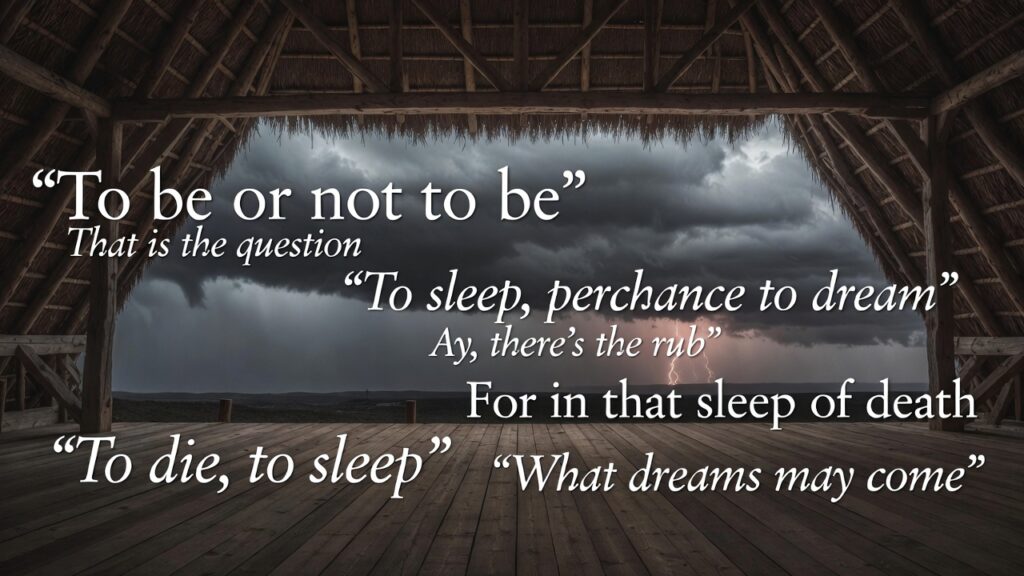
Have you ever paused during a heated debate, a moment of deep reflection, or even a casual conversation and found yourself uttering words that echo across centuries? “To be, or not to be, that is the question” isn’t just a line from a play—it’s a profound meditation on existence that has shaped philosophy, literature, psychology, and popular culture for over 400 years. William Shakespeare’s Hamlet, often hailed as his greatest tragedy, is packed with such timeless expressions. These lines capture the essence of human struggle: revenge, madness, mortality, corruption, and the paralyzing weight of indecision.
In this comprehensive guide on Hamlet most famous quotes, we go beyond simple lists found elsewhere. Drawing from reliable scholarly sources like the Royal Shakespeare Company (RSC), Folger Shakespeare Library, SparkNotes, and LitCharts, we’ll explore the top iconic lines ranked roughly by their cultural impact and frequency in references. For each, you’ll find the accurate original text (using standard Folio references), exact act, scene, and line, speaker, immediate context, detailed meaning and literary analysis, thematic connections, and why it still resonates today. Whether you’re a student preparing for exams, a teacher seeking deeper insights, an actor rehearsing, or simply a literature lover curious about Shakespeare’s genius, this article delivers genuine value—helping you understand, appreciate, and apply these quotes with authority.
Shakespeare’s language in Hamlet endures because it probes universal questions with unmatched poetic precision. Written around 1599–1601 during the Elizabethan era, the play reflects Renaissance anxieties about power, morality, and the human condition. Its iambic pentameter, rich metaphors, and soliloquies reveal inner turmoil like no other work. Let’s dive into why these Hamlet most famous quotes continue to captivate and what they truly reveal.
Why Hamlet’s Quotes Endure – A Quick Overview of the Play’s Themes
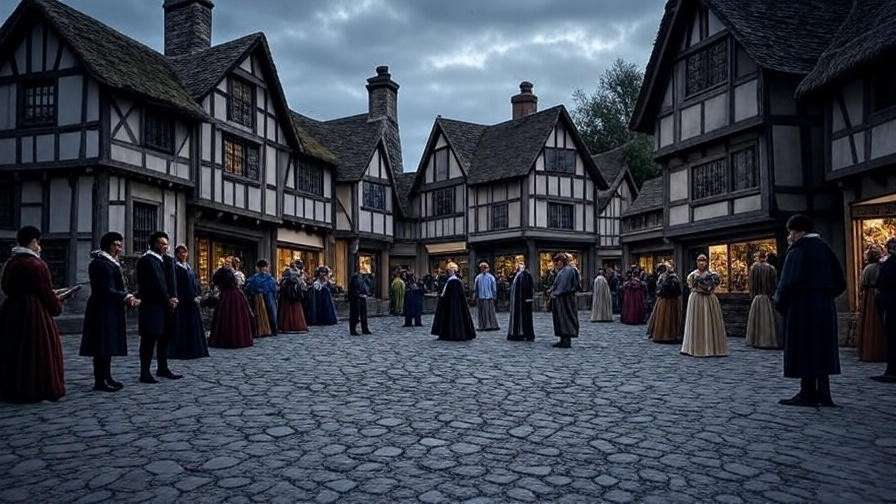
Hamlet follows Prince Hamlet of Denmark, who grapples with his father’s ghost revealing murder by his uncle Claudius, who has seized the throne and married Hamlet’s mother, Gertrude. Torn between duty to avenge and paralyzing doubt, Hamlet feigns madness while plotting revenge, leading to a cascade of tragedy.
The play’s core themes fuel its quotability:
- Mortality and death: Hamlet confronts the inevitability of death, making lines about skulls and suicide profoundly moving.
- Corruption and rot: Political and moral decay permeates the court, symbolized by imagery of disease and decay.
- Madness vs. sanity: Is Hamlet truly mad, or is his “antic disposition” a calculated act?
- Action vs. inaction: Hamlet’s hesitation—his “thinking too precisely on th’ event”—drives the plot.
- Appearance vs. reality: Deception reigns, from feigned madness to spying and play-acting.
- Gender and betrayal: Misogynistic views and familial disloyalty add layers of psychological complexity.
Shakespeare’s mastery lies in turning these into memorable, philosophical poetry. Soliloquies allow direct access to characters’ minds, making quotes feel intimate and universal.
The Top 15 Most Famous Quotes from Hamlet (Ranked by Cultural Impact and Frequency in References)
Here are the play’s most enduring lines, curated for depth over mere enumeration.
1. “To be, or not to be, that is the question…” (Hamlet, Act 3, Scene 1, lines 56–90)
The full opening: “To be, or not to be, that is the question: / Whether ’tis nobler in the mind to suffer / The slings and arrows of outrageous fortune, / Or to take arms against a sea of troubles / And by opposing end them.”
Context: In the “nunnery scene,” Hamlet delivers this soliloquy while Ophelia (spied on by Polonius and Claudius) approaches. Overwhelmed by grief, betrayal, and the burden of revenge, he contemplates existence itself.
Analysis: This isn’t merely about suicide—though that’s one layer. “To be” means to endure life’s suffering passively; “not to be” suggests ending it actively. Hamlet weighs life’s pains (“the whips and scorns of time”) against the unknown afterlife (“the undiscover’d country, from whose bourn / No traveller returns”). Fear of what “dreams may come” after death prevents action. Philosophically, it echoes existentialism (later influencing thinkers like Camus). The “rub” is the obstacle—uncertainty halts resolve.
Why famous: Universally recognized as Shakespeare’s most iconic line, it appears in films (The Lion King, Star Trek), books, politics, and mental health discussions. It captures the human dilemma: endure or escape?
2. “Something is rotten in the state of Denmark.” (Marcellus, Act 1, Scene 4, line 90)
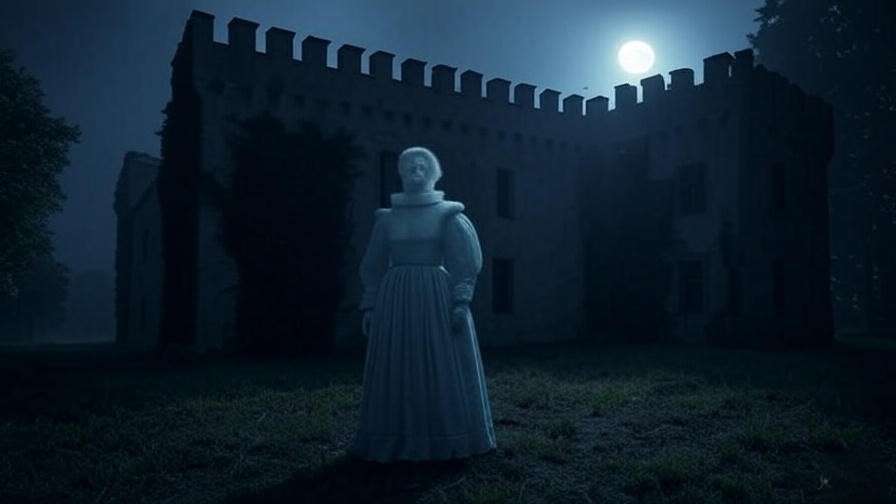
Context: After the Ghost appears to Hamlet, Horatio, and Marcellus on the battlements, Marcellus remarks on the supernatural disturbance.
Analysis: This metaphor of decay signals moral and political corruption at Denmark’s core—Claudius’s fratricide and usurpation. “Rotten” evokes disease spreading from the head (king) to the body politic.
Modern relevance: Frequently used in journalism and politics to describe systemic failure, scandals, or institutional decay (e.g., “something is rotten in [government/corporation]”).
3. “This above all: to thine own self be true…” (Polonius, Act 1, Scene 3, lines 78–80)
Full excerpt: “This above all: to thine own self be true, / And it must follow, as the night the day, / Thou canst not then be false to any man.”
Context: Polonius gives fatherly advice to departing Laertes.
Analysis: Sounds wise, but ironic—Polonius is a meddling hypocrite who spies and deceives. The line champions authenticity amid a play of masks, yet highlights how even flawed characters can utter profound truths.
Cultural impact: Staple in graduation speeches, self-help books, and motivational contexts, often detached from irony.
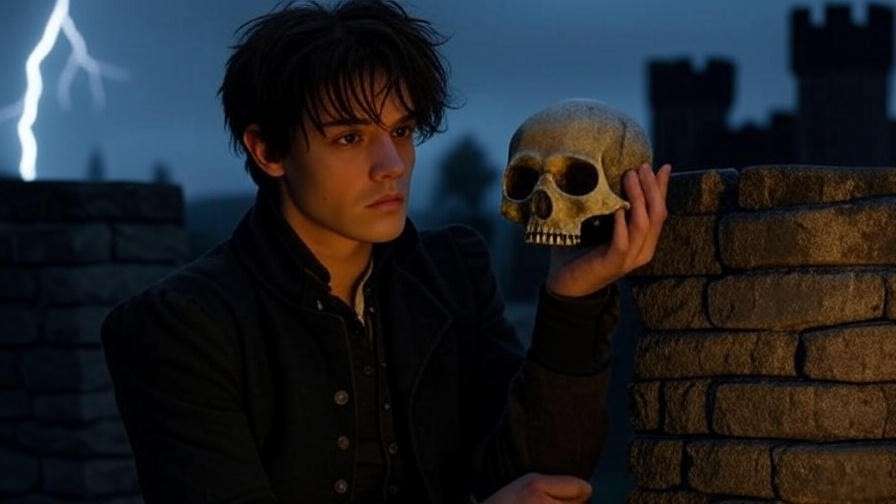
4. “Alas, poor Yorick! I knew him, Horatio…” (Hamlet, Act 5, Scene 1, lines 177–178)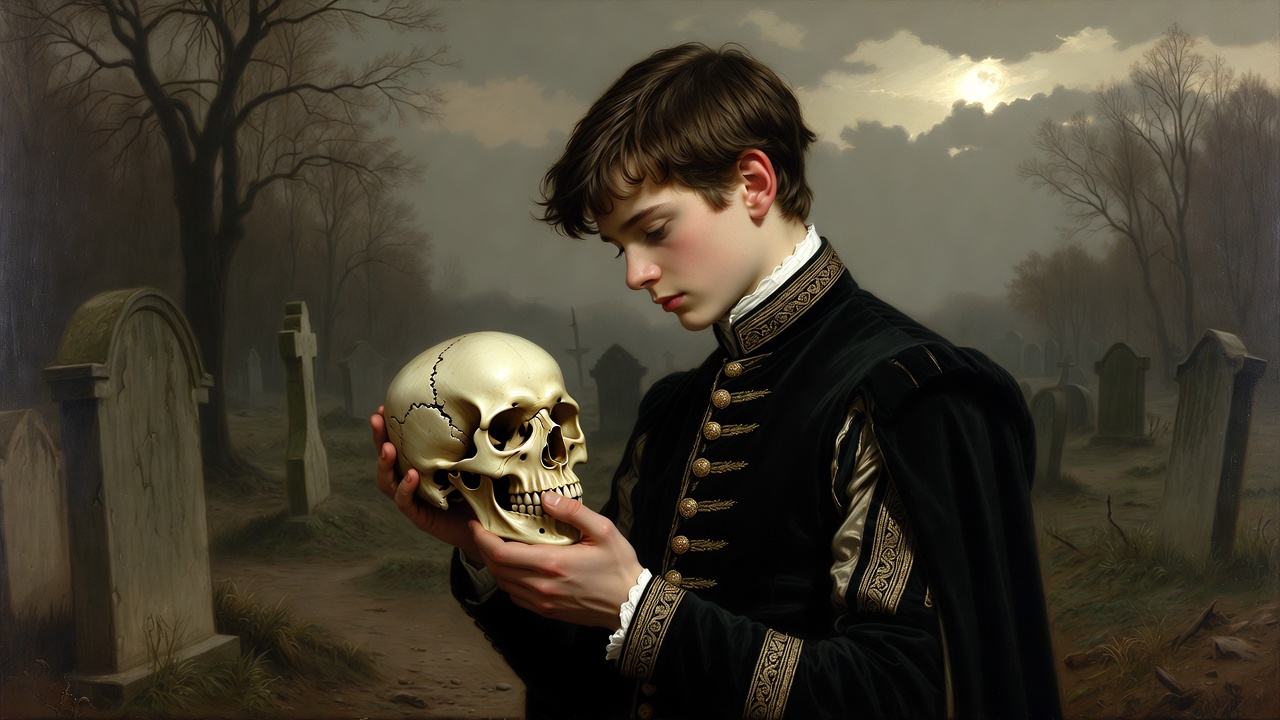
Full: “Alas, poor Yorick! I knew him, Horatio—a fellow of infinite jest, of most excellent fancy.”
Context: In the graveyard, Hamlet holds the jester’s skull, reflecting on death’s equalizer.
Analysis: Classic memento mori—reminder of mortality. Yorick’s skull reduces a once-vibrant life to dust, shifting Hamlet from melancholy to grim acceptance. Often misquoted as “I knew him well.”
5. “Frailty, thy name is woman!” (Hamlet, Act 1, Scene 2, line 146)
Context: In his first soliloquy, Hamlet laments Gertrude’s quick remarriage.
Analysis: Expresses betrayal and misogyny, influenced by Elizabethan gender norms and possible Oedipal undertones. Modern feminist readings critique it as reflective of Hamlet’s flawed perspective rather than Shakespeare’s endorsement.
6. “There is nothing either good or bad, but thinking makes it so.” (Hamlet, Act 2, Scene 2, lines 244–245)
Context: To Rosencrantz and Guildenstern, feigning madness.
Analysis: Relativism—perception shapes reality. Echoes stoicism and modern psychology.
7. “The lady doth protest too much, methinks.” (Gertrude, Act 3, Scene 2, line 219)
Context: During the play-within-a-play, Gertrude comments on the Player Queen’s vows.
Analysis: Ironic self-indictment—Gertrude unknowingly describes her own hasty remarriage.
Modern use: “Doth protest too much” means over-defensiveness reveals guilt.
8. “Brevity is the soul of wit.” (Polonius, Act 2, Scene 2, line 90)
Context: Polonius’s verbose introduction.
Analysis: Hilarious irony—Polonius rambles while praising conciseness.
9. “Though this be madness, yet there is method in ‘t.” (Polonius, Act 2, Scene 2, line 203–204)
Context: Observing Hamlet’s “mad” behavior.
Analysis: Polonius senses purpose in chaos; phrase now means hidden logic in seeming disorder.
10. “O, that this too too solid flesh would melt…” (Hamlet, Act 1, Scene 2, lines 129–132)
Context: First soliloquy on despair.
Analysis: Suicidal ideation, wishing dissolution; forbidden by religion (“self-slaughter”).
11. “The play’s the thing / Wherein I’ll catch the conscience of the king.” (Hamlet, Act 2, Scene 2, lines 599–600)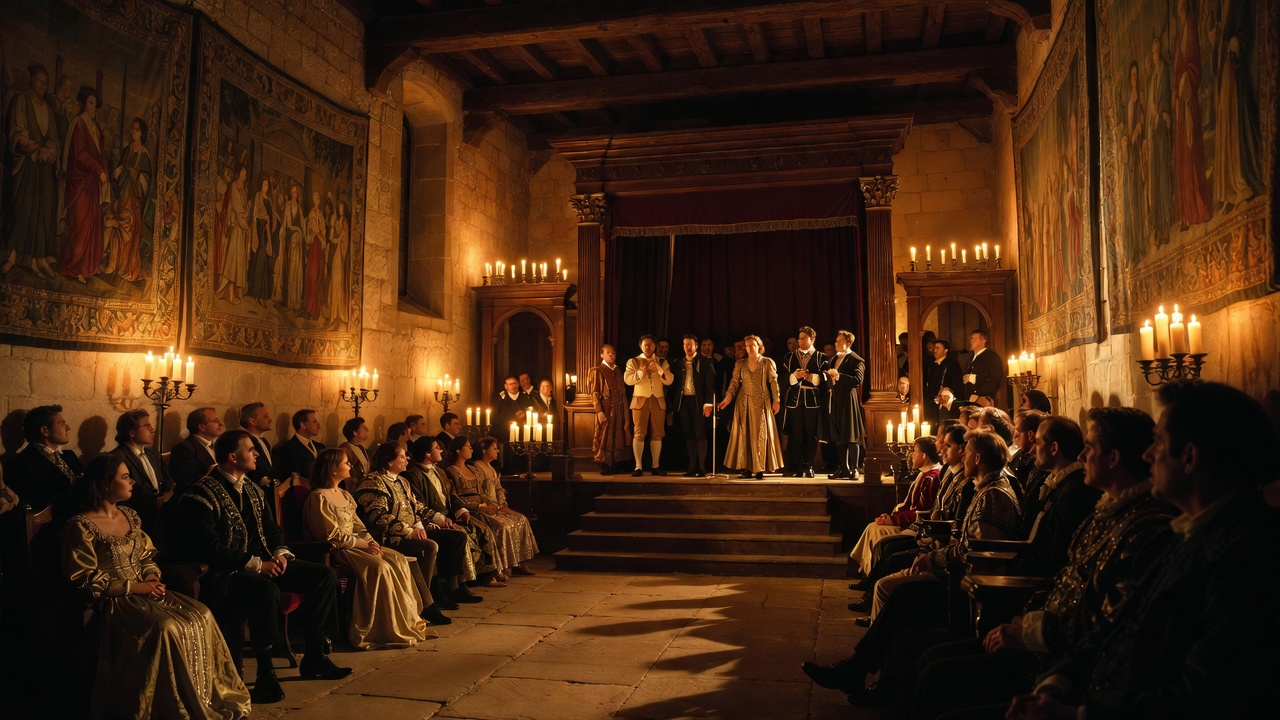
Context: Planning the Mousetrap play.
Analysis: Meta-theatrical—art as truth-revealer.
12. “There are more things in heaven and earth, Horatio, / Than are dreamt of in your philosophy.” (Hamlet, Act 1, Scene 5, lines 167–168)
Context: After the Ghost.
Analysis: Limits of rationalism; opens to supernatural.
13. “Get thee to a nunnery.” (Hamlet, Act 3, Scene 1, line 121)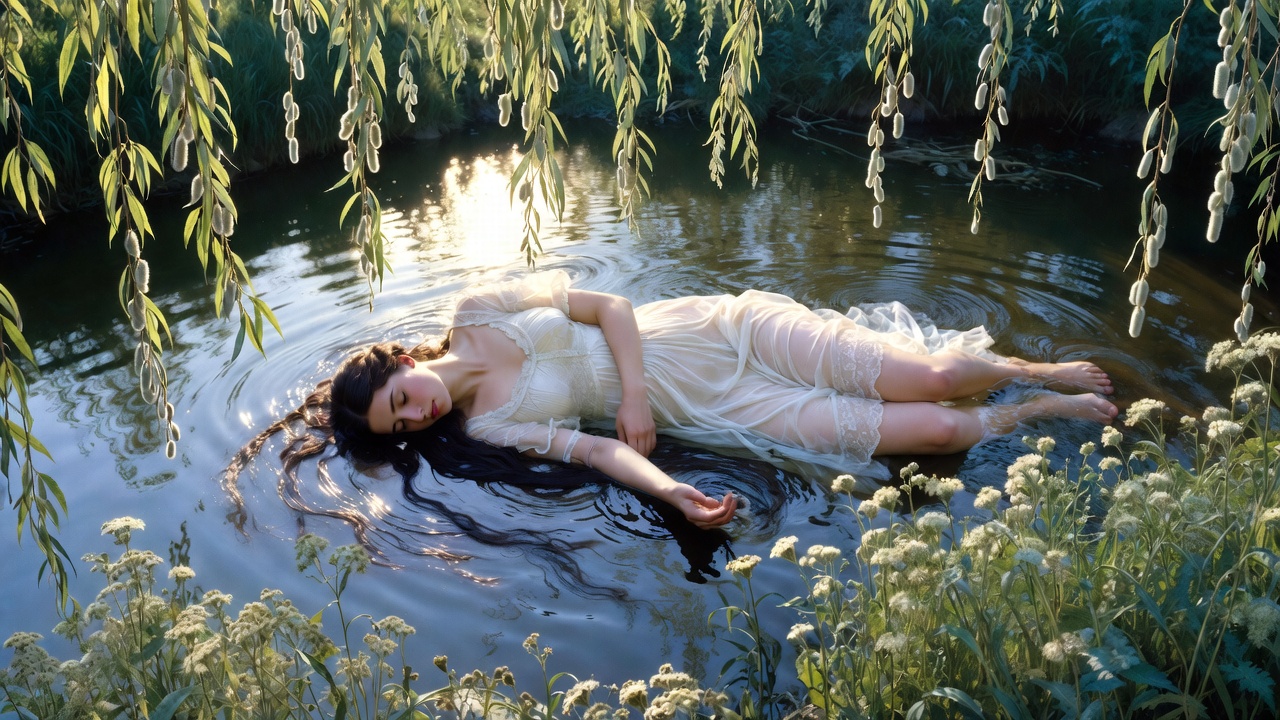
Context: To Ophelia, harshly.
Analysis: Cruel rejection, possibly protecting her or venting misogyny.
14. “The time is out of joint. O cursed spite, / That ever I was born to set it right!” (Hamlet, Act 1, Scene 5, lines 188–189)
Context: After Ghost’s revelation.
Analysis: Burden of cosmic duty.
15. “Good night, sweet prince, / And flights of angels sing thee to thy rest.” (Horatio, Act 5, Scene 2, lines 359–360)
Context: Hamlet’s death.
Analysis: Poignant farewell; closure with hope.
Common Misquotes and Variations – What People Get Wrong
Accuracy matters in Shakespeare. Common errors include:
- “Alas, poor Yorick, I knew him well” (actual: “Alas, poor Yorick! I knew him, Horatio”).
- “Methinks the lady doth protest too much” (actual: “The lady doth protest too much, methinks”).
- “To thine own self be true” often quoted without ironic context.
These preserve intent—misquotes dilute nuance.
How These Quotes Reflect Hamlet’s Character Development
Hamlet’s arc unfolds through quotes: early grief (“O that this too too solid flesh…”), philosophical doubt (“To be, or not to be”), feigned madness (“method in ‘t”), resolve (“The play’s the thing”), and acceptance (Yorick scene). Soliloquies chart his psyche—from paralysis to tragic action.
Modern Relevance and Cultural Impact of Hamlet’s Quotes
Hamlet permeates pop culture: The Lion King adapts the plot; The Simpsons parodies it; films like Blade Runner and Coraline reference lines. “To be or not to be” inspires existential discussions; “something is rotten” critiques society. In psychology, quotes aid mental health talks; in politics, corruption metaphors endure.
FAQs About Hamlet’s Most Famous Quotes
What is the most famous quote from Hamlet? “To be, or not to be, that is the question”—universally recognized.
Who says “Something is rotten in the state of Denmark”? Marcellus, a soldier—not Hamlet.
What does “To thine own self be true” really mean in context? Polonius’s advice, ironic given his deceitfulness.
Why is “To be or not to be” so important? It encapsulates existential struggle and fear of the unknown.
Are there any funny or ironic quotes in Hamlet? Yes—Polonius’s “brevity is the soul of wit” while being long-winded.
How can I use these quotes in essays/speeches? Cite with context for depth; link to themes.
Shakespeare’s Hamlet endures through its profound exploration of the human soul, captured in these iconic lines. They challenge us to confront mortality, morality, and meaning. Read or watch the play to experience their full power. Which Hamlet most famous quote resonates most with you? Share in the comments, and explore more Shakespeare insights on williamshakespeareinsights.