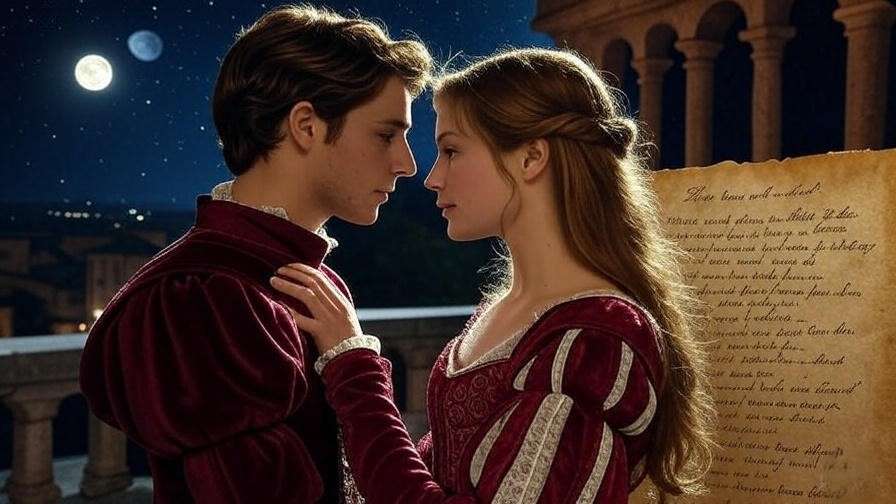
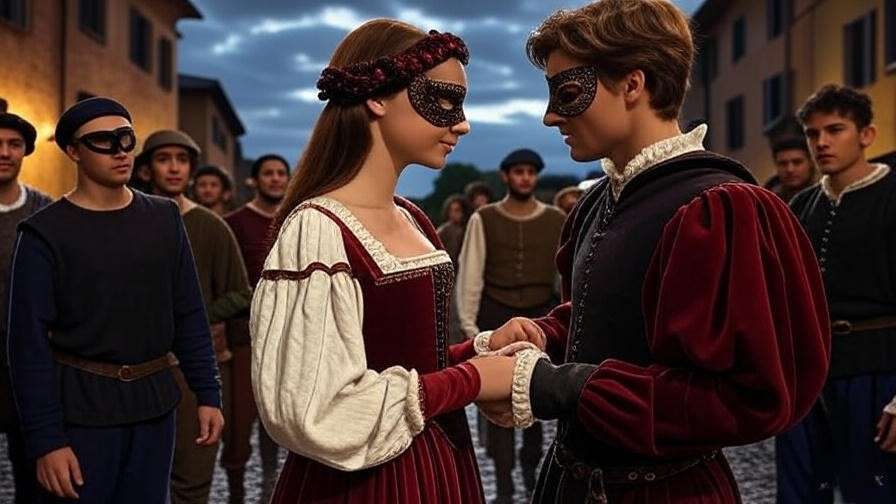
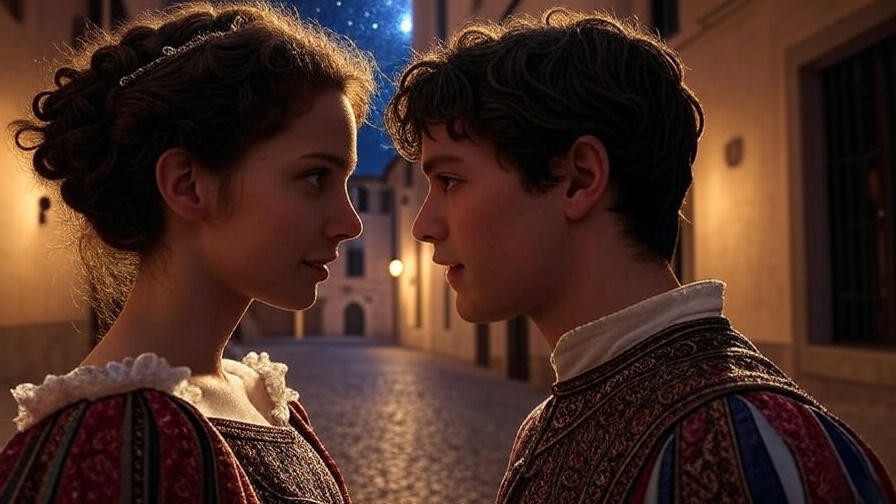
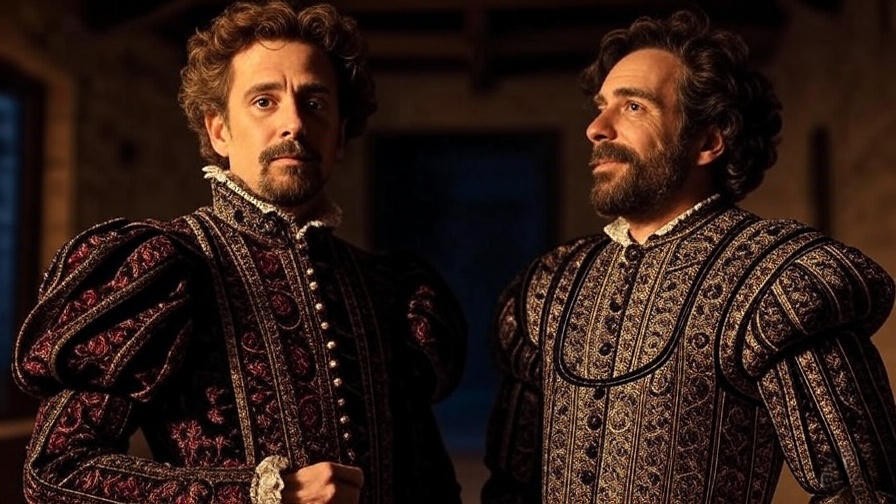
Imagine stepping onto the Globe Theatre stage in 1595: a lone Chorus actor steps forward and, in just 14 elegant lines—roughly 100–150 words—delivers the fate of two star-crossed lovers, the ancient grudge between their families, and the tragic end awaiting them. This is the prologue to William Shakespeare’s Romeo and Juliet, a masterpiece of economy that hooks the audience immediately, sets the tone, foreshadows doom, and wastes not a single breath. Centuries later, writers still wrestle with the same question: how long should a prologue be?
In today’s publishing landscape, the prologue remains one of the most debated tools in a novelist’s arsenal. Many agents and readers skip them outright, viewing them as potential info-dumps or excuses for weak Chapter 1 openings. Yet, when crafted with purpose, a prologue can ignite curiosity, establish stakes, and immerse readers in your world before the main action begins. The key lies in brevity and impact—qualities Shakespeare mastered like no other.
As someone who has spent years studying Shakespeare’s dramatic techniques and advising aspiring writers on manuscript structure, I’ve seen countless prologues that either soar or sink based on length alone. This article draws on timeless lessons from the Bard—whose prologues were concise, poetic, and purposeful—while applying them to modern fiction. We’ll explore ideal word counts, genre considerations, common pitfalls, and step-by-step guidance to help you create an opening that captivates rather than alienates. Whether you’re writing fantasy, thriller, historical fiction, or literary drama, you’ll find actionable insights to make your prologue (if you choose one) an asset, not a liability.
What Is a Prologue, and Why Do Writers Use One?
A prologue is an introductory section that appears before Chapter 1, separate from the main narrative arc. Unlike a preface (author’s note) or epigraph (quotation), it’s part of the fictional story itself. It provides context, backstory, or a pivotal event that the primary plot cannot easily incorporate without disrupting flow.
Writers employ prologues for several strategic reasons:
- Foreshadowing and hooking readers: A teaser scene builds tension or mystery.
- World-building: Especially in fantasy, sci-fi, or historical fiction, where readers need orientation.
- Alternative perspective or time frame: Showing an event from another character’s viewpoint or years earlier.
- Setting stakes: Introducing a threat, prophecy, or inciting incident.
However, prologues are controversial. Many industry professionals advise against them because poorly executed ones read like textbooks—dry exposition that readers skim or skip. The real test: If the story functions seamlessly without the prologue, it may not need one. If removing it creates confusion or weakens impact, it earns its place.
Shakespeare’s era offers a perfect parallel. Elizabethan audiences arrived without summaries or playbills. The Chorus in plays like Romeo and Juliet and Henry V bridged this gap, delivering essential context efficiently. These prologues weren’t optional flourishes—they were necessities for clarity and engagement in a live theater setting. Modern writers can borrow this mindset: Use a prologue only when it serves the story better than integration into the main narrative.
How Long Should a Prologue Be? The Consensus from Experts and Data
There is no universal rule etched in stone, but writing communities, editors, and published authors converge on clear guidelines. The overwhelming consensus: Keep it shorter than your average chapter.
Practical ranges from expert sources and writer forums include:
- Ideal length: 500–2,000 words (about 2–8 manuscript pages, double-spaced).
- Sweet spot for most novels: 1,000–1,500 words—long enough to deliver value, short enough to maintain momentum.
- Too short: Under 300 words often feels abrupt or superficial, like a half-hearted teaser.
- Too long: Over 3,000–5,000 words risks reader fatigue and signals structural issues (e.g., info-dumping). Prologues exceeding average chapter length (typically 3,000–5,000 words in adult fiction) frequently draw criticism.
Genre plays a role:
- Thrillers, mysteries, and contemporary fiction favor very short prologues (or none) to dive straight into action.
- Epic fantasy and historical sagas may tolerate longer ones for immersive setup, but even here, brevity wins—think under 2,500 words.
- Literary fiction often avoids them altogether or uses minimalist ones.
Lessons from Shakespeare: Concise Prologues That Captivate
Shakespeare used prologues sparingly but brilliantly in five plays: Romeo and Juliet, Henry V, Henry VIII, Troilus and Cressida, and Pericles. Each demonstrates how to achieve maximum effect with minimal length.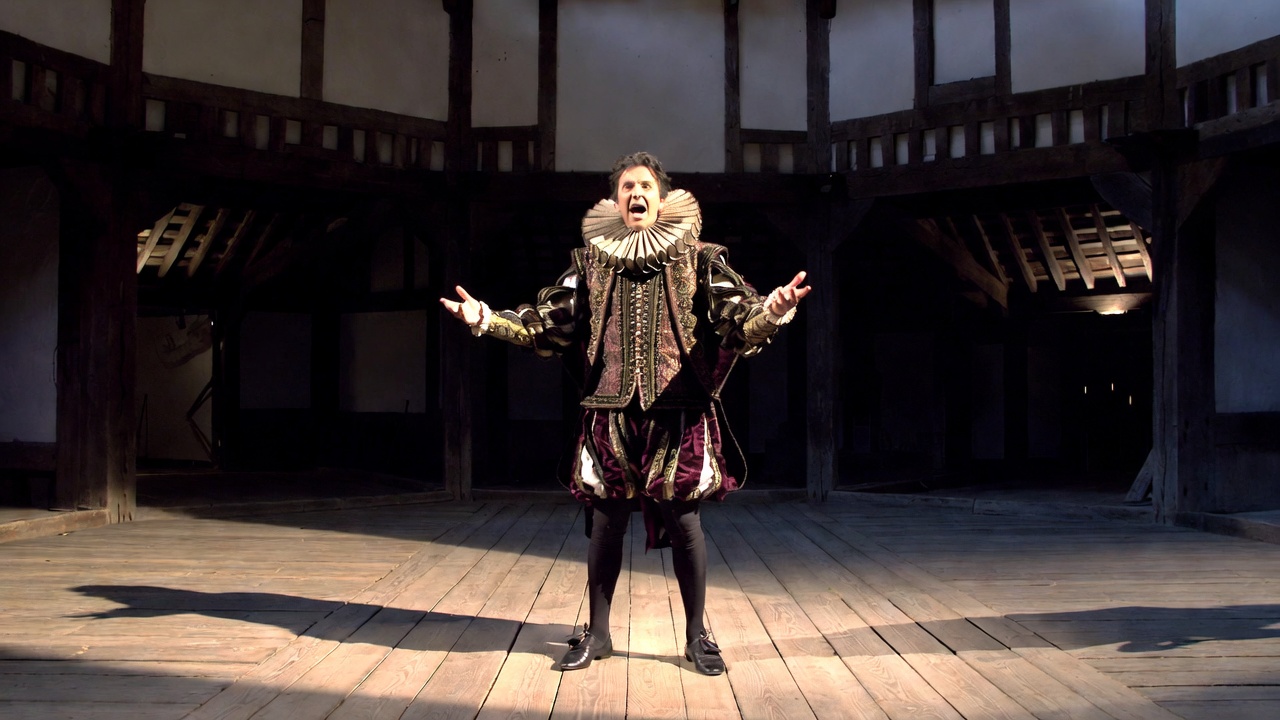
In Romeo and Juliet, the Chorus sonnet opens:
Two households, both alike in dignity, In fair Verona, where we lay our scene, From ancient grudge break to new mutiny, Where civil blood makes civil hands unclean…
This 14-line poem foreshadows the lovers’ doom, establishes the setting, and builds dramatic irony—all in under 150 words. It hooks with tragedy’s inevitability while leaving room for surprise in execution.
Henry V features multiple Chorus speeches. The opening one apologizes for the stage’s limitations, urges imagination (“Piece out our imperfections with your thoughts”), and sets the epic scale. Each subsequent prologue transitions acts efficiently, never exceeding 300 words. Shakespeare uses verse to compress time, geography, and emotion—techniques modern writers can adapt through vivid imagery and rhythmic prose.
Troilus and Cressida‘s armored Prologue sets satirical tone and war context swiftly.
Key Shakespearean lessons for today:
- Purpose over length: Every line advances intrigue or stakes.
- Poetic compression: Distill exposition into evocative language.
- Engagement first: Hook with emotion, mystery, or grandeur.
- Foreshadow subtly: Tease without spoiling.
Common Prologue Mistakes and How to Avoid Them
Even experienced writers fall into prologue pitfalls that turn a potentially powerful opening into a liability. Here are the most frequent mistakes, drawn from manuscript critiques, agent feedback, and published examples that didn’t quite land:
- The Info-Dump Prologue The prologue becomes a history lesson or character biography. Readers feel lectured rather than intrigued. Fix: Follow Shakespeare’s example—turn exposition into dramatic action or vivid imagery. Instead of “In the kingdom of Eldoria, the royal family had ruled for 300 years…,” show a single, emotionally charged moment that reveals the necessary context.
- Starting Too Slowly or Irrelevantly The prologue opens with description or philosophical musings unrelated to the main conflict. Fix: Begin in medias res within the prologue itself. Shakespeare’s Chorus in Henry V opens with a direct address to the audience’s imagination, immediately engaging rather than meandering.
- Making the Prologue Longer Than Necessary Writers include full scenes that could (and should) be Chapter 1, or they pad length to “set the scene properly.” Fix: Ruthlessly trim. Ask: Does this sentence advance stakes, mystery, or emotional investment? If not, cut it. Aim to make your prologue noticeably shorter than your typical chapter.
- Weak or Absent Hook The prologue fails to create immediate curiosity or emotional pull. Fix: Open with high stakes—a death, a betrayal, a prophecy fulfilled, or an impossible choice. Shakespeare begins Romeo and Juliet by announcing the lovers’ doom, creating tragic irony that compels readers to see how it unfolds.
- The Non-Essential Prologue The story works perfectly well (or even better) without it. Fix: Perform the “delete test.” Remove the prologue and read the first chapter. If flow and comprehension remain intact, reconsider whether the prologue adds unique value.
- Tone or Voice Mismatch The prologue uses a different style, POV, or tense than the main narrative, jarring readers. Fix: Ensure consistency unless the mismatch is deliberate and purposeful (e.g., a mythic tone for a fantasy world’s ancient history).
Shakespeare avoided every one of these traps through disciplined brevity and theatrical necessity. Modern writers can do the same by treating the prologue as a promise: “Read on, and this intensity will continue.”
Best Practices for Writing an Effective Prologue
To create a prologue that agents, editors, and readers actually want to read, follow these proven strategies:
- Hook on the First Line Start with action, conflict, mystery, or intense emotion. Avoid opening with weather, scenery, or abstract thoughts.
- Keep It Self-Contained Yet Connected The prologue should feel like a complete micro-story while planting seeds that bloom in the main narrative.
- Use a Different Time, Place, or Perspective This is one of the strongest justifications for a prologue—showing an event the protagonist doesn’t witness, or a moment years earlier that shapes everything.
- Foreshadow Without Spoiling Hint at consequences, themes, or character arcs. Shakespeare’s sonnet in Romeo and Juliet reveals the ending but leaves readers desperate to see the how.
- Match Prose Style to the Novel If your book is lyrical, make the prologue lyrical. If it’s terse and cinematic, keep the prologue the same.
- End with Forward Momentum Finish on a question, cliffhanger, or emotional peak that propels readers into Chapter 1.
- Revise for Brutal Concision Cut every unnecessary word. Read the prologue aloud—awkward phrasing or padding becomes obvious.
- Get Beta Reader and Critique Feedback Ask specifically: “Did the prologue make you want to keep reading? Did it feel essential?”
Shakespeare’s prologues were performative necessities delivered by skilled actors. In print, your words must carry that same dramatic weight through precision and vividness.
Real-World Examples: Effective Prologues in Modern Fiction
Examining successful contemporary prologues reveals how Shakespearean principles translate today:
- The Silent Patient by Alex Michaelides (~800 words) A short, chilling scene from the killer’s perspective sets up the mystery and unreliable narration. It’s concise, disturbing, and impossible to skip.
- The Night Circus by Erin Morgenstern (~1,200 words) An atmospheric, present-tense introduction to the magical competition establishes tone and wonder without heavy exposition.
- The Shadow of the Wind by Carlos Ruiz Zafón (~1,500 words) A father-son visit to the Cemetery of Forgotten Books creates intrigue and emotional stakes before jumping to the protagonist’s childhood.
- Outlander by Diana Gabaldon (~2,000 words) A brief, time-bending glimpse into Claire’s future perspective adds layers of mystery to her 1940s-to-1740s journey.
These examples succeed because they are purposeful, relatively short, and emotionally engaging—echoing Shakespeare’s ability to compress significance into few lines.
Step-by-Step Guide: Crafting Your Prologue
- Determine Necessity Write your Chapter 1 first. If the story feels complete and clear, ask whether a prologue truly adds value.
- Define Clear Purpose Write one sentence: “This prologue exists to [hook readers / deliver critical backstory / establish tone / foreshadow X].”
- Outline Key Elements Hook → Essential context → Emotional or thematic stakes → Forward-pointing final line.
- Draft Quickly, Then Edit Ruthlessly Aim for 1,500 words in the first draft, then cut by at least 30–50%.
- Test and Refine Share with beta readers. Ask: “Would you skip this? Does it make Chapter 1 stronger?” Revise based on honest feedback.
- Final Polish Read aloud for rhythm. Ensure every sentence earns its place.
There is no magic number for prologue length, but the evidence—from literary agents, reader behavior, and the enduring success of Shakespeare’s plays—points clearly in one direction: shorter is almost always better. Aim for 500–2,000 words, keep it shorter than your average chapter, and make every line count.
Shakespeare proved that a prologue can be devastatingly effective in just 14 lines. By borrowing his discipline—compressing exposition, prioritizing emotional stakes, and hooking readers immediately—you can transform your opening from a hurdle into an irresistible invitation.
FAQs
Q: Can a prologue be zero words (i.e., should I skip it entirely)? A: Yes—many successful novels do. If your story starts strong in Chapter 1, trust it.
Q: Do literary agents hate prologues? A: Not inherently, but many are skeptical. A strong, concise, purposeful prologue can win them over.
Q: Should fantasy prologues be longer? A: They can be, but rarely should exceed 2,500 words. World-building works better when woven in gradually.
Q: Is it okay to use a prologue as a flash-forward? A: Yes, if it creates compelling questions that Chapter 1 answers.
Q: How do I know if my prologue is too long? A: If it’s longer than your typical chapter or readers say they skimmed it, shorten it.
Q: Can a prologue be written in verse like Shakespeare? A: Absolutely—if it fits your novel’s tone. Just ensure it remains accessible to modern readers.