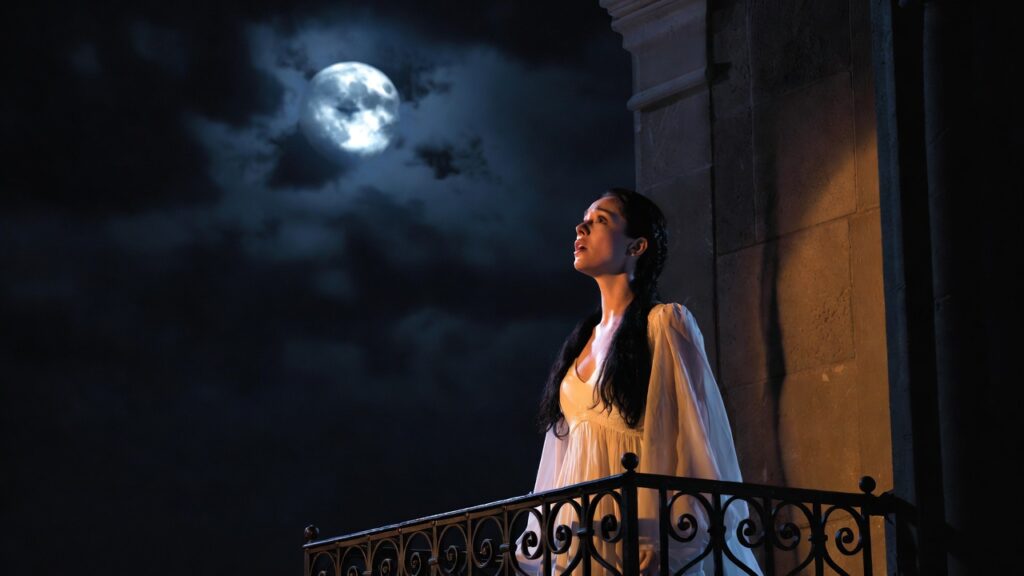
Imagine a young girl, barely fourteen, standing alone in the quiet of her chamber or gazing out into the moonlit night. Her words pour forth—not in whispers, but in a torrent of longing, defiance, and raw desire that has echoed through centuries. “O Romeo, Romeo! wherefore art thou Romeo?” These lines, spoken by Juliet in one of Shakespeare’s most celebrated scenes, capture the essence of adolescent passion clashing against societal barriers. Juliet monologues in Romeo and Juliet are not mere romantic flourishes; they are profound expressions of a character’s inner world, blending innocence with fierce intelligence, vulnerability with courage.
Whether you are a student analyzing the text for an essay, an actor preparing for an audition, a teacher seeking fresh classroom insights, or simply a reader drawn to timeless explorations of love, fate, and identity, this comprehensive guide delivers exactly what you need: full original texts, line-by-line breakdowns, historical and thematic context, performance guidance, and modern relevance. Here we go beyond surface-level quotes to uncover why Juliet’s monologues remain among the most powerful, frequently studied, and emotionally resonant speeches in all of English literature.
Who Is Juliet? A Brief Character Overview
Juliet Capulet enters the play as a dutiful, sheltered daughter of a wealthy Veronese family locked in an ancient feud with the Montagues. At thirteen or fourteen years old, she stands on the threshold of adulthood, expected to accept an arranged marriage to Count Paris. Yet within a few intense days she undergoes one of the most rapid and profound character arcs in Shakespeare: she falls passionately in love with Romeo Montague, secretly marries him, defies her parents, and ultimately chooses death rather than life without her beloved.
What distinguishes Juliet’s voice is its private authenticity. Unlike many Shakespearean characters who deliver soliloquies in public or with strategic intent, Juliet’s most important speeches occur in moments of solitude or semi-privacy, revealing her unfiltered thoughts and emotions. She evolves from naive obedience to bold self-assertion, mirroring both the ecstasy of first love and the tragedy of youth constrained by inherited hatred.
This swift maturation, combined with her intellectual sharpness and emotional depth, makes Juliet one of Shakespeare’s most relatable and enduring heroines—a proto-feminist figure whose inner strength shines brightest in her monologues.
The Most Iconic Juliet Monologue: The Balcony Scene (Act 2, Scene 2)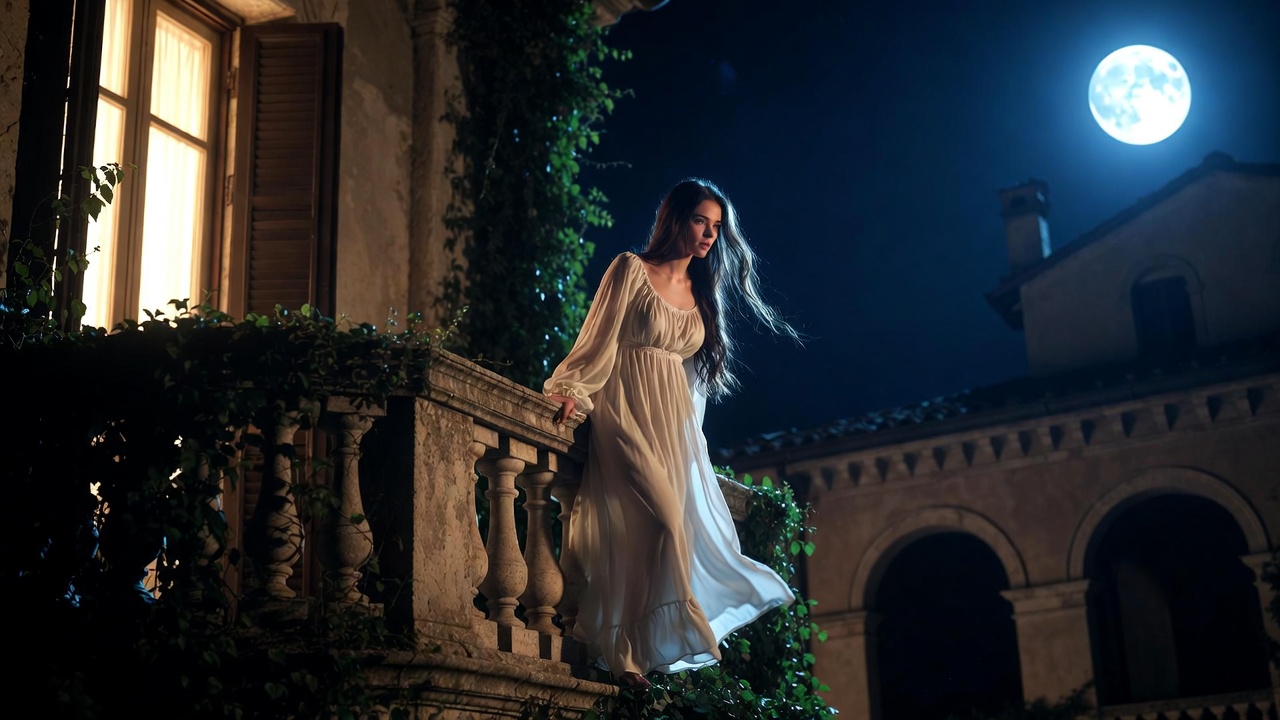
No exploration of Juliet monologues is complete without the famous “balcony” scene—although Shakespeare’s original text never mentions a balcony; the image is a product of later stage tradition. In this orchard encounter, Romeo hides below while Juliet, unaware of his presence, speaks her private thoughts aloud.
Full Original Text (Key Soliloquy Portion):
O Romeo, Romeo! wherefore art thou Romeo? Deny thy father and refuse thy name; Or, if thou wilt not, be but sworn my love, And I’ll no longer be a Capulet. ’Tis but thy name that is my enemy; Thou art thyself, though not a Montague. What’s Montague? It is nor hand, nor foot, Nor arm, nor face, nor any other part Belonging to a man. O, be some other name! What’s in a name? That which we call a rose By any other name would smell as sweet; So Romeo would, were he not Romeo call’d, Retain that dear perfection which he owes Without that title. Romeo, doff thy name, And for that name which is no part of thee Take all myself.
Modern English Paraphrase Why must you be named Romeo—named Montague? Renounce your family or swear your love to me, and I’ll abandon mine. Your name alone is my enemy; you remain yourself even without it. What is a Montague? Nothing physical—just a label. A rose by any other name would still smell as sweet. So Romeo would keep all his perfection without the title. Drop your name, and in exchange take all of me.
Line-by-Line Analysis
- “O Romeo, Romeo! wherefore art thou Romeo?” The most misquoted line in Shakespeare. “Wherefore” means “why” or “for what reason,” not “where.” Juliet is not asking Romeo’s location; she is lamenting fate: Why must the man she loves carry the name of her family’s enemy?
- “Deny thy father and refuse thy name…” Juliet proposes radical solutions: Romeo could reject his heritage, or she could forsake hers. The suggestion underscores the absurdity and destructiveness of the feud.
- “What’s in a name? That which we call a rose…” This famous metaphor is one of Shakespeare’s most philosophically sophisticated moments. Juliet rejects social labels as arbitrary; true essence endures regardless of nomenclature. In just a few lines she dismantles the foundation of the entire tragedy.
- Themes Explored Love transcending hatred, the conflict between fate and free will, the fluidity of personal identity. The speech foreshadows the lovers’ doom: their passion defies labels, but cannot escape the consequences of the world they inhabit.
The balcony monologue’s enduring power lies in its perfect balance of vulnerability and intellectual clarity. Juliet speaks from the heart yet reasons with extraordinary maturity, making the speech both deeply romantic and profoundly thoughtful.
Juliet’s Passionate Invocation: “Gallop apace” (Act 3, Scene 2)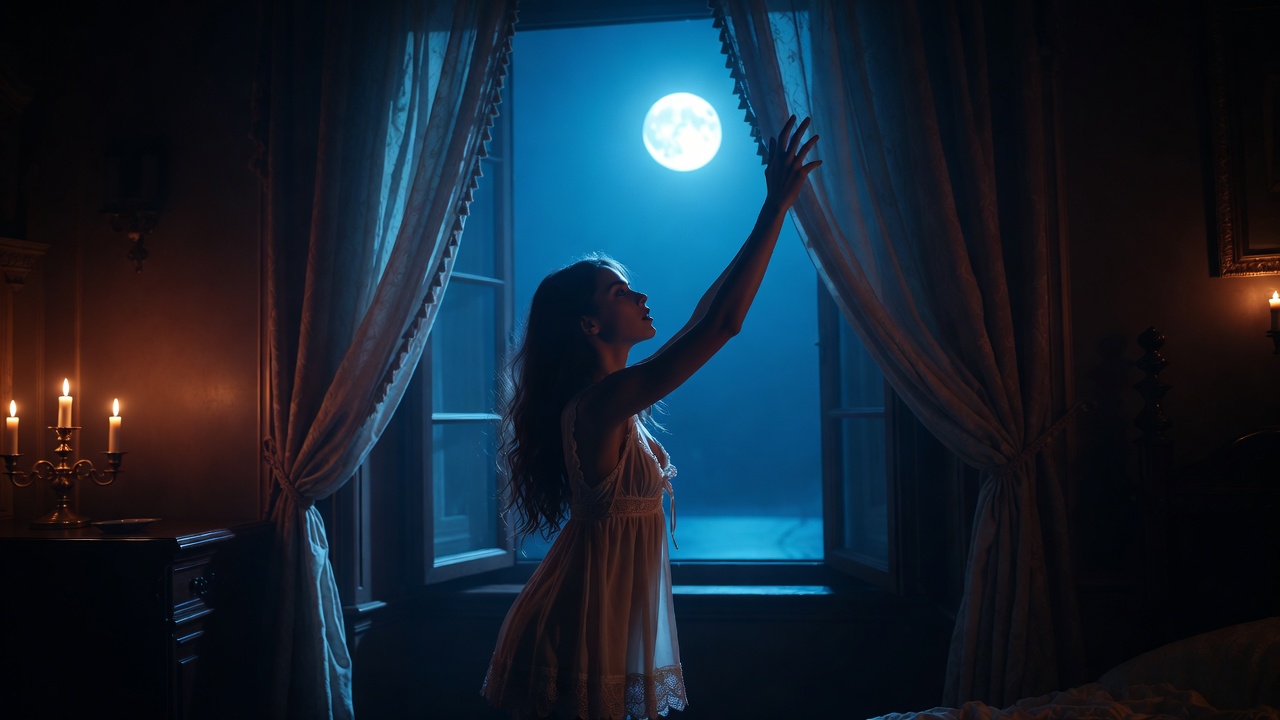
After their secret marriage, Juliet waits impatiently for nightfall so she and Romeo can consummate their union. Alone in her chamber, she delivers one of the most sensual and boldly erotic speeches in all of Shakespeare.
Full Original Text:
Gallop apace, you fiery-footed steeds, Towards Phoebus’ lodging: such a wagoner As Phaethon would whip you to the west, And bring in cloudy night immediately. Spread thy close curtain, love-performing night, That runaways’ eyes may wink, and Romeo Leap to these arms, untalk’d of and unseen. Lovers can see to do their amorous rites By their own beauties; or, if love be blind, It best agrees with night. Come, civil night, Thou sober-suited matron, all in black, And learn me how to lose a winning match, Play’d for a pair of stainless maidenhoods: Hood my unmann’d blood, bating in my cheeks, With thy black mantle; till strange love, grown bold, Think true love acted simple modesty. Come, night; come, Romeo; come, thou day in night; For thou wilt lie upon the wings of night Whiter than new snow on a raven’s back. Come, gentle night, come, loving, black-brow’d night, Give me my Romeo; and, when he shall die, Take him and cut him out in little stars, And he will make the face of heaven so fine That all the world will be in love with night And pay no worship to the garish sun.
Modern English Paraphrase Hurry, sun-chariot horses—race toward sunset and bring night at once! Let darkness hide us so Romeo can come to me unseen. Night, teach me how to surrender my virginity with grace. Cover my blushing, eager passion until our love feels modest. Come, gentle night; give me my Romeo. If he dies, let him become stars so bright that the world falls in love with night instead of the harsh sun.
Detailed Analysis
- Mythological Allusions Phoebus (Apollo, god of the sun) and Phaethon (who disastrously drove the sun chariot) evoke speed, danger, and transformation. Juliet personifies night as both a protective “sober-suited matron” and a passionate lover.
- Sensual Boldness For an Elizabethan audience, Juliet’s explicit desire—“amorous rites,” “unmann’d blood,” “lose a winning match”—was strikingly forward. Shakespeare grants her full sexual agency without judgment, a rare and progressive portrayal.
- Light vs. Dark Imagery Day is “garish” (harsh and glaring); night is loving, concealing, and transformative. The star imagery immortalizes Romeo, blending ecstasy with tragic foreshadowing of death.
This monologue marks Juliet’s transition from romantic idealism to confident, sensual maturity—an extraordinary moment of female desire in Renaissance drama.
Other Notable Juliet Monologues and Soliloquies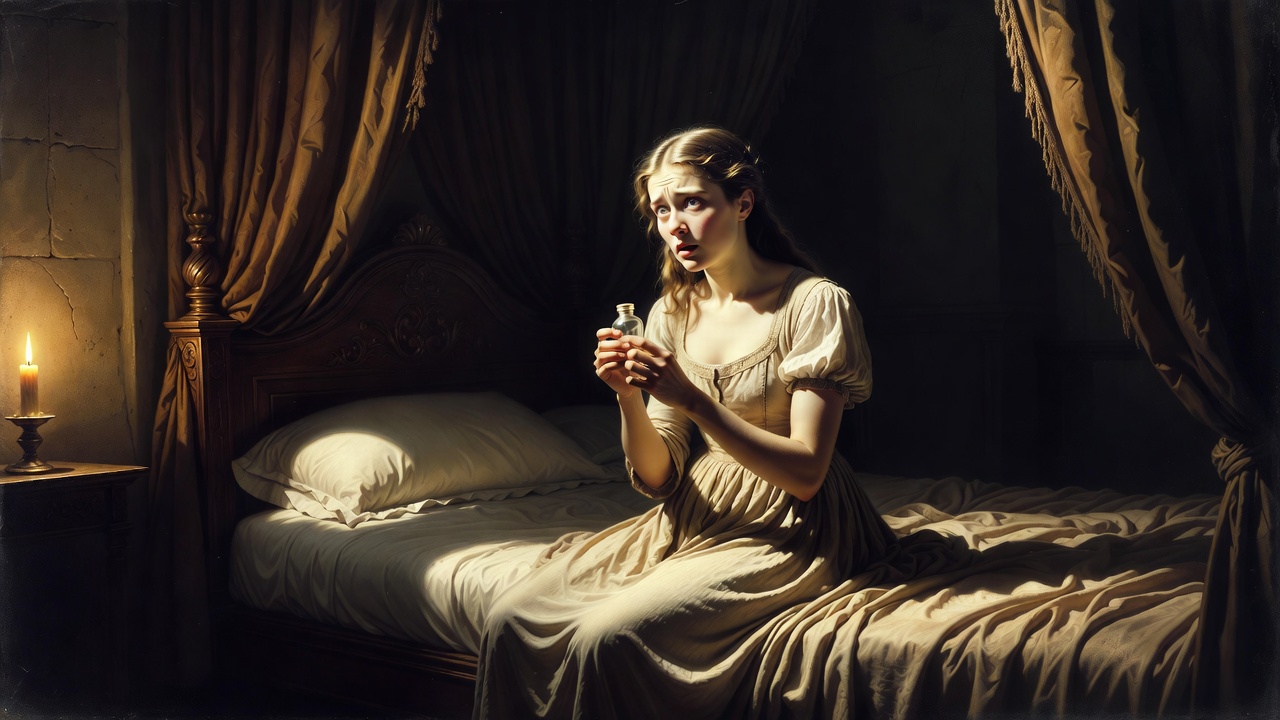
While the balcony speech and “Gallop apace” are the most celebrated, Juliet delivers several other powerful monologues and soliloquies that trace her emotional and psychological journey. These moments reveal her growing complexity, from romantic idealism to anguished realism.
-
“Thou know’st the mask of night is on my face” (Act 2, Scene 2 – continuation of the balcony scene)
After Romeo reveals himself, Juliet speaks directly to him, embarrassed by her forwardness:
Thou know’st the mask of night is on my face, Else would a maiden blush bepaint my cheek For that which thou hast heard me speak tonight. Fain would I dwell on form, fain, fain deny What I have spoke: but farewell compliment! Dost thou love me? I know thou wilt say ‘Ay,’ And I will take thy word: yet if thou swear’st, Thou mayst prove false; at lovers’ perjuries Then say, Jove laughs.
Key Insight: This passage shows Juliet’s self-awareness and playful cynicism about love declarations. She acknowledges social decorum (“form”) but discards it in favor of honesty—a bold move for a young woman in her era.
-
“Shall I speak ill of him that is my husband?” (Act 3, Scene 2)
After learning of Tybalt’s death and Romeo’s banishment, Juliet is torn between loyalty to her family and love for her husband:
Shall I speak ill of him that is my husband? Ah, poor my lord, what tongue shall smooth thy name, When I, thy three-hours wife, have mangled it?
Key Insight: This brief but intense moment captures Juliet’s internal conflict. Her language shifts rapidly between condemnation and defense, illustrating the emotional whiplash caused by the feud’s violence.
-
“Farewell! God knows when we shall meet again” (Act 4, Scene 3)
Alone before drinking the Friar’s potion, Juliet confronts the terror of her plan:
Farewell! God knows when we shall meet again. I have a faint cold fear thrills through my veins, That almost freezes up the heat of life: I’ll call them back again to comfort me. Nurse! What should she do here? My dismal scene I needs must act alone.
Key Insight: This soliloquy marks the darkest turn in Juliet’s arc. The fear of premature burial, hallucinations of Tybalt’s ghost, and isolation create a chilling portrait of a girl facing mortality for love.
These additional speeches complete the portrait of Juliet as a fully realized tragic heroine: intelligent, passionate, conflicted, and tragically courageous.
Themes and Literary Devices in Juliet’s Monologues
Shakespeare employs a rich array of techniques to give Juliet’s speeches their extraordinary power.
- Light and Dark Imagery Juliet repeatedly contrasts the “garish sun” with loving night, inverting conventional associations. Light represents public scrutiny and danger; darkness offers concealment, intimacy, and transformation.
- Personification and Apostrophe She addresses night, the sun, and even abstract concepts (love, death) directly, lending cosmic scale to her personal emotions.
- Iambic Pentameter and Poetic Structure Juliet’s lines are written in blank verse, but she frequently uses feminine endings, enjambment, and rhetorical questions to convey emotional urgency and natural speech rhythms.
- Proto-Feminist Undertones Juliet questions patriarchal structures (arranged marriage, family loyalty, female silence) and asserts her agency through language. Her monologues grant her intellectual and sexual subjectivity rare for female characters of the period.
- Comparison to Romeo While Romeo’s speeches are often more ornate and Petrarchan, Juliet’s are more direct, philosophical, and emotionally raw—highlighting her maturity despite her youth.
Performance Tips: How to Deliver Juliet’s Monologues
These speeches remain staples for auditions and acting classes, but their popularity means actors must find fresh, authentic approaches.
- Avoid Over-Romanticizing The balcony speech is not just “sweet” teenage love; emphasize Juliet’s intelligence and frustration with fate.
- Build Pace and Energy In “Gallop apace,” start with controlled urgency and accelerate through the mythological references, letting the rhythm mimic galloping horses.
- Physical Choices Use stillness and subtle gestures for the balcony scene—small hand movements, upward gazes. For the potion speech, allow visible trembling and wide-eyed fear.
- Vocal Variety Shift between soft intimacy and bold declarations. Play with pauses after rhetorical questions to let the audience feel Juliet’s uncertainty.
- Common Pitfalls Don’t rush the language or force an “old-fashioned” accent. Modern, truthful delivery with clear understanding of the text often resonates most powerfully.
Classical acting teachers (from Stanislavski to contemporary coaches) emphasize that Juliet’s monologues succeed when the actor fully commits to her emotional stakes rather than “performing” poetry.
Modern Relevance and Legacy
Juliet’s monologues continue to resonate because they speak to universal experiences: the intensity of first love, the pain of forbidden relationships, the pressure of societal expectations, and the courage to choose authenticity over safety.
- Film Adaptations Franco Zeffirelli’s 1968 version captured youthful idealism; Baz Luhrmann’s 1996 Romeo + Juliet gave the balcony scene electric modern energy. Both highlight how Juliet’s words transcend time.
- Contemporary Echoes Themes of forbidden love appear in countless stories of cultural, religious, or political division. Juliet’s bold desire and defiance inspire feminist readings and discussions of youth mental health in crisis.
- Cultural Impact Lines like “What’s in a name?” and “Gallop apace” are quoted in literature, music, theater, and everyday language, proving Shakespeare’s enduring ability to articulate human emotion.
Juliet’s monologues are far more than romantic declarations—they are windows into one of literature’s most vivid young minds. From the philosophical clarity of “What’s in a name?” to the sensual urgency of “Gallop apace,” to the chilling isolation of the potion speech, these speeches trace a complete arc of love, rebellion, and tragedy.
Shakespeare gives Juliet a voice that is at once timeless and urgently contemporary: a reminder that passion, when genuine, can challenge even the most entrenched divisions—and that youth, when given language, can speak truths adults often forget.
Revisit Romeo and Juliet with fresh eyes. Try speaking one of these monologues aloud. Let Juliet’s words remind you why Shakespeare remains the greatest chronicler of the human heart.
FAQs
What is Juliet’s most famous monologue? The balcony scene speech beginning “O Romeo, Romeo! wherefore art thou Romeo?” is by far the most recognized and quoted.
What does “wherefore art thou Romeo” actually mean? It means “Why are you Romeo?” (lamenting his family name), not “Where are you, Romeo?”
Which Juliet monologue is best for auditions? “Gallop apace” is often recommended for its emotional range and sensuality, though the balcony speech remains a classic (and frequently overdone) choice.
How many soliloquies does Juliet have in Romeo and Juliet? Juliet has four major soliloquies/monologues: the balcony speech, “Gallop apace,” the conflicted response after Tybalt’s death, and the potion scene farewell.
Why are Juliet’s speeches so emotional? They combine poetic beauty, raw honesty, intellectual depth, and the tragic pressure of youth caught between love and death—creating an unmatched intensity.