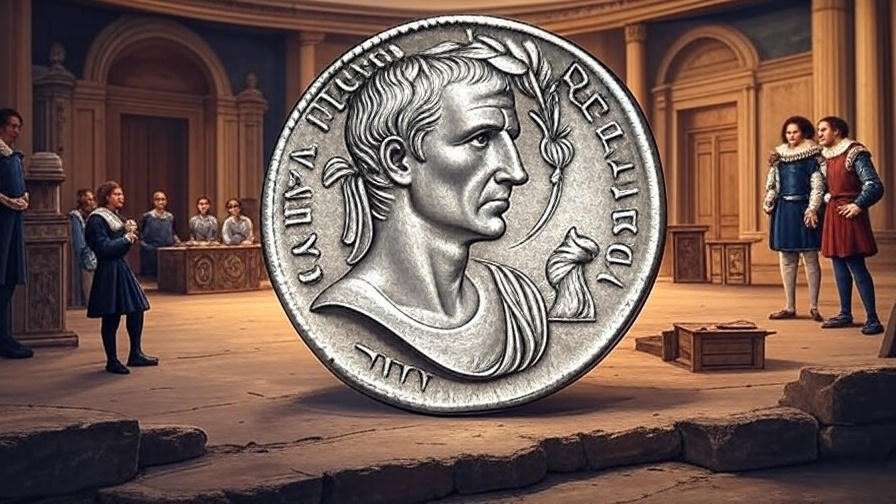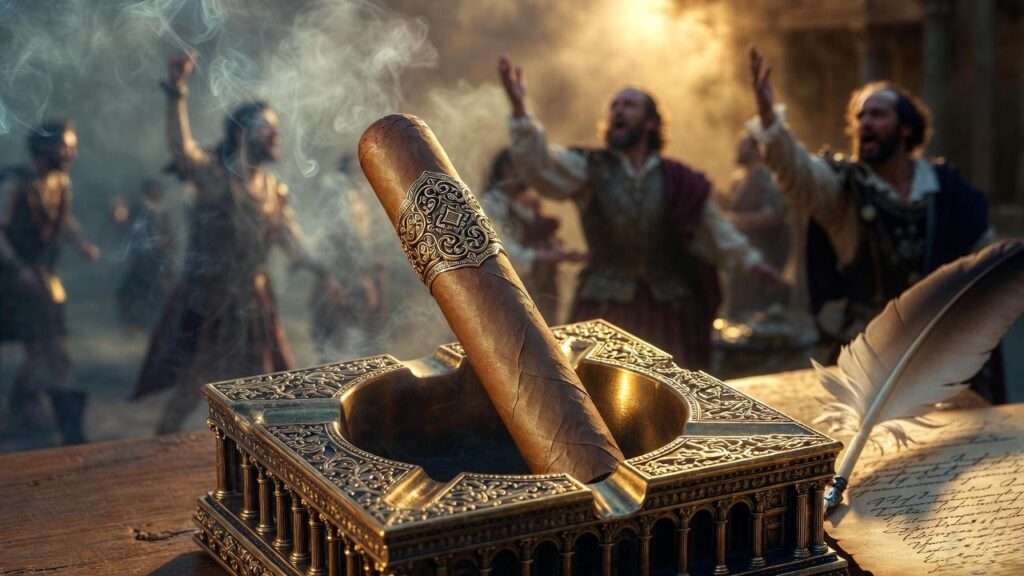
Picture a smoky Roman forum, where Julius Caesar stands defiant, unaware of the betrayal lurking in the shadows. Now, fast-forward to today, where the Julius Caesar cigar, a luxurious creation by J.C. Newman’s Diamond Crown brand, channels that same aura of power and legacy. Why does a premium cigar bear the name of Shakespeare’s tragic hero? This article unveils the fascinating connection between the Julius Caesar cigar and Shakespeare’s iconic play, exploring how themes of ambition, betrayal, and timelessness resonate in both. Drawing on insights from literary scholars, cigar experts, and historical sources, we’ll uncover the cigar’s origins, craftsmanship, and cultural significance, offering a sensory way to engage with Shakespeare’s masterpiece. Whether you’re a Shakespeare enthusiast, a cigar aficionado, or simply curious, this journey promises to illuminate a unique intersection of literature and modern luxury.
The Legacy of Julius Caesar in Shakespeare’s Play
A Brief Overview of Julius Caesar
William Shakespeare’s Julius Caesar, first performed in 1599, is a gripping tragedy that explores the intoxicating allure of power and the devastating consequences of betrayal. The play centers on the assassination of Julius Caesar, a Roman dictator whose ambition sparks fear among his allies. Friends like Brutus and Cassius, driven by loyalty to Rome, conspire to murder him, only to unleash chaos and civil war. The play’s themes—ambition, loyalty, and the fragility of legacy—resonate across centuries, making Caesar a cultural icon.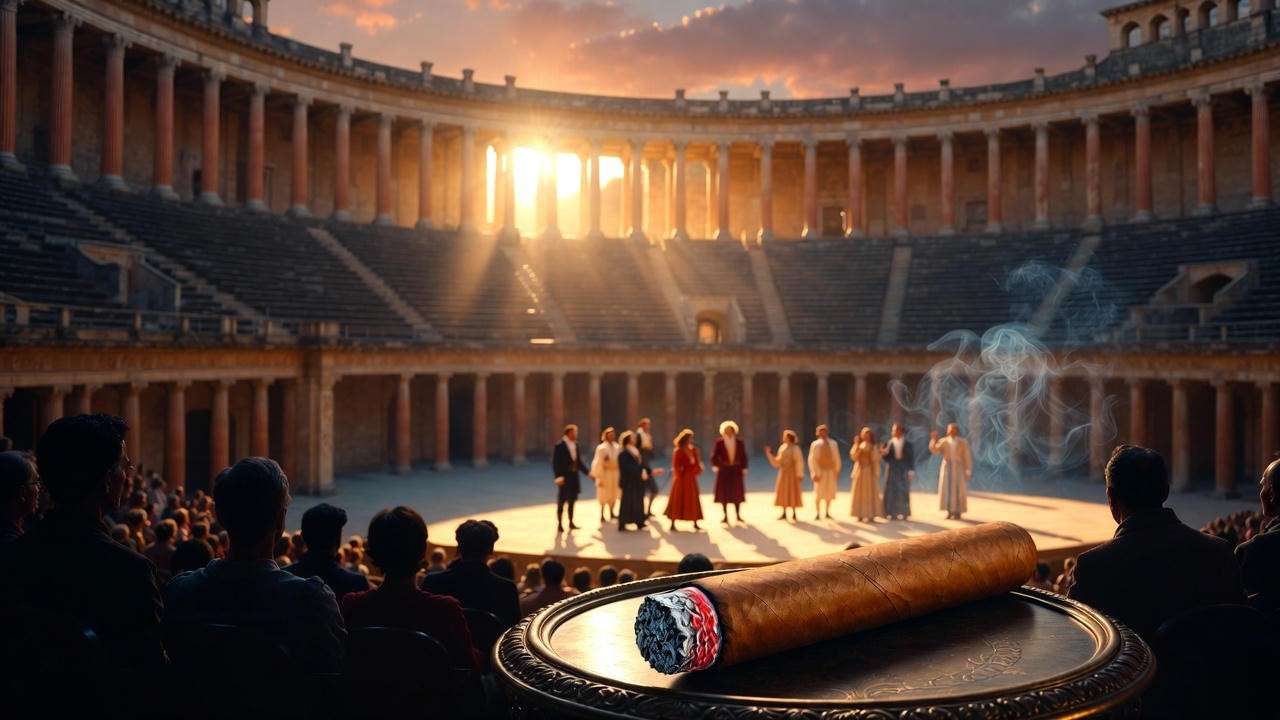
According to Dr. Emma Smith, a Shakespeare scholar at Oxford University, “Caesar’s larger-than-life persona in the play transcends history, embodying the archetype of a flawed yet magnetic leader.” This enduring appeal explains why brands, like the Julius Caesar cigar, invoke his name to evoke sophistication and grandeur.
Shakespeare’s Caesar vs. Historical Caesar
Shakespeare’s Julius Caesar is a dramatic creation, blending historical facts with theatrical flair. Historically, Gaius Julius Caesar (100–44 BCE) was a military genius and statesman who expanded Rome’s empire and reformed its government. Yet, he was also divisive, his consolidation of power alarming the Roman Senate. Shakespeare amplifies this tension, portraying Caesar as both godlike and vulnerable, a man whose hubris invites his downfall.
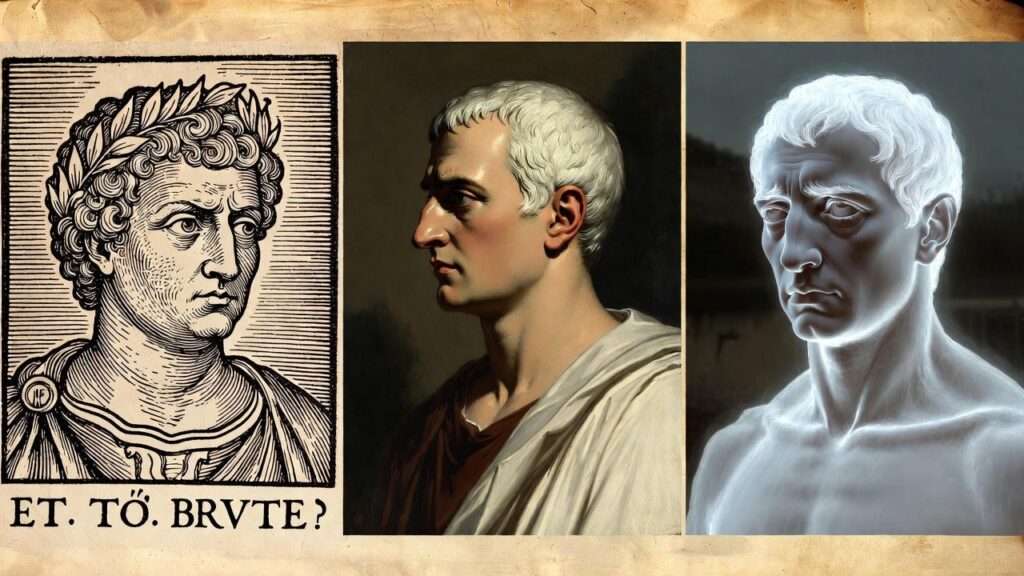
Key scenes, like the iconic “Et tu, Brute?” (Act III, Scene I), crystallize Caesar’s mythic status. While historians debate whether Caesar uttered those exact words, Shakespeare’s version has shaped popular perception. This blend of fact and fiction makes Caesar an ideal muse for a cigar brand aiming to capture timeless prestige, bridging ancient Rome with modern luxury.
The Julius Caesar Cigar: Origins and Craftsmanship
The Story Behind the Julius Caesar Cigar
The Julius Caesar cigar, crafted by J.C. Newman’s Diamond Crown brand, debuted in 2010 to honor the company’s founder, Julius Caeser Newman. Produced in the Dominican Republic, this premium cigar targets aficionados seeking a refined, medium-full-bodied smoke. Its sleek packaging and bold name evoke power and sophistication, aligning with the legacy of its Shakespearean namesake.
The cigar’s creation reflects a commitment to excellence. As Robert Newman, J.C. Newman’s president, notes, “We named it Julius Caesar to embody strength and timeless quality, much like the figure in Shakespeare’s play.” This deliberate branding taps into Caesar’s aura, appealing to those who appreciate both history and luxury.
Tip: For cigar enthusiasts, the Julius Caesar offers notes of cedar, spice, and cream, making it a versatile choice for any occasion.
Why Name a Cigar After Julius Caesar?
Naming a cigar after Julius Caesar is a masterstroke of marketing. The name conjures images of Roman grandeur, decisive leadership, and enduring fame—qualities that resonate with cigar smokers who view their hobby as a ritual of prestige. Shakespeare’s Caesar, with his commanding presence and tragic end, amplifies this allure, lending the cigar a narrative depth that sets it apart from competitors.
Cigar industry expert Carlito Fuente Jr. explains, “Historical names like Caesar create an emotional connection, inviting smokers to feel part of a larger story.” By invoking Shakespeare’s Caesar, the cigar positions itself as a symbol of ambition and legacy, appealing to those who savor both a fine smoke and a brush with history.
The Art of Cigar Making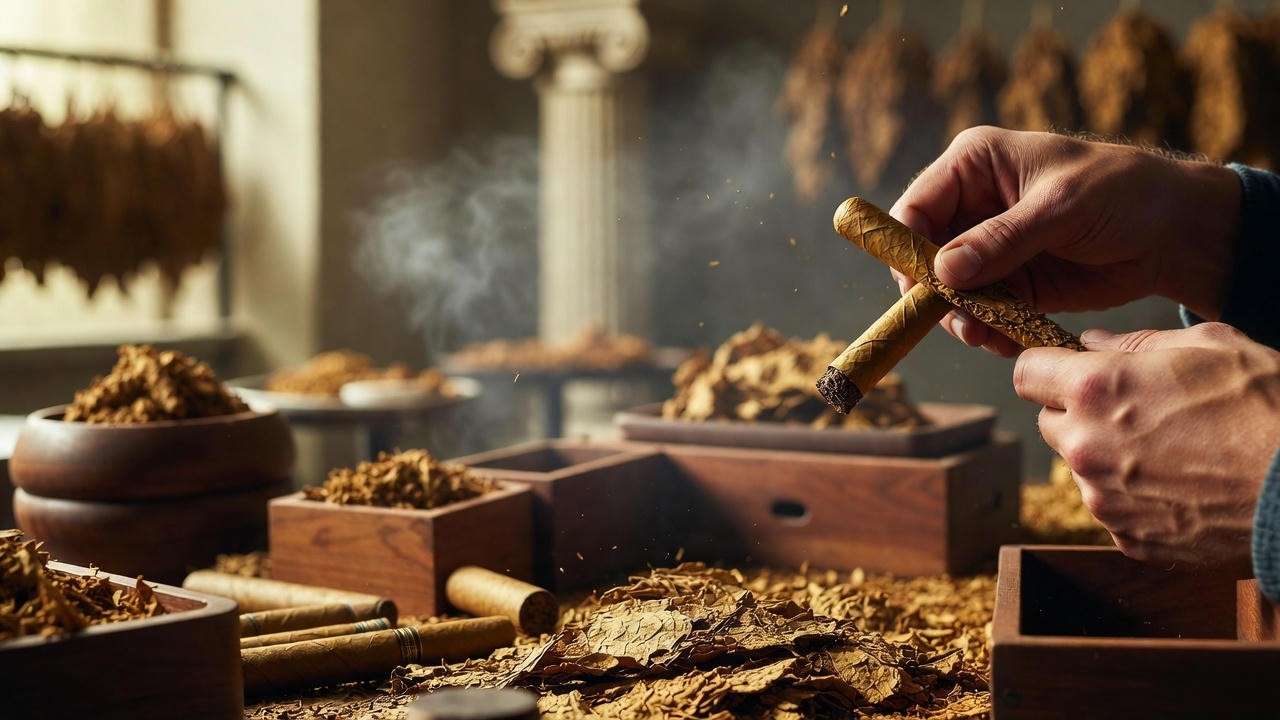
Crafting the Julius Caesar cigar is an art form, reflecting the meticulous standards of Diamond Crown. The cigar features an Ecuadorian Habano wrapper, known for its silky texture, paired with Dominican fillers aged for five years. This blend delivers a complex flavor profile, with hints of leather, cocoa, and a peppery finish.
The production process is labor-intensive, from hand-rolling in small batches to rigorous quality checks. Each cigar is a testament to the Newman family’s 130-year legacy in cigar making. An infographic could illustrate this journey: tobacco harvesting, fermentation, rolling, and aging. The result is a smoke that mirrors the grandeur of Caesar himself—bold, refined, and unforgettable.
Connecting the Julius Caesar Cigar to Shakespeare’s Themes
Symbolism of Smoke in Shakespeare’s World
In Shakespeare’s era, tobacco was a novel luxury, introduced to England in the late 16th century. While Julius Caesar predates widespread cigar culture, smoke imagery permeates Shakespeare’s works, symbolizing mystery, transience, and power. In Macbeth, smoke conceals treachery; in Hamlet, it evokes fleeting life. Similarly, Caesar’s brief reign in the play—glorious yet ephemeral—mirrors the fleeting pleasure of a cigar’s smoke.
This connection enriches the Julius Caesar cigar’s appeal. Lighting one can feel like stepping into Shakespeare’s world, where every puff echoes the play’s themes of ambition and mortality. For readers, smoking the cigar while reading Act III, Scene I, could deepen their engagement with Caesar’s betrayal.
Power and Legacy in the Cigar’s Branding
The Julius Caesar cigar’s branding draws directly from Shakespeare’s portrayal of Caesar as a figure of unmatched authority. The play’s Caesar declares, “I am constant as the northern star” (Act III, Scene I), a line that underscores his unyielding ambition. The cigar’s sleek design and robust flavor echo this, positioning it as a status symbol for modern leaders.
The branding also emphasizes legacy, much like Caesar’s name endures through history. By choosing this name, J.C. Newman invites smokers to reflect on their own achievements, aligning the act of smoking with contemplation of power and permanence. This narrative elevates the cigar beyond a product, making it a literary and cultural experience.
The Modern Shakespearean Experience
Imagine settling into a leather armchair, a copy of Julius Caesar open to Act III, with the rich aroma of a Julius Caesar cigar filling the air. This sensory blend of literature and luxury creates a modern Shakespearean experience, inviting readers to engage with the play’s themes in a tangible way. The cigar’s slow burn mirrors the deliberate pacing of Shakespeare’s drama, encouraging reflection on betrayal, ambition, and legacy.
To enhance this, try reading key passages aloud while smoking, such as Brutus’s soliloquy (“It must be by his death,” Act II, Scene I). The cigar’s earthy notes complement the play’s weighty themes, making it a unique ritual for Shakespeare enthusiasts. This fusion of past and present transforms a simple smoke into a literary journey.
Example: Host a reading group where participants discuss Caesar’s flaws over a shared cigar, deepening their connection to the text.
Cultural Significance: Why the Julius Caesar Cigar Resonates Today
Cigars as a Status Symbol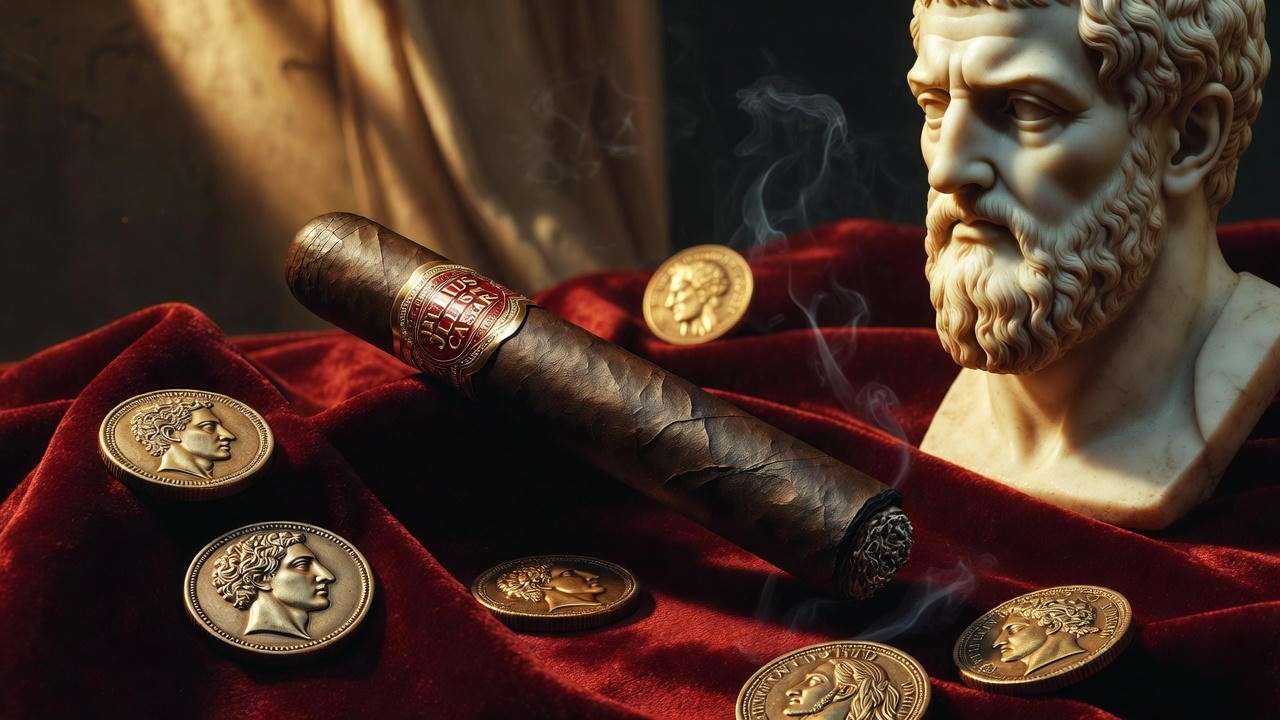
Cigars have long been emblems of power and prestige, from Winston Churchill’s iconic Romeo y Julieta to modern executives savoring a fine smoke during high-stakes meetings. The Julius Caesar cigar taps into this tradition, its name evoking the commanding presence of Shakespeare’s Caesar. Just as Caesar dominated Rome, the cigar signifies authority and sophistication for those who smoke it.
Historically, cigars marked moments of triumph or contemplation, a role that aligns with Caesar’s image as a decisive leader. Today, the Julius Caesar cigar appeals to professionals and enthusiasts who see smoking as a ritual of achievement, reinforcing its cultural weight. This connection to power makes it a fitting tribute to both Shakespeare’s character and the historical figure.
Shakespeare in Popular Culture
Shakespeare’s influence permeates modern culture, from film adaptations like Throne of Blood (inspired by Macbeth) to brands drawing on his characters. The cigar industry is no exception—consider Romeo y Julieta, a Cuban brand echoing Shakespeare’s tragic lovers. The Julius Caesar cigar follows suit, leveraging the playwright’s enduring appeal to elevate its brand.
This trend reflects Shakespeare’s universal resonance. As Dr. Farah Karim-Cooper, director of education at Shakespeare’s Globe, notes, “Shakespeare’s characters are archetypes that brands use to convey timeless stories.” By naming a cigar after Caesar, J.C. Newman taps into a narrative of ambition and tragedy that captivates diverse audiences, ensuring the play’s relevance in unexpected contexts like cigar lounges.
The Appeal to Diverse Audiences
The Julius Caesar cigar bridges multiple worlds, appealing to Shakespeare scholars, history buffs, and cigar aficionados alike. For literature lovers, it offers a novel way to engage with Julius Caesar, connecting the play’s themes to a sensory experience. History enthusiasts appreciate the nod to Rome’s iconic leader, while cigar smokers savor its craftsmanship and bold flavor.
This broad appeal enhances the cigar’s cultural significance. Cultural historian Dr. James Shapiro explains, “Figures like Caesar remain marketable because they embody universal struggles—power, loyalty, legacy.” Whether you’re analyzing Brutus’s motives or enjoying a smoke after a long day, the Julius Caesar cigar unites these audiences, making it a versatile symbol of sophistication and storytelling.
How to Enjoy the Julius Caesar Cigar: A Shakespearean Experience
Choosing and Smoking the Cigar
Savoring a Julius Caesar cigar begins with careful selection. Choose from sizes like the Toro (6 x 52) or Churchill (7.25 x 52), depending on your preference for smoking time. Inspect the cigar’s wrapper for a smooth, glossy finish, ensuring quality. To smoke, use a guillotine cutter for a clean cut, then toast the foot with a butane lighter to ignite evenly.
For an immersive experience, enjoy the cigar in a setting that evokes Shakespeare’s world—perhaps a quiet study or a theater’s courtyard. The cigar’s medium-full strength pairs well with contemplation, making it ideal for reading or discussing Julius Caesar. Allow 45–60 minutes to appreciate its evolving flavors, from creamy cedar to a spicy finish.
Hosting a Shakespeare-Inspired Cigar Night
Elevate your engagement with Julius Caesar by hosting a cigar night that blends literature and luxury. Here’s a step-by-step guide:
- Set the Scene: Choose a cozy venue, like a patio or library, with dim lighting and Roman-inspired decor (e.g., laurel wreaths).
- Curate the Experience: Provide Julius Caesar cigars, copies of the play, and discussion prompts, such as “How does Caesar’s ambition reflect modern leadership?”
- Guide the Evening: Start with a group reading of Act III, Scene I, followed by cigar lighting and conversation. Encourage guests to share insights.
- Enhance with Pairings: Offer drinks and snacks, like aged rum or dark chocolate, to complement the cigar.
This event fosters community and deepens appreciation for Shakespeare’s work, making the cigar a centerpiece of intellectual and sensory delight.
Example: One host reported that guests debated Caesar’s flaws for hours, inspired by the cigar’s evocative name.
Ethical and Health Considerations
While the Julius Caesar cigar offers a luxurious experience, responsible enjoyment is key. The CDC notes that cigar smoking carries health risks, including increased chances of heart disease and certain cancers, even for occasional smokers. Unlike cigarettes, cigars are typically smoked infrequently, but moderation is essential.
To smoke responsibly, limit frequency (e.g., once a month), avoid inhaling, and choose well-ventilated spaces. Consult a healthcare professional if you have concerns. By acknowledging these risks, you can make informed decisions, ensuring the cigar enhances your Shakespearean experience without compromising well-being.
FAQs About the Julius Caesar Cigar and Its Shakespearean Roots
Why is the cigar named after Julius Caesar? The cigar honors J.C. Newman’s founder, Julius Caeser Newman, while drawing on the Shakespearean character’s aura of power and legacy, aligning with its premium branding.
How does the Julius Caesar cigar compare to other premium cigars? Its Ecuadorian Habano wrapper and aged Dominican fillers rival top brands like Davidoff, offering a balanced, medium-full smoke with unique cedar and spice notes.
Can I enjoy the cigar without knowing Shakespeare’s play? Absolutely—its rich flavor stands alone, but reading Julius Caesar enhances the experience, connecting the smoke to themes of ambition and betrayal.
What makes the Julius Caesar cigar unique in flavor and craftsmanship? Hand-rolled with a five-year-aged blend, it delivers a complex profile of leather, cocoa, and pepper, reflecting Diamond Crown’s meticulous standards.
How can I learn more about Shakespeare’s Julius Caesar? Explore resources like the Folger Shakespeare Library or join a local theater group to dive deeper into the play’s themes and history.
The Julius Caesar cigar is more than a luxury smoke—it’s a bridge between Shakespeare’s timeless tragedy and modern culture. By blending the play’s themes of power, betrayal, and legacy with the cigar’s craftsmanship, J.C. Newman creates an experience that resonates with literature lovers, history enthusiasts, and cigar aficionados. Whether you’re savoring its cedar-spice notes while reading Julius Caesar or hosting a Shakespeare-inspired cigar night, this cigar invites you to reflect on Caesar’s enduring myth. Try it for yourself, revisit the play, or share your thoughts below. How do modern symbols like the Julius Caesar cigar keep Shakespeare’s legacy alive?