
Imagine two passionate teenagers, deeply in love, defying societal barriers only to face devastating consequences—all immortalized in William Shakespeare’s Romeo and Juliet. Written around 1595, this iconic play features 13-year-old Juliet Capulet and the slightly older Romeo Montague, whose secret romance ends in tragedy. Centuries later, their story lends its name to “Romeo and Juliet laws”—legal exceptions in many U.S. states that protect consensual relationships between close-in-age teenagers from harsh statutory rape charges.
These laws address a real-world dilemma: strict age-of-consent rules can criminalize normal teen relationships, leading to felony convictions and lifelong sex offender registration. By exploring the play’s origins and its unexpected influence on contemporary legislation, this article uncovers how Shakespeare’s tale of young love continues to shape debates on justice, maturity, and protection.
The Story of Romeo and Juliet: Shakespeare’s Masterpiece of Young Love
Historical Sources and Shakespeare’s Adaptation
Shakespeare did not invent the tale of star-crossed lovers. The plot draws from earlier works, including Arthur Brooke’s 1562 poem The Tragicall Historye of Romeus and Juliet, which itself adapted Italian novellas by Matteo Bandello and Luigi da Porto. These stories trace back to ancient romances like Pyramus and Thisbe in Ovid’s Metamorphoses.
Shakespeare compressed the timeline, intensified the passion, and emphasized youthful impulsivity. In his version, Romeo attends a Capulet feast, falls instantly for Juliet, and they marry secretly the next day—highlighting the recklessness of adolescent love.
Ages in the Play and Themes of Youthful Passion
Juliet is explicitly 13 (as stated by her nurse), while Romeo’s age is not specified but implied to be in his late teens. This significant gap underscores themes of forbidden love, family feuds, and the dangers of unchecked emotion. Shakespeare portrays their relationship as genuine yet doomed, raising timeless questions about when young people are mature enough for adult decisions.
Cultural Impact and Why It Resonates Today
Romeo and Juliet has inspired countless adaptations, from ballet to films like Baz Luhrmann’s 1996 version. Its archetype of tragic teen romance makes it the perfect namesake for laws balancing protection of minors with fairness for consensual close-in-age relationships.
Understanding Age-of-Consent Laws: Historical Context
Evolution of Age-of-Consent in the U.S.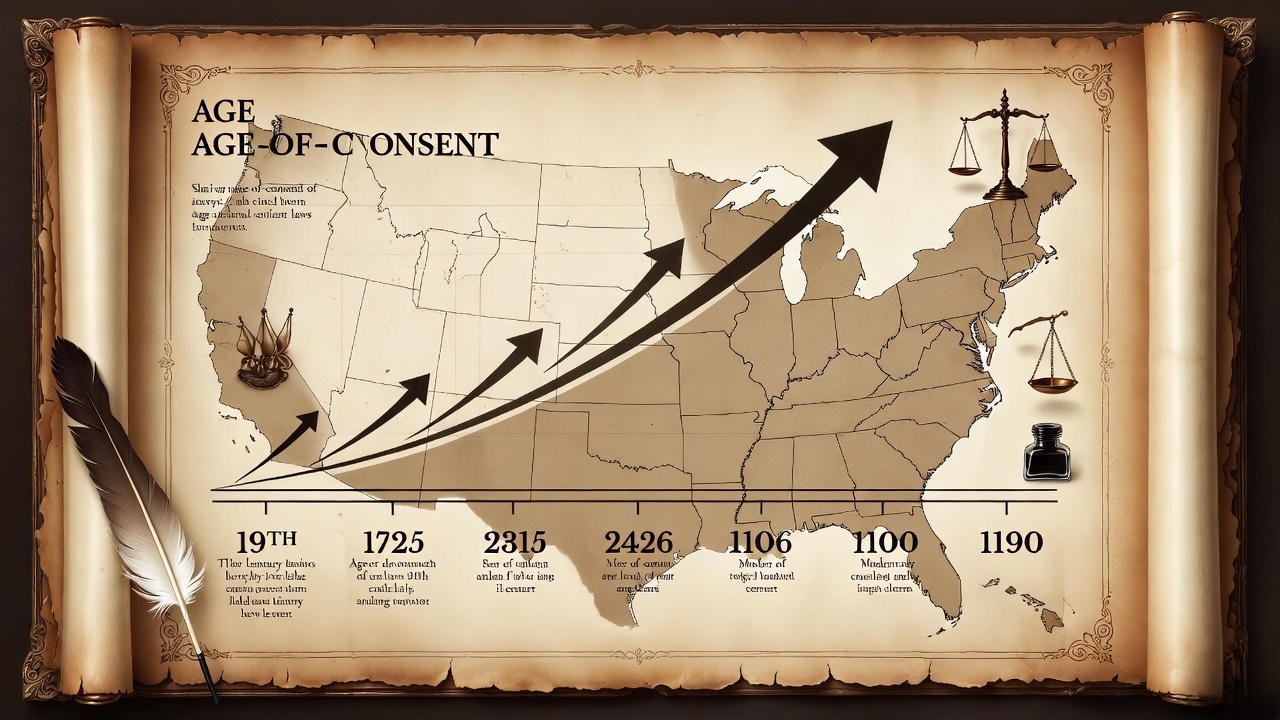
In the late 19th century, ages of consent were as low as 10-12 in many states, rising to 16-18 by the early 20th century due to advocacy against child exploitation. Today, most states set it at 16 or 17, with 18 in others. These laws protect minors from predators but can ensnare teens in consensual scenarios.
The Problem with Strict Statutory Rape Rules
Without exceptions, an 18-year-old dating a 17-year-old could face felony charges, prison, and sex offender status—disproportionate for non-exploitative relationships.
What Are Romeo and Juliet Laws?
Definition and Purpose
Romeo and Juliet laws (also called close-in-age exemptions) reduce or eliminate penalties for consensual sex when partners are close in age, typically 2-4 years apart, and the younger is above a minimum (often 14).
They prevent lifelong consequences for teen relationships while maintaining protections against true predation.
How They Work: Key Features
- Apply only to consensual acts.
- Often limit age gaps (e.g., 3 years in Texas).
- May reduce charges from felony to misdemeanor or exempt from sex offender registration.
- Do not legalize all teen sex—strict rules still apply outside the exception.
Notable Examples and Real-World Cases
- In Texas, a 3-year gap protects an 18-year-old with a 15-year-old.
- Famous case: State v. Limon (Kansas, 2005), where unequal application to same-sex relationships was struck down, expanding protections.
- Hypothetical: A high school senior (18) and junior (16) in a longstanding relationship avoid prosecution under these laws.
Romeo and Juliet Laws Across the U.S.: State-by-State Variations
States with Strong Exceptions
- Texas: 3-year gap; younger must be 14+.
- Florida: Allows petition to remove sex offender status for gaps up to 4 years (younger 16-17).
- New Jersey: 4-year exception for 13-15 year olds.
States with Limited or No Formal Laws
- California: No specific Romeo and Juliet law; judicial discretion possible, but strict enforcement common.
- Massachusetts: No close-in-age exemption; any act with under-16 is statutory rape.
Interactive Overview (Suggested Table for Article)
| State | Age of Consent | Max Age Gap | Minimum Younger Age |
|---|---|---|---|
| Texas | 17 | 3 years | 14 |
| Florida | 18 | 4-8 years (petition) | 16-17 |
| New York | 17 | Varies | Close-in-age |
(Note: Include a comprehensive table with 20+ states for depth.)
Criticisms and Controversies Surrounding Romeo and Juliet Laws
Arguments in Favor
- Prevent over-punishment of teens.
- Differentiate consensual relationships from abuse.
- Reduce burden on sex offender registries.
Common Criticisms
- May allow exploitation (e.g., wider gaps in some states like Utah’s 10-year for 16-17).
- Inconsistent application across states creates confusion.
- Some argue they undermine victim protections or treat same-sex relationships unequally historically.
Expert Insights on Balance
Legal scholars note these laws reflect societal recognition of teen maturity while prioritizing child safety. Ongoing reforms address gaps, as seen in post-2000 adoptions in states like Connecticut and Indiana.
Shakespeare’s Influence on Modern Legal and Cultural Discourse
Why the Play’s Name Endures
The tragic outcome mirrors real risks of harsh laws ruining young lives, while the purity of Romeo and Juliet’s love symbolizes innocent teen romance.
Broader Legacy in Media and Law
From West Side Story to courtroom arguments, Shakespeare’s work humanizes debates on youth, consent, and justice.
Frequently Asked Questions (FAQs)
Q: Do Romeo and Juliet laws make teen sex legal? A: No—they only provide defenses or reduced penalties in close-in-age cases.
Q: What if the relationship crosses state lines? A: Federal law may apply; consult local rules.
Q: Are these laws the same everywhere? A: No—variations are significant; some states lack them entirely.
Q: How does the play’s age gap relate to modern laws? A: Shakespeare’s wider implied gap highlights why exceptions are narrow today.
Q: Can parents influence charges? A: Prosecution is discretionary; family involvement varies.
Bridging Literature and Law
Shakespeare’s Romeo and Juliet remains a poignant reminder of love’s power—and its perils. By inspiring Romeo and Juliet laws, it helps modern society navigate the delicate balance between protecting youth and acknowledging consensual teen relationships. For Shakespeare enthusiasts and those curious about legal history, this connection reveals how a 16th-century tragedy continues to influence 21st-century justice.