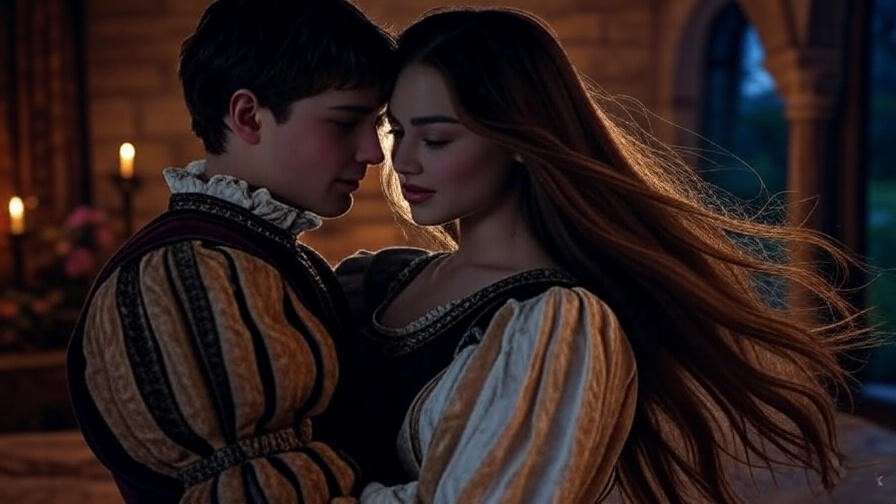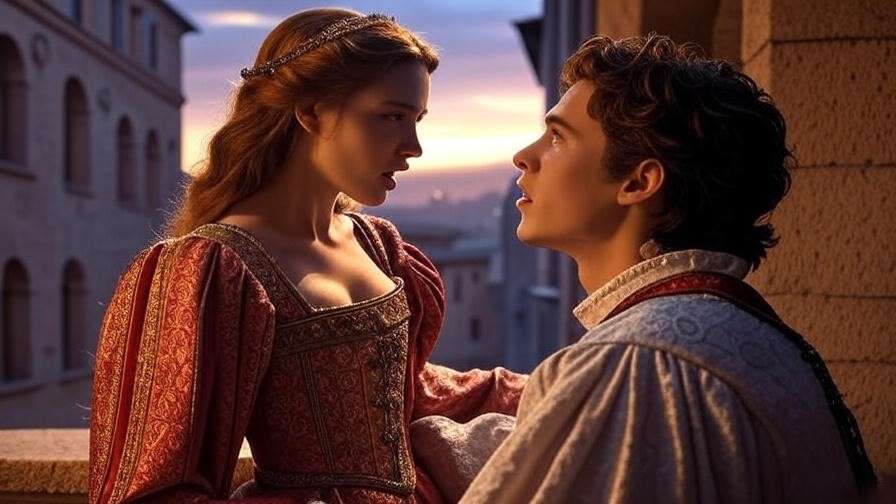
But soft! What light through yonder window breaks? These immortal words from William Shakespeare have ignited hearts for more than four centuries. In the realm of romance, few voices resonate as deeply as the Bard of Avon. If you’re searching for Shakespeare love scripts—those exquisite romantic dialogues, passionate sonnets, and unforgettable scenes that capture the full spectrum of human affection—this comprehensive guide is crafted for you.
Whether you’re preparing wedding vows, crafting a heartfelt love letter, seeking inspiration for a theater performance, or simply yearning to understand love’s complexities through timeless literature, Shakespeare’s words offer unmatched depth and beauty. This article curates, analyzes, and contextualizes the greatest Shakespearean love scripts, providing practical applications and scholarly insights that go far beyond typical quote lists. Drawing from primary texts, historical context, and centuries of performance tradition, it serves as an authoritative resource for romantics, students, actors, and literature lovers alike.
Understanding Shakespeare’s Vision of Love
The Historical and Biographical Context
William Shakespeare (1564–1616) lived during the Elizabethan and early Jacobean eras, a time of profound social change. Marriage was often a practical arrangement driven by property, status, and family alliances rather than passion. Yet Shakespeare’s works frequently celebrate, interrogate, and subvert these norms, elevating romantic love as a transformative, sometimes destructive force.
Shakespeare married Anne Hathaway in 1582 at age 18; she was 26 and pregnant with their first child. While biographical details are sparse, his plays and 154 sonnets reveal a keen observer of love’s joys and pitfalls—infatuation, jealousy, constancy, betrayal, and redemption. His “love scripts” reflect both the courtly love traditions of the Renaissance and the raw humanity that makes them eternally relatable.
Key Themes in Shakespearean Love Scripts
Shakespeare’s treatment of love is multifaceted. In comedies like A Midsummer Night’s Dream, love is chaotic yet ultimately harmonious, often aided by magic or mistaken identities. Tragedies such as Romeo and Juliet portray love as intense, star-crossed, and sacrificial. The sonnets explore love’s endurance against time and mortality.
Recurring motifs include:
- Obstacles to love: “The course of true love never did run smooth” (A Midsummer Night’s Dream).
- Constancy vs. change: Love as an “ever-fixed mark” amid tempests.
- Illusion and reality: Love that “looks not with the eyes, but with the mind” (A Midsummer Night’s Dream).
- Transformative power: Love that elevates or destroys characters.
These themes address universal needs—how to express deep emotion, navigate relationship challenges, and find beauty in imperfection—making Shakespearean love scripts invaluable today.
Why Shakespeare’s Love Scripts Endure
The linguistic mastery—iambic pentameter, vivid imagery, and psychological insight—combined with emotional authenticity ensures their longevity. Shakespeare’s works have influenced everything from Hollywood films (West Side Story, Shakespeare in Love) to modern pop culture. They fulfill a deep human need for language that articulates what we often struggle to say ourselves.
Shakespeare’s Greatest Love Sonnets – Poetic Love Scripts
The sonnets represent some of the most concentrated and profound Shakespeare love scripts. Written primarily in the 1590s, they form a sequence exploring friendship, beauty, time, and romantic desire.
Sonnet 18 – “Shall I Compare Thee to a Summer’s Day?”
This is perhaps the most famous love poem in English literature:
Shall I compare thee to a summer’s day? Thou art more lovely and more temperate: Rough winds do shake the darling buds of May, And summer’s lease hath all too short a date; Sometime too hot the eye of heaven shines, And often is his gold complexion dimm’d; And every fair from fair sometime declines, By chance or nature’s changing course untrimm’d; But thy eternal summer shall not fade, Nor lose possession of that fair thou ow’st; Nor shall Death brag thou wander’st in his shade, When in eternal lines to time thou grow’st: So long as men can breathe or eyes can see, So long lives this, and this gives life to thee.
Analysis: The speaker rejects comparing his beloved to a fleeting summer, instead promising immortality through poetry. It addresses the search intent for enduring romantic expressions perfectly—ideal for anniversaries or commitments. The volta (turn) at line 9 shifts from nature’s impermanence to art’s eternity, showcasing Shakespeare’s technical brilliance.
Sonnet 116 – “Let Me Not to the Marriage of True Minds”
A cornerstone for wedding ceremonies:
Let me not to the marriage of true minds Admit impediments. Love is not love Which alters when it alteration finds, Or bends with the remover to remove: O no! it is an ever-fixed mark That looks on tempests and is never shaken; It is the star to every wandering bark, Whose worth’s unknown, although his height be taken. Love’s not Time’s fool, though rosy lips and cheeks Within his bending sickle’s compass come; Love alters not with his brief hours and weeks, But bears it out even to the edge of doom. If this be error and upon me proved, I never writ, nor no man ever loved.
This sonnet defines ideal love as unchanging and steadfast. Its nautical and cosmic imagery elevates romance to something cosmic and resilient, offering profound comfort for couples facing challenges.
Other Essential Love Sonnets
- Sonnet 130 (“My mistress’ eyes are nothing like the sun”) rejects idealized beauty for honest, realistic love—refreshingly modern.
- Sonnet 29 explores how love lifts one from despair.
- Sonnet 75 likens the beloved to essential sustenance.
Tips for engaging with sonnets: Read them aloud to appreciate rhythm. Consider the speaker’s perspective—often layered with irony or multiple meanings. These poetic love scripts solve the common problem of finding words that feel both elevated and sincere.
Iconic Romantic Dialogues and Scenes from the Plays
Shakespeare’s plays contain some of the most electrifying Shakespeare love scripts ever written. These romantic dialogues blend poetry, wit, conflict, and passion, offering scripts that performers, couples, and writers still adapt centuries later.
Romeo and Juliet – The Ultimate Love Story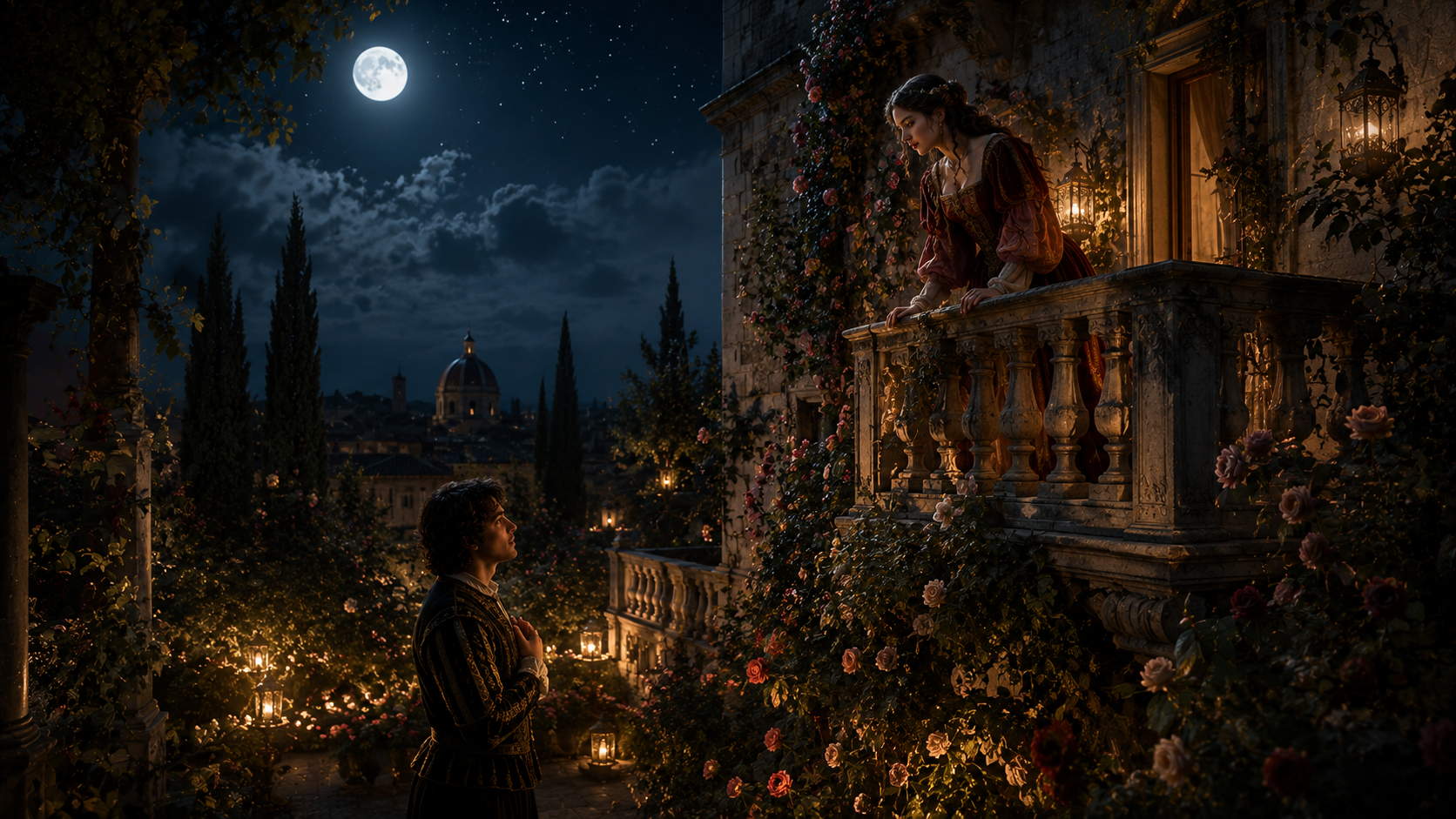
No discussion of Shakespeare love scripts would be complete without Romeo and Juliet (c. 1597). The tragedy of two young lovers from feuding families epitomizes passionate, impulsive romance against all odds.
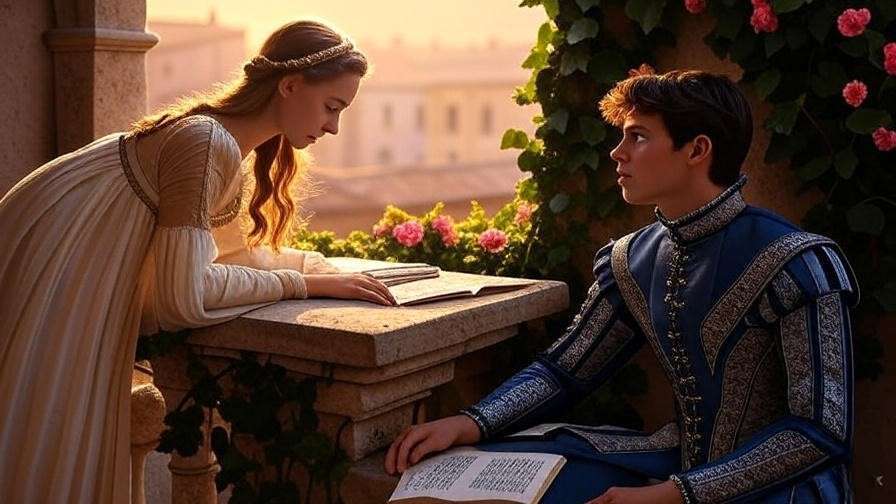
The Balcony Scene (Act 2, Scene 2) remains the quintessential romantic dialogue:
Romeo: But soft! What light through yonder window breaks? It is the east, and Juliet is the sun. Arise, fair sun, and kill the envious moon, Who is already sick and pale with grief, That thou, her maid, art far more fair than she.
Juliet: O Romeo, Romeo! Wherefore art thou Romeo? Deny thy father and refuse thy name. Or, if thou wilt not, be but sworn my love, And I’ll no longer be a Capulet.
Romeo: I take thee at thy word. Call me but love, and I’ll be new baptized. Henceforth I never will be Romeo.
This exchange captures the ecstasy of first love, the tension of forbidden romance, and the willingness to abandon identity for connection. The scene’s imagery—light versus darkness, sun and moon—symbolizes love’s illuminating yet dangerous power. For modern readers, it addresses the need for bold declarations of affection despite external obstacles like family disapproval or societal pressures.
Other key moments include the secret marriage scene (Act 2, Scene 6) and their final tragic reunion, which together form a complete arc of youthful passion meeting harsh reality.
Much Ado About Nothing – Witty and Banter-Filled Romance
In contrast to Romeo and Juliet’s intensity, Much Ado About Nothing offers sharp, playful romantic dialogues between Beatrice and Benedick. Their “merry war” of wits feels remarkably contemporary:
Beatrice: I wonder that you will still be talking, Signior Benedick. Nobody marks you. Benedick: What, my dear Lady Disdain! Are you yet living?
Beatrice: …I had rather hear my dog bark at a crow than a man swear he loves me.
Their eventual confessions reveal vulnerability beneath the banter, solving the relatable problem of pride and miscommunication in relationships. The script demonstrates how humor and intellectual sparring can deepen romantic bonds.
Other Memorable Love Scenes
- Twelfth Night (Act 1, Scene 1): Duke Orsino’s opening line, “If music be the food of love, play on,” sets a tone of lovesick longing that resonates with anyone experiencing unrequited affection.
- Antony and Cleopatra: The mature, volatile passion between the Roman general and Egyptian queen offers intense, politically charged romantic scripts exploring power, jealousy, and devotion.
- A Midsummer Night’s Dream: The fairy-induced chaos leads to delightful pairings and the famous line about love’s blindness.
- Henry V (Act 5, Scene 2): King Henry’s wooing of Princess Katharine blends humor, persistence, and cross-cultural romance—ideal for studying confident courtship.
Comparative Table: Tragic vs. Comic Love Scripts
| Play | Scene | Tone | Key Quote | Modern Application |
|---|---|---|---|---|
| Romeo and Juliet | Balcony | Passionate/Tragic | “But soft! What light…” | Wedding toasts, dramatic proposals |
| Much Ado About Nothing | Beatrice/Benedick exchanges | Witty/Comic | “My dear Lady Disdain!” | Dating banter, rom-com inspiration |
| Twelfth Night | Orsino’s opening | Melancholic | “If music be the food of love…” | Expressing longing in letters |
| Antony and Cleopatra | Various | Epic/Volatile | “Eternity was in our lips and eyes” | Mature relationships, grand gestures |
This table enhances scannability and provides quick reference value for readers seeking specific Shakespeare love scripts.
Practical Applications – Using Shakespeare Love Scripts Today
Shakespeare’s words solve a perennial human challenge: finding authentic, beautiful ways to express complex emotions. Here’s how to apply these romantic dialogues and sonnets in everyday life.
For Weddings, Vows, and Proposals
Many couples incorporate Shakespeare into ceremonies. Sonnet 116 is a popular choice for its emphasis on steadfast love. Adapt the balcony scene for a proposal by personalizing lines:
Original: “Call me but love, and I’ll be new baptized.” Modern adaptation: “Call me but yours, and I’ll be forever changed.”
Provide excerpts suitable for officiants or personal vows, with guidance on delivery—speak slowly, emphasize imagery, and pause for emotional impact. Theater professionals recommend practicing iambic pentameter to maintain natural rhythm without sounding archaic.
In Love Letters, Cards, and Daily Romance
Short quotes make powerful texts or anniversary cards:
- “Doubt thou the stars are fire; Doubt that the sun doth move; Doubt truth to be a liar; But never doubt I love.” (Hamlet)
- From Sonnet 18 for celebrating enduring beauty.
Expert Tips: Combine Shakespearean language with your own voice for sincerity. For example, follow a sonnet excerpt with a personal memory. This approach bridges historical eloquence with contemporary relatability, helping readers overcome writer’s block in romantic communication.
For Actors, Writers, and Creatives
Actors benefit from scene study focusing on objectives, tactics, and subtext. The balcony scene requires balancing youthful exuberance with awareness of danger. Writers can draw structural inspiration—obstacles, wit, resolution—from these scripts for novels, screenplays, or poetry.
Modern adaptations like West Side Story (based on Romeo and Juliet) or 10 Things I Hate About You (The Taming of the Shrew) demonstrate ongoing relevance. Filmmakers continue mining Shakespeare love scripts for emotional authenticity.
Expert Tips for Delivery and Interpretation
- Pronunciation: Use modern English approximations; resources like the Folger Shakespeare Library offer guides.
- Emotional Layering: Avoid monotone—infuse lines with genuine feeling.
- Contextual Awareness: Understand Elizabethan gender roles and class dynamics for deeper performance.
- Insights from scholars and directors highlight how these scripts reward repeated exploration, revealing new layers with each reading or staging.
Deeper Analysis – What Shakespeare Teaches Us About Love
Shakespeare’s love scripts transcend mere romance; they offer psychological and philosophical insights. Love is rarely simple—it involves illusion (A Midsummer Night’s Dream), growth through adversity (The Tempest), and self-reflection (many sonnets).
Feminist interpretations note strong female characters like Beatrice and Juliet who challenge passive roles. Comparisons to today’s relationship advice reveal timeless truths: communication matters, external pressures test bonds, and honest affection outlasts superficial charm.
Common misconceptions—such as viewing all Shakespearean endings as purely romantic—ignore the nuanced critiques of obsession, jealousy, and societal constraints embedded in the texts.
Lesser-Known Gems and Hidden Love Scripts
Beyond the blockbusters:
- Sonnet 97 evokes seasonal separation and longing.
- Scenes from The Winter’s Tale explore forgiveness and rediscovered love.
- As You Like It offers Rosalind’s witty disguises and gender-bending romance.
These hidden gems reward dedicated readers seeking fresh Shakespeare love scripts.
Frequently Asked Questions (FAQs)
What is the most romantic Shakespeare quote? Many favor Sonnet 18 or the balcony scene, but personal resonance varies. Sonnet 116 stands out for commitments.
How do I cite Shakespeare love scripts properly? Use MLA or Chicago style, referencing act/scene/line for plays (e.g., Romeo and Juliet 2.2.1-5) and sonnet number.
Are Shakespeare’s sonnets autobiographical? Scholars debate this. The “Fair Youth” and “Dark Lady” sequences suggest personal inspiration, but they function as universal art.
Best plays for couples to read together? Much Ado About Nothing for laughter, Romeo and Juliet for passion, or sonnets for intimacy.
How has interpretation of these scripts changed over time? From Victorian moralizing to modern inclusive and diverse stagings, emphasis shifts with cultural contexts while core emotional truths endure.
Shakespeare love scripts continue to illuminate the human heart with unparalleled eloquence. From soaring sonnets promising immortality to dialogues brimming with wit and desire, the Bard equips us with language for love’s highest and most challenging moments. Whether you seek inspiration for a proposal, deeper literary understanding, or simply the joy of beautiful words, these timeless romantic dialogues, sonnets, and scenes deliver enduring value.
Dive into the complete plays and sonnets. Share your favorite Shakespeare love scripts in the comments. Let these words enrich your relationships and creative endeavors—the course of true appreciation never runs stale.
In the words of Sonnet 116: Love “bears it out even to the edge of doom.” May these scripts inspire you to do the same.