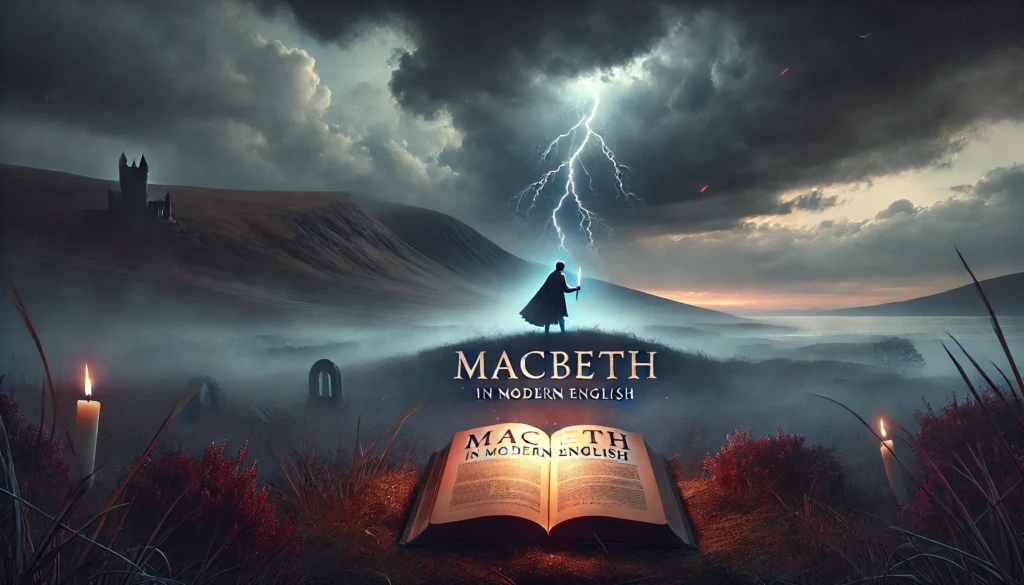
What can a 17th-century Scottish king teach today’s CEOs about leading with purpose? In a world where ambition drives innovation yet often courts disaster, Macbeth Inc emerges as a powerful metaphor for navigating the complexities of modern leadership. Inspired by William Shakespeare’s Macbeth, this concept reframes the tragic hero’s journey as a corporate saga, offering timeless lessons on ambition, ethics, and decision-making. Whether you’re a startup founder or a seasoned executive, the story of Macbeth Inc reveals how unchecked ambition can topple empires and how ethical leadership can build lasting success. Dive into this exploration to uncover how Shakespeare’s insights can transform your approach to leadership in 2025.
This article draws on Shakespearean scholarship and contemporary leadership studies to bridge the gap between literature and business. By dissecting Macbeth’s rise and fall, we’ll uncover actionable strategies to avoid his pitfalls and harness ambition responsibly. Let’s explore how Macbeth Inc can inspire today’s leaders to make better decisions, foster resilience, and lead with integrity.
What Is Macbeth Inc? Decoding the Concept
The Birth of a Metaphor
Macbeth Inc is a symbolic corporate entity that encapsulates the ambition, power struggles, and moral dilemmas central to Shakespeare’s Macbeth. In the play, Macbeth, a noble warrior, is consumed by ambition after receiving a prophecy that he will become king. His journey from loyalty to treachery mirrors the high-stakes decisions leaders face in today’s corporate world. By imagining Macbeth Inc as a modern company, we can analyze how ambition drives success but risks catastrophic failure when unchecked. This metaphor draws on Shakespeare’s universal themes to offer a fresh perspective on leadership challenges.
According to Dr. Emma Smith, a Shakespearean scholar at Oxford University, “Macbeth is a study in the psychology of power, showing how ambition can corrupt even the most honorable.” This insight anchors Macbeth Inc as a lens for examining modern leadership dynamics, from boardroom power plays to ethical quandaries.
Why Macbeth Matters in 2025
In today’s fast-paced corporate landscape, where innovation races against ethical boundaries, Macbeth remains strikingly relevant. The play’s themes—ambition, betrayal, and consequence—echo in real-world business failures. Take Enron’s collapse in 2001: executives’ unchecked ambition led to fraudulent practices, much like Macbeth’s ruthless pursuit of power. In 2025, as AI and globalization intensify competition, leaders face similar pressures to prioritize results over ethics. Macbeth Inc serves as a cautionary tale, urging leaders to balance ambition with integrity.
Leadership expert Simon Sinek emphasizes, “Great leaders inspire action through purpose, not just ambition.” By applying Macbeth’s lessons, leaders can avoid the tragic flaws that doom organizations while fostering sustainable growth.
The Leadership Lessons of Macbeth’s Rise and Fall
Ambition as a Double-Edged Sword
Macbeth’s ambition propels him to the throne but ultimately leads to his downfall. In business, ambition drives innovation—think of Elon Musk’s vision for SpaceX—but unchecked ambition can breed recklessness. For instance, Theranos’ Elizabeth Holmes pursued a revolutionary blood-testing technology but ignored scientific and ethical limits, leading to the company’s collapse. Macbeth Inc teaches that ambition must be tempered with accountability.
Tip: To harness ambition effectively, set clear, value-driven goals. Regularly assess whether your pursuit aligns with your organization’s mission and ethical standards.
The Role of Influence and Persuasion
Lady Macbeth’s manipulation of her husband mirrors the influence of advisors, boards, or mentors in modern organizations. Her relentless push for power drives Macbeth to murder, highlighting the dangers of unchecked external influence. In corporate settings, leaders often face pressure from stakeholders to prioritize short-term gains over long-term stability. Macbeth Inc suggests that while advice is valuable, leaders must retain autonomy in their decisions.
Practical Advice: When faced with persuasive advisors, use a decision-making framework:
- Evaluate the advice against your core values.
- Seek diverse perspectives to avoid tunnel vision.
- Reflect on long-term consequences before acting.
The Consequences of Ethical Compromises
Macbeth’s moral decline—murdering King Duncan and others—illustrates the cost of ethical compromises. In business, similar lapses occur when leaders prioritize profits over principles. The 2023 FTX scandal, where founder Sam Bankman-Fried was convicted of fraud, mirrors Macbeth’s descent into deceit. Macbeth Inc underscores that ethical breaches erode trust, damage reputations, and invite regulatory scrutiny.
Case Study: Volkswagen’s 2015 emissions scandal, where the company manipulated data to meet regulations, cost billions and shattered consumer trust. Leaders can avoid such pitfalls by fostering a culture of transparency and accountability.
Applying Macbeth Inc to Modern Leadership Challenges
Decision-Making Under Pressure
Macbeth’s impulsive decisions, driven by paranoia and prophecy, reflect the pressures leaders face in high-stakes environments. In 2025, with economic uncertainty and rapid technological change, executives must make swift yet thoughtful choices. Macbeth Inc offers a three-step framework for ethical decision-making:
- Pause and Reflect: Assess the situation calmly, avoiding knee-jerk reactions.
- Consult Stakeholders: Gather input from diverse team members to ensure balanced perspectives.
- Align with Values: Ensure decisions reflect your organization’s ethical foundation.
This approach prevents “Macbeth moments” where haste leads to regret.
Building a Resilient Leadership Mindset
Macbeth’s paranoia contrasts sharply with the resilience required of modern leaders. Emotional intelligence, adaptability, and self-awareness are critical for navigating corporate challenges. Unlike Macbeth, who spirals into distrust, resilient leaders build trust through open communication and feedback. For example, Satya Nadella’s transformation of Microsoft since 2014 showcases resilience through a growth mindset and inclusive leadership.
Checklist for Resilience:
- Practice mindfulness to manage stress.
- Seek regular feedback from peers and subordinates.
- Invest in continuous learning to stay adaptable.
Navigating Power Dynamics in Organizations
Macbeth’s power struggles with Banquo and others reflect corporate hierarchies where loyalty and rivalry coexist. In modern organizations, leaders must navigate complex dynamics without succumbing to paranoia or favoritism. Macbeth Inc suggests fostering transparency and collaboration to mitigate power struggles.
Example: A 2024 study by McKinsey found that companies with transparent leadership structures report 20% higher employee engagement. Leaders can emulate this by holding regular town halls and encouraging open dialogue.
Real-World Applications: Macbeth Inc in Action
Case Studies of Leadership Inspired by Macbeth
The Macbeth Inc framework illuminates both successes and failures in modern leadership. Consider Indra Nooyi, former CEO of PepsiCo, whose ambition to reposition the company toward healthier products mirrors Macbeth’s drive but was grounded in ethical strategy. From 2006 to 2018, Nooyi’s “Performance with Purpose” initiative balanced profitability with sustainability, avoiding the reckless ambition that doomed Macbeth. Her success highlights how ambition, when aligned with purpose, can transform organizations.
Contrast this with Adam Neumann of WeWork, whose unchecked ambition led to a 2019 valuation collapse. Neumann’s pursuit of rapid growth ignored financial realities, echoing Macbeth’s blind ambition. Macbeth Inc teaches that ambition must be paired with rigorous planning and ethical oversight to prevent such downfalls.
Key Takeaway: Leaders can emulate Nooyi by setting ambitious yet principled goals, while Neumann’s story warns against prioritizing ego over accountability.
Practical Tools for Leaders
To apply Macbeth Inc in daily leadership, consider these actionable strategies:
- Scenario Planning: Anticipate challenges by mapping out “what-if” scenarios, much like Macbeth failed to do. For example, simulate how a new product launch might impact stakeholders.
- Ethical Audits: Regularly review decisions against your company’s values to avoid Macbeth-like moral slips. Use tools like compliance checklists or third-party audits.
- Reflection Exercises: Dedicate time to journal about your leadership decisions, asking, “Am I acting like Macbeth?” This fosters self-awareness and accountability.
Downloadable Resource: Access our free Macbeth Inc Leadership Reflection Worksheet at [insert blog link], designed to help you evaluate your ambition and ethics through targeted prompts inspired by the play.
Expert Insight: Dr. John C. Maxwell, renowned leadership author, notes, “Leadership is about influence, not control.” By applying Macbeth Inc principles, leaders can wield influence responsibly, avoiding the paranoia that consumed Macbeth.
The Cultural Impact of Macbeth on Leadership Philosophy
Shakespeare in the Boardroom
Shakespeare’s works, particularly Macbeth, are increasingly integrated into leadership training. Programs at institutions like Harvard Business School and the Globe Theatre’s leadership workshops use Macbeth to explore decision-making and power dynamics. For instance, a 2024 workshop at the Globe had executives reenact scenes to analyze ethical dilemmas, revealing how Macbeth’s choices resonate in corporate contexts. These programs highlight how literature can sharpen emotional intelligence and strategic thinking.
Example: The University of Chicago’s Booth School of Business incorporates Macbeth into its executive education, encouraging leaders to debate Macbeth’s decisions as case studies. This approach bridges literary analysis with practical leadership skills, reinforcing Macbeth Inc’s relevance.
The Universal Appeal of Shakespeare’s Insights
Macbeth transcends cultural and industrial boundaries, making Macbeth Inc a globally applicable framework. In Japan, for instance, the play’s themes of honor and betrayal resonate with traditional leadership values, as noted in a 2023 study by Tokyo University’s business school. Similarly, startups in Silicon Valley draw on Macbeth’s cautionary tale to navigate the pressures of venture capital and rapid scaling. This universal appeal stems from Shakespeare’s ability to capture human nature—ambition, guilt, and redemption—that remains constant across contexts.
LSI Keywords: Shakespeare leadership lessons, ethical decision-making, corporate ambition, power dynamics in business.
Common Pitfalls and How to Avoid Them
Recognizing Macbeth-Like Behaviors in Leadership
Leaders risk falling into Macbeth-like traps when ambition clouds judgment. Common red flags include:
- Obsession with Control: Micromanaging teams or dismissing dissent, akin to Macbeth’s paranoia about rivals.
- Ethical Blind Spots: Ignoring small ethical lapses, like Macbeth’s initial hesitation before murdering Duncan.
- Short-Term Focus: Prioritizing quick wins over sustainable growth, as seen in Macbeth’s fleeting reign.
Real-World Example: In 2022, a major tech firm faced backlash when its CEO ignored whistleblower concerns about data privacy, mirroring Macbeth’s refusal to heed warnings. Such behaviors erode trust and invite crises.
Strategies to Stay Grounded
To avoid these pitfalls, Macbeth Inc offers a five-point action plan:
- Cultivate Self-Awareness: Use 360-degree feedback to understand how others perceive your leadership.
- Build a Diverse Advisory Team: Surround yourself with voices that challenge your assumptions, unlike Macbeth’s reliance on Lady Macbeth.
- Set Ethical Guardrails: Establish clear policies to guide decisions, such as a code of conduct.
- Practice Reflective Pause: Before major decisions, take time to reflect, countering Macbeth’s impulsivity.
- Invest in Mentorship: Seek guidance from experienced leaders to navigate complex challenges.
Tip: Journaling prompts inspired by Macbeth can enhance reflection. Try asking, “How does my ambition align with my values?” or “Am I listening to diverse perspectives?”
FAQs About Macbeth Inc and Leadership
Question 1: How can Macbeth help me become a better leader? Answer: Macbeth sharpens leadership by highlighting the dangers of unchecked ambition and the importance of ethical decision-making. By studying Macbeth’s flaws—impulsivity, paranoia—you can develop self-awareness and prioritize long-term success over short-term gains.
Question 2: Is Macbeth Inc relevant for small businesses or startups? Answer: Absolutely. Small businesses face intense pressure to scale quickly, making Macbeth Inc’s lessons on balancing ambition with ethics critical. For example, a startup founder can use the framework to avoid overpromising to investors, a common Macbeth-like misstep.
Question 3: How can I use Macbeth Inc in team training? Answer: Incorporate Macbeth into workshops by role-playing key scenes to discuss decision-making. For instance, reenact Macbeth’s debate with Lady Macbeth to explore persuasion and ethics. Pair this with group discussions on real-world applications.
Question 4: What are the biggest takeaways from Macbeth for modern leaders? Answer: Key lessons include balancing ambition with integrity, seeking diverse input, and reflecting on decisions to avoid ethical lapses. Macbeth Inc emphasizes that leadership is about building trust, not just achieving power.

Macbeth Inc transforms Shakespeare’s tragic hero into a powerful lens for modern leadership. By dissecting Macbeth’s ambition, ethical failures, and power struggles, we uncover timeless strategies for navigating today’s corporate challenges. From fostering resilience to avoiding ethical pitfalls, Macbeth Inc equips leaders to make decisions that drive sustainable success. Reflect on your own leadership journey: Are you building a legacy of trust, or risking a Macbeth-like fall?
Call to Action: Download our Macbeth Inc Leadership Reflection Worksheet at [insert blog link] to assess your leadership style. Share your “Macbeth moments” in the comments or on social media to join the conversation on ethical leadership in 2025.