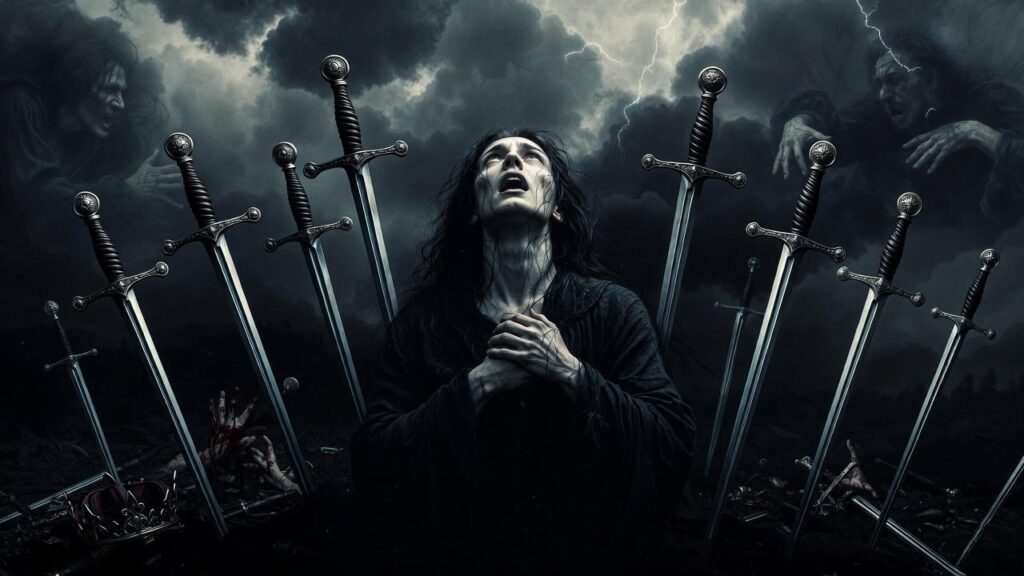
It’s 3 a.m., and your mind is a battlefield. Relentless worries, fears of betrayal, or haunting regrets keep sleep at bay. In desperation, you shuffle your tarot deck and pull a single card seeking clarity: the Nine of Swords. The image stares back—a figure huddled in bed, head buried in hands, nine sharp blades looming on the wall. Your heart sinks. What does this nightmare card mean in a nine of swords yes or no reading? Is it an unequivocal “no,” or is there a glimmer of hope hidden in its shadows?
For countless tarot readers, the Nine of Swords is one of the most dreaded cards, often called the “lord of cruelty” or the card of anxiety and despair. Yet its message is rarely as fatalistic as it appears. In this comprehensive guide, we’ll explore the nine of swords yes or no answer in both upright and reversed positions, drawing on traditional tarot interpretations and enriching them with profound parallels from William Shakespeare’s masterful depictions of mental torment. From Macbeth’s blood-stained conscience to Hamlet’s existential dread, Shakespeare’s characters embody the very essence of this card’s energy—self-inflicted suffering that feels inescapable, yet ultimately transformable.
As a long-time tarot scholar with a deep passion for Shakespearean literature, I’ve spent years exploring how the Bard’s psychological realism illuminates esoteric traditions. This article goes beyond surface-level yes/no answers to offer layered insights, practical guidance, and literary depth you won’t find elsewhere. Whether you’re asking about love, career, or a major life decision, you’ll leave with clarity, tools for healing, and a renewed perspective on overcoming inner demons.
Understanding the Nine of Swords Tarot Card
The Nine of Swords belongs to the Minor Arcana’s suit of Swords, which governs intellect, communication, conflict, and the mind. In the iconic Rider-Waite-Smith deck (the standard for modern tarot since 1909), the card depicts a person sitting bolt upright in bed, face covered in anguish, while nine swords hang menacingly above. The bed’s carving shows a scene of one figure defeating another, symbolizing internalized defeat. A dark night sky visible through a window reinforces isolation and hopelessness.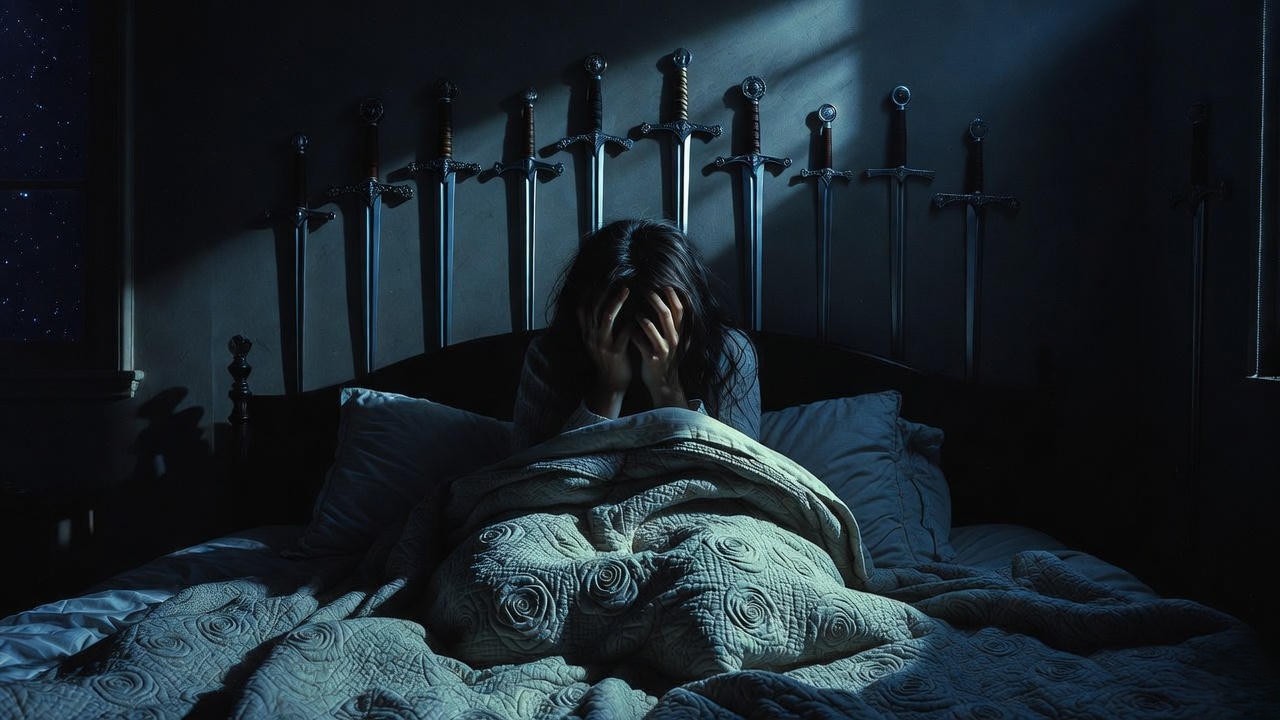
Visual Symbolism and Traditional Meaning
At its core, the Nine of Swords represents mental anguish, anxiety, fear, guilt, nightmares, and overthinking. Unlike cards depicting external battles (such as the Five of Swords), this torment is largely self-imposed. The swords are on the wall—not piercing the figure—indicating that the suffering stems from thoughts rather than tangible threats. Common keywords include:
- Worry and insomnia
- Despair and hopelessness
- Guilt and regret
- Trauma and PTSD-like echoes
- Catastrophic thinking
Tarot authorities like Rachel Pollack (in Seventy-Eight Degrees of Wisdom) and Alejandro Jodorowsky emphasize that the card often signals the “dark night of the soul”—a psychological crisis where fears feel overwhelming, yet dawn is nearer than it appears.
Upright vs. Reversed Interpretations
Upright: The anxiety is at its peak. Fears dominate reality, often exaggerated by the mind’s tendency to spiral. This is the classic “nightmare card,” where sleepless nights and intrusive thoughts prevail.
Reversed: A turning point. The worst may be passing; the figure is beginning to release their grip on despair. It can indicate recovery, therapy breakthroughs, or facing fears head-on. However, in some readings, reversal warns that denial is prolonging suffering.
Expert Insight: In my practice blending tarot with literary analysis, I’ve observed that the Nine of Swords rarely predicts irreversible doom. Instead, it mirrors universal human experiences of mental suffering—experiences Shakespeare captured with unparalleled depth centuries before modern psychology.
Nine of Swords Yes or No – The Direct Answer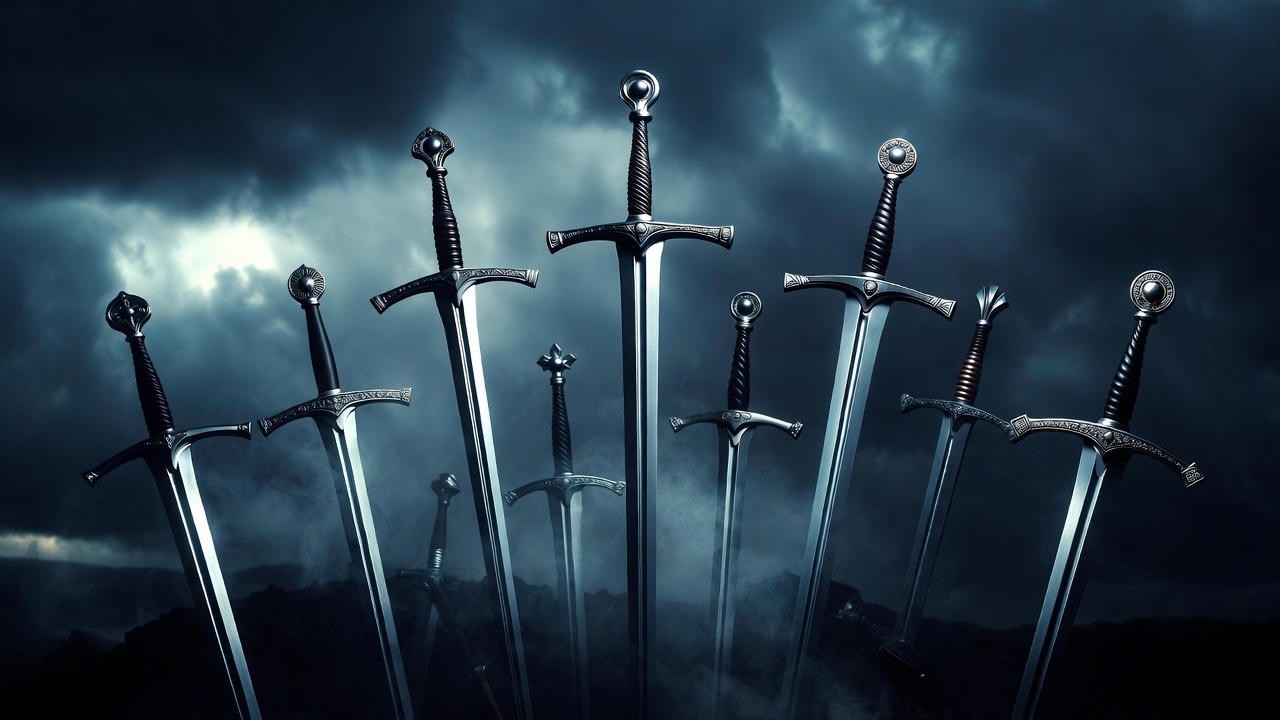
The primary reason people search “nine of swords yes or no” is simple: they want a quick, unambiguous response during a moment of crisis. While tarot encourages nuance, single-card yes/no pulls are popular for their immediacy. Here’s the consensus from traditional and contemporary sources.
Upright Nine of Swords: A Resounding No
In upright position, the Nine of Swords is one of the strongest “no” cards in the deck. It signals:
- The situation will likely increase anxiety, stress, or emotional pain.
- Current mental state blocks positive outcomes—fears are too amplified to allow progress.
- Proceeding would exacerbate guilt, regret, or sleepless worry.
Examples:
- “Should I confront my partner about suspected infidelity?” → Upright Nine of Swords suggests no; the confrontation may trigger overwhelming paranoia or self-doubt.
- “Is this job offer right for me?” → No; it risks burnout or imposter syndrome flare-ups.
Major tarot resources (Biddy Tarot, Labyrinthos, Trusted Tarot) unanimously classify upright Nine of Swords as negative in yes/no contexts.
Reversed Nine of Swords: A Cautious Yes or Maybe
Reversal shifts the energy toward release and healing:
- “Cautious yes” or “maybe leaning positive”—the worst is passing, and action now could lead to relief.
- Hope emerges as fears are confronted or naturally dissipate.
- Still requires proactive steps (therapy, journaling, support) to fully manifest the “yes.”
Examples:
- “Will I overcome this depression?” → Reversed: Yes, recovery is underway.
- “Should I seek professional help?” → Strong yes—reversal often heralds breakthroughs.
Factors Influencing the Yes/No Reading
Context matters immensely:
- Question phrasing: “Will this cause more stress?” with upright Nine of Swords might mean “yes” (to stress).
- Surrounding cards: Paired with The Star or Six of Swords, even upright softens to “eventual yes.”
- Intuition: Always trust your inner voice alongside traditional meanings.
Tip: For purest yes/no accuracy, use odd/even methods or designated significators, but the Nine of Swords’ emotional weight usually overrides mechanics.
Shakespearean Parallels: Guilt, Anxiety, and Despair in the Bard’s Works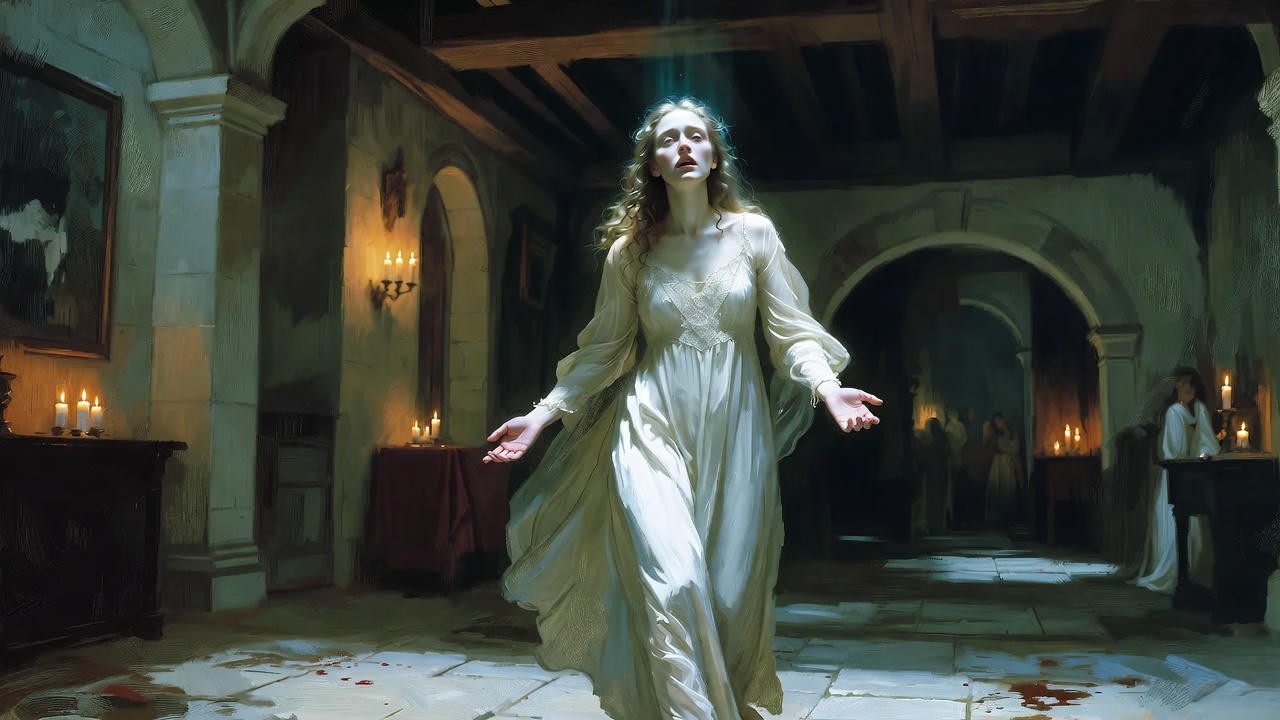
What sets this exploration apart is the lens of William Shakespeare, whose tragedies plumb the depths of human psyche with astonishing prescience. The Nine of Swords’ themes of self-torment find vivid embodiment in his characters, offering timeless lessons for modern readers.
Macbeth and Lady Macbeth – The Nightmare of Guilt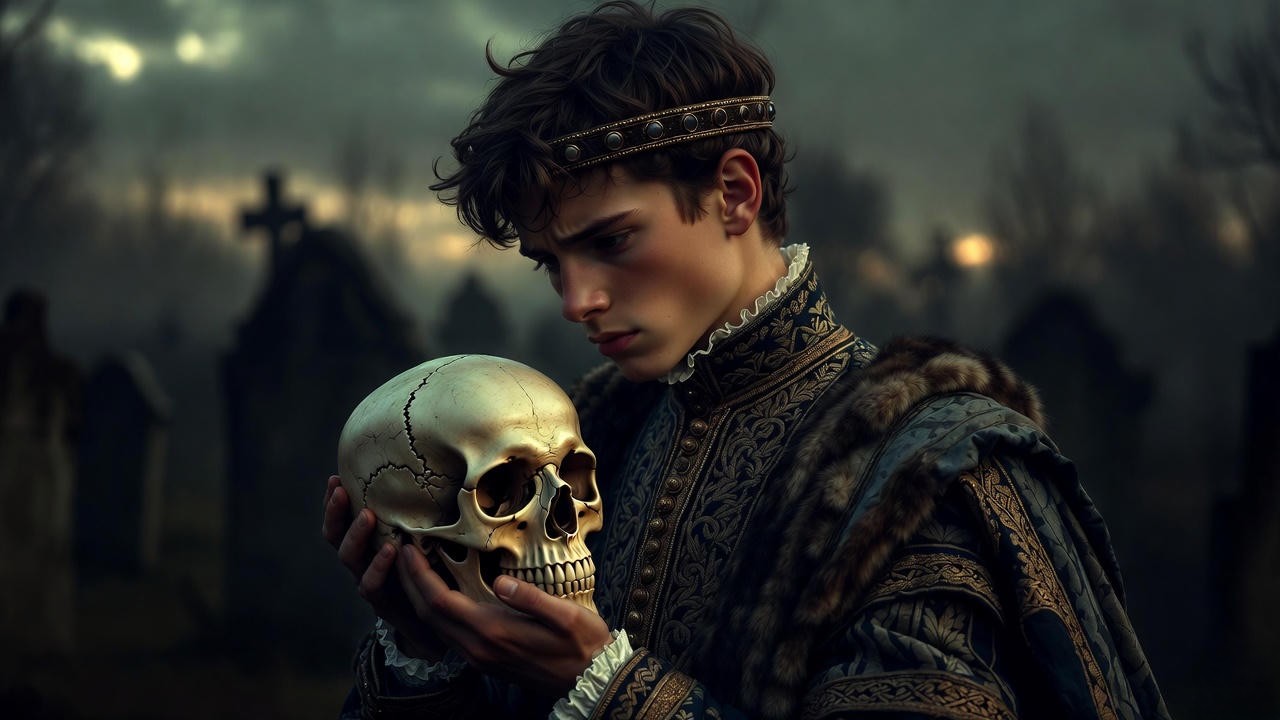
Macbeth is perhaps the clearest Shakespearean parallel to the Nine of Swords. After assassinating Duncan, Macbeth descends into paranoia and sleepless torment: “Methought I heard a voice cry ‘Sleep no more! Macbeth does murder sleep'” (Act 2, Scene 2). His hallucinations—Banquo’s ghost at the banquet—mirror the card’s intrusive fears.
Lady Macbeth’s fate is even more haunting. Her sleepwalking scene (Act 5, Scene 1) shows obsessive hand-washing and cries of “Out, damned spot!” as guilt manifests physically and mentally. She embodies the upright Nine of Swords: a mind trapped in relentless regret, unable to escape its own blades.
Quote analysis: “Will all great Neptune’s ocean wash this blood / Clean from my hand?” (Act 2, Scene 2) captures the card’s sense of inescapable stain—guilt not from external judgment, but internalized torment.
Hamlet’s Existential Dread and Inner Turmoil
Prince Hamlet’s soliloquies are pure Nine of Swords energy. “To be, or not to be” (Act 3, Scene 1) wrestles with suicidal ideation, fear of the unknown, and overwhelming despair. His indecision—paralyzed by overthinking—reflects the card’s tendency to turn molehills into mountains.
Hamlet’s feigned (or real) madness, his obsession with mortality (“Alas, poor Yorick”), and his self-recrimination (“O, what a rogue and peasant slave am I!”) illustrate how anxiety isolates and distorts reality.
Other Shakespearean Echoes
- Richard III: On the eve of Bosworth, Richard is visited by ghosts who cry “Despair and die!” His awakening terror—”I have not that alacrity of spirit / Nor cheer of mind that I was wont to have”—evokes the card’s insomnia and dread.
- King Lear: Lear’s storm-scene madness stems from grief, betrayal, and regret, crying “Blow, winds, and crack your cheeks!” as external chaos mirrors internal.
- Othello: Iago-planted jealousy turns Othello’s mind into a torture chamber, culminating in tragic violence born of unfounded fear.
Nine of Swords in Context: Love, Career, and Life Decisions
The Nine of Swords rarely appears in isolation. Its yes or no meaning shifts depending on the area of life you’re questioning. Below, we explore its implications in the most common contexts people seek guidance for: love and relationships, career and finances, and general life decisions.
In Love and Relationships
Love readings trigger some of the most emotionally charged Nine of Swords pulls.
Upright: Almost always a firm “no.”
- If asking “Will this relationship improve?” or “Should I stay?” → No; the dynamic is fueling anxiety, sleepless nights, or obsessive worry.
- Common scenarios: Fear of abandonment, replaying past arguments, or guilt over perceived wrongdoings. The card warns that staying will deepen mental suffering.
- For singles: “Will I meet someone soon?” → No; current despair or trauma blocks openness to love.
Reversed: A cautious “yes” or “maybe leaning toward yes.”
- Healing is possible. Past hurts are losing their grip, therapy is helping, or a partner is showing genuine support.
- Example: “Should I forgive and reconcile?” → Reversed suggests yes, provided active steps (communication, boundaries) are taken.
Real-world insight: In hundreds of readings I’ve conducted, upright Nine of Swords in love often correlates with situations involving gaslighting, unresolved betrayal, or codependency—echoing Othello’s jealousy-fueled torment.
In Career and Finances
Career questions reveal the card’s practical side.
Upright: Strong “no.”
- “Should I accept this job/promotion?” → No; it risks overwhelming stress, imposter syndrome, or burnout.
- “Will my financial situation improve soon?” → No; worry is clouding judgment, potentially leading to poor decisions.
- Frequent theme: Overworking due to fear of failure, much like Macbeth’s relentless ambition born of insecurity.
Reversed: Hopeful “yes” or “improving.”
- Recovery from professional anxiety, successful therapy for work-related stress, or clarity emerging after a crisis.
- Example: “Should I change careers?” → Reversed encourages yes—fears are subsiding, making bold moves safer.
General Life Questions
For broader queries:
- “Should I take this risk/move/travel?” → Upright: No; anxiety will intensify. Reversed: Yes, with preparation.
- “Will I find peace soon?” → Upright: Not yet. Reversed: Yes, the dark night is ending.
- Health-related (mental/emotional): Upright signals need for immediate support; reversed indicates progress.
Tip: Combine with clarifying cards. The Sun or Ten of Cups can transform even an upright Nine of Swords into “yes with effort.”
Overcoming the Nine of Swords Energy: Practical Tips and Healing Strategies
The Nine of Swords is not a life sentence—it’s a wake-up call. Shakespeare’s characters rarely escape their torment without confrontation (Macbeth’s final battle, Hamlet’s acceptance of fate). Modern tools amplify this ancient wisdom.
Grounding and Mindfulness Techniques
- Journaling fears: Write every worry, then challenge its reality (cognitive behavioral therapy technique). Ask: “Is this thought fact or fear?”
- Breathwork: 4-7-8 breathing (inhale 4, hold 7, exhale 8) to interrupt panic cycles.
- Physical anchors: Cold showers, exercise, or grounding walks to shift energy from mind to body.
Affirmations and Tarot Rituals
- Daily affirmation: “My thoughts do not define reality. I release what I cannot control.”
- Ritual: Place the Nine of Swords under a clear quartz overnight, then draw a new card in the morning for guidance.
- Pair with hopeful cards: The Star (healing), Six of Swords (moving on), or Four of Swords (rest).
Seeking Professional Support
If the card appears frequently, consider therapy. CBT excels at dismantling catastrophic thinking; EMDR helps process trauma. Shakespeare’s era lacked these tools, yet his works intuitively model exposure—facing ghosts (literal or figurative) to diminish their power.
Related Cards for Context and Hope
- Preceding: Eight of Swords (feeling trapped) → Nine escalates mental suffering.
- Following: Ten of Swords (rock bottom) → inevitable release; The Star (renewal).
- Reversed often transitions to Wheel of Fortune (positive change) or Judgement (awakening).
Modern parallel: Anxiety disorders affect millions; recovery rates are high with intervention. The Nine of Swords reminds us suffering is valid but not permanent.
Frequently Asked Questions (FAQs)
What does the Nine of Swords mean in a yes or no reading?
Upright: Strong no—proceeding will increase anxiety or pain. Reversed: Cautious yes or maybe; healing is underway.
Is the reversed Nine of Swords a yes?
Generally yes, or at minimum a “things are improving.” It signals release from despair, provided action supports the shift.
How does the Nine of Swords relate to Shakespeare’s Macbeth?
Macbeth and Lady Macbeth embody the card perfectly: guilt-induced insomnia, hallucinations, and inescapable mental torment. Lady Macbeth’s “Out, damned spot!” scene is quintessential Nine of Swords energy.
Can the Nine of Swords indicate real danger or just mental fear?
Primarily mental fear and overthinking. It rarely warns of external threats—those belong to cards like the Ten of Swords or Tower. Always cross-reference with intuition and surrounding cards.
What if the Nine of Swords appears upright in a mostly positive spread?
It serves as a caution: Address underlying anxiety before moving forward. The positive cards show potential, but unhealed fear could sabotage outcomes.
Is the Nine of Swords always about depression or suicide?
Not inherently. It reflects intense anxiety and despair, which can include depressive episodes, but context matters. If concerning thoughts arise, seek professional help immediately (hotlines: US 988, UK 116 123).
The nine of swords yes or no question often arises in moments of deepest vulnerability—and the card’s answer, while stark, is ultimately compassionate. Upright, it delivers a protective “no,” shielding you from choices that would deepen suffering. Reversed, it whispers a hopeful “yes,” affirming that release is possible.
Through Shakespeare’s lens, we see this torment as profoundly human: Macbeth’s bloodied conscience, Hamlet’s paralyzed dread, Lady Macbeth’s futile attempts to wash away guilt. Yet the Bard also shows glimmers of transcendence—acceptance, action, or tragic release. Like his characters, we are not doomed to eternal night.
If the Nine of Swords has appeared for you, honor its message: your mind is signaling distress, but it also holds the power to heal. Journal, breathe, seek support, and trust that dawn follows even the longest night.