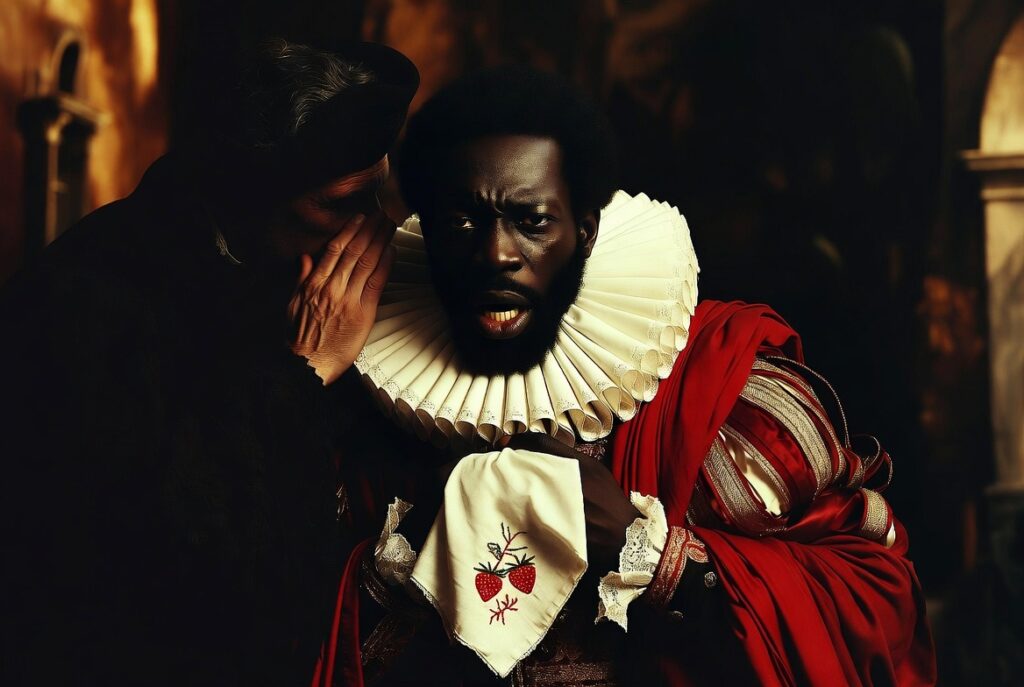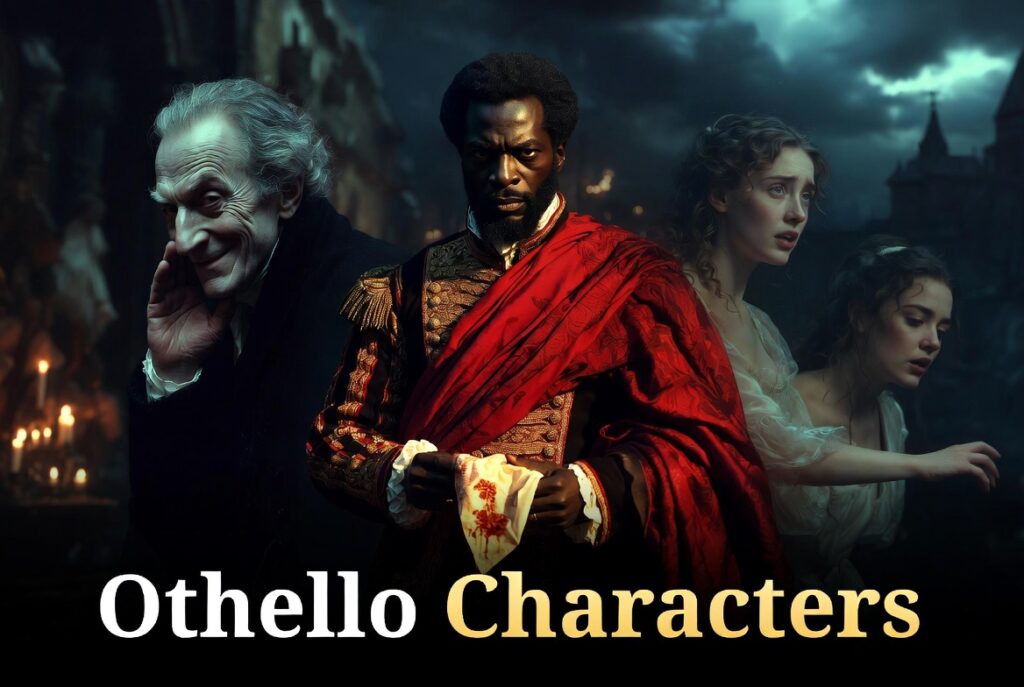
In the flickering candlelight of a 17th-century theater, a single whispered accusation—“She’s false as water”—unravels the life of a noble general, his devoted wife, and everyone around them. If you’re searching for Othello characters to unlock the psychological depths, dramatic ironies, and timeless relevance of Shakespeare’s masterpiece, you’ve come to the right place. This comprehensive guide dissects every major and supporting figure in Othello (c. 1603–1604), revealing not just who they are on the page, but why they act, how they reflect Elizabethan society’s anxieties about race, gender, power, and deception, and how their motivations continue to resonate in our own divided world.
Whether you’re a student crafting an essay, a teacher designing a lesson plan, a theater director preparing a production, or simply a lover of Shakespeare eager for fresh insight beyond basic summaries, this article delivers the authoritative, in-depth analysis you need. Drawing directly from the First Folio text, centuries of scholarly commentary (from Samuel Taylor Coleridge to modern RSC productions), and original close readings, we go far beyond SparkNotes or CliffsNotes. By the end, you’ll understand the intricate web of relationships that drives the tragedy—and gain practical tools to apply this knowledge in essays, discussions, or stage interpretations.
What You’ll Learn in This Guide
- The tragic arc of Othello, the Moor of Venice, and the racial and personal insecurities that seal his fate.
- Iago’s chilling psychology as literature’s most sophisticated villain.
- Desdemona’s agency and the feminist undercurrents often overlooked in traditional readings.
- The supporting cast’s crucial role in amplifying themes of jealousy, betrayal, and honor.
- Practical study tips, discussion questions, and modern adaptations that prove these Othello characters remain urgently relevant today.
Let’s begin with the play’s tragic hero himself.
Othello: The Play’s Tragic Hero and the Moor of Venice
Othello stands at the center of Shakespeare’s tragedy as both its noble protagonist and its most heartbreaking victim. Often simply called “the Moor,” he is a Christian military commander of North African descent serving the Venetian Republic. His very presence in the play challenges Elizabethan stereotypes while simultaneously exposing the prejudices that ultimately destroy him.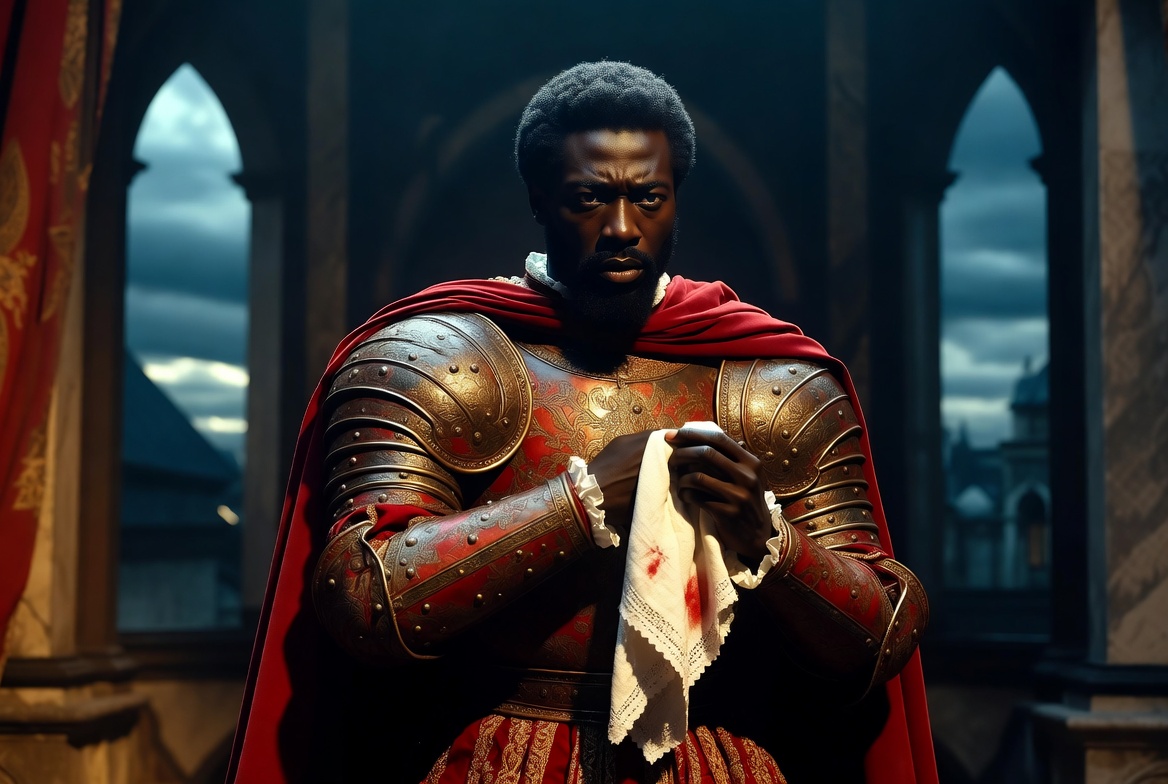
Background and Social Position
Born into a life of warfare and adventure, Othello rises through merit rather than birthright—an extraordinary achievement in a rigidly hierarchical Venetian society. In Act 1, Scene 3, he recounts his life story to the Duke and Senators: “Her father loved me, oft invited me, / Still questioned me the story of my life / From year to year—the battles, sieges, fortunes / That I have passed.” This exotic backstory captivates Desdemona, yet it also marks him as a perpetual outsider. As a Black man in white Venetian elite circles, Othello navigates constant scrutiny; his marriage to Desdemona, a senator’s daughter, becomes both his greatest triumph and the spark for racial resentment.
Shakespeare drew inspiration from Giraldi Cinthio’s 1565 novella Un Capitano Moro, but he transformed the crude soldier into a dignified general whose eloquence rivals any Venetian noble. This elevation makes his downfall all the more devastating.
Personality Traits and Psychological Depth
Othello possesses a “free and open nature” (as Iago himself admits in Act 1, Scene 3), marked by nobility, courage, and deep emotional capacity. His language is richly poetic, blending military precision with romantic idealism. Yet beneath the surface lies profound insecurity—rooted in his race, age difference with Desdemona, and awareness that Venetian society tolerates him only as long as he serves its interests. This vulnerability is not a flaw in the modern sense but a humanizing trait that Shakespeare exploits masterfully.
Motivations and Tragic Flaw
At his core, Othello seeks certainty, honor, and reciprocal love. He marries Desdemona not for political gain but for a profound emotional bond: “She loved me for the dangers I had passed, / And I loved her that she did pity them.” His tragic flaw—hamartia in Aristotelian terms—is not inherent jealousy but an overwhelming need for proof and an inability to tolerate ambiguity once doubt is planted. When Iago suggests infidelity, Othello’s military mind demands evidence (“the ocular proof”), leading him to misinterpret the handkerchief as irrefutable proof.
This transformation from noble general to “honourable murderer” (his own words in Act 5, Scene 2) illustrates Aristotle’s concept of peripeteia (reversal of fortune) and anagnorisis (moment of recognition). In his final speech, Othello begs: “Speak of me as I am; nothing extenuate, / Nor set down aught in malice.” The audience witnesses a man reclaiming his dignity even as he chooses death.
Key Relationships
- With Desdemona: Idealized, almost worshipful love that blinds him to her humanity until too late.
- With Iago: Fatal misplaced trust; Othello calls him “honest Iago” repeatedly, unaware of the betrayal.
- With Cassio: Brotherly respect for the younger lieutenant, making Iago’s sabotage of Cassio’s reputation especially cruel.
Symbolic Significance and Thematic Role
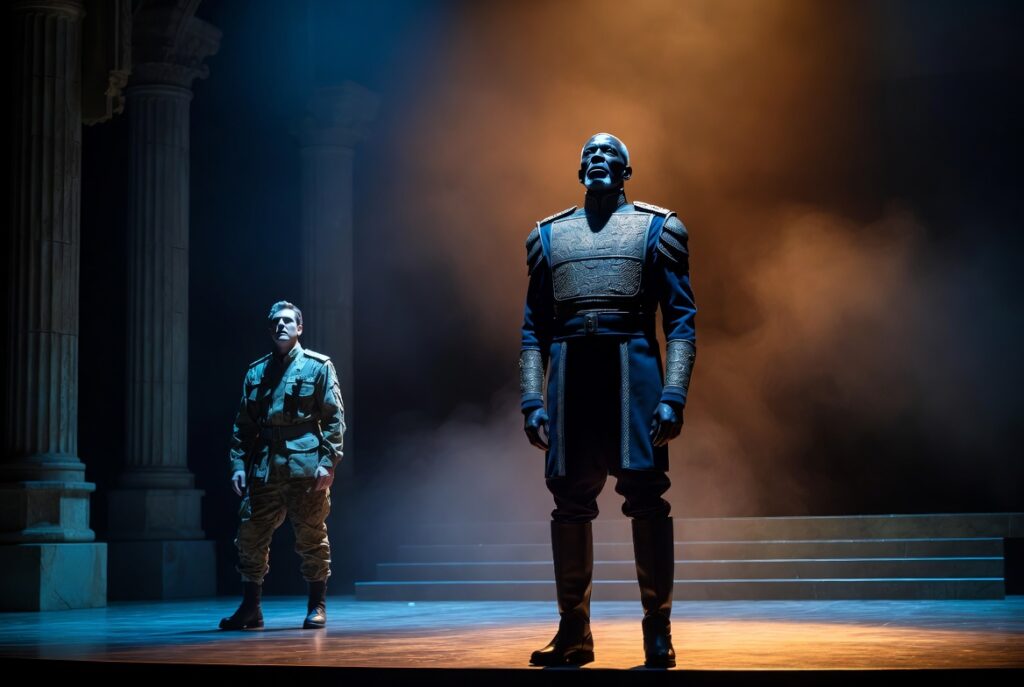
Othello embodies the destructive power of internalized prejudice and the fragility of reputation in a xenophobic society. His suicide—killing the “turbaned Turk” within himself—symbolizes the ultimate internalization of Venetian othering. Modern scholars, including those at the Folger Shakespeare Library and the Royal Shakespeare Company, highlight how the character exposes the intersection of race, masculinity, and power. In performance history, actors from Ira Aldridge (the first Black Othello in 19th-century Britain) to Laurence Olivier, Orson Welles, and Denzel Washington have reinterpreted these layers, each production revealing new facets of systemic bias.
Expert Insight: As RSC actor Hugh Quarshie observed in his 2015 production notes, Othello begins as a supremely assured man whose marriage “completes” him—until doubt unravels everything. This insight underscores why the character remains one of Shakespeare’s most complex tragic heroes.
Notable Quotes with Analysis
- “Othello’s occupation’s gone” (3.3.357) – Marks the precise moment his identity as a soldier collapses under jealousy.
- “I am not what I am” (echoed from Iago’s line but applied to Othello’s fractured self).
- Final speech (5.2.338–356): A masterpiece of self-revelation that humanizes him even in murder.
These lines reward close reading and frequently appear in exam questions on character development.
Iago: Shakespeare’s Most Diabolical Villain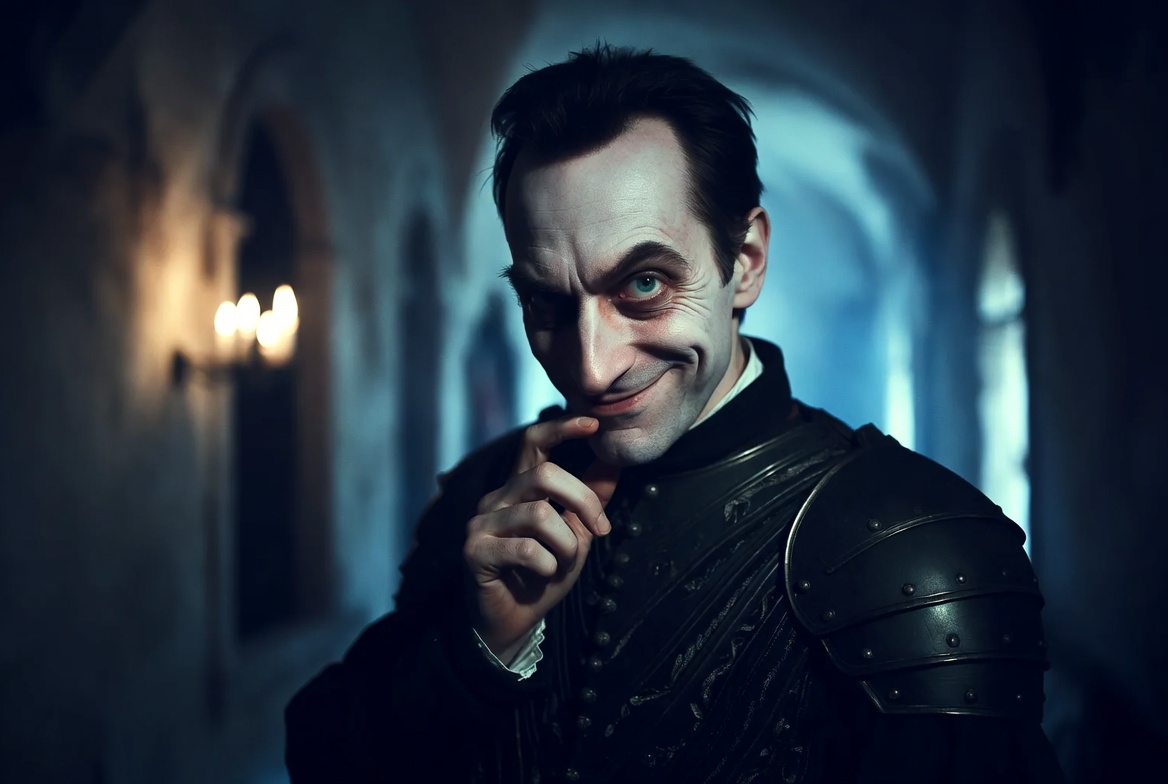
If Othello is the tragic hero, Iago is the engine of destruction—the character audiences love to hate and scholars debate endlessly. Often ranked alongside Richard III and Macbeth’s witches as Shakespeare’s greatest villains, Iago’s genius lies in his psychological realism and total lack of remorse.
Background and Rank
As Othello’s ancient (ensign), Iago holds a trusted but subordinate military position. Passed over for promotion in favor of the less experienced Michael Cassio, he nurses a grudge that metastasizes into wholesale revenge. His wife, Emilia, serves as Desdemona’s attendant, giving him intimate access to the household.
Motivations – The Enigma of Evil
Coleridge famously called Iago’s evil “motiveless malignity,” yet the text offers multiple plausible triggers: professional resentment (“I know my price, I am worth no worse a place,” 1.1.11), suspected cuckoldry (“I fear Cassio with my night-cap too,” 2.1.307), racial hatred (“I hate the Moor,” 1.3.386), and a nihilistic delight in chaos. Shakespeare deliberately leaves the question open, forcing audiences to confront the terrifying possibility that evil needs no grand justification—it can stem from ordinary human envy amplified by opportunity.
Manipulation Techniques and Psychological Warfare
Iago is a master of language as a weapon. He plants “seeds of doubt” through half-truths, insinuations, and feigned honesty. His soliloquies—delivered directly to the audience—create chilling dramatic irony; we know his plans while Othello remains blind. Techniques include:
- Gaslighting (“I speak not yet of proof,” 3.3.196).
- Selective truth-telling (the handkerchief’s true provenance).
- Exploitation of others’ weaknesses (Roderigo’s lust, Cassio’s courtesy, Othello’s insecurity).
Relationships
- With Othello: A toxic false friendship built on repeated assurances of honesty.
- With Roderigo: Pure financial and emotional exploitation (“put money in thy purse”).
- With Emilia: Contemptuous marriage; he dismisses her as a “foolish wife.”
- With Cassio: Professional jealousy masked as camaraderie.
Thematic Significance
Iago personifies deception, toxic masculinity, and the destructive power of envy. In an era of social media-fueled suspicion, his methods feel eerily contemporary. Feminist and postcolonial critics note how he weaponizes patriarchal and racial anxieties to maintain power.
Key Quotes and Dramatic Function
- “I am not what I am” (1.1.65) – His philosophical creed of deception.
- “Put money in thy purse” (repeated in Act 1, Scene 3) – Reveals his cynical materialism.
- Final line: “Demand me nothing. What you know, you know. / From this time forth I never will speak word” (5.2.303–304) – A defiant refusal that denies closure.
Expert Insight: Director Lucian Msamati’s groundbreaking 2015 RSC portrayal as a Black Iago emphasized deeper emotional layers of resentment, proving the character’s adaptability across casting choices.
Desdemona: The Innocent Victim or Defiant Heroine?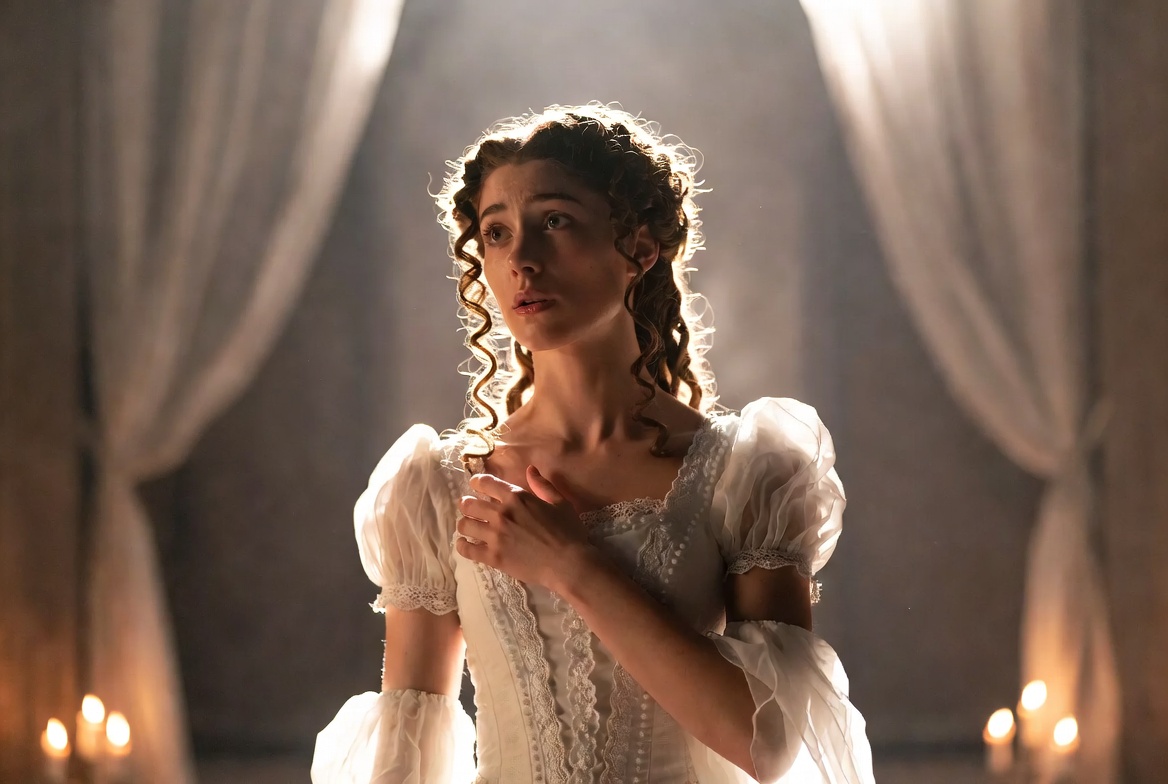
Far from the passive “fair lady” of early criticism, Desdemona emerges as one of Shakespeare’s most quietly courageous female characters.
Background and Agency
Daughter of the influential Senator Brabantio, Desdemona defies her father and Venetian custom by eloping with Othello. Her choice is an act of radical agency in a society that viewed daughters as property.
Personality and Growth
Initially idealistic and empathetic, Desdemona matures through adversity in Cyprus. Her loyalty never wavers, even as Othello accuses her of infidelity. In Act 4, Scene 3, her conversation with Emilia reveals growing awareness of marital injustice.
Motivations
Pure love, compassion, and moral steadfastness. She pities Othello’s hardships and remains devoted “even to the last article of my death.”
Role in the Tragedy and Feminist Readings
Desdemona’s innocence exposes the hypocrisy of Venetian patriarchy. Modern feminist scholars (including Virginia Vaughan and Ayanna Thompson) read her as a proto-feminist figure whose murder critiques male possessiveness. Her final words—“A guiltless death I die” (5.2.122)—affirm her integrity.
Key Relationships
- Othello: Devoted wife whose love is tragically misinterpreted.
- Emilia: Evolving bond of female solidarity.
- Iago: Unwitting target of his schemes.
Supporting Characters: Cassio, Emilia, and the Ensemble That Fuels the Tragedy
While Othello, Iago, and Desdemona dominate the spotlight, Shakespeare’s supporting characters in Othello are far from mere fillers. Each plays a vital role in tightening the web of deception, amplifying central themes, and making the tragedy feel painfully human and inevitable. Their interactions create the social and emotional texture that makes the downfall of the central trio so devastating.
Michael Cassio – The Flawed Lieutenant
Michael Cassio serves as Othello’s young, handsome, and cultured lieutenant from Florence. Unlike Othello’s battle-hardened experience, Cassio represents the ideal Venetian courtier—educated, courteous, and skilled in “the bookish theoric” of war rather than its raw practice (as Iago sneers in Act 1, Scene 1).
Background and Role: Cassio’s promotion over Iago becomes the initial spark for the villain’s revenge. His gentlemanly manners and close friendship with Othello make him both an object of professional envy and an easy target for manipulation.
Personality and Downfall: Cassio is charming and somewhat naïve. His one major weakness—poor tolerance for alcohol—leads to his demotion after Iago engineers a drunken brawl in Act 2. This scene brilliantly showcases Shakespeare’s use of dramatic irony: the audience watches Iago manipulate events while Cassio laments the loss of his “reputation,” which he calls “the immortal part of myself.”
Redemption Arc: By the play’s end, Cassio survives and is appointed governor of Cyprus. His survival and restoration highlight the partial justice that follows the carnage, while also underscoring Iago’s failure to destroy everyone.
Symbolic Significance: Cassio functions as a foil to both Othello and Iago. He represents the refined Venetian masculinity that Othello aspires to emulate and that Iago bitterly resents. His affair with Bianca further complicates the theme of reputation versus reality.
Emilia – The Voice of Truth and Feminist Awakening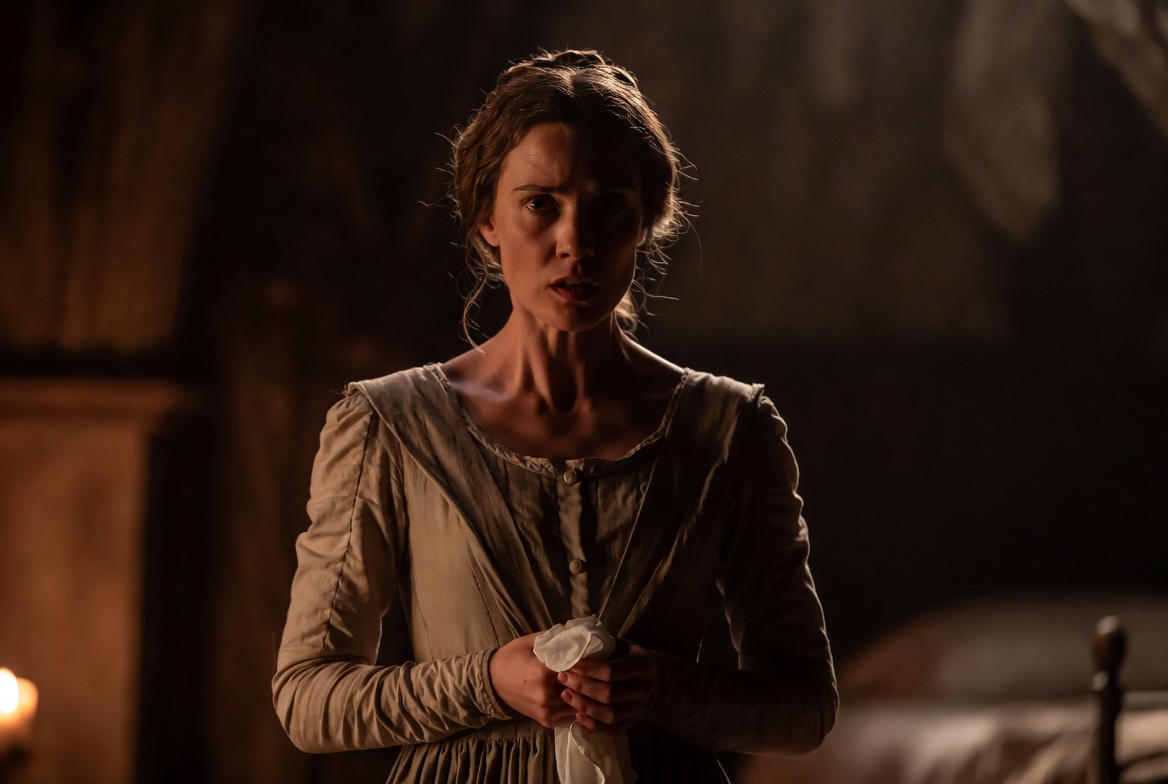
Emilia, Iago’s wife and Desdemona’s attendant, is one of Shakespeare’s most underrated and evolving female characters. She begins the play as seemingly compliant but grows into its moral conscience.
Background and Position: As a middle-aged woman married to a bitter soldier, Emilia occupies a liminal social space—serving a high-born lady while enduring a loveless marriage. Her proximity to both the main couple and Iago gives her unique insight.
Personality and Transformation: Early on, Emilia appears pragmatic and slightly cynical (“They are all but stomachs, and we all but food,” 3.4.104). Yet witnessing Desdemona’s suffering awakens her courage. The turning point comes in Act 5 when she defies her husband publicly, declaring, “I will speak as liberal as the north” (5.2.217).
Key Contribution – The Handkerchief: Emilia’s unwitting role in stealing the handkerchief at Iago’s request sets the final trap. Her later revelation of the truth (“O thou dull Moor! That handkerchief thou speak’st of / I found by fortune,” 5.2.223–224) directly causes Iago’s exposure and provides the play’s most powerful moment of female solidarity.
Feminist Significance: Emilia’s famous speech on marital equality in Act 4, Scene 3—“Let husbands know / Their wives have sense like them”—is one of Shakespeare’s clearest proto-feminist statements. It directly challenges the double standards that doom Desdemona. Many modern productions emphasize Emilia’s arc as a quiet rebellion against patriarchal control.
Roderigo, Brabantio, Bianca, and the Venetian Establishment
- Roderigo: A wealthy but foolish Venetian gentleman infatuated with Desdemona. Iago exploits his lust and gullibility, using him as both a funding source and a disposable tool. Roderigo’s death in Act 5 underscores the collateral damage of Iago’s schemes.
- Brabantio: Desdemona’s father, a senator whose racist outrage (“O thou foul thief,” 1.2.62) introduces the play’s exploration of racial prejudice. His death offstage from grief highlights the personal cost of Venetian hypocrisy.
- Bianca: Cassio’s courtesan lover. Often dismissed as minor, she humanizes the world of Cyprus and suffers false accusation when the handkerchief is found in her possession. Her jealousy mirrors Othello’s, creating ironic parallels.
- Minor Venetian Officials (Duke, Montano, Lodovico, Gratiano): These figures represent institutional authority. Their belated arrival in Act 5 delivers justice too late, emphasizing the theme that reputation and social order are fragile constructs easily shattered by private malice.
Quick Character Reference Table
| Character | Role | Key Trait | Fate | Thematic Function |
|---|---|---|---|---|
| Othello | General / Protagonist | Noble yet insecure | Suicide | Race, jealousy, honor |
| Iago | Ancient / Villain | Deceptive, resentful | Arrested / Silent | Manipulation, envy |
| Desdemona | Wife / Victim-Heroine | Loyal, courageous | Murdered | Innocence, female agency |
| Cassio | Lieutenant | Charming, flawed | Survives, promoted | Foil, reputation |
| Emilia | Attendant / Wife to Iago | Pragmatic → courageous | Murdered by Iago | Truth, proto-feminism |
| Roderigo | Suitor | Gullible, lustful | Killed | Exploitation |
| Brabantio | Senator / Father | Racist, authoritarian | Dies of grief | Societal prejudice |
This table serves as a handy reference for students and teachers when comparing character functions.
Character Relationships and Dynamics: The Web That Traps Them All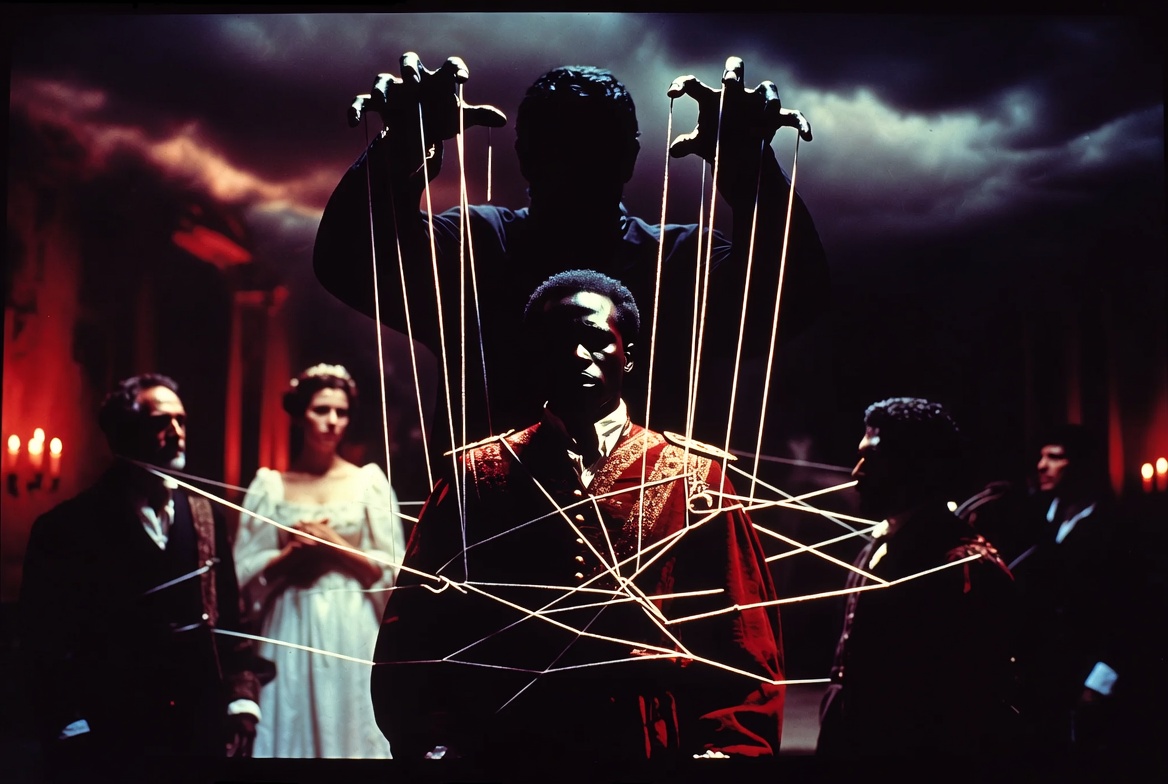
The true genius of Othello lies in its tightly woven interpersonal dynamics. Shakespeare constructs a pressure-cooker environment in which every relationship feeds the central tragedy.
The marriage between Othello and Desdemona begins as an idealized union of mutual admiration but becomes poisoned by external manipulation and internal doubt. Iago acts as the central spider, spinning threads that connect and corrupt every other bond. Gender dynamics are particularly sharp: men speak in public spheres of war and honor while women are confined to private spaces—yet Emilia ultimately bridges that divide with devastating effect.
Power imbalances (master/servant, husband/wife, Venetian/Moor) create fertile ground for resentment. Dramatic irony thrives because characters constantly misread each other’s intentions while the audience sees the full picture. A simple visual relationship map (often used in theater workshops) would show Iago at the center, with arrows of deception radiating outward to every other character.
Themes Illuminated Through the Characters
Every major theme in Othello gains clarity when examined through its characters:
- Jealousy: Not only Othello’s sexual jealousy but Iago’s professional and sexual envy, and even Bianca’s romantic suspicion.
- Race and Otherness: Othello’s identity as “the Moor” is weaponized by Iago and initially by Brabantio, revealing Venetian society’s underlying xenophobia.
- Deception and Appearance vs. Reality: Iago’s motto “I am not what I am” echoes throughout; nearly every character is misled by appearances.
- Gender and Marriage: Desdemona and Emilia expose the limited agency of women and the dangers of patriarchal possessiveness.
- Reputation and Honor: Cassio’s lament and Othello’s military identity show how reputation can be both earned and destroyed in an instant.
These themes interlock so seamlessly that separating them feels artificial—another mark of Shakespeare’s mastery.
Shakespeare’s Craft: How He Builds Unforgettable Characters
Shakespeare’s character construction in Othello remains a masterclass in dramatic technique. He employs:
- Soliloquies: Especially Iago’s, which grant the audience privileged knowledge and create moral complicity.
- Dramatic Irony: The gap between what characters know and what the audience knows generates unbearable tension.
- Foil Characters: Cassio foils Othello’s maturity; Emilia foils Desdemona’s idealism while ultimately mirroring her courage.
- Language Variation: Othello’s grand verse contrasts with Iago’s earthy prose, reflecting their respective worldviews.
- Foreshadowing: The handkerchief motif and early racial slurs prepare the ground for later catastrophe.
Comparisons with Hamlet (another introspective tragic hero) or King Lear (another exploration of misplaced trust) enrich understanding of Shakespeare’s evolving tragic vision.
Historical and Cultural Context
Written around 1603–1604 during James I’s reign, Othello reflects Elizabethan and early Jacobean anxieties about race, empire, and gender. Moors were both feared and romanticized in English culture following encounters with North Africa and the Ottoman Empire. Interracial marriage was rare and controversial. Shakespeare innovates on his source material by giving Othello nobility and eloquence, forcing audiences to confront their own prejudices.
Military life in Cyprus—a Venetian outpost vulnerable to Turkish invasion—mirrors England’s own naval and colonial tensions.
Modern Relevance and Adaptations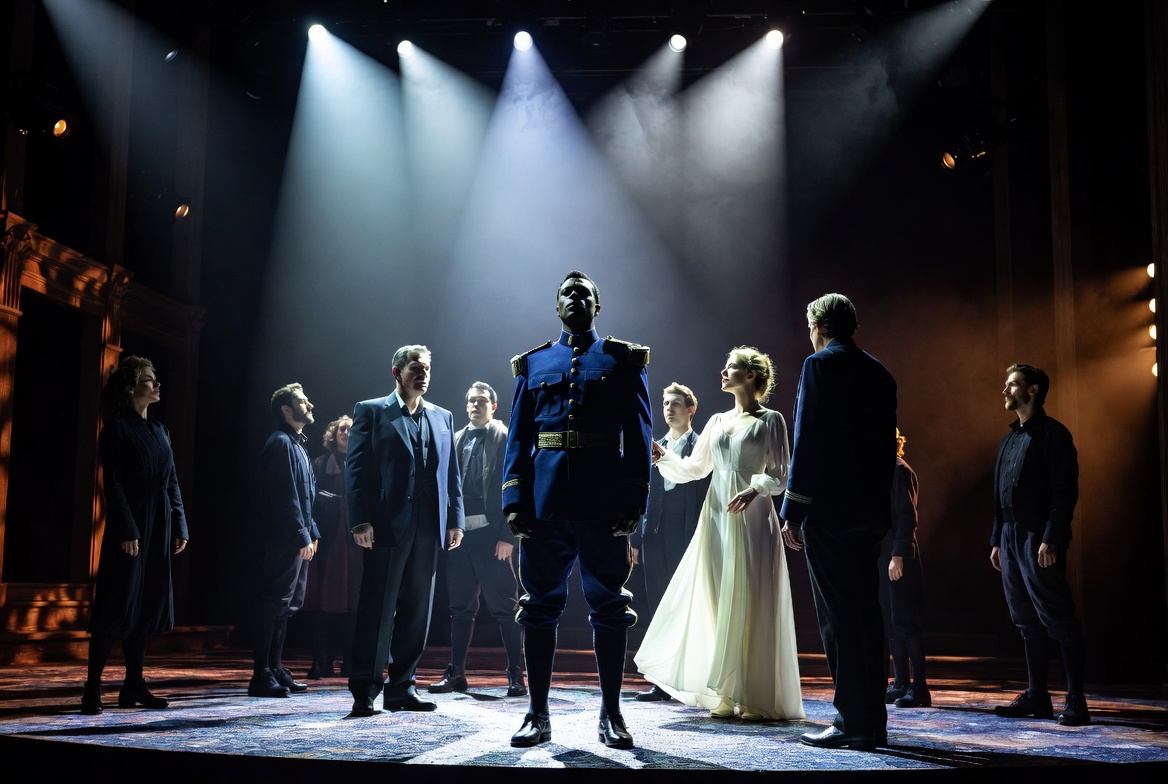
Centuries later, these Othello characters still speak urgently to contemporary issues. Iago’s gaslighting tactics feel familiar in the age of misinformation and social media jealousy. Othello’s experience of being “othered” resonates with ongoing conversations about race and systemic bias. Desdemona and Emilia’s struggles parallel modern discussions of consent, domestic violence, and female solidarity (#MeToo readings).
Notable adaptations include:
- Orson Welles’ 1952 film (expressionistic and visually groundbreaking).
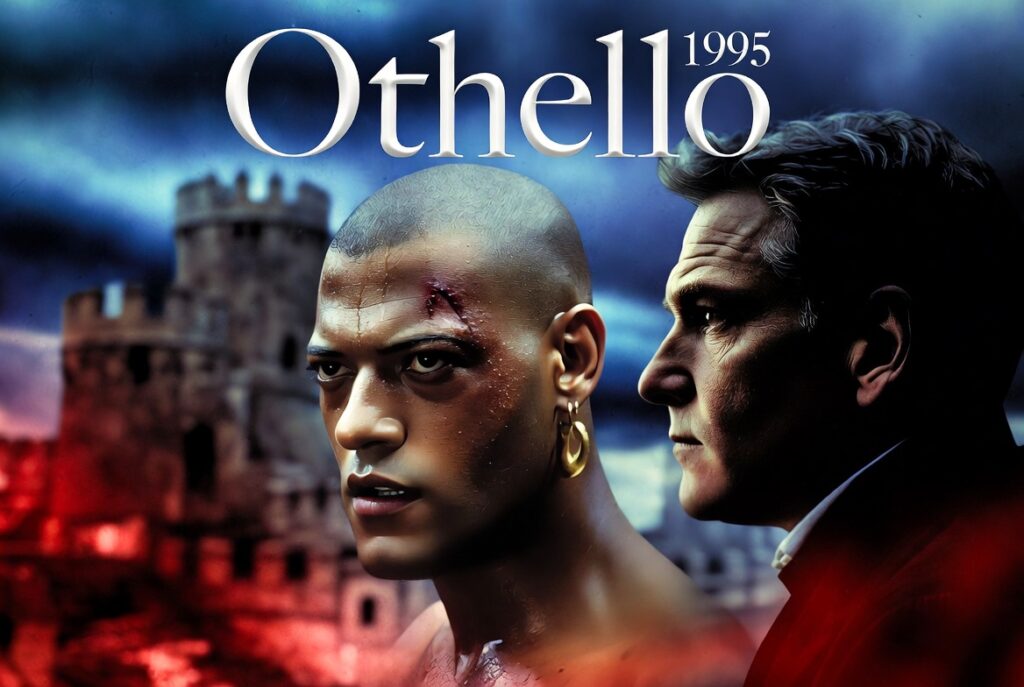
- Oliver Parker’s 1995 version with Denzel Washington and Kenneth Branagh.
- Recent stage productions featuring diverse casting that reframe racial dynamics (including Lucian Msamati as Iago and productions with female or non-binary interpretations).
These reinterpretations prove the characters’ elasticity without losing their tragic core.
Study Tips, Essay Guidance, and Discussion Questions
For students and educators seeking practical value:
Essay Tips:
- Always ground arguments in specific quotes and line references.
- Avoid simplistic “Iago is evil” readings—explore layered motivations.
- Use character foils and relationships to strengthen thematic analysis.
- Consider performance choices: How does an actor’s delivery of a key speech change interpretation?
Sample Thesis Statements:
- “Shakespeare uses Iago’s manipulation of Othello to demonstrate that tragedy arises not from inherent flaws but from the deliberate exploitation of human vulnerabilities.”
- “Through Desdemona and Emilia, Othello critiques patriarchal structures that silence and endanger women.”
Discussion / Essay Questions:
- To what extent is Othello responsible for his own downfall?
- Is Iago’s evil truly “motiveless,” or does the text provide sufficient justification?
- How does Emilia’s character challenge traditional gender roles in the play?
- Discuss the significance of the handkerchief as a symbol linking multiple characters.
- In what ways do minor characters contribute to the play’s exploration of reputation?
- How have modern productions altered understandings of race in Othello?
- Compare Othello’s jealousy with that of another Shakespearean character (e.g., Leontes in The Winter’s Tale).
The characters of Othello—from the noble yet vulnerable Moor to the chillingly human Iago, the courageous Desdemona, and the quietly heroic Emilia—form one of Shakespeare’s most psychologically rich ensembles. Their motivations, relationships, and ultimate fates reveal timeless truths about trust, jealousy, prejudice, and the devastating power of deception.
Shakespeare does not offer easy villains or flawless heroes. Instead, he shows how ordinary human weaknesses, when manipulated by malice, can lead to extraordinary tragedy. In an age still grappling with issues of race, gender equality, and truth in a post-truth world, these Othello characters remain not relics of the past but urgent mirrors to the present.
The next time you encounter jealousy, suspicion, or whispered doubt in your own life or in the news, remember Iago’s quiet question: “But what if…?” The tragedy of Othello warns us to guard our trust carefully—and to listen when truth finally speaks, as Emilia does, no matter the cost.
Return to the text. Watch a production. Discuss these characters with others. Their voices, centuries old, still have much to teach us.
FAQ – Othello Characters
Who is the protagonist in Othello and why is he called the Moor? Othello is the tragic protagonist, a Christian general of North African (Moorish) descent serving Venice. The term “Moor” reflects Elizabethan usage for people from North Africa, emphasizing his racial otherness in Venetian society.
What are Iago’s true motivations in Othello? Iago cites being passed over for promotion, suspected infidelity, and racial hatred. However, Shakespeare leaves his ultimate drive ambiguous, creating one of literature’s most chilling portrayals of motiveless or multi-motivated evil.
Is Desdemona a passive character? No. While traditionally viewed as innocent and submissive, Desdemona shows significant agency by defying her father to marry Othello and maintaining her integrity and loyalty even when facing false accusations and death.
How does Emilia contribute to the play’s resolution? Emilia exposes Iago’s plot by revealing the truth about the handkerchief, defying her husband at the cost of her own life. Her courage provides the moral climax and enables partial justice.
What role does the handkerchief play in connecting the characters? The handkerchief serves as a pivotal prop that links Desdemona, Othello, Iago, Emilia, Cassio, and Bianca. Its journey from token of love to false proof of infidelity drives the central misunderstanding and tragedy.
Why is Othello’s race so important to the play? Othello’s identity as a Black Moor makes him vulnerable to prejudice and self-doubt, which Iago expertly exploits. The play examines how racial othering intersects with personal insecurity to fuel catastrophe.
How do modern productions reinterpret these characters? Contemporary stagings often feature diverse casting, emphasize psychological realism over racial caricature, and highlight feminist or postcolonial readings, revealing new layers in the characters’ motivations and relationships.
Is Cassio entirely innocent? Cassio is flawed—he drinks too easily and maintains a relationship with Bianca—but he is not guilty of betraying Othello with Desdemona. His demotion and suffering serve Iago’s larger scheme.
This complete guide to the Othello characters provides the depth, analysis, and practical value needed for academic success, theatrical preparation, or personal appreciation. For more Shakespeare resources, explore our guides to Hamlet themes, Shakespeare’s tragic heroes, or staging tips for Othello.