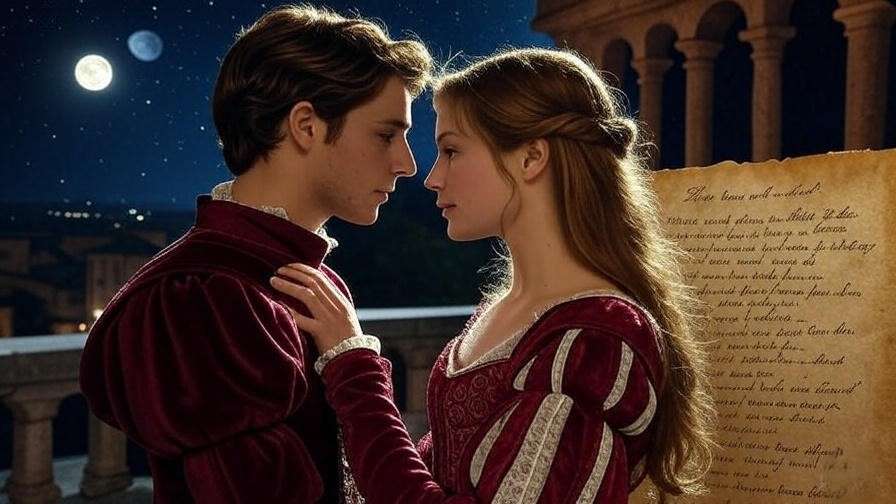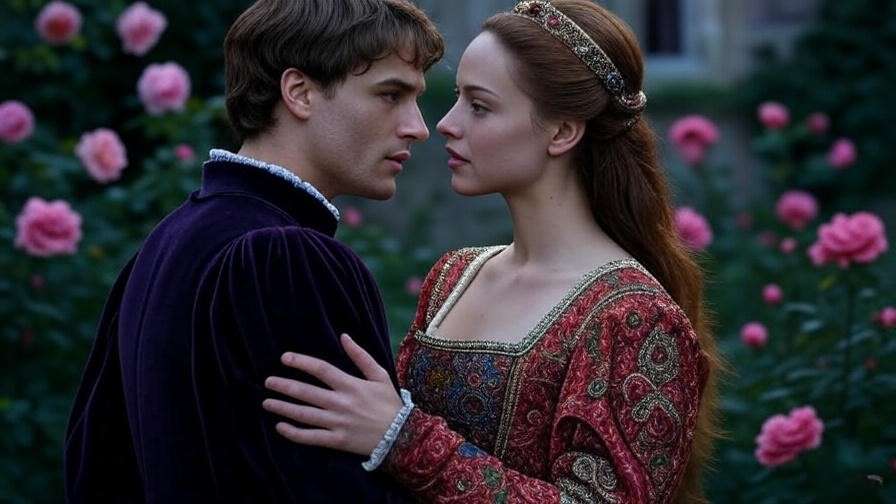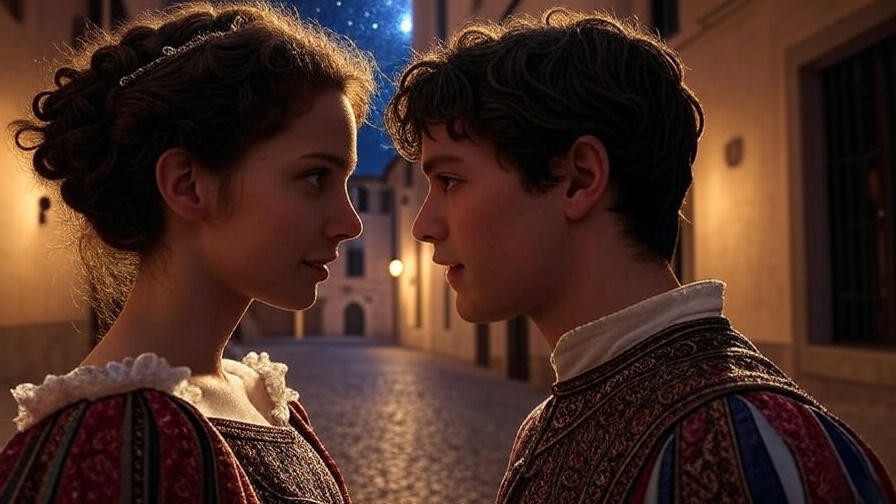
Picture this: two young lovers locked in a desperate embrace, their faces inches apart, eyes filled with the kind of intensity that promises both ecstasy and ruin. In a single frozen moment, an artist has captured the heartbeat of William Shakespeare’s Romeo and Juliet—the electric spark of forbidden love, the shadow of inevitable tragedy, the clash between passion and fate. For over four centuries, this story has inspired countless visual interpretations, but few mediums distill its essence as powerfully as the movie and theater posters that promote it.
Whether you’re searching for the perfect poster Romeo and Juliet to hang in your study, classroom, or bedroom, analyzing adaptations for an essay, directing a school production, or simply rediscovering Shakespeare’s masterpiece through modern eyes, these designs offer far more than decoration. They serve as visual essays on the play’s deepest themes: light versus darkness, unity amid division, the consuming fire of love, and the cruel hand of destiny. In this in-depth exploration, we’ll trace the evolution of these iconic posters, decode their layered symbolism, compare the most famous examples from major film adaptations, and provide practical guidance so you can choose—or even create—the design that resonates most deeply with your own interpretation of the tragedy.
As someone who has studied, taught, and written about Shakespeare’s works for many years, I’ve seen firsthand how these visual artifacts keep the play alive for new generations, turning abstract poetry into immediate, emotional impact. Let’s dive in.
The Evolution of Romeo and Juliet Posters: From Stage to Screen
The visual promotion of Romeo and Juliet has always reflected both the spirit of Shakespeare’s text and the cultural moment in which each production appeared.
Early Theatrical Posters and Their Symbolic Roots (pre-20th century influences) In the Elizabethan era and throughout the 18th and 19th centuries, theatrical announcements were modest—often text-heavy playbills featuring simple woodcuts of crossed swords, blooming roses (symbolizing beauty laced with pain), or lovers in profile against Verona’s skyline. These early designs emphasized the feud’s violence and the lovers’ doomed romance, drawing from Renaissance iconography where stars represented fate, light symbolized divine or pure love, and darkness concealed illicit passion. They laid the groundwork for later posters by translating Shakespeare’s poetic contrasts into simple, striking visuals that audiences could grasp in seconds.
The Rise of Film Posters in the 20th Century The arrival of cinema transformed promotion into high art. Mid-20th-century posters favored romantic, painterly realism—soft-focus portraits of beautiful young actors set against lush Verona backdrops or golden-hour light. By the late 20th century, postmodern influences introduced bold color palettes, collage techniques, and symbolic overload, mirroring societal shifts toward youth culture, media saturation, and urban anxiety. Throughout every era, posters remained faithful to core motifs: the lovers’ embrace as unity against division, weapons as harbingers of doom, and celestial or fiery elements hinting at star-cross’d fate.
How Posters Adapt Shakespeare’s Language into Visual Storytelling Shakespeare’s text thrives on oxymorons (“loving hate,” “bright smoke”) and recurring imagery (light/dark, day/night, fire/water). Posters compress these literary devices into one powerful frame, using composition, color psychology, and symbolic objects to “tell” the story without a single line of dialogue. A glowing couple emerging from shadow visually echoes Juliet’s famous line, “It is too rash, too unadvis’d, too sudden,” while a burning heart foreshadows Friar Laurence’s warning: “These violent delights have violent ends.”
Iconic Film Posters – A Deep Dive
The most recognizable poster Romeo and Juliet designs come from the screen adaptations that introduced the play to millions of viewers worldwide.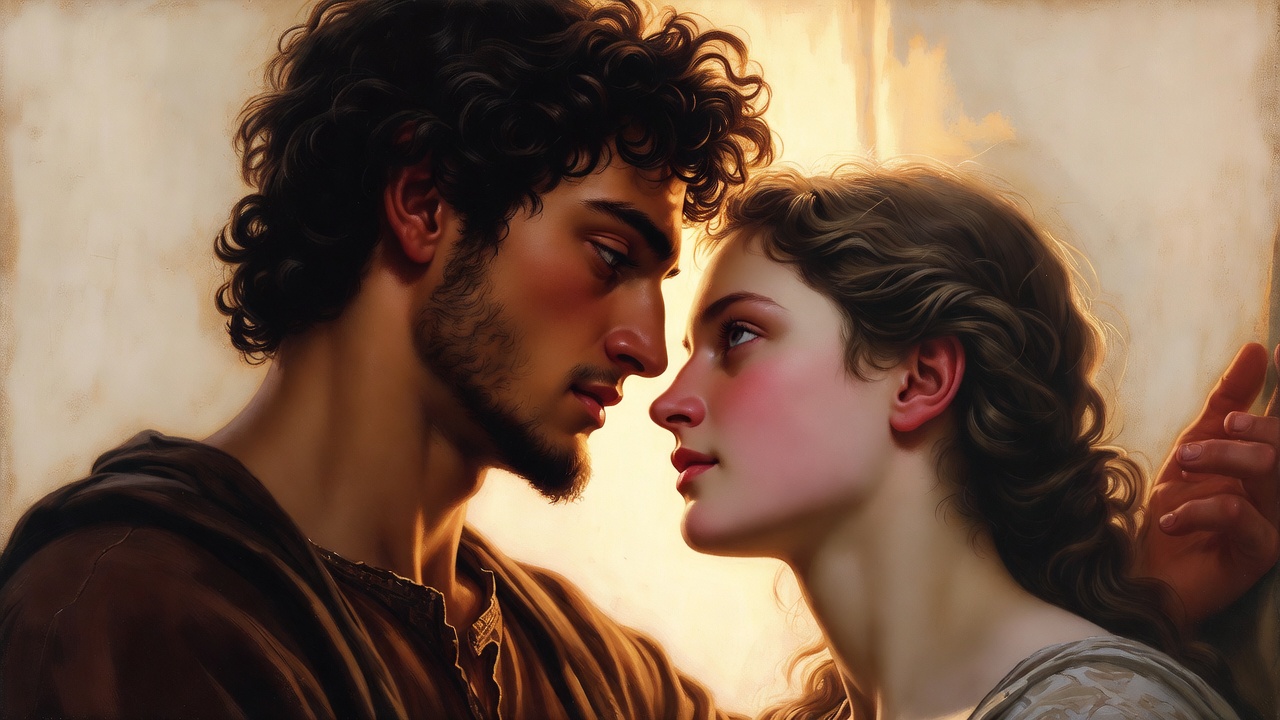
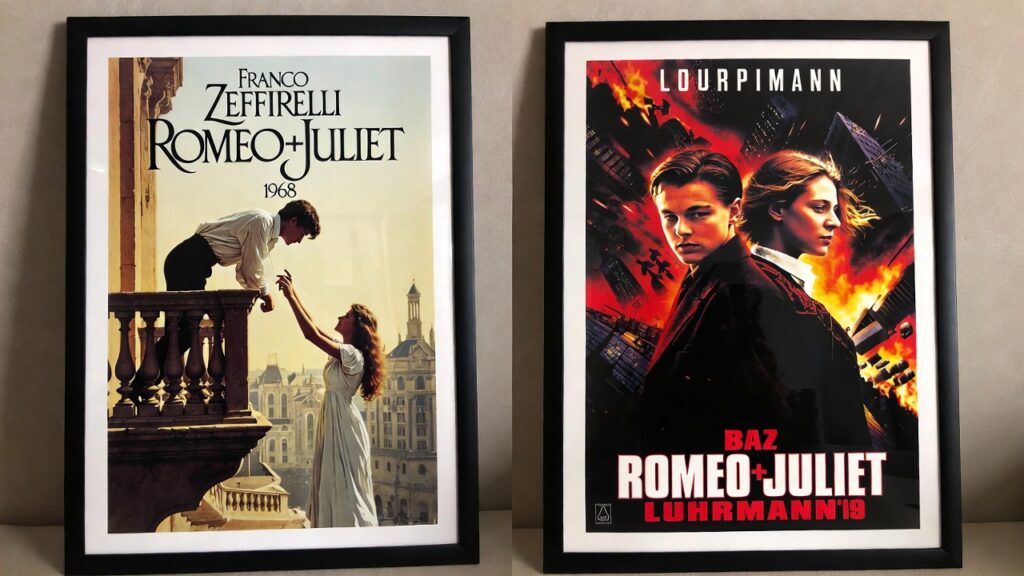
The 1968 Franco Zeffirelli Adaptation Poster – Timeless Renaissance Romance Franco Zeffirelli’s groundbreaking 1968 film cast age-appropriate teenagers (Leonard Whiting as Romeo and Olivia Hussey as Juliet) and immersed audiences in a sun-drenched, historically authentic Renaissance Verona. The most enduring poster features tender side-profile portraits of the two lovers gazing at each other, their faces softly illuminated against a pale, almost ethereal background. Small vignettes along the edges depict dueling figures and horseback riders, subtly reminding viewers of the Capulet–Montague feud.
The warm earth tones, gentle focus, and intimate closeness evoke the 1960s flower-power idealism, presenting young love as pure, hopeful, and almost sacred. Symbolically, the design captures the innocence of first sight (“Did my heart love till now? forswear it, sight!”) while the Renaissance styling pays homage to the play’s original setting. For decades this poster has been the gold standard for romantic interpretations, appealing to anyone who sees Romeo and Juliet first and foremost as a celebration of youthful passion.
The 1996 Baz Luhrmann “Romeo + Juliet” Poster – Modern Chaos and Passion Baz Luhrmann’s audacious 1996 adaptation relocated Shakespeare’s tragedy to a violent, neon-drenched “Verona Beach” filled with guns, fast cars, and media frenzy. The most famous poster shows Leonardo DiCaprio and Claire Danes locked in a fervent kiss, framed against a blazing orange-purple sky. Above them floats a glowing sacred heart encircled by gun-toting gang members aiming directly at the lovers.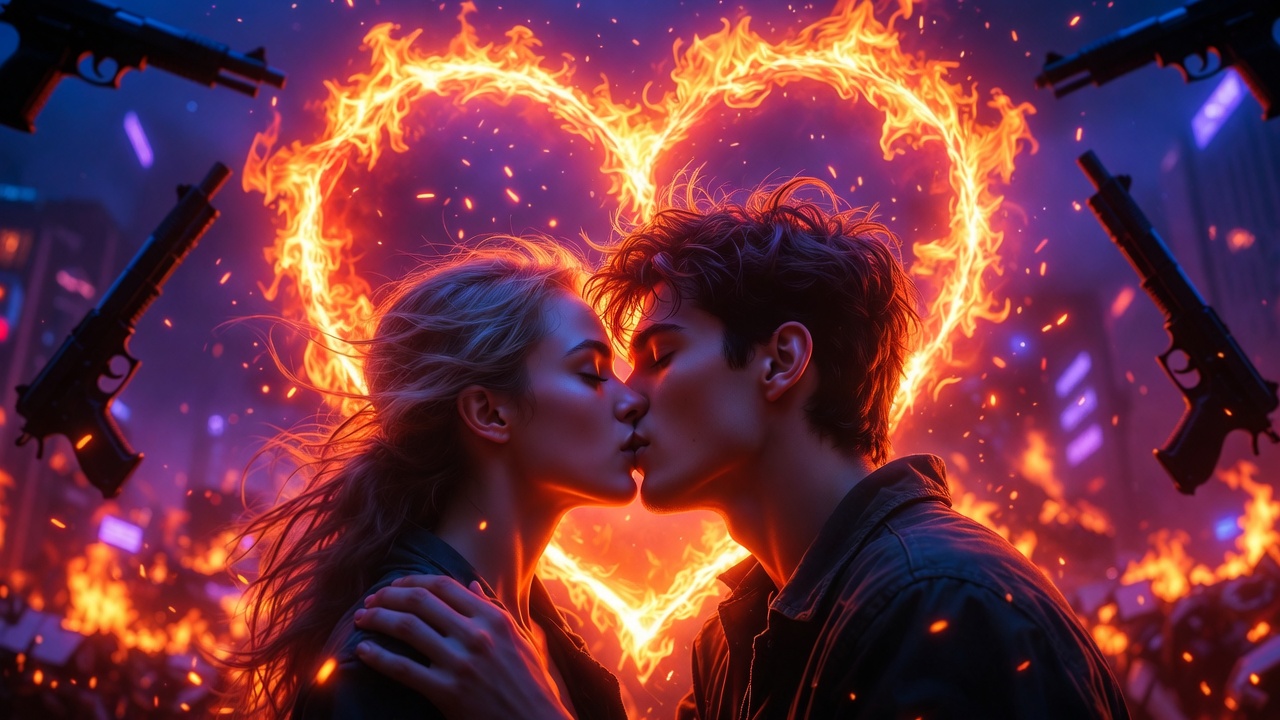
The burning heart fuses religious iconography (the Catholic imagery of the Sacred Heart) with destructive passion—love that illuminates yet ultimately consumes and destroys. The guns replace Elizabethan swords, amplifying modern violence and the arbitrary cruelty of fate. The psychedelic color palette and chaotic composition reflect the MTV-era energy and societal unrest of the 1990s. The tagline “My only love sprung from my only hate” perfectly encapsulates the feud’s bitter irony. This poster made Shakespeare feel urgent, contemporary, and relevant to a generation raised on music videos and urban tension.
Other Notable Adaptations and Variations Beyond these two landmark films, minimalist modern prints have gained popularity, often focusing on single potent motifs—intertwined roses and daggers, starry night skies pierced by light, or abstract light-versus-dark contrasts. Theater company posters frequently incorporate production-specific imagery, such as dramatic stage lighting, symbolic props, or stylized silhouettes. Fan-created and customizable designs available on platforms like Etsy and Redbubble blend vintage romanticism with contemporary aesthetics, allowing individuals to personalize the tragedy in ways that speak directly to their own emotional connection with the play.
Decoding Core Symbolism in “Poster Romeo and Juliet” Designs
The true power of these posters lies in how masterfully they translate Shakespeare’s rich symbolic language into visual form.
Light vs. Darkness – The Play’s Central Motif Visualized From Act 1 onward, Shakespeare contrasts light (Juliet as “the sun,” Romeo as a “torch”) with darkness (night as the lovers’ only refuge). Posters frequently use glowing figures emerging from deep shadow, high-contrast lighting, or a radiant couple framed by encroaching blackness to show love thriving in concealment yet doomed by eventual exposure.
The Lovers’ Embrace – Passion, Unity, and Doom The recurring motif of a close-up kiss or tender gaze symbolizes ecstatic union that momentarily overrides the feud. Yet the tight framing, locked arms, or sense of enclosure in many designs subtly foreshadows entrapment and tragedy.
Weapons, Fire, and Hearts – Symbols of Violence and Sacrifice Classic posters feature daggers or crossed swords; modern ones substitute guns. The burning heart—especially prominent in Luhrmann’s design—merges religious devotion with consuming passion, reminding us that love in this story is both sacred and lethal.
Color Psychology in Romeo and Juliet Posters Warm reds and oranges signal passion, danger, and impending violence. Cool blues evoke melancholy and the inevitability of fate. Purples blend mystique, royalty, and tragedy—colors that appear frequently in both classic and contemporary designs.
Typography and Composition – Conveying Shakespeare’s Poetry Visually Elegant, flowing scripts mirror the play’s lyricism, while bold, distressed lettering adds drama and urgency. Balanced compositions suggest fleeting harmony; asymmetrical or chaotic layouts reflect conflict and inevitable collapse.
Comparing Iconic Designs – Which Poster Captures the Essence Best? –
–
When placed side by side, the differences become clear. Zeffirelli’s poster emphasizes romantic idealism—soft, intimate, timeless, and deeply poetic. Luhrmann’s captures raw intensity—chaotic, fiery, modern, and unflinchingly violent. Minimalist contemporary takes distill the tragedy to its purest symbolic elements, often leaving more room for personal interpretation.
From a literary perspective, Zeffirelli’s design remains more faithful to the text’s lyrical beauty and Renaissance spirit. Luhrmann’s version, however, resonates powerfully in today’s divided world, where love must still fight against systemic hatred and senseless violence. Neither is “better”; each illuminates a different facet of Shakespeare’s genius.
Practical Tips for Fans, Educators, and Collectors
Choosing the Perfect “Poster Romeo and Juliet” for Your Space Match the poster to your interpretation: choose the tender, romantic Zeffirelli style for a bedroom or quiet reading nook; select the explosive Luhrmann design for a study or classroom where you want to spark discussion about violence and passion. Consider size, framing, and natural/artificial lighting—warm light enhances romantic tones, while cooler lighting highlights tragic undertones.
Using Posters in Education and Theater Productions In the classroom, project or display posters and ask students to identify which motifs appear in specific scenes. For school or community theater productions, design custom posters that incorporate signature elements from your staging (costumes, set pieces, color scheme) to build audience anticipation and brand identity.
Creating Your Own Symbolic Romeo and Juliet Poster
- Start with core motifs from the play: light/dark contrast, fire, roses with thorns, stars, or weapons.
- Choose a color palette that matches your emotional focus (warm for passion, cool for fate).
- Use free or affordable tools like Canva, Photoshop, or GIMP.
- Incorporate a key quote in elegant typography.
- Draw inspiration from public-domain Renaissance art, vintage movie posters, or modern graphic design trends.
Expert Insights – Why These Posters Endure
Visual art democratizes Shakespeare. In an age of short attention spans and endless digital noise, a single powerful image can reignite curiosity about a 400-year-old text. These posters remind us that love can briefly bridge even the deepest divisions—yet fate, violence, and human frailty often intervene. They prove that Shakespeare’s tragedy is not frozen in the past; it remains urgently alive.
Poster Romeo and Juliet designs transform Shakespeare’s words into enduring visual poetry, capturing passion, tragedy, and humanity in one unforgettable frame. Whether you prefer the tender idealism of Zeffirelli or the explosive modernity of Luhrmann, these artworks invite us to look closer—at the play, at ourselves, and at the world we still share with the star-cross’d lovers.
Revisit the text. Explore these posters. Consider which symbolism speaks most powerfully to you. And if one design moves you enough, bring it home—it will continue telling the story long after the lights go down.
FAQs
What is the most iconic Romeo and Juliet poster? The 1968 Zeffirelli tender embrace and the 1996 Luhrmann burning heart are widely regarded as the two most iconic, each capturing different emotional truths of the tragedy.
What does the burning heart symbolize in the 1996 Romeo + Juliet poster? It represents passionate love that burns brightly yet leads to destruction—merging religious devotion with the play’s theme of consuming, doomed romance.
Where can I buy high-quality Romeo and Juliet posters? Reputable sources include AllPosters.com, Society6, Redbubble, Etsy (for custom and fan art), and official reproductions from Criterion Collection or Paramount archives.
How do posters differ between Zeffirelli’s and Luhrmann’s adaptations? Zeffirelli’s is romantic, Renaissance-inspired, intimate, and idealistic; Luhrmann’s is chaotic, modern, explosive, and focused on violence and societal tension.
Can posters help students understand Romeo and Juliet symbolism? Absolutely. Analyzing light/dark contrasts, fire imagery, and the lovers’ embrace in posters makes abstract literary motifs tangible, visual, and memorable.